A Pivotal Generation of ‘Young British Artists’
One of the most highly-anticipated Tokyo exhibitions of the year, “YBA & Beyond: British Art in the 90s from the Tate Collection” is a must-see show this spring.
The transition from the late 80s into the 90s was a volatile time for Britain, and the art world reflected that friction. Following the Thatcher era, a loose collective of artists — now synonymous with the Young British Artists (YBAs) — emerged to challenge artistic norms through bold, experimental practices and an openness to new materials and processes. The exhibition features approximately 100 works by a star-studded line-up, including Damien Hirst, Tracey Emin, Lubaina Himid and Steve McQueen.
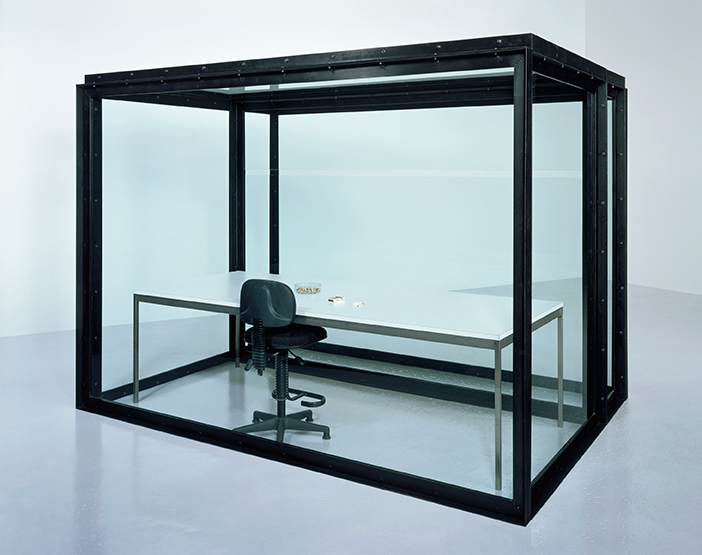
Damien Hirst, “The Acquired Inability to Escape” (1991), Collection of Tate. Photographed by Prudence Cuming Associates © Damien Hirst and Science Ltd. All rights reserved, DACS/Artimage 2026
Sprawling and multifaceted, the exhibition opens with the haunting influence of Francis Bacon, whose visceral depictions of the human condition served as a spiritual backbone for the new generation. His legacy is immediately apparent in Damien Hirst’s The Acquired Inability to Escape (1991), where a sterile office environment is encased in glass — a metaphor for mortality. This exploration of modern identity extends to Mark Wallinger’s Half-Brother (Exit to Nowhere – Machiavellian) (1994–95), which uses the names of famous racehorses to satirize a rigid class system.

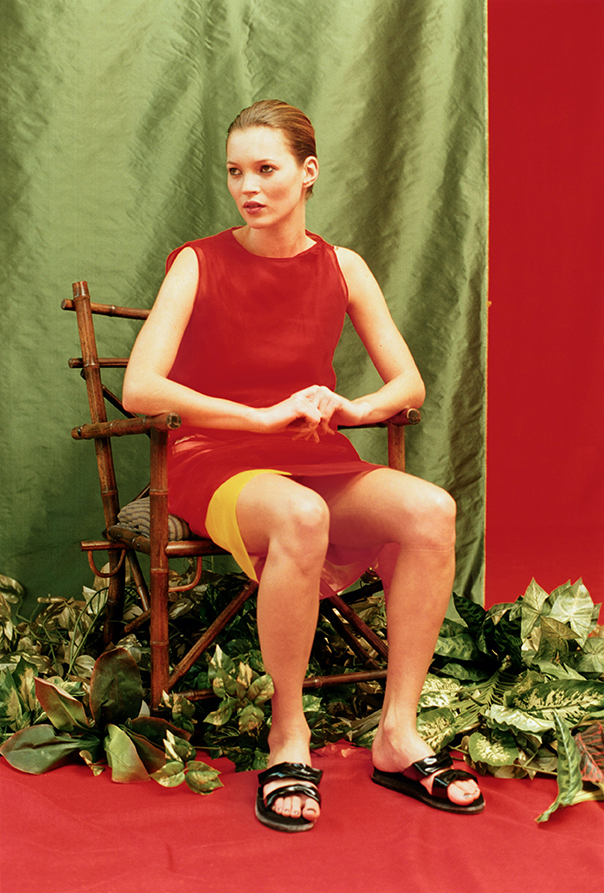
The show also dives deep into the intersection of art and the vibrant youth culture of the 90s, from Britpop to underground music scenes. Whether it’s Julian Opie’s digital portraits for the band Blur or Wolfgang Tillmans’ photography — ranging from intimate portraits of friends to snapshots of the techno and rave scenes — the exhibition highlights a moment when art became inseparable from the music, fashion and street life that defined the era.
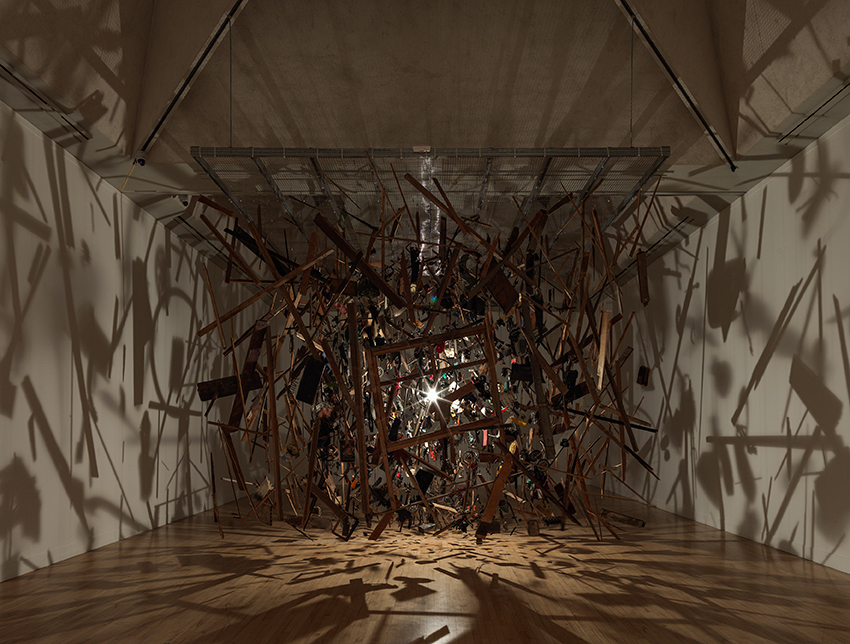
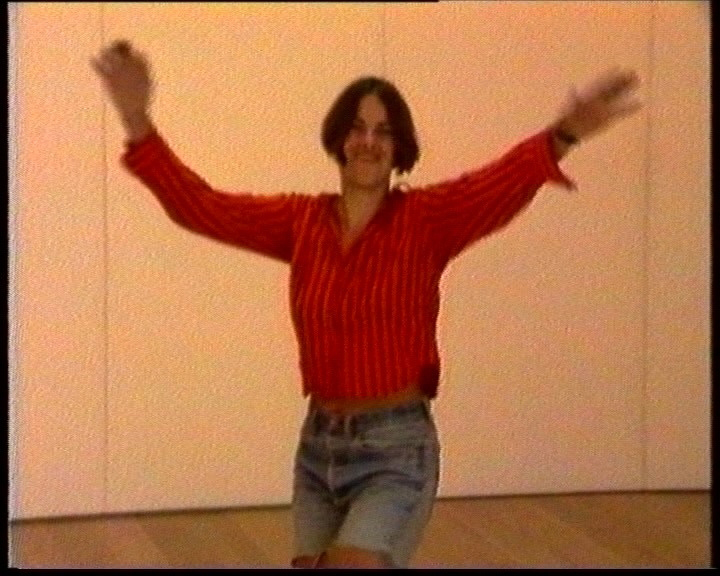
Several installations from the show leave a lasting impact. Cornelia Parker’s Cold Dark Matter: An Exploded View (1991) — the suspended fragments of a garden shed blown up by the British Army — captures the tension of a society marked by political upheaval, while Tracey Emin’s confessional video work, Why I Never Became a Dancer (1995), poignantly transforms personal trauma into a defiant act of self-reclamation.