
In this week’s news roundup, we examine Japan’s controversial “hostage justice” system through Christopher Payne’s fight to clear his name. Yuki Imai’s wife appeals to Russia for the release of the detained Hokkaido Shimbun reporter. We also cover the British Embassy’s warning about spiked drinks and credit card fraud in Japan. Shuri Castle’s main hall reopens, while Japan advances plans for multiple “second capitals.” Yokozuna Onosato also claims his seventh Emperor’s Cup.
Hostage Justice in Japan: Christopher Payne’s Fight for Freedom
Japan’s controversial criminal justice system is facing renewed scrutiny following a CNN report on Christopher Payne. The American remains behind bars despite having his conviction overturned. His lawyers and supporters say his case highlights what critics call Japan’s “hostage justice” system, where suspects face prolonged confinement and pressure to confess. His continued imprisonment and repeated bail denials, despite his challenge to the evidence, have intensified concerns over the country’s legal practices.
Payne, 34, was sentenced to eight years in prison after being convicted of sexual assault in connection with a 2018 incident in Chiba. In December 2025, a high court overturned the conviction and ordered a retrial, raising serious questions about the DNA evidence used against him. According to CNN, prosecutors and the Ministry of Justice have declined to comment directly on the reasons for Payne’s continued detention or allegations of DNA from the crime scene being edited.
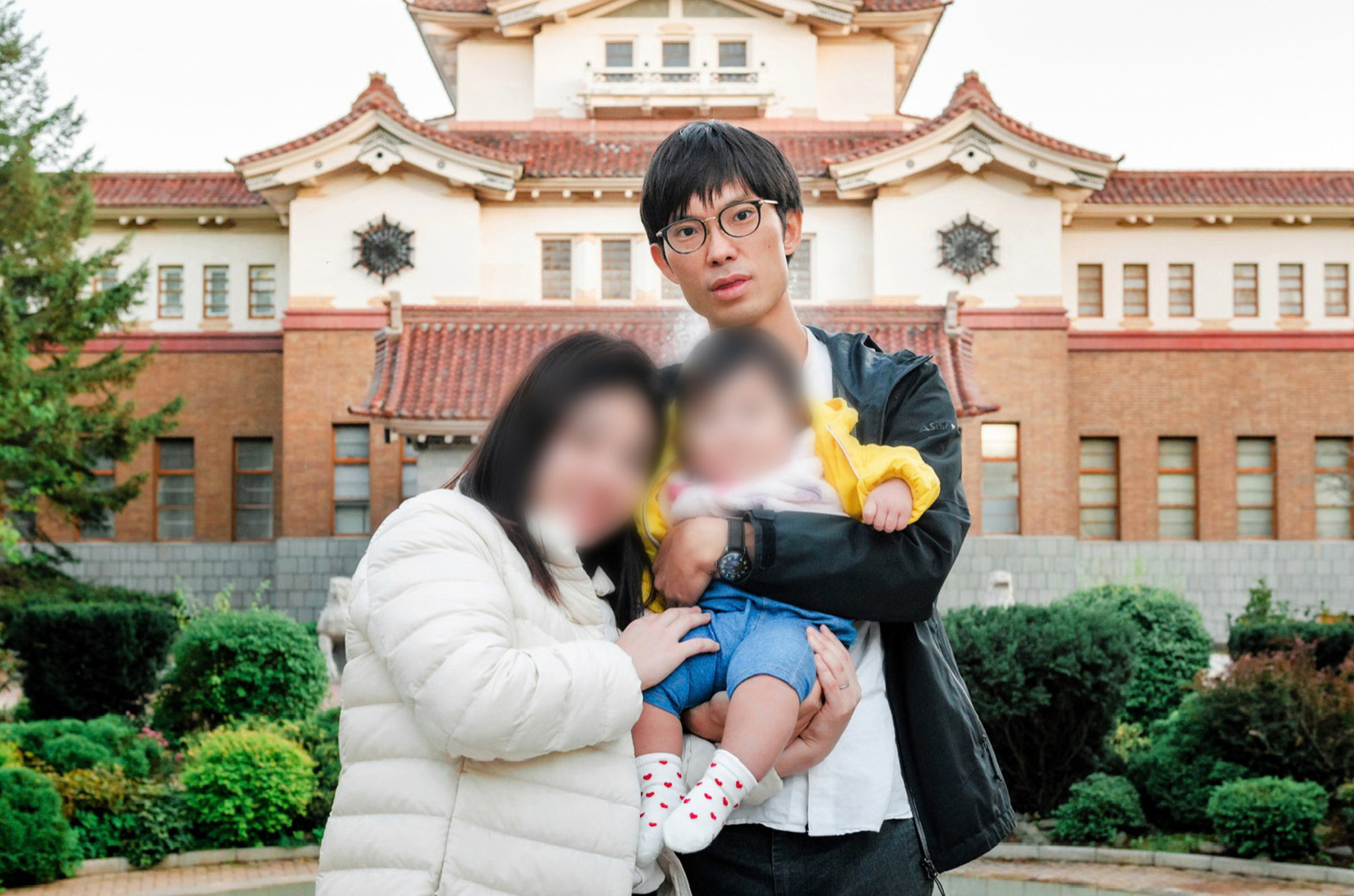
Detained Hokkaido Shimbun Reporter, Yuki Imai, and family | Image: Nozomi Imai
Yuki Imai’s Wife Urges Russia to Release Hokkaido Shimbun Reporter
On Thursday, Nozomi Imai, 32, the wife of Hokkaido Shimbun journalist Yuki Imai, issued a passionate appeal urging Russian authorities to release her husband via a series of handwritten Japanese, Russian and English letters. Imai was detained by Russia’s Federal Security Service (FSB) in October shortly before he was due to leave the country. He is accused of gathering intelligence on Moscow’s defence capabilities on behalf of Tokyo. Japan has denied engaging in espionage in Russia.
In an emotional appeal, Nozomi Imai describes the anguish her family has endured since her husband was detained by Russian authorities more than a month ago. She recalls his deep affection for Russia, his hopes of building bridges between the two countries, and his excitement at returning home to their young daughter. Pleading for his release, she urges the public to help bring her husband and their daughter’s father home.
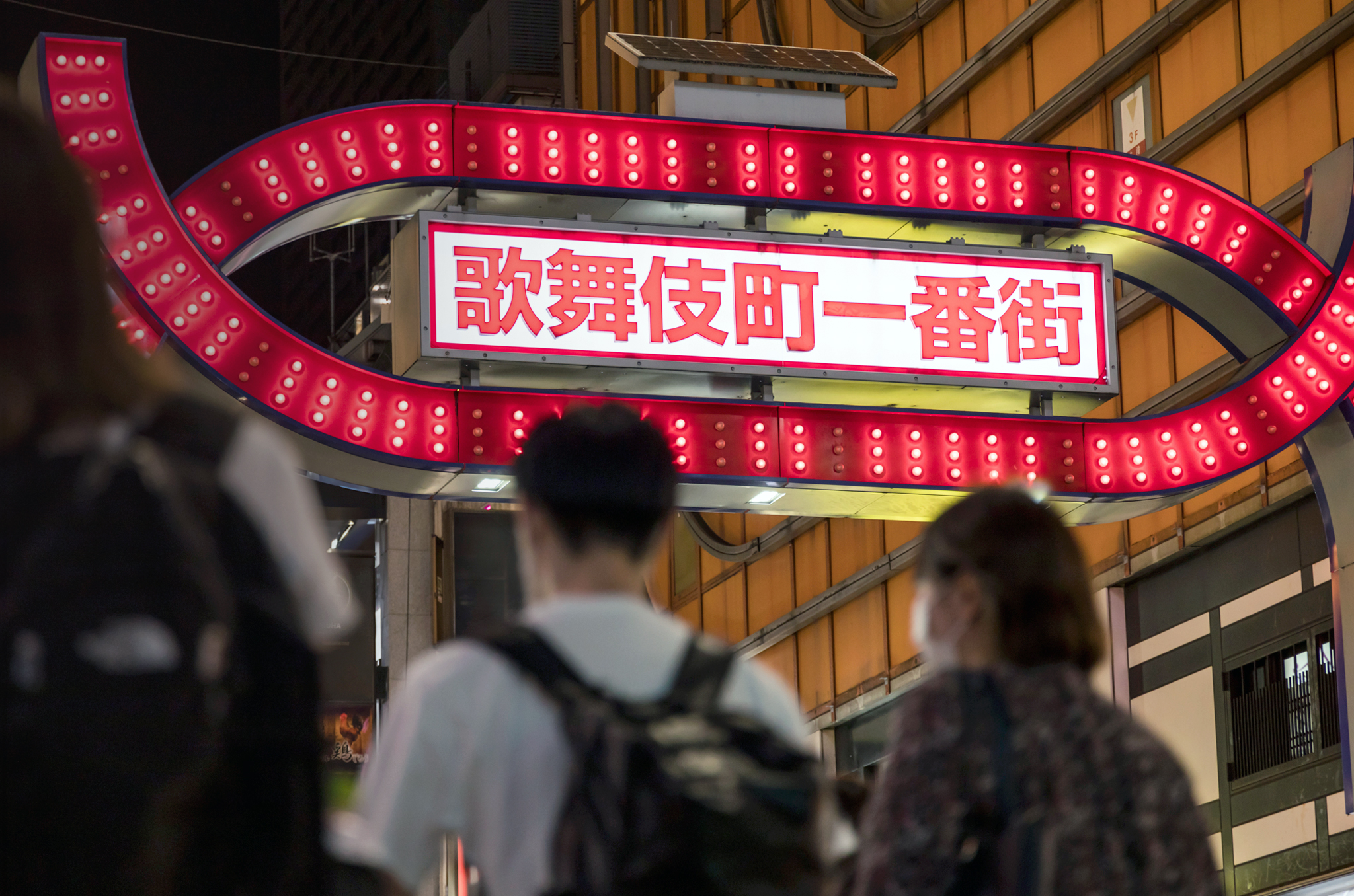
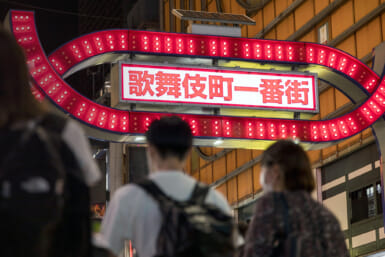
Around 340 bar-related rip-offs have been reported in Shinjuku between January and October, many involving tourists. Pictured: Shinjuku’s Kabukicho District
Spiked Drinks, Blank Memories and ¥6 Million Bills: Tokyo’s Rising Nightlife Scams
Japan is widely regarded as one of the world’s safest travel destinations, which makes a new warning to tourists all the more startling. The British Embassy in Tokyo has launched a social media campaign highlighting the risks of spiked drinks and credit card fraud, enlisting rapper and manga artist Shao Dow to help get the message across. While the campaign draws attention to a darker side of Tokyo’s nightlife, the embassy has stressed that Japan remains a safe destination.
Dow warns that some victims have lost as much as £30,000 (over ¥6 million) in a single night, waking with no memory of what happened. Police figures underline the scale of the problem: around 340 bar-related scams, involving ¥390 million ($2.44 million), were recorded in Shinjuku between January and October, up by 195 cases and ¥250 million year on year. Foreign nationals accounted for 70% of victims, while street touts were linked to 65% of incidents.
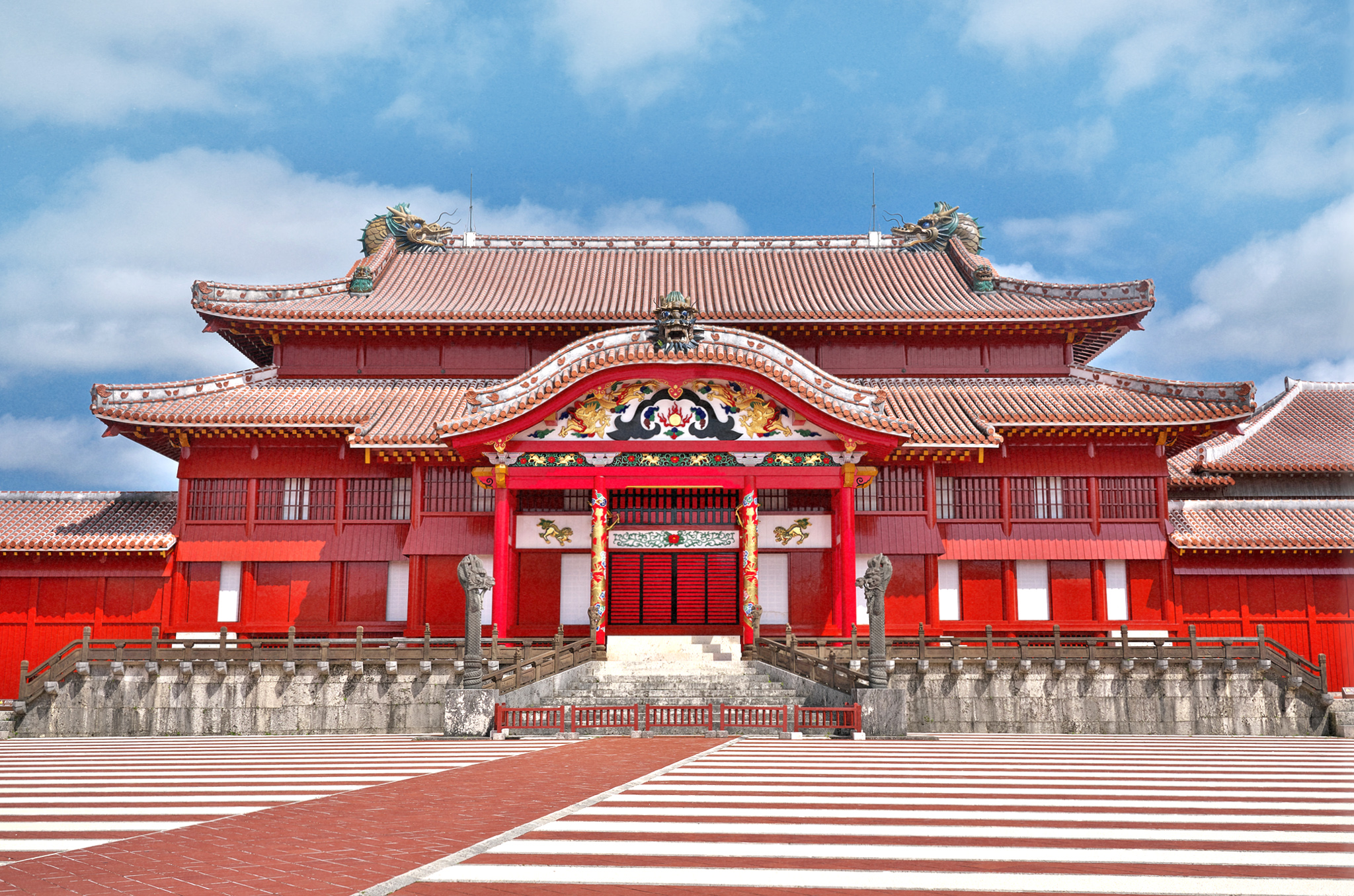
Rising From the Ashes: A New Chapter for Okinawa’s Shuri Castle
Seven years after a devastating fire reduced much of Shuri Castle’s main hall to ashes, it is once again welcoming visitors from across Japan and overseas. On Monday, the reconstructed heart of the former Ryukyu Kingdom opened to the public, marking a major milestone in one of Okinawa’s most important cultural restoration projects. Although work on the wider complex remains ongoing, the main hall’s return represents the revival of a powerful and enduring symbol of Okinawan identity.
The largest wooden building in Okinawa, the three-story structure blends Ryukyuan, Japanese and Chinese architectural styles. Visitors can enter the first floor (Shichagui) and second floor (Ufugui) to see the restored Usasuka throne, golden dragon pillars and intricate black lacquerware. An upper wall also features a tablet measuring 1.4 meters high and 3.5 meters wide, bearing an inscription inspired by a historic letter bestowed by a Chinese emperor.
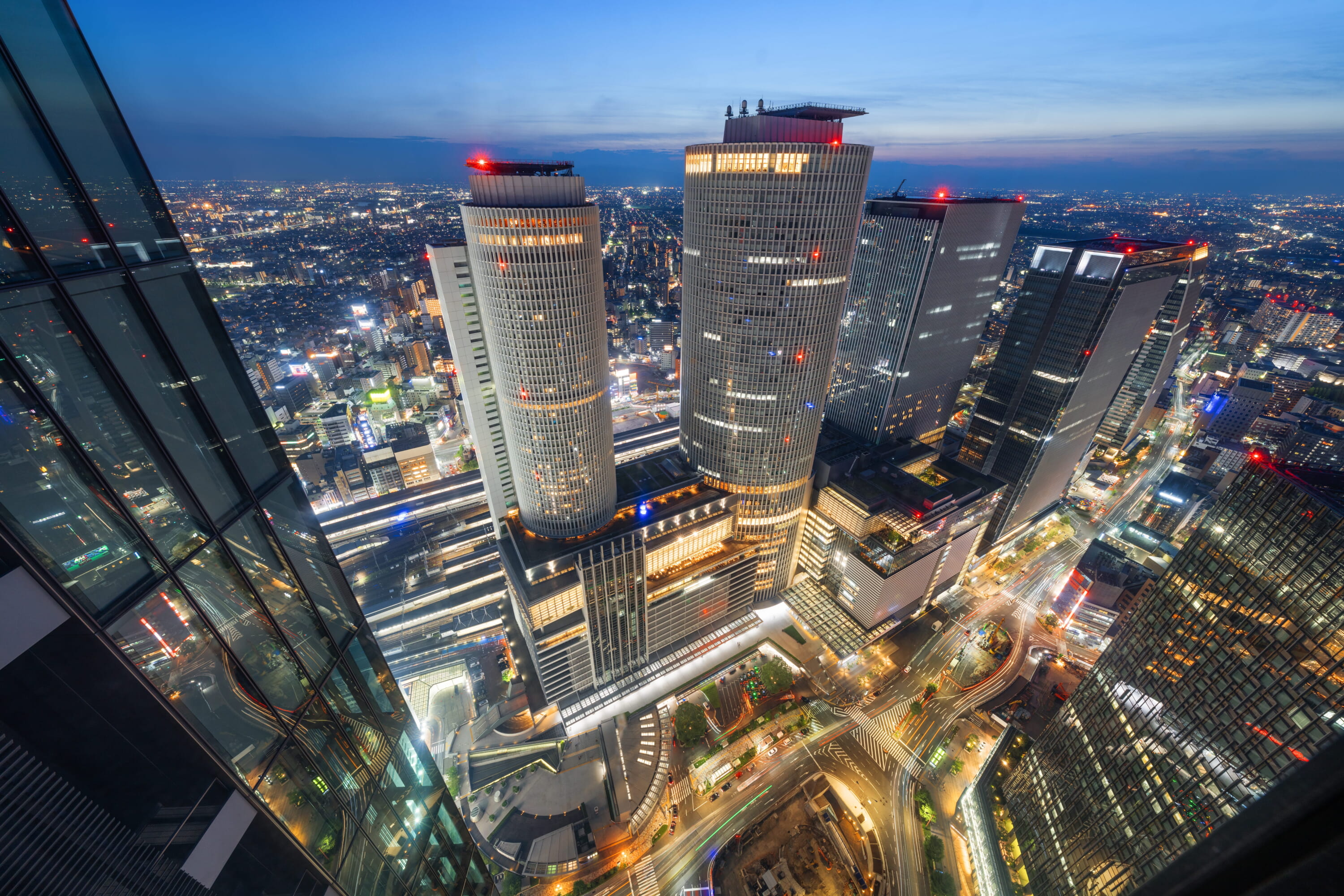
Japan Moves Ahead With Plans for Multiple ‘Second Capitals’
Japan may be getting more than one second capital. The government is now proposing to designate multiple prefectures as secondary capitals, rather than establish a single alternative hub. The shift marks a new direction for an initiative initially discussed largely in terms of finding an alternative location capable of supporting the country’s central government functions in the event of a major disaster. Hokkaido, Aichi, Osaka and Fukuoka are among the potential candidates.
Under the proposed timeline, applications will open in June 2027, with prefectures required to first secure approval through a vote in their respective assemblies before applying. The government expects to announce its designations in October or November next year, with multiple prefectures set to be selected simultaneously. It also plans to establish a basic policy by October 2027, setting out the functions, roles and responsibilities expected of the designated prefectures and providing an overall framework for their development.
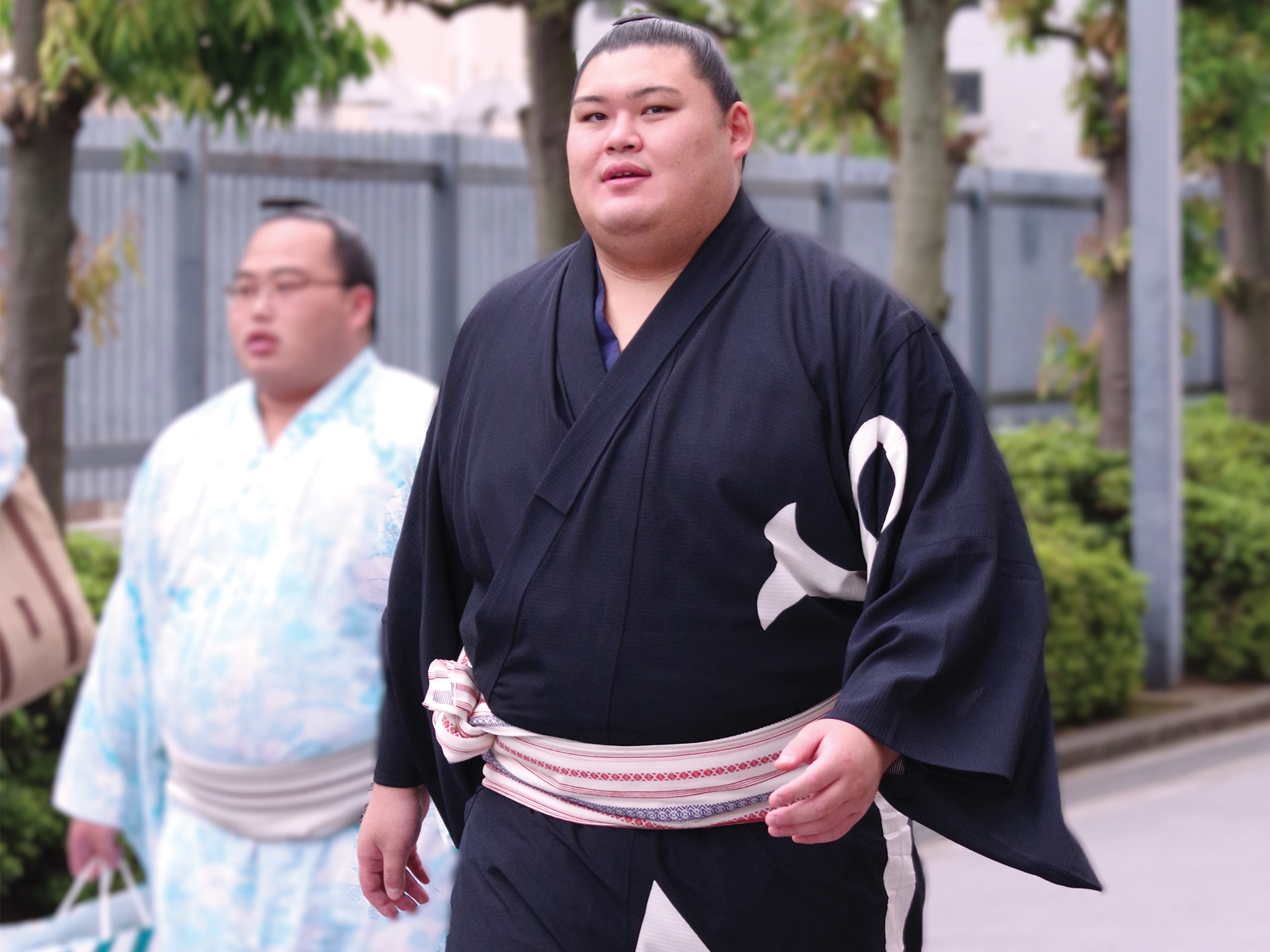
Onosato Wins Seventh Emperor’s Cup
Yokozuna Onosato won his second consecutive top division title on Sunday after defeating rank-and-file wrestler Wakamotoharu in a play-off. Entering the final day, the pair were tied at 12-2. Wakamotoharu overcame sekiwake Atamifuji for his 13th victory, while Onosato pushed out fellow yokozuna Hoshoryu to set up the grand finale. In the decisive encounter, Onosato used a watashikomi leg-grab technique to force his opponent out of the ring, securing his seventh Emperor’s Cup triumph.
Wakamotoharu’s defeat denied him and his younger brother, Wakatakakage, a place in sumo history. Wakatakakage had already clinched the juryo title with a 14-1 record. A victory for Wakamotoharu would have made them the first brothers to win the top two divisional titles at the same tournament. Elsewhere, Ukrainian ozeki Aonishiki, hampered by a leg injury, finished 7–8, leaving him kadoban and needing a winning record at the next basho to retain his rank.