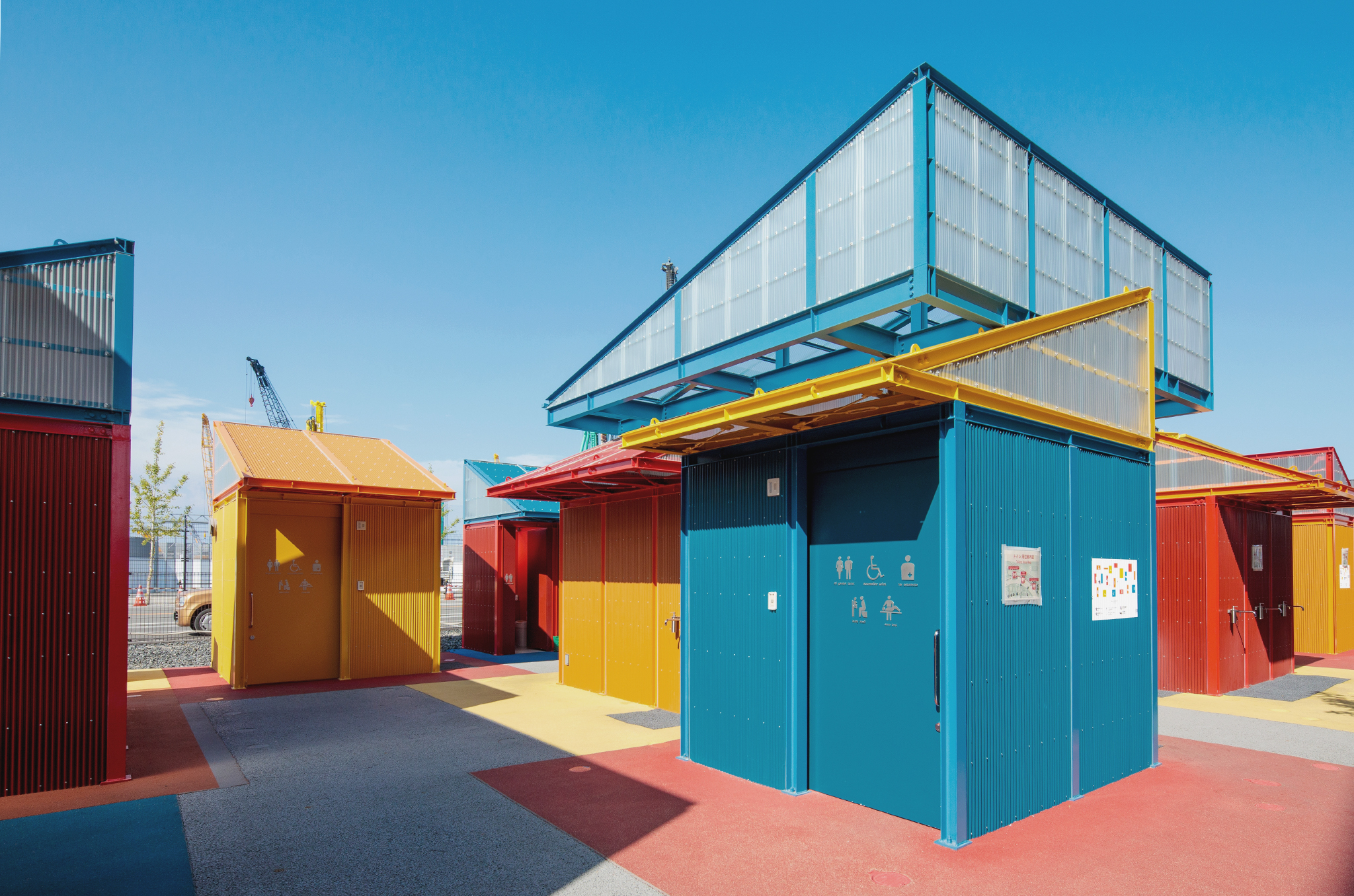
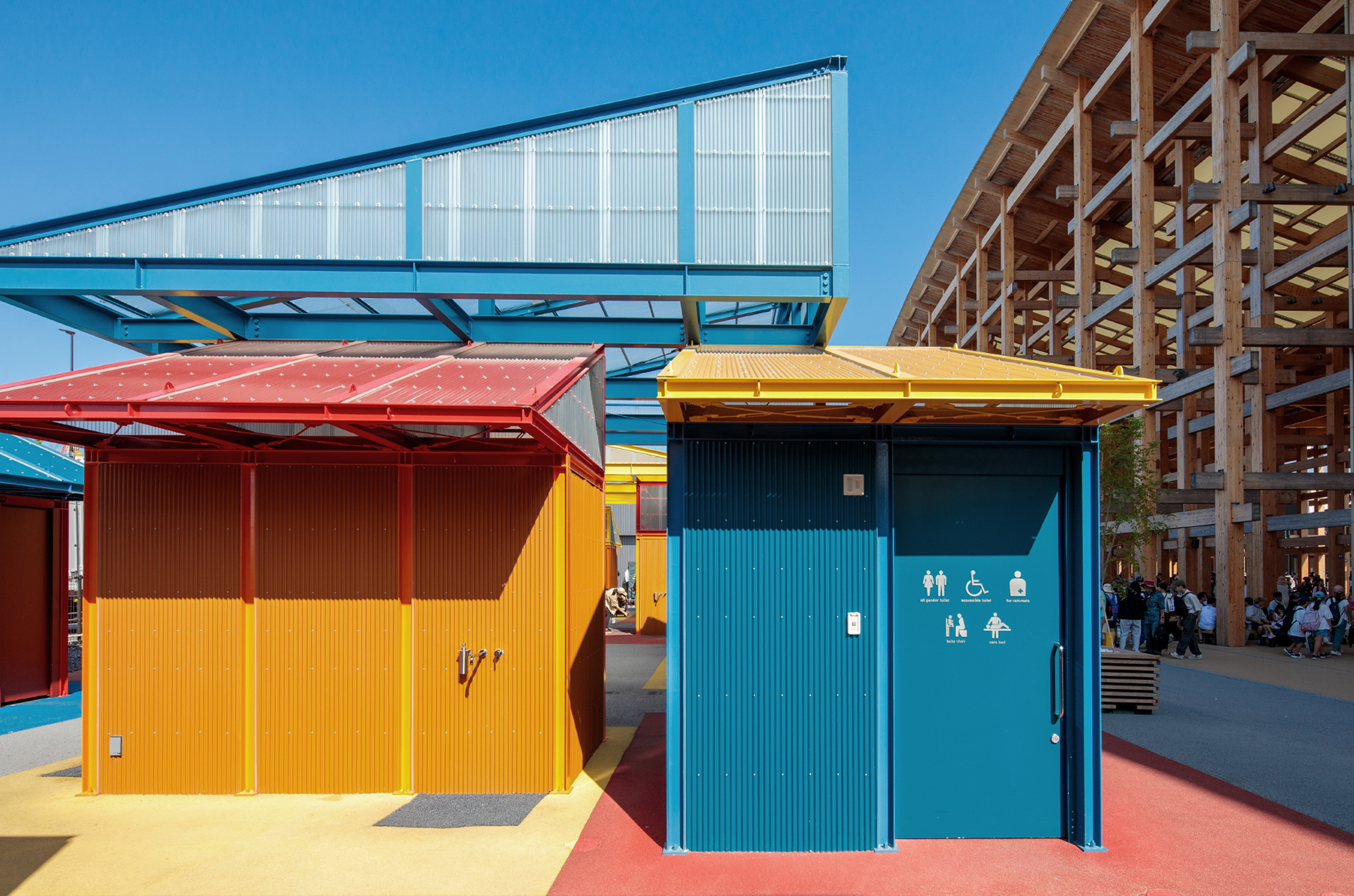
The controversial modular restrooms from the 2025 World Expo, which became known for their “¥200 million toilet” label, are set for a permanent home. On Tuesday, the Osaka Prefectural Government confirmed a transfer agreement to relocate the famous Lego-like restrooms to the Osaka Prefectural Flower Culture Center in Kawachinagano city. The installation will be downsized for the move, with the prefecture budgeting approximately ¥100 million for dismantling and transportation. They will be available for use from next spring.
“I am happy that the toilet will be moved,” architect Takashi Yonezawa told the Asahi Shimbun. He welcomed the decision to preserve the structure, saying it would allow new generations to experience a piece of the event. “In the future, I hope that people who are not familiar with the Expo will be able to experience it, and that it will contribute to the preservation of the Expo’s history and culture.”
Known as Toilet No. 5, Yonezawa’s modular toilet complex comprises 46 prefabricated units designed to be dismantled and relocated. Inspired by the Metabolism movement, the reusable design showed how architecture could be adapted rather than demolished. The facility became known as the “¥200 million toilet,” although the final contract price was approximately ¥150 million. The reported ¥200 million cost sparked criticism over public spending, with some questioning whether the price was justified for a temporary structure.
The controversy intensified after former Takarazuka actress Tomoko Mariya criticized the project on social media, saying the reported ¥200 million cost left her “shaking with anger” and calling for greater transparency over the spending. The Expo Association, however, defended the price, saying the figure covered a large architect-designed facility rather than a conventional public toilet. Yonezawa, meanwhile, emphasized the project’s original purpose: creating a structure designed to adapt over time rather than be discarded after a single event.