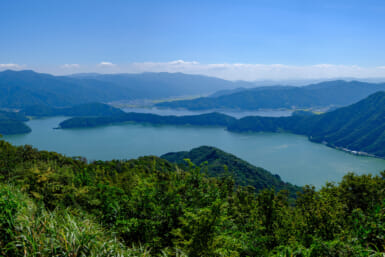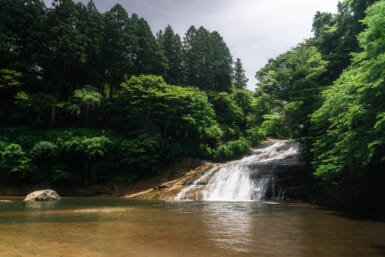
In Tara, earth’s deep breaths are felt in the landscape. Located in Saga Prefecture, between the lush Tara-dake mountain range and the Ariake Sea, the town experiences Japan’s largest tidal range — something that’s shaped its unique culture, landscape and flavors. With hot springs, seafood delights and floating torii gates, Tara is a mystical escape defined by natural beauty and the moon’s eternal pull.
Feeling the Moon’s Gravity in Tara Town
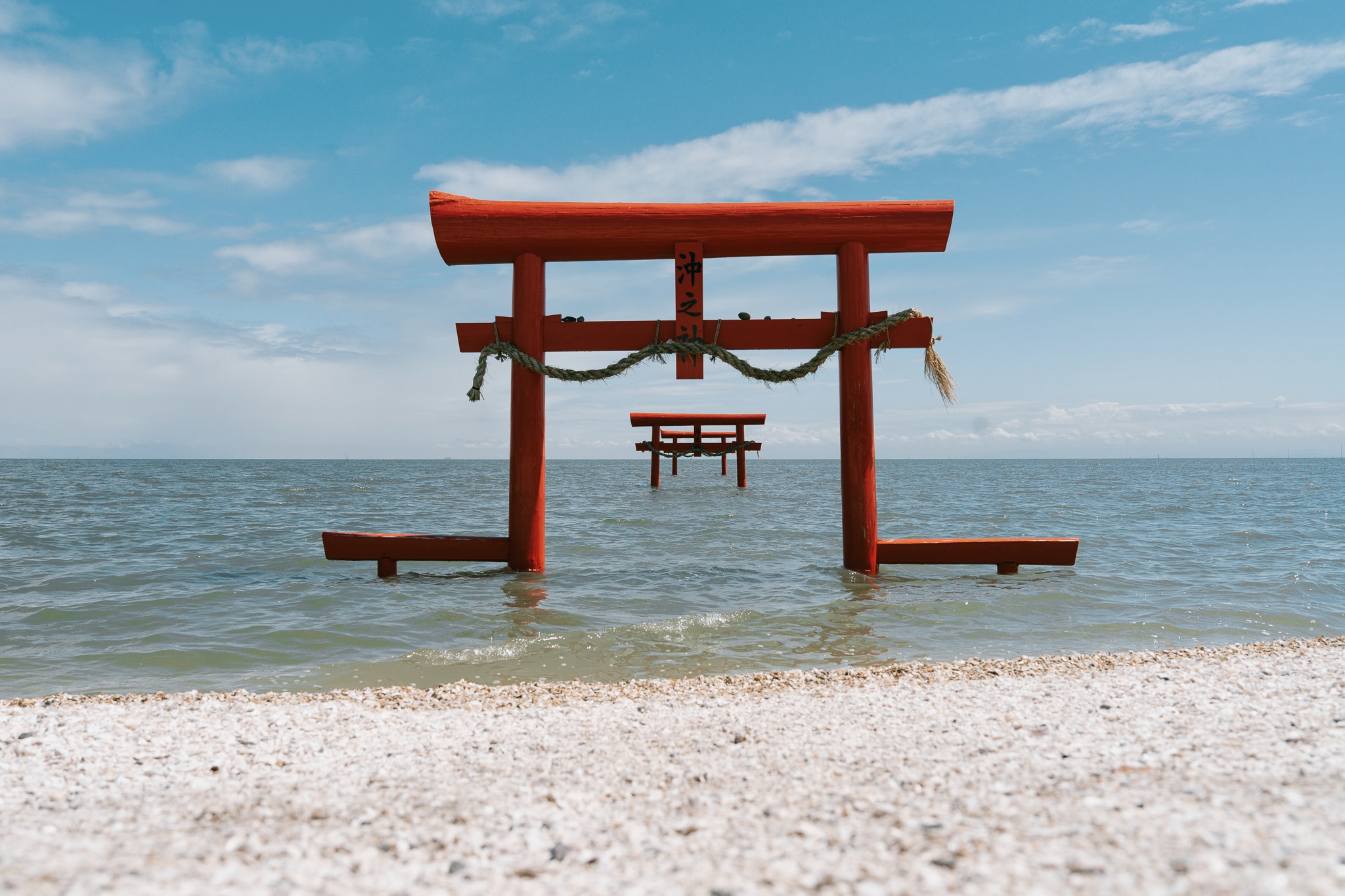
In Tara, the passage of time is measured in meters rather than minutes. Witnessing the town’s 6-meter tidal range is nothing short of baffling — in the morning, the sea is a vast mirror reflecting the Kyushu sky; just a few hours later, the water has receded into the distance, revealing the rocky, nutrient-dense mudflats that sustain the region.
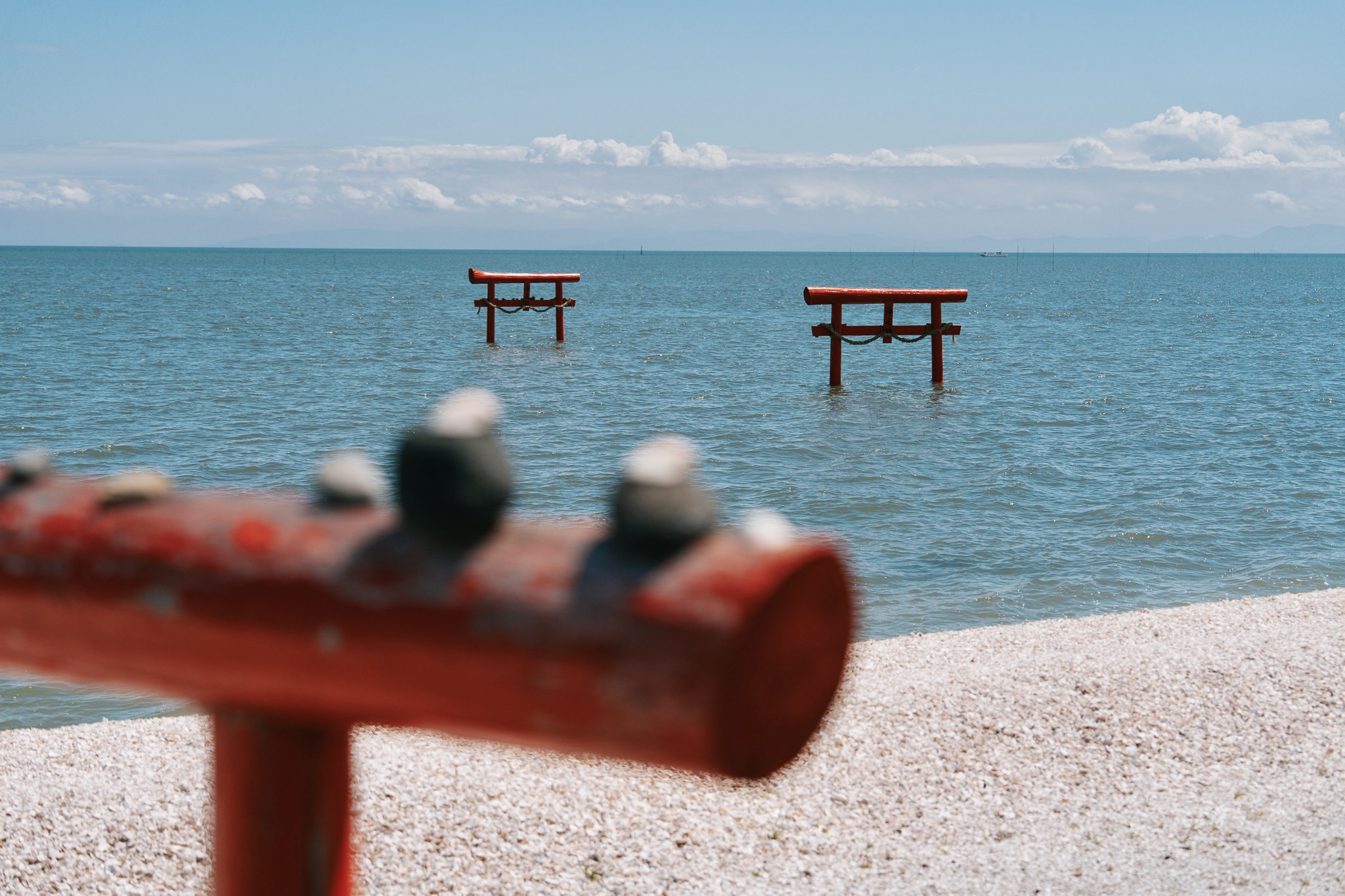
The most iconic place to take in this phenomenon is at the floating torii gates of Ouo Shrine. These three vermilion torii appear to float weightlessly on the water at high tide, a gateway to the underwater world. As the water retreats, the seabed reveals itself, allowing guests to walk under the torii, a quietly powerful reminder that we are at the mercy of the mysteries of the universe.
What To Eat in Tara Town
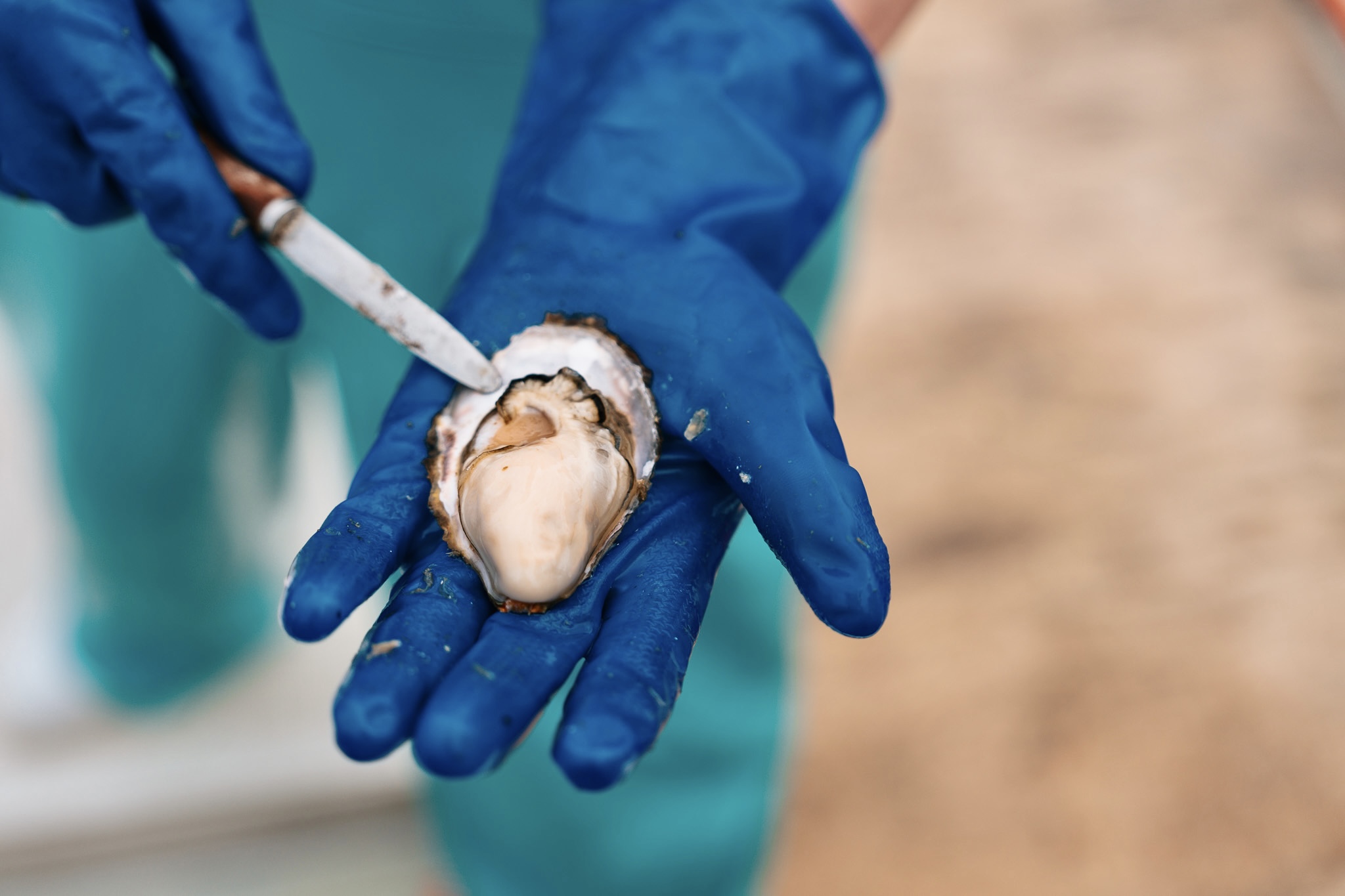
The name Tara originates from the legendary Emperor Keiko’s visit to the town; he was so moved by the region’s food that he named it the “Village of Plenty” (Tarai no Mura). The mountains and sea find a meeting place in its local cuisine — the town is famed for its oysters, crabs, mandarins, seaweed and more.
A trip to Tara isn’t complete without a visit to a local oyster hut. A great option is Kaidomaru, located just in front of the iconic floating torii gates. Roasting Takezaki oysters that you’ve picked out yourself over a grill, surrounded by the lively chatter of local fishermen, is the quintessential Tara experience. Tara’s oysters are prized for their plumpness and concentrated umami, a result of the Ariake Sea’s dramatic tides.
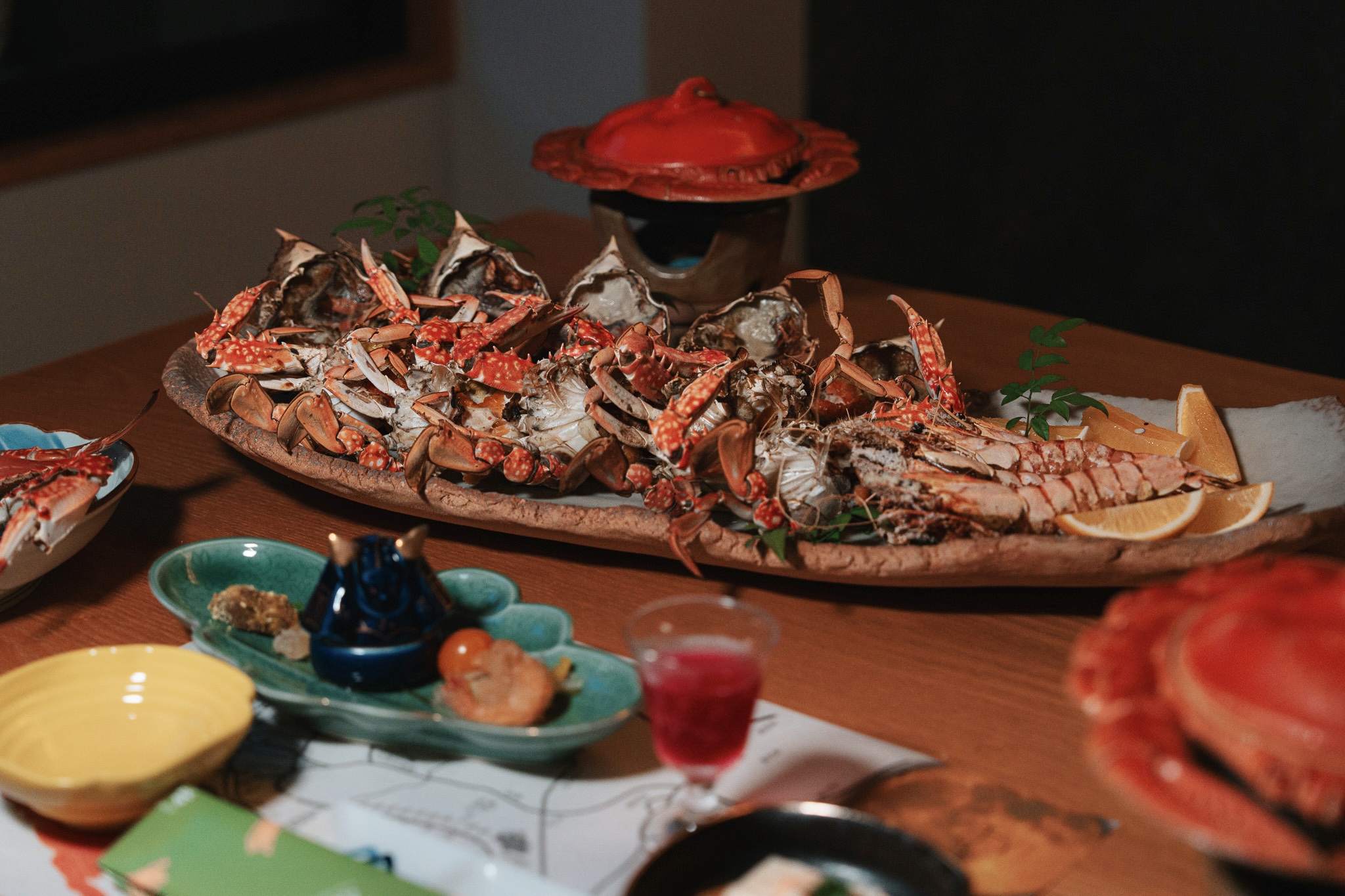
Takezaki crab is also a local delicacy. These blue swimming crabs, which feed on the rich organisms of the mudflats, possess a meat so sweet and a roe so rich that they have become a destination dish for gourmands across Japan.
Turning away from the salt spray and toward the emerald slopes, you find the source of Tara’s liquid gold: its mikan mandarins. Cultivated on steep terraces, these oranges benefit from the “three suns”: direct sunlight, the reflection off the sea and the warmth from the stone walls that support the terraces. The result is a citrus fruit with an intense, balanced sweetness that tastes like the Kyushu sun.
What To Do in Tara Town: Fruit Bus Stops, Coastal Beauty and Vintage Cafes
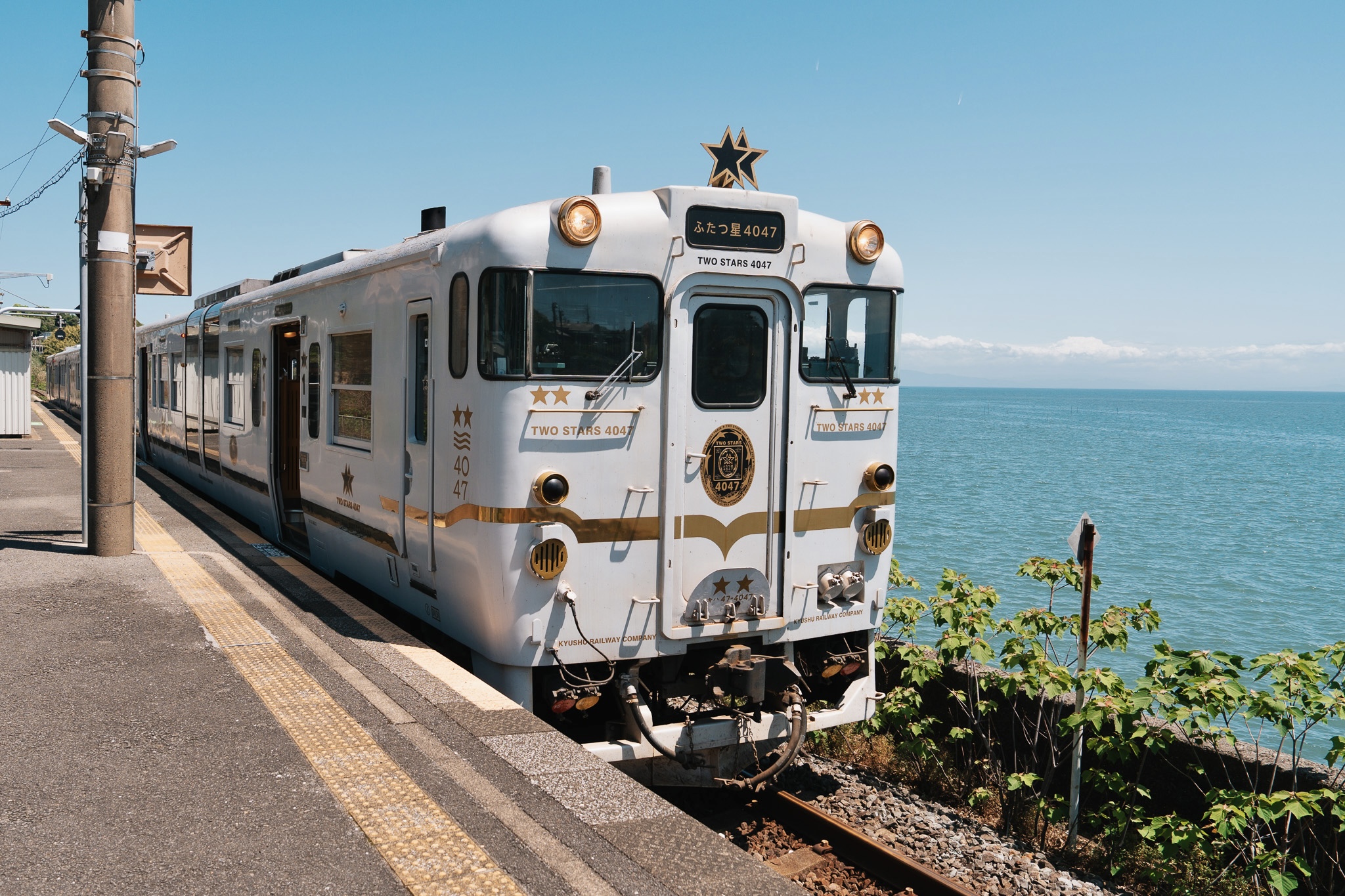
One of the many pleasures of traveling to Tara is the journey itself. The popular Two Stars 4047 sightseeing train passes through the town, offering a front-row seat to the coastline. The pearly white train, complete with elegant wooden and golden interiors, glides along the Nagasaki Main Line, its large windows framing the Ariake Sea like a living painting. At Tara Station, travelers can ring a bell known as the Bell of Happiness and purchase the town’s famous seaweed.
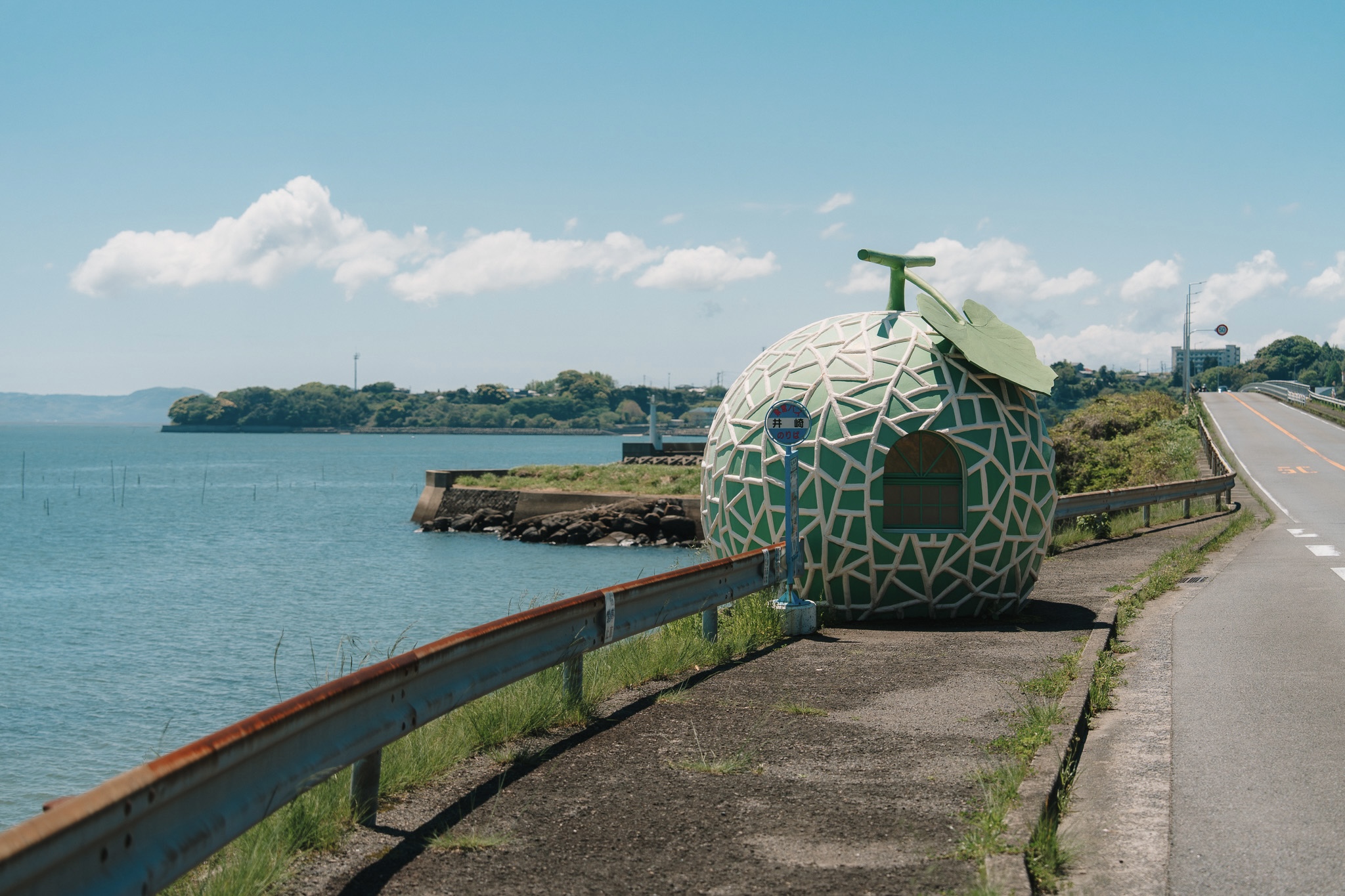
For those venturing by car, the coastal road offers one of Japan’s most whimsical sights: adorably photogenic fruit-shaped bus stops. Located just across the border in Konagai, Nagasaki, these oversized strawberries, melons, mikan and other miscellaneous fruit were originally built for the Journey Exposition Nagasaki in 1990, and have since become iconic landmarks. They offer a touch of surrealist charm to the rugged, natural beauty of the drive.
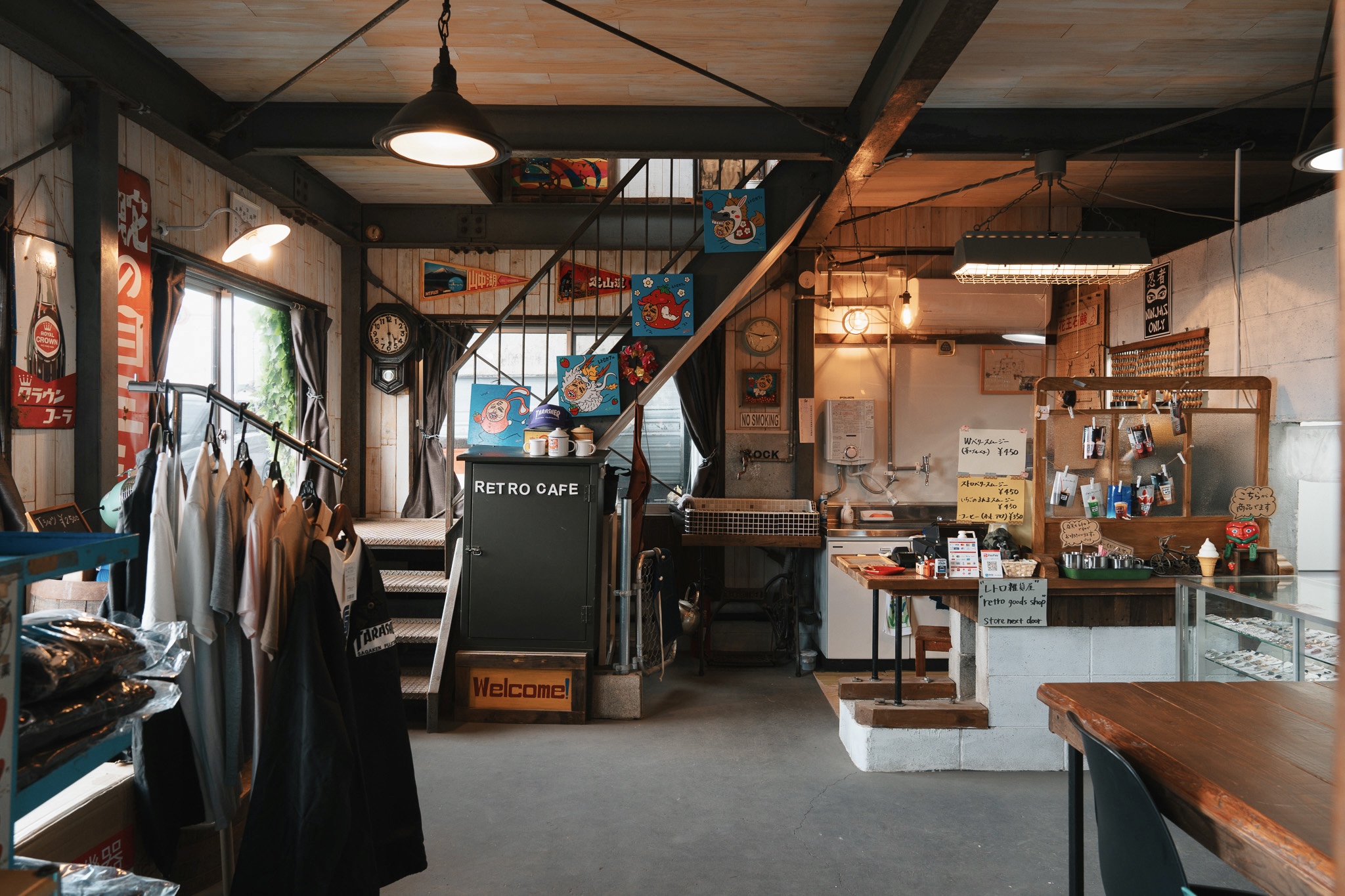
For an extra dash of whimsy while you’re in Tara, stop by Hagakure Kobo, a nostalgic vintage shop-turned-cafe, packed with retro posters, clothes, record players, manga and more. The space feels frozen in time, perfect for enjoying a strawberry smoothie or parfait filled with Kyushu’s red berries.
Where To Stay: Kaijokan, a Charming Seaside Ryokan
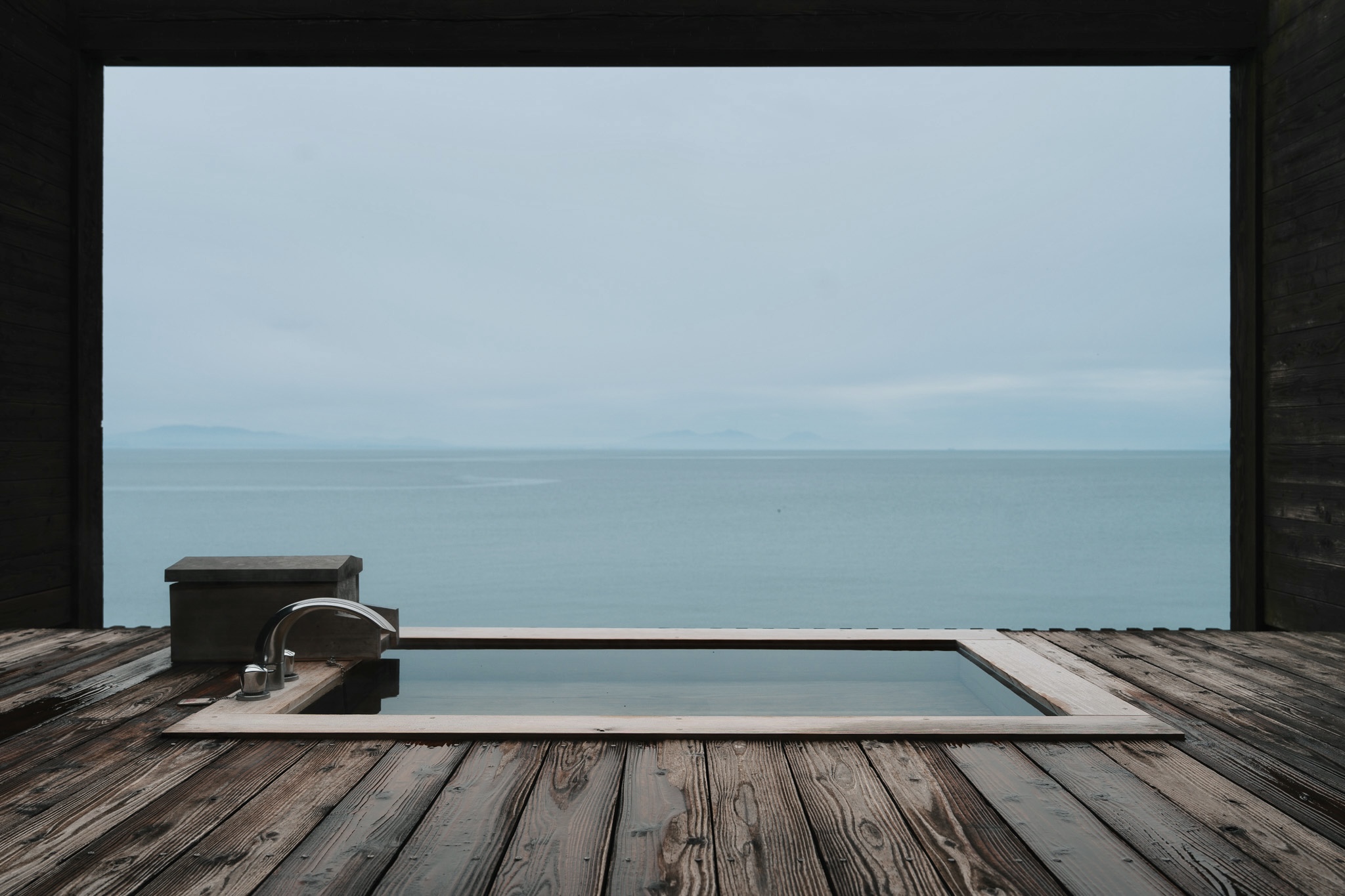
To truly understand Tara, you should really stay for a full 24 hours to experience the tidal cycle. For an overnight stay, we recommend Kaijokan — a premier onsen ryokan deeply set right alongside the sea, offering spacious rooms with private open-air baths overlooking the ocean.
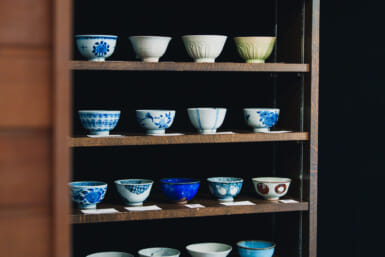
What makes Kaijokan unforgettable is the proprietress, who curated much of the space herself. The resulting atmosphere is somewhere in between a luxurious inn and the soulful home of your favorite grandmother. This personal touch extends to her extensive collection of ceramics. Guests are invited to browse her display of local Arita-yaki and Karatsu-yaki cups and choose their favorite hand-crafted piece for a coffee upon arrival or after breakfast.
In the evening, Kaijokan serves up an impressive kaiseki dinner featuring fresh crab, oysters and mountain produce. Under the powerful moon, those visiting the “Village of Plenty” can understand why Emperor Keiko was so moved 2,000 years ago, feeling first-hand how we are connected to the land, the sea and the heavens.
More Info
To plan your trip to Tara town, please visit the official tourism website.
Updated On June 26, 2026