Kyoto spent more than 1,000 years as Japan’s imperial capital, and that long history leaves behind more than beautiful temples and traditional streets. It also left behind a city filled with ghost stories and tales of the supernatural.
One of Kyoto’s most famous legends even shaped the course of its history. After scholar Sugawara no Michizane was exiled from court in 901 and died two years later in disgrace, a series of disasters struck the capital — plagues, droughts and even a lightning strike on the Imperial Palace itself in 930 that killed several officials and courtiers. Convinced that Michizane’s vengeful spirit was responsible, the imperial court established Kitano Tenmangu Shrine in 947 to appease him.
Around the same time, Kyoto’s biggest summer festival, Gion Matsuri, began as a ritual to calm vengeful spirits believed to have caused a devastating epidemic. It’s perhaps no surprise, then, that Japan’s ancient capital remains filled with places where history and the supernatural still seem to overlap. Here are seven of Kyoto’s eeriest spots to visit — if you dare.
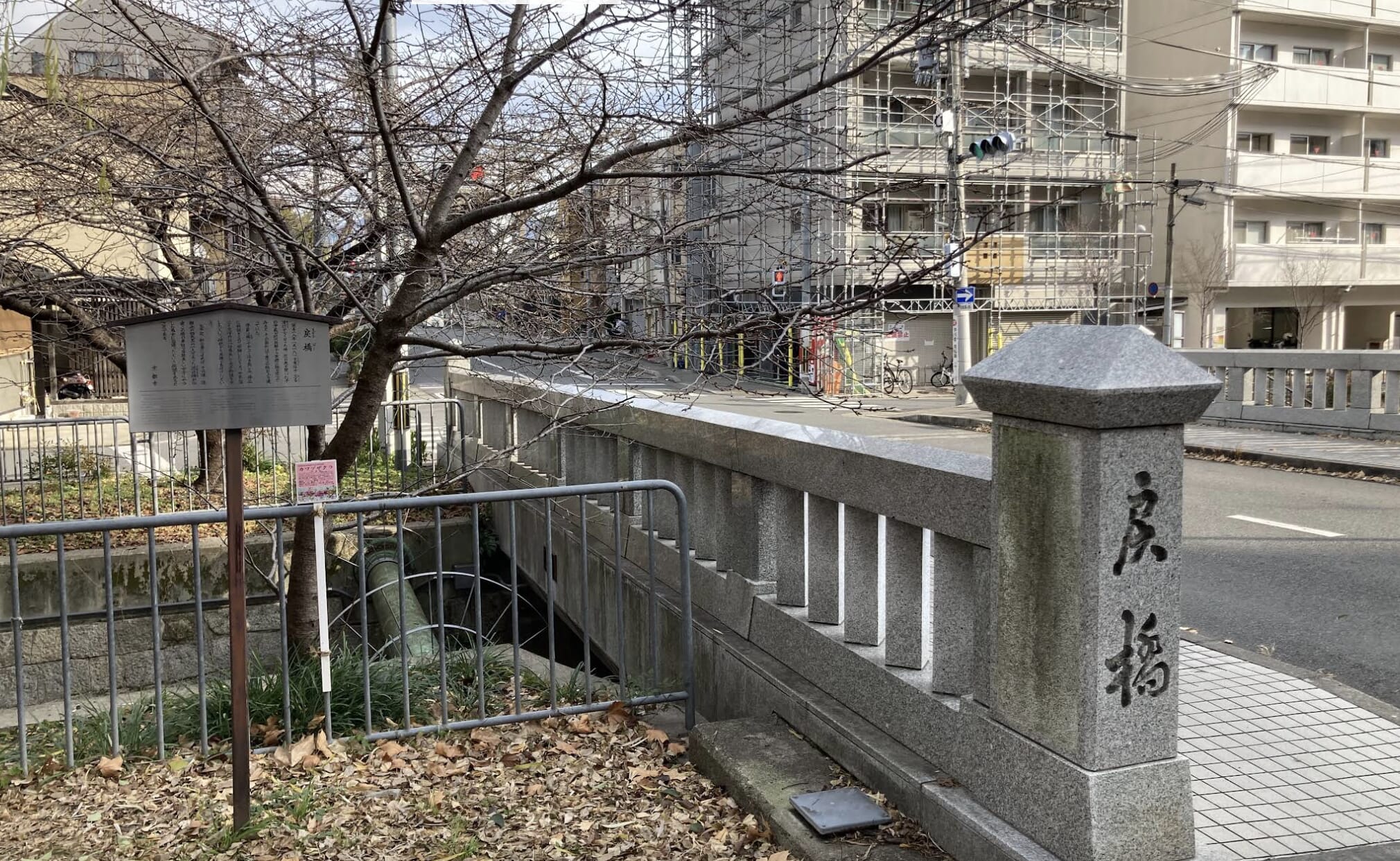
1. Ichijo Modori Bridge (Modori-bashi)
This unassuming bridge in Ichijo has one of the city’s most enduring supernatural reputations. Its name, modori (“return”), comes from a Heian-period legend in which a man’s deceased father briefly returned to life as his funeral procession crossed the bridge. The bridge is renowned for being a portal between the living and the dead and is also closely associated with the legendary yin and yang master Abe no Seimei, whose shrine, Seimei Shrine, stands nearby. He was said to have revived people using sorcery and to have kept his demon-like familiars under the bridge.
The bridge also has a grim history: During the Sengoku period, the area was reportedly used by the warlord Toyotomi Hideyoshi as a site for public punishments. According to legend, the severed head of the famed tea master Sen no Rikyu was displayed here after Hideyoshi ordered him to commit ritual suicide in 1591. A few years later, the 26 Martyrs of Japan also had their earlobes cut off near the bridge before being marched to Nagasaki for execution.
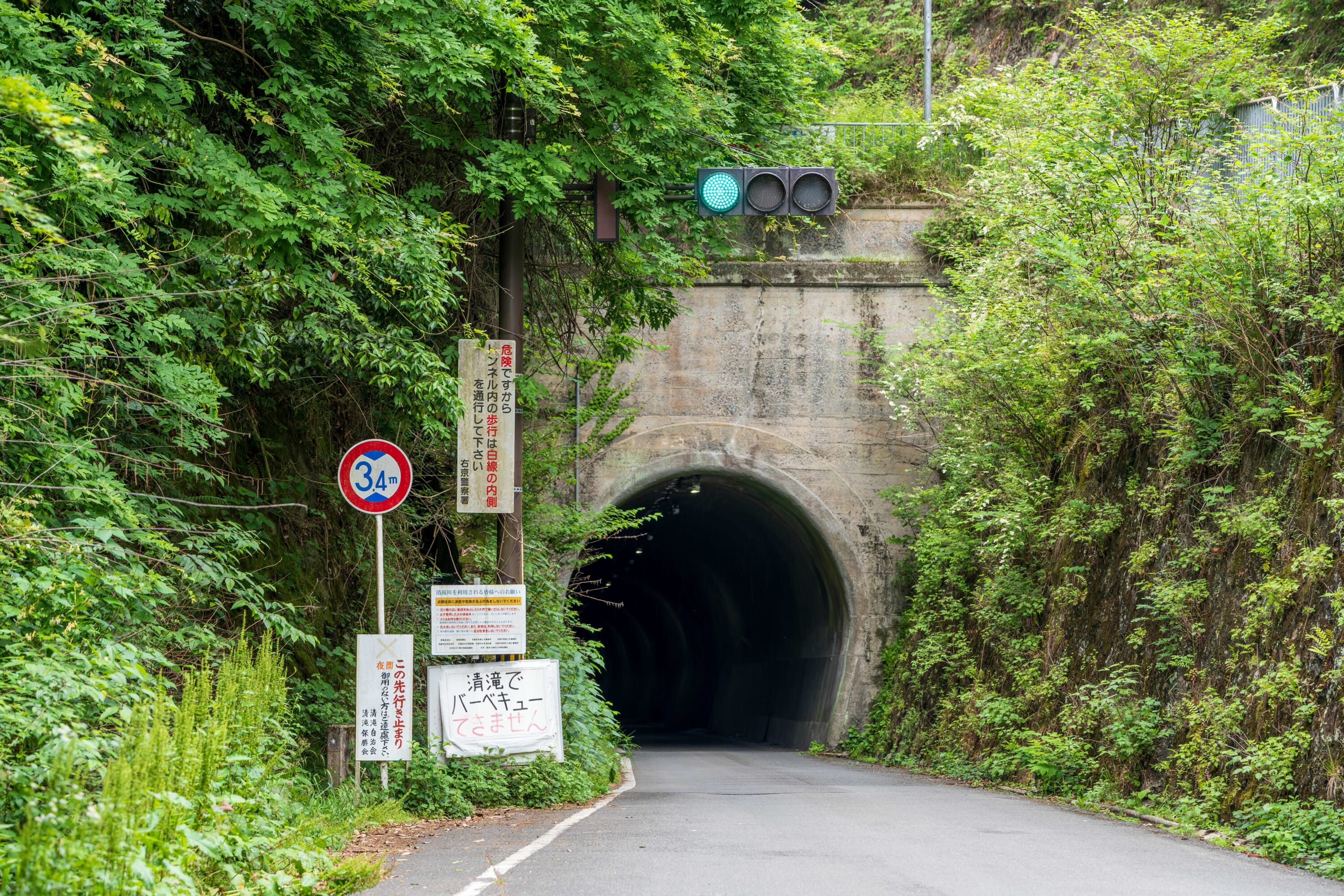
2. Kiyotaki Tunnel
Built in the early 20th century on the outskirts of Arashiyama, the 444-metre Kiyotaki Tunnel is often ranked among Japan’s most haunted places. Several workers reportedly died during its construction, giving rise to decades of ghost stories involving disembodied voices, shadowy figures and mysterious apparitions.
Among the tunnel’s best-known urban legends is the warning that anyone who drives straight through on a green light will be spirited away to the world of the dead. Other tales tell of a ghostly woman falling onto the hood of passing cars or countless handprints mysteriously appearing on the windows. Local superstition also warns drivers to check their rear-view mirror before entering — and never stop inside the tunnel.
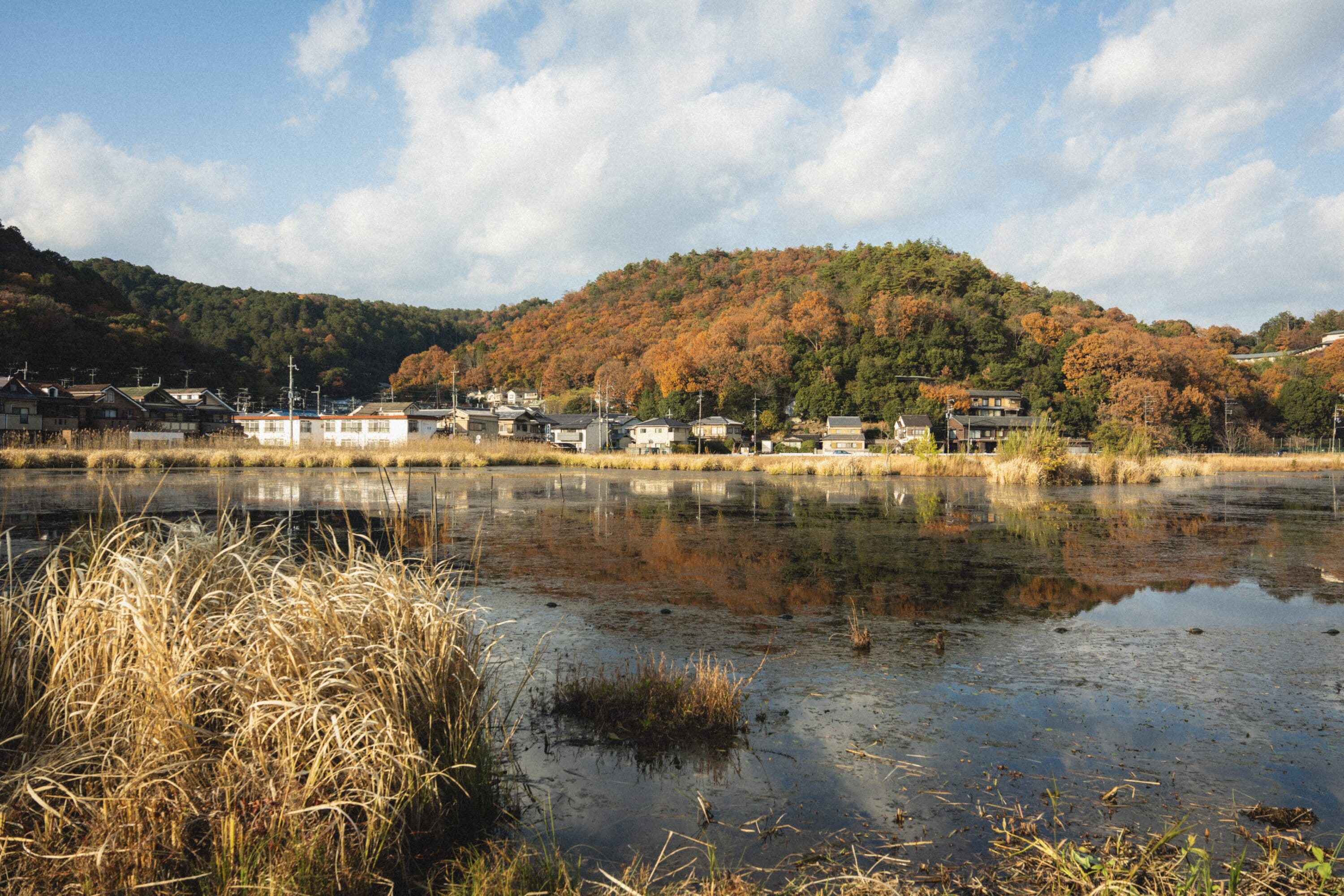
3. Midorogaike Pond
This quiet-looking pond in northern Kyoto has a darker history as a site of numerous drownings over many years. Some versions of the story claim struggling families once left elderly relatives here when they could no longer care for them. One of the area’s best-known ghost stories tells of a woman who hailed a taxi on a rainy night and asked to be driven to Midorogaike. When the driver glanced in his rear-view mirror, she had vanished without a trace, leaving behind only strands of wet hair clinging to the back seat.
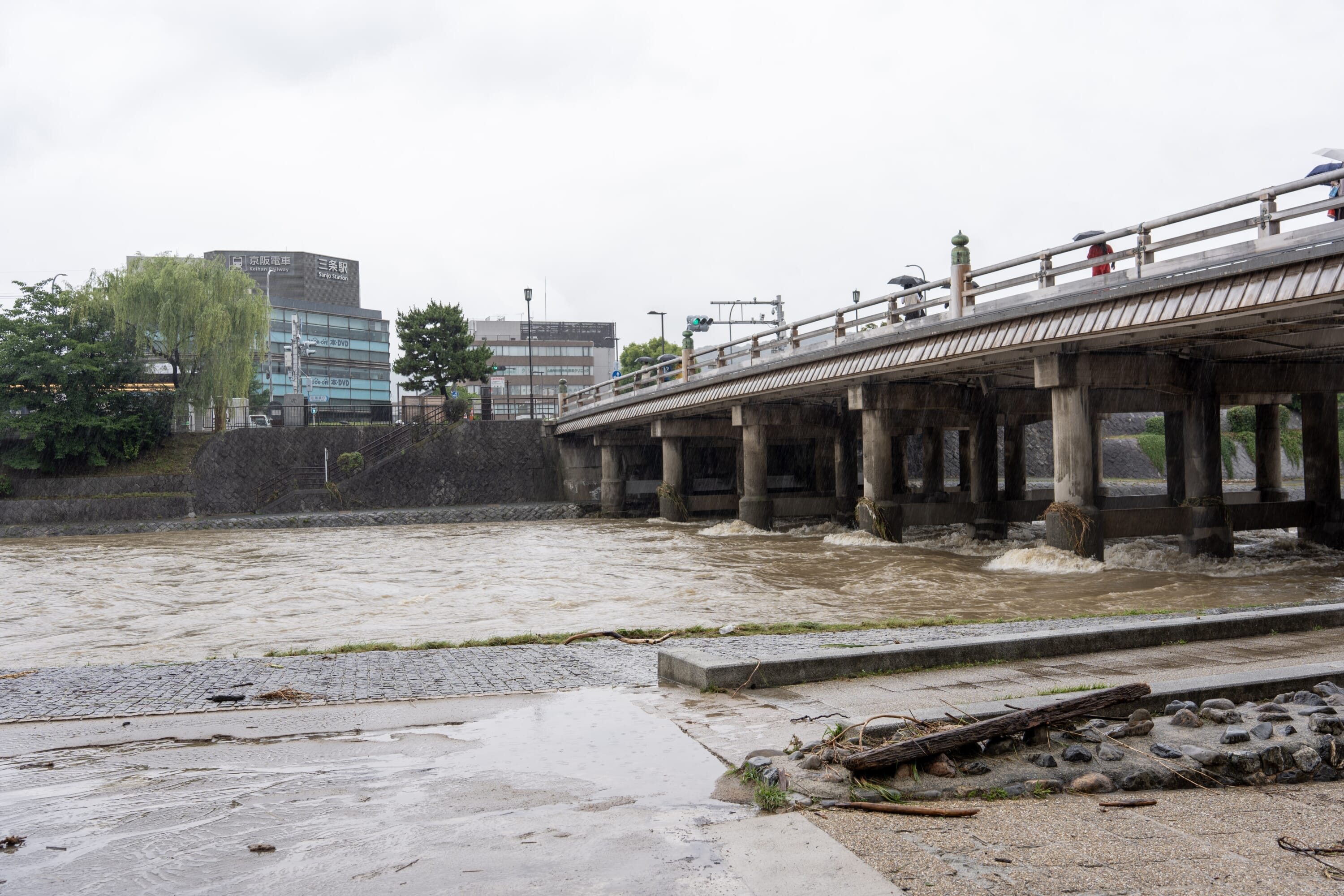
4. Sanjo Riverbed
This riverbed beside Sanjo Ohashi Bridge served as an execution and public exhibition ground from the Heian period through the Edo period. Historical figures such as Ishida Mitsunari and Kondo Isami are said to have met their fate here. Today it’s a lively spot where visitors cross paths at the foot of the bridge, but stories of strange voices heard on the bridge at night have never quite gone away — a quiet reminder of the weight of what happened here.
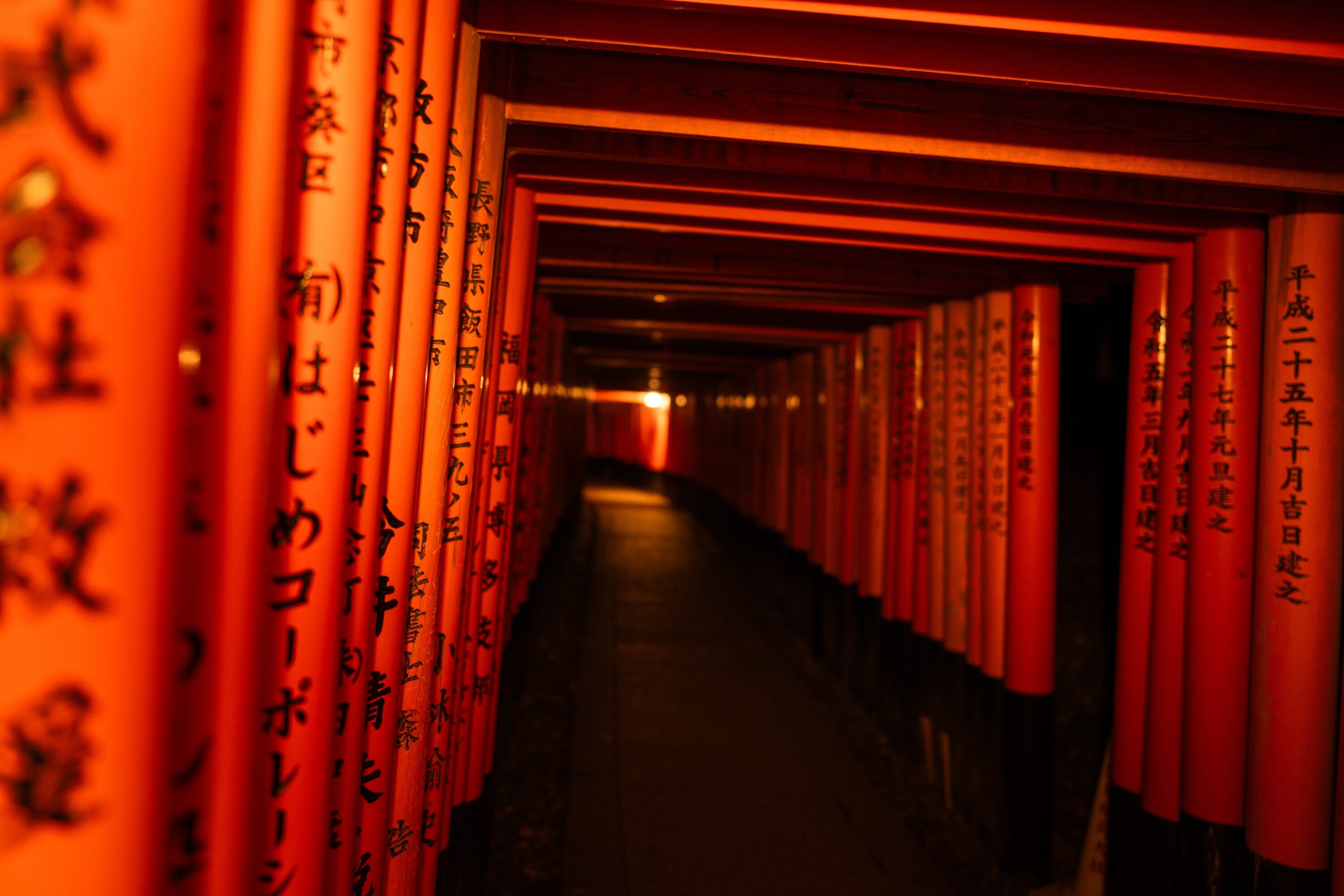
5. Fushimi Inari Shrine
As the head shrine of more than 30,000 Inari shrines across Japan, Fushimi Inari is known for being open around the clock. Past the famous Senbon Torii gates, the mountain trail sees far fewer visitors after dark, and the endless line of vermilion gates shifts from otherworldly to genuinely unsettling.
Local legend holds that fox spirits lead night visitors astray, and there are many accounts of people losing their way while attempting to reach the summit after dark. Since the entire mountain is considered sacred ground, a nighttime climb is generally discouraged, and even by day the round trip to the peak takes two to three hours, so it’s worth preparing accordingly.
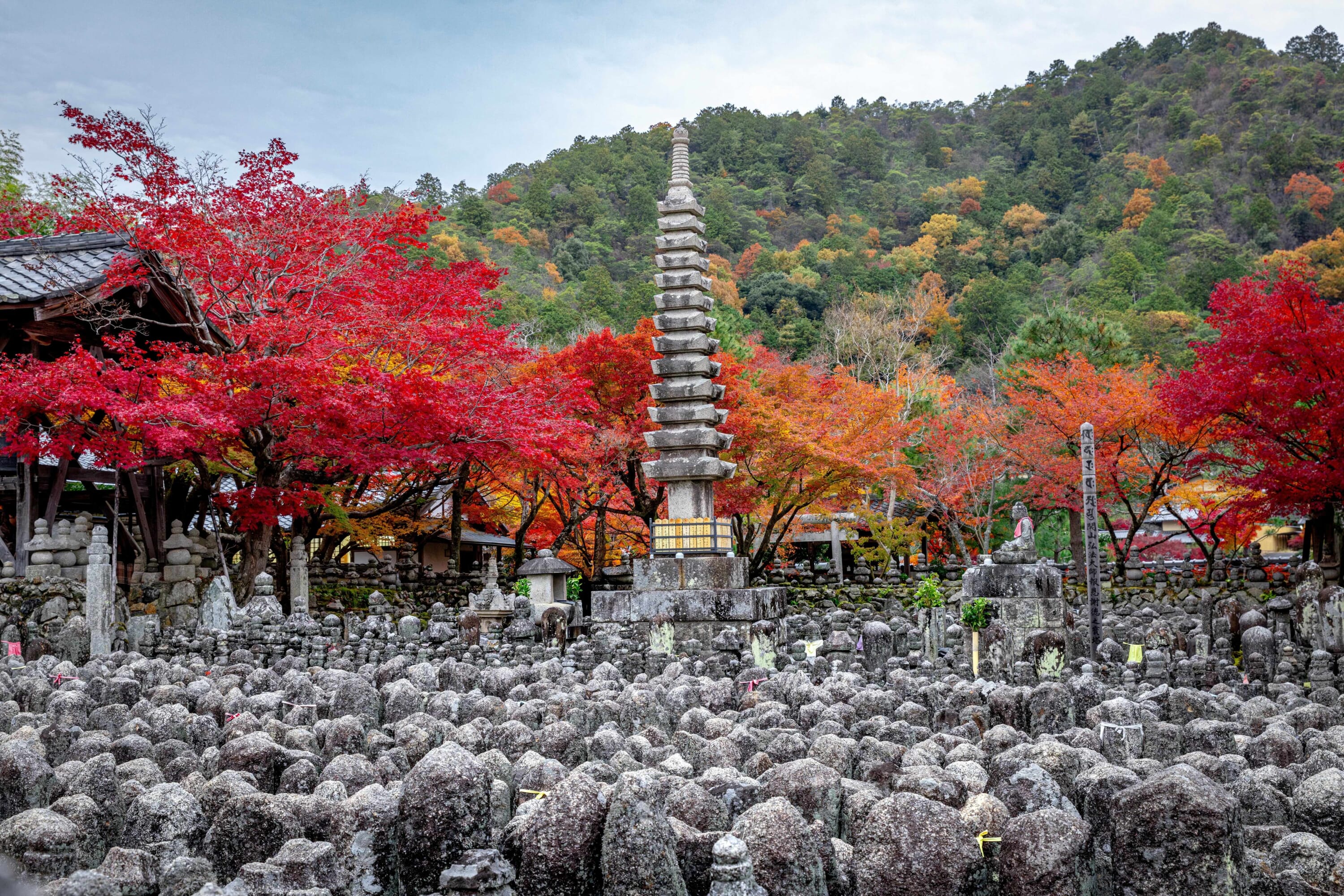
tombs in the temple of Adashino Nenbutsuji in Kyoto
6. Adashino Nenbutsuji
Tucked in the same vicinity as Arashiyama’s bamboo groves, this temple was built to console the souls whose remains once lay abandoned in a place historically known as Adashino. The grounds hold roughly 8,000 stone Buddhas and stupas, and the sight carries a particular stillness even in broad daylight.
It’s within easy walking distance of Arashiyama’s main sightseeing areas, and the temple remains popular with visitors, though it closes before evening. It’s worth remembering this isn’t simply an eerie site, but one where the dead are still carefully honored.
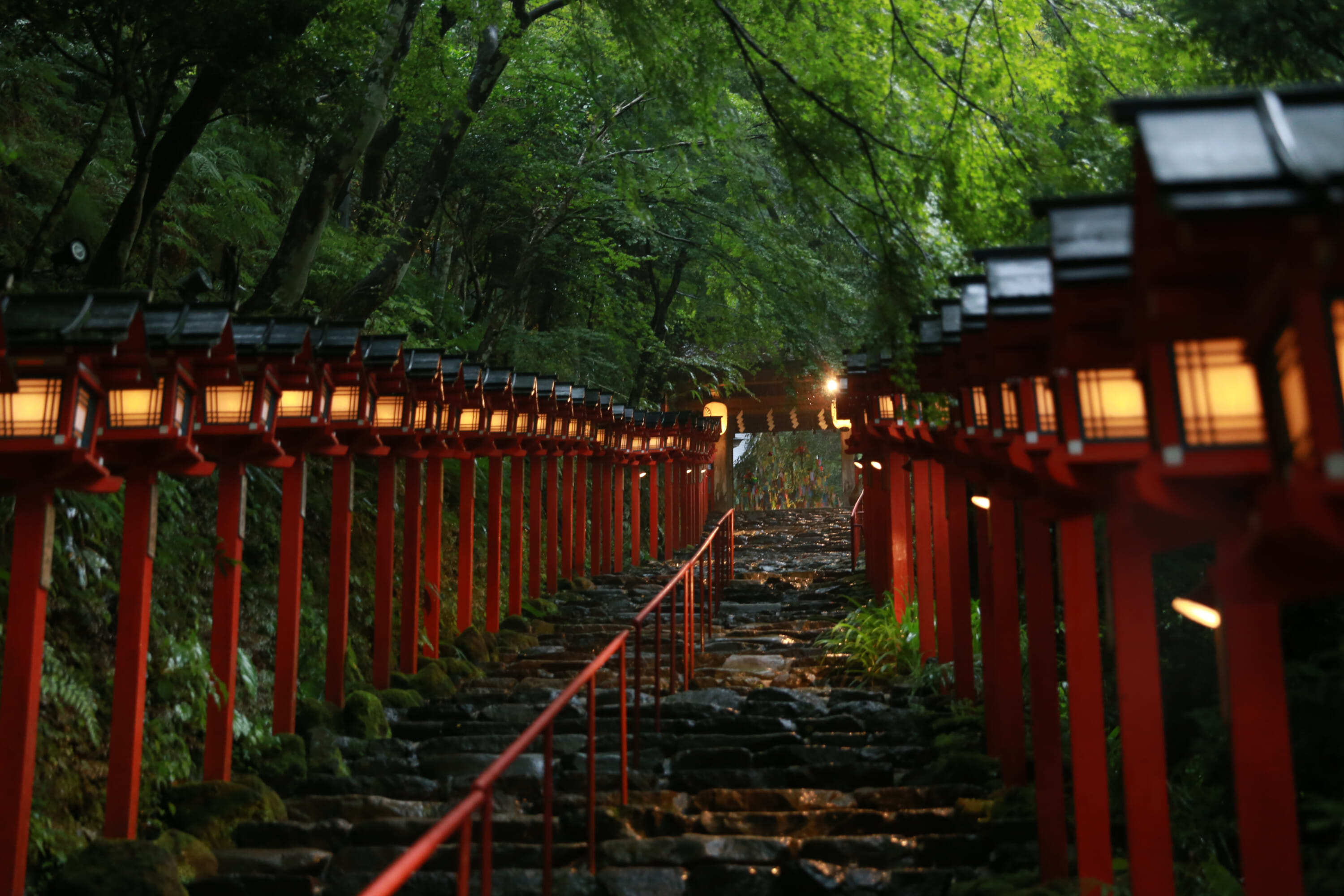
7. Kifune Shrine
Set in Kurama in Sakyo ward, Kifune Shrine draws visitors from across the country as a power spot for matchmaking, but it’s equally known as the place most closely associated with ushi no koku mairi, a curse ritual performed in the dead of night. The practice involves visiting the shrine during the Hour of the Ox, between 1 a.m. and 3 a.m., dressed in white, to hammer a straw effigy into the shrine’s sacred tree.
Night entry to the shrine is currently prohibited, and suspicious activity after dark could amount to trespassing. It’s also a genuine scenic destination, known for riverside dining platforms and its snow-covered winter views, so a daytime visit is the better way to experience it.