In this week’s news roundup, we report on Sanae Takaichi’s proposal to cut Japan’s consumption tax on food from 8% to 1%. The death toll from Tuesday’s powerful earthquake in Kumamoto rises to 34. Acclaimed mystery writer Keigo Higashino dies at 68. The Japanese government announces plans to tighten permanent residency rules for foreign residents. Japan approves plans for a “Second Capital.” And Ukrainian-born sumo star Aonishiki wins his third top-division championship.
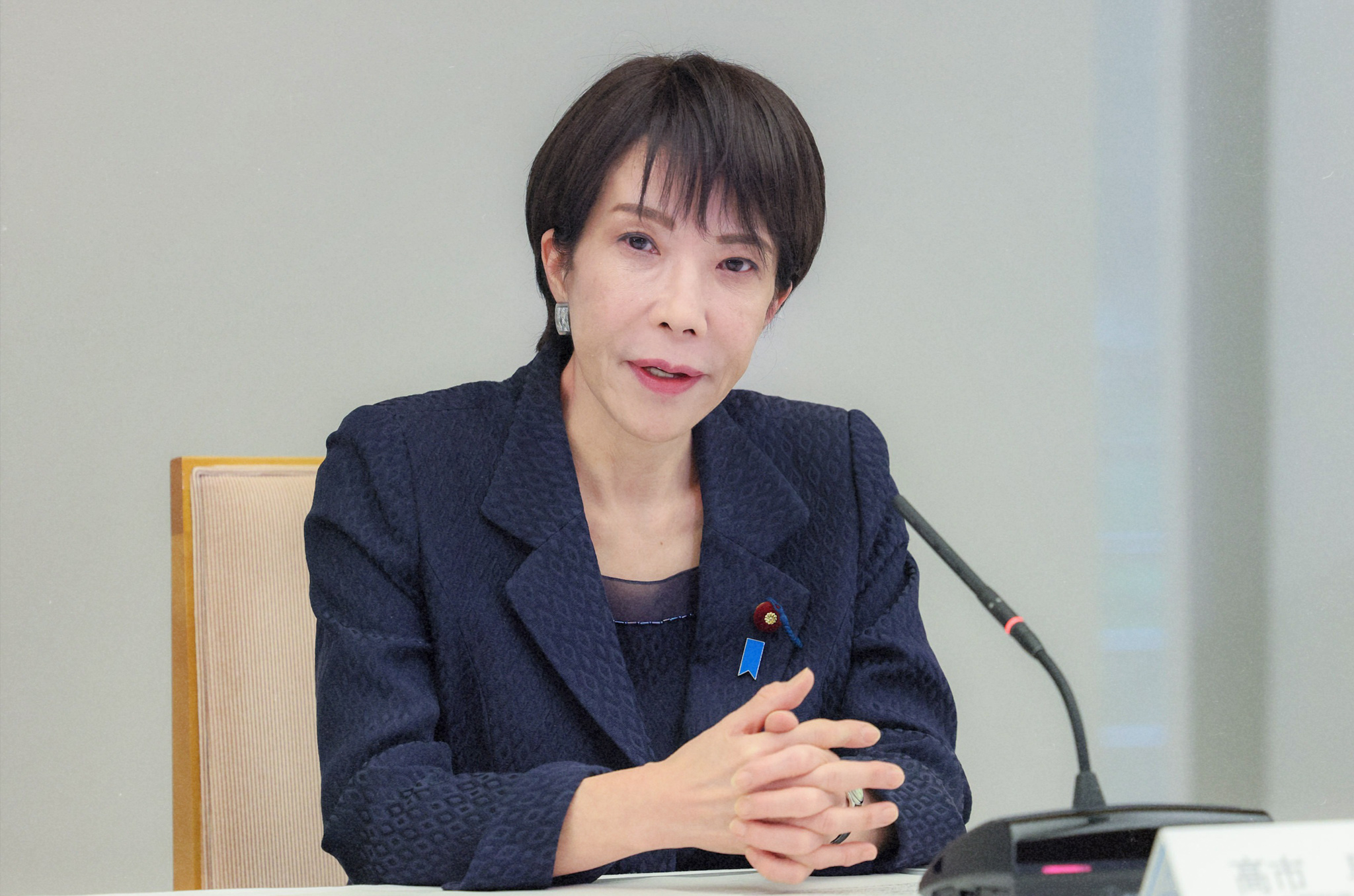
Image: Wikimedia
Takaichi To Cut Consumption Tax on Food to 1%
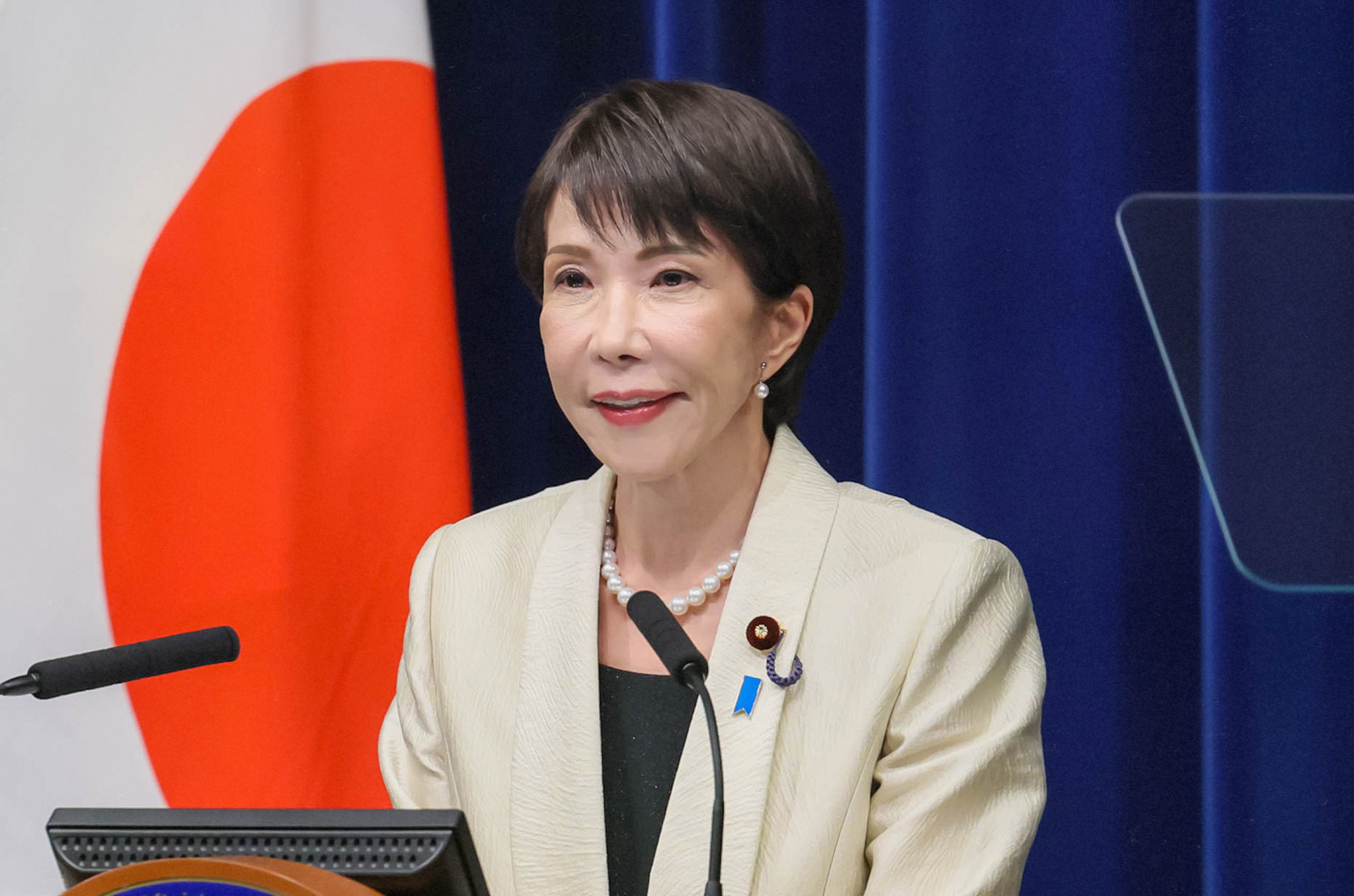
Speaking to reporters on Thursday, Prime Minister Sanae Takaichi announced plans to cut Japan’s consumption tax on food from 8% to 1% starting next fiscal year. The two-year measure would mark the first reduction since the tax system was introduced in 1989, and comes alongside planned cash handouts for low- and middle-income earners. Supporters, including LDP Secretary-General Shunichi Suzuki, argue the move would provide relief for households facing rising prices and fulfills a pledge made to voters.
However, the proposal has drawn criticism from within the ruling party, with Yuko Obuchi, a former LDP Election Strategy Committee chair, announcing her resignation from the party’s Research Commission on the Tax System in protest. Former Foreign Minister Taro Kono also warned that food prices could “spike significantly” when the rate returns to 8% in 2029. The mixed response comes as Takaichi’s Cabinet faces declining approval ratings, pressuring the government to ease rising living costs.
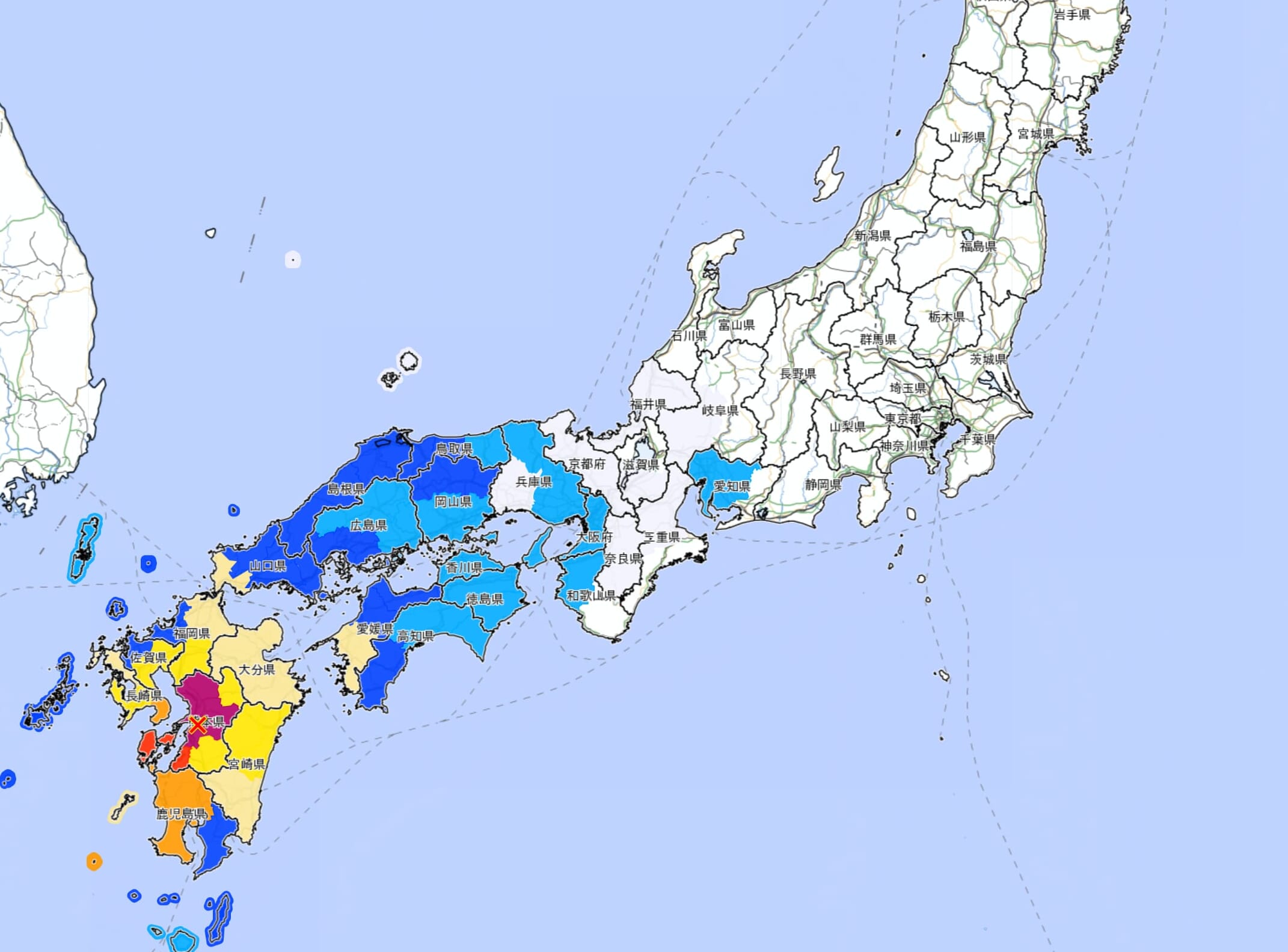
Image: Japan Meteorological Agency
Kumamoto Earthquake Death Toll Rises to 34
The Kumamoto Prefectural Government announced on Thursday that the death toll from Tuesday’s powerful earthquake in southwestern Japan had risen to 34. Seven of those deaths occurred at Aeon Mall Kumamoto in Kashima following a catastrophic explosion triggered by the quake. Eight people died at the Nippon Paper Industries mill after heavy factory chimneys collapsed. The remaining fatalities were primarily caused by people becoming trapped under collapsed homes and buildings. Rescuers are still working to find survivors.
The powerful quake struck Kumamoto Prefecture’s Kumamoto region at 4:27 p.m. Tuesday, registering magnitude 7 — the highest level on Japan’s seismic intensity scale — in Uki city and Hikawa town. The epicenter was 10 kilometers underground, with the Japan Meteorological Agency (JMA) reporting a magnitude of 7.1 and the U.S. Geological Survey measuring it at 6.8. Around 9,000 displaced residents are staying in evacuation centers, while more than 30,000 households remain without power.
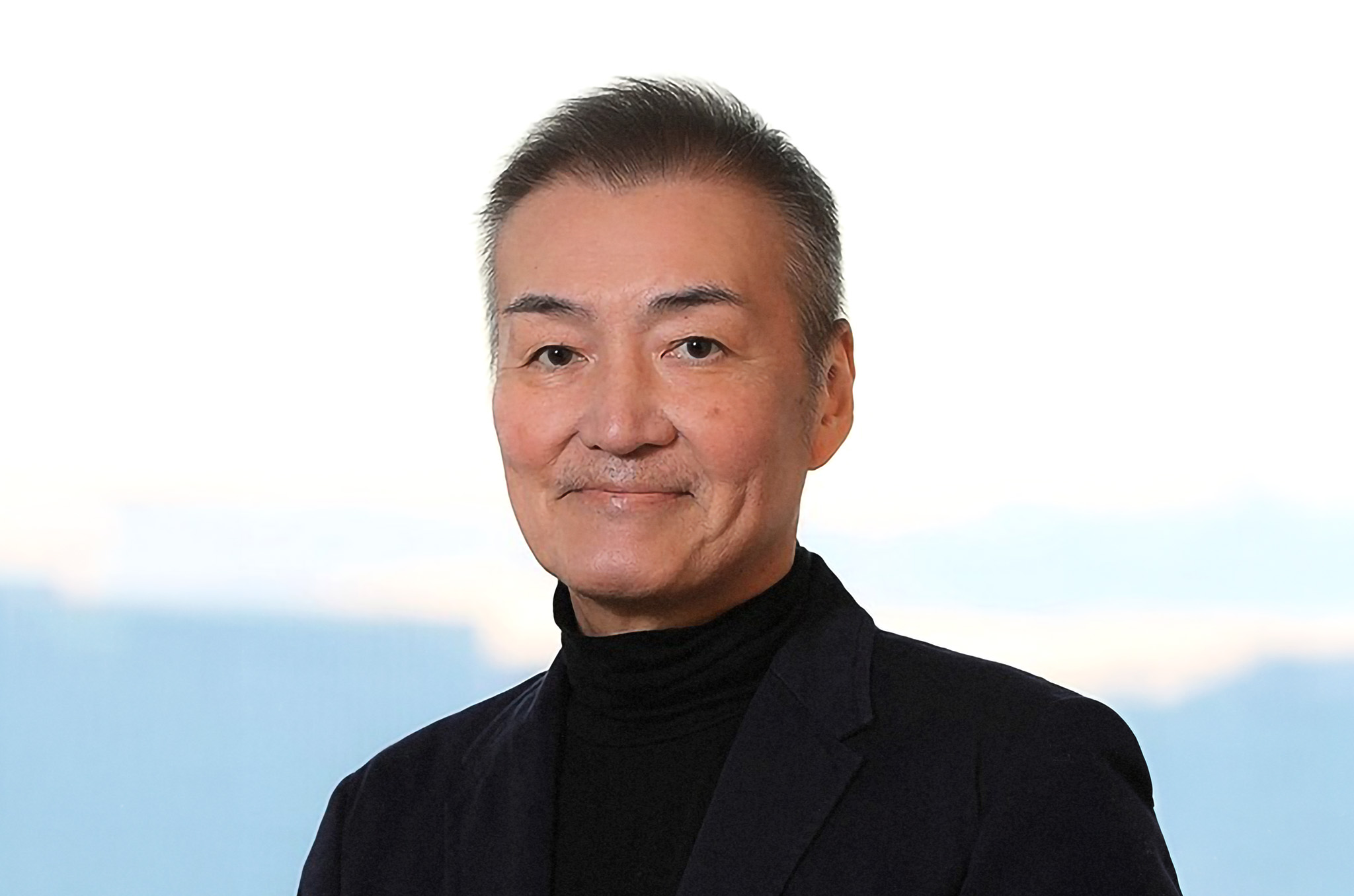
Mystery Writer Keigo Higashino Dies Aged 68
Acclaimed mystery writer Keigo Higashino, best known for his “Detective Galileo” series, died of colon cancer on July 22. He was 68. The award-winning author’s publisher, Kodansha, announced the news on Monday, saying, “We believe the works he produced will continue to captivate many readers. Please continue to enjoy Mr. Higashino’s novels.” His funeral was held privately with family members, while a public memorial will be announced once arrangements are finalized.
After receiving the Edogawa Rampo Prize for Hokago (After School), Higashino decided to give up his job as an engineer and pursue a career as a full-time writer. His most successful novel, The Devotion of Suspect X, was released in August 2005. A crime thriller about a genius math teacher who helps his neighbor cover up the accidental murder of her abusive ex-husband, the novel won the prestigious 134th Naoki Prize and the 6th Honkaku Mystery Award.
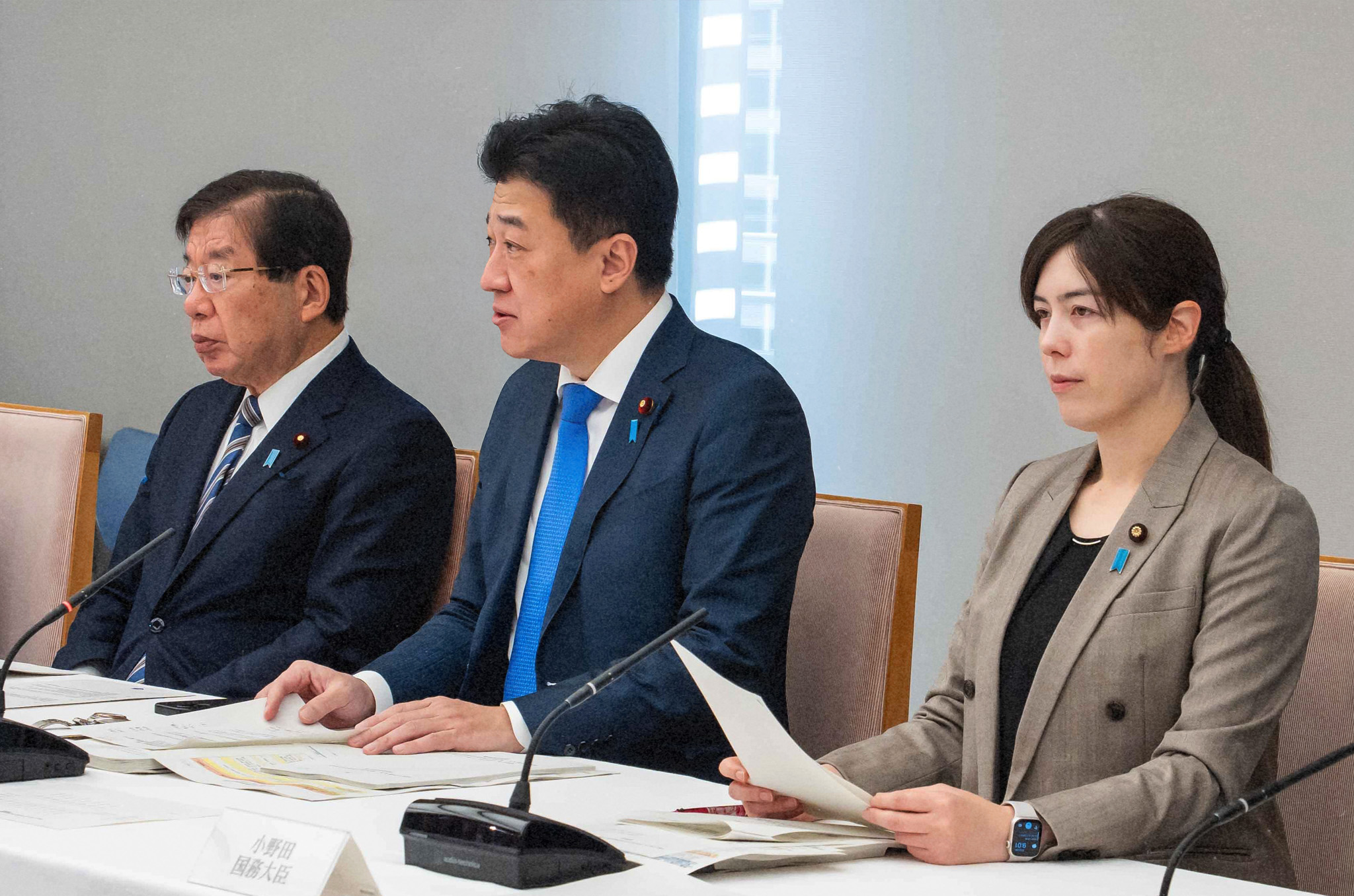
Japanese Government To Tighten Permanent Residency Rules
Japan is planning to tighten its permanent residency rules from October 1, 2026. The revised guideline proposals raise standards for income, pension eligibility, Japanese language ability and knowledge of Japanese society, creating a more demanding path to permanent residency. While the government says the revisions are intended to ensure applicants have stronger financial foundations and a deeper understanding of Japanese society, they have also sparked debate over whether the new requirements place an excessive burden on foreign residents.
Under the revised guidelines, applicants must continuously earn more than the average annual household income of Japanese citizens. This would raise the unofficial single-person benchmark from approximately ¥3 million to more than ¥4.5 million for single-person households. Applicants must also project pension benefits equivalent to 30 years of continuous contributions to the Employees’ Pension Insurance (Kosei Nenkin) system. If the amount is insufficient, applicants must hold financial assets to make up the difference.

Japan Approves Plans for a ‘Second Capital’
On Friday, the Japanese government approved a plan to create a “second capital” that would allow the country to continue operating if a major disaster strikes Tokyo. Put to a vote in an Upper House plenary session, the bill passed by a narrow margin, with 123 votes in favor and 121 against. It was backed by the ruling Liberal Democratic Party (LDP), coalition partner the Japan Innovation Party (JIP), as well as others.
The governors of Osaka, Fukuoka and Aichi have expressed interest in hosting the backup hub. Osaka is widely considered the leading candidate due to its size, economic importance and existing infrastructure as Japan’s second-largest metropolitan area. Governor Hirofumi Yoshimura, who also leads the JIP, has said he wants to hold a referendum on the proposed Osaka metropolis initiative alongside next spring’s gubernatorial election. “We should aim to hold the two polls on the same date,” he said.

Aonishiki Wins Three-Way Playoff To Secure Third Top-Division Championship
Ukrainian-born sumo star Aonishiki won his third career top-division championship on Sunday after overcoming Atamifuji and Kirishima in a three-way playoff. Following the victory, Aonishiki was promoted to ozeki for the second time. His first promotion to the sport’s second-highest rank came in November last year after his triumph at the Kyushu Grand Tournament. He was then demoted back to sekiwake after sitting out the May tournament due to an ankle injury.
Two months prior, he recorded his first-ever losing record of 7–8 at the March tournament, leaving him a demotion-threatened kadoban. With his latest victory restoring him to ozeki status, Aonishiki has set his sights on becoming the first European yokozuna. “I’ve managed to show I’m not just a wrestler on a roll. I will be aiming for the top of the rankings,” Aonishiki said at a press conference on Monday.
Related Posts
- Japan’s Tourism Boom Loses Momentum as Visitor Numbers Fall
- Trump’s NATO Gaffe Coins the ‘Islamic Republic of Japan’
- Fuji TV Faces Fresh Controversy As Jiro Sato Rejects Harassment Allegations
Updated On July 31, 2026