Japan has a long tradition of applying meticulous craftsmanship to everyday items — from confections and noodles to ordinary household objects. For those seeking the perfect souvenir or gift, the Omotenashi Selection has hand-picked six made-in-Japan products, each representing decades of refinement applied to a single idea.
Pearlmontdore Confections
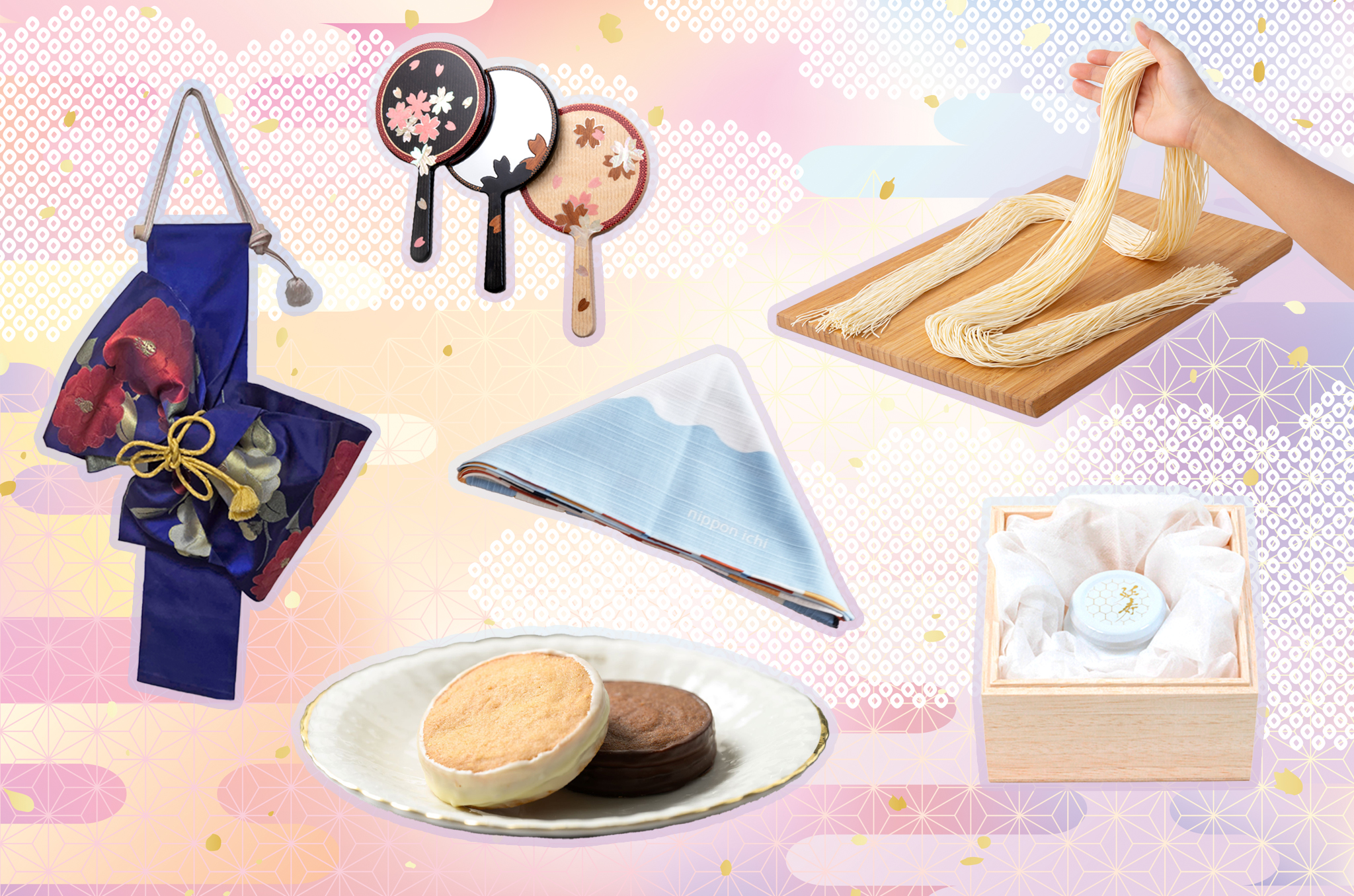
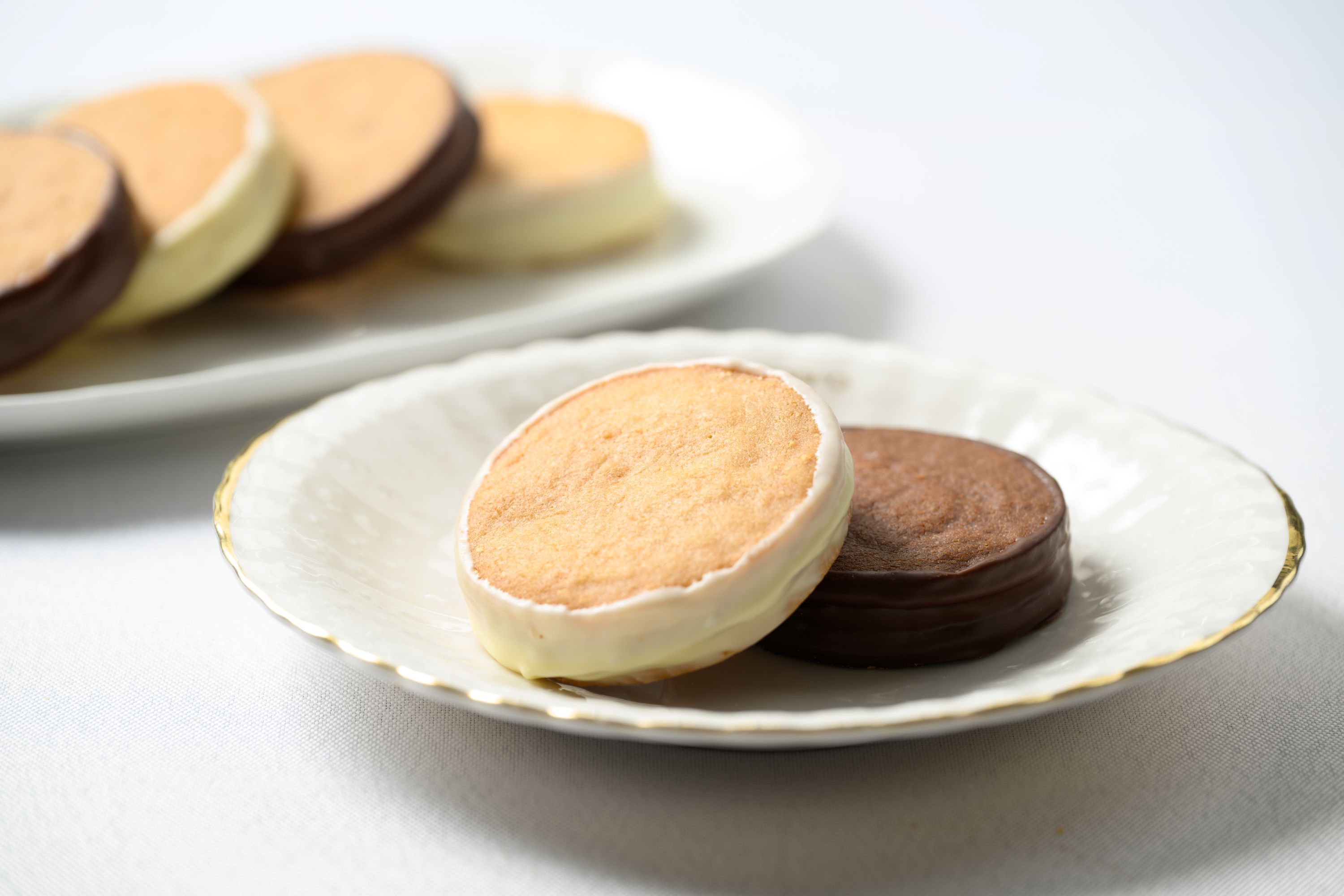
Founded in 1971, Pearlmontdore has spent over half a century refining a host of yogashi, or Western-style sweets, including its signature treat: Monderika. This delectable dessert stacks three buttery cookies — made with Hokkaido butter for an irresistibly light, crisp texture — then seals them with an encircling layer of premium French chocolate.
Other Pearlmontdore highlights include its rendition of the beloved raisin sandwich — rum-soaked raisins and white-chocolate cream between two fragrant biscuits bursting with Hokkaido butter — and the indulgent Pure Carman, a cake combining liqueur-soaked almond sponge, minced rum-steeped raisins and buttercream, all wrapped in a divine outer layer of chocolate.
The confectionery prides itself on its pursuit of greater flavor, an ethos apparent in its raisin sandwich: Sesame oil is substituted for fresh cream, creating a white-chocolate filling that strikes the perfect balance between richness and lightness.
Learn more here.
Nagoya Inlay Hand Mirror
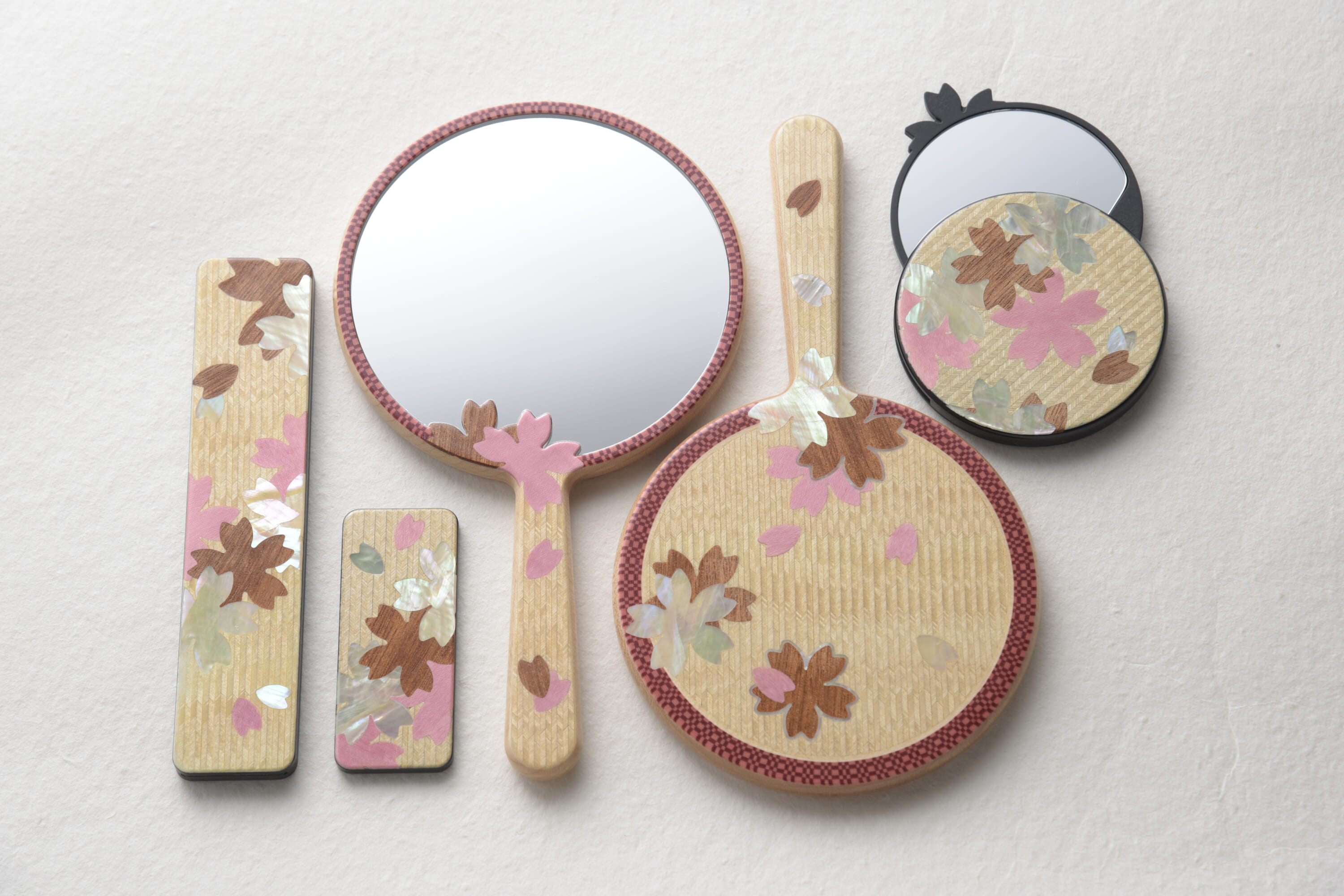
If you’ve ever admired the intricately patterned rosettes that rim the sound holes of guitars, you’ve likely seen the handiwork of Daiwa Mark. A leading rosette producer, the company has transferred its expertise in marquetry and Nagoya inlay to something completely different: a series of stunning hand mirrors decorated with the beloved sakura of Japanese spring.
Cherry blossoms of shimmering inlaid shells bloom across the mirror frames, decorated with marquetry in a traditional yabane (arrow) pattern. Daytime sakura are rendered in white mother-of-pearl; nighttime blossoms — known as yozakura — in lustrous abalone shell.
Available in three colorways and accompanied by a small stand, these mirrors double as interior decor. The company also makes travel-friendly compact versions. Each piece is a meditation on mujo, the Japanese aesthetic of impermanence. These products are now available for purchase at Engawa Asakusa.
Learn more here.
Tenobe Hannama Naga Somen
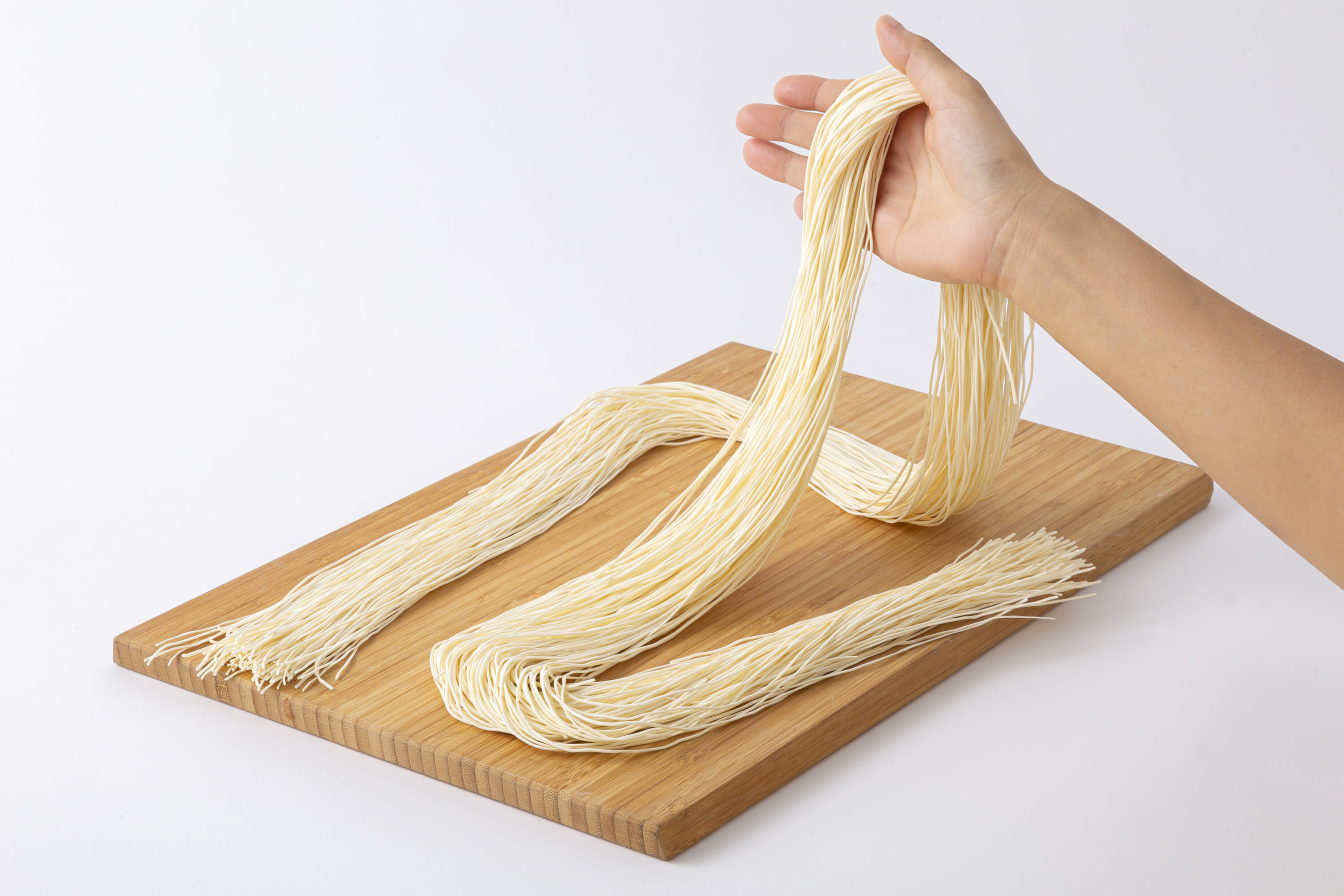
Somen connoisseurs often talk of “bite” when ranking their favorite noodles: Good somen boasts a firmness, one that can only be achieved with traditional tenobe (hand-pulling) techniques. At Tatsumimenten, pulling somen by hand is an art form. When fully stretched to its final noodle form, each strand of its Tenobe Hannama Naga Somen reaches a length of over 200 meters — a feat no machine can replicate.
The somen maker employs the Izumi tenobe method from Anjo, Aichi, developed over 230 years ago. Premium wheat is kneaded, rested and pulled repeatedly, producing a complex gluten structure — and an exceptionally springy, flavorful noodle. Once stretched, the somen is dried before being partially rehydrated and cut.
The resulting noodles seem to dance in the mouth: Smooth, light and exquisitely firm, they’ve been recognized with a Three-Star Superior Taste Award from the renowned International Taste Institute in Brussels.
Learn more here.

Hamamonyo Picture Tenugui
Few items pack as much visual storytelling into a piece of cotton as Hamamonyo’s picture tenugui — traditional towels, illustrated to capture Japan’s seasonal landscapes in vivid color. Far from simple towels, these intricately patterned textiles — first bleached using a time-honored and environmentally friendly method — are works of art that allow you to carry a piece of Japan with you wherever you wander.
The dyeing technique used to create the multihued motifs is known as Yokohama Nassen. Developed alongside the city’s silk-export industry of the late 19th century, the technique is held in similar esteem to the dyeing traditions of Como, Italy, an area renowned for its deftly detailed silk scarves.
Hamamonyo’s Mount Fuji series, perfect for summer, depicts Japan’s iconic peak from countless poetic angles. Framed and displayed, these tenugui turn any wall into a window onto the changing Japanese seasons.
Learn more here.
Obi-musubi
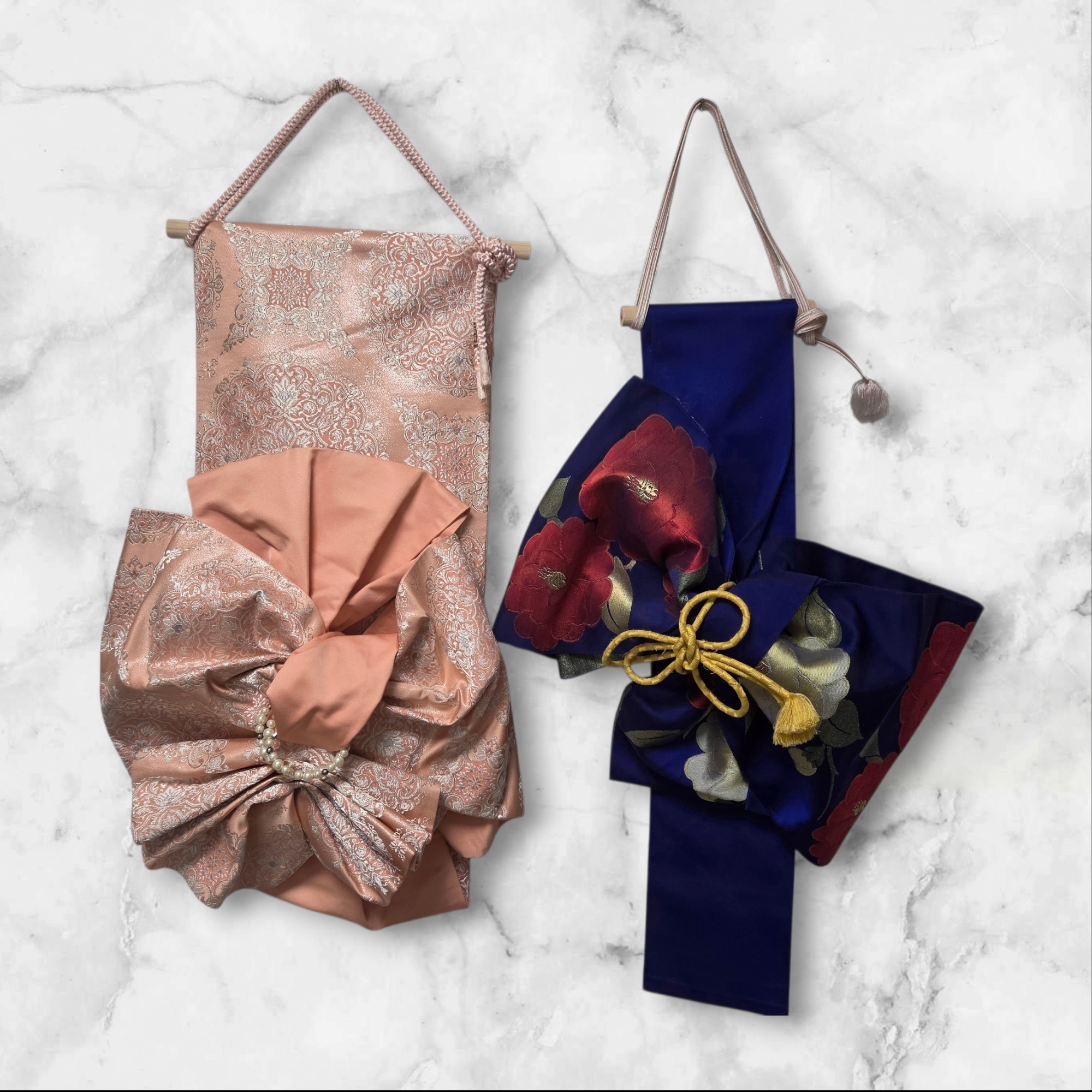
Above are two examples of beautifully crafted obi-musubi wall hangings: a cherry blossom-patterned piece and a colorful camellia work. The cherry blossom piece, titled “Sakura,” symbolizes both Japan and the cycle of life. Woven from pale pink fabric, it evokes themes of prayer, renewal and the fleeting beauty of blossoms in full bloom.
Beside it is a camellia work that combines the red, white and blue of the French flag with one of Japan’s most beloved flowers. Representing passion, purity and spirituality, the three colors come together to express harmony between Japanese and French cultures.
Rich in symbolism and craftsmanship, both works demonstrate how traditional Japanese textiles can be transformed into contemporary artworks. Visitors to Mont-Saint-Michel, France, will have the opportunity to view them from August 24 to 30.
Learn more here.
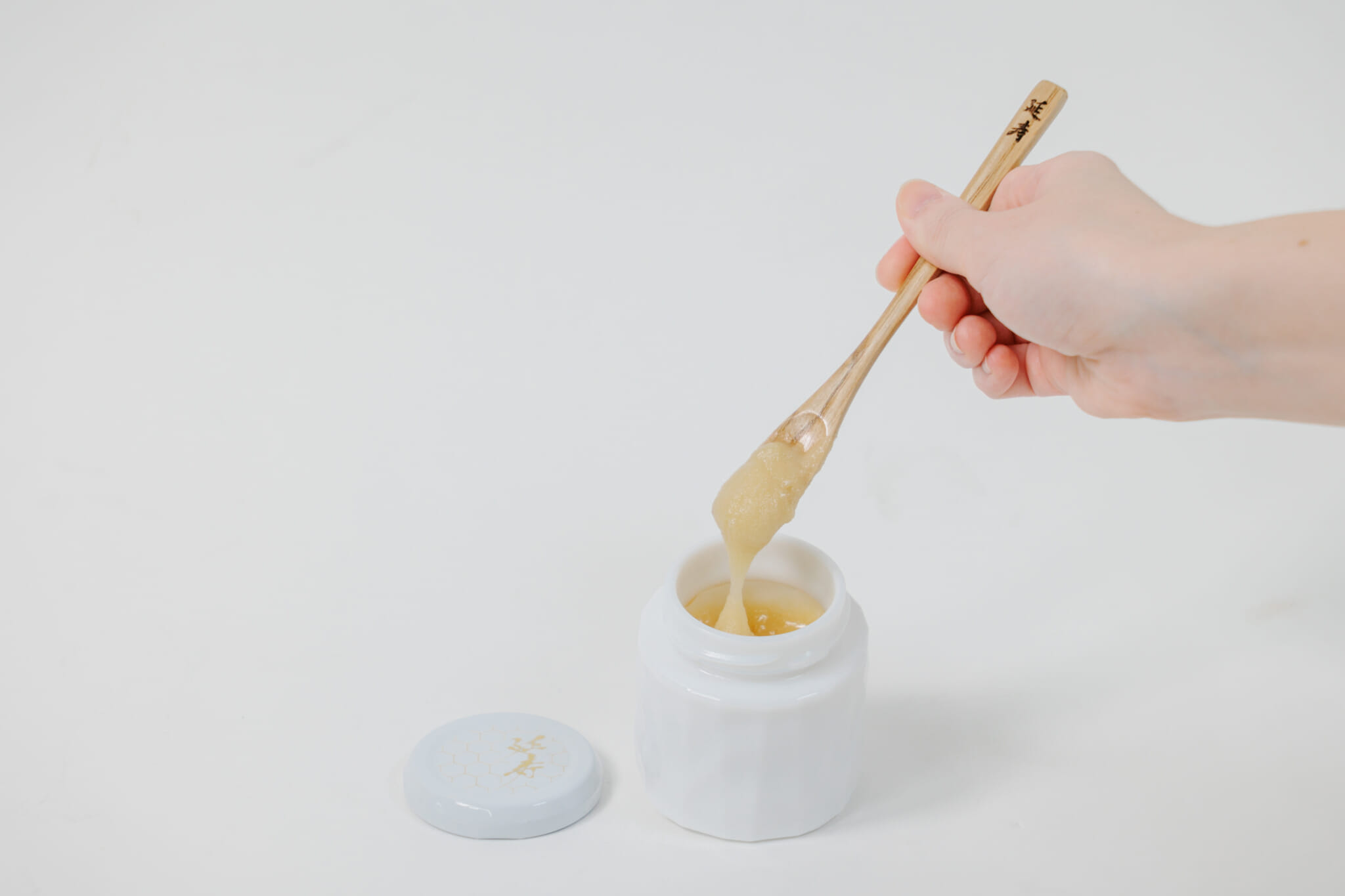
Enju — Japanese Honeybee Matured Raw Honey
Japanese honeybees are a unique breed. Smaller than their European counterparts, they produce just one-tenth the honey per bee. What they do produce, however, is liquid gold. Wild and nimble, they forage for a variety of flowers, with nectars mixing to create a rich multifloral honey brimming with healthy components, including antioxidants.
Even in the world of native honey, Enju matured raw honey is a rarity. Carefully collected from Japanese honeybees in mountain terrain so remote that no roads or agricultural contamination reach it, Enju is pure and aromatic, predominantly composed of nectar from the blossoms of trees. Aged through a full winter and never heated, it delivers a deep, mellow sweetness.
Meanwhile, bees are left with enough honey to overwinter — just one of many sustainable practices followed to support future harvests and Japan’s dwindling native bee population.
Learn more here.