At nearly any hour of the day, Tokyo Station feels like the center of the city’s momentum. It’s Tokyo’s pounding heart, with shinkansen gliding in and out, commuters weaving through corridors and travelers rushing toward connecting trains with suitcases in tow. More than a million people pass through every day, making it one of the busiest transit hubs in Japan.
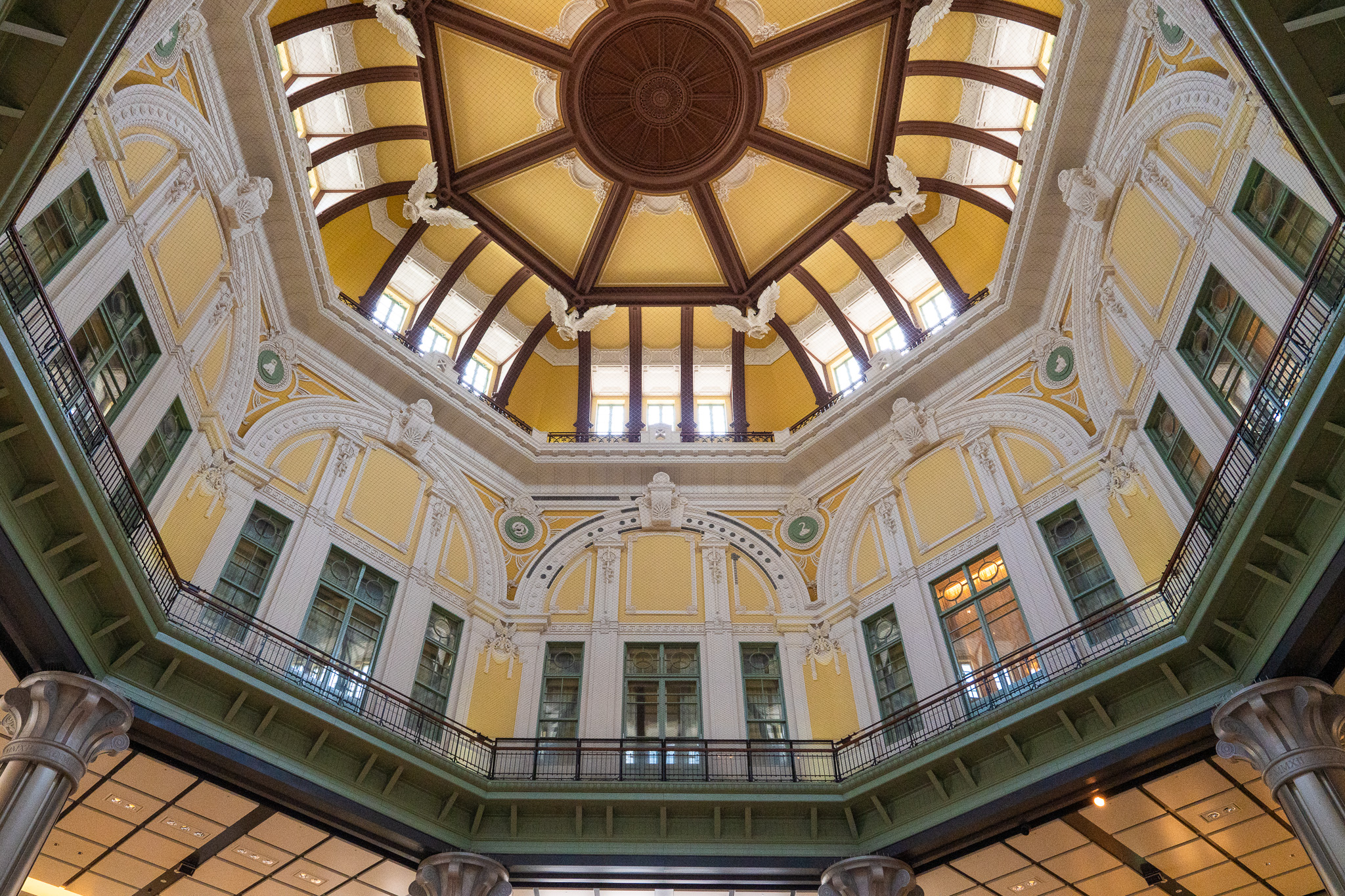
The station is a study in contrasts: A tangle of glittering railway lines and a labyrinth of underground shops sit beneath a magnificent historic facade, originally completed in 1914 — a masterpiece of early 20th-century architecture that has become one of the capital’s defining landmarks. Within this storied building sits the Tokyo Station Hotel. It’s one of the city’s most unique luxury stays; stepping inside its lobby feels like a surreal time slip. One minute you’re immersed in the frenetic energy of the station — and then a quiet side entrance will usher you into a far more serene and timeless version of the capital.
Opened in 1915, The Tokyo Station Hotel is not simply adjacent to one of the city’s most iconic landmarks. It is seamlessly part of it. It has the distinct honor of being the only hotel in Japan to be housed in an Important Cultural Property. For more than a century, the hotel has witnessed Tokyo’s transformation while preserving the architectural elegance and spirit of an earlier era. In a city of soaring skyscrapers, it occupies a singular role: a painstakingly restored architectural treasure and a living piece of Tokyo history.
Living History at The Tokyo Station Hotel
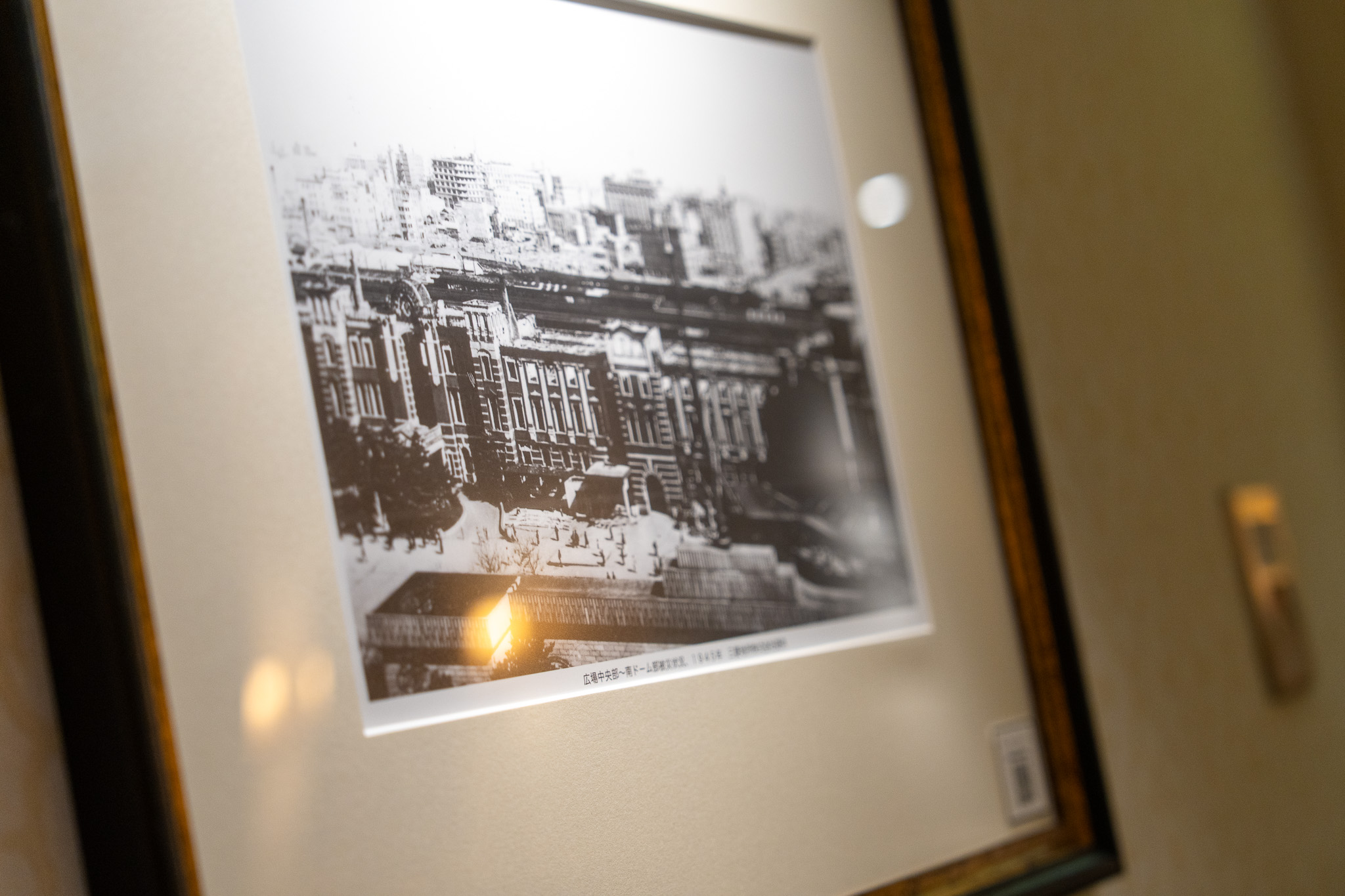
The sense of history continues throughout the hotel itself. Hallways are lined with black-and-white photographs and ukiyo-e art tracing the evolution of Tokyo Station across the decades, and details like vaulted ceilings, ornate moldings and softly glowing lamps preserve the elegant atmosphere of another era.
Despite its historical weight, the hotel never feels frozen in time; it’s a first-class modern hotel, sleek and luxurious and richly decorated for an elevated experience. The red-brick Tokyo Station Marunouchi Building underwent an extensive six-and-a-half-year restoration that was completed in 2012. During that time, the hotel also closed and was carefully revived with modern comforts. The result is that, more than a century after it was first built, it still feels new.
Inside the Guest Rooms
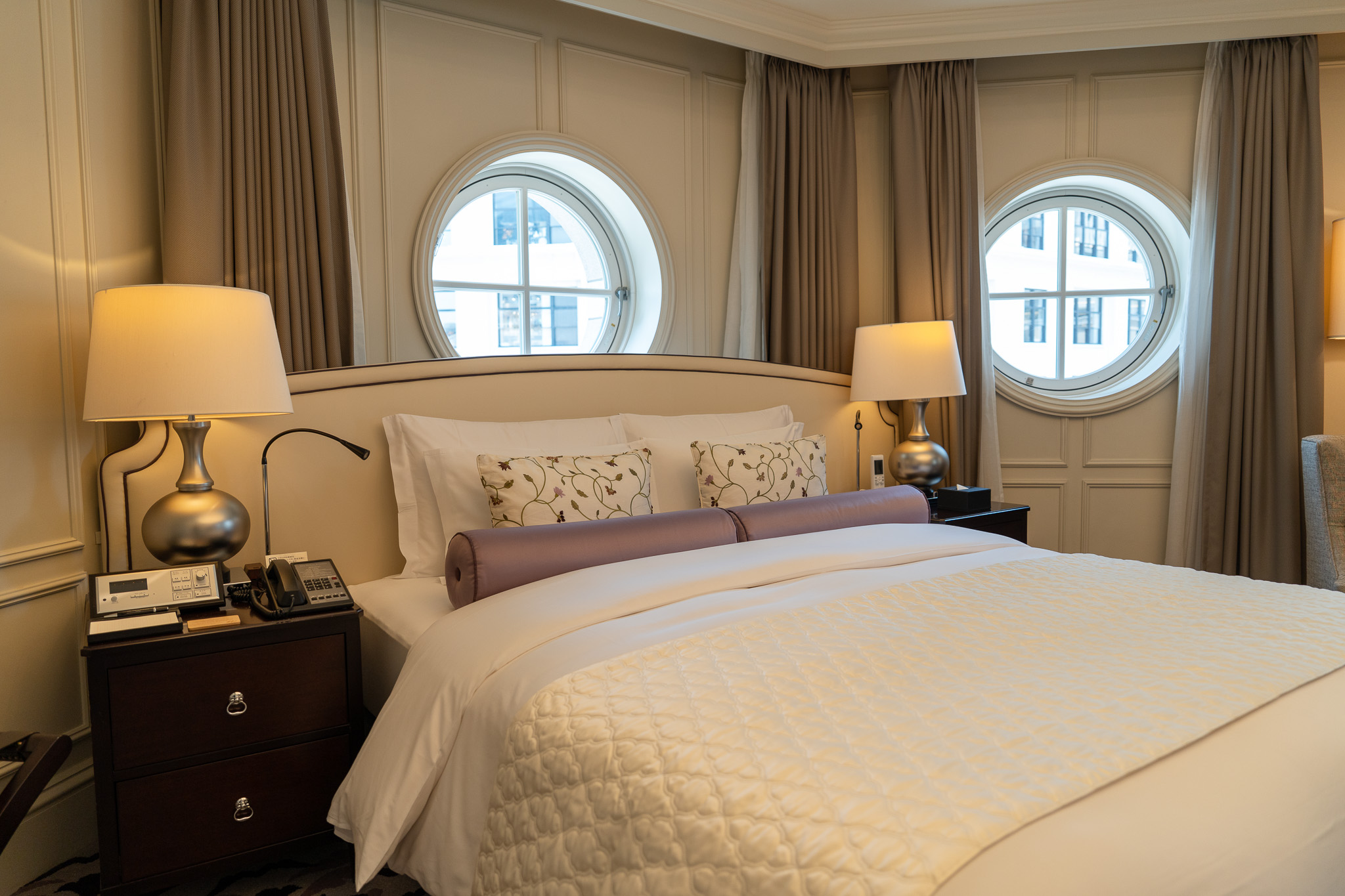
The Tokyo Station Hotel’s 150 rooms and suites combine classical European influences with subtle Japanese touches. Some rooms overlook the Marunouchi district skyline and Gyoko-dori Avenue toward the Imperial Palace, while others sit alongside the station’s restored domes, offering close-up views of their intricate architectural reliefs.
Among the hotel’s most distinctive accommodations is the Maisonette Suite; located within the historic tower that bridges the South Dome and South Wing, it’s the only room of its kind among the hotel’s 150 guest rooms and suites. Spread across two levels, the suite features circular windows framing the red-brick facade from within — a perspective few travelers ever get to experience. The effect gives a unique contrast: a cozy and intimate space peering out onto one of the busiest transportation hubs in the world.
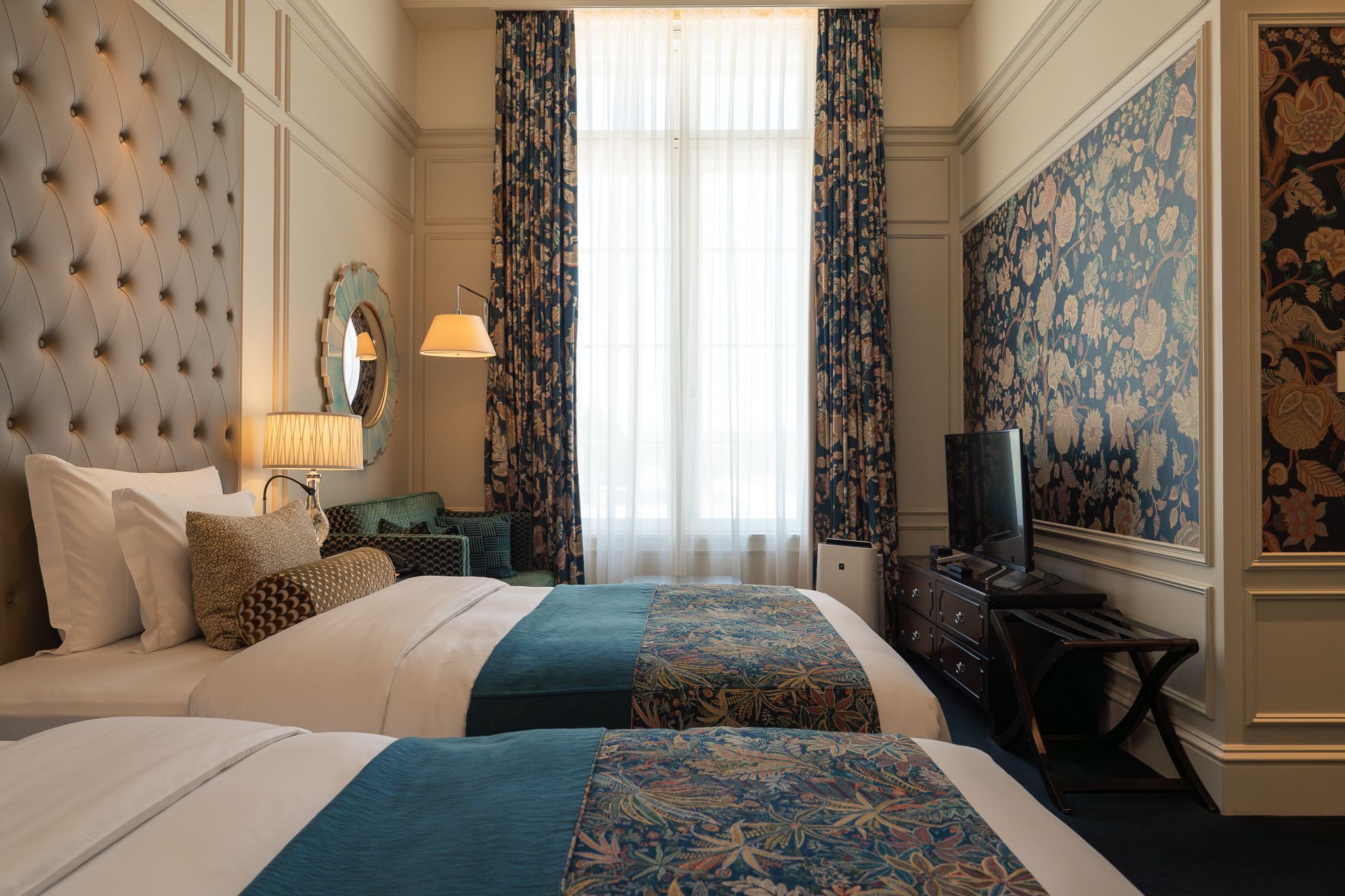
Elsewhere, the hotel’s Liberty Rooms bring a more whimsical elegance and a marriage of cultures. Created in collaboration with Liberty London to mark the British fabric brand’s 150th anniversary, the rooms incorporate specially commissioned textiles inspired by both English floral designs and Japanese craftsmanship. The Jade room, with its deep emerald palette and intricate patterns, feels especially transportive — less like a conventional hotel room and more like a carefully composed private residence hidden above the station.
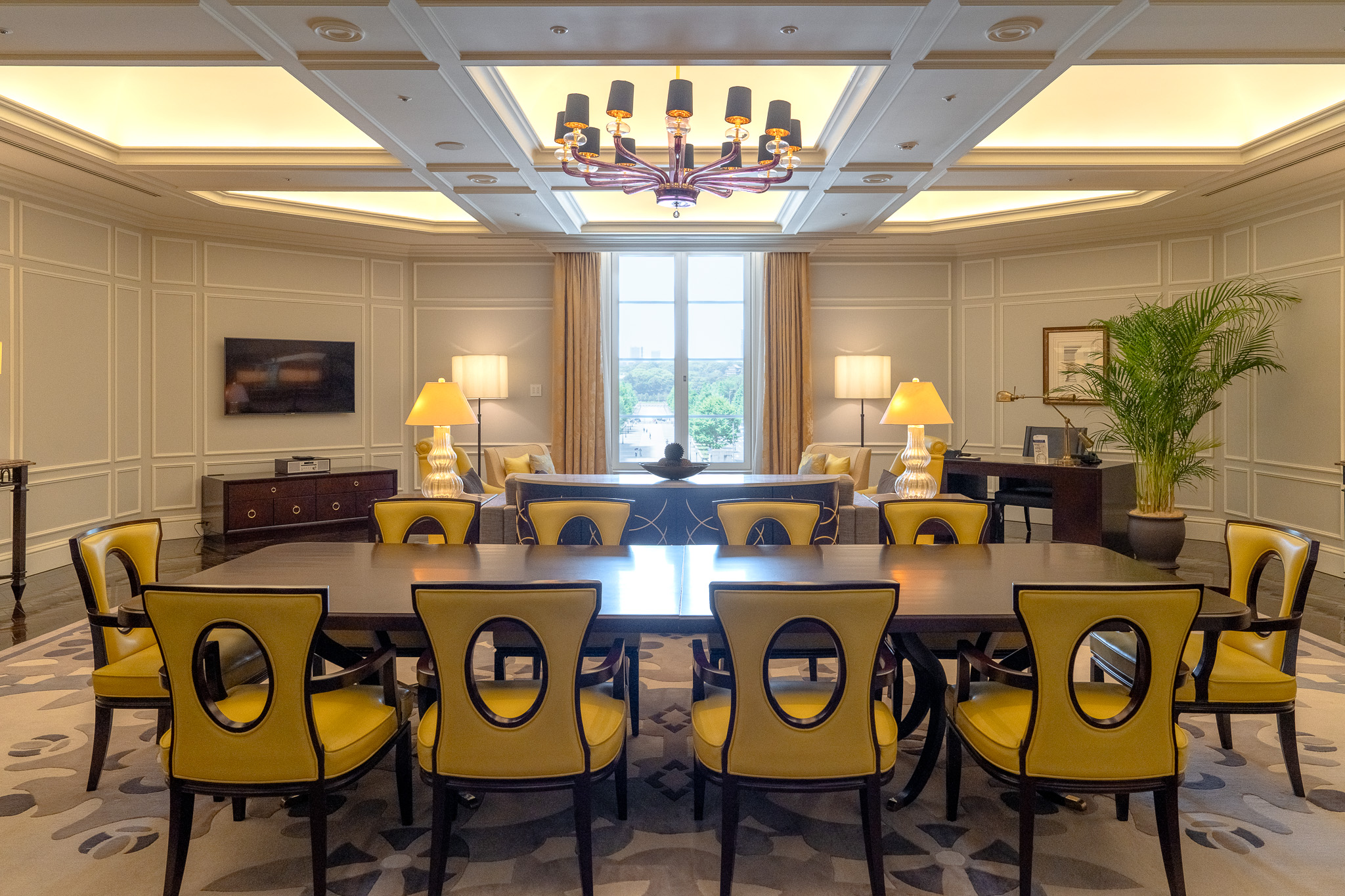
The hotel’s most prestigious accommodation is the two-bedroom Imperial Suite, an indubitably royal-like sprawling space overlooking the ceremonial route leading toward the Imperial Palace. High ceilings, gold-toned accents and expansive living areas give it an almost diplomatic feel — fitting for a hotel so closely tied to the historic and political center of Tokyo. Preserved artifacts from the original station structure and antique decor tie the present with the past.
Dining at The Tokyo Station Hotel
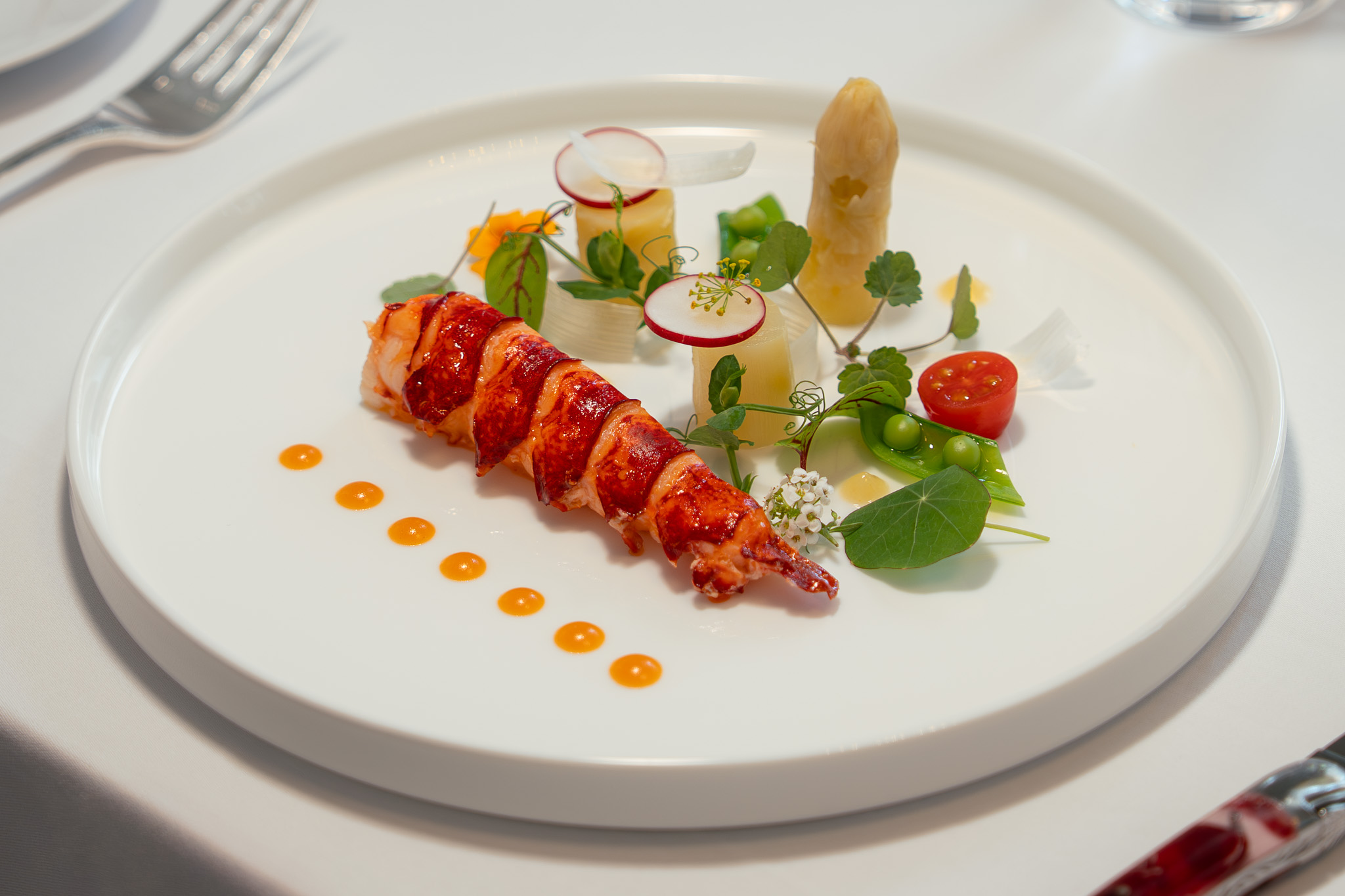
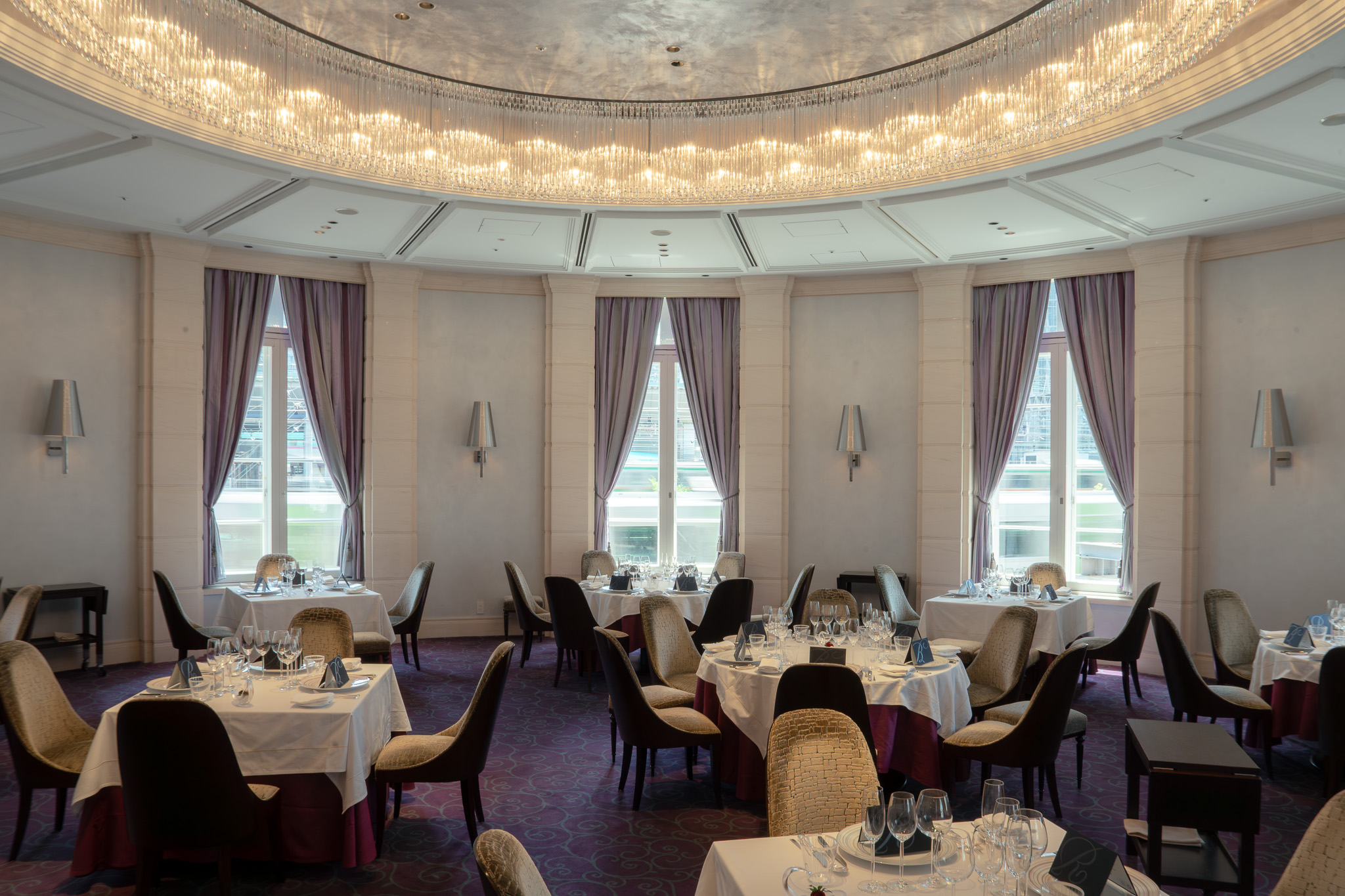
Culinary offerings are equally intertwined with the hotel’s identity. The Tokyo Station Hotel is home to 10 restaurants and bars — spanning everything from sushi and yakitori to Cantonese and Italian cuisine — but Blanc Rouge remains its culinary centerpiece.
Here, guests dine beneath soaring semi-circular windows overlooking the station platforms below. The contrast is striking: trains continue arriving and departing beyond the glass, yet inside the dining room everything feels remarkably calm.
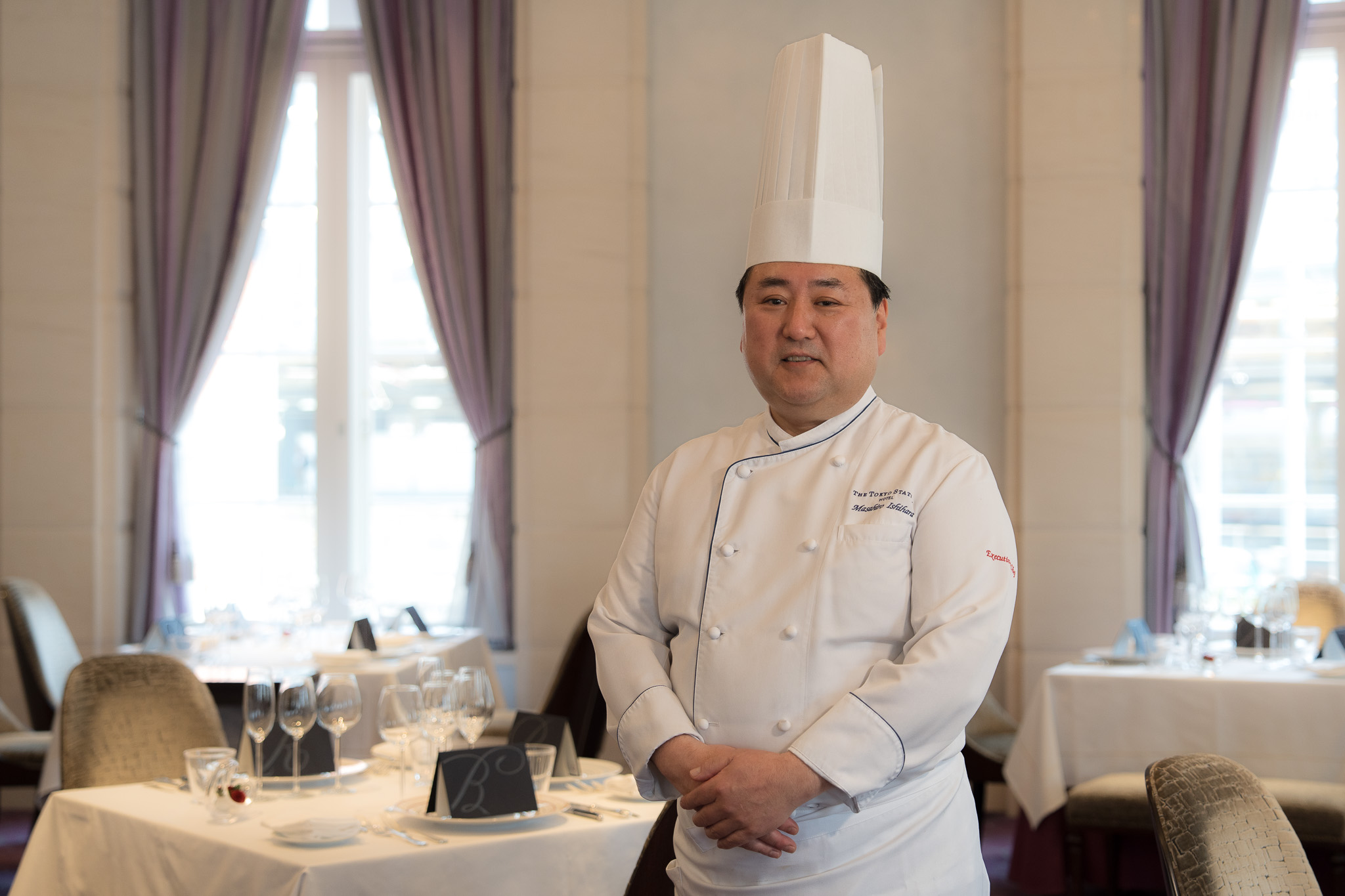
Executive Chef Masahiro Ishihara’s French-Japanese dégustation menus reflect the same blend of international refinement and local character that defines the hotel itself. Classical French techniques are paired with carefully sourced Japanese ingredients, many discovered through the chef’s travels to regional producers across the country. Even the restaurant’s name — Blanc Rouge, meaning “white and red” — references both French culinary traditions and the colors of the Japanese flag.
One dish in particular connects diners directly to the hotel’s long history: the famed beef stew originally introduced by Takeshiro Ioki, the hotel’s third general manager and former head of the legendary Seiyoken restaurant. This enduring classic is served at Bar & Café Camellia, where it remains a beloved signature dish.
Bar Oak
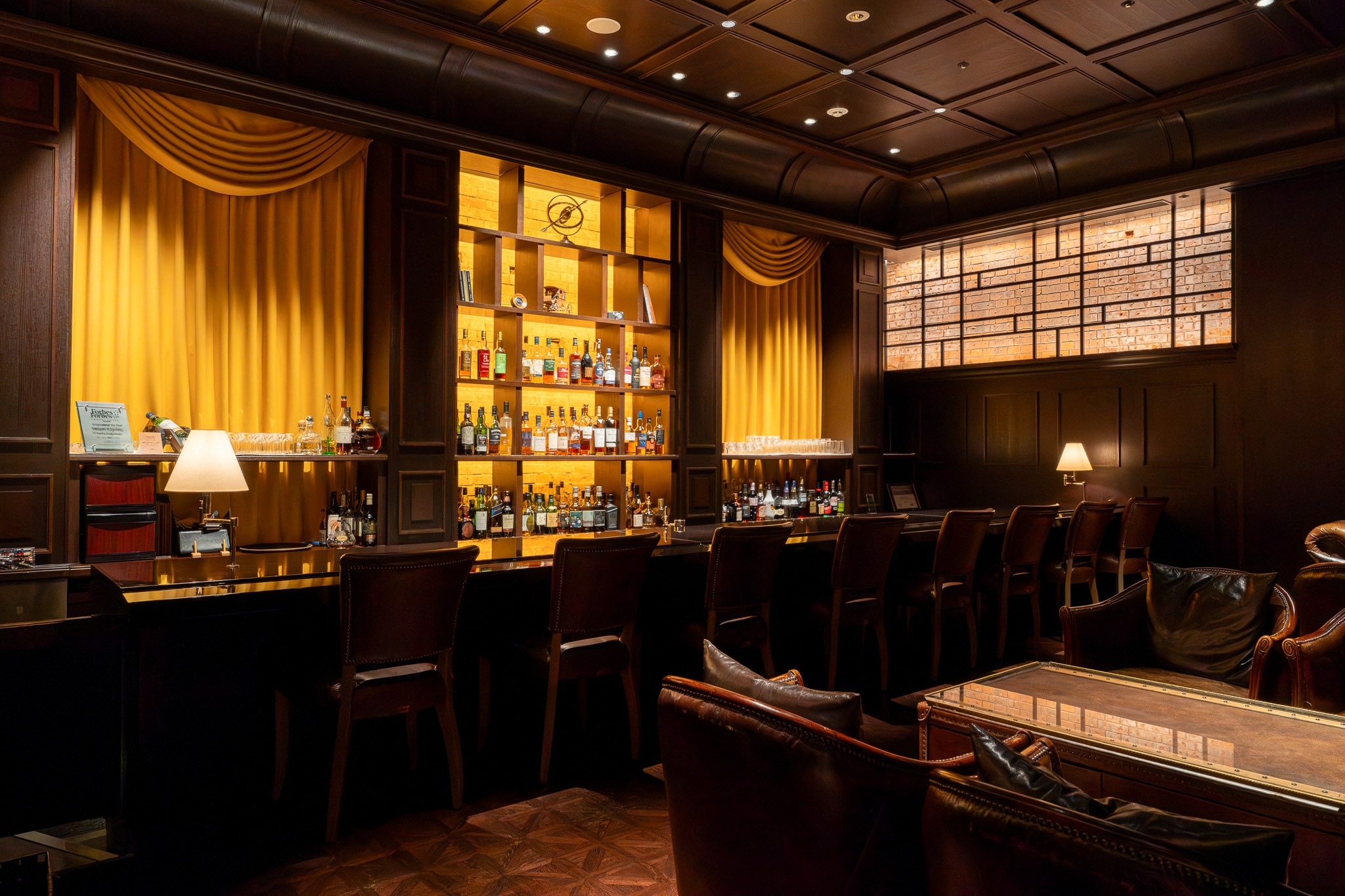
The hotel’s second-floor bar, Bar Oak, is a destination in its own right, drawing not only hotel guests but those seeking one of Tokyo Station’s most atmospheric drinking spots. The space is lined with warm wood paneling and incorporates reclaimed brick from the original station structure, paired with leather seating and vintage trunk-inspired tables. Its whisky selection spans rare Japanese and international labels, complemented by a well-curated cocktail list.
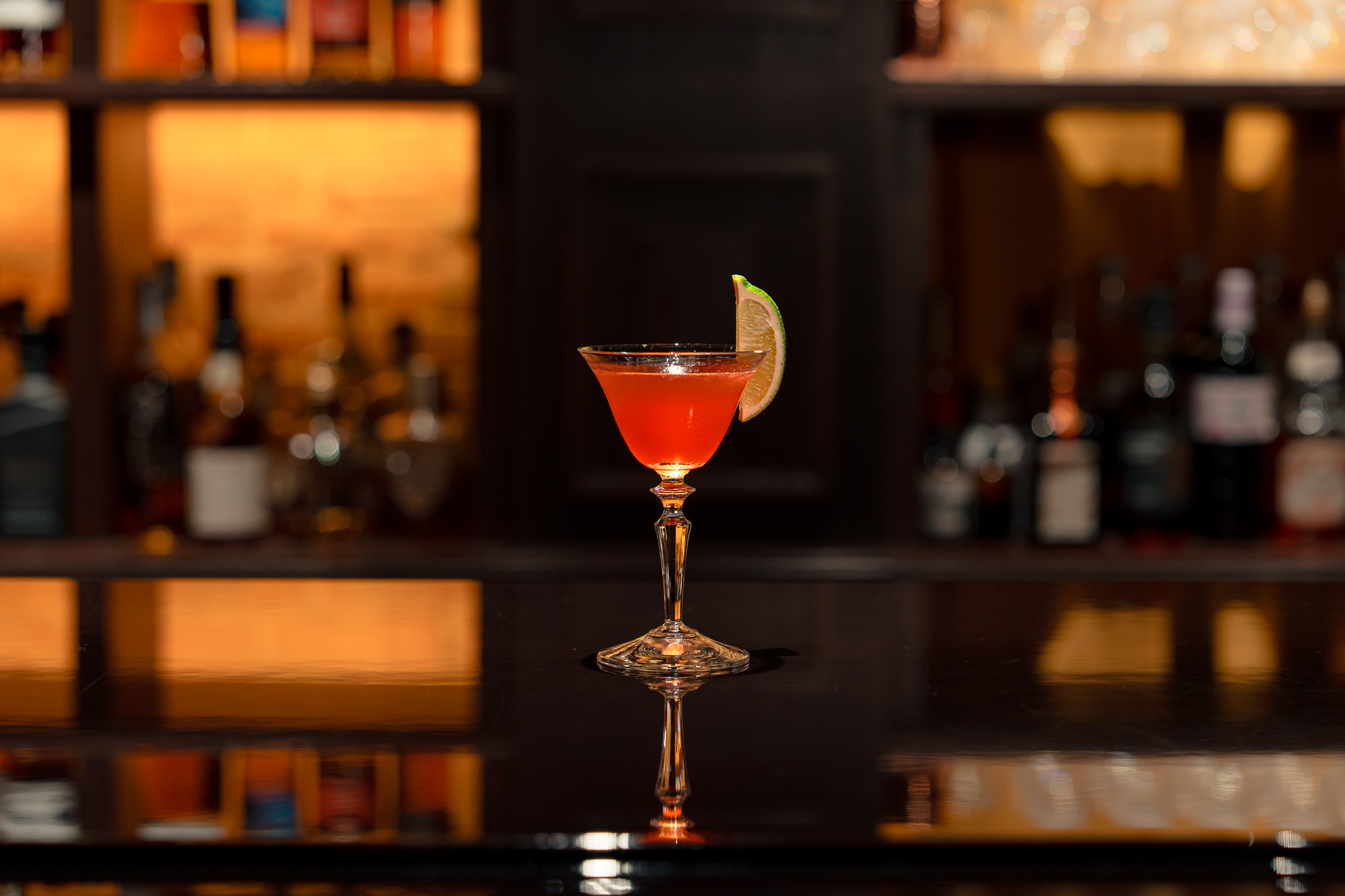
The bar’s signature cocktail, Tokyo Station, was created to commemorate the station’s 75th anniversary but remains a popular classic. Blending gin, Suze, lime and grenadine, it captures something of the hotel itself: chic, slightly nostalgic and inseparable from the historic roots of the station beneath it.
Tokyo’s luxury hotel landscape is increasingly defined by soaring towers and hyper-modern interiors, but The Tokyo Station Hotel offers a rarer kind of grandeur. Some travelers may flock to accommodations with higher floors or more dramatic skyline views, but few can replicate the surreal experience of waking up inside one of the most important buildings in Japan.
To book a room at The Tokyo Station Hotel and learn more about its historic facilities, please visit the hotel’s website. You can also contact the hotel directly at +81 03-5220-1111.