
Cherry blossoms may receive the most international attention, but summer is arguably Japan’s longest and most diverse flower season. As the rainy season gives way to brilliant blue skies, mountainsides, parks and temple gardens erupt in waves of hydrangeas, sunflowers, lotus blossoms and lilies.
Whether you’re looking for a refreshing day trip from Tokyo or planning a countryside getaway, here are some summer flowers worth adding to your itinerary.
Hydrangeas (Ajisai)
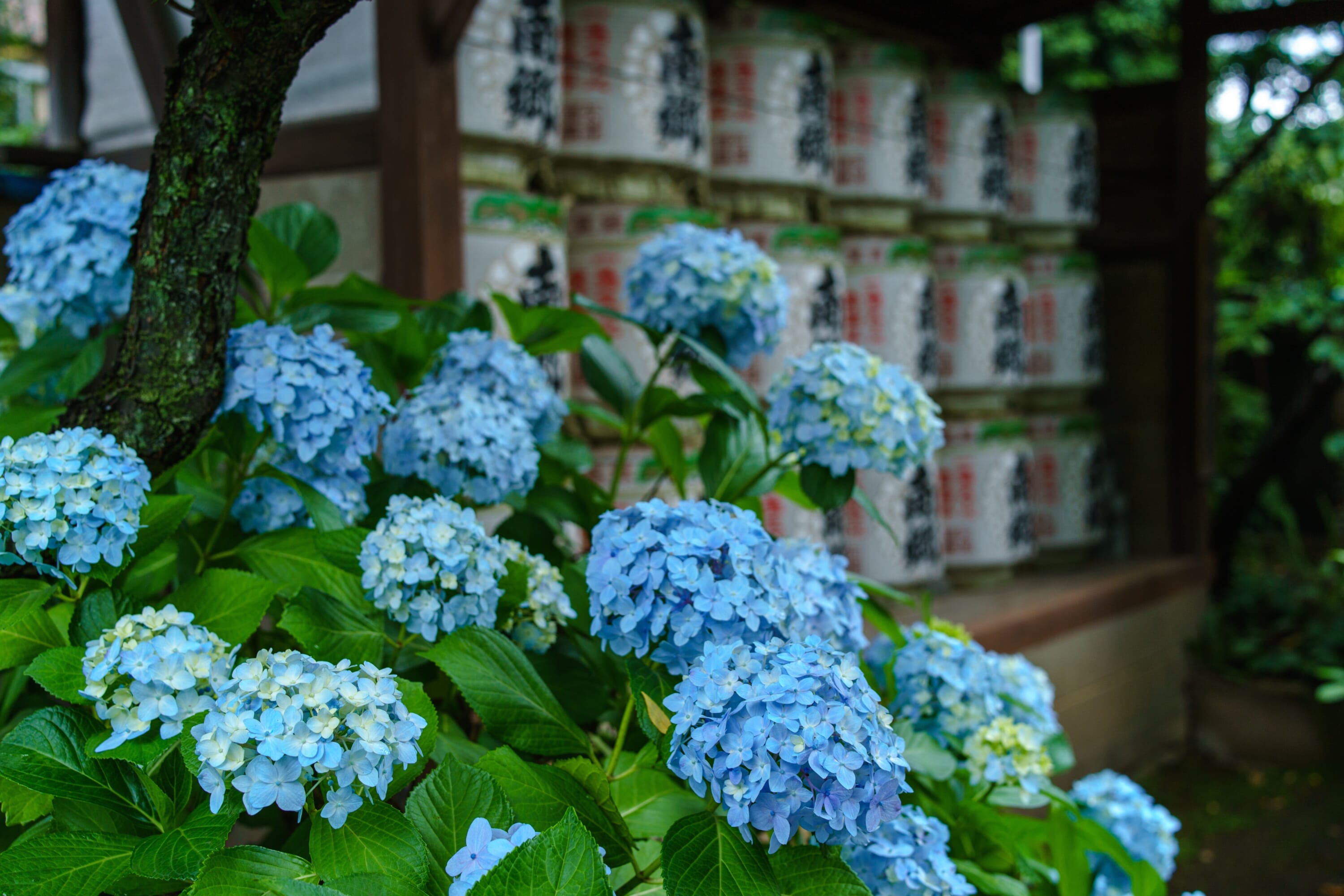
Blooming from early June through mid-July, hydrangeas are Japan’s unofficial flower of the rainy season. Their colors shift depending on soil acidity, creating landscapes filled with shades of blue, purple, pink and white. Temple gardens become especially atmospheric during drizzle, making this one of the country’s most beloved seasonal spectacles.
Embrace “umbrella season” and plan a visit around one of Japan’s many hydrangea festivals, where temples, shrines and parks are blanketed in vibrant blue, purple and pink blossoms.
Where To See Hydrangeas
- Hattori Hydrangea House in Chiba features over 10,000 hydrangea bushes spread across rolling hills.
- Meigetsu-in Temple in Kamakura is affectionately known as “Hydrangea Temple.”
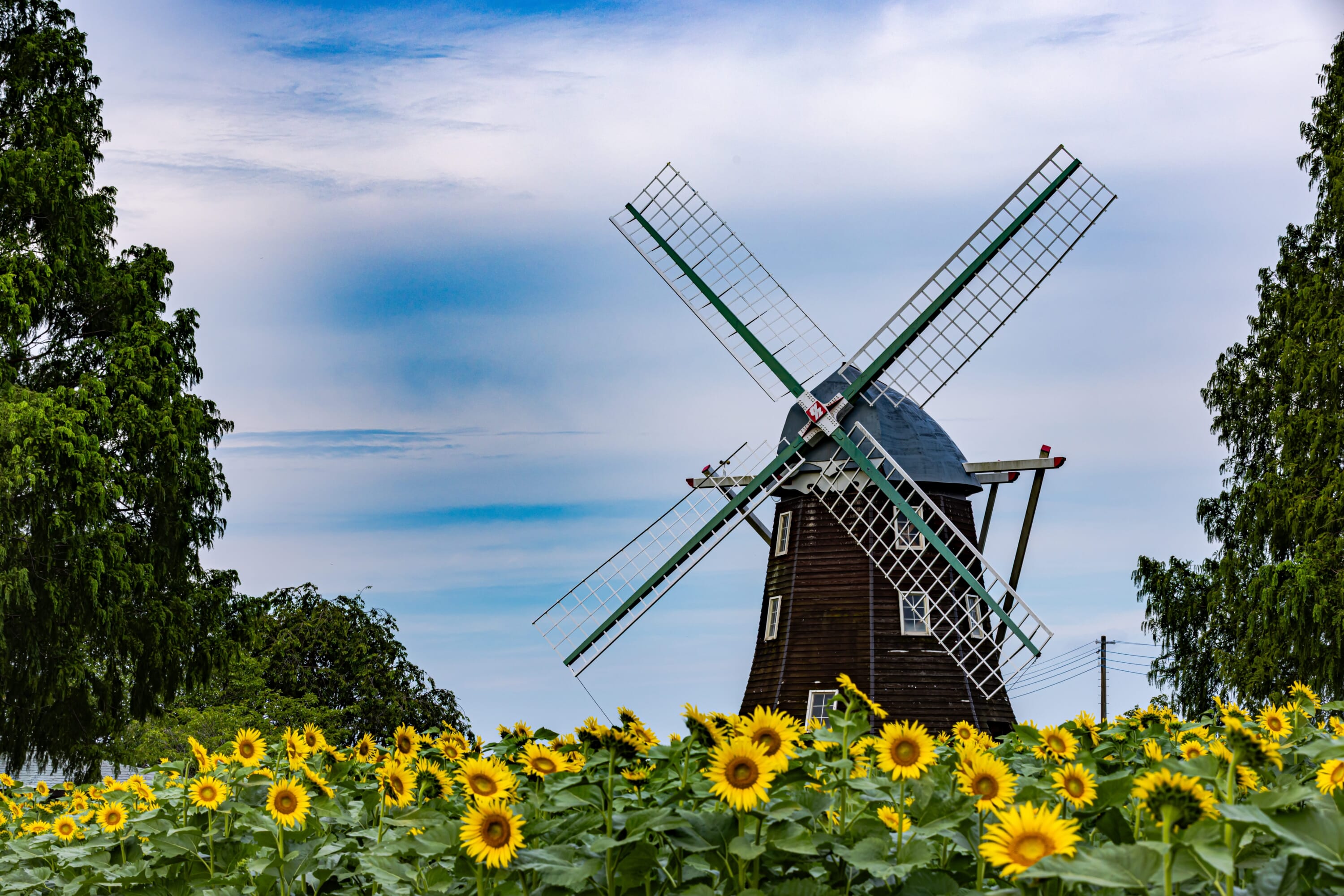
Akebonoyama Agricultural Park Sunflower Field
Sunflowers (Himawari)
Nothing captures the spirit of Japanese summer quite like a field of towering sunflowers stretching toward the horizon. Blooming from mid-July through August, these vibrant yellow flowers symbolize hope, optimism and vitality. Originally introduced from North America, sunflowers have become a seasonal favorite across Japan, with entire hillsides and farmland transformed into brilliant seas of gold.
Many sunflower festivals also feature local food stalls, evening illuminations and opportunities to cut your own flowers.
Where To See Sunflowers
- Akebonoyama Agricultural Park (Yamanashi): Around 400,000 sunflowers bloom against the dramatic backdrop of the Southern Alps and, on clear days, Mount Fuji.
- Kiyose Sunflower Festival (Tokyo): Just outside central Tokyo, this annual festival transforms farmland into a sea of approximately 100,000 sunflowers each August.
- Himawari no Oka (Sunflower Hill) Park (Hyogo): One of western Japan’s largest sunflower destinations, with roughly half a million blooms covering the park in midsummer.
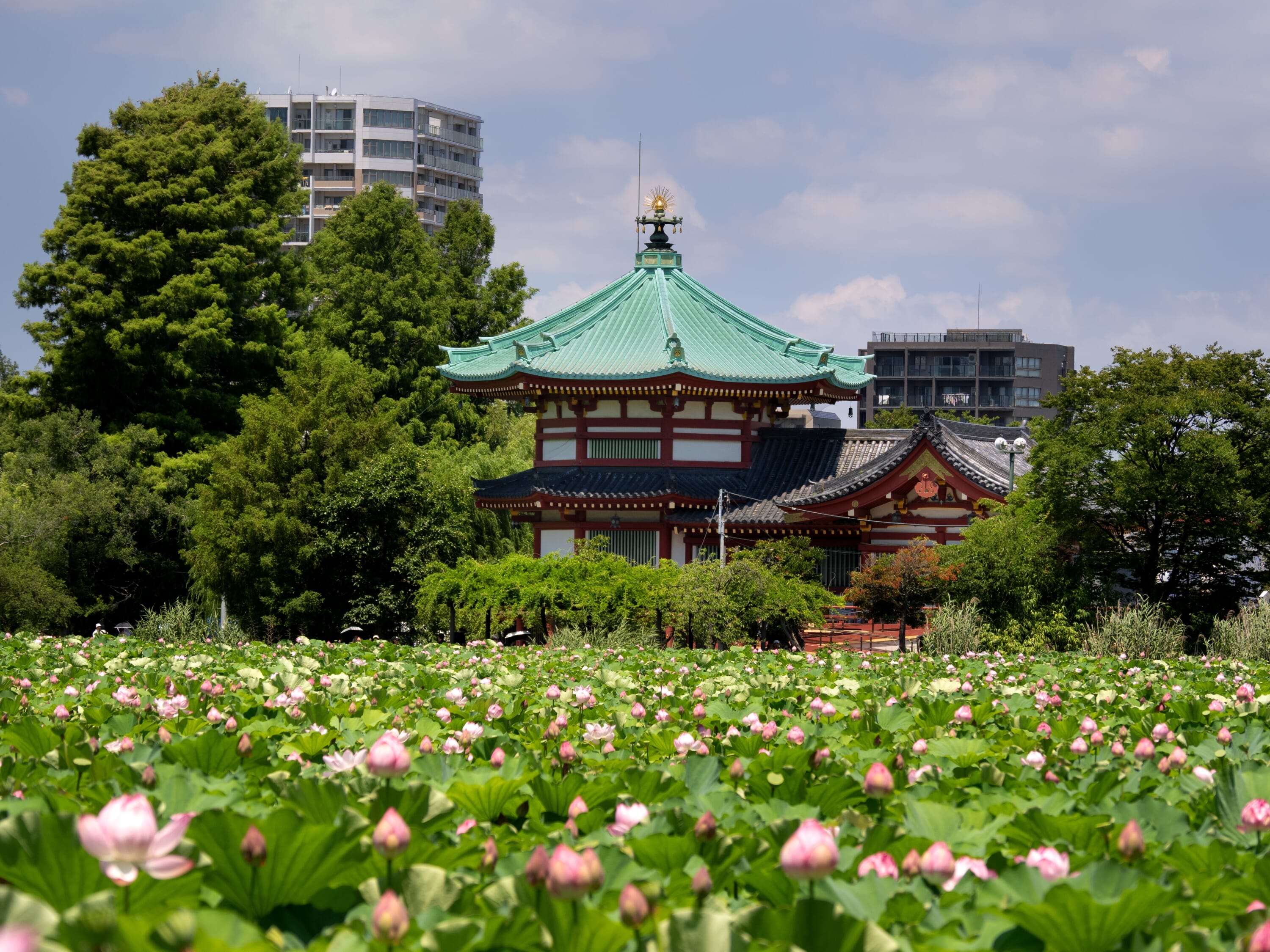
The lotus pond in Shinobazu Pond, Ueno Park
Lotus (Hasu)
Lotus flowers begin blooming in early summer and continue through August, unfurling their elegant pink and white petals shortly after sunrise before closing again by midday. Revered in Buddhism, the lotus represents purity, enlightenment and resilience, emerging pristine from muddy waters.
Across Japan, temple ponds fill with hundreds of blossoms, creating peaceful scenes that have inspired artists and poets for centuries. Visiting early in the morning is highly recommended, as this is when the flowers are at their most spectacular.
Where To See Lotus
- Shinobazu Pond, Ueno Park (Tokyo): One of Tokyo’s most iconic lotus-viewing spots, where thousands of lotus leaves blanket the pond each summer.
- Tsurugaoka Hachimangu (Kamakura): The shrine’s Genpei Pond bursts into bloom each summer, creating one of Kamakura’s most picturesque seasonal scenes.
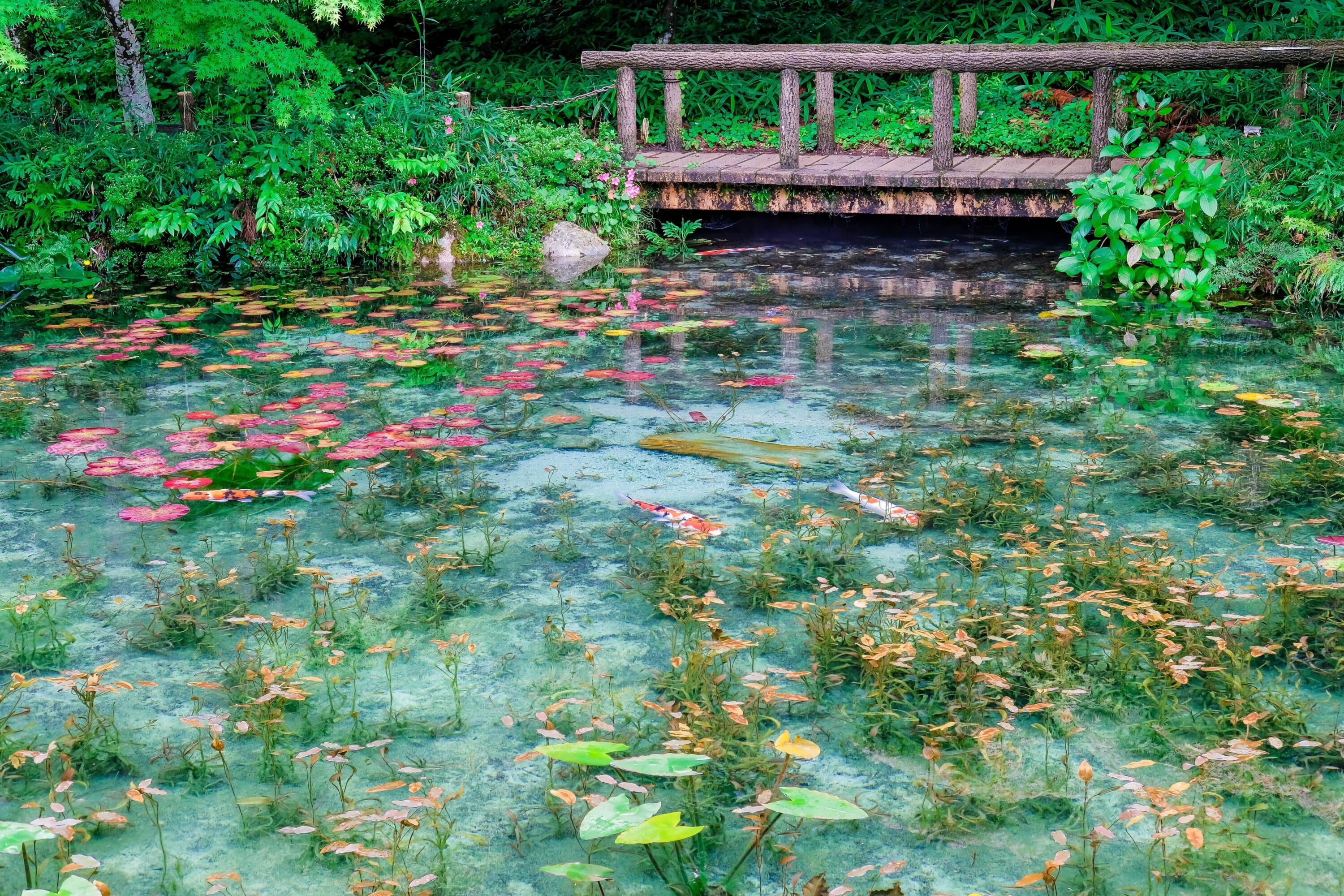
Monet’s pond in Seki City, Gifu Prefecture, Japan
Water Lilies (Suiren)
Often confused with lotus flowers, water lilies differ by floating directly on the surface of ponds rather than rising above them. Blooming throughout summer, they produce delicate flowers in shades of white, pink, yellow and purple, while their broad lily pads create mirror-like reflections across still water. Their tranquil appearance has long made them a favorite subject for artists like Monet, and they bring a quiet elegance to Japanese gardens during the warmer months.
Where To See Water Lilies
- Monet’s Pond (Gifu): Famous for its crystal-clear water and colorful koi, this enchanting pond closely resembles Claude Monet’s Water Lilies paintings.
- Koishikawa Korakuen (Tokyo): One of Tokyo’s oldest landscape gardens, where water lilies bloom peacefully among traditional ponds and walking paths.
- Suigo Sawara Ayame Park (Chiba): Better known for its iris (ayame) festival, the park also features beautiful water lilies throughout summer.
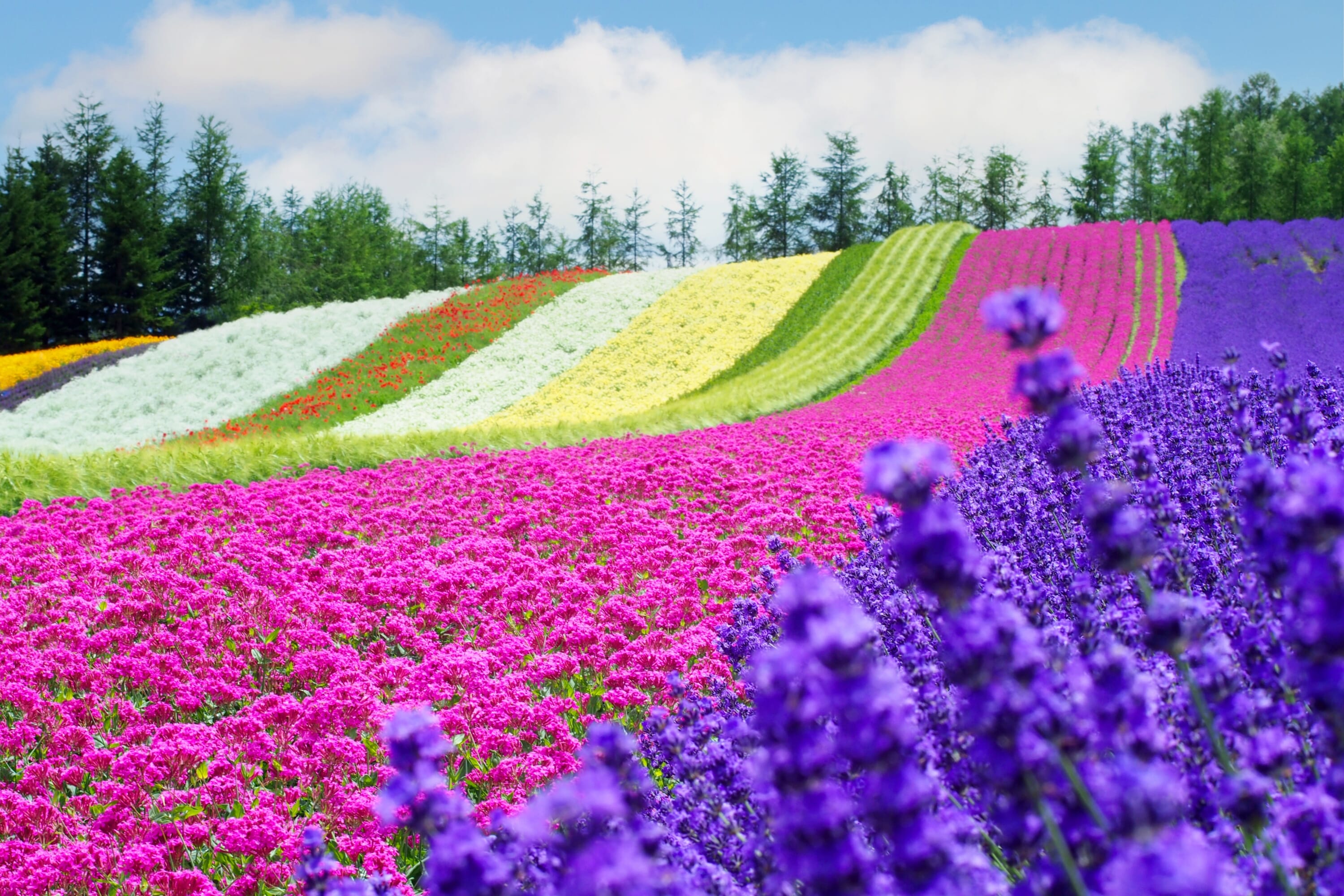
The rolling lavender fields in Farm Tomita
Lavender
Blooming from late June through July, lavender fields perfume the air with their calming fragrance. Cooler climates, particularly in Hokkaido and the Japanese Alps, provide ideal growing conditions. Many lavender farms also produce locally made ice cream, essential oils and dried flower souvenirs, making them perfect destinations for leisurely summer day trips.
Where To See Lavender
- Farm Tomita (Hokkaido): Japan’s most famous lavender destination, featuring rolling purple fields and panoramic views of Furano’s countryside.
- Tambara Lavender Park (Gunma): Located on the slopes of Mount Tambara, this highland resort is home to around 50,000 lavender plants that bloom throughout July and August.
- Oishi Park (Yamanashi): Lavender-lined paths frame spectacular views of Mount Fuji across Lake Kawaguchiko, making it one of Japan’s most photogenic summer landscapes.
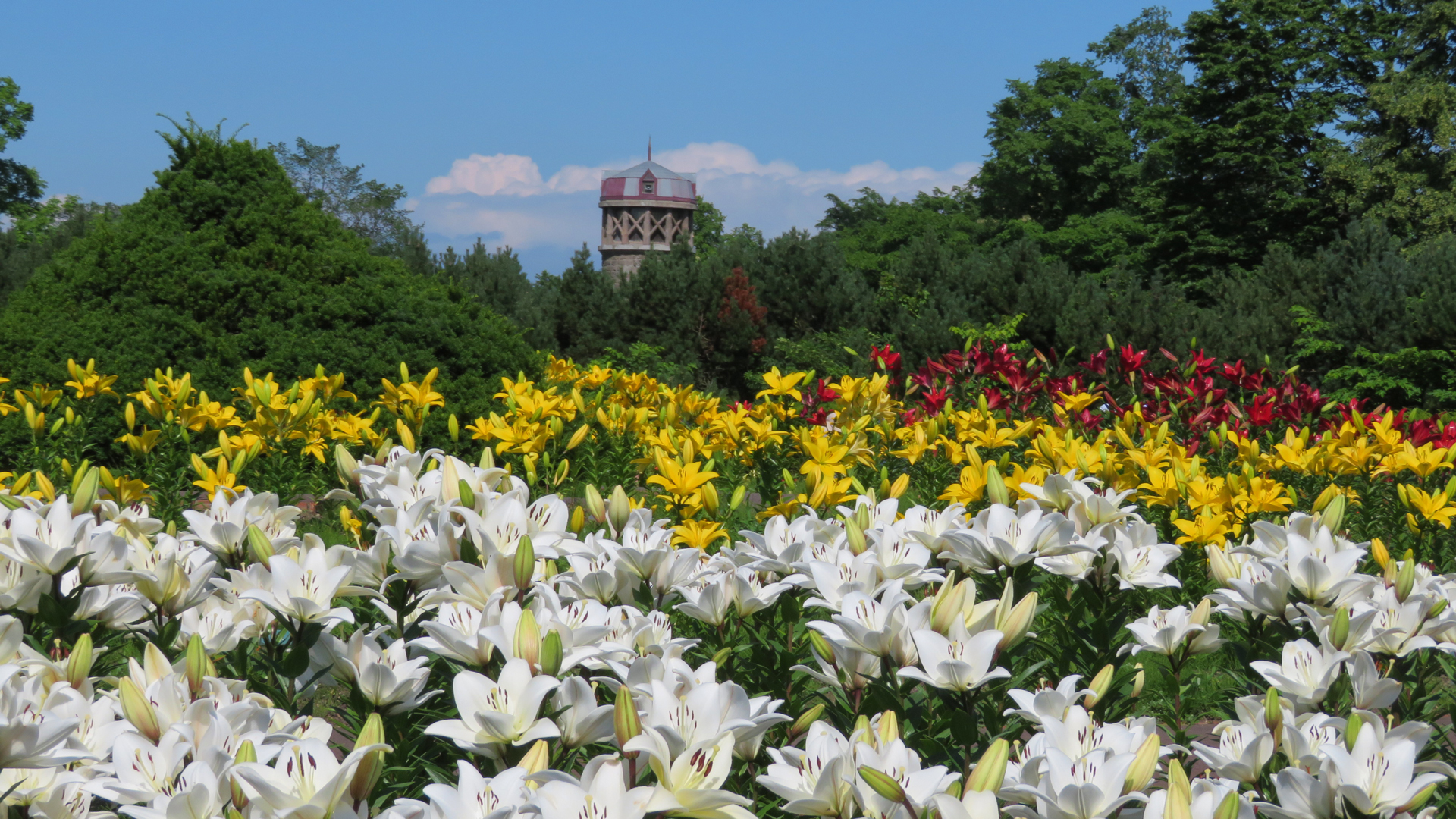
A field of lilies in Yurigahara Park (Image courtesy of Yurigahara Park)
Lilies (Yuri)
Large, fragrant and strikingly elegant, lilies bloom from late June through August. Depending on the variety, their trumpet-shaped flowers appear in white, yellow, pink, orange and crimson, filling the air with a sweet perfume. Japan is home to several native lily species, many of which have influenced horticulture around the world. Vast lily parks showcase millions of blooms against rolling green hills during the height of summer.
Where To See Lilies
- Yurigahara Park (Akita): Over two million lilies bloom across expansive hillsides, offering one of Japan’s largest lily displays.
- Hakone Gora Park (Kanagawa): Seasonal lilies add vibrant color to this European-style garden set amid the mountains of Hakone.
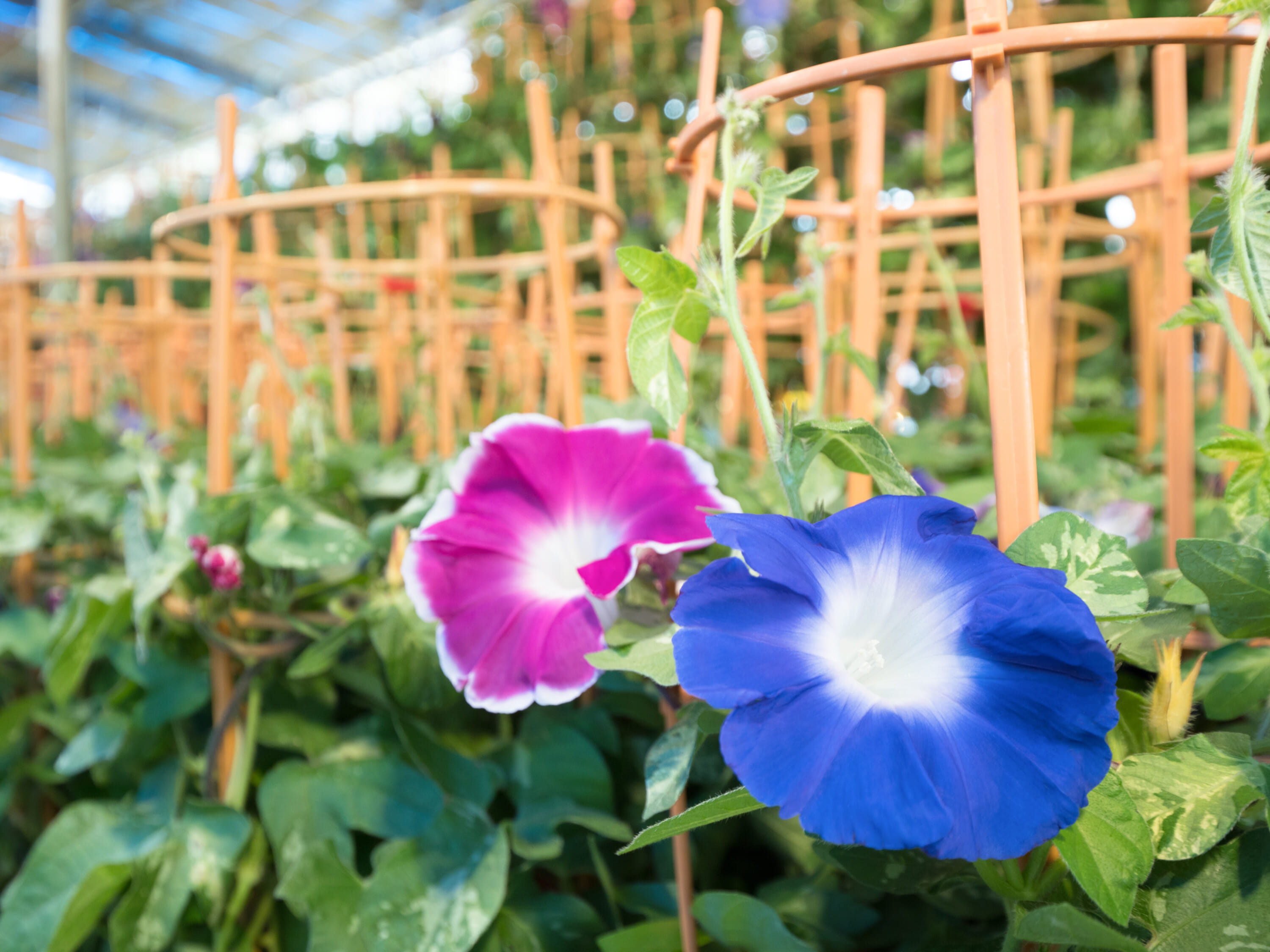
Blooming morning glories at the Iriya Morning Glory Festival (
Morning Glory (Asagao)
Morning glories have been cherished in Japan since the Edo period and remain one of the country’s most nostalgic symbols of summer. Their delicate trumpet-shaped flowers bloom at dawn before gradually fading in the afternoon heat, making every morning feel like a new floral display. Found in vivid shades of blue, purple, pink and white, morning glories are commonly grown outside homes, schools and temples, where they evoke fond childhood memories for many Japanese people.
Where To See Morning Glory
- Iriya Morning Glory Festival (Tokyo): Dating back to the Edo period, this annual festival is Japan’s largest celebration of morning glories, with hundreds of vendors lining the streets.
- Mukojima Hyakka-en Gardens (Tokyo): One of Tokyo’s oldest botanical gardens, Mukojima Hyakka-en celebrates summer with an annual morning glory display featuring beautifully cultivated blooms throughout July and August.
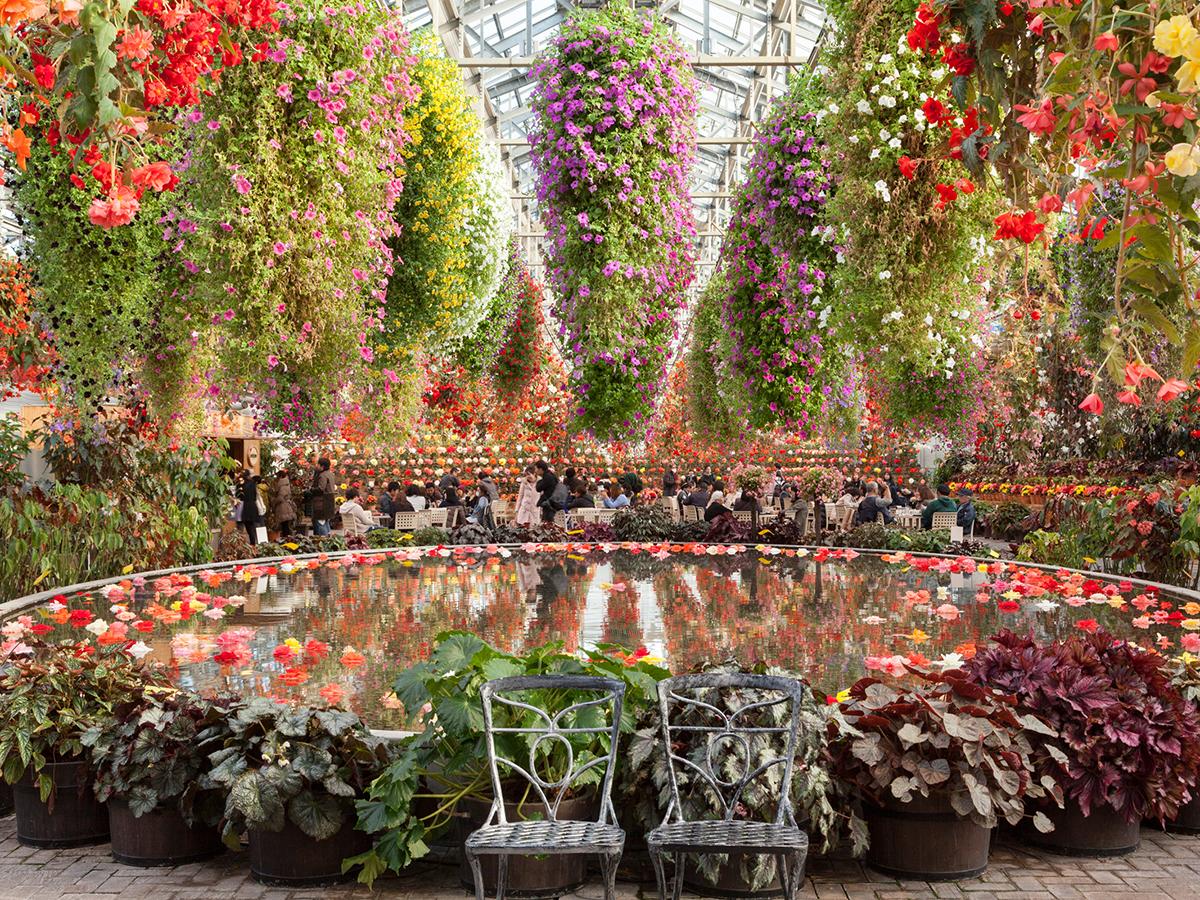
The expansive begonia greenhouse in Nabana no Sato (Courtesy of Visit Nagoya)
Begonias (Shukaido)
With their lush foliage and continuous blooms, begonias flourish throughout Japan’s warm and humid summers. Found in botanical gardens, conservatories and carefully landscaped parks, these versatile flowers appear in an impressive array of colors, from delicate blush pinks to fiery reds and oranges. Many species bloom continuously for several months, making them one of the most reliable flowers of the season.
Where To See Begonias
- Jindai Botanical Gardens (Tokyo): The conservatories and seasonal flower beds showcase a colorful collection of begonias throughout the warmer months.
- Nabana no Sato (Mie): While famous for its winter illuminations, the flower park also features spectacular begonia displays inside its expansive greenhouse.