
Art lovers in Tokyo are spoiled for choice this June. Two of the biggest names in Western art lead the way: Picasso, seen through the eye of designer Paul Smith, and Van Gogh, whose iconic “Terrace of a Café at Night” is back in Japan for the first time in roughly 20 years. Elsewhere, you’ll spot French conceptual artist Daniel Buren’s signature striped compositions and the first retrospective for Yoko Matsumoto — known for her dynamic pink-hued paintings influenced by the abstract expressionists of the 1960s. Here are seven exhibitions we recommend checking out this month.
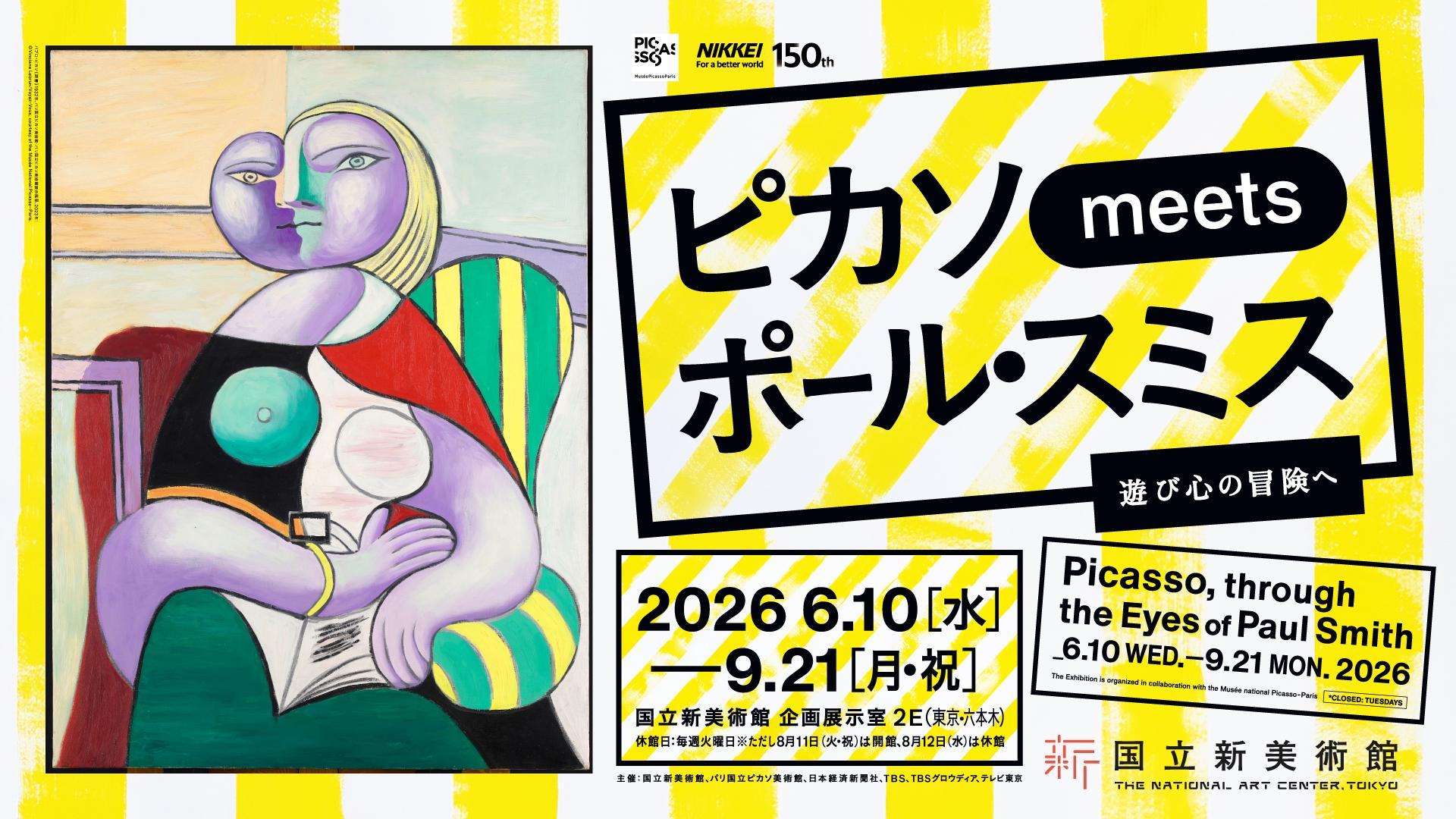
Picasso, Through the Eyes of Paul Smith
Pablo Picasso never settled into a single way of seeing. He moved restlessly — from the deep blues of grief to the splintered geometry of cubism, into ceramics, sculpture, theater and the unflinching protest of “Guernica.”
This exhibition looks at all of that through an unexpected lens. British designer Paul Smith, drawing on the collection of the Musée national Picasso-Paris, has designed the layout himself — and the result is full of color and small, delightful surprises. Around 80 works, including “Portrait of a Man” from the Blue Period and “Paul as Harlequin,” unfold in a loose, easy chronology rather than a strict progression.
It builds on “Picasso Celebration: The Collection in a New Light!” — the 2023 Paris show marking 50 years since the artist’s death — now traveling internationally, reimagined here as a space that feels playful, personal and alive.
Where: The National Art Center, Tokyo (Location)
When: June 10–September 21; closed Tuesdays and August 12, open August 11
Price: ¥2,400 (Tickets)
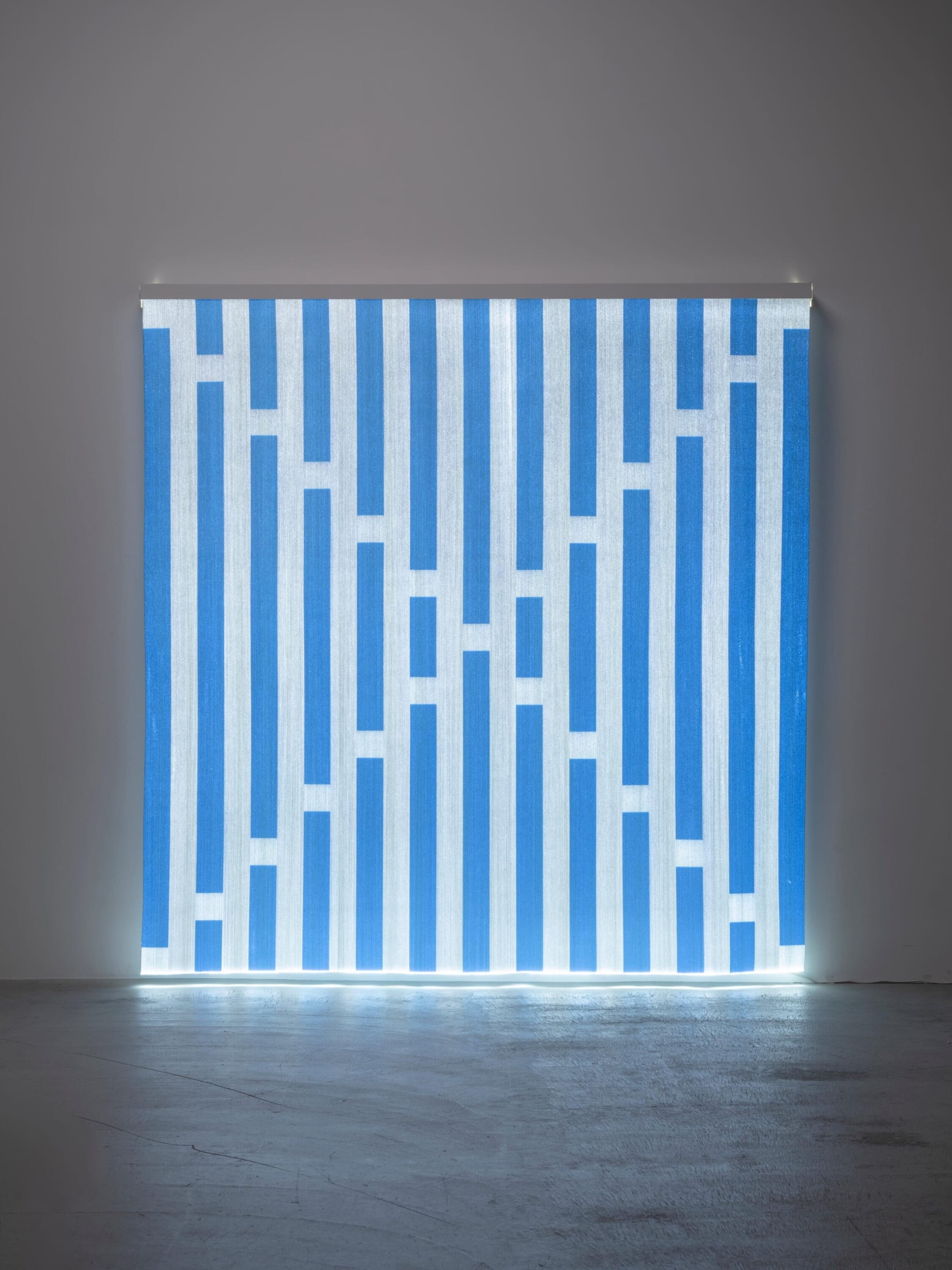
Daniel Buren, ‘Fibres optiques – Bleu clair J2’ (2013). Courtesy of Scai the Bathhouse, Photo by Nobutada Omote
Daniel Buren: Situated Works 1966-2013
Daniel Buren has spent more than 60 years working with one thing: a vertical stripe, 8.7 centimeters wide, white alternating with color. He first spotted the pattern on a bolt of ordinary striped fabric in the mid-1960s, and it has been central to his work ever since. Buren has called the stripe “an invariable sign” in a world that never stops changing — a fixed point for looking at everything else.
You’ll find his signature stripes in galleries, museums and streets all over the world, most famously on the black-and-white cylindrical columns at the Palais Royal in Paris. This show brings together pieces from the 1960s and 1980s alongside more recent ones from the 2010s. The former includes “Peinture aux Formes Variables” (1966), made not long after Buren found his striped material. The recent pieces trade paint for light — cloth woven with optical fiber and LEDs, made with manufacturers in Lyon, a city known for textiles.
*Please note that some exhibits will be changed during the course of this exhibition. During the first half of the exhibition period, the series Fibres Optiques (2013), composed of optical fiber incorporating LEDs, will be on display. In the second half, the rare 6.5-hour film Beyond Time, as Far as the Eye Can See (2018) will be screened.
Where: SCAI Piramide (Location)
When: May 14–July 18 (first term); July 23–September 19 (second term); closed Sunday–Wednesday and national holidays
Price: Free (Website)


Grand Van Gogh Exhibition: Terrace of a Café at Night
One of Van Gogh’s most beloved paintings is coming to Japan for the first time in about 20 years. “Terrace of a Café at Night” is instantly recognizable, depicting a real cafe in Arles, where pools of warm yellow light spill out into a deep blue, star-filled night. Van Gogh famously painted the scene without using any black at all. The painting is the centerpiece of a major two-part series drawn entirely from the Netherlands’ Kröller-Müller Museum, home to one of the world’s great collections of his work.
Van Gogh painted for only about 10 years, and this first part follows his early path: the dark, earthy beginnings in the Netherlands, the Paris years spent among the impressionists and finally the move south to Arles, where his colors became bright and alive. Around 60 of his paintings are shown alongside works by Renoir, Monet and other artists of his time.
And there’s more to come. Part two, opening in 2027, will reunite Japanese audiences with “Bridge at Arles” for the first time in roughly 70 years.
Where: The Ueno Royal Museum (Location)
When: May 29–August 12
Price: ¥2,800–¥3,000 (Tickets)
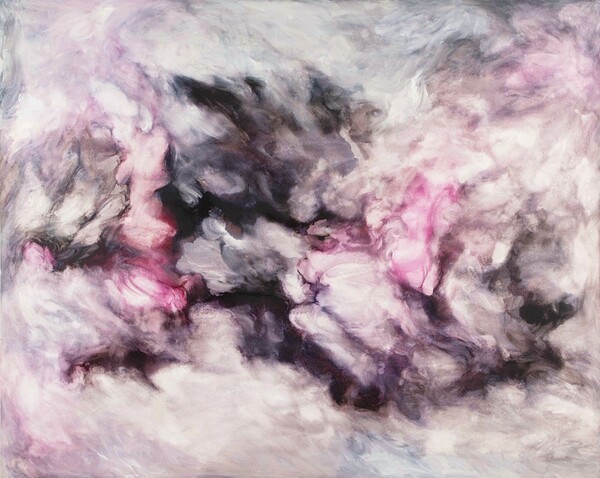
Yoko Matsumoto, ‘Dark Rock V’ (1991) © Yoko Matsumoto. Courtesy of Fuchu Art Museum
Matsumoto Yoko: The Day I Saw The Evening Star
Yoko Matsumoto, who turned 90 this May, has been painting for more than 60 years. Yet remarkably, this is the first time a museum is celebrating her breathtaking canvases with a large-scale solo show.
These extraordinary paintings are at once delicate and dynamic; hazy, ethereal washes of color drift and pile up like clouds until the canvas seems to vibrate with energy. The surface seems to fluctuate constantly, never quite settling. Matsumoto’s approach grew out of a year she spent in late-1960s America, where she discovered acrylic paint and raw, unprimed cotton canvas. In the 2000s, she turned to oil paint, working in rich greens, blacks and blues.
The show gathers 35 paintings and 15 drawings, curated with help from the artist herself, spanning her earliest work from the late 1950s to brand-new works shown here for the first time. Many are vast, with lengths spanning over 2 meters.
*Although the Fuchu Art Museum is not in central Tokyo, it’s not difficult to access; Fuchu Station is roughly 25 minutes by train from Shinjuku, and the museum is a short bus ride away. The museum is set within the peaceful greenery of Fuchu-no-Mori Park, which makes for a pleasant visit in its own right.
Where: Fuchu Art Museum (Location)
When: May 23–July 12; closed Mondays
Price: ¥800 (Website)
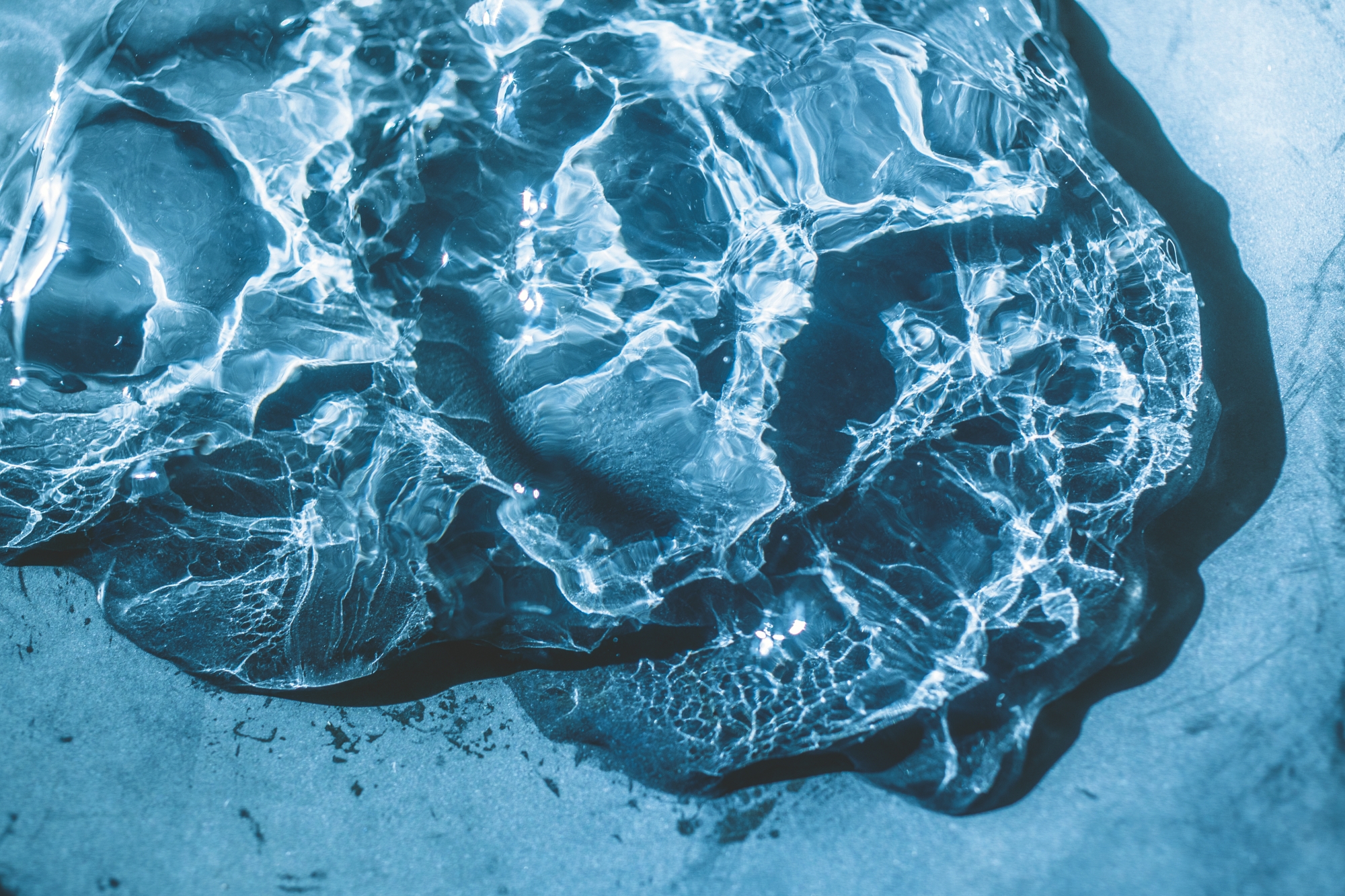
© Ayaka Endo
Ayaka Endo: Kanoko
In much of her work, Ayaka Endo photographs animals and landscapes, lighting them with a sudden burst of strobe. The effect is striking: Her subjects look at once starkly real and otherworldly, as if caught in a moment that doesn’t quite belong to ordinary time.
Endo’s solo exhibition “Kanoko” marks the release of a book: a special edition of Kanoko Okamoto’s “Sushi” (1939), reedited and rebound with Endo’s photographs woven in. The volume is the sixth iteration in an ongoing series that pairs a work of Japanese literature with photography, putting two narratives — one written, one photographic — in conversation. If you’re in the Nakameguro area, pop into the gallery to see these luminescent photos in person.
Where: Poetic Scape (Location)
When: May 16–June 28; closed Mondays, Tuesdays and national holidays
Price: Free (Website)


Soetsu Yanagi and Nihon Mingeikan
In 1926, three friends — Soetsu Yanagi, Kanjiro Kawai and Shoji Hamada — set out to found a new kind of museum, based on the word they had just coined: mingei, meaning “folk craft.” At the time, the idea that everyday objects made by unknown craftspeople held aesthetic value just like fine art was quite revolutionary. Ten years later, in 1936, that vision became tangible when the Japan Folk Crafts Museum (Mingeikan) opened its doors.
This exhibition marks two milestones at once: a century since that founding prospectus and 90 years since the museum itself opened. Visitors can trace the long road to that opening and follow Yanagi’s vision — from his designs for the building to the objects he collected and the remarkable care he took with every detail, down to the cases, the wallpaper and the light.
Where: The Japan Folk Crafts Museum (Location)
When: June 6–August 12; closed Mondays
Price: ¥1,500 (Website)
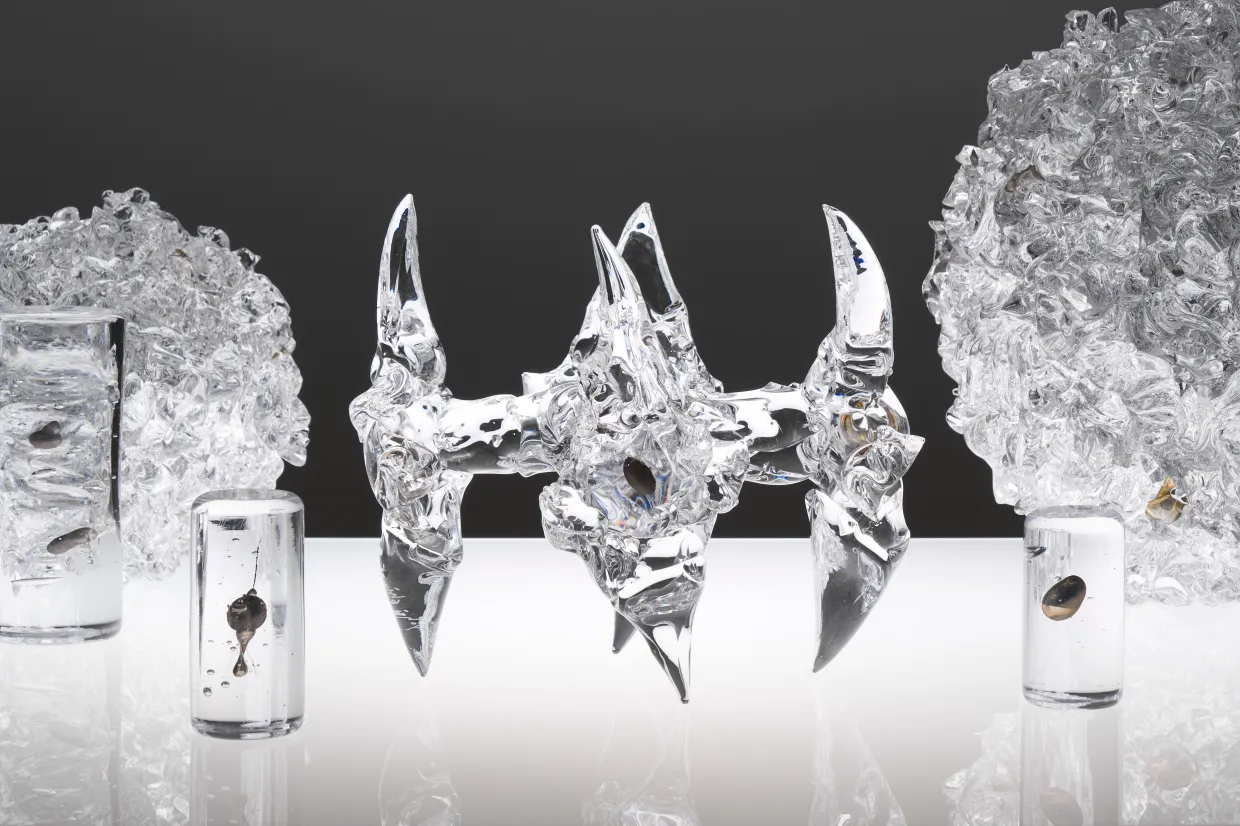
© Kotaro Nukaga
Yohei Chimura: They Stand, Once More, Before the Next Name
When you look into one of Yohei Chimura’s glass works, you’ll see specks of silver suspended in their clear depths: grains of tin sealed inside the glass while both were still molten. The glass itself looks caught mid-movement, its surface rippling and breaking off as though it cooled in an instant.
Sealing tin inside glass usually isn’t possible, since two materials that cool at different rates tend to crack apart. In his series The Experiment on the Origin, Chimura works right at that breaking point, letting gravity, heat and spin pull the metal through the glass in unpredictable ways.
The exhibition also wraps the entire gallery in a skin of transparent vinyl, another material reshaped by heat, turning the whole room into one continuous piece about how matter meets, responds and settles.
Where: Kotaro Nukaga Roppongi (Location)
When: June 6–July 18; closed Sundays, Mondays and national holidays
Price: Free (Website)
Related Posts
- 8 Must-See Art Exhibitions in Tokyo This May
- Japan’s Architectural Masterpieces, Far Off the Beaten Path
- Where To See Yoshitomo Nara’s Art in Japan
Updated On June 3, 2026