
Tokyo’s galleries and museums boast some of the spring’s most highly-anticipated shows this May. Ron Mueck is back in Japan for the first time in 18 years, with unsettling sculptures that blend the hyperreal and surreal. Portuguese photographer Teresa Freitas brings her first Tokyo show to Omotesando, pairing images from opposite sides of the world that echo each other in unexpected ways. Over in Shinjuku, Tomiyuki Kaneko presents three arresting paintings of Susanoo, the storm god of Japanese mythology. Elsewhere around the city, you’ll find melting wax self-portraits, misty, dreamlike paintings of Shinto rituals and a rare retrospective of Swiss painter Karl Walser.

Ron Mueck, “Mask II” (2002). Private Collection. Installation View: Ron Mueck, National Museum of Modern and Contemporary Art, Seoul, 2025. Photo: Nam Kiyong, Courtesy of Fondation Cartier pour l’art contemporain, National Museum of Modern and Contemporary Art, Korea
Ron Mueck
Ron Mueck’s sculptures sit somewhere between hyperrealism and distortion. The skin, the hair, the small tired details around the eyes are rendered so closely they feel almost too real — but the scale is always off. Sometimes his figures are much smaller than you’d expect, sometimes much bigger: a baby the size of a car, a grown man you could hold in your hand.
Born in Melbourne in 1958 and based in the UK, Mueck has spent the last three decades building an oeuvre of around 50 sculptures — each one taking months, sometimes years, to complete. The exhibition brings together 11 of them, including the monumental “Mass” (2016- 2017), a surreal installation of 100 giant skulls. Six works are being displayed in Japan for the first time, and the exhibition marks the artist’s first solo show in the country in 18 years.
Where: Mori Art Museum
When: April 29-September 23
Price: ¥1,400-¥2,500
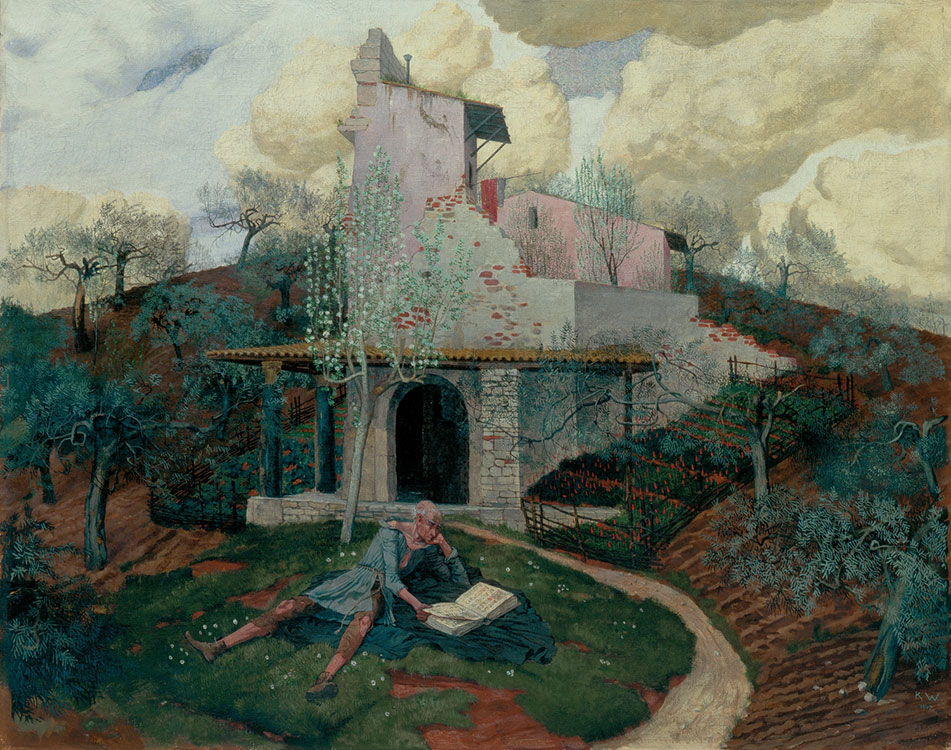
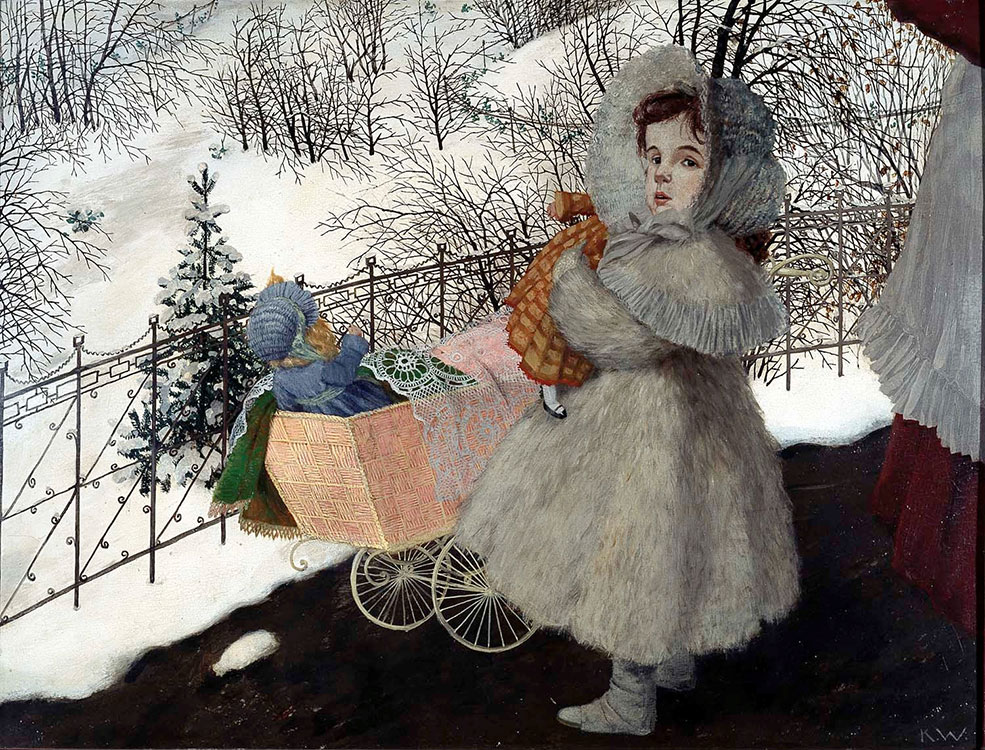
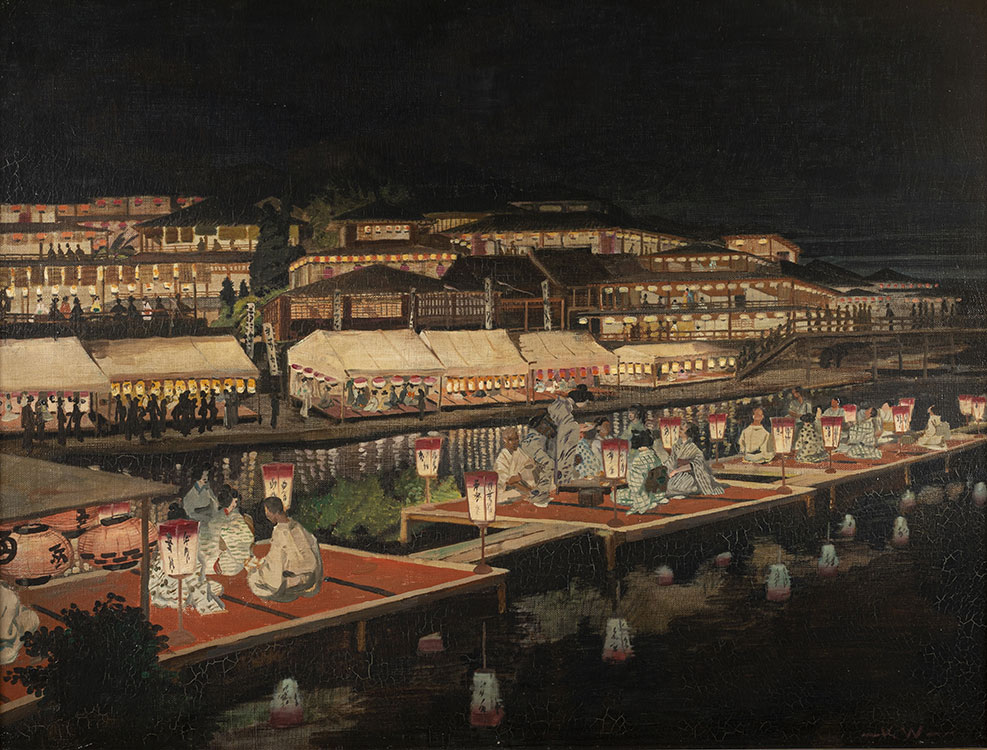
Karl Walser: Dark Afterglow of the Fin de Siècle
Karl Walser’s paintings have a strange, dreamlike pull to them — somewhere between symbolism and storybook, with a touch of melancholy underneath. Much of his work emerged in Berlin, where he was part of the Secession, a group of artists pushing back against the stiffness of academic painting at the time. But painting was only one part of what he did. He also illustrated books, designed sets and costumes for the theater and spent his later years working on murals.
In 1908, Walser traveled to Japan and spent several months sketching whatever caught his eye — kabuki actors, summer riverside platforms in Kyoto, the Gion Festival in full swing. Many of those watercolors have rarely been seen in public, and the colors are still startlingly fresh. This is the first retrospective in Japan of Walser, bringing together around 150 works.
Where: Tokyo Station Gallery
When: April 18-June 21 (Closed Mondays, except May 4 and June 15)
Price: ¥1,300-¥1,800
Urs Fischer: Spot the Difference
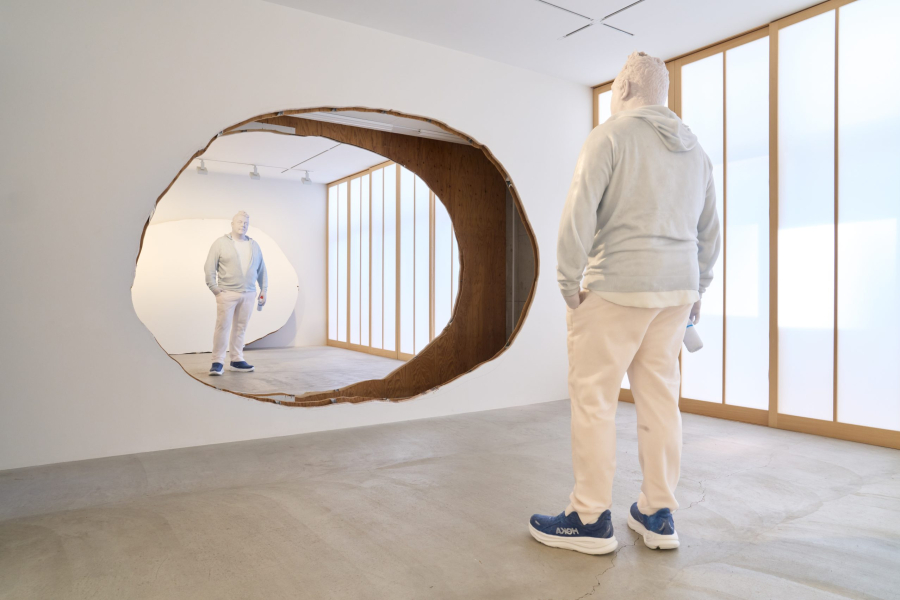
Urs Fischer’s works move between high culture and kitsch, the permanent and the fleeting, the serious and the absurd — often within the same piece. “Spot the Difference,” his first exhibition at Fergus McCaffrey Tokyo, takes its cue from the gallery itself: a finished space upstairs, an unfinished sub-basement below. The split became a way to think about the conscious and unconscious mind.
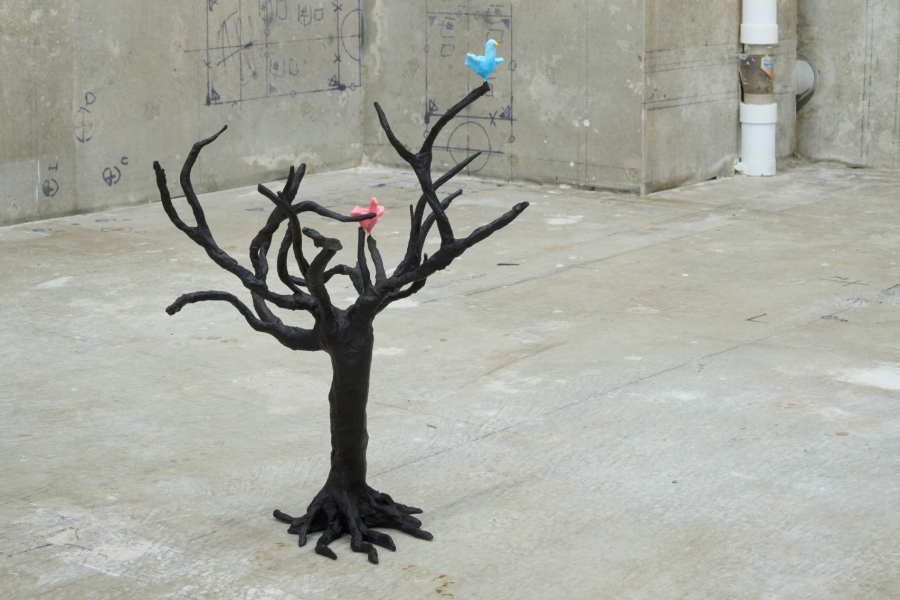
Upstairs, two life-size wax self-portraits face each other through a roughly cut hole in the wall. Lit on opening day, they are slowly melting over the course of the show before being recast and begun again. Downstairs, Rorschach-like wallpaper of concrete holes and patches wraps the entire space, populated with painted bronze sculptures and drawings.
Born in Zurich in 1973, Fischer lives and works in Los Angeles. The exhibition marks the first showing of his Candle portraits in Japan.
Where: Fergus McCaffrey
When: April 11-July 4 (Closed Sundays & Mondays, and May 4-6)
Price: Free
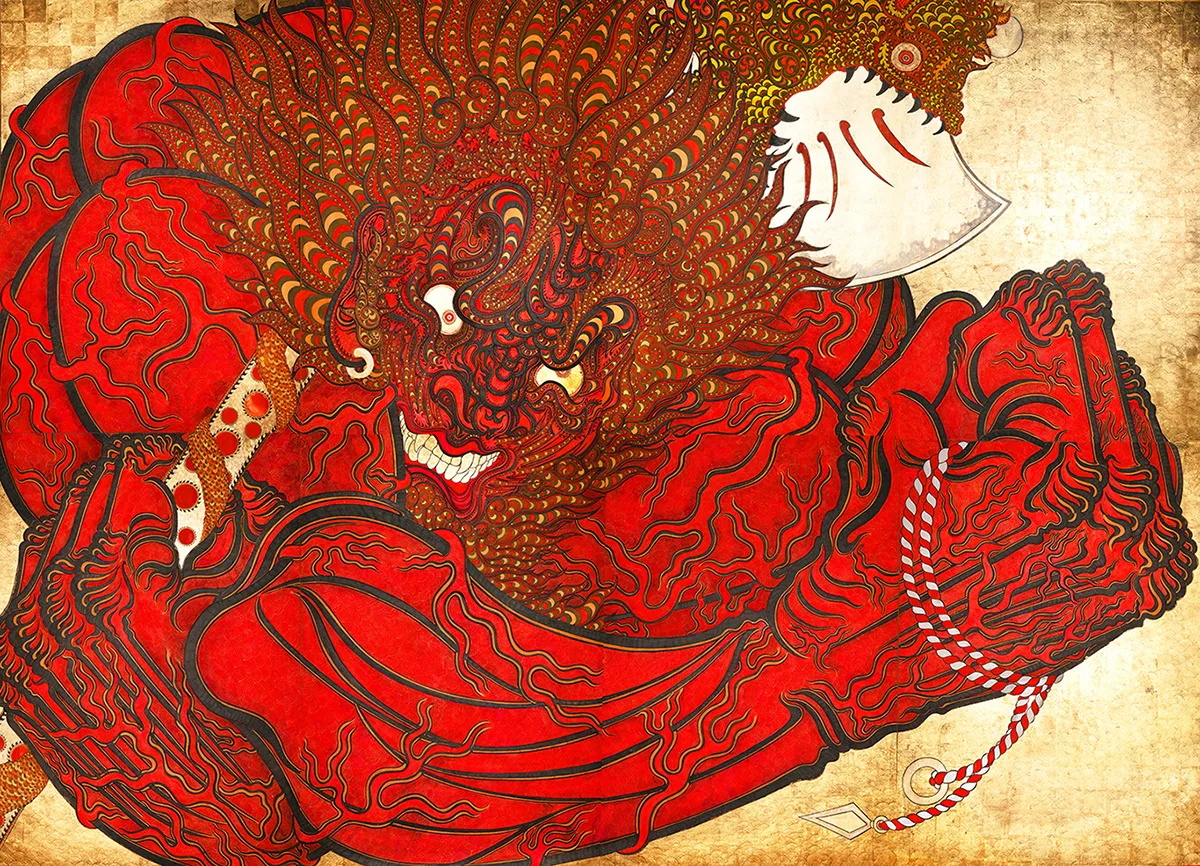
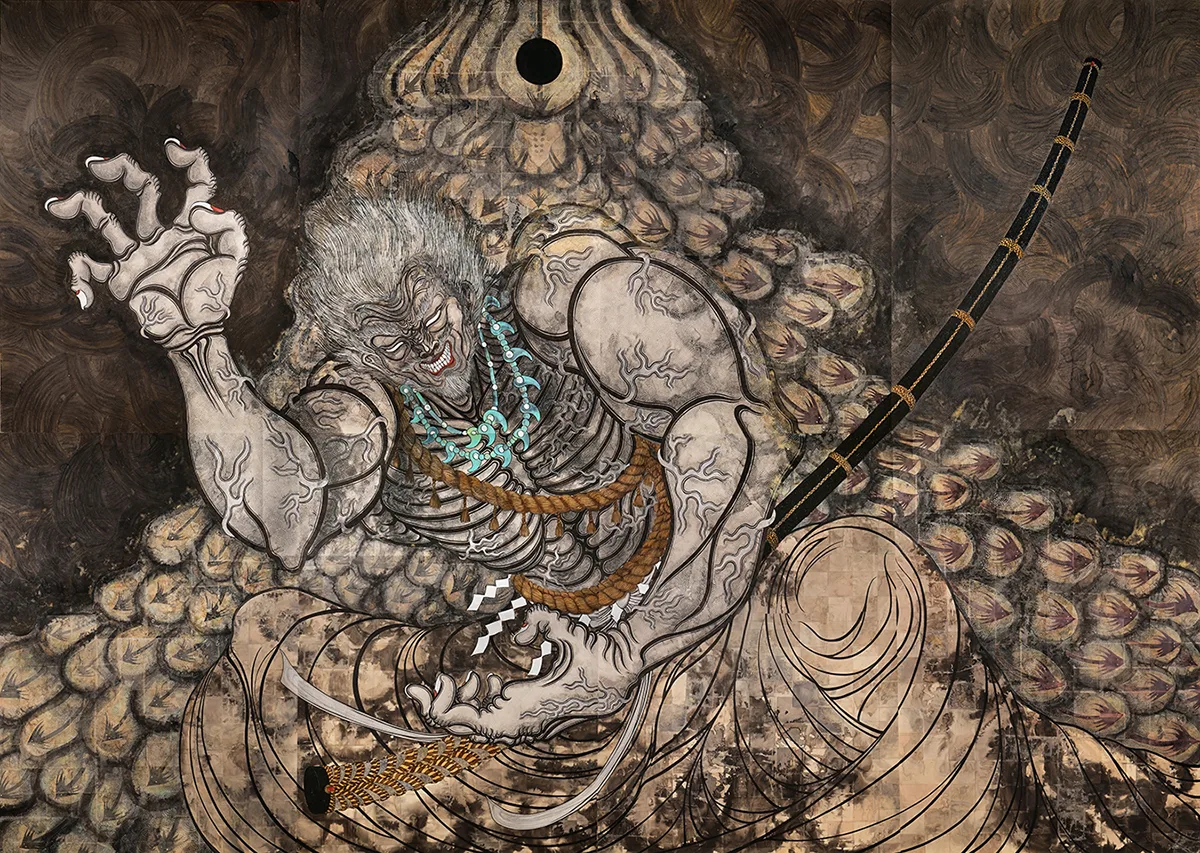
Tomiyuki Kaneko: Breath of Susanoo
Susanoo is the storm god of Japanese mythology — a deity of raging seas, sudden tempests and untamed force. In this solo exhibition, Tomiyuki Kaneko explores the figure across three large-scale paintings that wrap the gallery walls, drawing on the syncretic traditions through which Susanoo has long been worshipped. The pieces are shown alongside more than a dozen smaller works, including painted stones, a papier-mâché mask and a Daruma figure.
Kaneko’s work keeps returning to the question of how cultures have given form to forces beyond human control. Working from a remote village in Yamagata, Tohoku, he gives shape to invisible spiritual beings — deities, spirits, yokai — drawing on layers of faith and reverence accumulated over centuries.
Where: Mizuma Art Gallery
When: April 22-May 23 (Closed Sundays, Mondays and National Holidays)
Price: Free
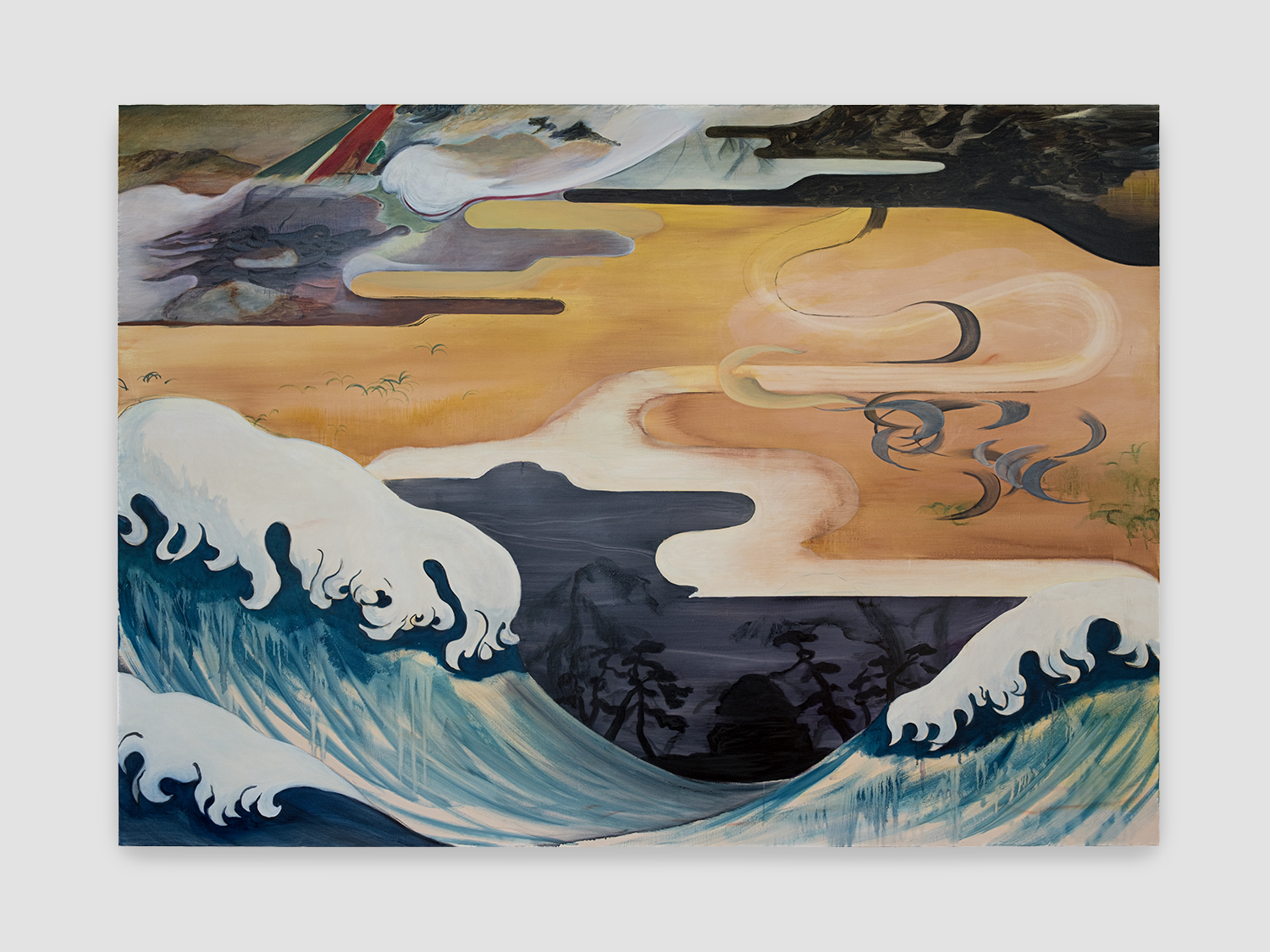
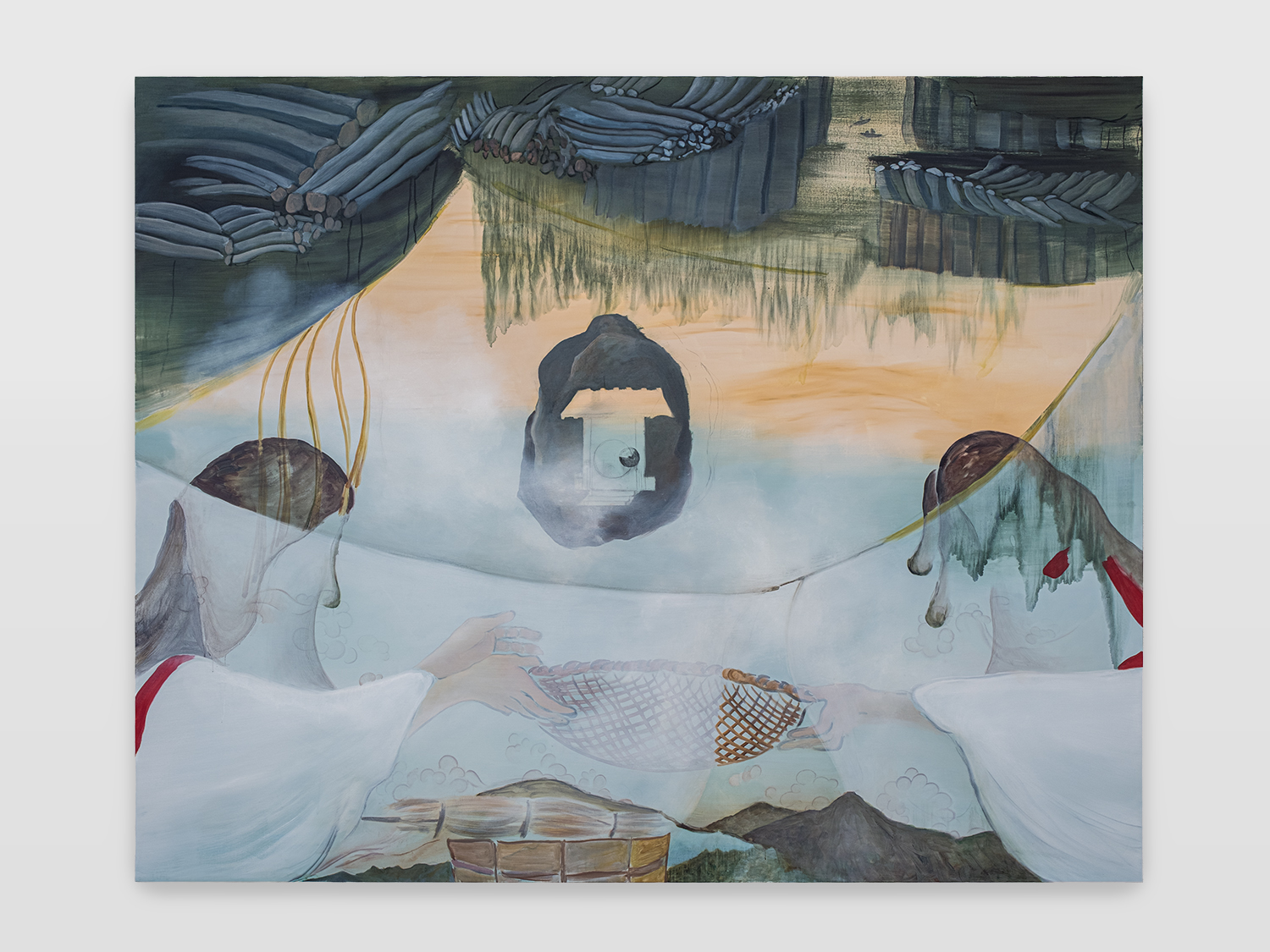
Hiroka Yamashita: White Veils
Mist, steam, incense smoke, snow falling thick enough to blur the world — these fleeting presences move through Hiroka Yamashita’s new paintings, drifting across scenes of sacred dances, figures gathered at festivals, snowy landscapes and serene moments by the water. The white vapors shift their shape and never quite let you see what lies behind them. “White Veils,” her second solo exhibition at Taka Ishii Gallery, gathers 18 new paintings around these themes.
Yamashita’s work draws on Japanese mythology and animist traditions, often built from her own visits to local rites and festivals. Many of the new paintings center on kagura, the sacred Shinto dances and ceremonies she’s been studying since 2024. White has long been read as a sign of the divine in Japan, and it enters this body of work alongside deep red and black — colors at the heart of older Japanese painting.
Where: Taka Ishii Gallery, Roppongi & Kyobashi
When: May 16-June 20 (Closed Sundays, Mondays and National Holidays)
Price: Free
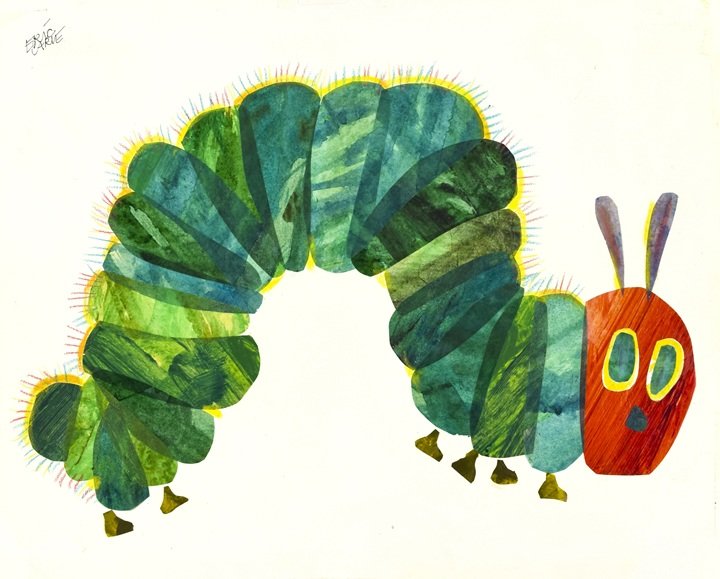
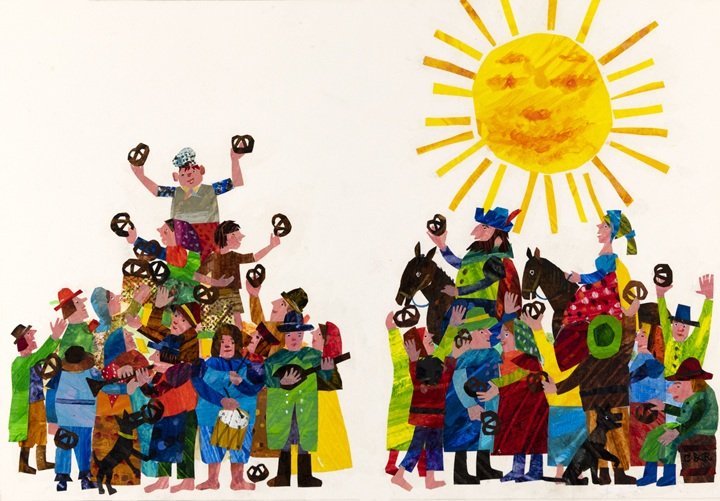
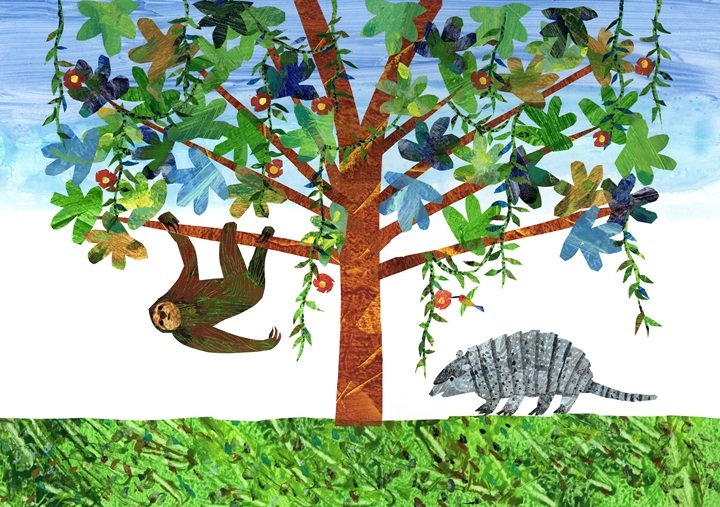
Eric Carle: Art, Books and the Caterpillar
Few picture books have been loved by as many children as The Very Hungry Caterpillar. Created by American author Eric Carle, it has been translated into more than 70 languages and passed down through generations. At its heart is a simple but memorable message: a tiny caterpillar nibbles its way through the world and grows into a beautiful butterfly. It’s a story about hope, change and becoming who you’re meant to be.
Marking the 50th anniversary of the book’s Japanese publication, this exhibition brings together around 180 works, including precious original illustrations and handmade “book dummies” that show how Carle’s ideas first took shape on paper. You’ll also see early pieces from his days as a graphic designer — the foundation for the playful, interactive picture books he would later become famous for.
Where: Museum of Contemporary Art Tokyo
When: April 25-July 26 (Closed May 7 & July 21, and on Mondays except May 4 and July 20)
Price: ¥1,600-¥2,300

Leica Gallery Omotesando © Teresa Freitas
Teresa Freitas: Meeting Point
For Portuguese photographer Teresa Freitas, color is the whole point. It’s the thing that holds her images together — shaping space, drawing the eye and pulling together places that have nothing else in common. Her work moves freely between street, documentary and fine art photography, building a visual language all its own.
“Meeting Point,” on view at Leica Gallery Omotesando, pairs photographs taken in distant parts of the world — loosely framed as East and West — and presents them side by side. Each pairing turns on a kind of visual rhyme: a shade of blue in one place echoing the same blue thousands of miles away, a curve of architecture finding its match across an ocean, until the distance between them begins to dissolve. Drawn from years of accumulated images, the work shows how photographic memory builds over time, and how the eye can find unexpected connections across the world.
Where: Leica Gallery Omotesando
When: April 2-June 28 (Closed Mondays)
Price: Free
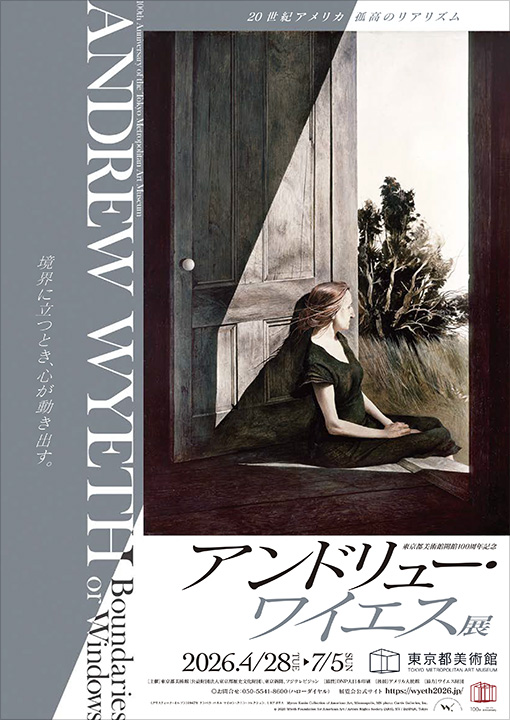
Andrew Wyeth: Boundaries or Windows
Born in 1917, Andrew Wyeth is widely considered one of America’s most beloved painters. While many artists of his time were chasing bold new movements like Abstract Expressionism and Pop Art, Wyeth went his own way; he stayed close to home, painting the people, houses and fields he knew best in rural Pennsylvania and coastal Maine.
But his paintings are never just pretty pictures of the countryside. Look closely, and you’ll find something deeper — everyday moments charged with feeling, memory and a sense of life’s fragility. Wyeth had a particular fascination with windows, doors and other thresholds. These ordinary details became something more in his hands: gentle reminders of the line between the familiar and the unknown, between life and what lies beyond.
Where: Tokyo Metropolitan Art Museum
When: April 28-July 5 (Closed May 7, and on Mondays except May 4 and June 29)
Price: ¥1,100-¥2,300
Related Posts
- The Best Things To Do in Tokyo This Month: May 2026
- The Glittering Chrome Fantasies of Hajime Sorayama
- Wakumi Kanno Transforms Trash Into Tender, Threaded Portraits
Updated On May 14, 2026