

Since the end of World War II, Japan has operated without a centralized, independent foreign intelligence agency. Instead, responsibility for assessing threats and protecting national security has been divided among a fragmented network of ministries, police organizations, Self-Defense Forces intelligence units and government offices. While this decentralized system reflected Japan’s postwar constitutional constraints and political culture, it has long been criticized for limiting coordination and slowing responses to increasingly sophisticated foreign intelligence operations.
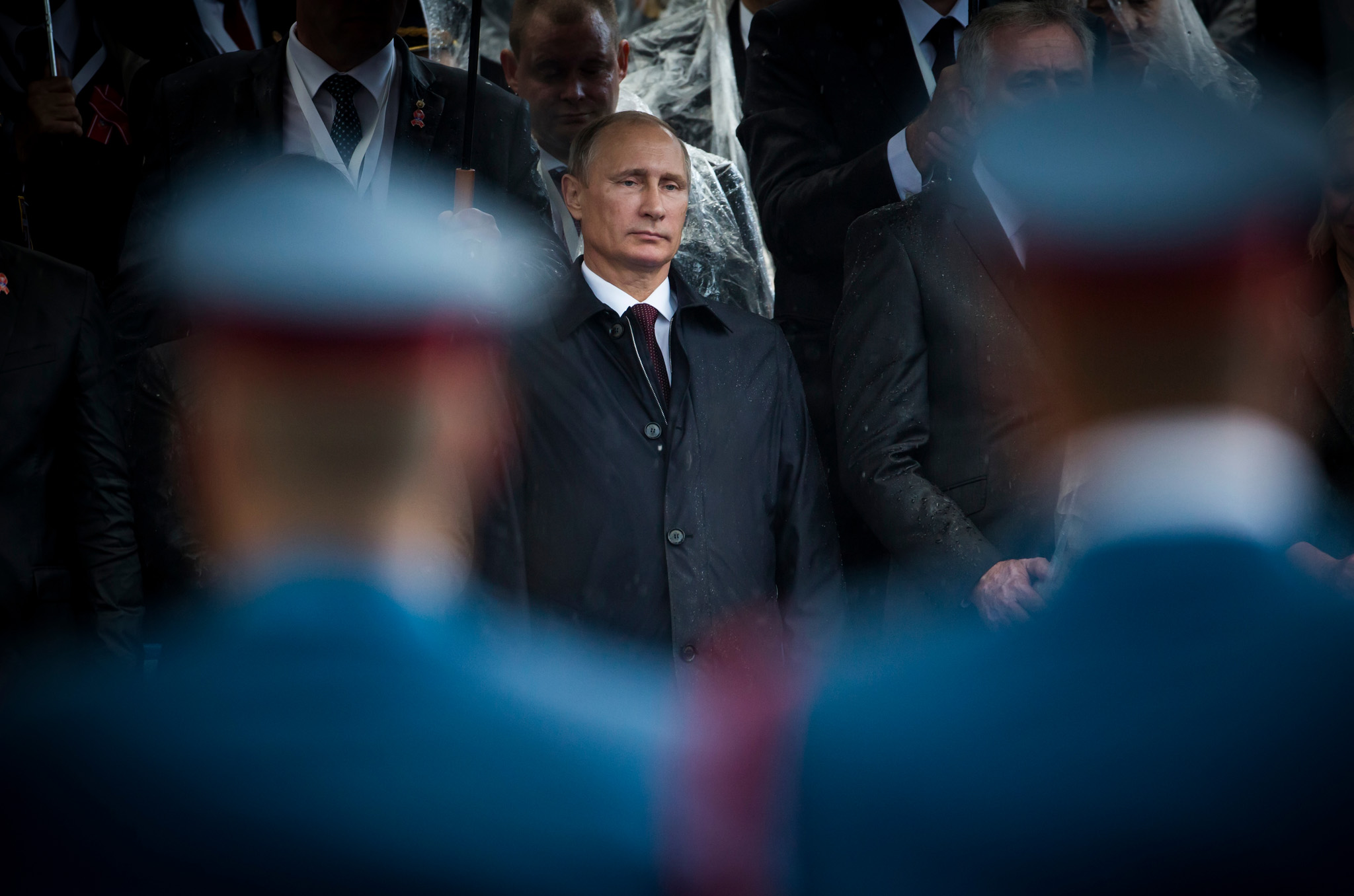
Image: Dimitrije Ostojic / Shutterstock
NYT Claims Putin Turned Japan Into a ‘Den of Spies’
That is finally beginning to change. In May, the Diet passed landmark legislation establishing the National Intelligence Council (NIC) and National Intelligence Bureau (NIB), laying the foundation for Japan’s first centralized intelligence architecture in the postwar era. The move comes as Tokyo faces growing pressure to strengthen its ability to counter foreign espionage. The New York Times (NYT) investigation into how Russian President Vladimir Putin turned Japan into a “Den of Spies” underscores why the overhaul is urgently needed.
According to the report, Japan’s weak espionage laws and advanced technology sector have made it an important target in Russia’s efforts to acquire components for its war machine. Ukrainian officials estimate that as many as 90% of Russian missiles and drones contain Japanese-made components. The report also identified Russia’s 20th Directorate as involved in efforts to obtain battlefield technology through diplomatic and commercial networks, citing current and former officials from five Western intelligence agencies.
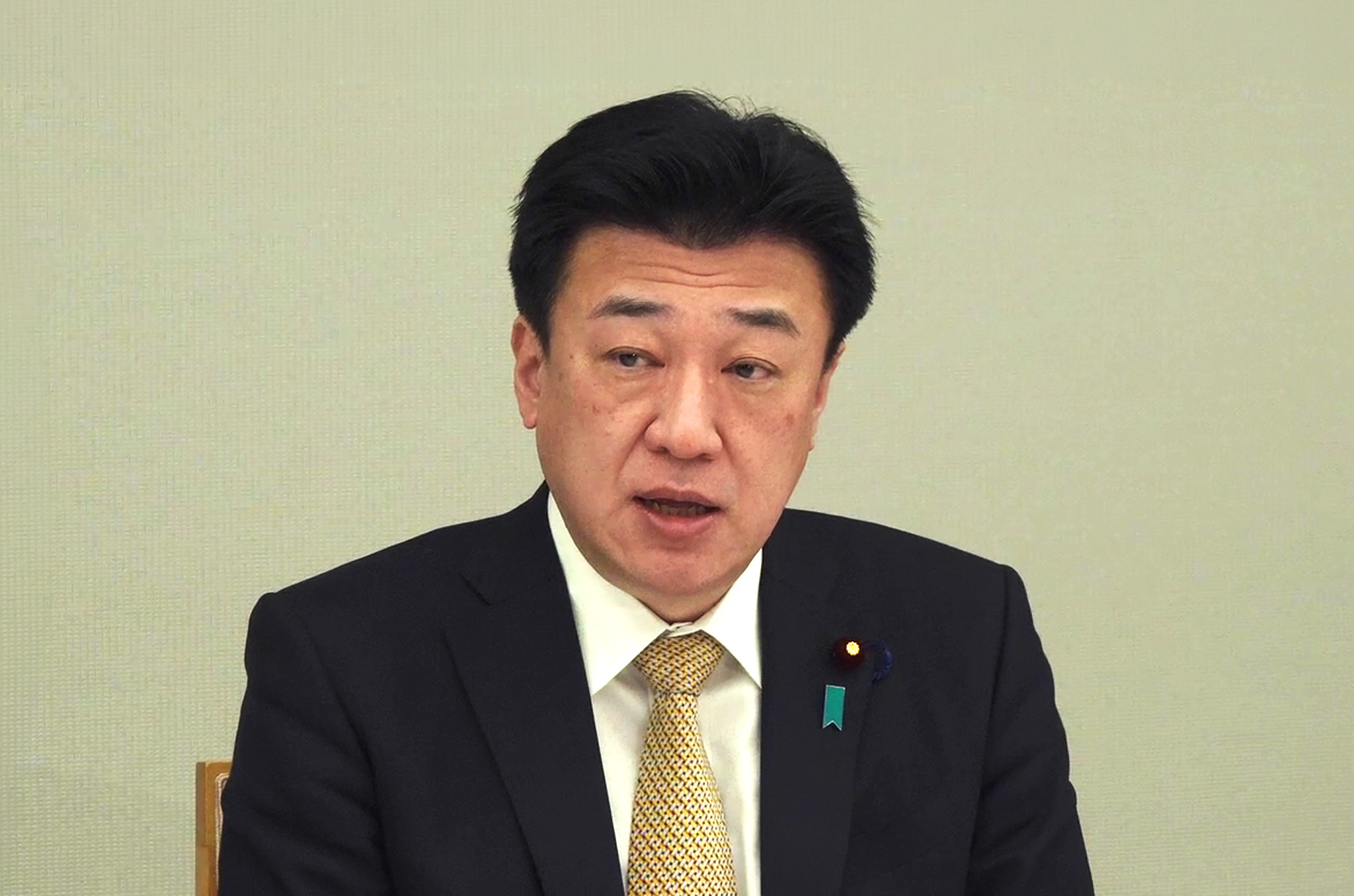
Japan’s Chief Cabinet Secretary Minoru Kihara | Wikimedia
Tokyo ‘Must Address the Issue with Even Greater Rigor’
On Monday, Japan’s Chief Cabinet Secretary Minoru Kihara declined to comment directly on the article, but acknowledged that foreign intelligence activities remain a concern for Tokyo. He said: “We recognize that in a rapidly changing security environment there is a growing need to counter foreign intelligence activities, such as the acquisition of critical information, that threaten Japan’s national security.” He added that Tokyo “must address this issue with even greater rigor.”
The creation of Japan’s intelligence framework reflects a broader shift in how Tokyo views national security. Scheduled to begin operations in December 2026, the new system represents a major change in the country’s approach to gathering and coordinating security information. For decades, Japan’s cautious approach to intelligence reflected its postwar political environment. Yet as foreign powers increasingly seek access to sensitive technology and information, the government argues that a more coordinated response is necessary.