The city of Matsumoto is considering a fee for travelers and climbers heading to Kamikochi, a picturesque highland valley in the Northern Japan Alps. The scenic destination, a hub for hikers and mountaineers in Nagano Prefecture, has been straining under a post-pandemic rush of visitors. Officials say the charge could take effect as early as fiscal 2028 and would help fund landscape conservation, day-to-day management of the area and protection against natural disasters.
Pressure Builds on Kamikochi
The push for a fee comes as Kamikochi draws record crowds — partly the result of a long push to draw more visitors to the area, including from abroad. Visitor numbers have climbed sharply since coronavirus restrictions eased, reaching about 1.66 million in 2025, the first time it has topped 1.6 million in 22 years. Overnight stays by foreign guests topped 20,000 — roughly double the 2017 level.
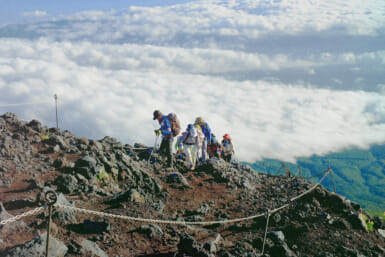
But the influx has come at a cost. The crowds bring a familiar set of strains. At peak times, visitors pack the trails and the area around Kappa Bridge, and they leave behind more litter than crews can clear, threatening the fragile ecosystem. Ill-prepared climbers add to the trouble, setting out without proper gear and getting into accidents. The valley has also been dealing with wildlife problems, with a growing sika deer population feeding on its rare alpine plants and bears turning up in the area.
In March a study panel set up by the city, made up of innkeepers, transport firms and others close to the issues, handed the mayor a proposal urging a visitor fee. The panel noted that a shortage of funds has slowed efforts to fix the problems at hand, and urged the city to set up a new organization to manage Kamikochi.
Suggested charges run from ¥1,000 to ¥2,000 a head, applied to Japanese and foreign visitors alike, though no figure has been settled. The city is looking at collecting the money at spots such as the Kamikochi bus terminal, and a smartphone app could eventually handle payments.
Part of a Broader Trend in Japan
Matsumoto is not acting alone. As crowds spread beyond Tokyo and Kyoto, more of Japan’s natural and cultural sites are charging visitors to ease the strain and pay for upkeep.
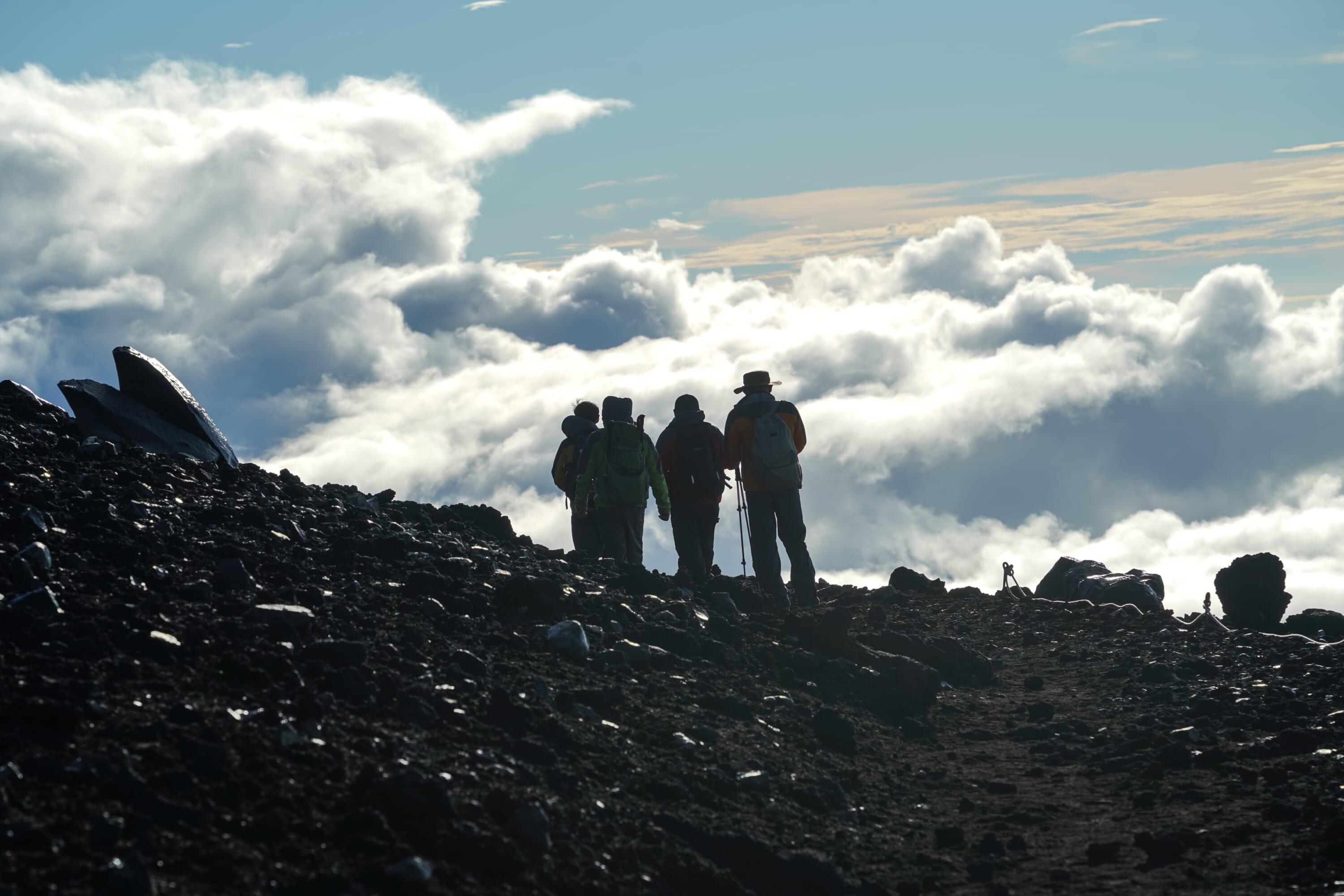
The clearest example is Mount Fuji. In 2024, Yamanashi Prefecture introduced a ¥2,000 toll and a daily cap of 4,000 climbers on the popular Yoshida Trail, then doubled the fee to ¥4,000 for the 2025 season. Neighboring Shizuoka Prefecture brought in a matching ¥4,000 charge on three previously free routes, and both now close trail gates overnight to discourage “bullet climbing” to the summit without rest.
Other destinations are implementing similar measures. Okinawa Prefecture has approved a 2 percent accommodation tax, capped at ¥2,000 a night, that starts in fiscal 2026 and is expected to raise about 7.8 billion yen a year for conservation and tourism. Gunma Prefecture is considering adding a tourist fee for the Oze wetlands.
It’s a trend that echoes moves by popular tourist destinations abroad — including Venice, which now charges day-trippers during peak periods.
About Kamikochi
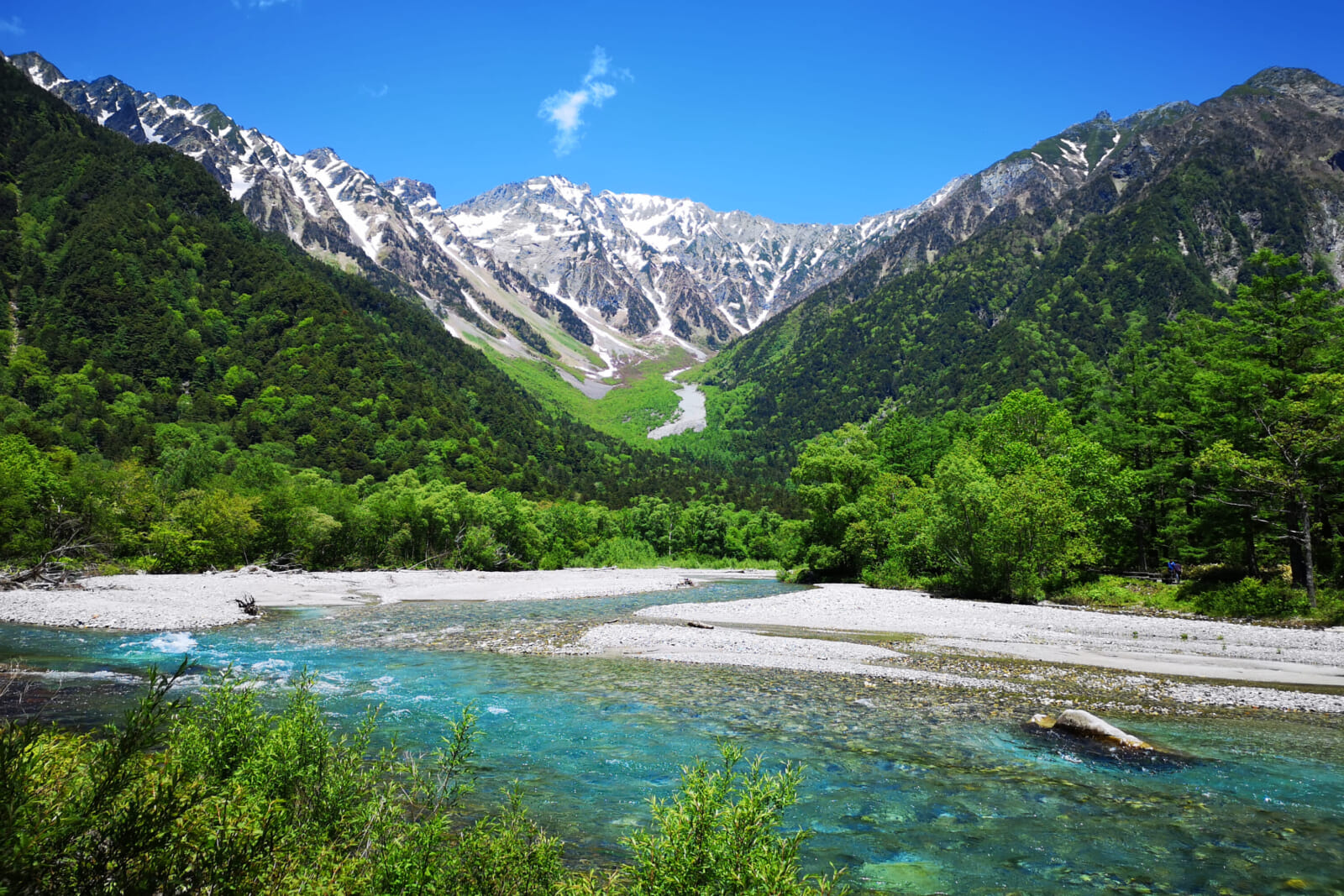
Kamikochi is a mountain valley in the Northern Japan Alps, where the clear Azusa River runs beneath the Hotaka peaks that rise more than 3,000 meters overhead. Part of Chubu Sangaku National Park, it sits around 1,500 meters up and welcomes visitors only from mid-April to mid-November, before winter snow closes it off. Private cars are barred, so shuttle buses and taxis ferry people in.
At its heart is Kappa Bridge, the wooden span where casual day-trippers and serious climbers alike stop for a photo. In recent years, social media exposure has pushed the valley into the global spotlight, attracting visitors hoping to capture its crystalline waters and jagged snow-capped mountains.
Related Posts
- Mount Fuji To Double Toll Fees Next Year To Address Overcrowding
- Is It Time To Charge Irresponsible Mount Fuji Climbers Helicopter Rescue Fees?
- Japan’s Best Weekend Hikes (No Car Needed)
Updated On June 15, 2026