Tokyo

Japan's global metropolis blending ancient traditions, futuristic innovation and world-class culinary excellence

Overview of Tokyo

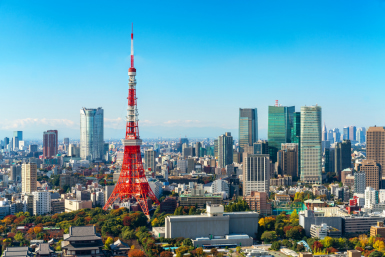
Tokyo is Japan’s capital and one of the most populous urban areas on the planet, home to over 14 million people in the city and more than 41 million across the Greater Tokyo Area. Officially designated as a to (metropolis) rather than a standard prefecture since 1943, Tokyo functions as Japan’s political, economic and cultural nerve center, housing the Imperial Palace, the national government and the headquarters of dozens of the world’s largest corporations.

The city’s story stretches back centuries. Originally a small fishing settlement called Edo, it rose to national prominence in 1603 when Tokugawa Ieyasu established his feudal government there, transforming it into one of the world’s largest cities within a few decades. In 1868, following the Meiji Restoration, the imperial capital was relocated from Kyoto to Edo, which was then renamed Tokyo — meaning “Eastern Capital.” The city has endured and rebuilt from two catastrophic events: the Great Kanto Earthquake of 1923, which killed an estimated 140,000 people, and the Allied air raids of World War II, which devastated large portions of the city in 1945. Each time, Tokyo rebuilt itself, emerging stronger and more modern.

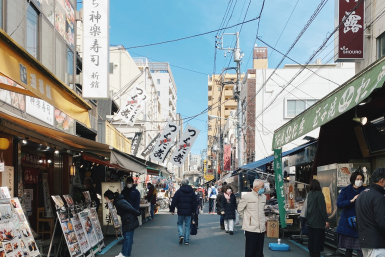
Today, Tokyo is divided into 23 special wards, each functioning like its own city, alongside numerous towns, cities and villages to the west, as well as two remote island chains — the Izu and Ogasawara Islands — stretching over 1,000 kilometers into the Pacific Ocean. From the neon-lit crossings of Shibuya and the tech labyrinth of Akihabara to the tranquil gardens of the Imperial Palace and the ancient lanes of Asakusa, Tokyo offers something for virtually every kind of traveler.

Getting to Tokyo

Tokyo is Japan’s main transportation hub and is easily accessible from both within Japan and abroad. Narita International Airport (NRT), in neighboring Chiba Prefecture, handles most international arrivals, while Haneda Airport (HND) — closer to the city center — also receives many international and domestic flights. From Narita, the Narita Express (N’EX) train connects to major stations such as Shinjuku, Shibuya, and Tokyo Station in about 60 to 90 minutes. From Haneda, the Tokyo Monorail or Keikyu Line reach the city center in approximately 20 to 30 minutes.

Within Japan, the Tokaido Shinkansen connects Tokyo Station to Osaka in about 2.5 hours and to Kyoto in roughly 2 hours and 15 minutes. Once in the city, Tokyo’s extensive rail and subway network — operated by JR East, Tokyo Metro and several private lines — makes getting around straightforward. A Suica or Pasmo IC card, available at major stations, is the most convenient way to travel.


Things to do in Tokyo

Where To Eat in Tokyo