Nagano Prefecture sits squarely in the middle of the Chubu region, occupying a mountainous, landlocked stretch of central Honshu often called the “roof of Japan.” It borders more prefectures than any other in the country — eight in total — including Niigata, Gunma, Saitama, Yamanashi, Shizuoka, Aichi, Gifu and Toyama. Nagano is the fourth-largest prefecture in Japan and home to around 2 million people. Nine of Japan’s twelve highest mountains rise within its borders, across the Hida, Kiso and Akaishi ranges that collectively make up the Japan Alps.
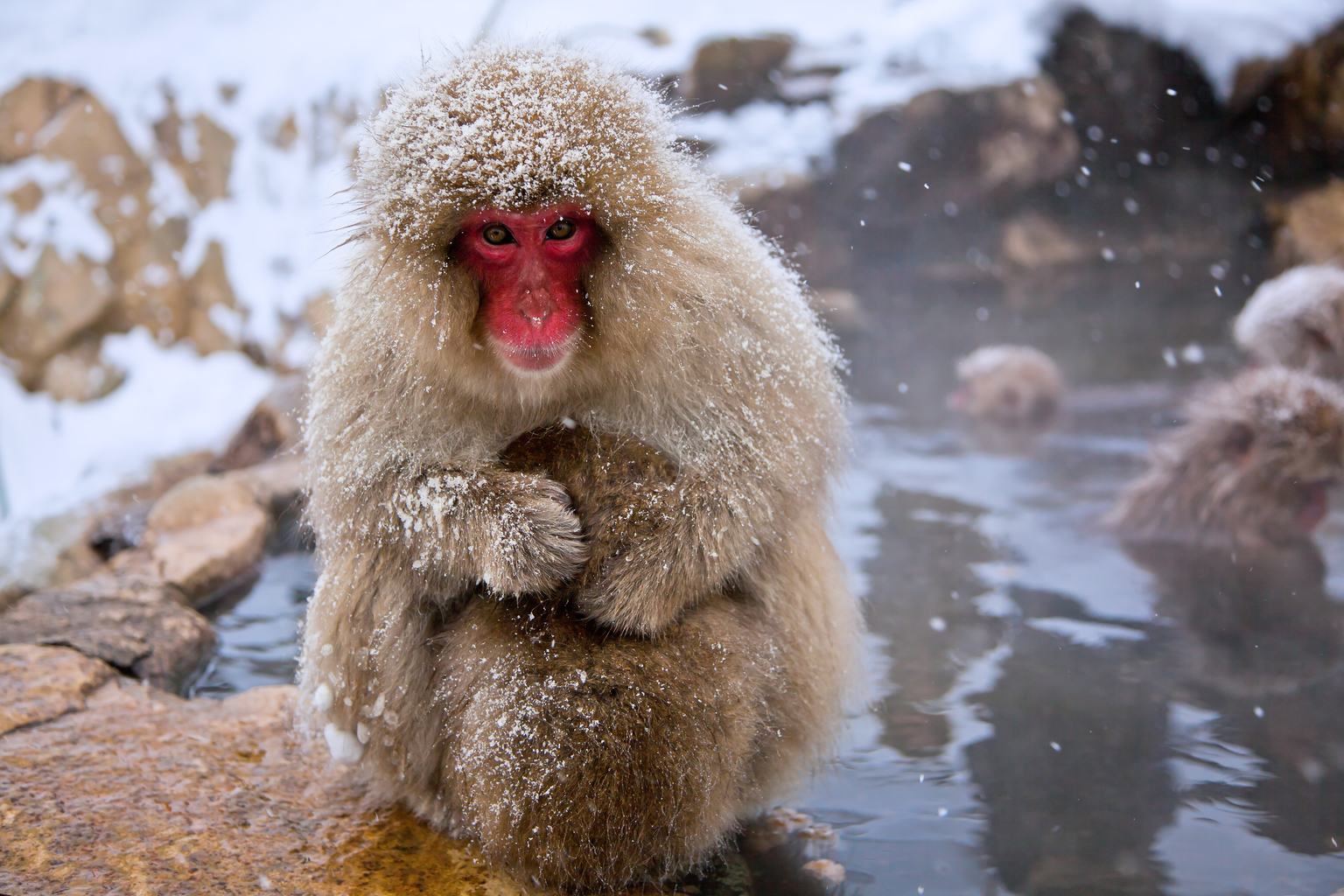
Nagano earned global recognition as host of the 1998 Winter Olympics, and the prefecture remains Japan’s undisputed winter sports capital, with over 80 ski resorts. Hakuba Valley counts ten resorts, 200-plus runs and over 11 meters of annual snowfall, drawing powder hunters from around the world. Nozawa Onsen pairs excellent skiing with a charming historic hot spring town, while Shiga Kogen is Japan’s largest interconnected ski area. Just outside Yudanaka, Jigokudani Monkey Park is home to the famous snow monkeys — wild Japanese macaques that bathe in natural hot springs.
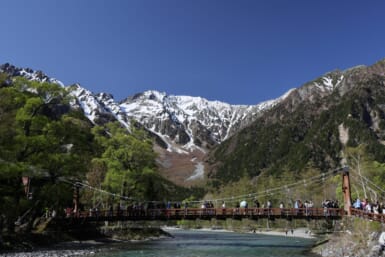
In Matsumoto, the striking black-walled Matsumoto Castle — a National Treasure and one of Japan’s 12 original castles — stands against a backdrop of the Northern Alps. Zenkoji Temple in Nagano city is one of the country’s most important Buddhist pilgrimage sites, dating back around 1,400 years. The alpine valley of Kamikochi, open from mid-April to mid-November within Chubu Sangaku National Park, is widely considered one of Japan’s most beautiful natural destinations.