Attempting to rank Japan’s best food prefectures is a near-impossible and deeply subjective task. Ask 10 people and you’ll likely get 10 different answers. With that in mind, this is not a definitive ranking — just a selection of personal favorites. Naturally, this means that many culinary heavyweights don’t make the cut. That includes Tokyo, which, despite having the most Michelin-starred restaurants in the world, is more of a melting pot of regional cuisine than a place known for unique, singular local specialties.
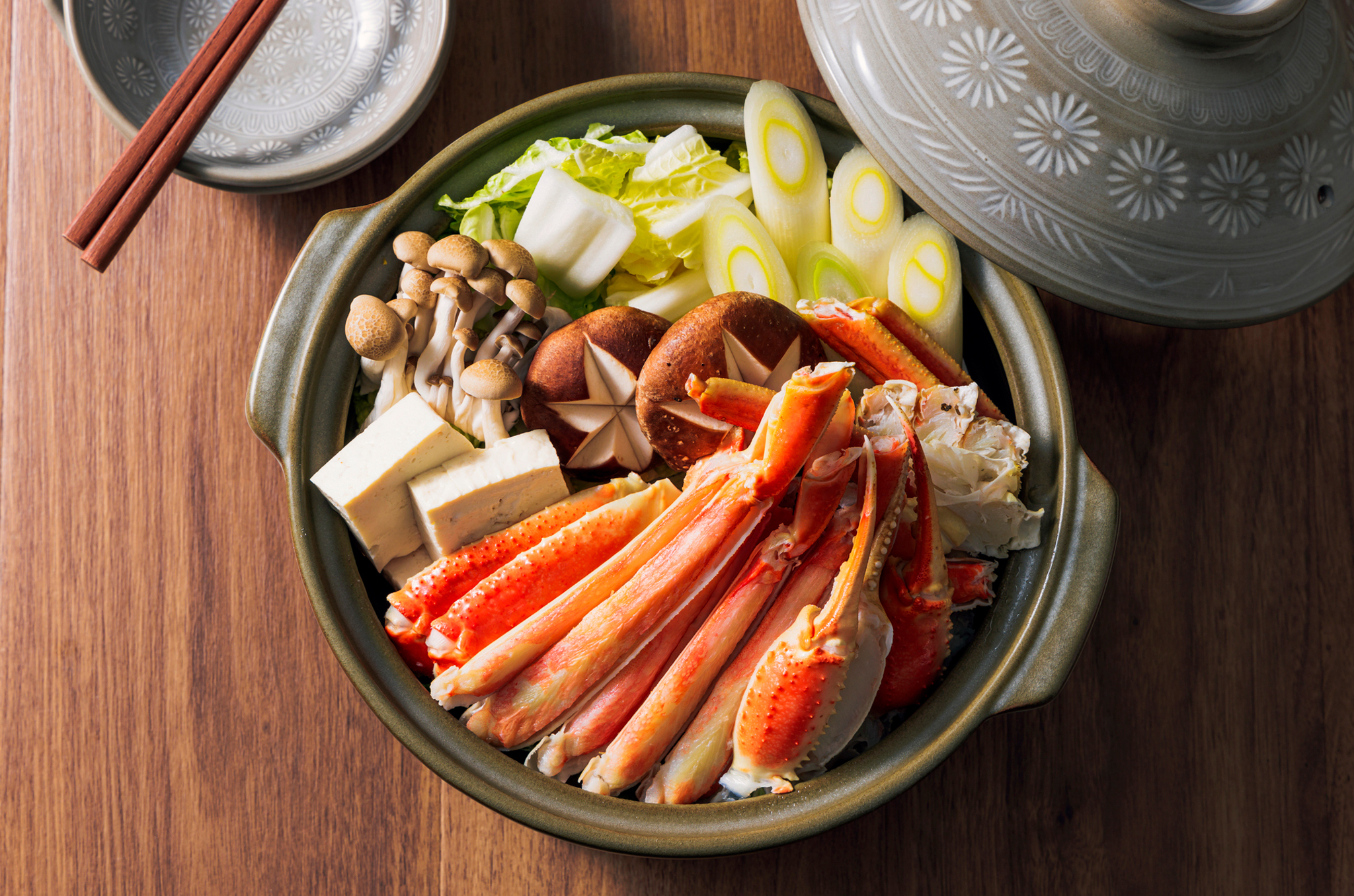
Snow Crab hotpot
Hokkaido
Hokkaido is renowned for its premium seafood thanks largely to the cold, nutrient-rich waters of the Oyashio Current, which flows along its eastern coast. Its signature catches are crab, scallops, sea urchin and salmon roe. The region is also famous for its rich dairy products, with creamy milk, butter and cheese featuring in everything from local desserts to soft serve ice cream. Other notable dishes include Genghis Khan (grilled mutton), soup curry and Sapporo miso ramen.
Recommended Tokyo Store
The best place to purchase products from the region in Tokyo is Hokkaido Dosanko Plaza (Yurakucho branch) in Tokyo Kotsu Kaikan. The antenna shop offers over 1,200 Hokkaido specialties, including various seafood and dairy items. The rich Yubari melon soft serve ice cream is highly recommended. See here more information.
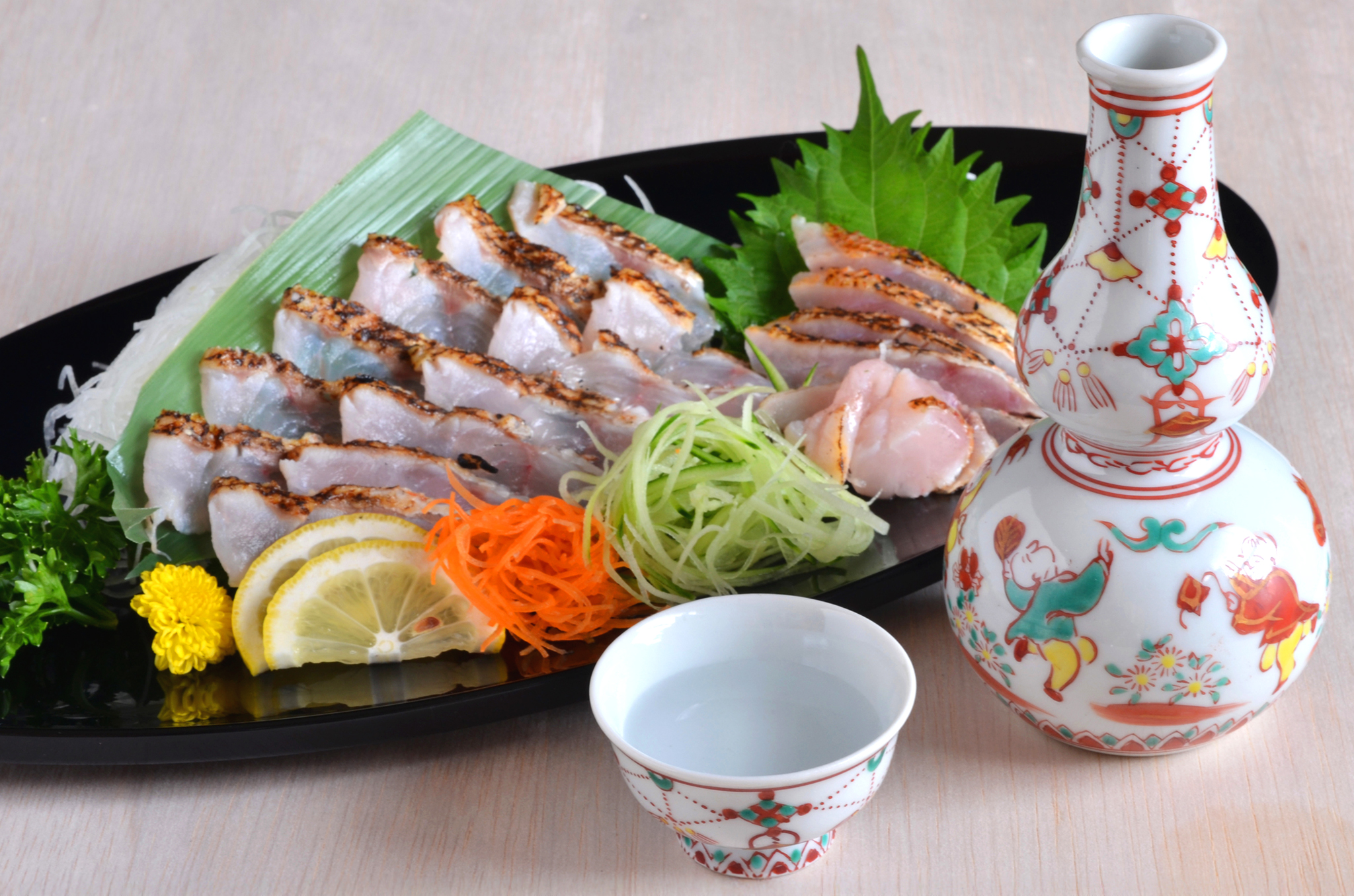
Nodoguro
Ishikawa
Located along the Sea of Japan coast, Ishikawa is renowned for its high-quality sushi. The prefecture’s capital, Kanazawa, is considered one of Japan’s top sushi destinations, particularly for its prized nodoguro (blackthroat seaperch), which is especially tender in winter. Beyond sushi, local specialties, like the simmered dish jibuni and Kanazawa curry, highlight the region’s fine culinary traditions. The neighboring prefecture of Toyama is also famous for fresh seafood, including yellowtail and white shrimp.
Recommended Tokyo Store
As well as selling seafood, sake and specialty items such as gold-flake chocolates and cakes, the Yaesu Ishikawa Terrace antenna store near Tokyo Station regularly hosts tasting events and fairs. The shop also serves as a major hub for supporting recovery from the 2024 Noto Peninsula earthquake. See here more information.
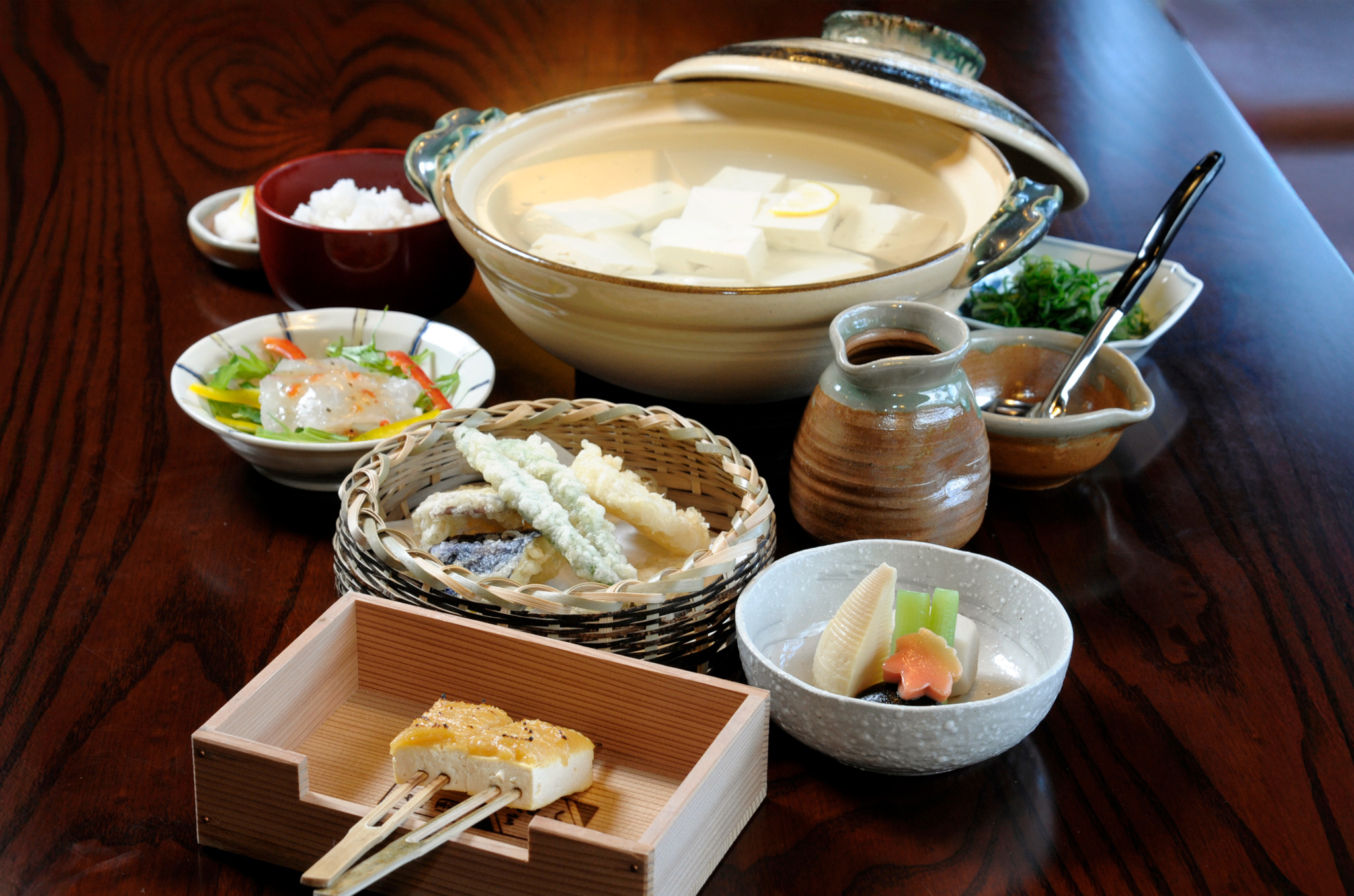
Yudofu Kaiseki
Kyoto
When it comes to refined kaiseki cuisine, nowhere rivals Kyoto. Rooted in 16th-century tea ceremony traditions, kaiseki has evolved into a highly sophisticated dining tradition and is now regarded as the pinnacle of Japanese fine dining. From world-renowned Michelin restaurants to charming local eateries, the prefecture offers a wide range of establishments serving the multicourse menu. Aside from kaiseki cuisine, don’t miss the prefecture’s signature tofu dishes — yudofu and yuba — as well as its iconic matcha desserts.
Recommended Tokyo Store
There hasn’t been a dedicated Kyoto Prefecture antenna store in Tokyo since the closing of Kyoto-kan in 2018. However, there are many Kyoto shops and teahouses with branches in the capital, including historic matcha establishments like Nakamura Tokichi and Ippodo Tea Shin-Marunouchi.
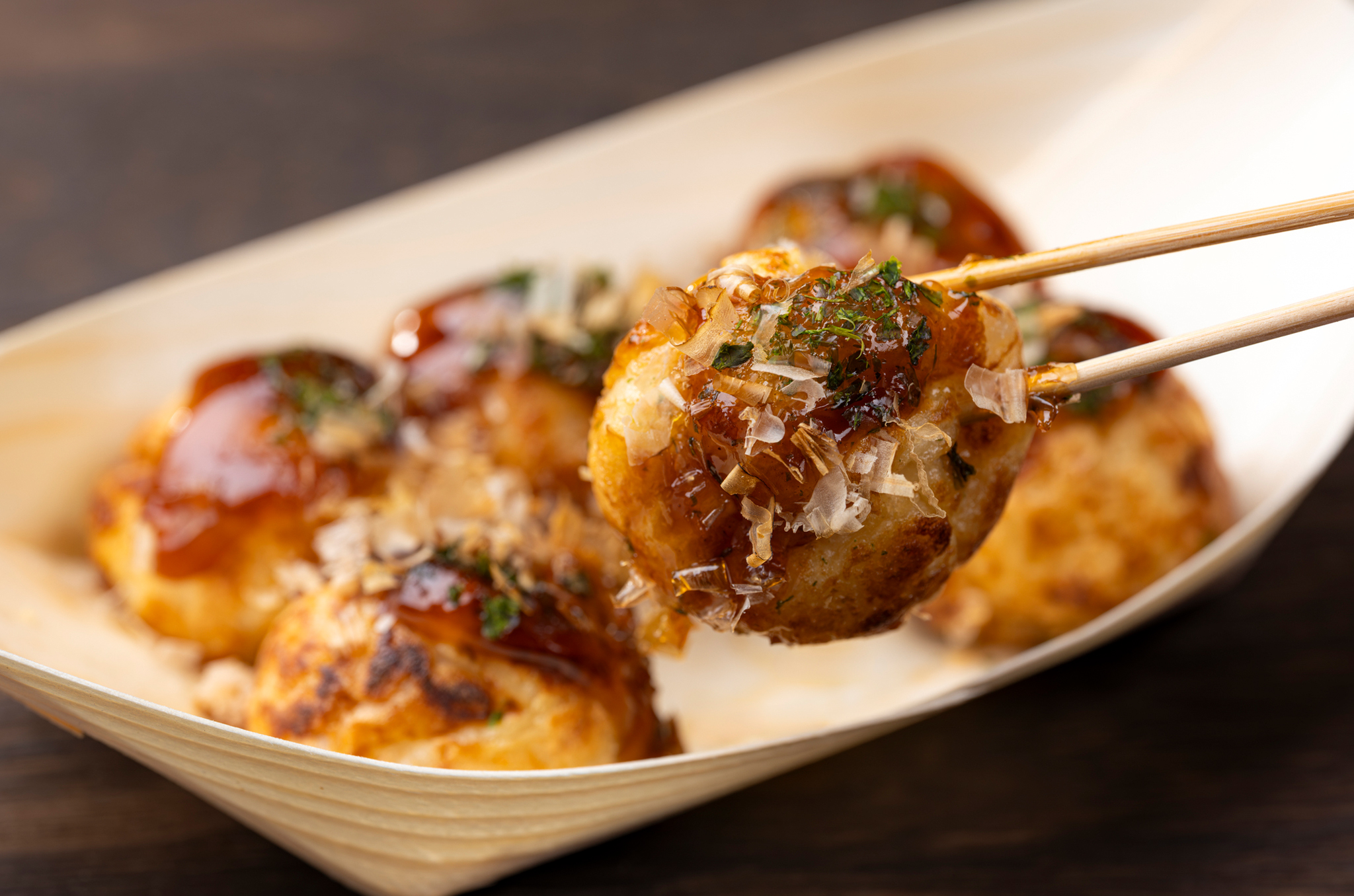
Takoyaki
Osaka
Referred to as “tenka no daidokoro” (“the nation’s kitchen”) due to its role as a hub for collecting, storing and distributing goods from all over Japan during the Edo period, Osaka remains one of the country’s premier food destinations. It’s famed for its affordable comfort dishes, such as kushikatsu (deep-fried skewered meat and vegetables), takoyaki (octopus balls) and okonomiyaki (savory pancakes). However, people from Hiroshima often argue that their version of okonomiyaki — made with noodles — is superior.
Recommended Tokyo Store
As with Kyoto, there is no longer an Osaka antenna store in Tokyo: Naniwa no Ee Mon Umai Mon Osaka Hyakkaten closed in 2022. Osaka shops can be found all over Tokyo, though, including popular stores like Chibo Okonomiyaki and the takoyaki chain Jugemu.
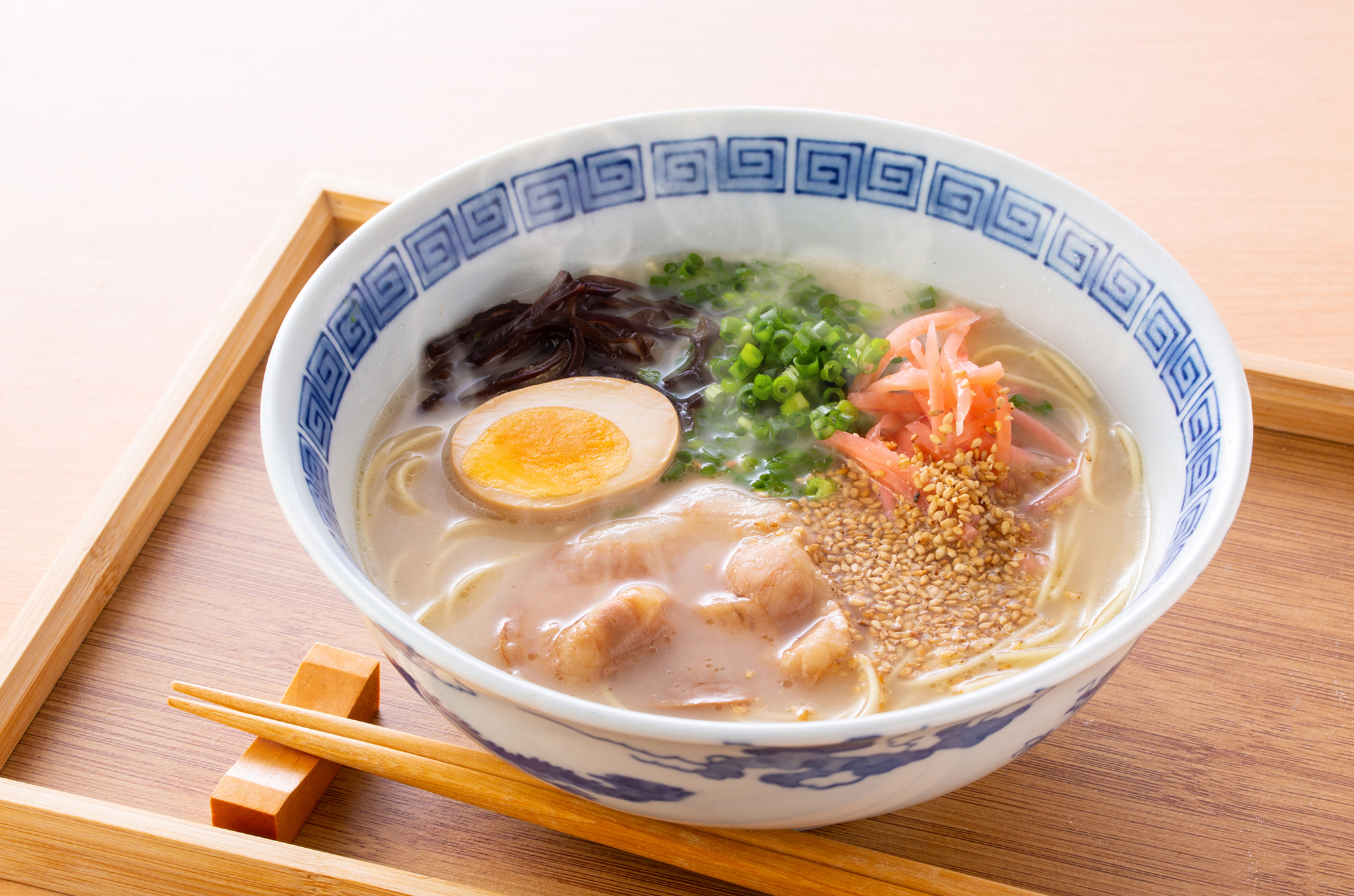
Tonkotsu1
Fukuoka
Like Osaka, Fukuoka is known for its street food. Fukuoka city, in particular, attracts large crowds to its open-air stalls known as yatai. The most popular dish is tonkotsu ramen, characterized by a rich, creamy pork bone broth and thin, firm noodles. According to lore, it was invented by Tokio Miyamoto at his stall Nankin Senryo — now a brick-and-mortar shop — in Kurume in 1937. Beyond ramen, Fukuoka is also famous for specialties like motsunabe (offal hot pot) and mentaiko (spicy pollack roe).
Recommended Tokyo Store
Located in Tokyo Kotsu Kaikan, the same building as Hokkaido Dosanko Plaza, The Hakata Yurakucho is most famous for its mentaiko-based products, sweets made with Amaou strawberries and, unsurprisingly, Hakata tonkotsu ramen. See here more information. There are several other antenna stores in Tokyo Kotsu Kaikan, including Iki-iki Toyama-kan and Wakayama Kishu-kan.
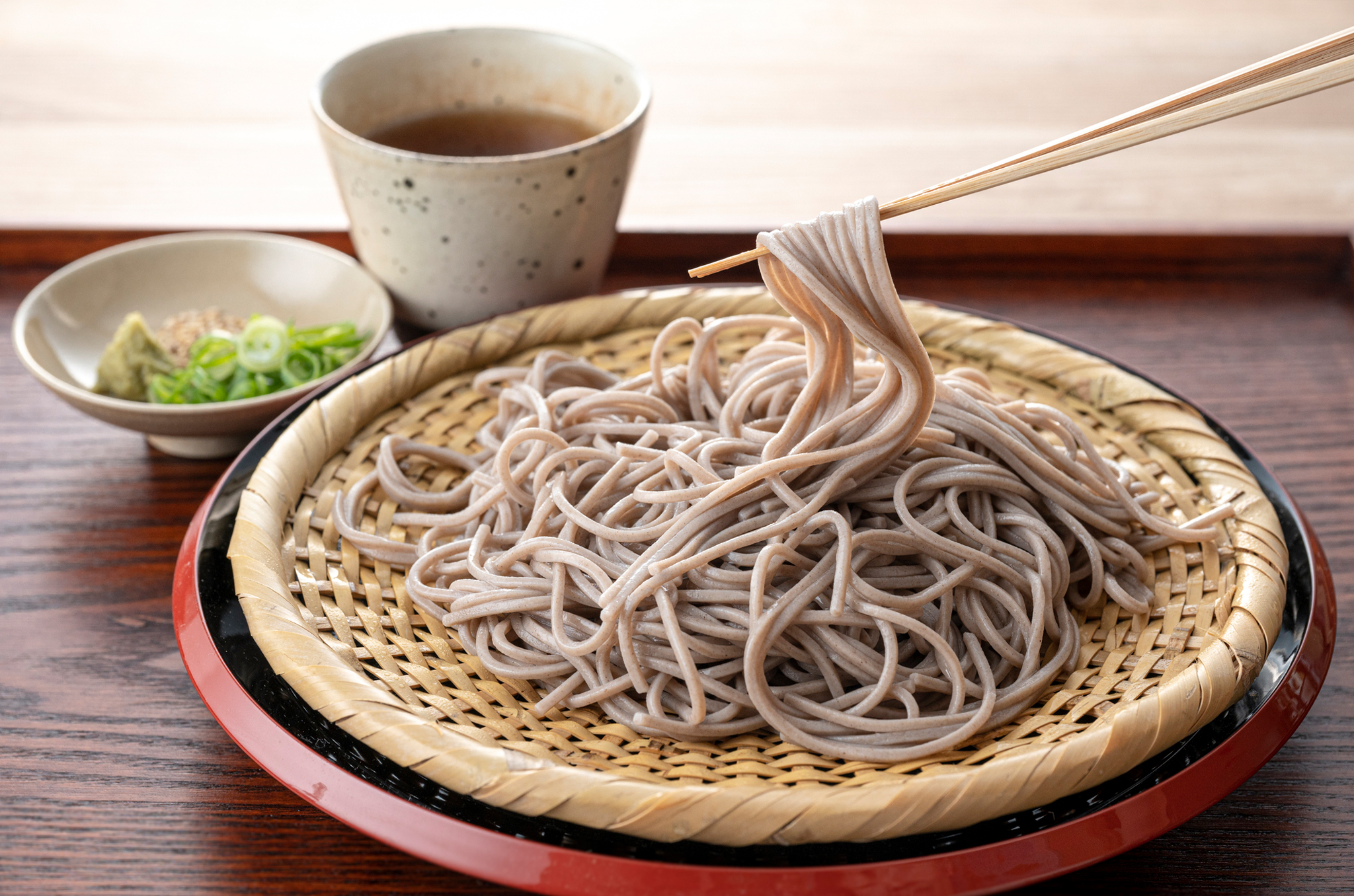
Shinshu Soba
Nagano
Called the “roof of Japan” due to its high mountain ranges, Nagano’s cold, landlocked environment has long shaped its food culture. Historically, long winters meant people relied on fermentation to preserve their harvests, leading to the development of dishes like Shinshu miso — now Japan’s dominant miso — during the Sengoku period. Hundreds of years later, Shinshu soba gained prominence, benefiting from the region’s ideal conditions for growing buckwheat. Today, you’ll be hard-pressed to find better soba anywhere in Japan.
Recommended Tokyo Store
More than a store, Ginza Nagano is a multifloor experience dedicated to the region. As well as selling fresh local produce like apple-based snacks and specialties like high-quality miso, it also features a bar and tasting space for wine and sake and a tourist information center. See here more information.
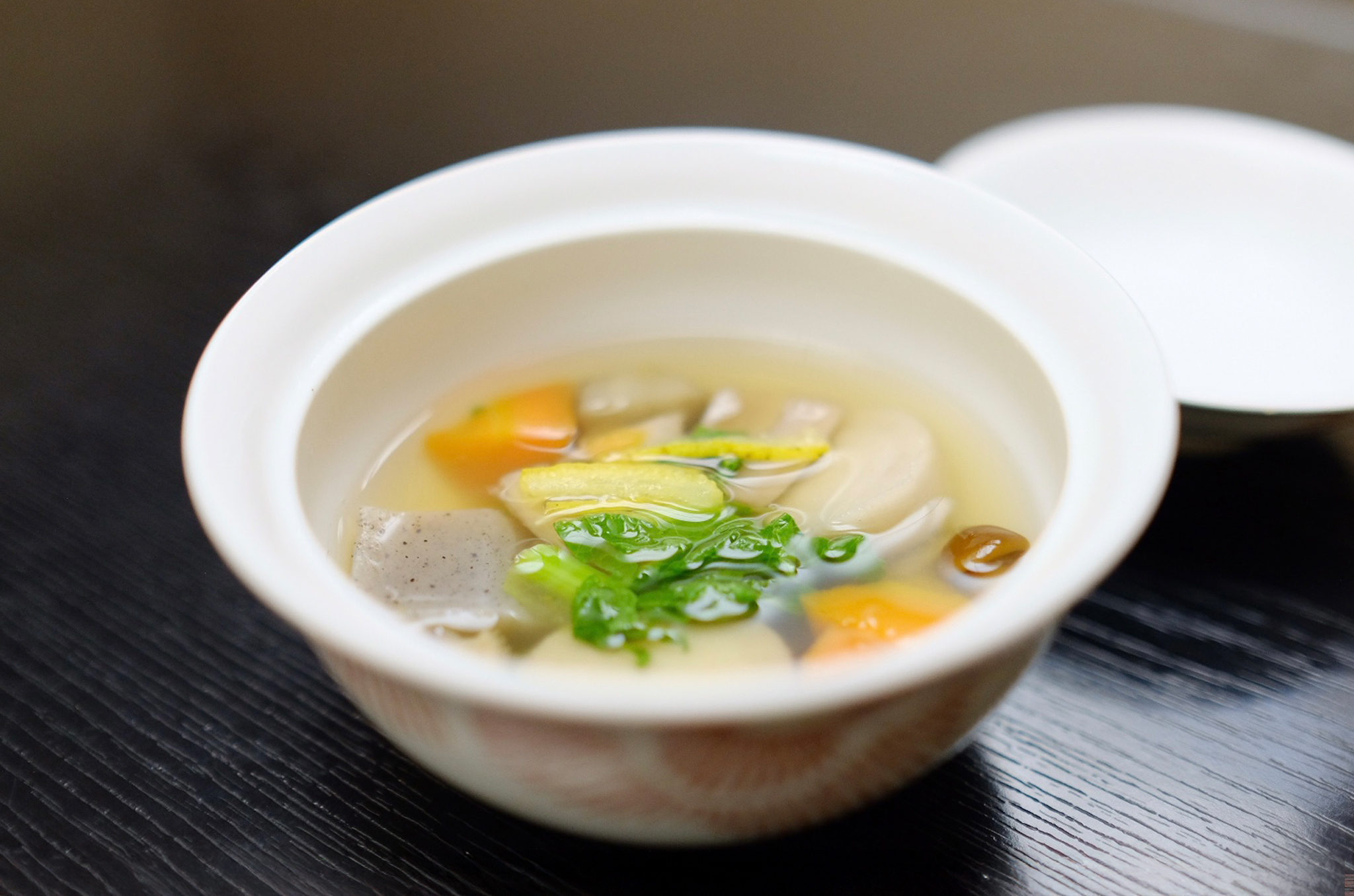
Noppe Vegetable Stew
Niigata
Like Nagano, Niigata’s cuisine is influenced by its deep mountains. The prefecture’s famous Koshihikari rice is grown in marshlands at the base of these highlands. Prized for its chewy texture and distinct sweetness, it’s widely considered the “king” of Japanese rice. It pairs well with umami-rich local specialties such as tare katsudon (soy-sauce dipped pork cutlets) and noppe (root vegetable stew). Facing the Sea of Japan, Niigata also harvests winter treasures like snow crab and amberjack.
Recommended Tokyo Store
The successor to Nespas, The Niigata opened in Ginza in 2024. As with the Nagano antenna shop, it’s spread over several floors and features a dedicated sake stand with paid tasting options. However, the highlight of the store is arguably the freshly made Uonuma Koshihikari rice balls. See here for more information.
More From This Series