
Fukuoka is one of Japan’s most mesmerizing cities, known for its warmth and openness. Set in northern Kyushu along the coast, it’s defined by a convivial, relaxed atmosphere and vivid natural beauty — a modern cityscape set against the turquoise waters of Hakata Bay. As a culinary destination, it stands apart: Widely regarded as one of the world’s great street food cities, it is also one of the only places in Japan where yatai — open-air food stalls — remain an integral part of daily life.
Fukuoka is less than two hours from Tokyo by plane, and Fukuoka Airport sits just five minutes by train from Hakata Station, placing the city center almost immediately within reach once you land. It’s long been a beloved destination for Japanese travelers, but in recent years, the secret has gotten out among international visitors, too, who come for its food, its arts scene, its lively nightlife and its beachy, laid-back feel.
Given the ease with which you can access Fukuoka, it’s quickly gaining recognition as a prime weekend getaway destination; since the city is compact and easily navigable, it’s possible to experience a bit of everything even within a two- or three-day span without needing a rental car. And there’s really a lot to explore. Below, some quintessential Fukuoka experiences and activities to add to your itinerary.
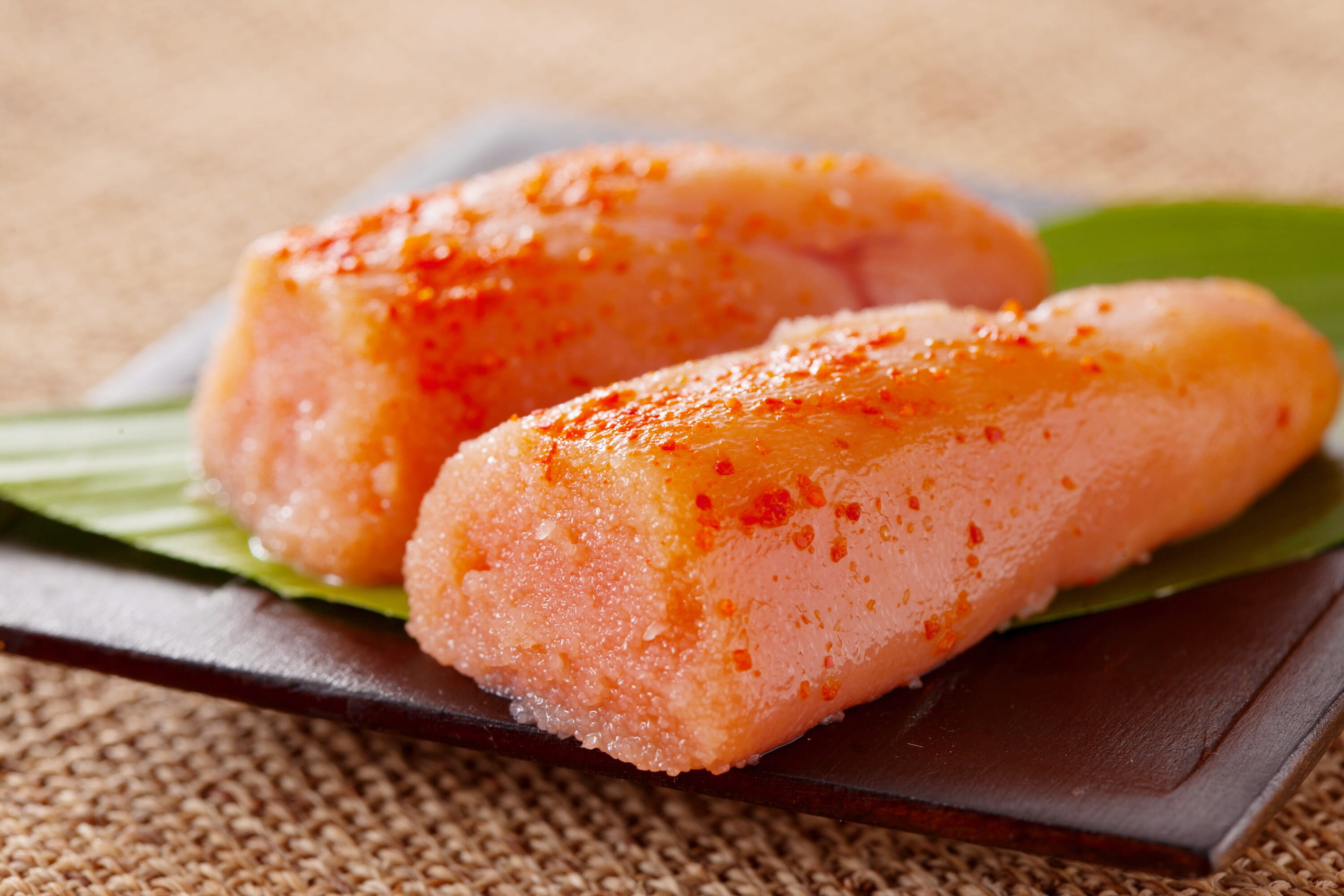
Yatai and World-Class Street Food
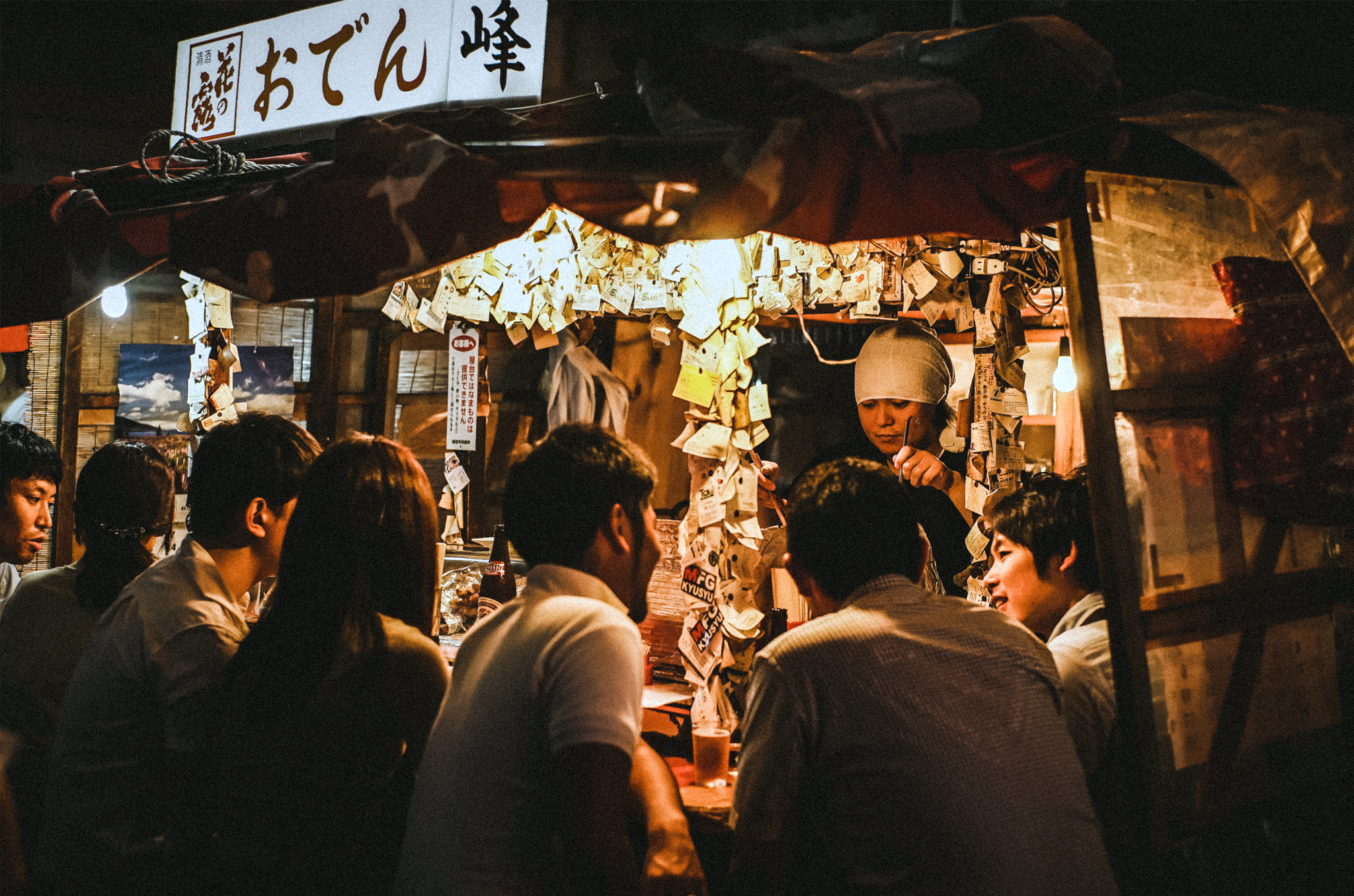
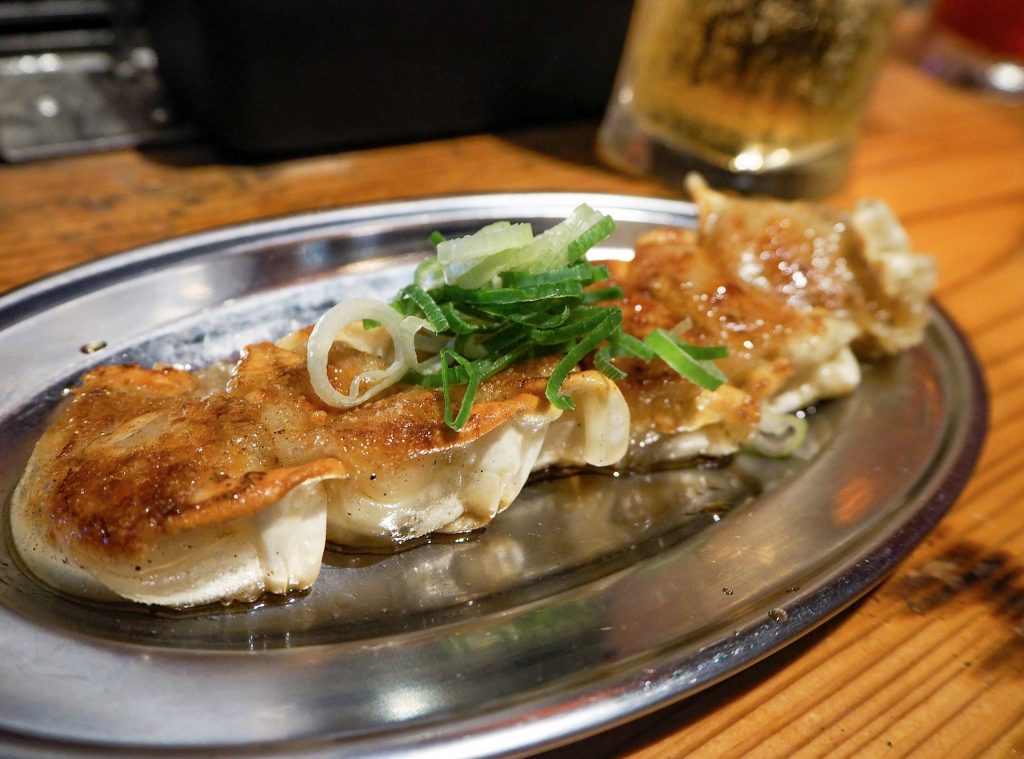
One of Fukuoka’s most distinctive features is its yatai, temporary food stalls that are set up across the city every evening; they’re typically open from around 6 p.m. until the early hours of the morning. Each sits around eight to 10 people, and provides a wonderful, atmospheric way to enjoy regional delicacies like motsunabe (beef tripe hot pot) and mentaiko (marinated pollock roe) while drinking and chatting with locals.
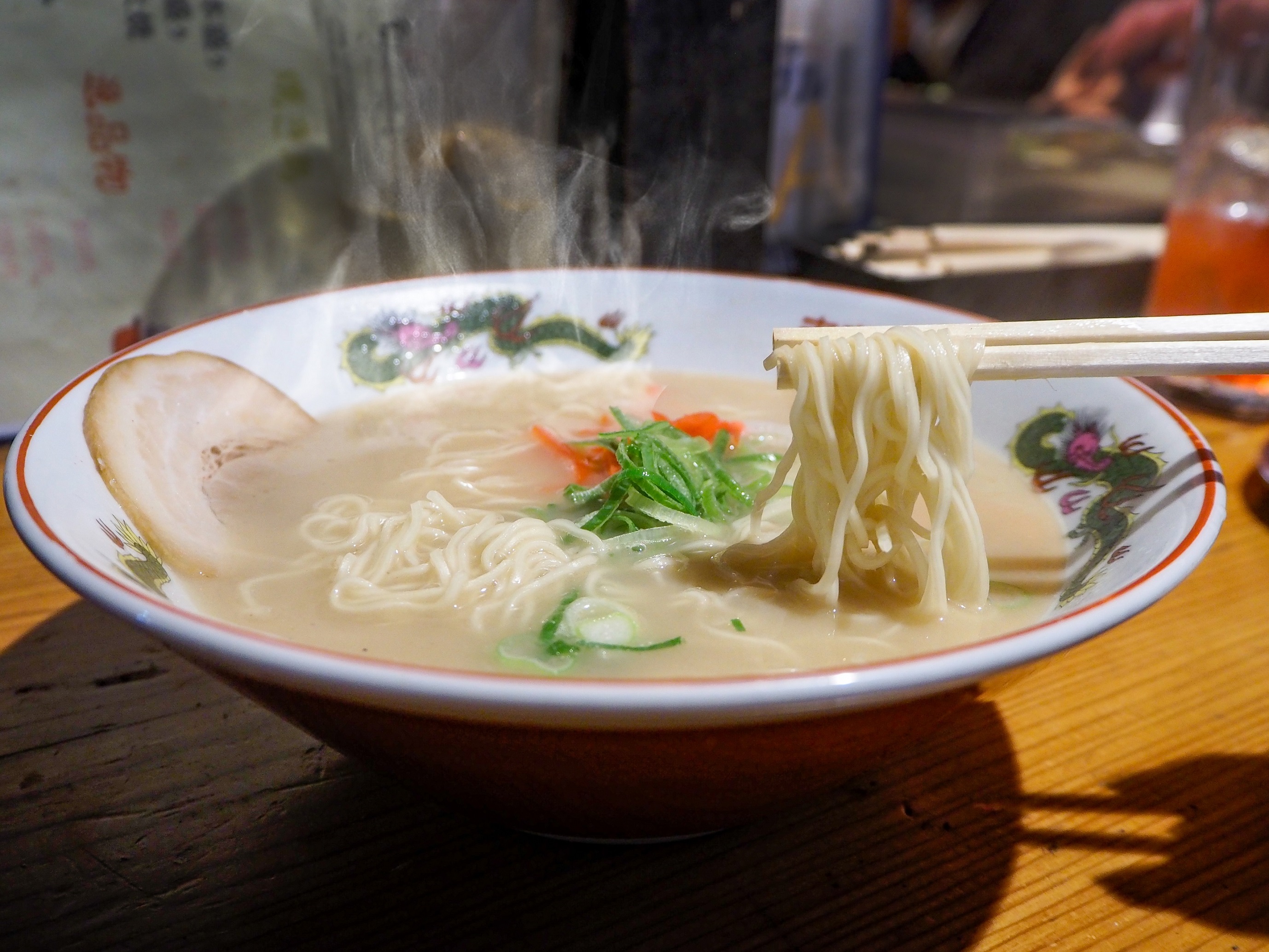
These stalls are regulated and protected by the city, preserving a tradition that has become inseparable from Fukuoka’s identity. Most cluster in the downtown districts of Nakasu and Tenjin, particularly along the Naka River, where rows of stalls line the water and lantern light reflects after dark. In Tenjin, they extend along Showa-dori and Watanabe-dori, mixing long-established favorites with newer and more experimental “neo-yatai.” To the north, Nagahama — birthplace of Nagahama ramen — recently saw its yatai street revived, restoring a district long associated with late-night bowls of thin, pork-broth ramen near the port.
Beyond its yatai, the city also counts dozens of Michelin-starred restaurants, including three-star institutions like Sushi Gyoten and Sushi Sakai, where Edomae technique is executed with exacting precision. It’s earned its reputation as one of the world’s best places for experiencing Japanese cuisine, whether that’s refined kaiseki, impeccably crafted French fusion or a simple, steaming bowl of noodles served alongside locally brewed sake.
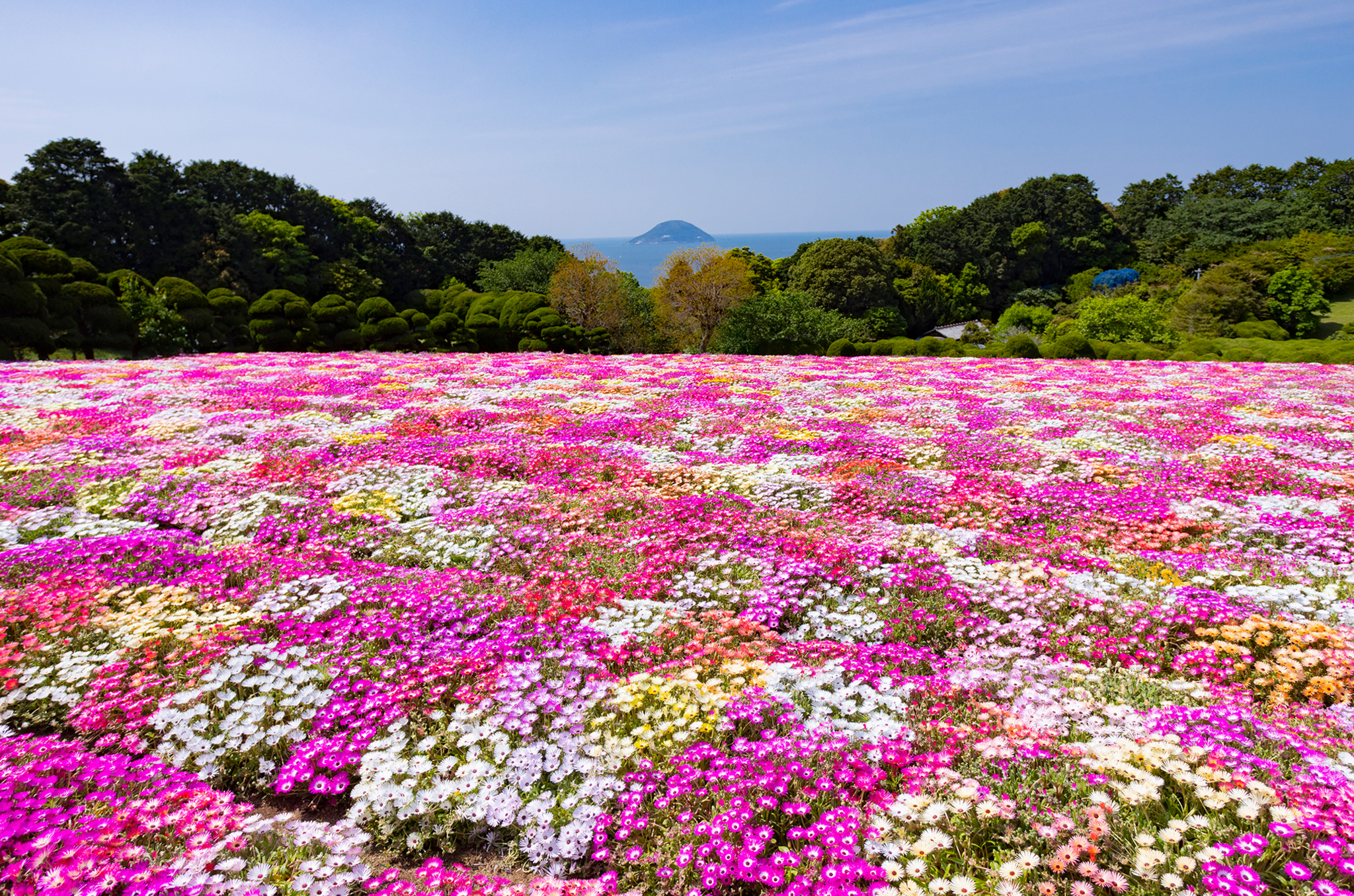
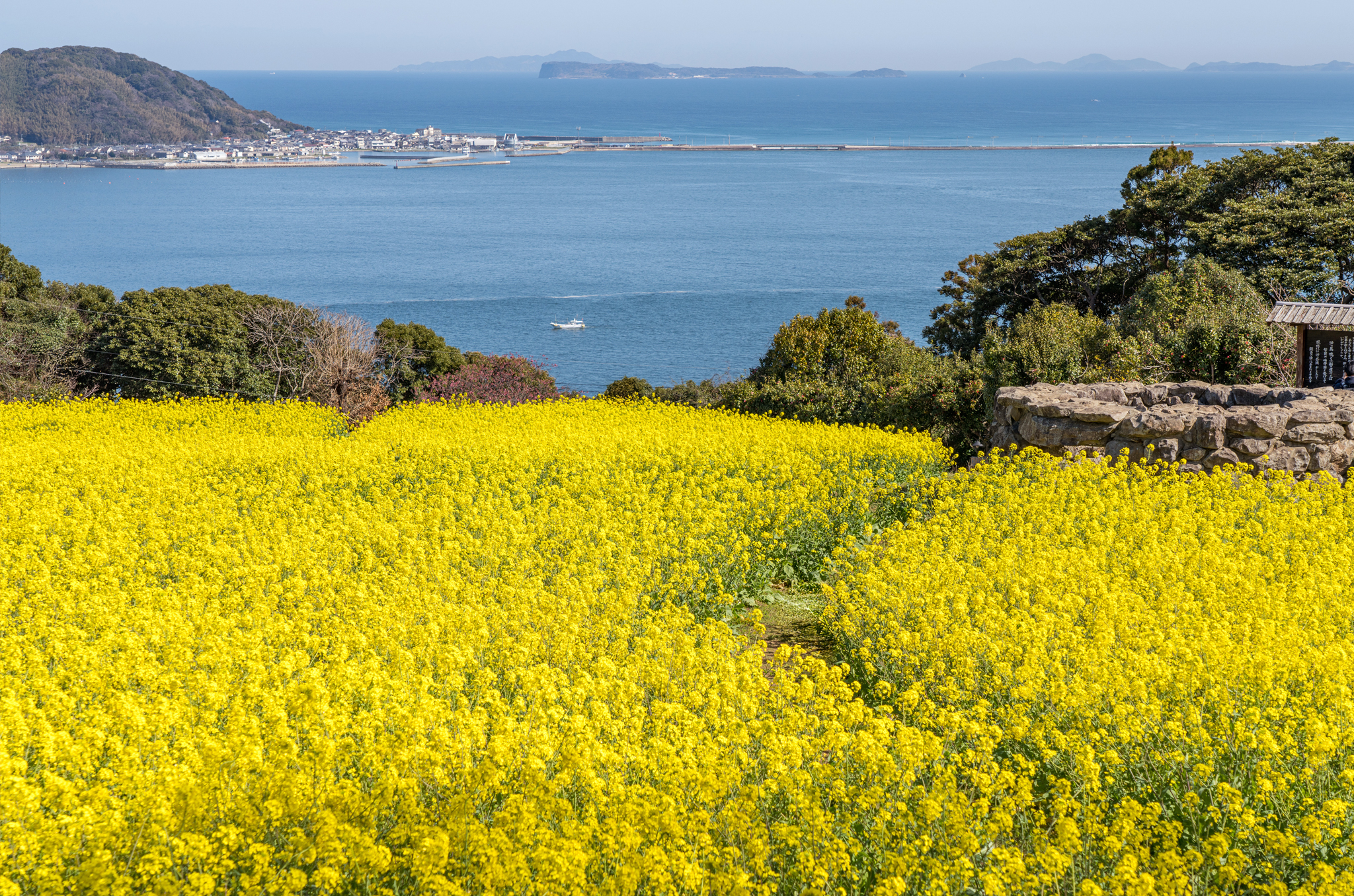
Nature by the Sea
In Fukuoka, the boundary between city and coastline is porous. Within minutes of the commercial center, the horizon opens to water. If you head to the bay, you can catch a ferry from Meinohama Ferry Passenger Terminal that will bring you to Nokonoshima, a small island known for its vivid flowers and views of the waterline, in just 10 minutes. It’s best known for Nokonoshima Island Park, where expansive seasonal flower fields — canola blossoms in spring, cosmos in autumn — overlook Hakata Bay.
In the opposite direction lies Shikanoshima, a slender island accessible by ferry, bus or car. Popular with cyclists for its coastal loop road, it’s equally known for its clear, shallow waters, which draw swimmers, divers and snorkelers during the warmer months.
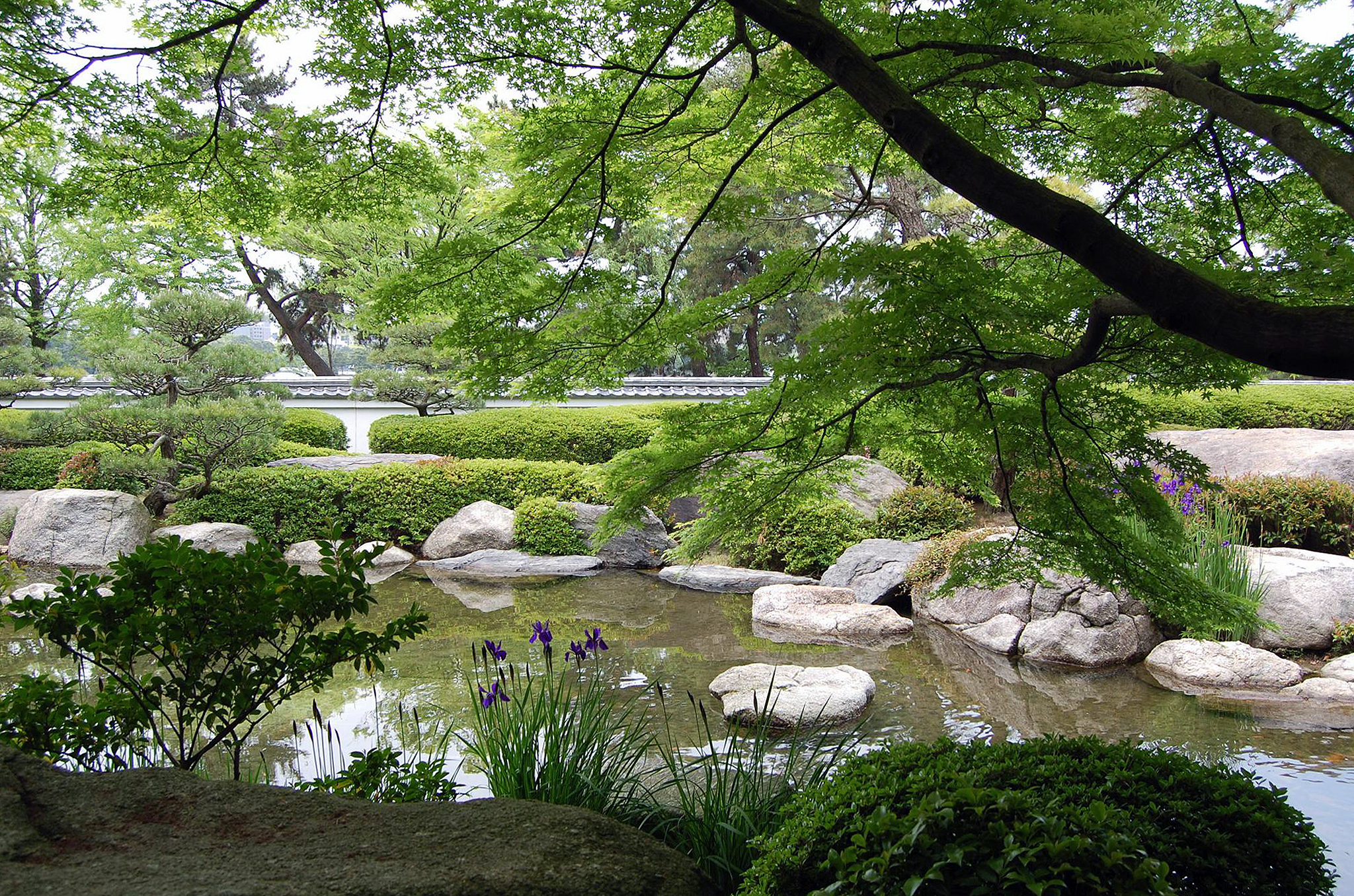
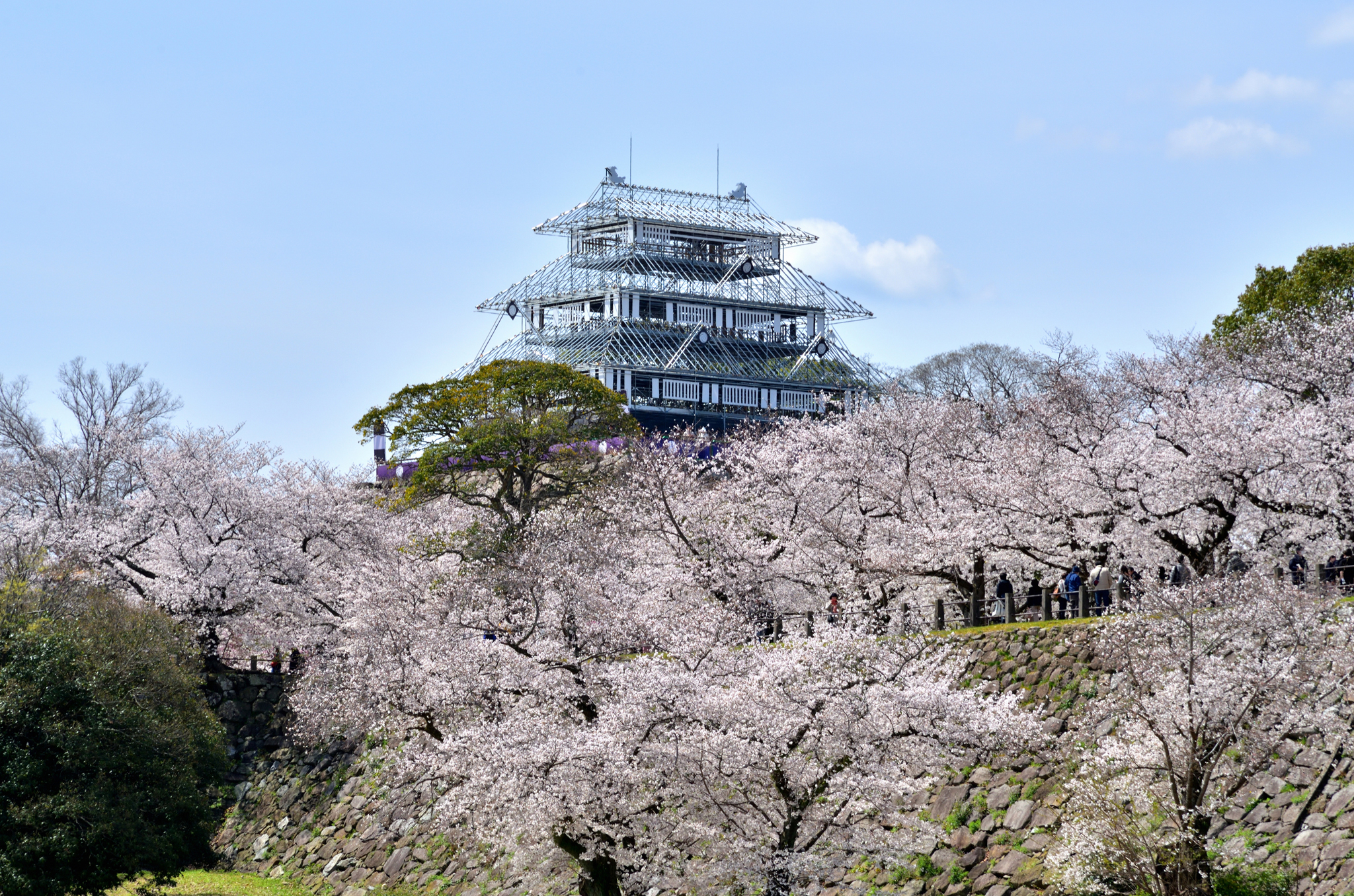
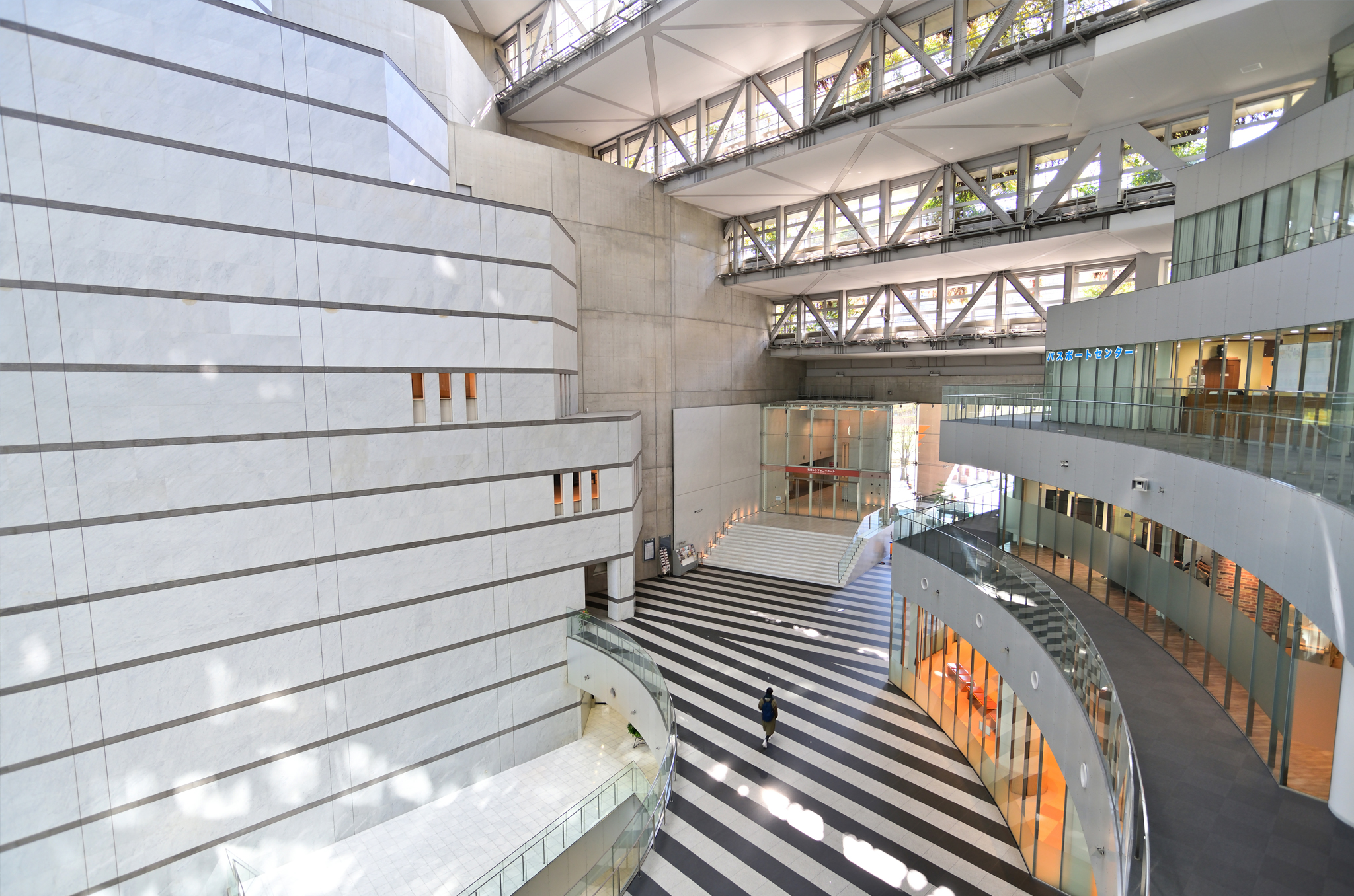
Within the city itself, parks and green spaces are woven into the urban fabric, from the broad walking paths and central lake of Ohori Park — originally designed around the remains of Fukuoka Castle’s moat — to the stepped rooftop garden atop Acros Fukuoka, where terraced greenery rises in 14 levels, allowing visitors to climb gradually to sweeping views over the skyline.
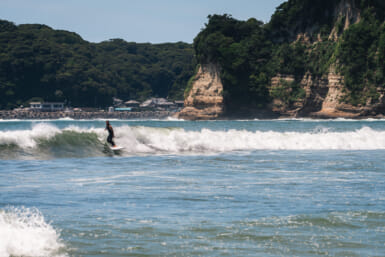
If you’re inclined to venture slightly farther, Kitazaki lies just under an hour from the city. The coast is lined with wide beaches, independent cafes and small design-forward shops. Offshore, the white torii gate of Sakurai Futamigaura rises from the sea beside the paired rocks known as Meoto Iwa, or the “wedded rocks” — a dramatic, open-water vista that has become one of Kyushu’s most recognizable coastal scenes.
Traditional Culture and Festivals in Fukuoka City
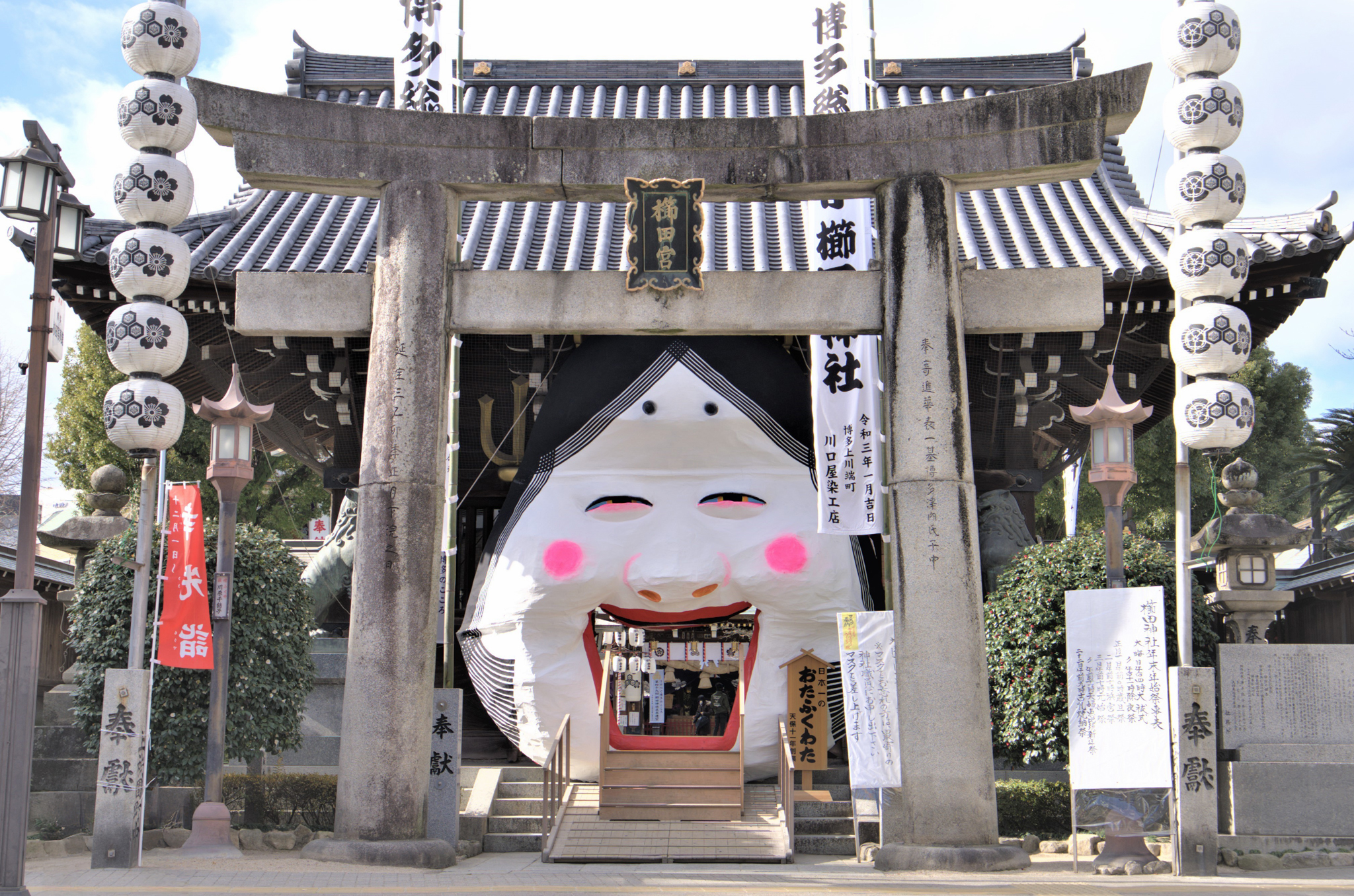
Fukuoka’s identity is inseparable from Hakata, the former port town that developed as a merchant hub centuries before it merged with the castle town of Fukuoka. As a gateway for trade with mainland Asia, Hakata cultivated a culture shaped by commerce, craftsmanship and exchange — influences that still register across the city today.
Hakata-ori textiles, tightly woven silks once favored for their durability and precision, continue to be produced in both traditional obi sashes and contemporary accessories. Hakata ningyo dolls, hand-molded and finely painted, are still crafted in local workshops and sold throughout the district. The city’s distinctive Hakata chochin lanterns are likewise made locally; their warm glow marks shrine festivals, restaurant entrances and the rows of yatai after dark.
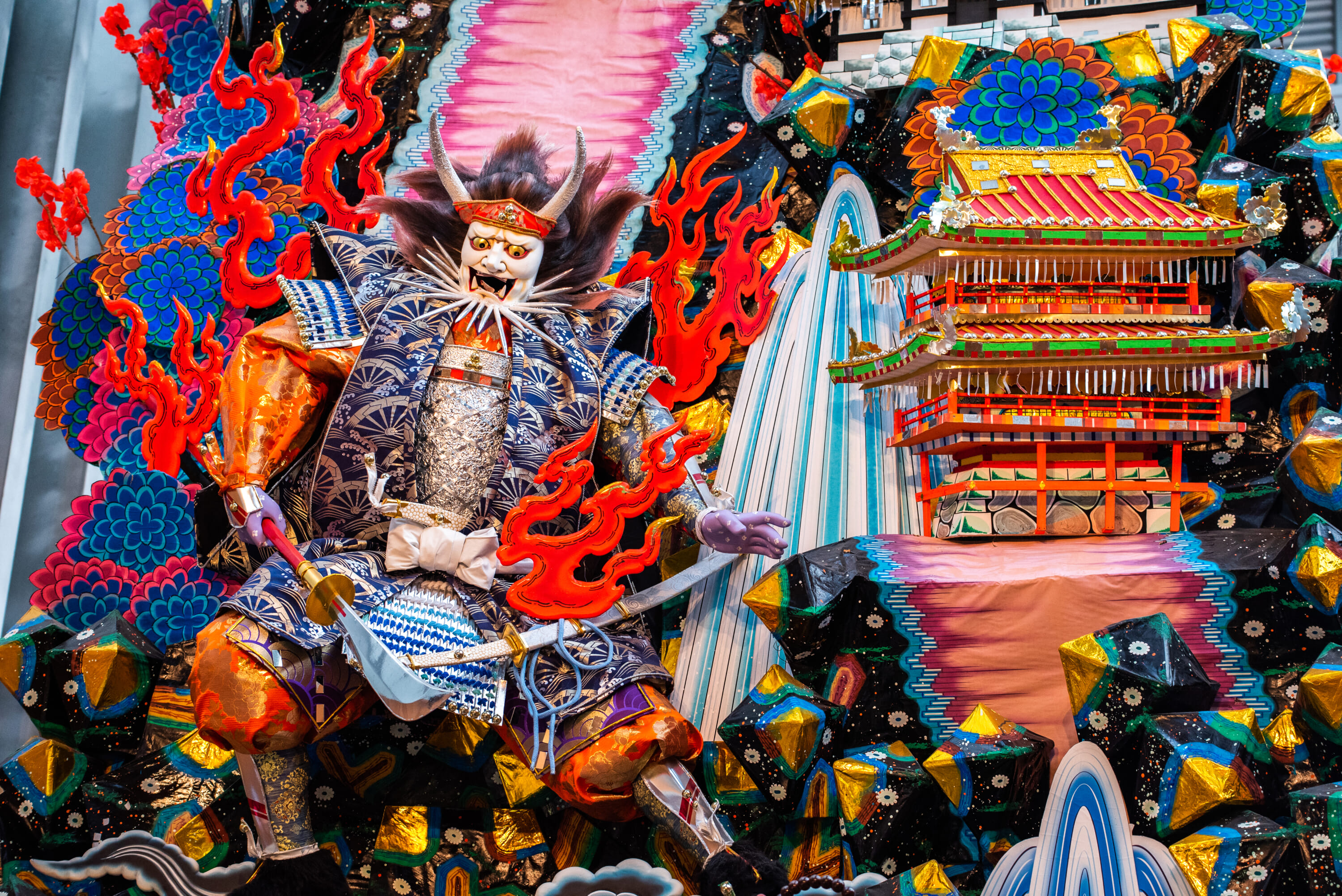
One of the most compelling expressions of Fukuoka city’s living tradition is the annual Hakata Gion Yamakasa, which has been held each July for more than 700 years. Originally begun as a purification ritual during an epidemic, the festival has evolved into a fiercely competitive civic event. Teams representing different districts sprint through the streets carrying towering, elaborately constructed floats, each weighing over a ton. The event culminates in a dramatic, astonishing pre-dawn finale that draws spectators from across Japan.
Spend a few days here and something becomes clear: In Fukuoka, nothing feels far away — not the sea, not the past, not your next great meal.
More Info
To plan your trip to Fukuoka city, please visit gofukuoka.jp.