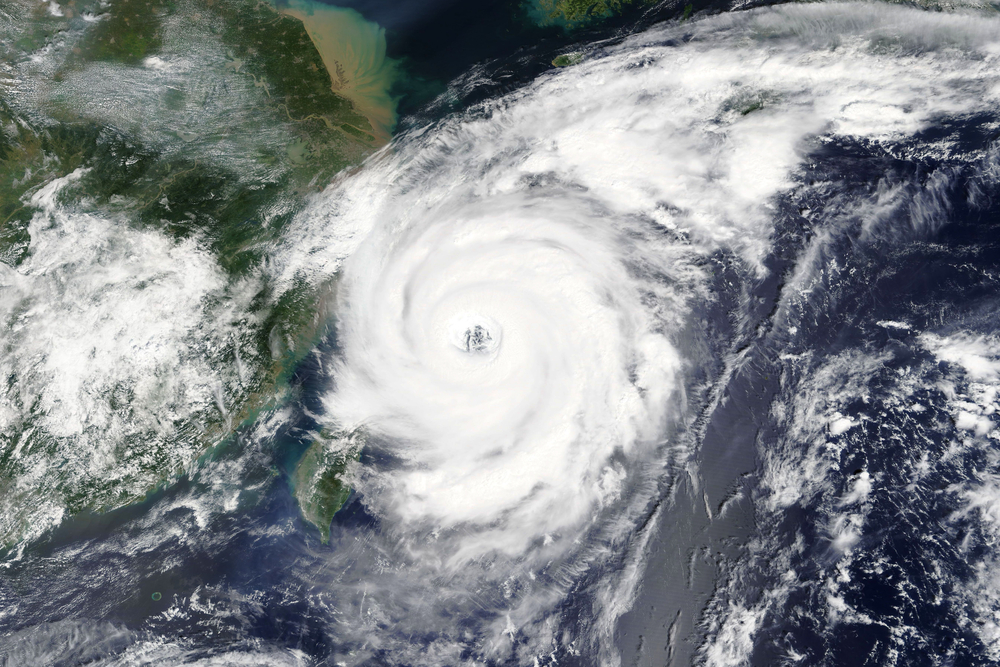
Japan is on track for a more active typhoon season in 2026 than it typically sees. Weathernews forecasts about 28 storms will form this year — above the long-term average of 25.1. Of these, roughly 14 are expected to approach the country, above the average of about 11.5 per year.
The season is already running ahead of schedule. Six typhoons had formed by the end of May, which is well above the usual pace, as most storms normally develop between July and October.
The sixth, Tropical Storm Jangmi — known in Japan as Typhoon No. 6 — swept across the country in early June, hitting Okinawa, Kyushu and the Kanto region around Tokyo with heavy rain and strong winds. It injured more than 16 people, cut power to thousands of homes and forced the suspension of some rail lines.
Typhoon season in Japan runs roughly from May through October and peaks in August and September, when storms tend to be strongest. Okinawa and the Amami Islands in the far south are hit most often, followed by Kyushu, with storms sometimes curving northeast toward Shikoku and the Kanto region, including Tokyo.
Forecasters expect the late season to be particularly intense this year, partly because an El Niño in the Pacific — possibly a strong one — could steer more storms toward Japan and let them build strength over unusually warm water around September.
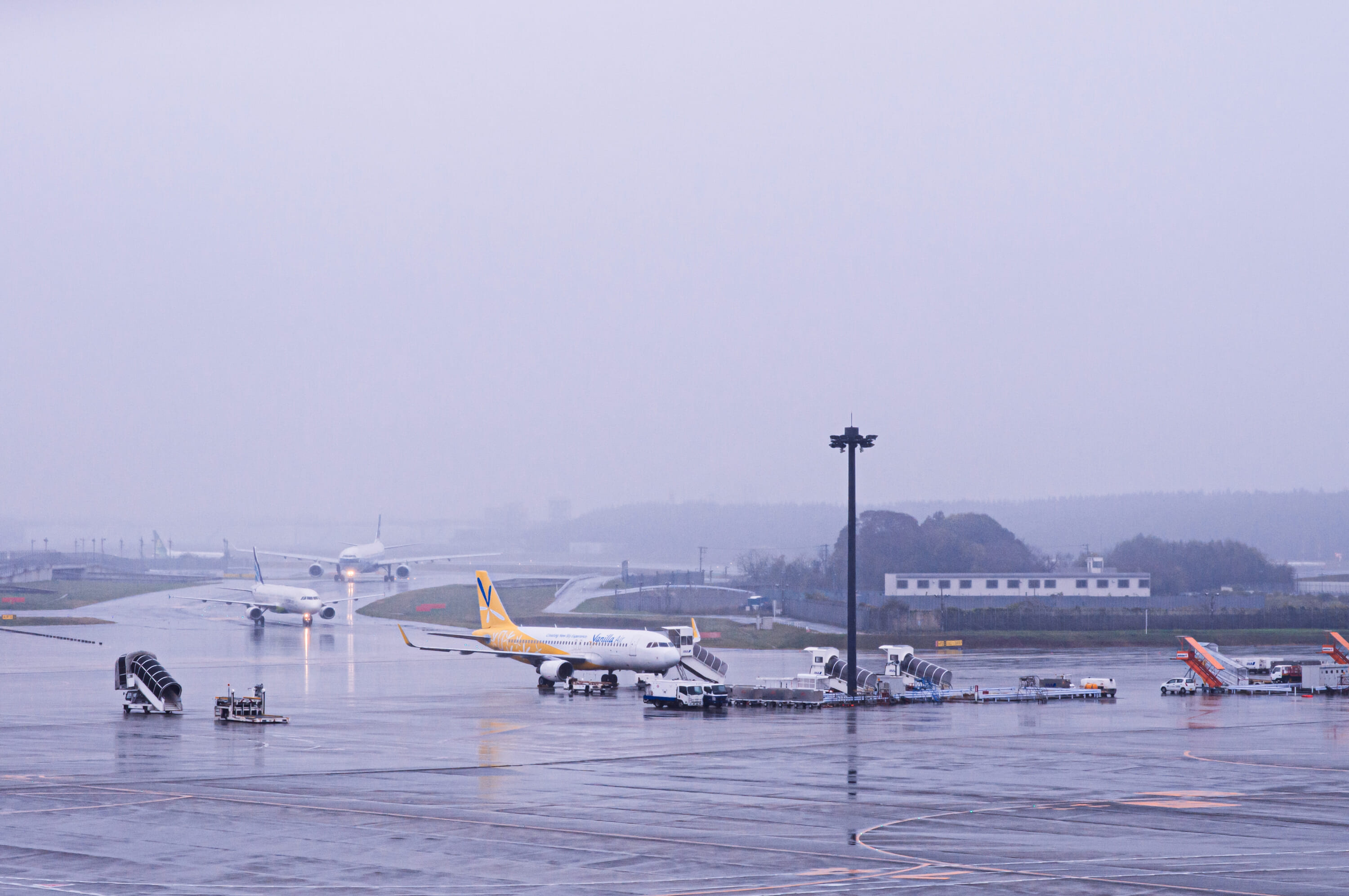
During typhoon season, the biggest disruption for residents and travelers is usually around transportation. Strong winds and flooding routinely halt shinkansen bullet train service and ground domestic and international flights, sometimes for an entire day.
When Jangmi crossed Honshu early this June, for instance, carriers canceled hundreds of flights and several rail lines shut down. In 2024, Typhoon Shanshan landed on Kyushu in late August as one of the country’s strongest storms in decades, killing at least four people, injuring more than 90 and suspending shinkansen and flights across the region.
What To Do If a Typhoon Hits During Your Trip to Japan
Check Forecasts Daily: The Japan Meteorological Agency and apps such as Weathernews push storm alerts, often days in advance.
Build Space Into Your Itinerary: Trains and flights can be canceled with little notice, so avoid tight connections during a storm window.
Stay Put at the Storm’s Peak: Wait out the worst of the wind and rain instead of traveling, and keep away from rivers, the coast and steep slopes.
Stock Up Early: Keep water, snacks, a charged phone and a portable battery on hand in case power or shops are affected.
Follow Local Guidance: Heed evacuation advisories and hotel staff instructions, which are issued promptly in Japan.