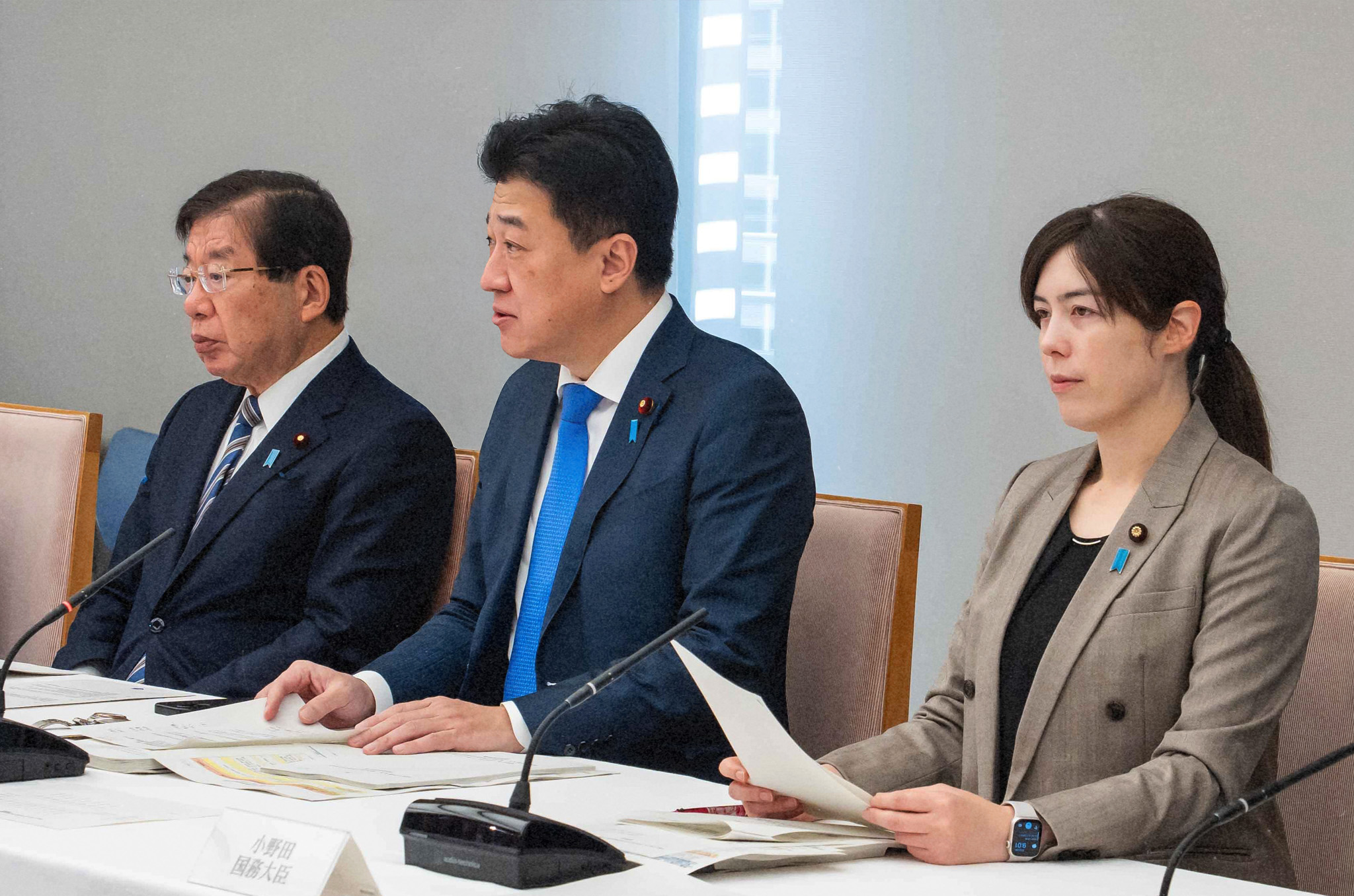
Japan is planning to tighten its permanent residency rules from October 1, 2026. The revised guideline proposals raise standards for income, pension eligibility, Japanese language ability and knowledge of Japanese society, creating a more demanding path to permanent residency.
While the government says the revisions are intended to ensure applicants have stronger financial foundations and a deeper understanding of Japanese society, they have also sparked debate over whether the new requirements place an excessive burden on foreign residents.
Key Changes to Japan’s Permanent Residency Requirements
Financial and Income Thresholds
Under the revised guidelines, applicants must continuously earn more than the average annual household income of Japanese citizens. This shifts the unofficial single-person baseline from approximately ¥3 million to more than ¥4.5 million for single-person households.
Applicants must also project pension benefits equivalent to 30 years of continuous contributions to the Employees’ Pension Insurance (Kosei Nenkin) system. If the amount is insufficient, the applicant must hold financial assets to make up for the difference.
Integration and Residency Rules
Under the current guidelines, one requirement for permanent residency is that it be deemed to be in the “best interests” of Japan. The revised rules provide that this determination will also take into account an applicant’s Japanese language proficiency.
Applicants must also complete programs that demonstrate their understanding of Japanese civil law, culture and local community rules, with successful completion forming part of the permanent residency assessment and the evaluation of their ability to integrate into Japanese society.
Spouse and Citizenship Requirements
Permanent residency is currently granted to a spouse of a Japanese national or permanent resident after three years of marriage and one year of residence in Japan. Under the revised rules, these periods will increase to five years and three years, respectively.
The baseline 10-year residency requirement remains unchanged. To align with this, the practical residency requirement for naturalization increased from five to 10 years on April 1, 2026, bringing it in line with the standard period for permanent residency applicants.
Higher Fees and Stricter Enforcement
Earlier this month, the Japanese government confirmed that the fee for obtaining permanent residency will increase from ¥10,000 to ¥200,000. Fees for other residency applications will also rise, with stays of five years or longer increasing to ¥75,000 and one-year stays rising to ¥33,000.
The new fees will apply to applications submitted from October 1, 2026. The government is also tightening enforcement against residents who fail to pay taxes, public pension contributions or health insurance premiums. Such violations could result in permanent residency being revoked.

Reaction to the New Rules
Concerns Over Stricter Requirements
Long-term foreign residents have expressed concern and frustration over the new rules. “Changes like this as well as other unnecessary restrictions being implemented only hurt genuine, hard-working foreigners… I get it… you don’t want me here,” one X user posted.
Another wrote: “If this keeps going like this, I might go back to my country… Even though I’m married to a Japanese national and I’m the mother of 2. I don’t feel welcome anymore.”
Supporters Welcome the Changes
Not all foreign residents oppose the changes. Some support stricter requirements, arguing they encourage integration and commitment to life in Japan. They also say eligible residents had the chance to apply under the previous rules.
“I understand those who were about to qualify and apply under the old guidelines but now no longer qualify for PR being upset. However, a lot of the complaints I see are from people who have already met the old requirements yet chose not to apply for PR,” one X user posted.
Related Posts
- US Visa Applicants From Japan Now Require Disclosing 5 Years of Social Media History
- Japanese PhD Student Has Visa Revoked in the US Due to Alleged Criminal History
- Renewing a Japanese Visa, More Fun Every Year
Updated On July 27, 2026