Stepping onto the grounds of Kenninji, Kyoto’s oldest Zen temple, you’re walking onto 800 years of living history. Recently, however, visitors arriving at Seiraiin — a sub-temple of Kenninji known for its breathtaking ceiling painting of a massive white dragon — have found themselves turned away at the gate.
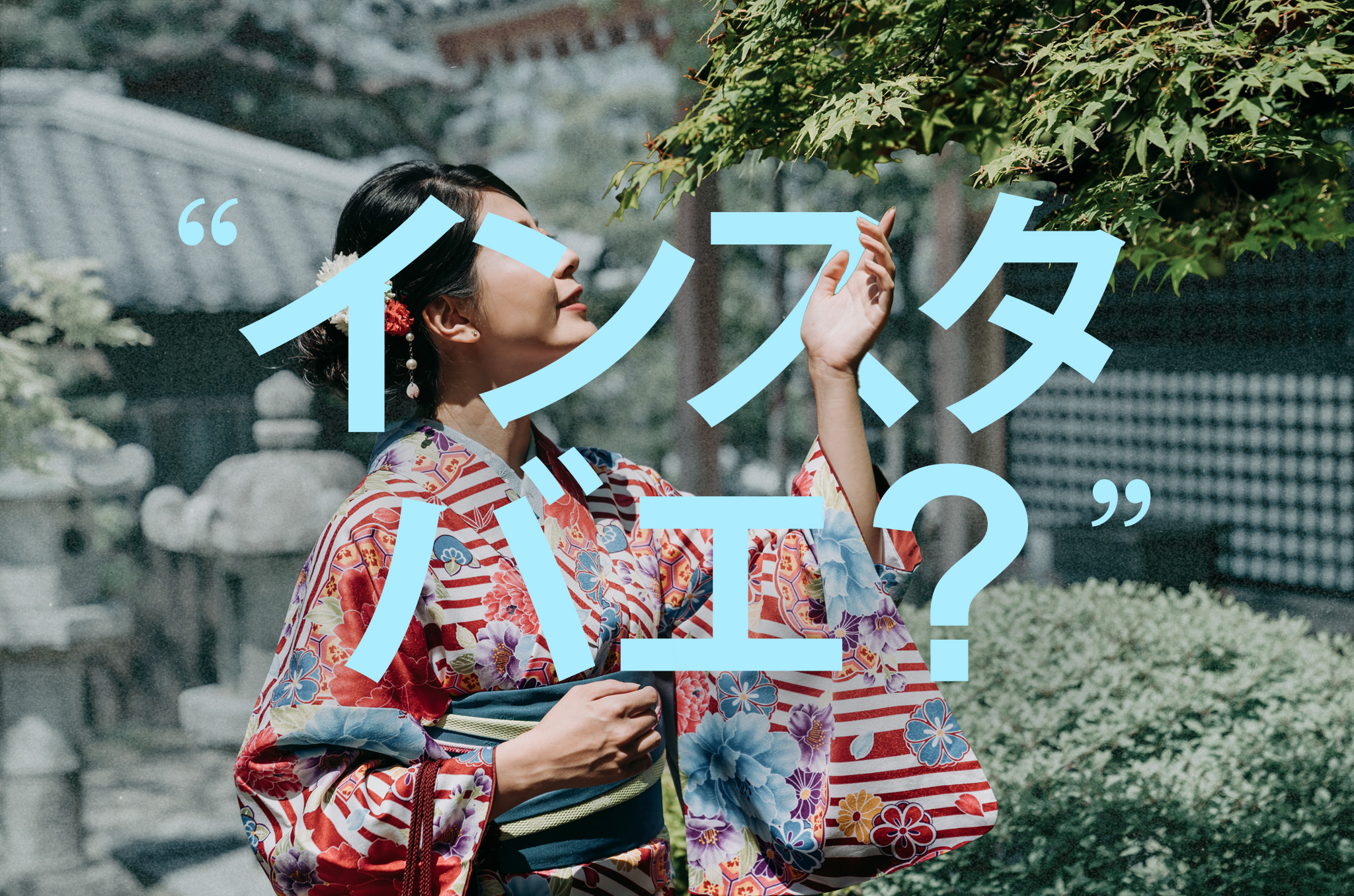
The restriction specifically targets visitors arriving in flashy, costume kimonos or elaborate alternative fashions like Lolita wear. The temple isn’t waging a war on traditional Japanese fashion. Instead, it’s drawing a firm boundary against what came with visitors in elaborate outfits: a wave of visitors treating the sacred space like their own personal production set.
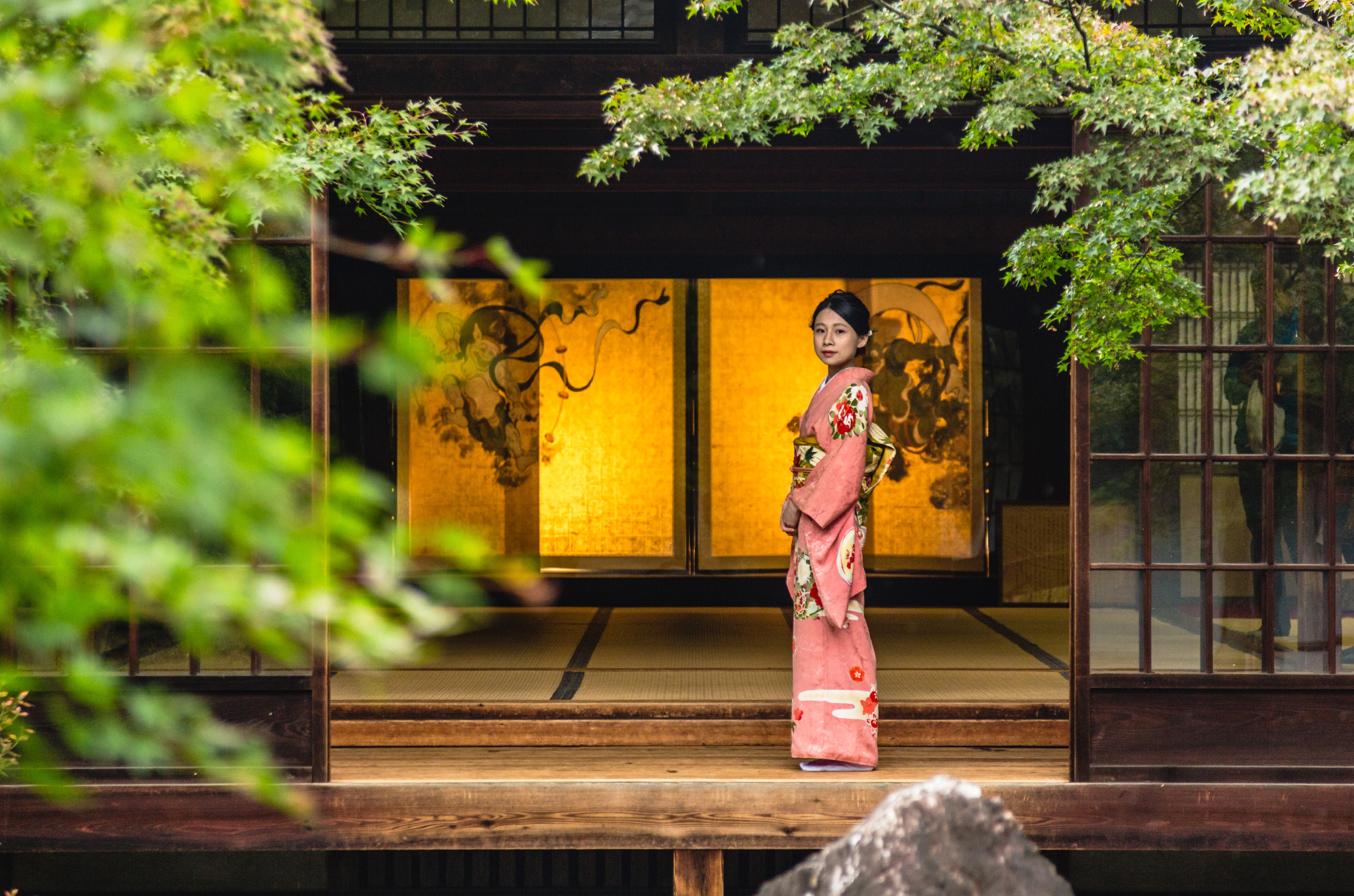
Stock image of a kimono photoshoot, shot in Kenninji Temple | Photo: Shutterstock
The Problem of the “Insta-Pest”
Frustration among locals and temple caretakers reached a boiling point, birthing a new, scathing internet slang: Insta-bae (“Instagrammable”) officially mutated into Insta-bae (“Insta-pests”). The clever double entendre likens disruptive clout-chasing visitors to buzzing houseflies.
The moniker isn’t unearned. Some guests are reported to have monopolized the main hall for an hour at a time, running multi-outfit shoots with extensive equipment and forcing worshippers and other visitors to wait. It doesn’t seem like something that needs to be said, but turning a worship hall into a private photo studio certainly breaks the unspoken social contract of the space.
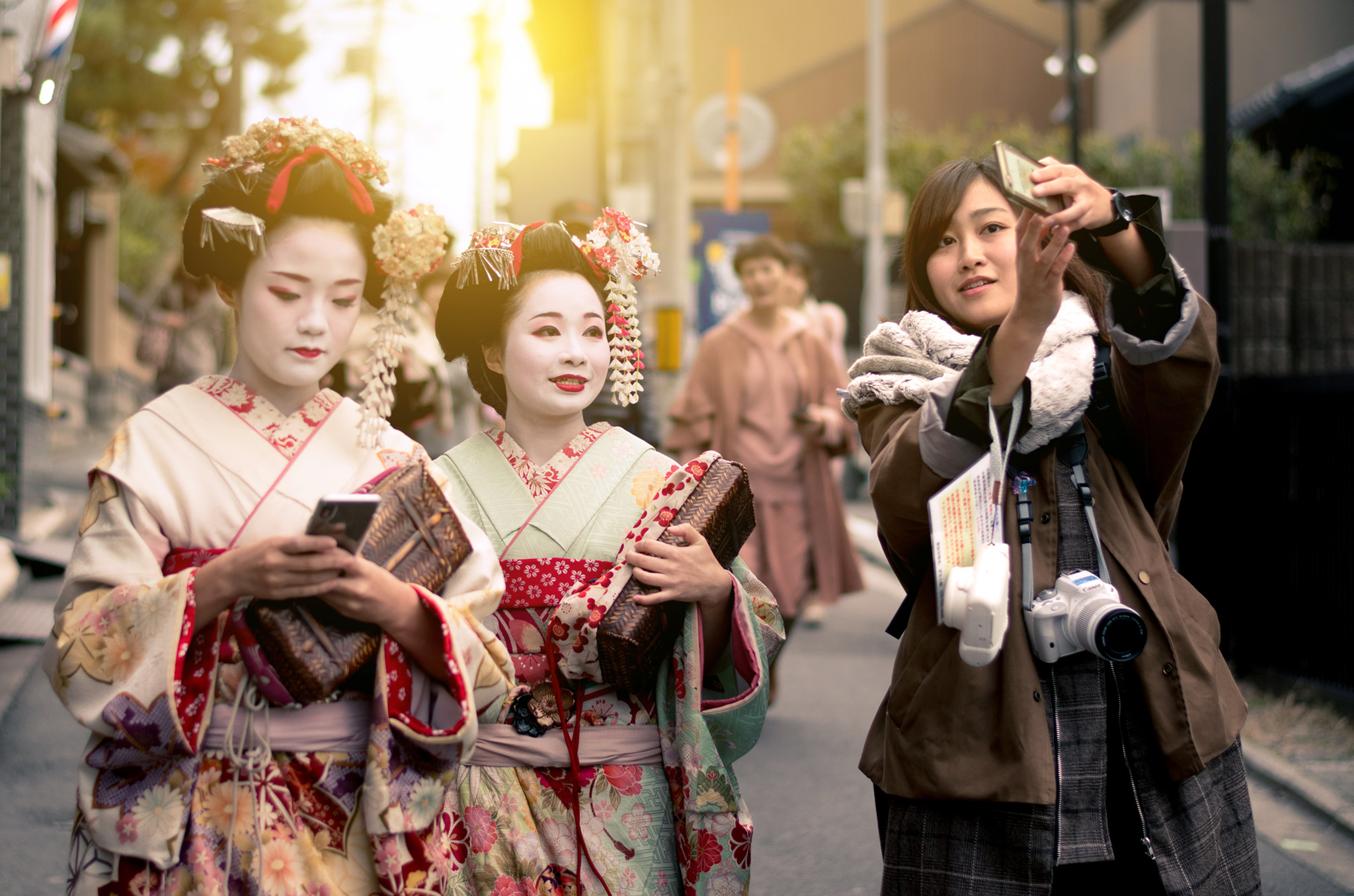
Geisha in Kyoto’s Gion District being stopped for a selfie | Photo: Shutterstock
Growing Concern in Sacred, Highly Touristed Spaces
What is happening at Kenninji is part of a much broader, urgent debate unfolding across Japan’s most iconic sites. From Kyoto’s Gion district restricting tourists in private alleyways after reports of geisha being hassled, to Fujikawaguchiko erecting barriers to block views of Mount Fuji, sacred and historic locations are struggling under the weight of overtourism and modern content culture.
The issue is growingly frustrating for well-intentioned guests and foreigners. On one side are respectful visitors, who enter these grounds to engage with the history and atmosphere of the space. On the other are these “Insta-pests,” who view centuries-old architecture as a great backdrop for their double-tappable Japan dump.
Kenninji’s new ban serves as a line in the sand against this growing issue. Notably, the temple hasn’t banned photography entirely — visitors are still welcome to lie on the tatami mats and respectfully photograph the dragon ceiling, and traditional kimono wearers are still welcomed. By banning only the disruptive “costume-level” spectacles, the temple is sending a clear message to the world: “Insta-bae” exploitation be damned.