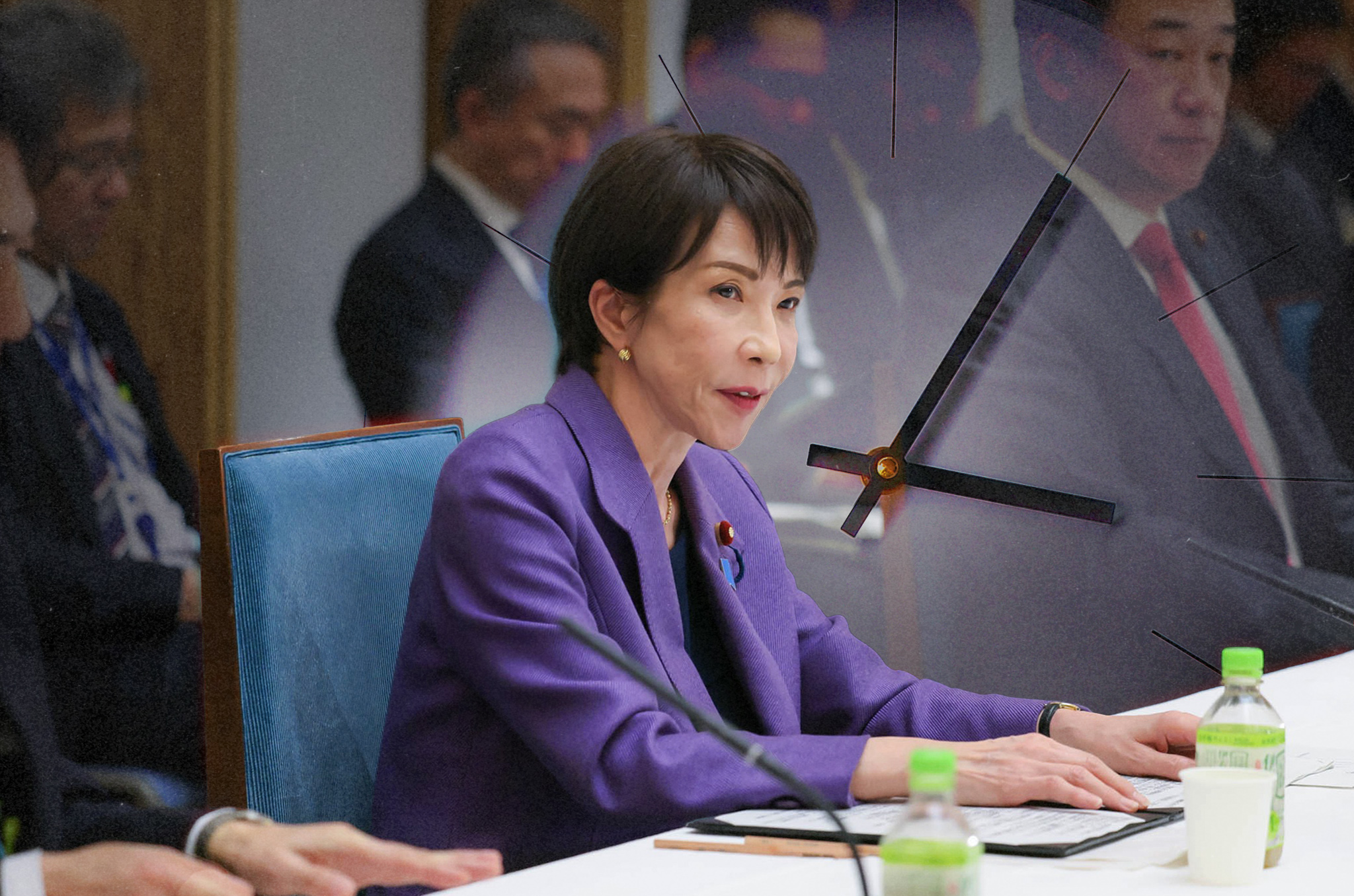
When Japanese Prime Minister Sanae Takaichi posted on X that she routinely sleeps just “0–3 hours” a night, she likely intended the remark as a testament to her unwavering dedication to running the country. Instead, it sparked a different question: what are the consequences of chronic sleep deprivation for someone responsible for leading a nation?
Takaichi’s 0–3 Hours of Sleep Draws Attention Amid Political Pressure
The timing of Takaichi’s comment was particularly noteworthy. In mid-July, a Mainichi Shimbun poll showed her Cabinet approval had dropped to 41% and disapproval rose to 44%. It marked the first time her disapproval rating has surpassed her approval since she took office. She is also facing mounting pressure over a range of domestic issues.
Her comment about sleeping just 0–3 hours a night therefore attracted attention beyond the usual discussion of a politician’s work ethic. While there is no evidence that her sleep habits have contributed to her political challenges, decades of research show that chronic sleep deprivation can impair cognitive performance, judgment and emotional regulation — all essential qualities for effective leadership.
The Science of Sleep Deprivation
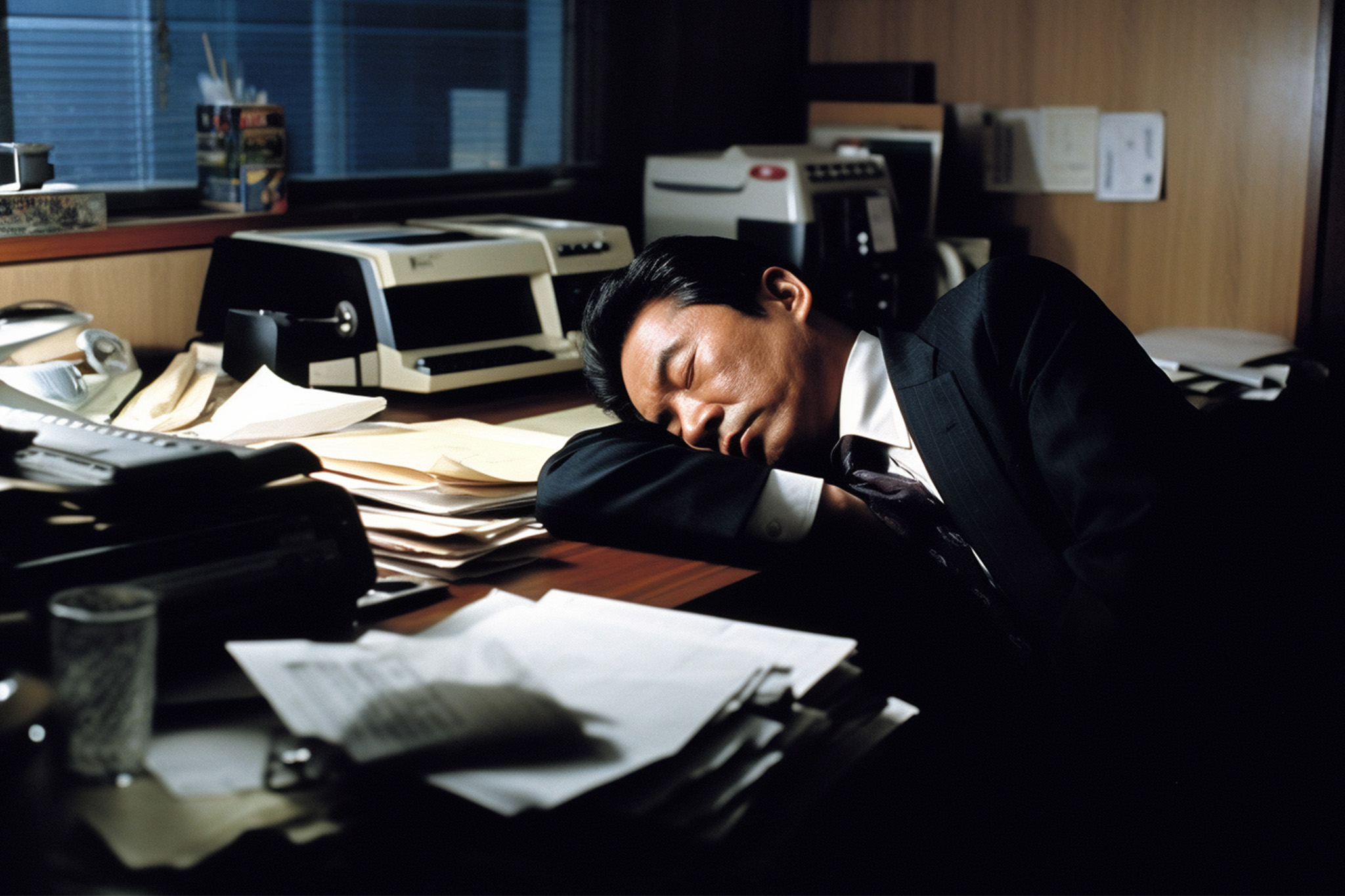
The risks are not merely theoretical. Sleep researchers have found that even partial sleep restriction can degrade a person’s ability to remain alert and respond consistently. In particular, studies using psychomotor vigilance tasks — a standard measure of sustained attention — have shown that sleep loss increases lapses in performance, which researchers believe may reflect brief episodes of involuntary microsleeps.
For a national leader, these findings carry particular significance. Governing demands sustained attention, rapid evaluation of complex information and sound judgment. These cognitive abilities can be affected when the brain is deprived of adequate rest. It also involves making high-stakes decisions under pressure and responding to unexpected crises with little room for error.
Glorifying Overwork
Against that backdrop, Takaichi’s comments resonated far beyond the usual praise for a politician’s work ethic. Instead, they prompted debate over whether chronic sleep deprivation is compatible with the demands of national leadership. She also faced criticism for appearing to glorify overwork, particularly in a country that has long grappled with the problem of karoshi (death from overwork).
Ichiro Ozawa, a former member of the House of Representatives, was among those critical of Takaichi’s post, describing it as “an immature summer vacation diary for self-promotion.” He added, “If this is true, serious sleep deprivation is suspected, and it is inevitable that her ability to make sound judgments will be affected.”
Takaichi’s post has fueled a broader debate over the expectations placed on political leaders. While long hours and personal sacrifice have long been viewed as signs of dedication in Japan, a growing body of scientific evidence suggests that adequate sleep is not a luxury but an essential component of sound judgment, sustained attention and effective leadership.
Related Posts
- Sanae Takaichi: 10 Things To Know About Japan’s Next Prime Minister
- Is This the World’s Most Powerful Woman?
- Takaichi Avoids Criticizing Trump Administration Over Venezuela Military Strikes
Updated On July 22, 2026