

Over the past 15 years, MAPPA has grown from an ambitious startup into an undeniable powerhouse in the global anime industry that is recognized for its dynamic animation and cinematic direction. From breakout award-winning hits like Yuri!!! on Ice to internationally raved series like Jujutsu Kaisen, MAPPA has continuously reshaped the landscape of modern anime.
As the studio celebrates its 15th anniversary, its journey reflects both the evolution of modern animation craftsmanship and the shifting dynamics of the industry as a whole.
MAPPA’s Origin Story
MAPPA, named as an acronym that stands for Maruyama Animation Produce Project Association, was founded in 2011 by industry veteran and Madhouse co-founder Masao Maruyama.
Maruyama has been an established figure in Japanese animation for decades, producing hundreds of immortalized titles including Death Note and Nana. He is also behind countless critically-acclaimed animated films like Satoshi Kon’s 1997 psychological thriller Perfect Blue.
Dissatisfied with an increasingly strict corporate structure, Maruyama left Madhouse after nearly 40 years to start his own studio in the quieter neighborhood of western Tokyo’s Suginami ward (now headquartered in Nakano as of 2024) and pursue more creative freedom.

Image courtesy of PR Times | ©Fumiyo Kono/Futabasha/”In This Corner of the World” Production Committee
The studio was, in part, initially founded to produce Sunao Katabuchi’s deceivingly pastel but heartwrenching war drama, In This Corner of the World. Further production challenges delayed the film’s release, but when it finally reached screens in 2016, In This Corner of the World received several awards including the Animation of the Year award at the 40th Japan Academy Prize.
MAPPA may have started as a small project, but was born already cradled in the arms of anime legends to lead as the destined generational heir. Apart from Maruyama’s portfolio, the studio’s debut series, Kids on the Slope, produced a slice of life anime directed by Shinichiro Watanabe of Cowboy Bebop fame.
Maruyama started MAPPA as a dream, to create projects on his own terms. But as the studio continued to rapidly grow and corporatized, he realized the same patterns were starting to come back. Maruyama decided to resign as CEO in April 2016, stepping down to a chairman position.

© Yuri!!! on ICE Production Committee
Born To Make History
Then, just a few months later that year, MAPPA released Yuri!!! On Ice, and the trajectory of the studio, and the anime industry as a whole, was changed.
Yuri!!! On Ice gorgeously captured the beauty and technical complexity of ice skating — to the point that it inspired Olympians to praise it and even skate to its score. The anime completely revolutionized not only the sports animation genre, but also celebrated LGBT representation and cultural diversity in a way that had not been done before. The anime won the Tokyo Anime Award’s distinguished Animation of the Year prize, and completely swept every single one of its nominated categories in the debut Crunchyroll Anime Awards.
“We had a complex that we didn’t have any hits and didn’t know how to make them… [the] first time we had any fruit was when ‘Yuri!!! On Ice’ was broadcasted,” said Manabu Otsuka, the current president of MAPPA, in an interview.
Unfortunately, due to distribution structures set up at that time, Otsuka explained MAPPA’s actual profit return was very low compared to the massive popularity of Yuri!!! On Ice. This later led the studio to re-strategize around profit and decreased risk, which had further consequences down the line (fans, including me, are still devastated that the promised Ice Adolescence movie was never delivered) — but Yuri and Viktor undoubtedly brought MAPPA’s animation to the global stage, and towards even bigger projects.
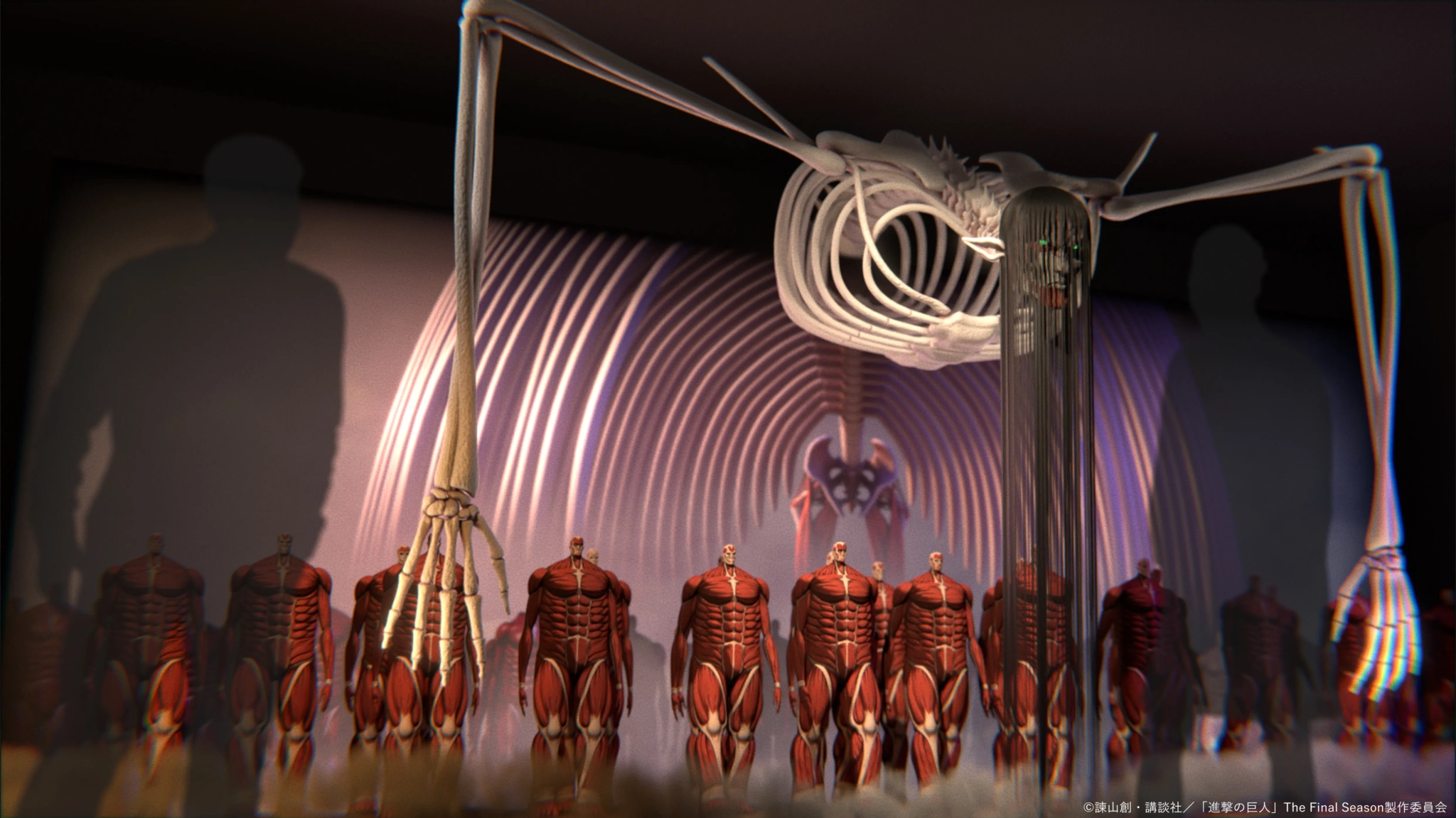
Image courtesy of PR Times | ©Hajime Isayama/Kodansha/”Attack on Titan” The Final Season Production Committee
The MAPPA Empire
After the success of Yuri!!! On Ice, new eyes were glued to the studio.
MAPPA continued its streak with Kakegurui in 2017, Banana Fish in 2018 and Dorohedoro in 2020 to name a few headliners. Then MAPPA hit its big three: Jujutsu Kaisen, Attack on Titan and Chainsaw Man — three nearly consecutive massive projects that added a fresh new layer of cement on MAPPA’s legacy.
It was announced in 2020 that Attack on Titan’s fourth and final season would now be animated by MAPPA, suddenly switching to a new studio after three solid seasons by WIT Studio. In the November 2020 issue of the anime magazine Newtype, Attack on Titan producers Kensuke Tateishi, Toshihiro Maeda and Tetsuya Kinoshita acknowledged the change. The official explanation cited the need for a fresh new look for the series in preparation for the intense escalation and tonal shift that would follow the third season.
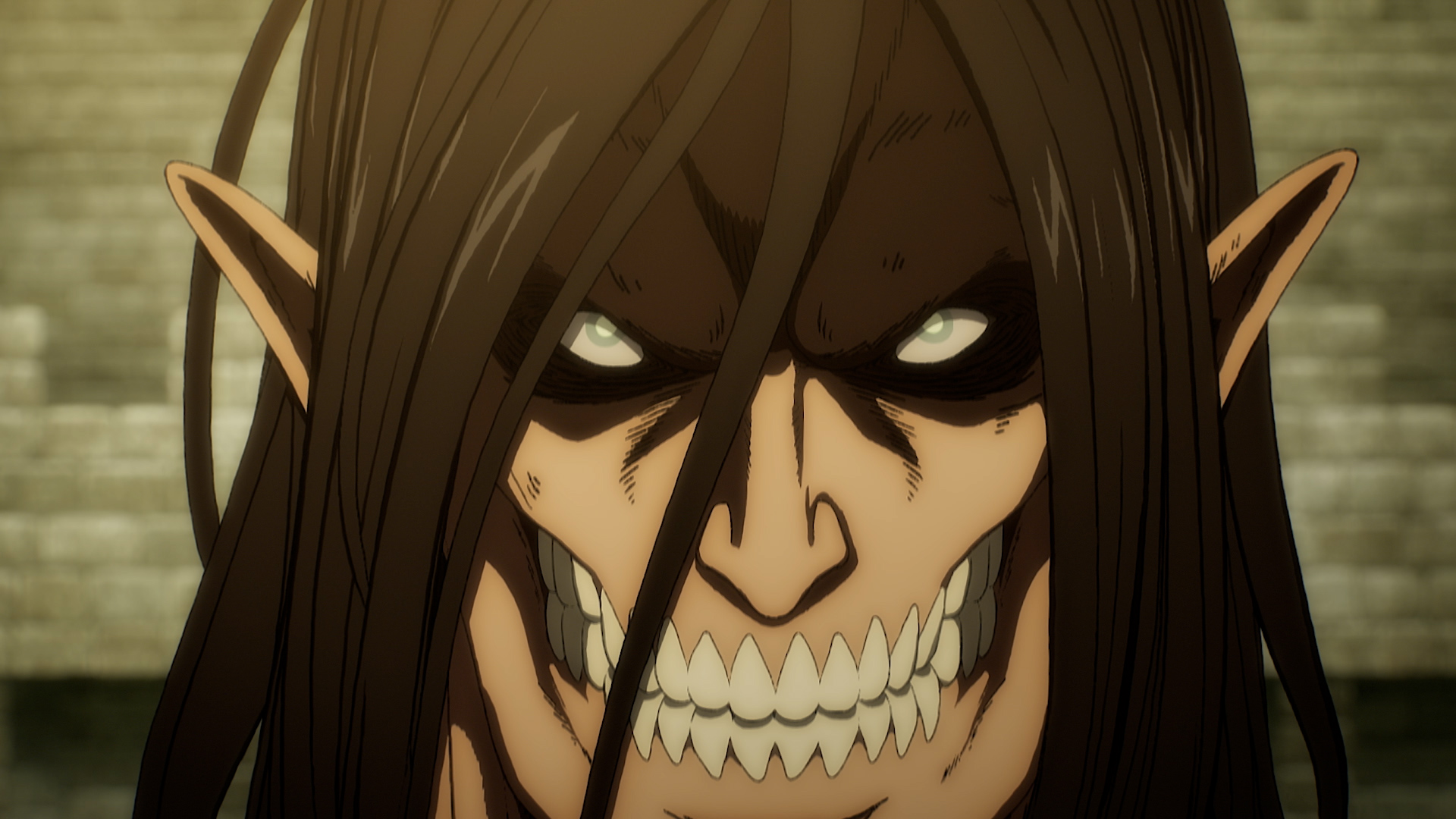
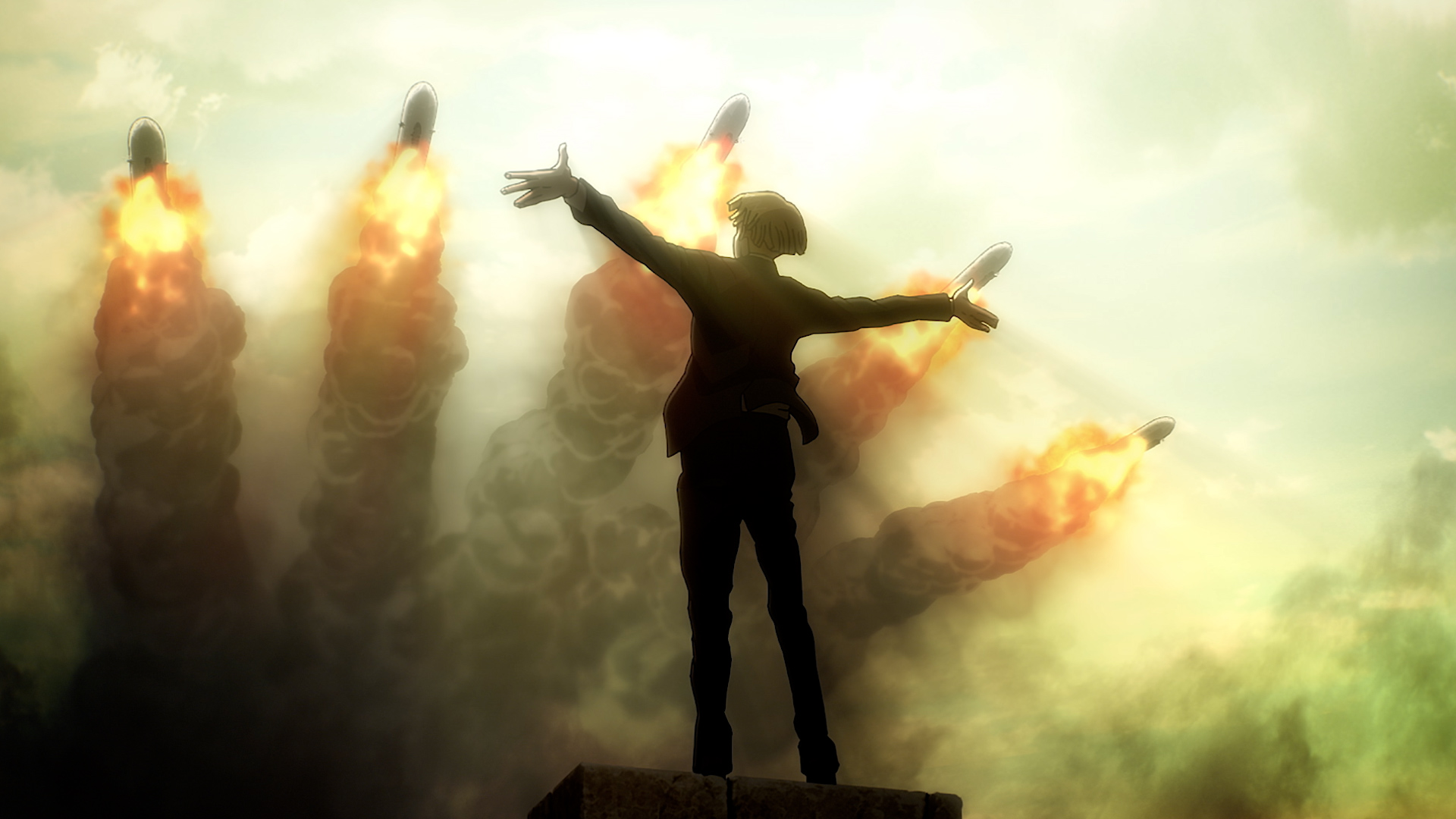
Maeda also mentioned that while many other studios wanted to take on the legacy of Attack on Titan, nobody thought they would be able to complete it in time for the scheduled release — until MAPPA. The studio is rumored to have been given an extremely short timeline to produce 30 total episodes for the final season.
The character designs had a different style and battle sequences heavily relied on CGI to meet the insanely tight deadlines, but MAPPA had successfully taken on one of anime’s biggest titans and presented an emotionally-charged, apocalyptic haunting finale. The theatrical release of Attack on Titan: The Last Attack, which compiled the last few episodes of the season into a movie, earned ¥249 million in three days in Japan alone.
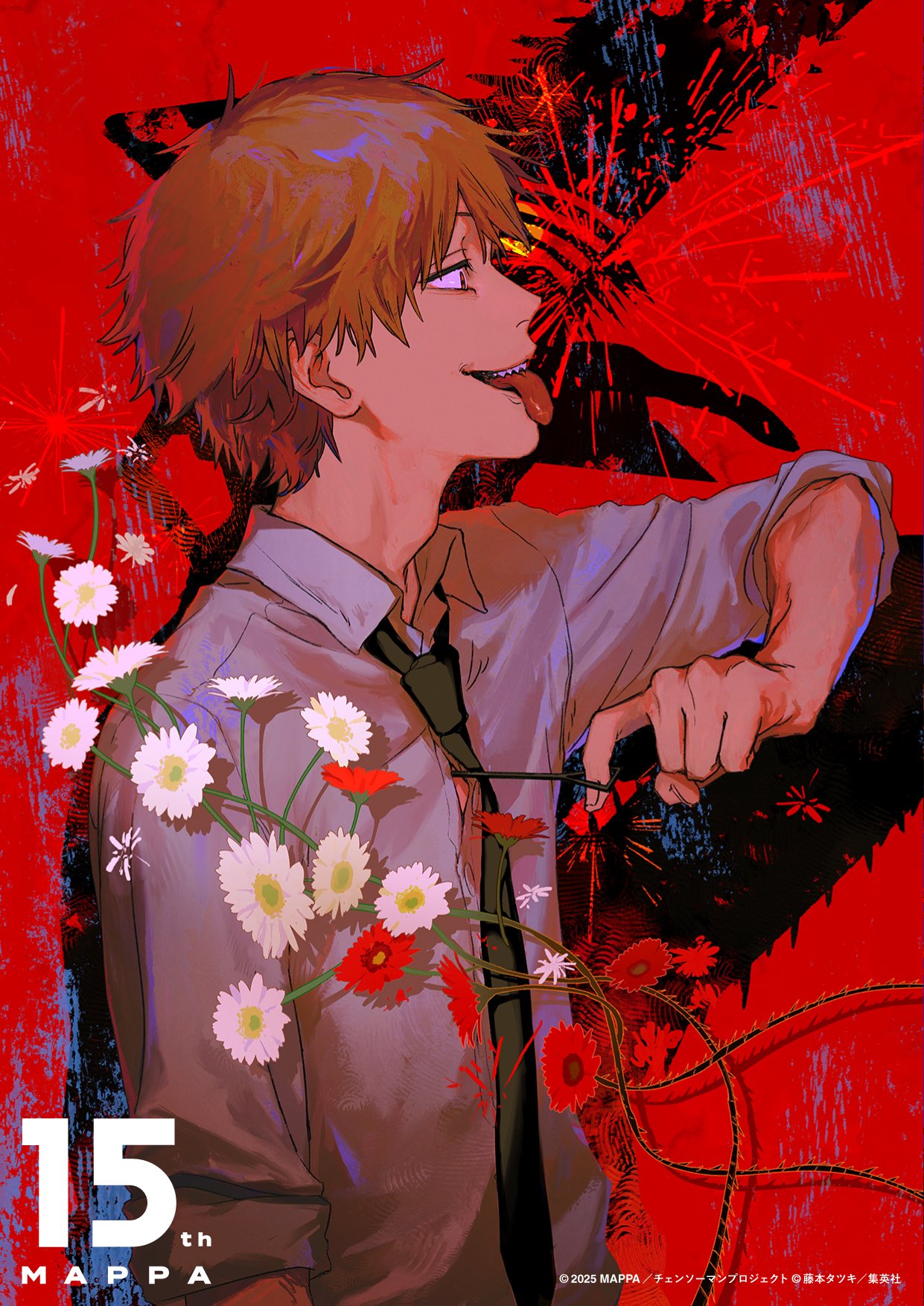
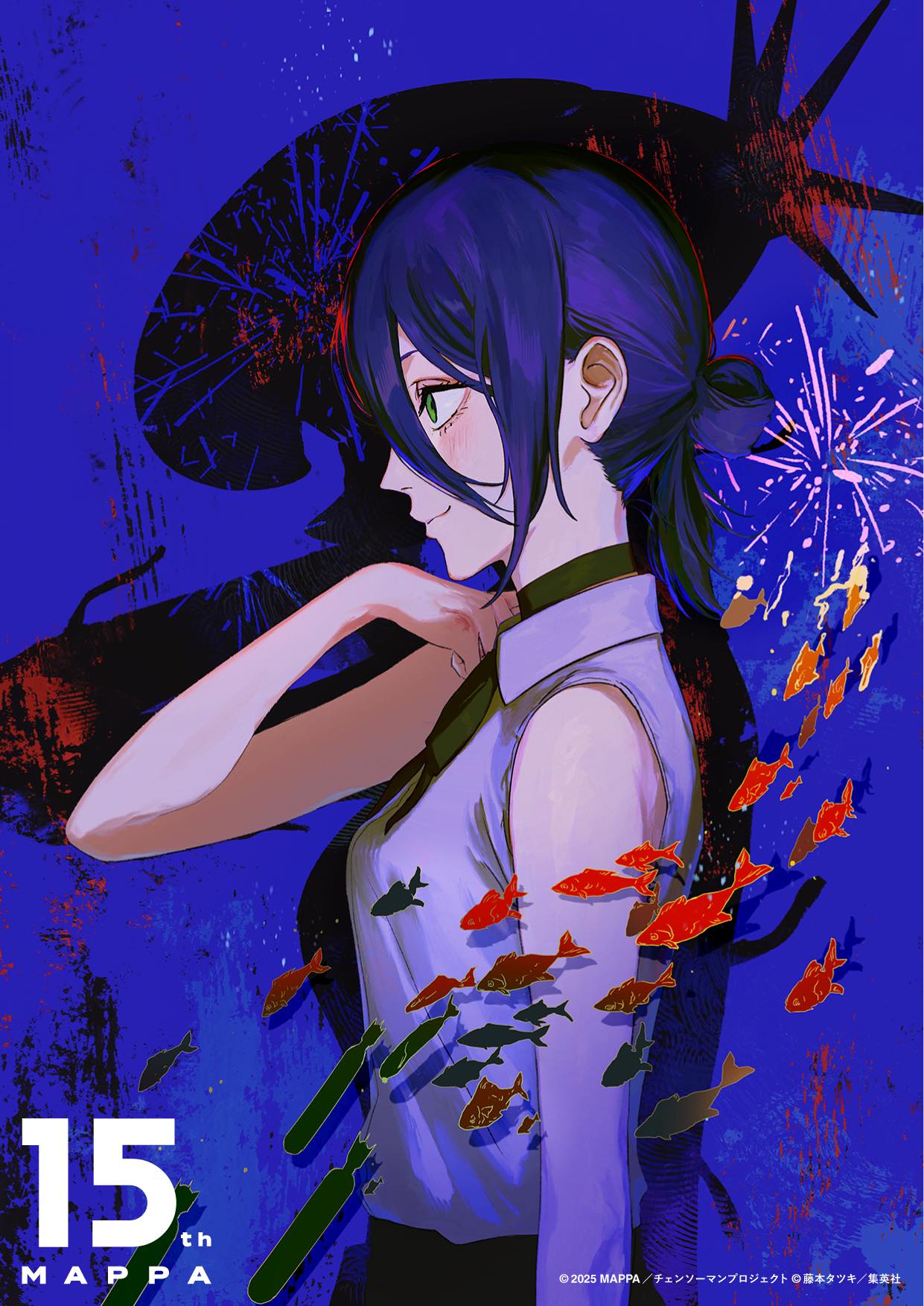
Just last year, Chainsaw Man – The Movie: Reze Arc also found incredible box office success, earning ¥420 million on its domestic opening day and taking the No. 1 spot in U.S theaters — a feat that has pushed the anime industry into the global mainstream right alongside Hollywood.
But the cashflow and worldwide accolades came with a heavy cost. Any discussion of MAPPA and its legacy just isn’t possible without addressing the numerous criticisms over their working conditions. MAPPA’s animation team was reportedly paid rock-bottom rates, with alleged “factory-like conditions” that constantly pushed artists over their limits with long work hours on top of impossibly short deadlines. Jujutsu Kaisen animator Vincent Chansard, who brought to life several of the most showstopping moments from the series, has vowed to never work with MAPPA again.
Another anonymous animator reported the studio forced them to work “until the sun came up,” and even Attack on Titan episode director Teruyuki Omine admitted online that he hadn’t gone home in three days. Omine’s posts were later deleted, but the alerts were already going off.
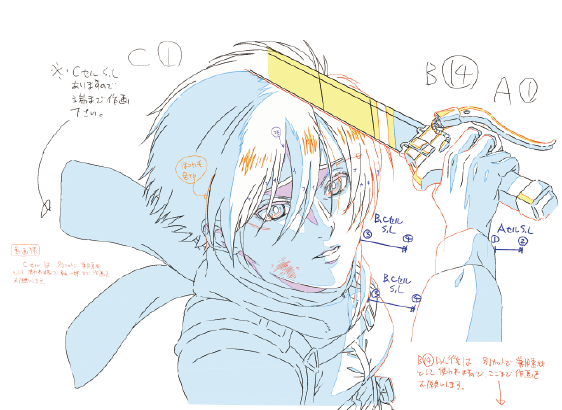
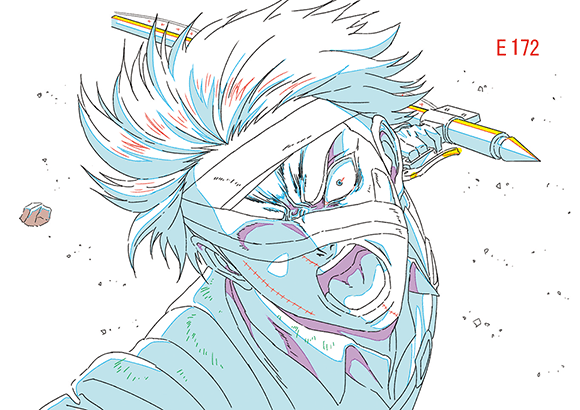
MAPPA’s exponential success was both a blessing and a curse. While the studio was once steadily building a solid foundation, it expanded too rapidly; pushing beyond its capacity and leaving its staff without the support they needed.
MAPPA was born out of a veteran artist’s wish to escape the corporate machine and just — create.
But over the course of the studio’s evolution, that dream has faded past what was once the Maruyama Animation Produce Project Association. MAPPA has publicly denied all of the allegations, but the controversies spotlight a growing stain that the studio and the overall animation industry have long been fighting: to take care of the talented artists that breathe life into the flat drawings that become our favorite heroes.
MAPPA Tokyo Events
Image courtesy of PR Times | ©Hajime Isayama/Kodansha/"Attack on Titan" The Final Season Production Committee Celebrating the 15th anniversary of Mappa, a leading anime studio, an exhibition featuring 23 series will be displayed at Yurakucho Museum.Mappa Expo 15th Anniversary Exhibition
Date & Time
Sep 16-Dec 7・10 a.m.–6 p.m.・Last entry 5:00 p.m. | The museum will be closed on October 26 and October 27
Price
Adults: ¥2000 | University and high school students: ¥1600 | Junior and elementary school students: ¥1200 | Preschool and under: free
Location
Yurakucho Museum
Wit Studio, will open a pop-up cafe that creatively reimagines Attack on Titan as an interactive menu of food and drinks.
Attack on Titan Pop-Up Cafe
Date & Time
Sep 3-Oct 12
Price
Reservation fee: ¥660
Location
BOX cafe&space Lumine Est Shinjuku 2nd Store
More Info
Up to 4 seats can be reserved per application
Related Articles
- The Winners of the Crunchyroll Anime Awards 2026
- Why Jujutsu Kaisen’s Most Celebrated Episode Sparked Controversy in Japan
- Anime’s Global Boom Runs on Poverty Wages
Updated On September 9, 2026