
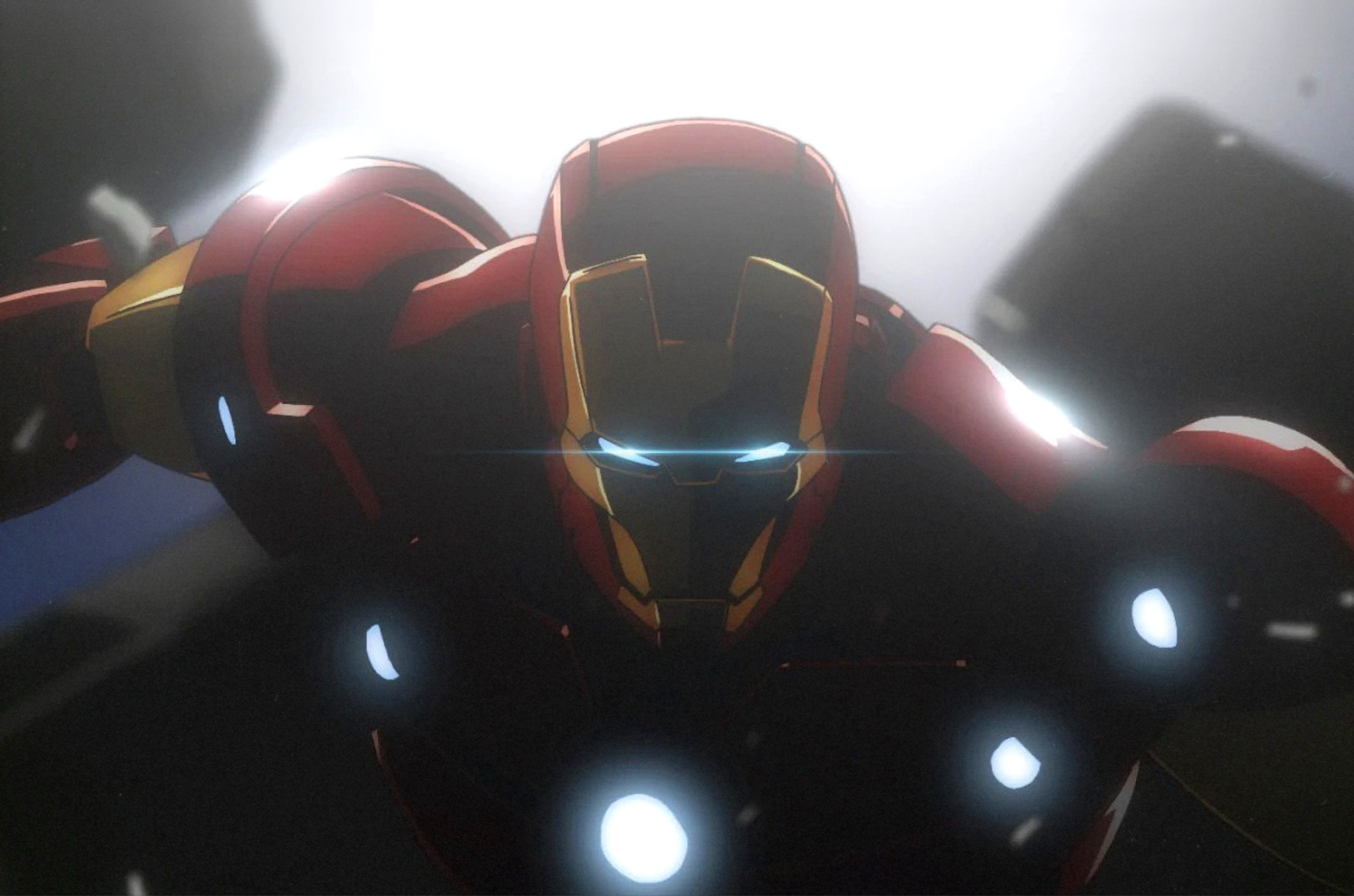
2013 was a big year for the Marvel superhero Iron Man. It was when we got to see a more complex picture of Tony Stark as he faced off against a powerful enemy connected to his past, who challenged him not only in might but also in intelligence. Ultimately, the conflict made Tony realize the importance of the past, how it shapes us and how it should be respected. Too bad so few people saw the film, because we aren’t talking about the third live-action Robert Downey Jr. movie but an anime from Madhouse that premiered the same year as Iron Man 3.
Upon its release, Iron Man: Rise of Technovore got very mixed reviews, but thanks to Netflix adding it to its platform in mid-May, fans have been able to revisit this forgotten superhero flick. And honestly? It holds up incredibly well.
© 2013 Marvel Animation/SPHE
Eerily Relevant Writing
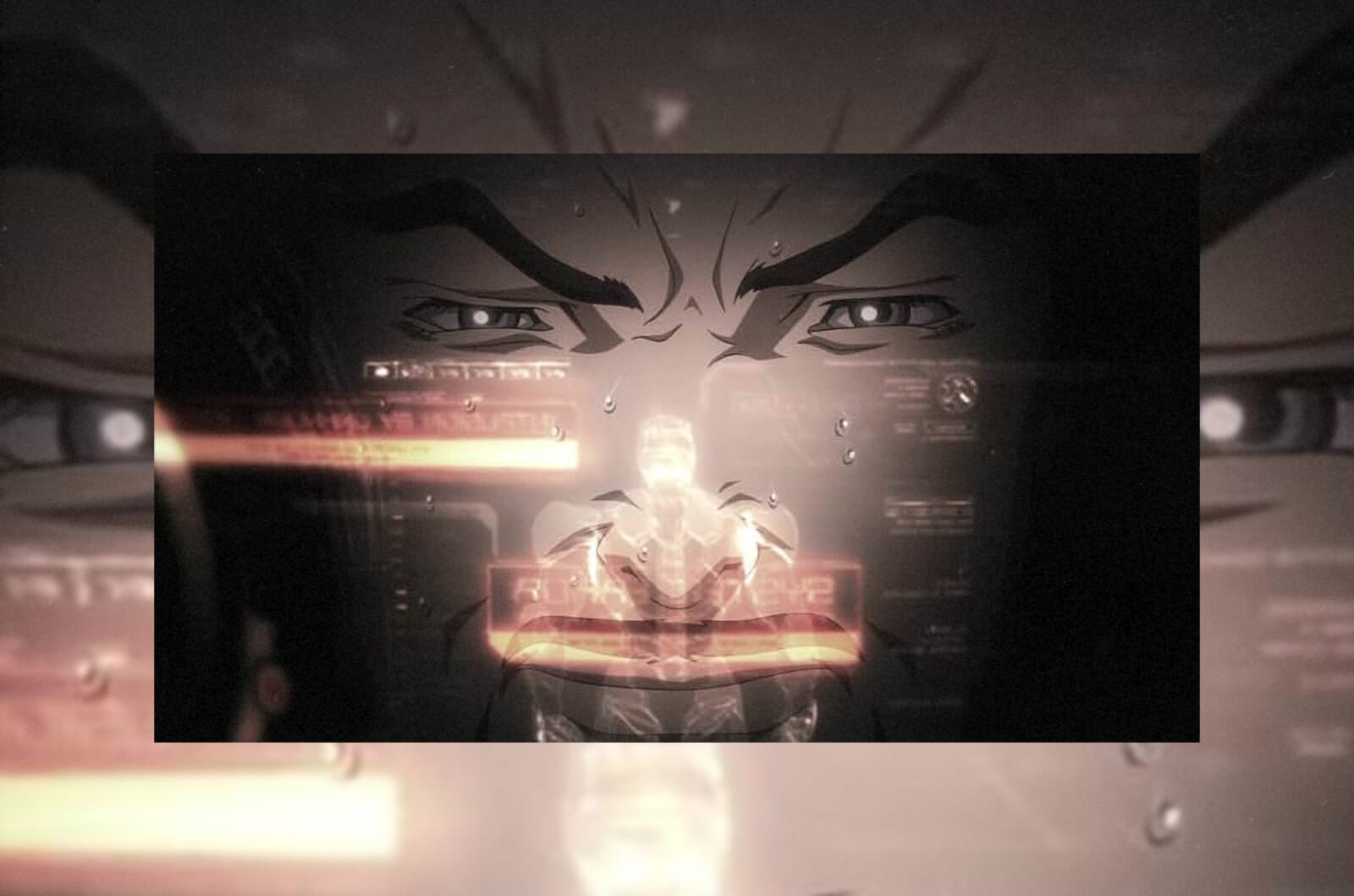
“Technology and the people who give birth to it are nothing more than false idols, leading society to disaster.” That is, in a nutshell, the core conflict of the animated Iron Man movie. When paired with a villain who disregards the past, aims to remake the world in his image and has a link to artificial intelligence, it starts to sound like something that was written this year to comment on real-life anxieties about the prominence of AI.
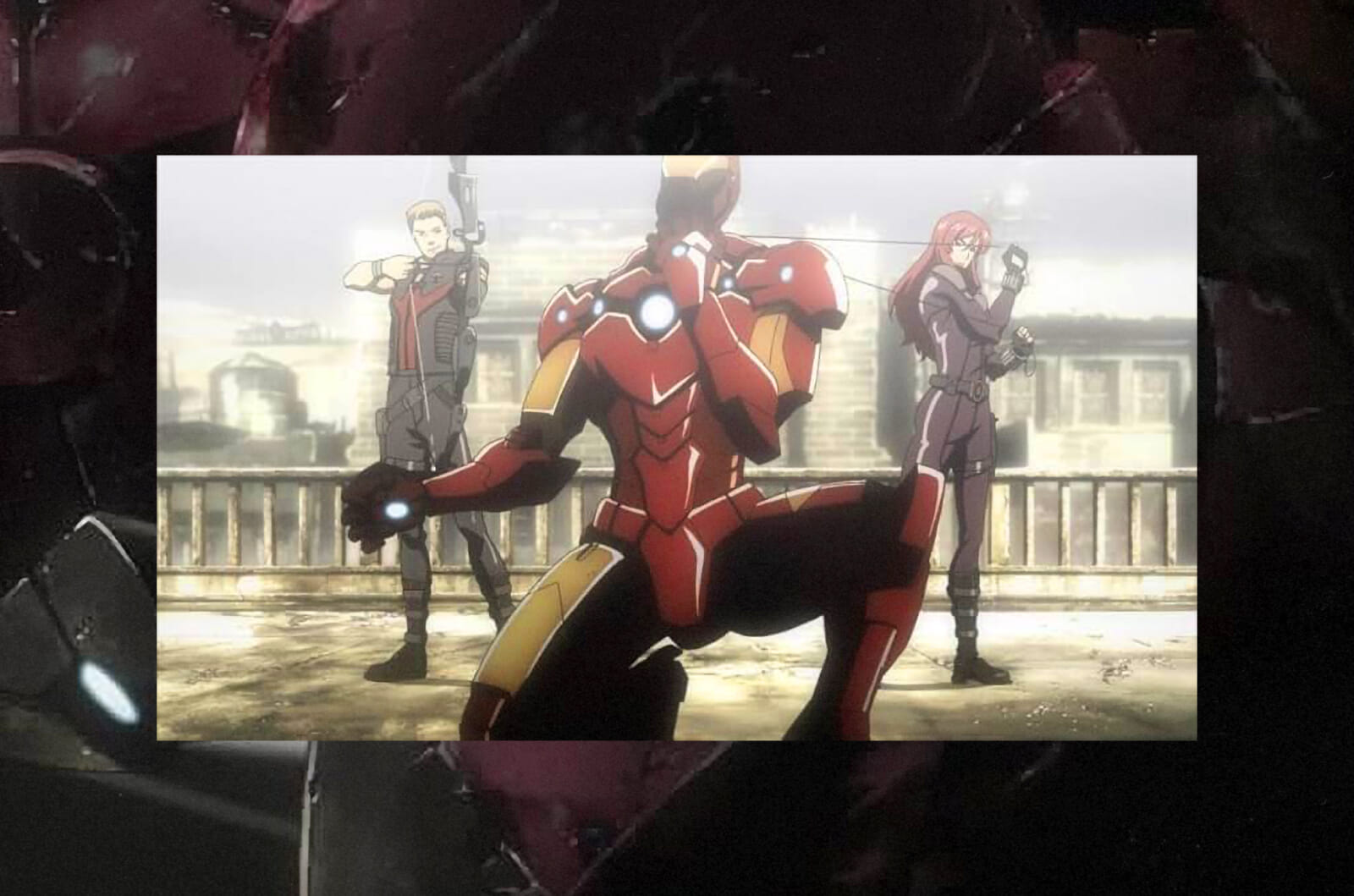
The film still has plenty of scenes of a guy in sci-fi armor shooting bad guys with hand beams. But writer Brandon Auman, in a story adapted for the screen by Kengo Kaji and directed by Hiroshi Hamasaki, tapped into something almost timeless that has kept Rise of Technovore fresh for the last 13 years.
No tech (both old and futuristic) is ever really criticized or praised in the movie. All that matters is the person using it. With this, Rise of Technovore becomes a mirror for the world no matter the time period. Most real-life innovations are not inherently bad, but they can be made so by egomaniacs pushing them in dangerous directions, like wanting to turn “intelligence” itself into a monthly utility.
AI is just the most recent example. Anxiety about tech has always existed, and Iron Man: Rise of Technovore incorporates that seamlessly into a beautifully animated, action-packed superhero story that also really dives into the character of Tony Stark.
Just one small problem with that —
© 2013 Marvel Animation/SPHE
Worst Possible Timing
Iron Man 3 premiered on May 3, 2013, in the United States. Iron Man: Rise of Technovore was released there on April 16, 2013, and on April 24 of the same year in Japan. The two movies weren’t just released the same year. They entered the global entertainment stage only a few weeks apart. This was nothing short of a death sentence for the anime film.
Even today, getting people to treat animated stories seriously can be challenging — and it wasn’t any easier 13 years ago. Add to that the anime’s status as a foreign production (though with an excellent English-language version, including Norman Reedus as The Punisher) and you have a great film that nonetheless could never compete with the giant Robert Downey Jr. vehicle. But now, with the benefit of time, perspective and freedom from the hype machine, it’s not crazy to say that many people might prefer the anime to Iron Man 3.
For one, the story in Technovore is much better paced, with its 88-minute runtime managing to tackle A LOT of the same topics as Iron Man 3. Tony dealing with a close friend almost dying, blaming himself, being faced with his past, learning to let go of his ego — these all happen in both movies. But because of its limited runtime, the emotions in the anime are cranked all the way up without becoming parodies of themselves thanks to good writing. The end result is a tightly packed series of dramatic peaks and calms before the storm, which would be torture in a 131-minute film. But for an hour and a half? It’s a very fun ride.
© 2013 Marvel Animation/SPHE
The Benefits of Japan Taking the Reins
Iron Man: Rise of Technovore is not part of the Marvel Cinematic Universe, although it probably could fit chronologically and thematically between Iron Man 2 and Iron Man 3. Plus, it would make Norman Reedus as The Punisher canon in the MCU, and virtually everyone would love that. That being said, the anime film does stray a little from the MCU formula, but, weirdly, the fact that it doesn’t paint by numbers makes it a more enjoyable experience than many official Marvel movies.
Like … is Tony Stark fascist? That’s actually a good question, and it’s asked with no euphemisms in Rise of Technovore. Did the character cross over to the side of fascism with his satellite that monitors the world and tries to predict crime before it happens (so … basically the exact same core plot as 2014’s Captain America: The Winter Soldier)?
The question of Tony Stark’s politics is fascinating. Iron Man 2 made him into an avatar of Ayn Rand for the first few scenes, but then didn’t do much with the whole idea. That’s because a marketable character like Iron Man can’t fully be for or against something. It risks alienating some part of the audience. The MCU franchise chains are heavy, and they easily stop characters from progressing.
By not being part of the MCU, Rise of Technovore can have fun with Iron Man in a way that we haven’t really seen before and won’t see in the future since Downey’s character is dead. (Though the actor is set to return to the MCU as Doctor Doom this year.) Also, because it’s Japan, we get a fun Akira-lite body horror sequence in the anime, which is always a plus.
Ultimately, which Iron Man movie is best is a question that everyone has to answer for themselves — we’re just saying that Rise of Technovore should definitely be in the running.