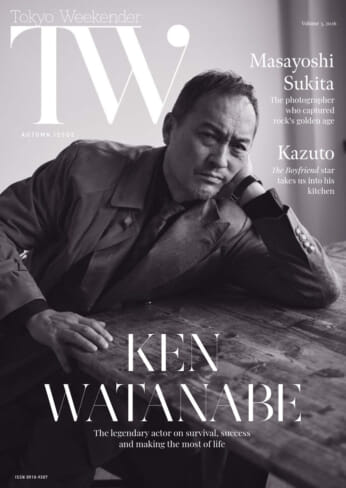

Since 1999, the Short Shorts Film Festival & Asia (SSFF & ASIA) have championed the art of short-form storytelling, led by the acclaimed actor Tetsuya BesshoIn 1997, acclaimed actor Tetsuya Bessho discovered something that would permanently alter his career trajectory. Known for his versatile roles in Hollywood and Japanese blockbusters — ranging from Godzilla vs. Mothra and Ultraman to iconic stage turns in Les Misérables and Miss Saigon — Bessho found himself in Los Angeles rummaging through the USC film archives. It was there that he encountered the early student works of George Lucas.
Struck by the raw impact of these brief narratives, Bessho began to feel that the short film was the ultimate “filmmaker’s passport”: essentially a high-stakes demo tape that proves a director’s vision or an actor’s range.
With the Star Wars creator’s personal blessing, Bessho returned to Japan with the original films in tow and founded the Short Shorts Film Festival (SSFF & ASIA) in 1999. His mission was clear: to champion the art of short-form storytelling across Japan and Asia. Since its inception, the festival has showcased era-defining works, including the 1998 classic Puppies for Sale starring Jack Lemmon, and Kristóf Deák’s 2016 Oscar-winner Sing.
Now in its 28th year, with around 5,000 entries from over 100 countries for the 2026 edition, the festival celebrates the short film as the “future map” of cinema: a space for works under 25 minutes that push the boundaries of technology and narrative style.

© SSFF& ASIA
The Espresso of Cinema
When asked to explain the enduring appeal of the medium, Bessho employs a potent metaphor. “A short film is like an espresso,” he explains. Unlike a traditional film, which has ample time to introduce characters and themes, the world-building in short films“ is pure and condensed. The form is so concentrated that there is nowhere to hide.” He likens the format to the Japanese poetic traditions of haiku and tanka — art forms that demand the removal of the superfluous to reveal the raw essence of a story or emotion.
This brevity creates a unique challenge for performers, too. A 10-minute short requires every glance and every cut to convey a lifetime of experience. “It’s similar to the difference between a lead role and a supporting character,” says Bessho. “In a single short scene, you must express a character’s entire belief system. It’s exceptionally challenging.”

© SSFF & ASIA, “mopim”
Technology: Democratizing the Creative Vision
Beyond admiring its storytelling purity, Bessho views the medium of short film as a vital tool for bypassing the creative compromises of “big cinema.” Traditional features often require massive crews and staggering budgets, which can subdue a director’s original spark under the weight of commercial expectations.
“In short films, the team is smaller, allowing the director’s vision to remain intact,” Bessho notes. In the modern era of “desktop filmmaking,” the tools of production have moved from big-budget studios into the hands of the individual. “Creativity has become democratic,” Bessho says. “The industry has grown exponentially because the barriers to entry have lowered.”
This year’s SSFF & ASIA theme, “Cinema Engineering,” explores the intersection of art and tech in “the modern age overflowing with video,” as Bessho puts it. It’s a vision that’s forward-looking rather than dismissive of new technologies and trends, embracing the ways in which short film has evolved in recent years; Bessho calls vertical video “the new visual language born from smartphones,” for instance. The festival aims to provide a stage for technology that serves the
artist, rather than the other way around.
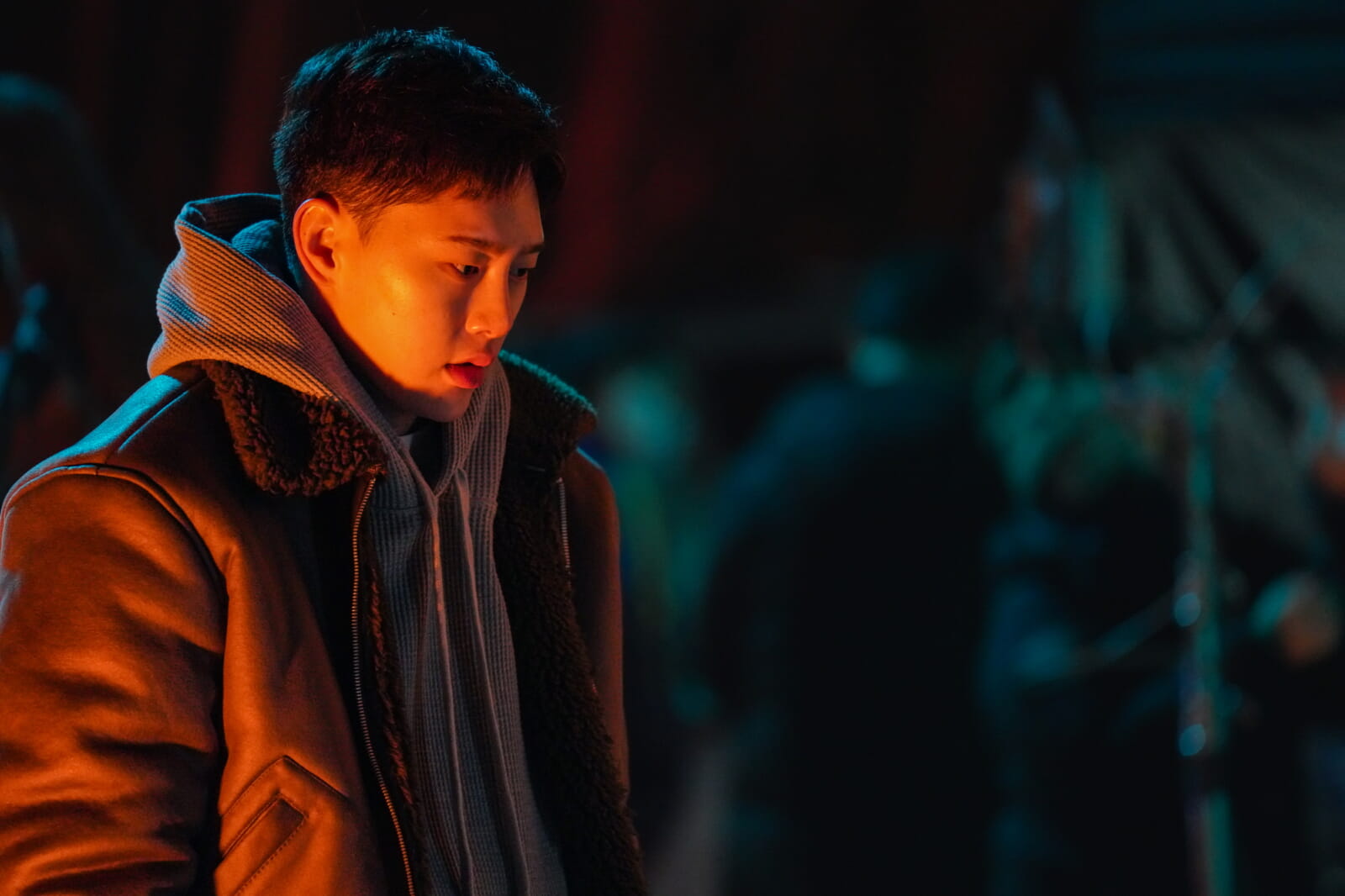
© SSFF & ASIA, “4:44 Time of Fear”
A Generation of Story Makers
Despite recent technological leaps, Bessho insists that the heart of the medium remains human imagination. “A great film shows us a better life, or another life,” he says. “The film is just the beginning; it extends into reality and shapes our desires.” To him, a successful film is measured by its ability to build on the viewer’s five senses — inspiring them to visit a new land, taste a new cuisine or shift their perspective entirely.
As SSFF & ASIA approaches its 30th anniversary, the definition of a “filmmaker” continues to broaden. Bessho sees the short film as the backbone of modern communication, encompassing everything from branded entertainment and tourism videos to personal social media storytelling. He views this as a full-circle moment: Just as he was inspired by George Lucas’ student films, he sees today’s giants beginning with their own concentrated bursts of vision.
Bessho’s guiding ethos for SSFF & ASIA balances a respect for history with a hunger for the future. “Film festivals were a 20th-century invention that became a cornerstone of our modern culture and business. I want to create a festival that questions how society will grow and then gifts that legacy to the next generation.”
“We are all story makers now,” Bessho concludes. Whether shot on a smartphone or traditional 35 mm film, the short film remains, at its core, a way to share a human experience.
More Info
The Short Shorts Film Festival & Asia 2026 will run from May 25 to June 10. The festival’s online venue will be open until June 30. All films feature English subtitles and are available for viewing from inside and outside Japan.
For more information, please click here.