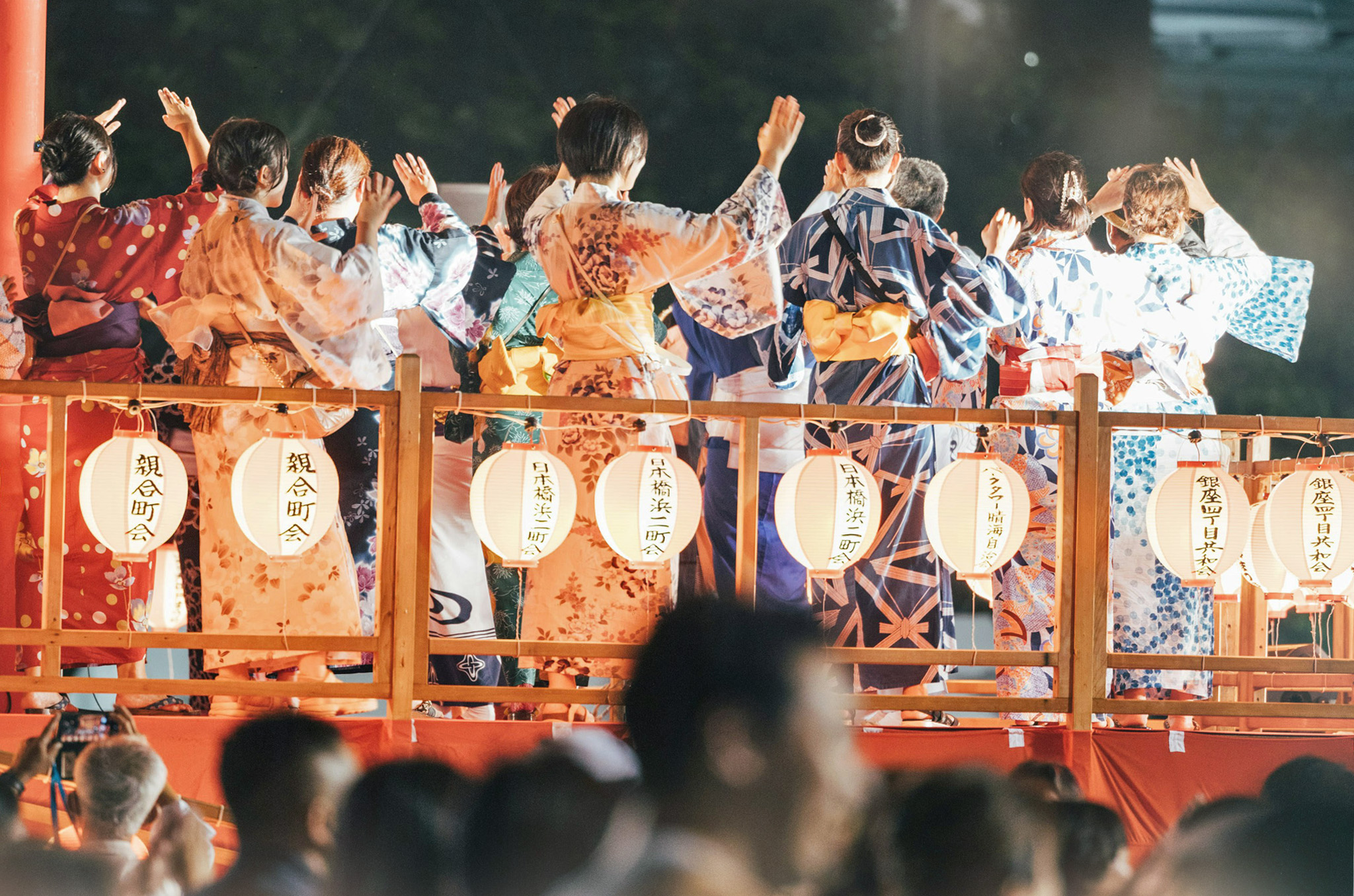
Attending a matsuri (Japanese summer festival) is one of the most vibrant cultural experiences you can have in Japan. With glowing lanterns, the smell of sizzling street food and the beat of taiko drums, the atmosphere is like nothing else.
Because most festivals are hosted on sacred ground or rooted in centuries of community tradition, keeping a few key cultural guidelines in mind ensures a smooth and respectful experience.
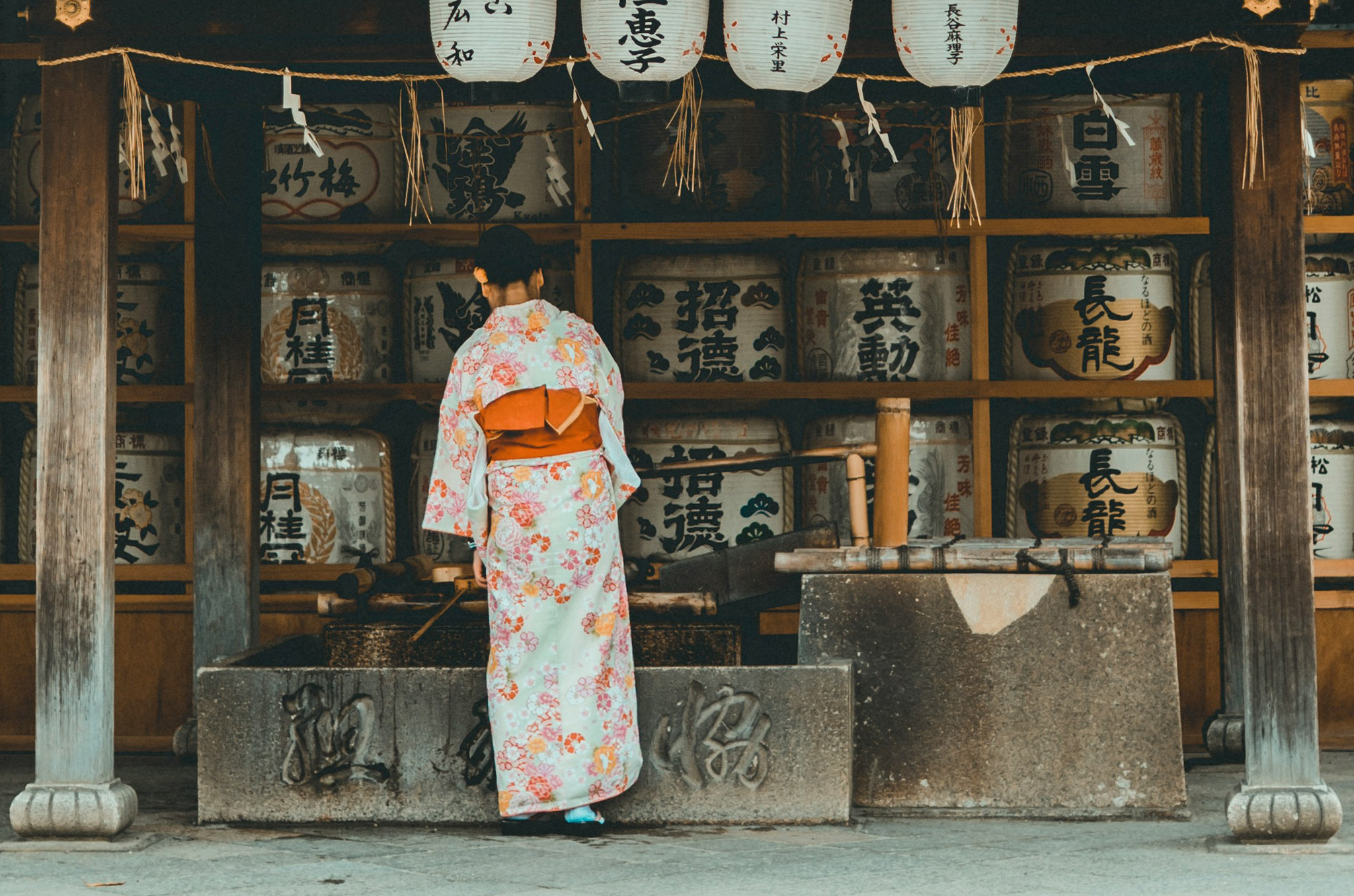
Photo: Redd Francisco
Shrine & Temple Etiquette: Pray First, Feast Second
It’s easy to get distracted by the sparkling lights and food stalls surrounding the grounds, but summer festivals are spiritual celebrations. At shrine or temple festivals (matsuri), proper respect means paying your respects to the deity (kami) or Buddha before heading into the crowd.
As a golden rule, pay your respects first to set the right tone for the evening, then head out to enjoy the festivities.
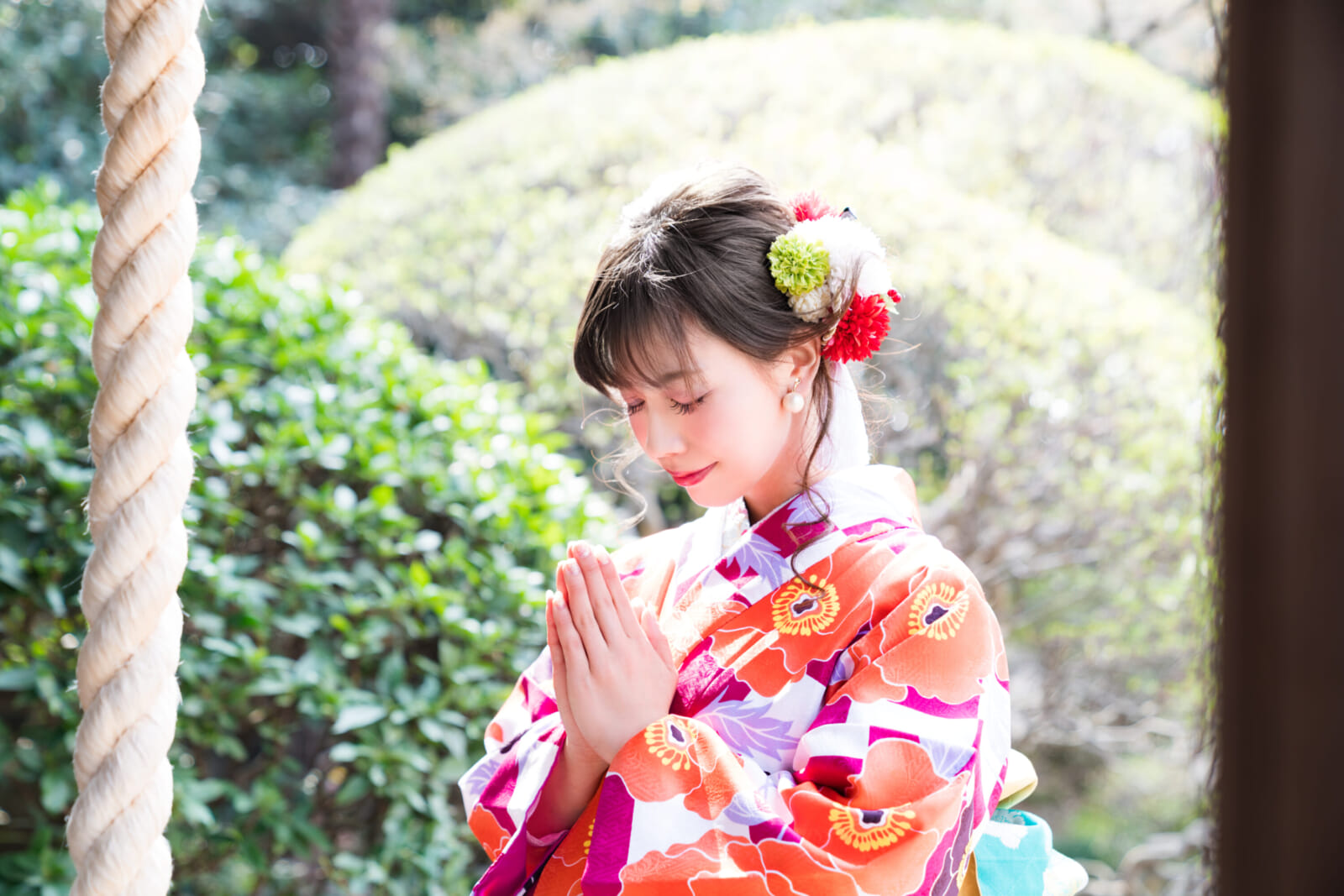
How To Pray Before Celebrating
- Pass Through the Gate: Bow slightly before entering, and walk on the left or right side of the path — the center is reserved for the spirits.
- Purify at the Temizuya (Water Basin):
- Scoop water with the wooden ladle in your right hand and rinse your left hand.
- Switch hands and rinse your right hand.
- Pour a little water into your cupped hand to rinse your mouth (never drink directly from the ladle). Some shrines and temples have prohibited cleansing the month since Covid, so make sure to check for signs.
- Tilt the ladle vertically so the remaining water cleans the handle for the next person.
- The Prayer Ritual: Approach the main hall (honden). Toss a coin into the offering box (a 5-yen coin is considered luckiest because go-en sounds like the word for “good connection”).
- At a Shinto Shrine: Ring the bell if present. Bow deeply twice. clap your hands twice, say your silent prayer and bow once to finish. (Remember: 2 bows, 2 claps, 1 bow).
- At a Buddhist Temple: Do not clap. Simply bow quietly with your hands pressed together in front of your chest.
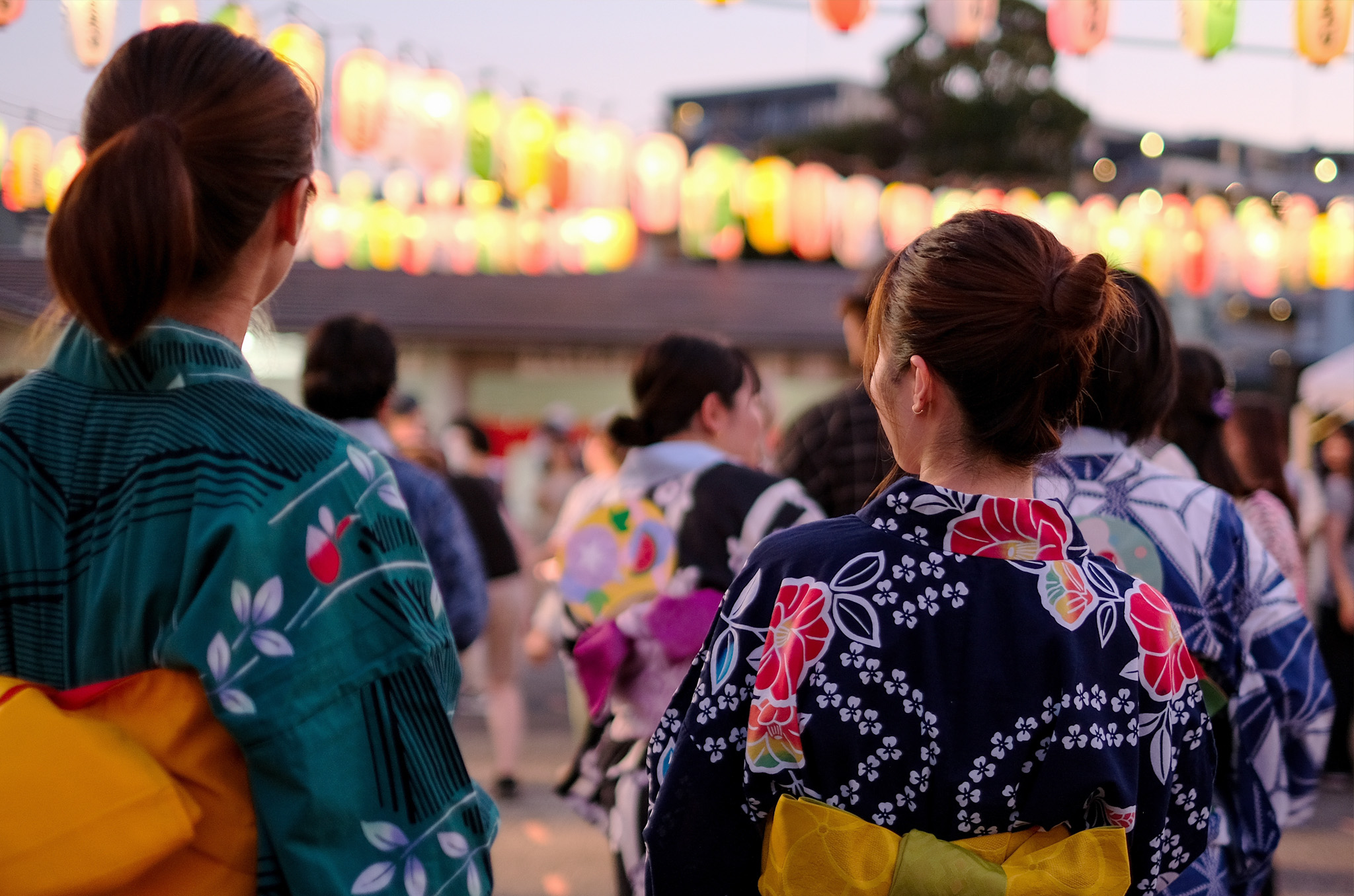
Wearing a Yukata: Style and Comfort
A yukata (unlined cotton summer kimono) is the quintessential summer festival attire. Wearing one makes for incredible photos and helps you feel part of the celebration, but a few details matter:
The Critical Fit Rule
- Left Over Right: Always fold the left side over the right side across your chest.
- Why it matters: Folding right-over-left is strictly reserved for dressing bodies at traditional funerals. Wrapping it left-over-right is an easy mistake to avoid.
Staying Comfortable in the Heat
- Rentals: If you don’t own one, rental shops in major cities offer complete packages, including dressing assistance, obi (sash) tying and geta footwear.
- Undergarments: Cotton yukata can become slightly sheer under bright festival lights. Wear lightweight, sweat-wicking undershirts and shorts beneath it.
- Footwear (Geta): Traditional wooden clogs look fantastic, but new ones can cause blisters between your toes after an hour of walking. Bring band-aids for friction spots, or wear comfortable dark sandals if you plan on standing for long periods.
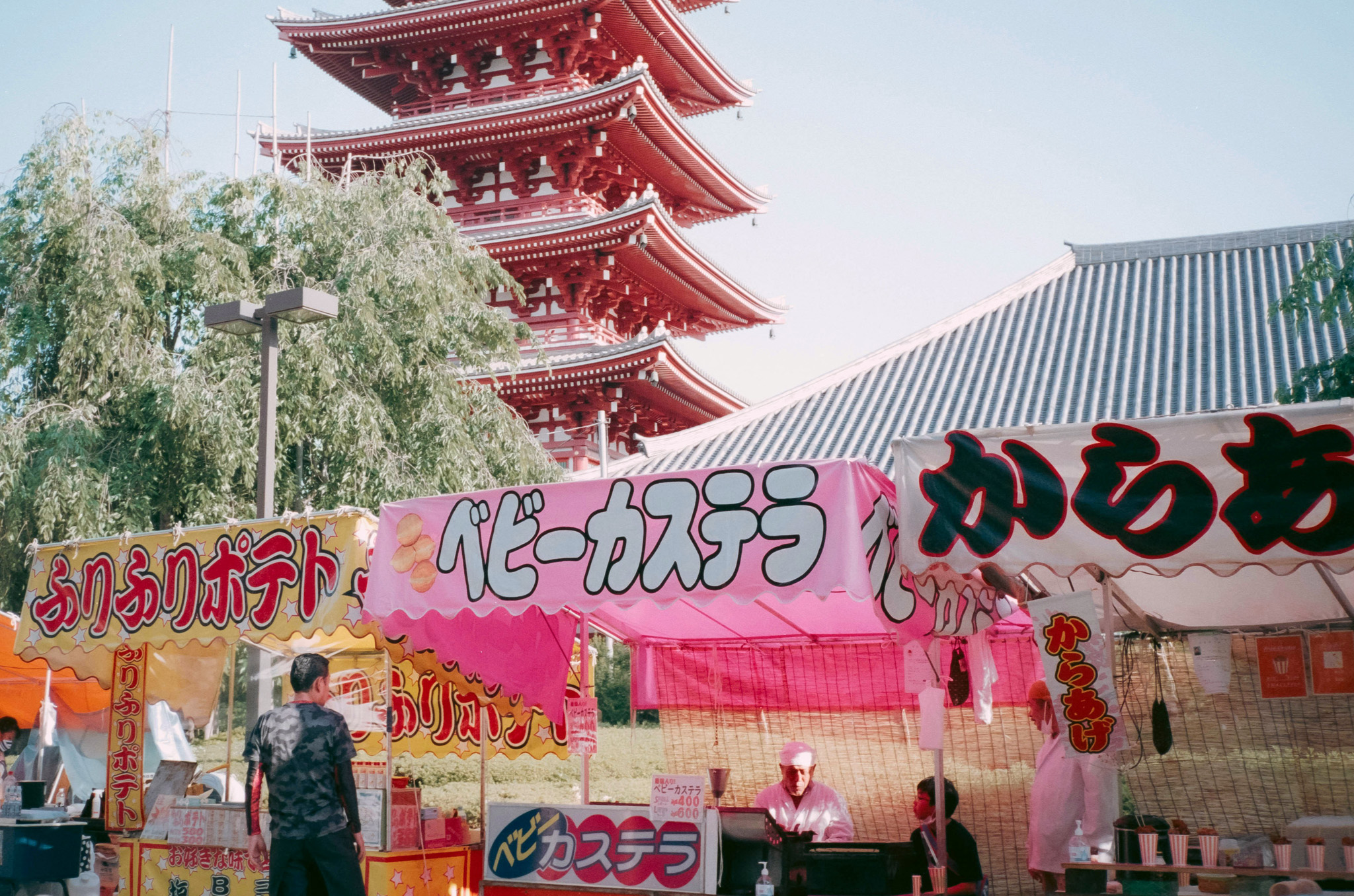
Photo: O. Ozden
Navigating Yatai (Festival Stalls)
The heart of any festival is the row of yatai offering piping-hot street snacks, festival goods and fun games.
Yatai Tip: A lot of stalls operate strictly on cash — keep 100-yen coins handy!
Essential Street Foods to Try
- Yakisoba: Savory stir-fried noodles tossed with cabbage, pork and a savory sauce on a flat-top grill.
- Takoyaki: Crispy on the outside, gooey on the inside batter balls filled with octopus, topped with sauce, mayo and fluttering bonito flakes.
- Kakigori: Finely shaved ice piled high with colorful syrups like melon, strawberry or Blue Hawaii, sometimes topped with condensed milk.
- Choco-Banana: A whole frozen banana dipped in milk or strawberry chocolate and covered in sprinkles.
- Ikayaki: Charcoal-grilled whole squid brushed with soy sauce and mirin glaze.
Classic Festival Games (Ennichi Yatai)
Street stalls aren’t just for eating — classic game stalls line are full of nostalgic fun:
- Kingyo Sukui (Goldfish Scooping): Try scooping live goldfish into a bowl using a poi (a thin paper paddle) before it dissolves in the water. (If you catch any, feel free to politely decline taking them home if you can’t keep them!)
- Super Ball Sukui: A kid-friendly version of goldfish scooping where you fish out brightly colored rubber bouncy balls instead. Aim for the smaller balls first — the heavy ones tear your paper net fast.
- Shateki (Shooting Gallery): Test your aim with a cork rifle to knock candy, retro toys or anime figures off wooden shelves.
- Yo-Yo Tsuri (Water Balloon Fishing): Use a delicate twisted-paper hook to snag the rubber loops of floating, water-filled balloons without breaking the paper line.
Food & Crowd Etiquette
- Notes on Eating While Walking (Tabe-aruki): In crowded Japanese festival spaces, eating while walking isn’t uncommon, but holding hot skewers or dripping ice can ruin someone’s outfit (especially delicate yukatas). If you can, eat near the stall or step into a designated sitting/standing zone out of foot traffic.
- Bring Cash: Almost all yatai operate exclusively on cash. Bring 100-yen and 500-yen coins to make transactions easy for vendors.
- Pack Your Own Trash Bag: Trash cans can be few and far between at festival grounds. Bring a small plastic bag to store your trash until you find a designated disposal station or return home.
Related Posts
- The Best Summer Festivals in Tokyo This Month: August 2026
- The Ultimate Guide to Summer Festivals in Tokyo
- Heat Waves Force Japan’s Beloved Summer Festivals To Change Seasons
Updated On July 27, 2026