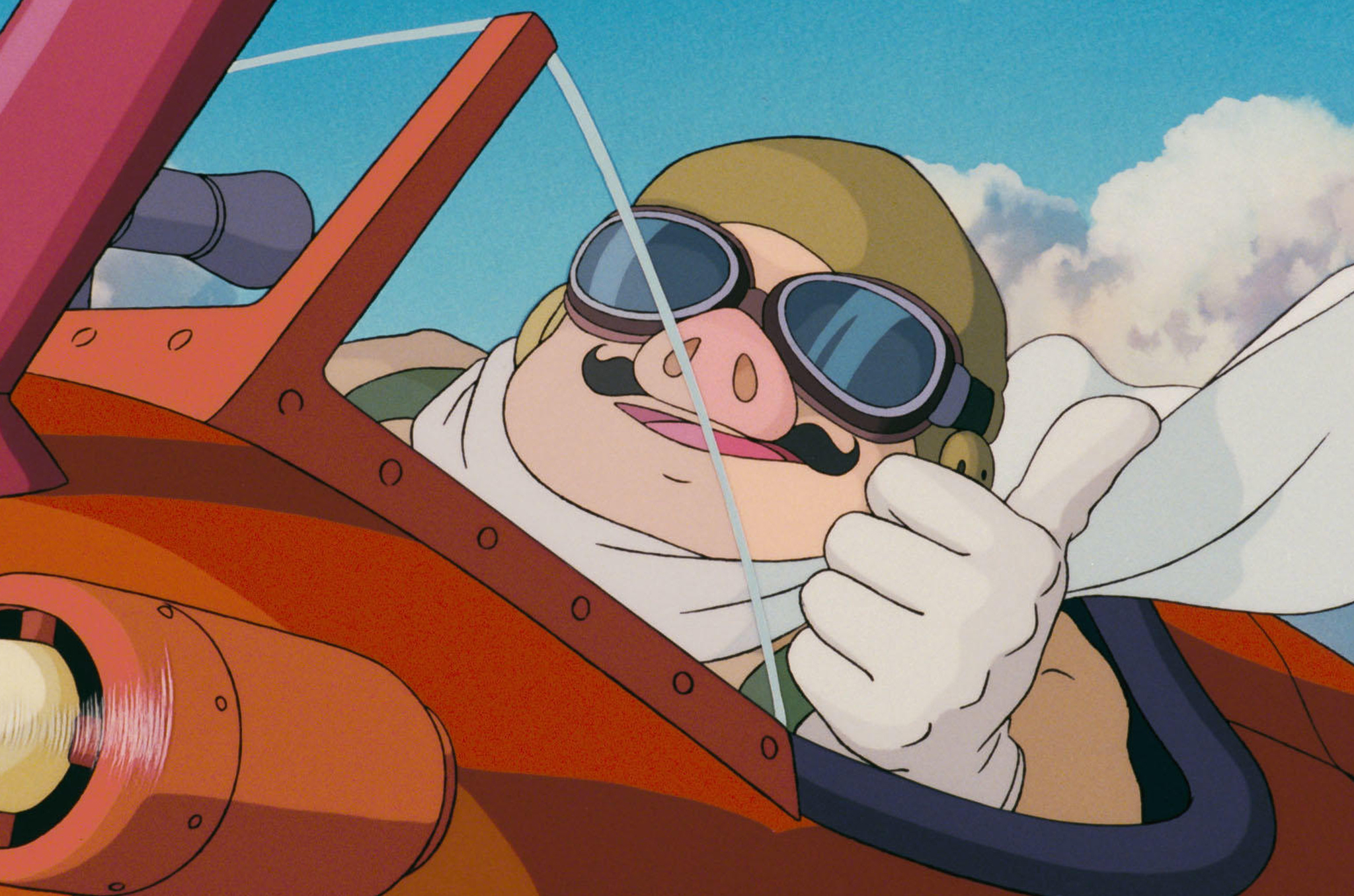
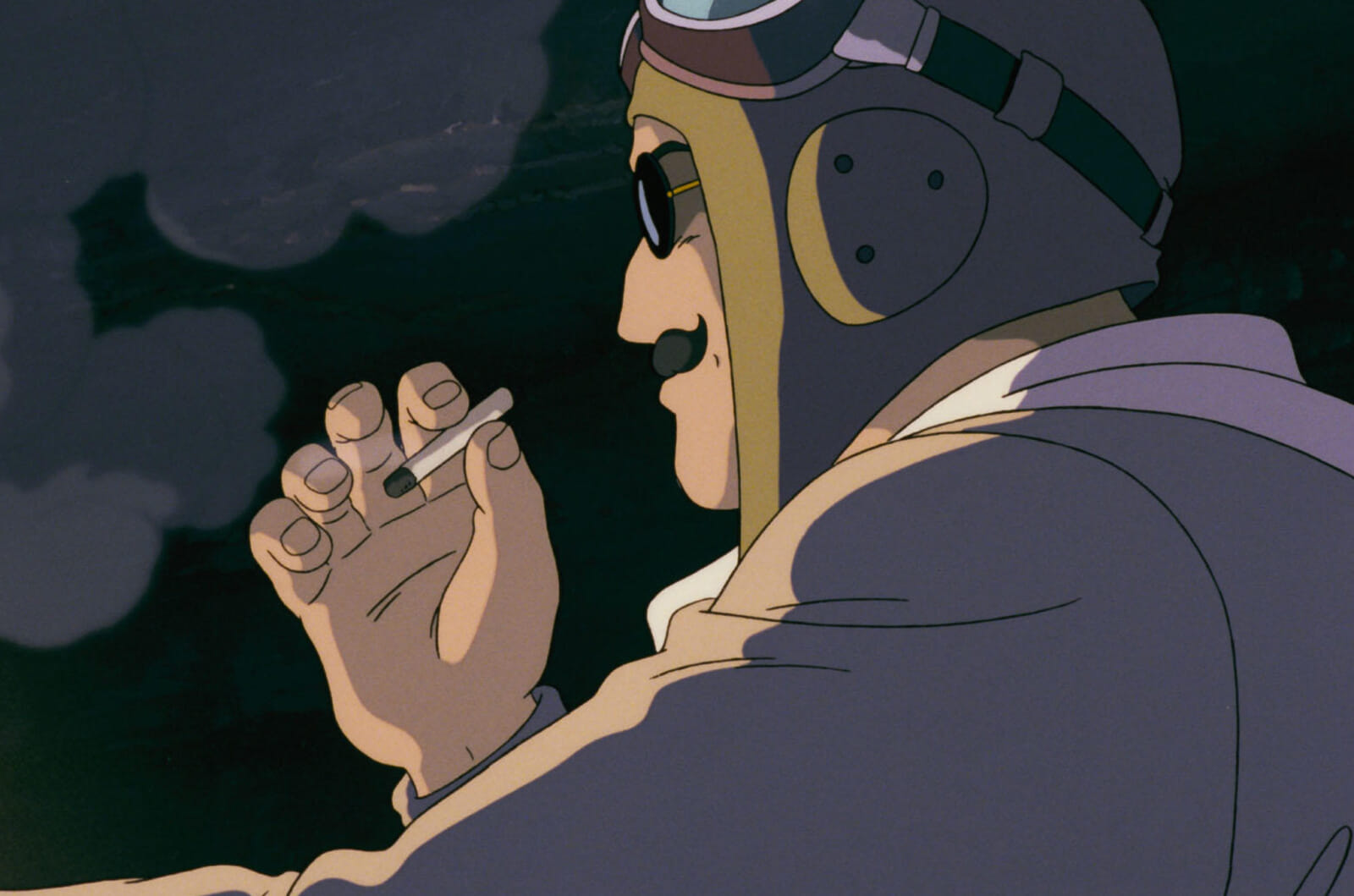
During his last visit to Japan, French president Emmanuel Macron received a surprising gift: a framed animation cell from the 1992 Studio Ghibli anime Porco Rosso. It was signed by the movie’s director and writer Hayao Miyazaki himself and showed the titular hero: an ace fighter pilot… who also happens to be a humanoid pig. Was Miyazaki calling President Macron names because he’s married to his high school teacher? Or perhaps there’s a deeper meaning represented specifically by Porco Rosso that Miyazaki wanted Macron and the western world to take to heart? Let’s examine it:
© Studio Ghibli (via ghibli.jp)
The Movie Skillfully Explores the Insidious Nature of Fascism
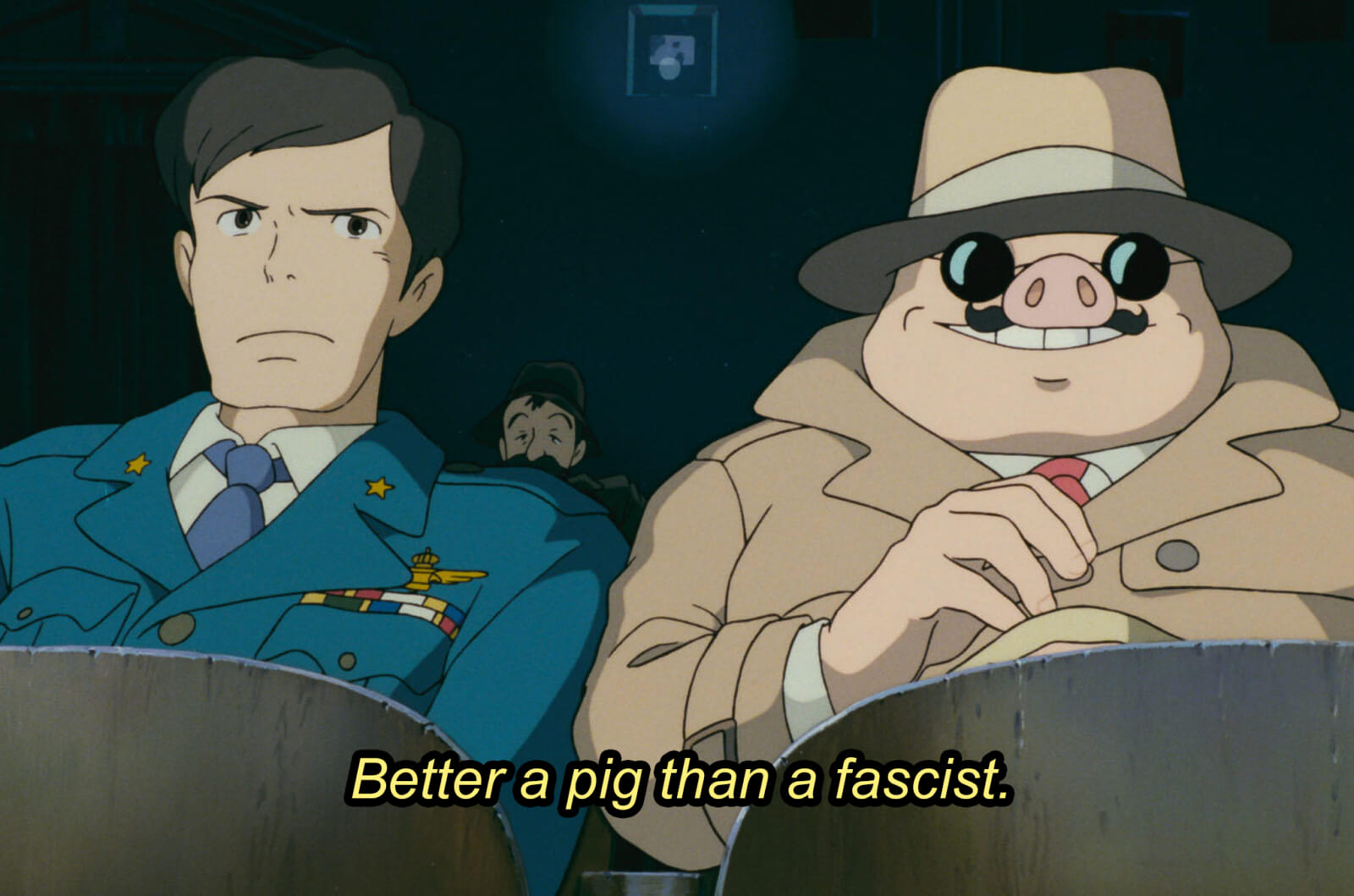
Possibly the most famous scene from Porco Rosso, or at least the one that circulates social media every few months, is that of Porco in a movie theater, telling a human character: “Better a pig than a fascist.” Even when separated from all possible context, these simple words resonate with audiences because of their colorfully unambiguous rejection of authoritarian ideology.
To be fair, Porco Rosso isn’t really a movie about fighting fascism but it does have a few things to say about it, like how it only works when people let it in (not unlike with vampires.) The man that the porcine hero talks to in the cinema scene is Ferrarin, an old friend of Porco and by all accounts a good man who tries to protect his buddy from the authorities and goes out of his way to help him.
However, he is also an officer in the Italian Air Force, currently under control of the National Fascist Party. He isn’t out there murdering women and children but he is quietly supporting an ultranationalist political ideology. We don’t know his reasons. Maybe he doesn’t want to make waves. Maybe he thinks he can fight it from the inside. But no matter his justification, he’s now an active part of the fascist machine. And people like him are what make it go.
It’s like people only ever hear parts of the fascist creed that they agree with. Everything else “they don’t really mean” or “they wouldn’t really do that.” So, they go along with the flow. Inch by inch, they let the fascists in. And once they realize that fascists DID mean everything they said, it’s often too late to keep innocents from being hurt. That’s why it’s important to fight them at every step, especially when you’re afraid to.
© Studio Ghibli (via ghibli.jp)
Bravery Can Only Exist in the Presence of Fear
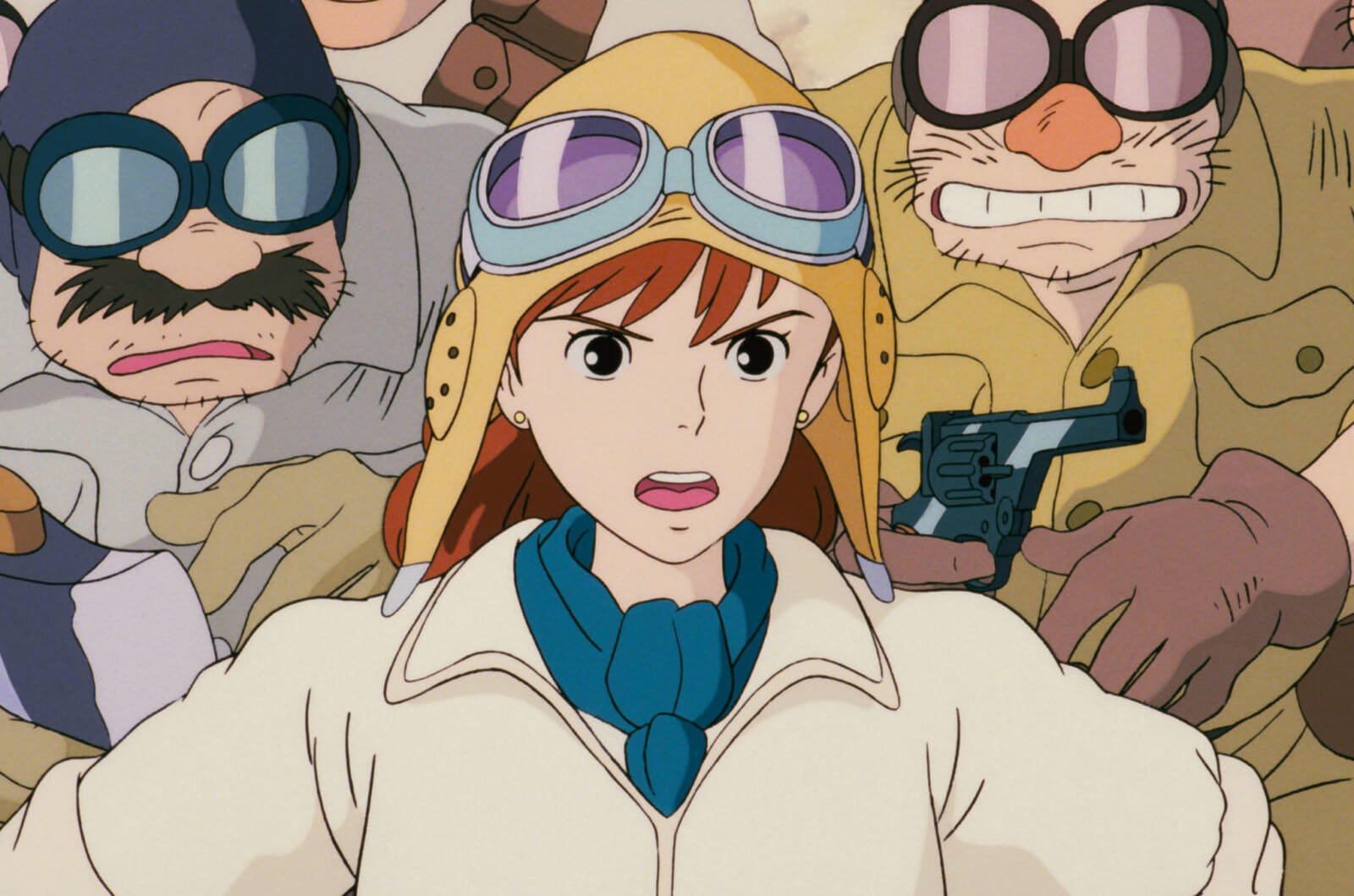
The emotional heart and soul of Porco Rosso is the talented young engineer Fio Piccolo, who rebuilds Porco’s iconic red airplane and later accompanies him to his hidden base in the Adriatic. That’s when they’re set upon by pirates with a grudge against the bounty hunting pig. Their plan is to smash his plane and lynch Porco before young Fio lays into them.
The character was introduced as a very confident but upbeat young woman. During the pirate confrontation, though, she really let go. She berated the pirates about ganging up on one person, masterfully stroked their egos a bit about how seaplane pilots are the bravest, most noble airmen out there, and generally played them like a fiddle. By the end, the pirates agreed to have the American flying ace Donald Curtis (who fought Porco before) have another crack at the flying pig in a more sportsmanlike flying competition.
And then, once the pirates left, Fio almost broke down. She was shivering and on the verge of tears. All that bravado we just saw? That was for show. On the inside, she was terrified that a bunch of thugs were about to kill her new friend. That was the moment that Fio became the bravest character in the movie. Porco and Curtis are fearless aviators when in their planes but bravery is not the absence of fear. It’s doing the right thing WHEN you’re scared out of your mind. In light of ongoing global protests against authoritarianism, which have cost innocent people their lives, this part of the movie hits especially hard now.
© Studio Ghibli (via ghibli.jp)
To Care Is To Be Human
In Porco Rosso, the main character was once human but turned into a pig for reasons that are never fully explained. In the end, though, it’s implied he reverted back to his old self after he started caring again.
For most of the movie, Porco refers to himself as a “pig” to put himself down like “I’m a pig. I don’t fight for honor. I fight for a paycheck.” He doesn’t even especially care about fascists. He just wants to be left alone. He only snaps out of this mindset after deciding to abandon his duel with Curtis — who was never his real enemy — and lead the incoming Italian Air Force away from the people of the Adriatic. In that moment, the shocked Curtis repeatedly asks to get a closer look at Porco’s (presumably now changed) face, seemingly tying into a previous line about how Porco is a pig “because [he] gave up on being human.”
Porco had an experience in WWI that can be read as cowardice, survivor’s guilt or trauma. Something made him callous inside, but not caring, especially about politics, is a, well, beastly thing. It’s selfishness that allows an ugly thing like fascism to rear its ugly head. Porco, of course, isn’t singlehandedly responsible for the rise of Mussolini. But his attitude, together with that of Ferrarin, is what helped pave the way for people like him.
So, by the end, Porco changes. Definitely on the inside, possibly on the outside. Because caring is a human trait, one that we must cultivate while also being brave despite our fears like Fio. Is that what Miyazaki wanted to tell Emmanuel Macron? We’ll never know. But it is a good excuse to rewatch Porco Rosso. It (kind of unfortunately) feels all too relevant right now.