
There is an old adage that warns: “You should never meet your heroes.” The fear, of course, is that the human reality will fall short of the larger-than-life figure you have built up in your mind. But every so often, an encounter completely upends that expectation.
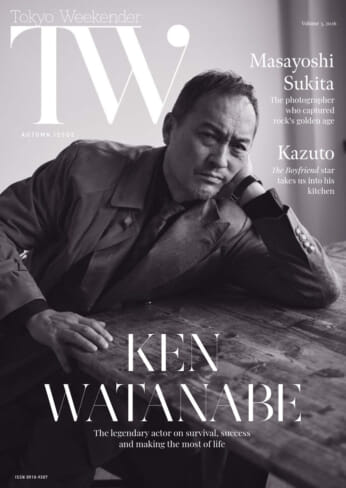
For me, our interview with Ken Watanabe for this issue was one of those rare, unforgettable moments. I have been a massive fan of his ever since I first saw him onscreen in The Last Samurai. Meeting him in person was an absolute privilege, and I am happy to report he did not disappoint. From his early days navigating the challenges of Japanese cinema to his breakthrough in Hollywood and his stage turns on Broadway, Watanabe speaks about his craft with a freedom, humility and perspective that only a lifetime of extraordinary experiences can bring. As he candidly shares in our interview, he views his long career as “a bonus given to me by God” — a sentiment that brings incredible depth to every role he inhabits.
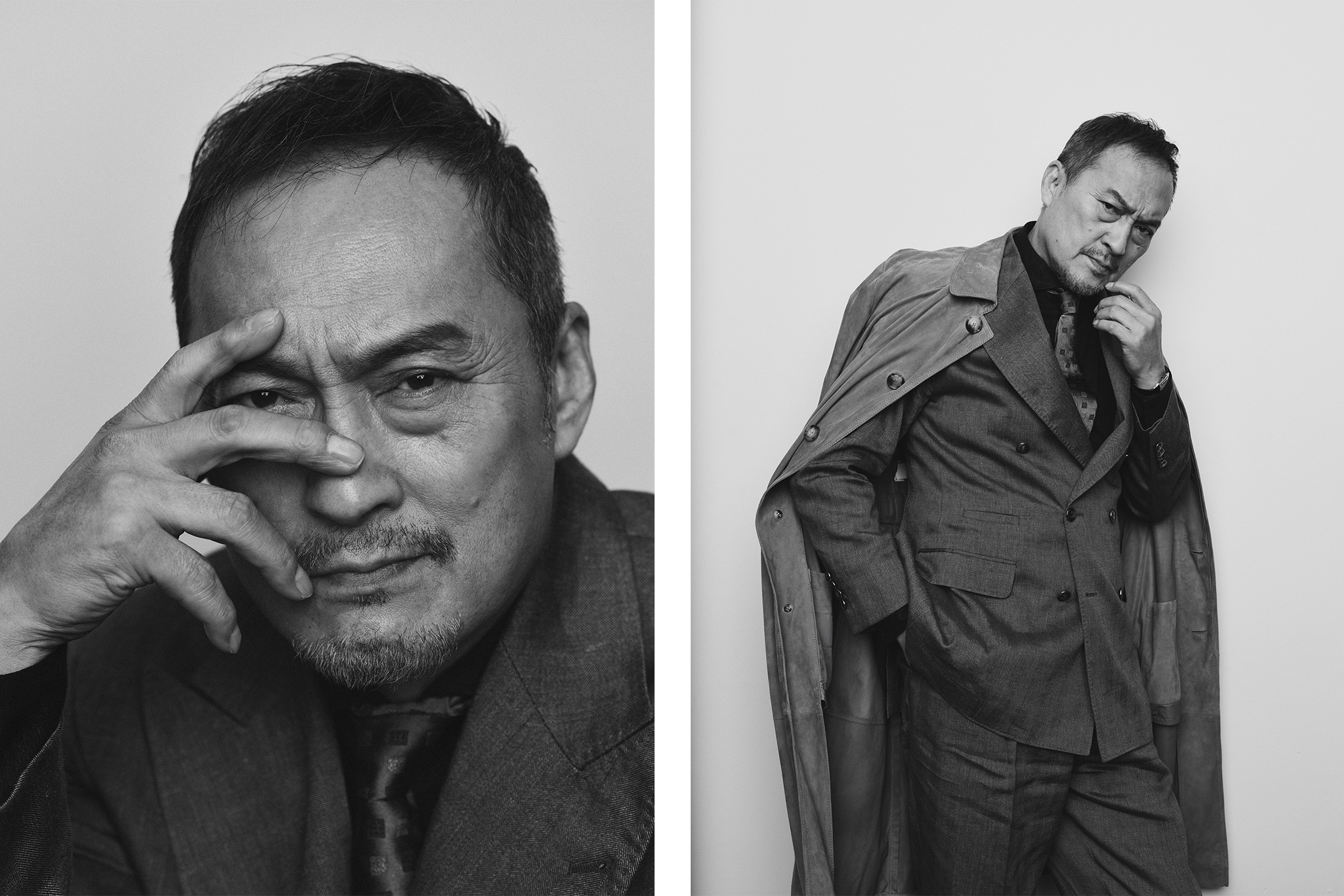
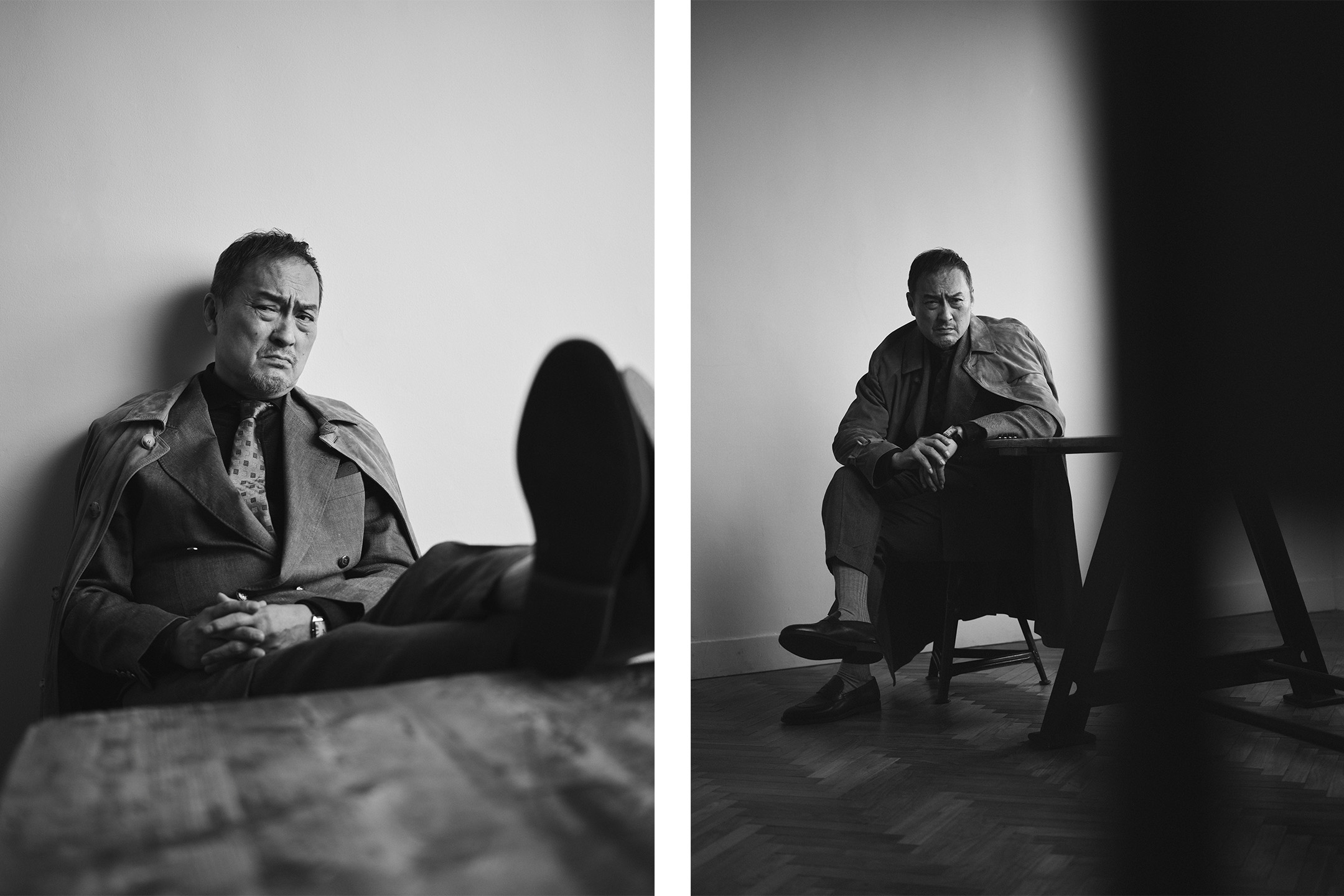
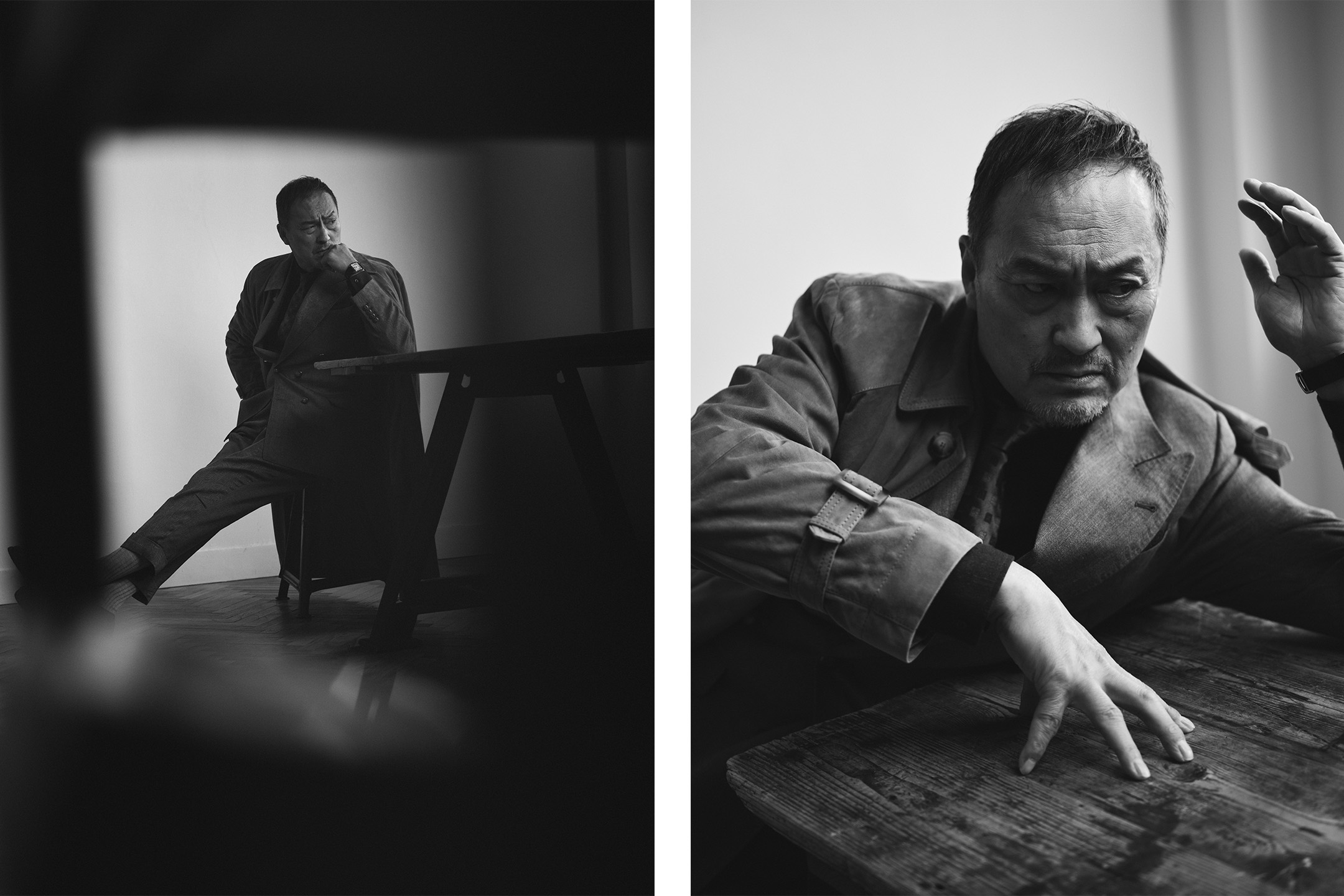
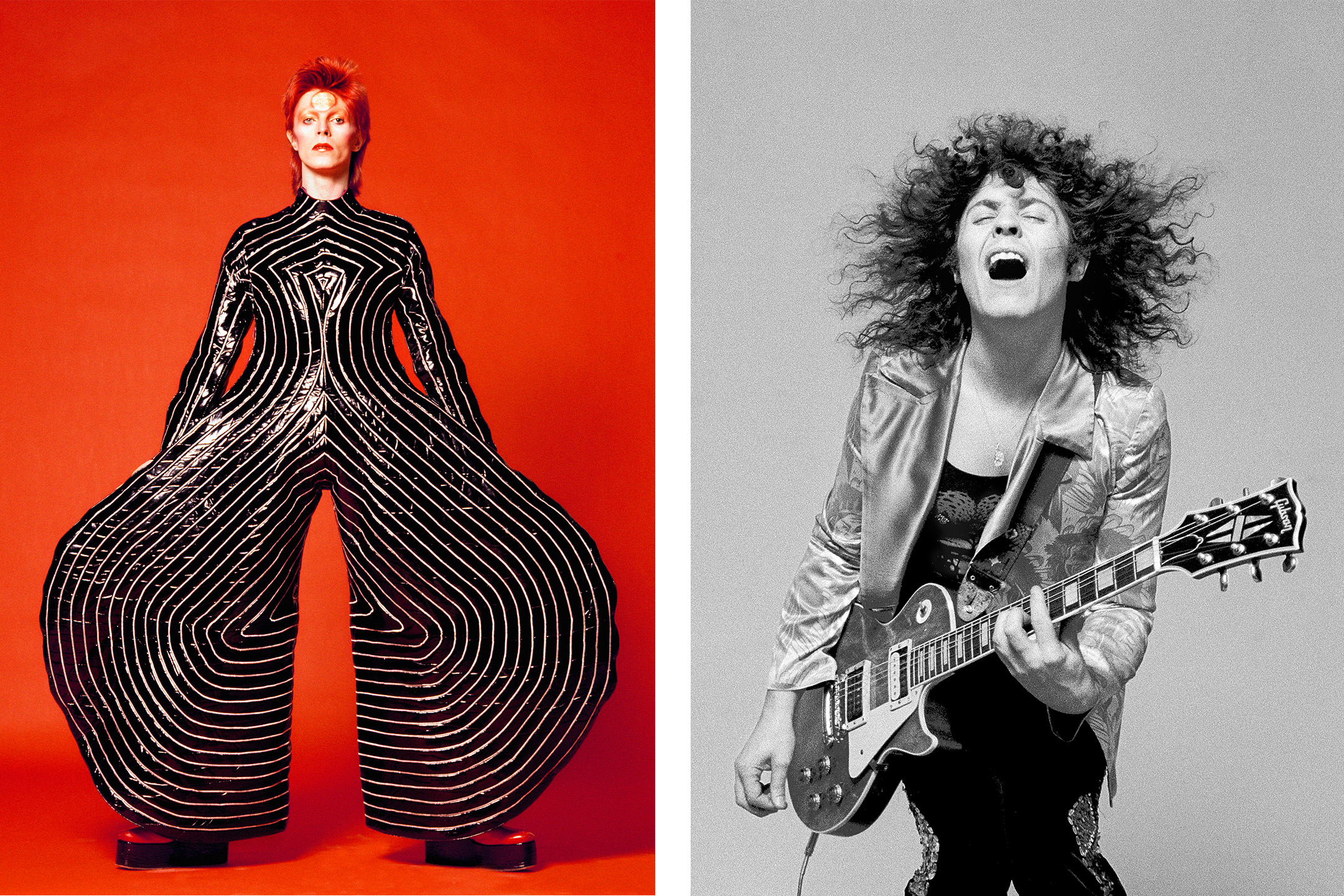
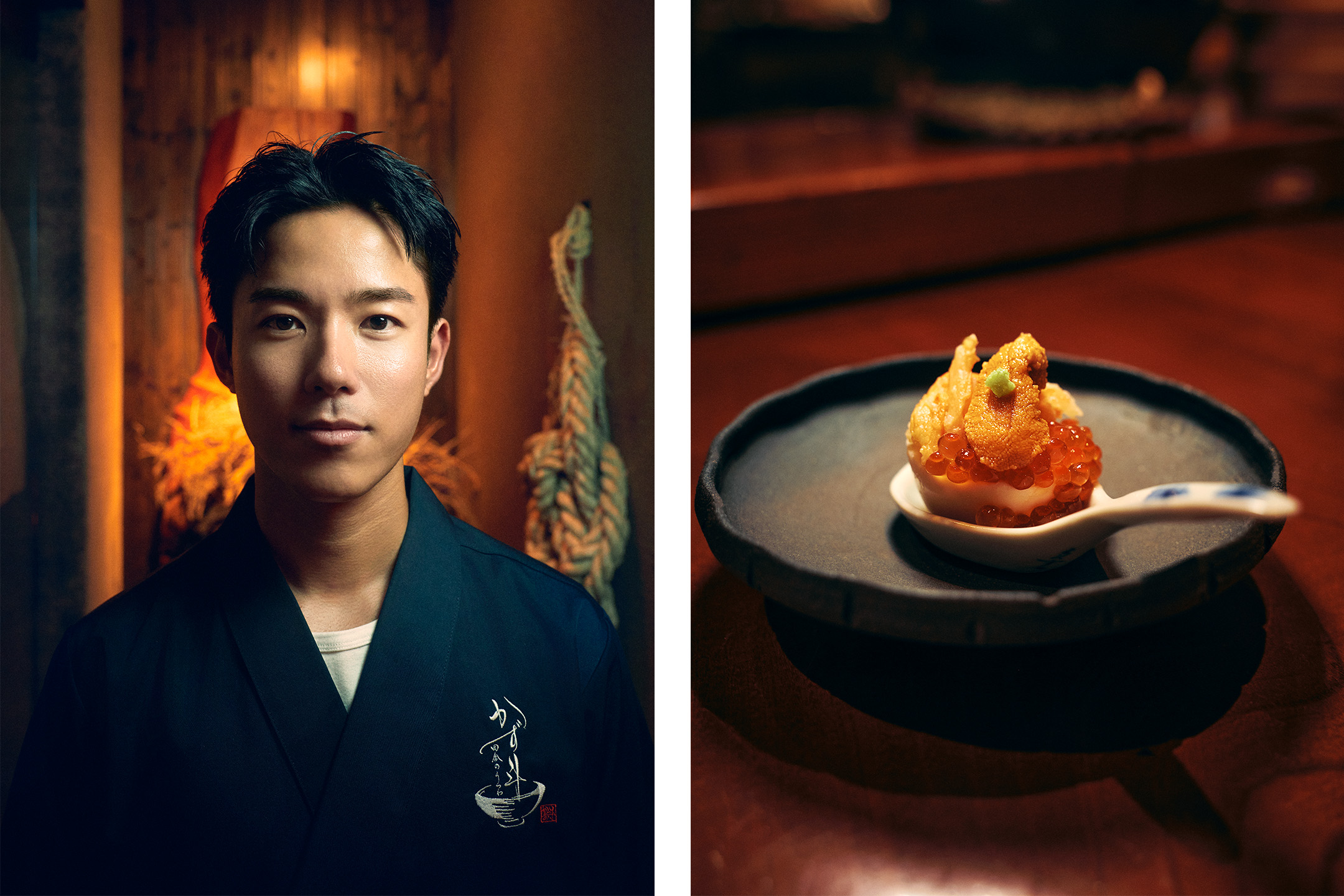
Watanabe’s story sets the tone for an autumn issue filled with remarkable individuals shaping Japanese culture in their own unique ways. We sit down with legendary photographer Masayoshi Sukita, who reflects on an extraordinary 50-year career capturing iconic images of David Bowie, Iggy Pop and T. Rex. We also meet The Boyfriend breakout star Kazuto Kasahara, who takes us inside his new Shinjuku restaurant celebrating the comforting flavors and farm-fresh rice of his Niigata roots.
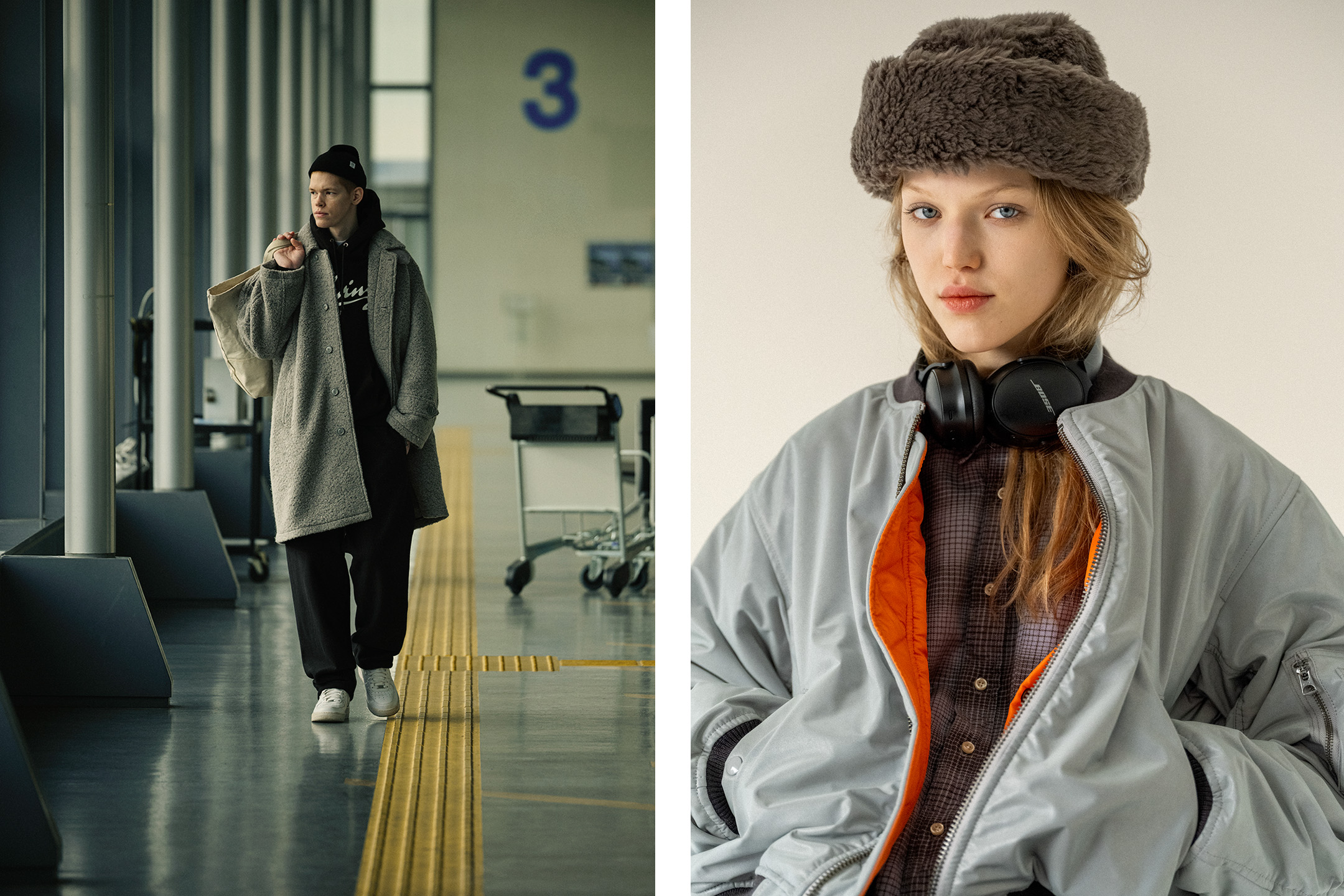
In fashion and art, we catch up with my good friend Masafumi “Bebetan” Watanabe, the creative genius behind streetwear pioneer Bedwin & the Heartbreakers, as he reflects on subcultural roots and two decades of enduring style. Designer Jakarie Whitaker of Hikari no Yami shares how he turned a passion for Japanese philosophy into an avant-garde label bridging New York and Tokyo. Meanwhile, artist Tomoko Sawada discusses using self-portraiture to explore the boundary between appearance and identity, while Manami Okazaki explores the craftsmanship and Edo-era history behind traditional Japanese tattooing.
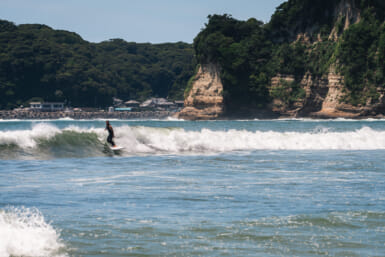
Our journey continues as illustrator Ema Gaspar brings her whimsical plant characters from sketchbooks to global fashion campaigns, and Wahei Aoyama, founder of A Lighthouse called Kanata, champions overlooked Japanese artists on the global stage. We also travel to the lush valleys of Chiba’s Isumi region and the coastal retreat of Seven x Seven Itoshima, before sitting down with jazz trumpeter Takuya Kuroda as he reflects on two decades in New York and the simple discipline of showing up for your craft every single day.
We hope you enjoy the issue.
Updated On September 29, 2026