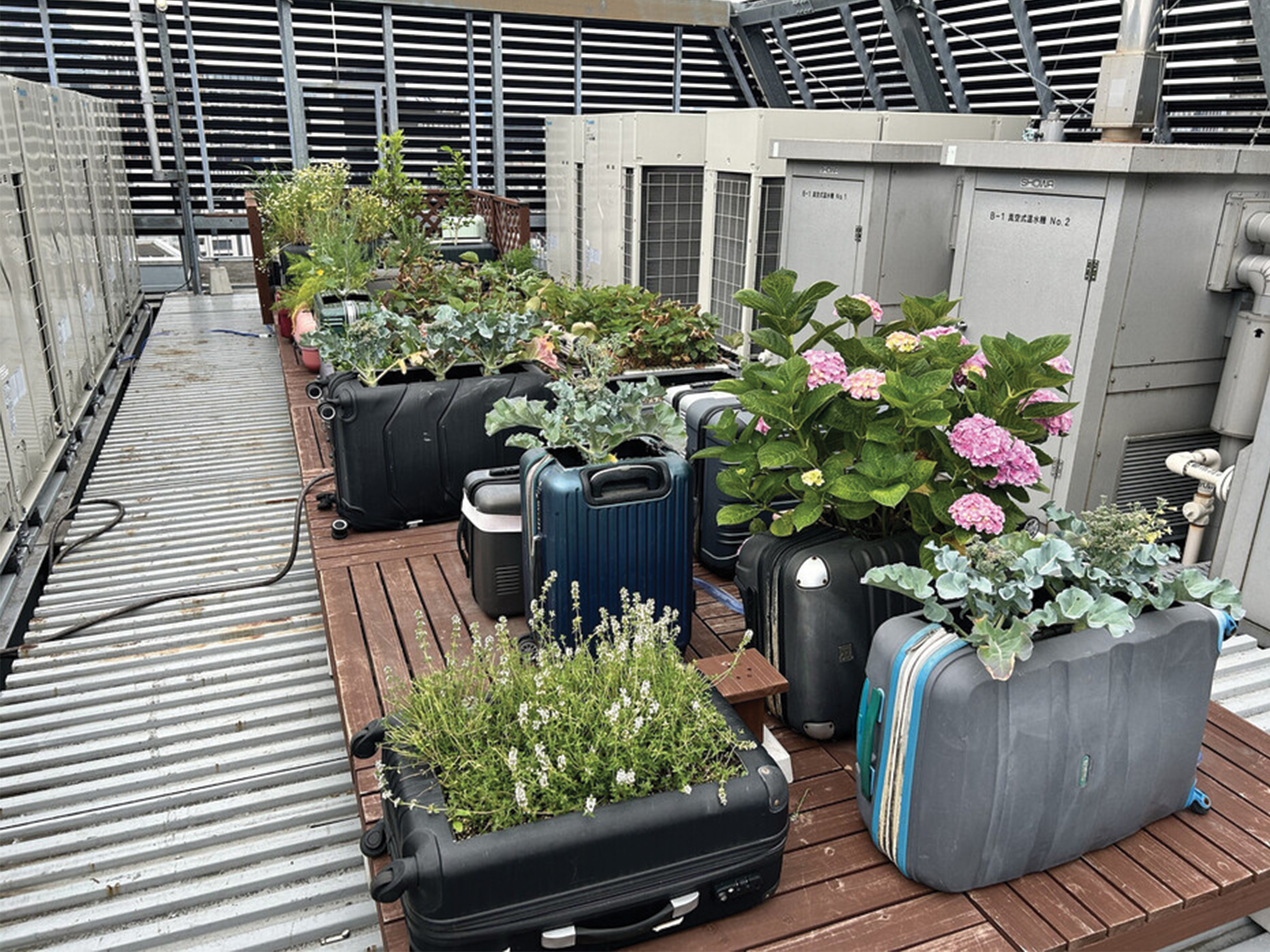
Luggage left behind by a hotel guest might normally end up forgotten in storage or headed for disposal. In Tokyo, some are taking root instead. At the Niwa Hotel Tokyo, abandoned suitcases are being transformed into planters, where cucumbers, herbs and other crops now grow on the hotel’s rooftop.
From Coffee Sacks to Suitcases
Initially, the rooftop garden used burlap sacks that had previously been used to hold coffee beans as planters. However, the sacks were not durable enough, and soil would leak out through the fabric, making them unsuitable for growing vegetables. That’s when the hotel turned its attention to suitcases that guests had left behind.
“Since the end of the COVID-19 pandemic, the number of visitors to Japan has started to increase, and we’ve noticed a rise in suitcases being left behind,” said Niwa Hotel Tokyo General Manager Kazuya Okawa. About 90% of the hotel’s guests are foreigners, with roughly 10 suitcases left behind each month, he noted.
The Hidden Cost of Leaving Luggage Behind
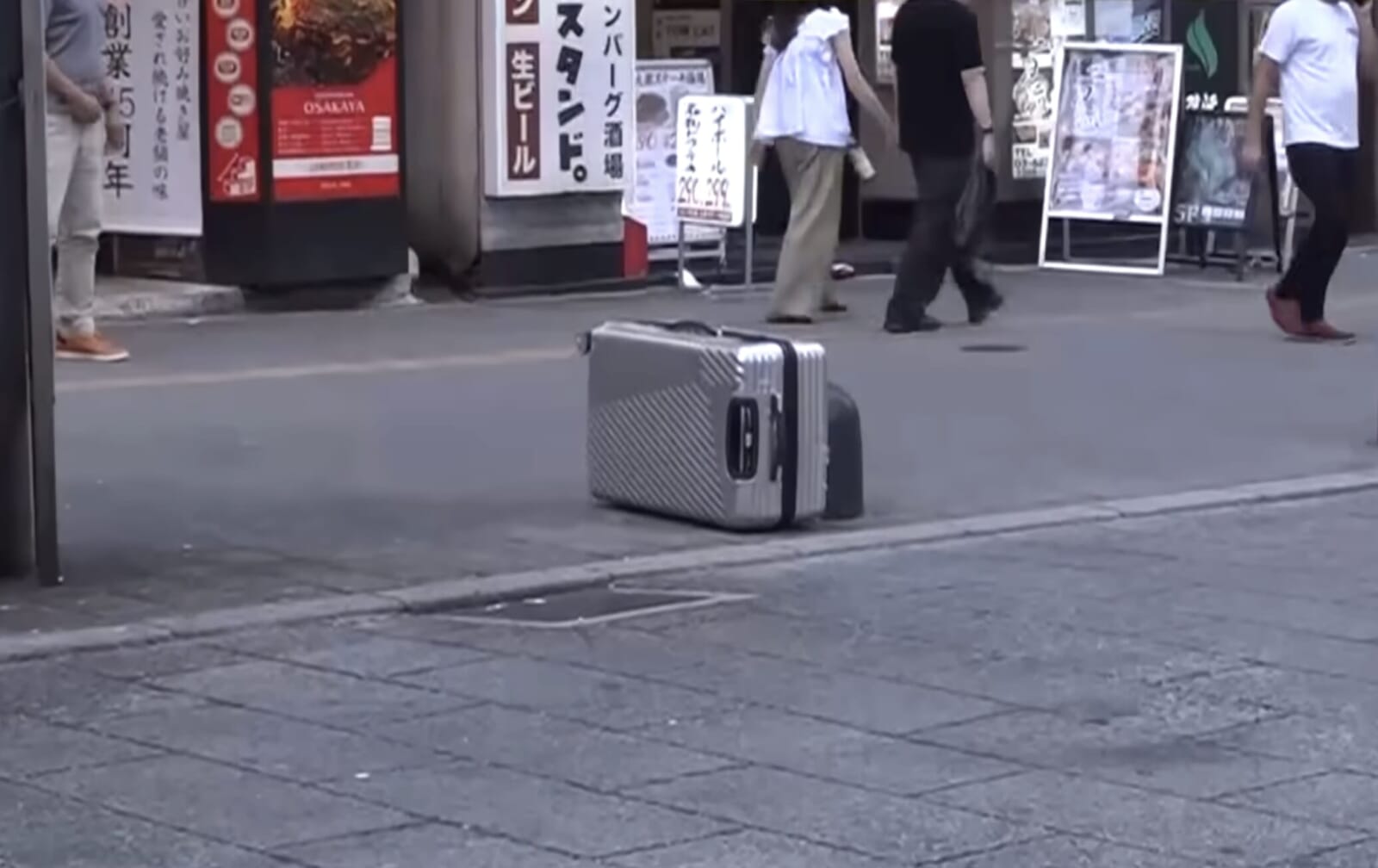
In Tokyo, suitcases are classified as sodai gomi (oversized garbage), meaning they cannot be thrown into standard public trash cans. To properly dispose of them, tourists must navigate Japanese-language systems, book a municipal pickup appointment weeks in advance and purchase specialized disposal stickers at local convenience stores. Faced with the hassle, some visitors simply leave their bags behind.
Unauthorized suitcase abandonment has become a growing social and logistical problem in Japan in recent years, particularly as the country continues to see a surge in international tourism. Suitcases cannot simply be discarded on private premises; they must be treated as “lost property,” placing a significant legal, financial and operational burden on both businesses and local authorities.
If a bag is deemed safe but remains unclaimed, Japanese law requires it to be handed over to the police and stored for up to three months as lost property. Airports and police stations are increasingly struggling with limited storage space, as they must catalog, track and store thousands of large, abandoned bags.
Tokyo Hotels Struggle With Abandoned Suitcases
If a guest leaves a suitcase in their room after checking out, a hotel cannot legally assume it was intentionally discarded. Staff must spend hours contacting the guest to determine whether it was forgotten. If the guest confirms they no longer want it or fails to respond, the hotel must cover the municipal sodai gomi disposal fee.
Niwa Hotel Tokyo’s suitcase garden is not a solution to the wider problem of abandoned luggage in Japan, nor does it address the costs and legal complications faced by businesses. But by repurposing bags that would otherwise become another disposal burden, the hotel has found a clever way to turn an unwanted item into something useful.