In October 2022, Tokyo’s official tourism site declared the fully private sauna one of the city’s latest trends. Barrels were appearing on Tokyo rooftops and tents beside pools and at outdoor events; the sauna had escaped the sento and become something you could rent by the hour and pack away when you were finished.
Four years later, the sauna boom continues — this October, Roppongi is even getting Sauna Mother, something of a Freudian wet dream that promises to return sauna-goers to the womb. But that niche venture won’t be the only new arrival on Tokyo’s sauna scene. After years of rapid expansion, careful consideration and one fatal fire, the capital is getting something else, too: updated fire codes and stricter safety rules.
On September 11, the Tokyo Metropolitan Government announced an amendment to its Fire Prevention Ordinance that would split sauna equipment into two categories: “general sauna equipment” and a newly defined class of “simplified sauna equipment.” The bill is scheduled to enter the Metropolitan Assembly when its third regular session opens on September 18, with legislation set for a final vote on October 8.
The change sounds like a crackdown, but for much of the outdoor sauna industry, it’s closer to the opposite. Japan’s existing fire rules assumed a sauna was a permanent heated room inside a bathhouse, hotel or similar building. Once operators began squeezing stoves into canvas tents and wooden barrels, those standards became awkward and counterproductive. Businesses told the Fire and Disaster Management Agency that projects had been abandoned because they could not satisfy the required distances between the stove and combustible surfaces.
Which Saunas Actually Count?
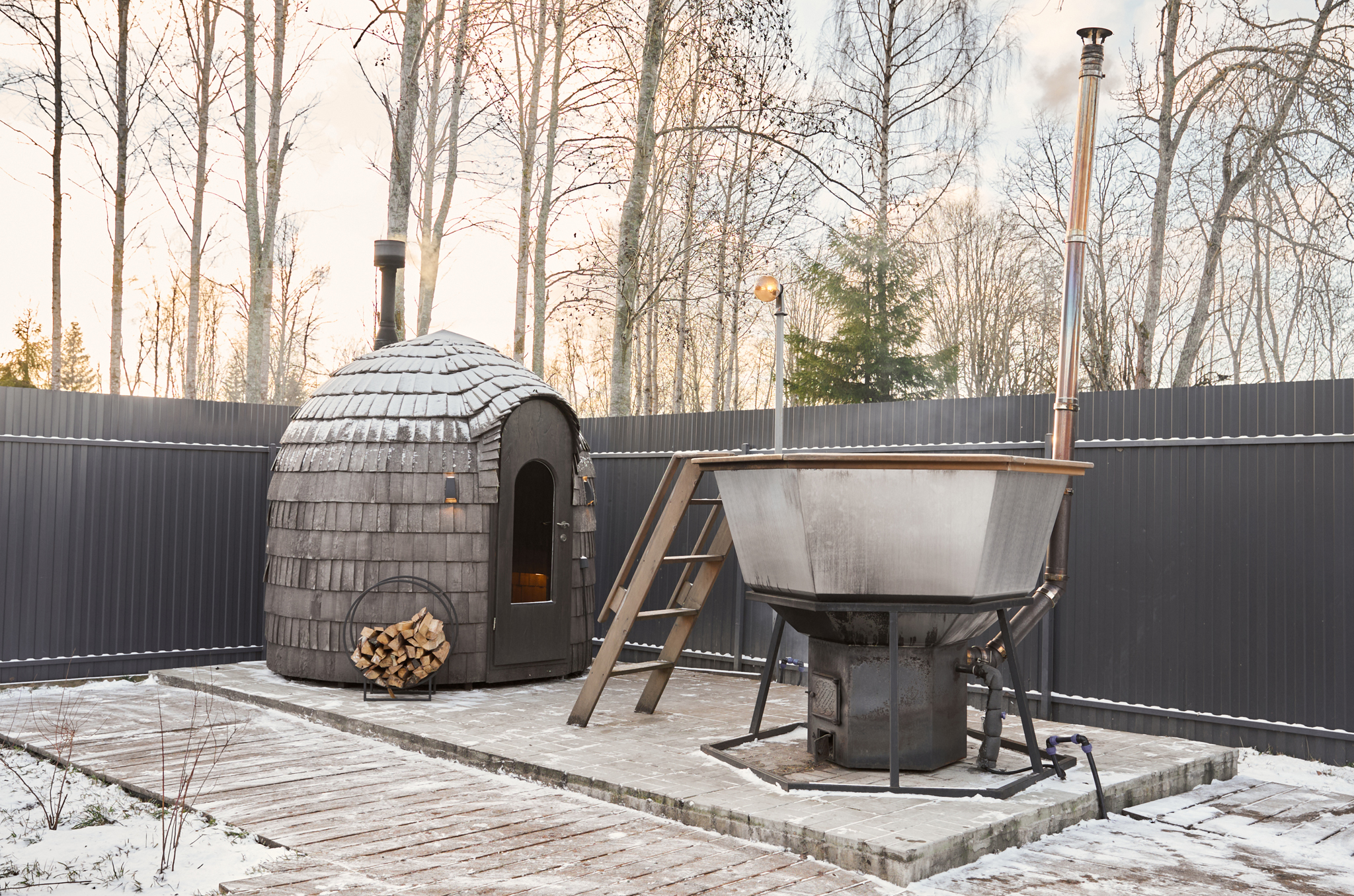
“Simple” does not mean small. Under the proposed ordinance, the new category applies only to tent saunas and cylindrical wooden barrel saunas installed outdoors or somewhere directly exposed to outside air. They must use wood or electricity, have a rated output of 6 kilowatts or less and contain only one sauna stove.
That draws a surprisingly clean line through the sauna boom. A qualifying rooftop barrel can be a simplified sauna. So can a commercial tent sauna hauled out for an outdoor event. An indoor one-person booth, however, cannot. Neither can private rooms because customers rent them alone or by the hour.
For the tents and barrels that do qualify, the biggest change concerns how close the stove can sit to everything around it. Existing standards were based on keeping nearby combustible surfaces below roughly 100 degrees Celsius, accounting for the risk created by repeatedly heating the same materials over long periods. The FDMA found that low-powered outdoor tents and barrels behave differently and can safely use shorter clearances to prevent surrounding material from reaching ignition temperatures. In practical terms, that makes it considerably easier to fit a stove inside a structure that may barely have room for the people using it.
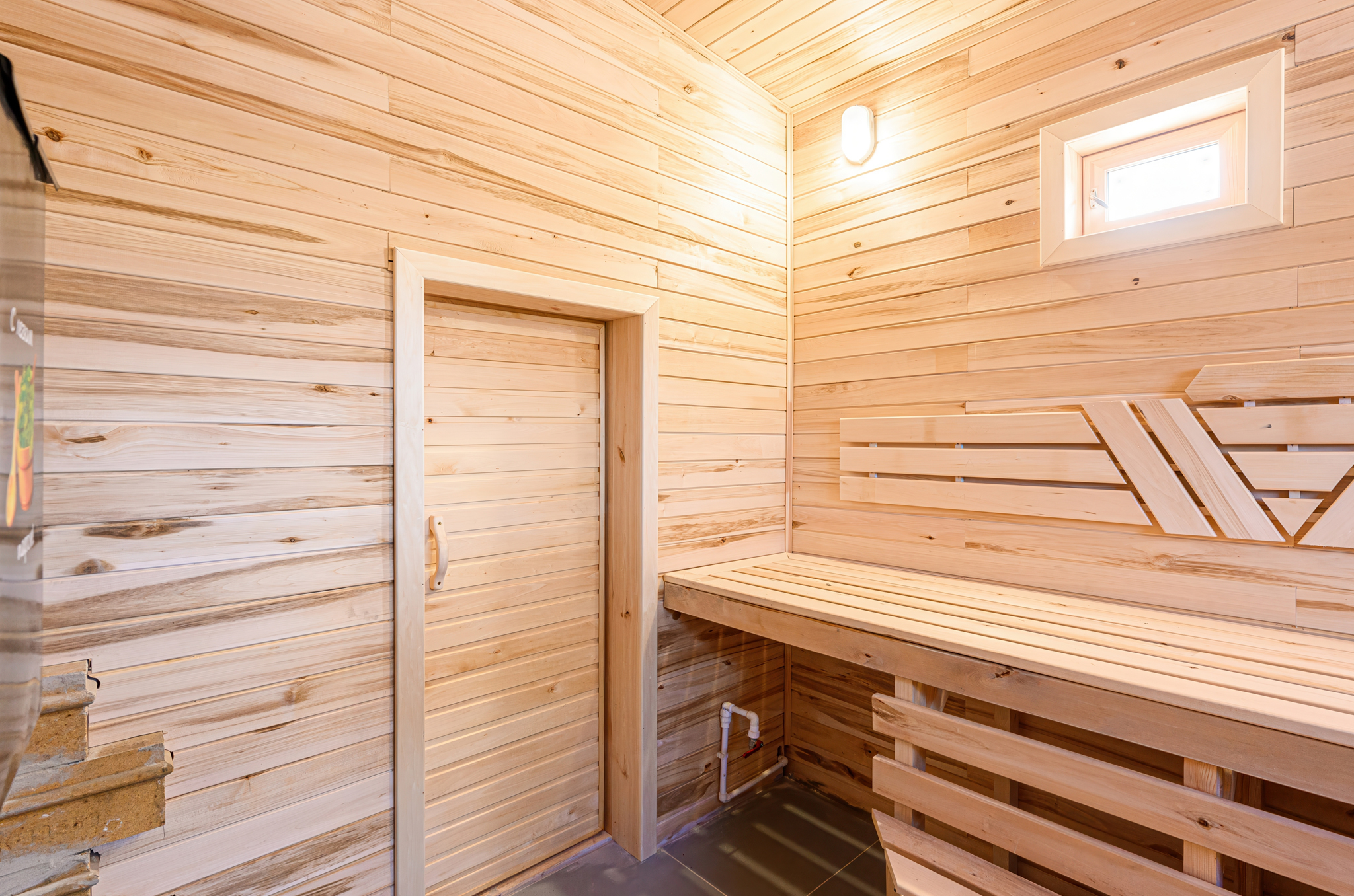
The Private Sauna Problem
The other popular trend of the recent boom, however, is facing scrutiny for a very different reason. In December 2025, a married couple in their 30s died during a fire inside a private sauna in Akasaka. The handle on the sauna-room door had come off, apparently leaving them unable to escape. Investigators found evidence that they had tried to use the emergency button inside the room, but the receiving panel had no power; the owner later told police it had never been switched on.
The facility had been legally licensed. At the time, Minato ward did not require saunas operating under public-bath or hotel regulations to have emergency buttons.
Following the deaths, the ward and the Tokyo Fire Department began inspecting its sauna facilities. Minato is now moving to require accessible emergency buzzers that are regularly tested, doors that can be opened easily from inside without mechanisms capable of trapping customers and staff systems that allow someone to respond quickly in an emergency.
That amendment is currently before the Minato City Assembly, whose third regular session runs through October 9.
The timing makes the two rule changes easy to conflate, but they have separate origins. Tokyo began reconsidering tent and barrel saunas in 2024, well before the Akasaka deaths, because the old fire code fit them badly. Minato’s proposed regulations are directly connected to the fire and the inspections that followed. One boom exposed two gaps in the regulations; Tokyo is now trying to close both.