Attending a wedding in Japan is a memorable experience, but for international guests, it can also feel like navigating a minefield of unfamiliar etiquette. From cash gift rituals to dress codes, Japanese weddings follow a number of structured customs designed to show mutual respect. Understanding a few fundamental rules will ensure you attend with total confidence.
Key Differences: Japanese vs. Western Weddings
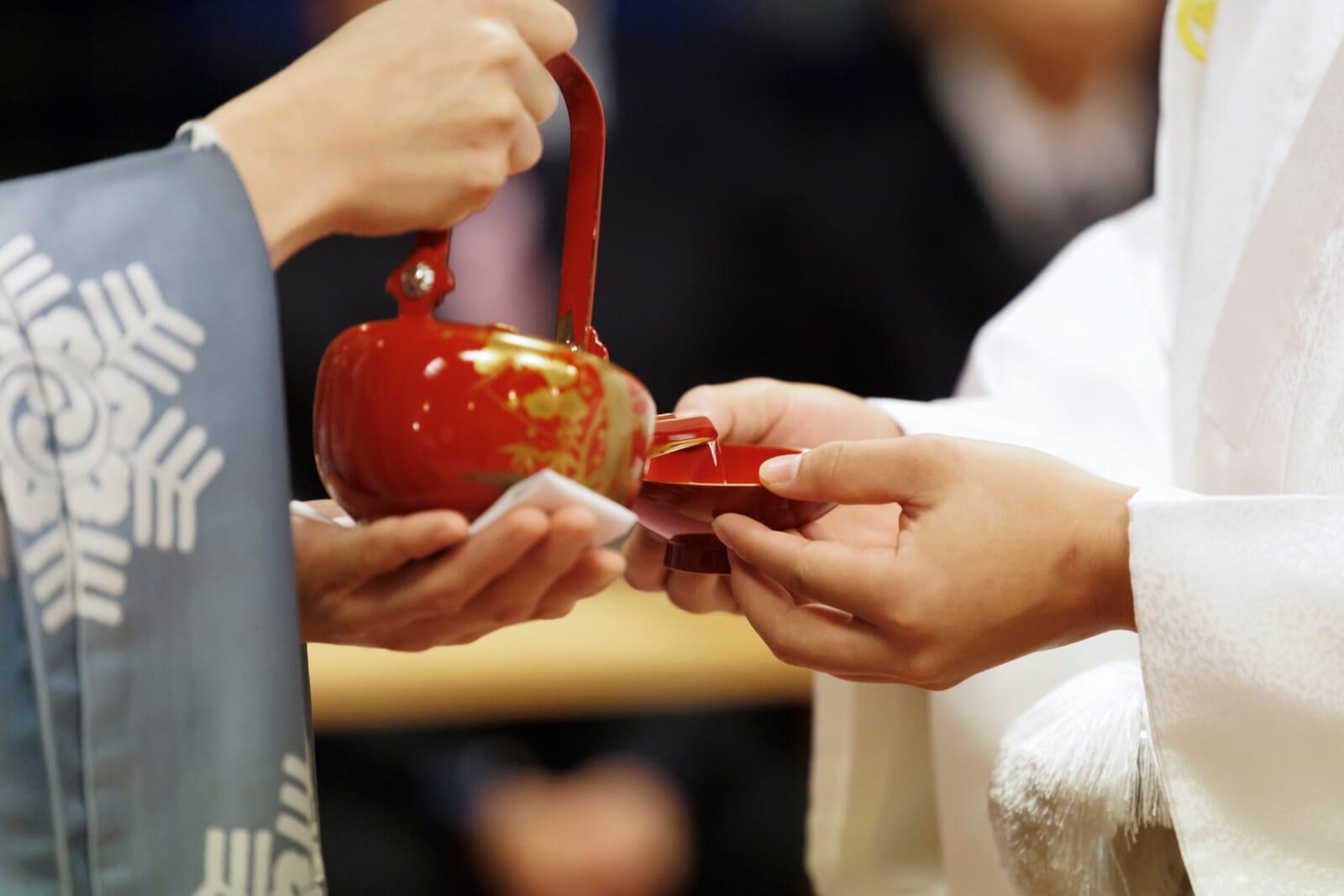
If you’re used to Western weddings, a Japanese celebration might feel unusually organized, formal and run on a tight schedule. Formal Japanese weddings often consist of two distinct parts, beginning with a ceremony that may be Western-style or Shinto, followed by a seated reception known as a hiroen. However, wedding formats vary, and some guests may be invited to the reception only.
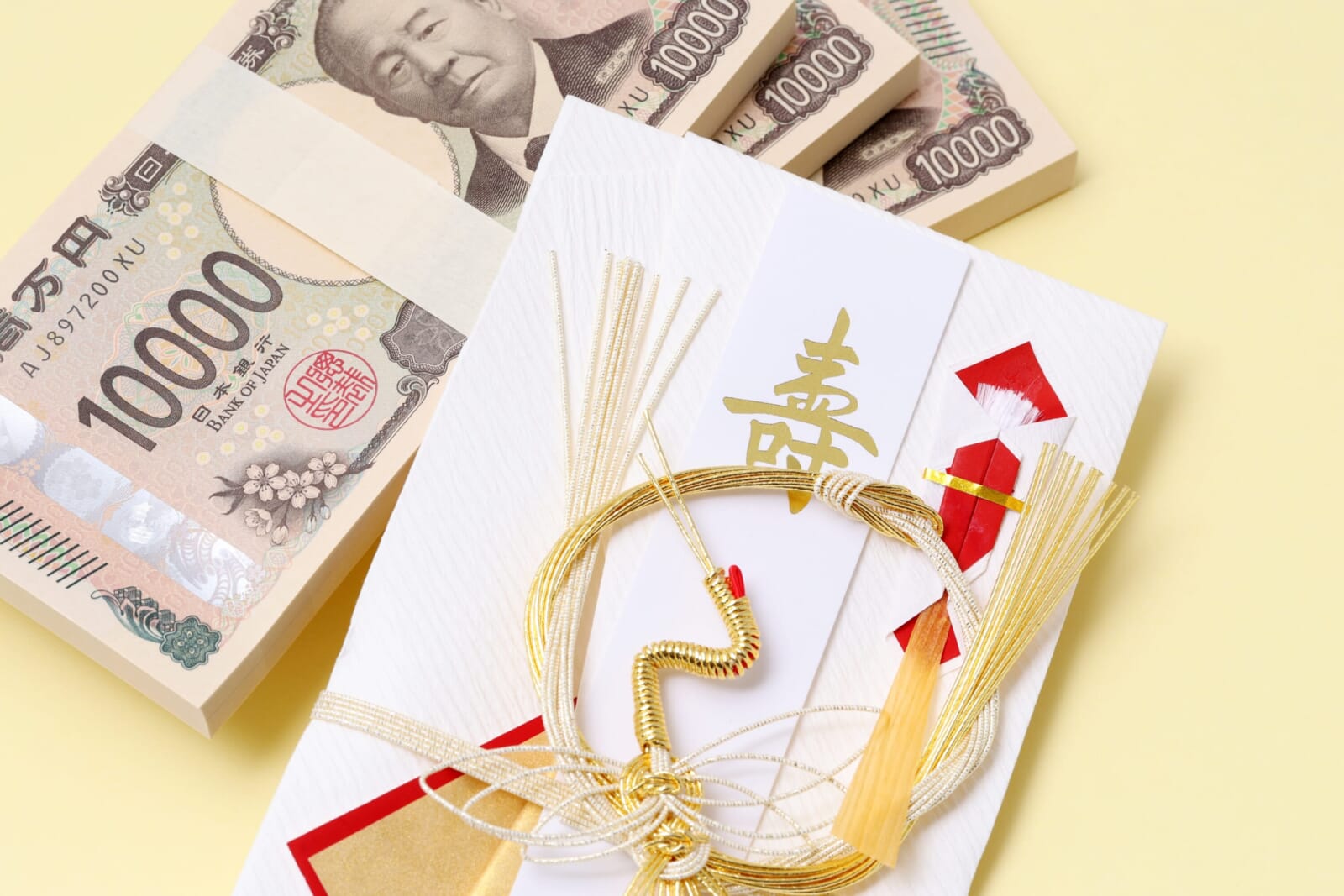
You will not find a gift registry at a traditional Japanese wedding. Instead, guests typically give a cash gift in a specialized decorative envelope called a goshugi-bukuro. Some weddings use a fixed-fee system instead, so always check the invitation for instructions.
Seating inside the venue generally reflects social hierarchy rather than friend groups, meaning bosses and honored guests sit closest to the head table, while the couple’s parents and close family generally sit farther away from the head table, reflecting their role as hosts. Additionally, guests do not just give gifts; they also receive them. Before leaving, you’ll be handed a bag containing sweets, tableware, a gift catalog or other items known collectively as hikidemono as a thank-you from the couple.
Wedding customs can vary by region, venue and couple, so the invitation should always take precedence over general etiquette advice.
The RSVP Rules
Etiquette begins the moment the invitation arrives. If you receive a paper invitation, reply as quickly as possible, ideally within a week and always by the deadline specified on the invitation. You should cross out polite honorifics printed on the card using two clean, parallel lines, mark your attendance or absence according to the instructions provided and write a brief message of congratulations using a black ink pen.
For digital RSVPs, reply promptly and by the requested deadline, including any dietary restrictions if requested by the couple or venue.
Understanding The Cash Gift (Goshugi)
The cash gift itself requires careful attention to detail. Here’s the quick rundown on what’s expected from the goshugi:
- For friends or colleagues, the standard gift amount is ¥30,000, while relatives typically give more depending on their relationship to the couple, with amounts commonly ranging from around ¥30,000 to ¥100,000.
- Traditionally, guests avoid even-numbered amounts because they can be divided, symbolically suggesting separation. ¥30,000 is therefore a standard choice. ¥40,000 and ¥90,000 should be particularly avoided because the Japanese words for four and nine can be associated with death and suffering.
- Obtain new or crisp bills from a bank. Insert the bills in the appropriate orientation into the inner envelope, write the total amount in traditional kanji numerals on the front if the envelope calls for it, and write your name and address on the back. Wrap this inside a decorative outer envelope, tie it securely and, if you want to be really traditional, store it inside a traditional silk wrapping cloth called a fukusa to keep it pristine.
Dress Code and Appearance
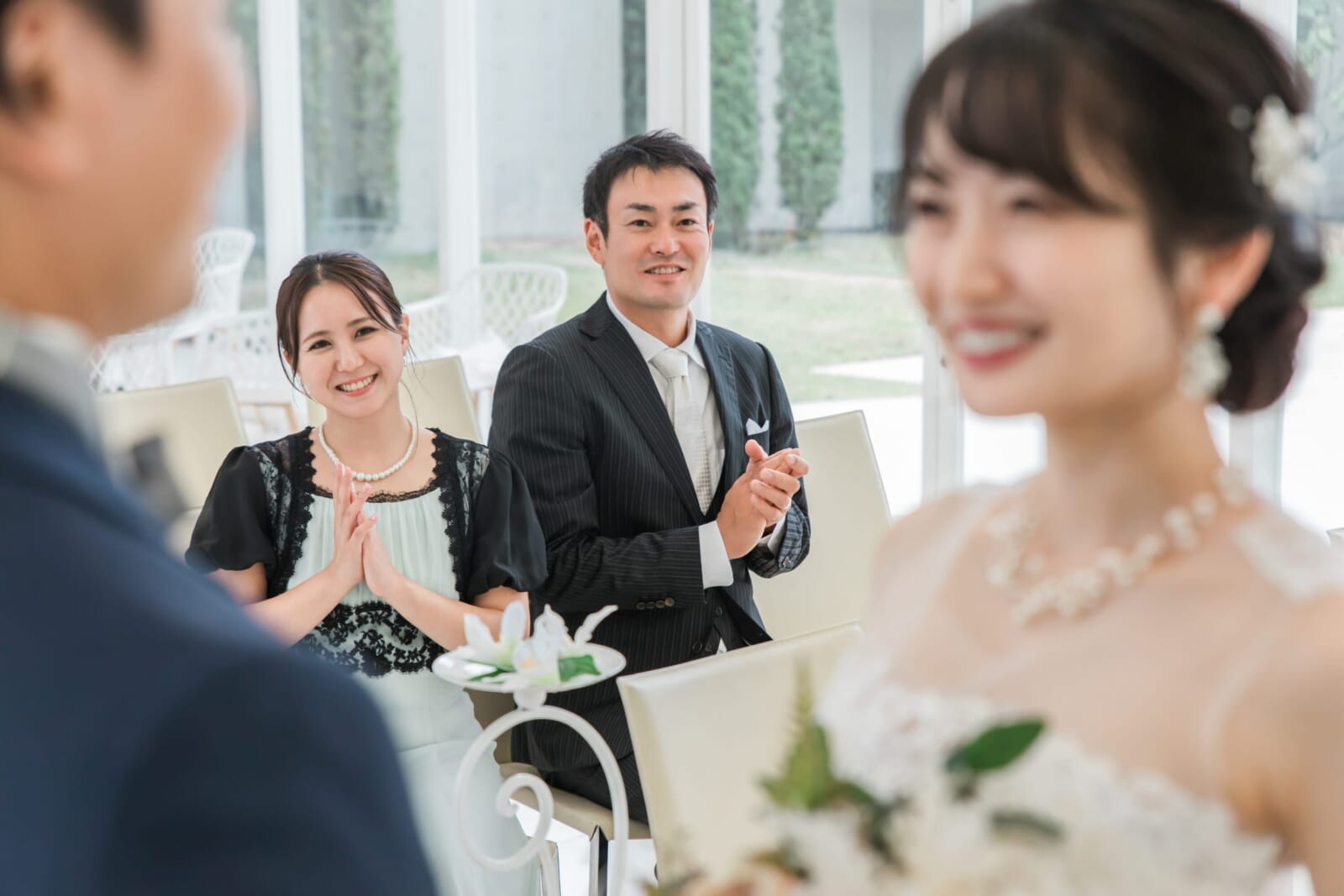
In terms of guest attire, modesty, elegance and neatness are essential. Men should wear a dark suit in black, navy or dark charcoal paired with a solid white shirt with a regular collar. Ties should be white, silver or light pastel, avoiding solid black entirely, and can be paired with a simple pocket square. Men should also wear black leather dress shoes with laces, long black socks and neatly styled hair.
Women should opt for an elegant knee-length to midi-length dress in pastel or jewel tones, or a subtle black dress paired with bright accessories. Classic pearl jewelry is ideal, while open-toe shoes, boots and bare legs are traditionally avoided at formal weddings, in favor of standard pumps and stockings. Women must avoid pure white dresses to leave that color exclusively for the bride, and bare shoulders are traditionally covered, particularly for daytime ceremonies, using a bolero or shawl.
Day-of Behavior and Table Etiquette
On the day of the event, plan to arrive 20 to 30 minutes early to check your coat and complete registration. At the reception desk, bow slightly and take your envelope out of your fukusa right before handing it over with both hands, offering a brief phrase of congratulations before signing the guestbook.
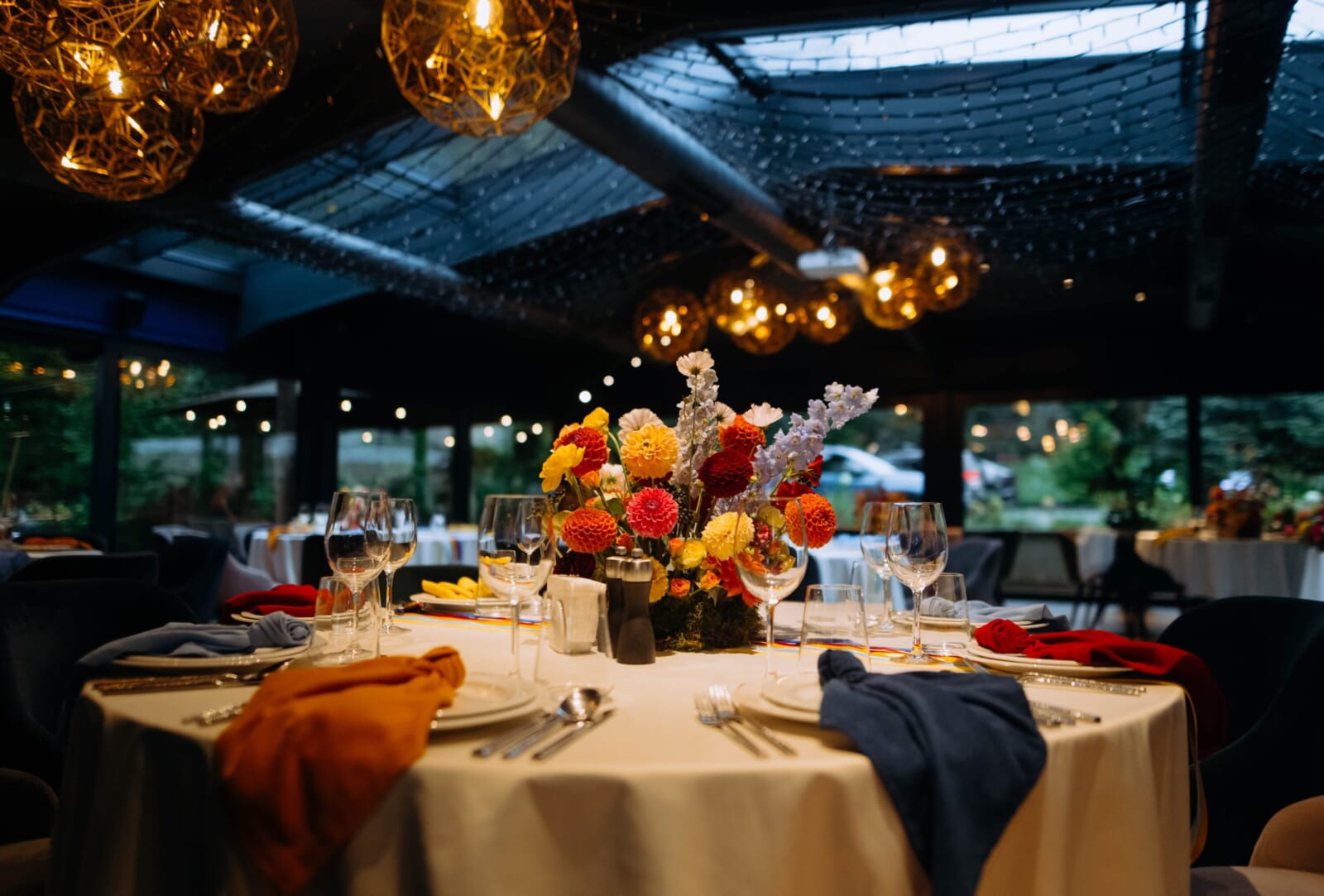
Once you’re inside the reception hall, sit down from the left side of your chair to avoid bumping into neighbors, and if you brought a bag, you should place it between your back and the chair rather than on the table. During the toast, stand when instructed, hold your glass at eye level and take part in the toast with whatever drink you have been served; if you do not drink alcohol, there is no need to consume it. When stepping away from the table temporarily, place your napkin on your chair seat. At the end of the meal, fold your napkin loosely rather than neatly and leave it on the table, as folding it perfectly is traditionally seen as a sign that the meal or service was unsatisfactory.
Essential Japanese Phrases: Quick Guest Cheat Sheet
At the Reception Desk
- “Omedetou gozaimasu“
- Meaning: “Congratulations.” Use this phrase as your polite greeting when approaching the reception desk before presenting your gift.
- “Kokorobakari desu ga…“
- Meaning: “This is just a small token of my congratulations…” You can say this while presenting your goshugi-bukuro with both hands. However, a simple “Omedetou gozaimasu” is perfectly appropriate if you’re unsure what to say.
During the Toast & Reception
- “Kanpai!”
- Meaning: “Cheers!” Raise your glass when prompted by the person giving the toast and take a sip.
- “Oshashin o torimashou ka?”
- Meaning: “Shall I take a photo for you?” A handy phrase to offer when seeing the couple or fellow guests trying to take group photos.
When Greeting the Couple
- “Oshiawase ni!”
- Meaning: “I wish you both a lifetime of happiness!” A warm, personal line to deliver during greeting rounds or at the end-of-night farewell line.