Home to the Imperial Palace, the bookshops of Jimbocho and the business districts surrounding Tokyo Station, the district of Chiyoda is often associated with some of the capital’s grandest landmarks. But look beyond the obvious attractions and the ward is also an excellent place to shop for objects that tell smaller, more tactile stories about Japan.
Here, a souvenir might be a hand-painted bowl made by an artisan hundreds of kilometers away, an incense blend inspired by the Heian period or, less conventionally, a piece of sushi that doubles as an electronic instrument. From traditional crafts to wonderfully eccentric inventions, these five Chiyoda shops offer something worth making room for in your suitcase.

Utsuwa Hanada: Japanese Handcrafted Tableware
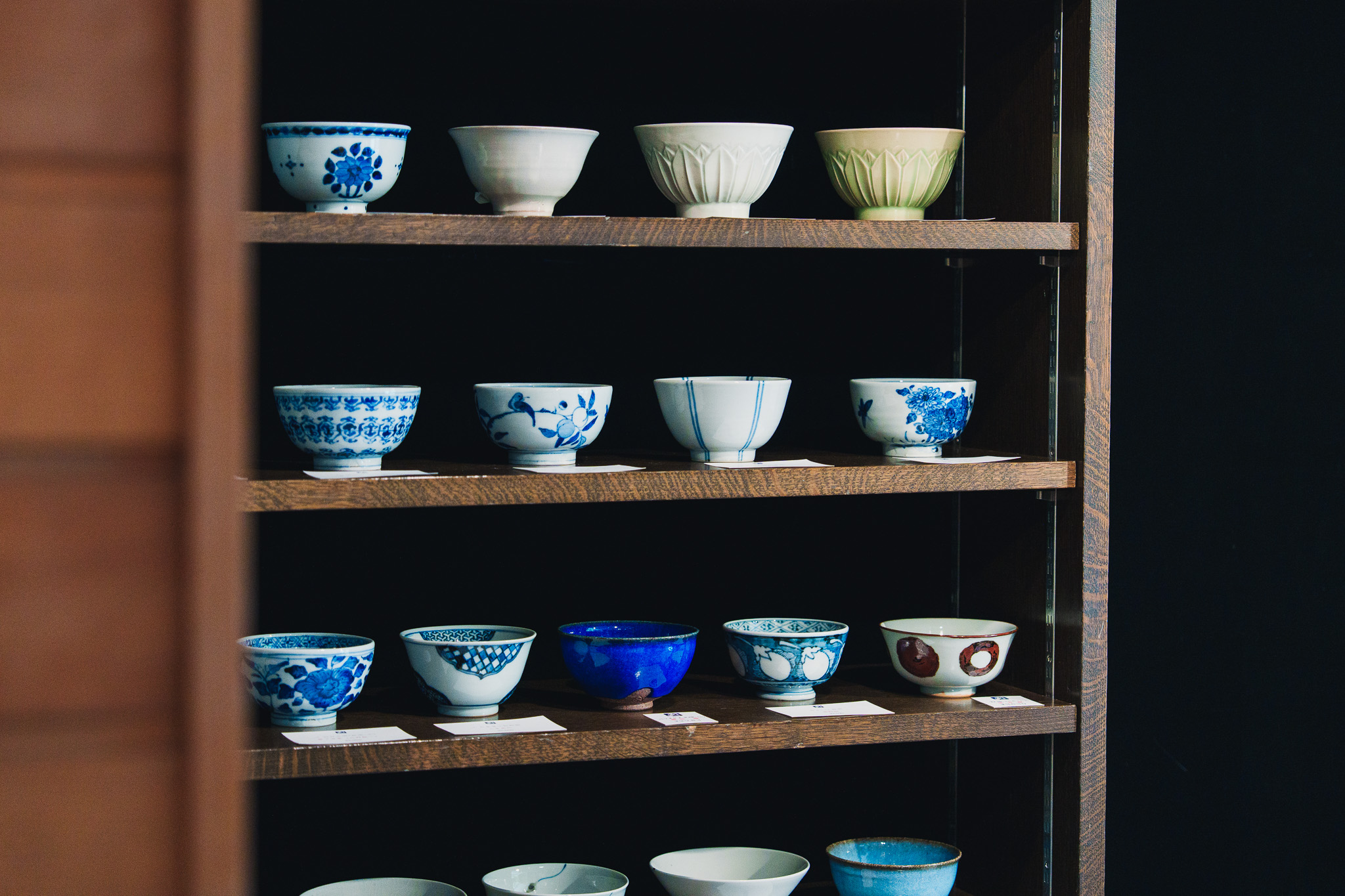
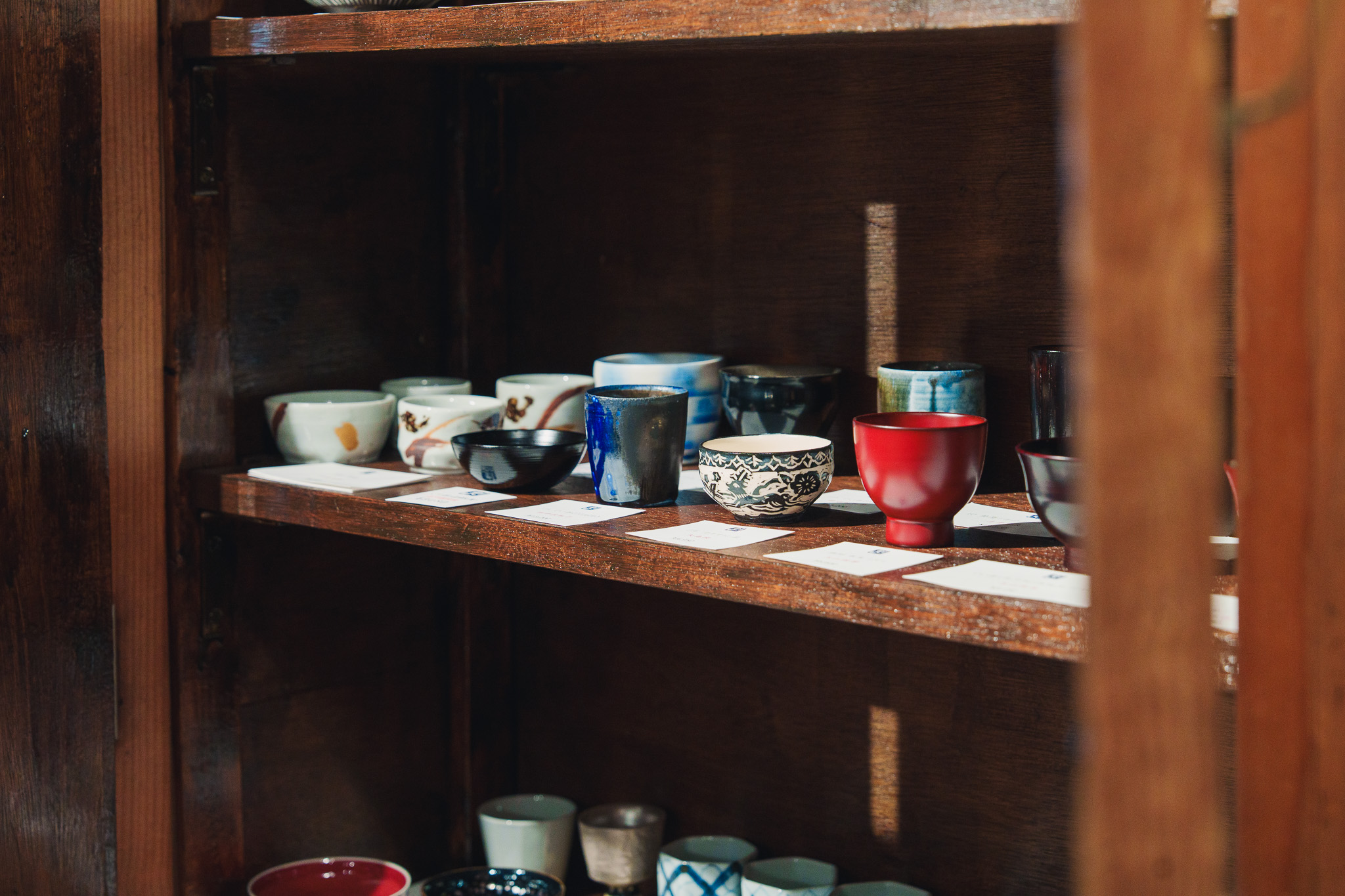
Just beside the Imperial Palace, Utsuwa Hanada has spent nearly 50 years introducing handcrafted tableware from across Japan to Tokyo. The tableware shop works with around 500 artists across Japan, filling its shelves with handmade bowls, plates, cups and other utsuwa in an extraordinary range of forms, glazes and styles. Upstairs, a gallery hosts a constantly changing program of exhibitions, offering a closer look at individual artists and the remarkable breadth of contemporary Japanese utsuwa.
Part of the beauty of these pieces lies in their individuality. Because each is shaped, glazed or painted by hand, even two made to the same design are never completely identical. Subtle variations in brushwork, color and form preserve traces of the artists who made them, making the process of choosing a piece feel especially personal.
There is also something distinctly Japanese in the pieces’ restraint: generous negative space, subtle decoration and forms shaped around the food they are meant to hold. The collection offers a glimpse into both Japanese aesthetics and the country’s changing dining culture. For travelers, that makes anything from an everyday bowl or plate to a playful little chopstick rest a particularly intimate souvenir — something beautiful enough to remember a journey by, but useful enough to become part of life back home.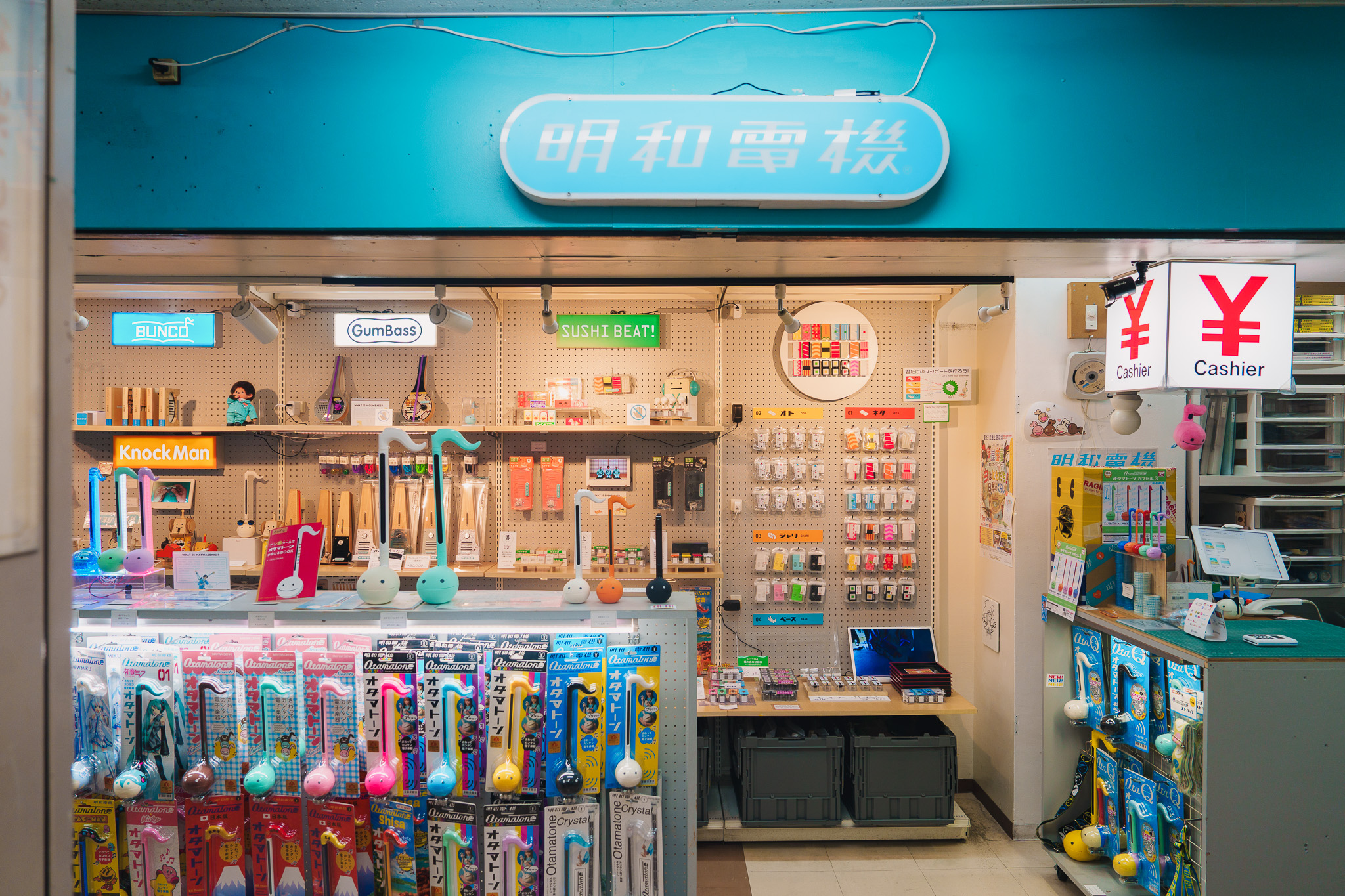
Maywa Denki Akihabara: Eclectic Electronics
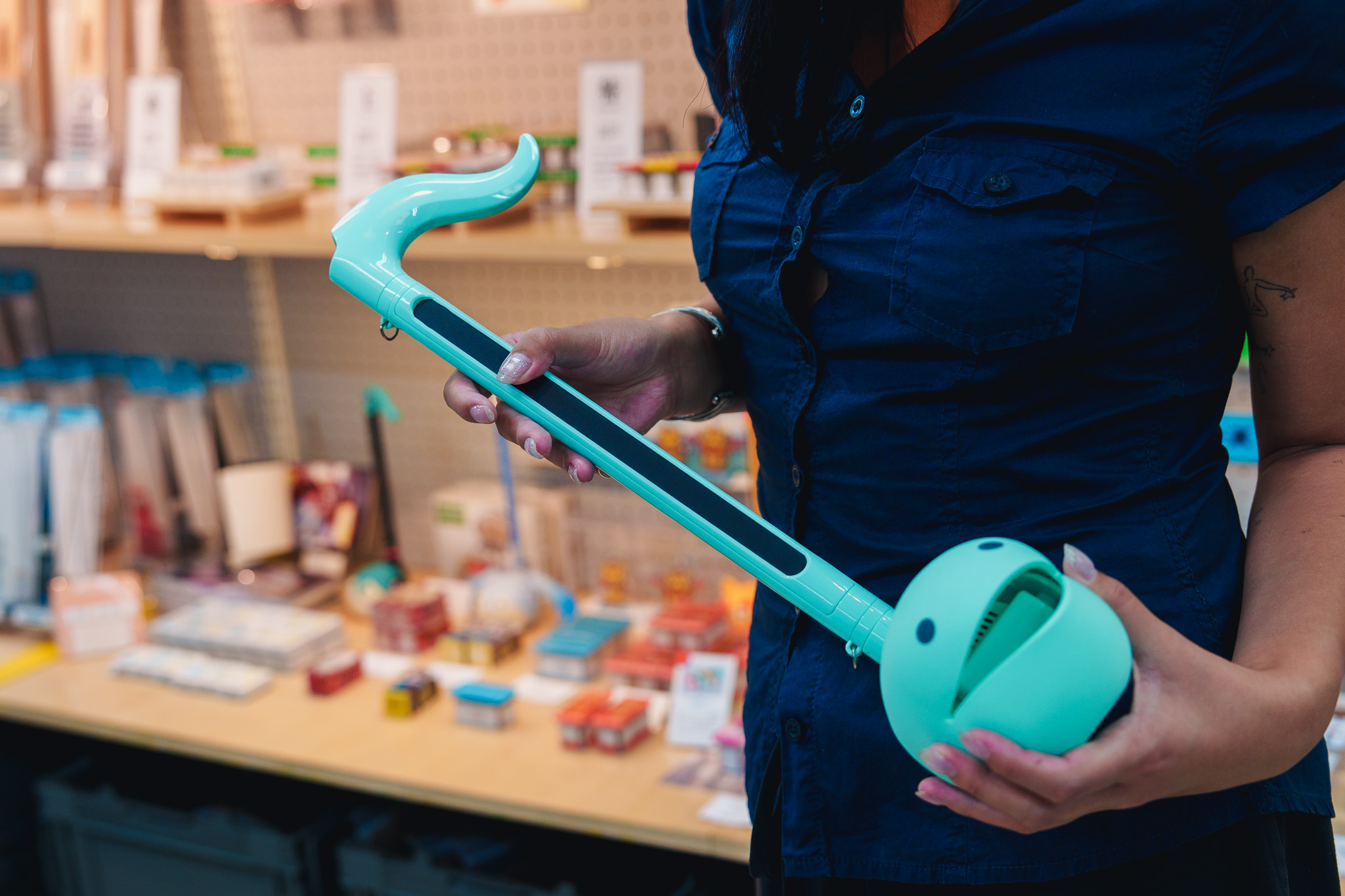
Not every Japanese souvenir needs to be traditional. At Maywa Denki’s wonderfully strange Akihabara store, practically everything on the shelves began as an invention by the collective itself — including its most famous creation, the Otamatone, the tadpole-shaped electronic instrument that has become an unlikely global phenomenon.
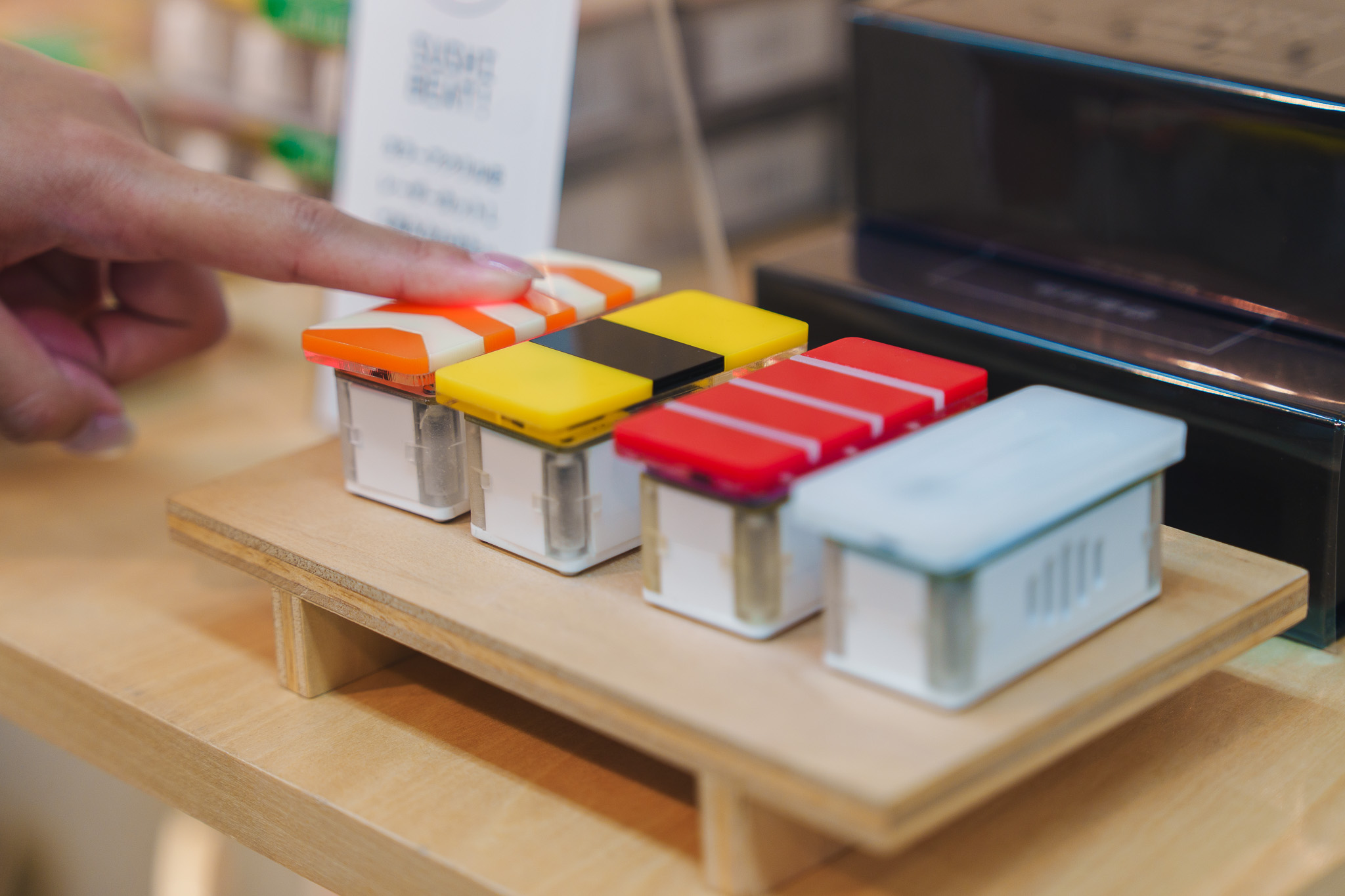
The shop only gets stranger from there: Sushi Beat turns pieces of plastic sushi into miniature electronic instruments, with each piece containing its own sound; press several together and you can build beats like a tiny sushi DJ set. Different toppings can be combined with different sounds, making the instrument customizable. There is even Semi Beat, its summertime cousin, which transforms cicada calls into music.
Playful, ingenious and gloriously strange, Maywa Denki’s creations occupy a category somewhere between musical instruments, toys and conceptual art. For anyone who wants a souvenir considerably more eccentric than another refrigerator magnet, it is difficult to do better.

Kungyokudo: Incense With History
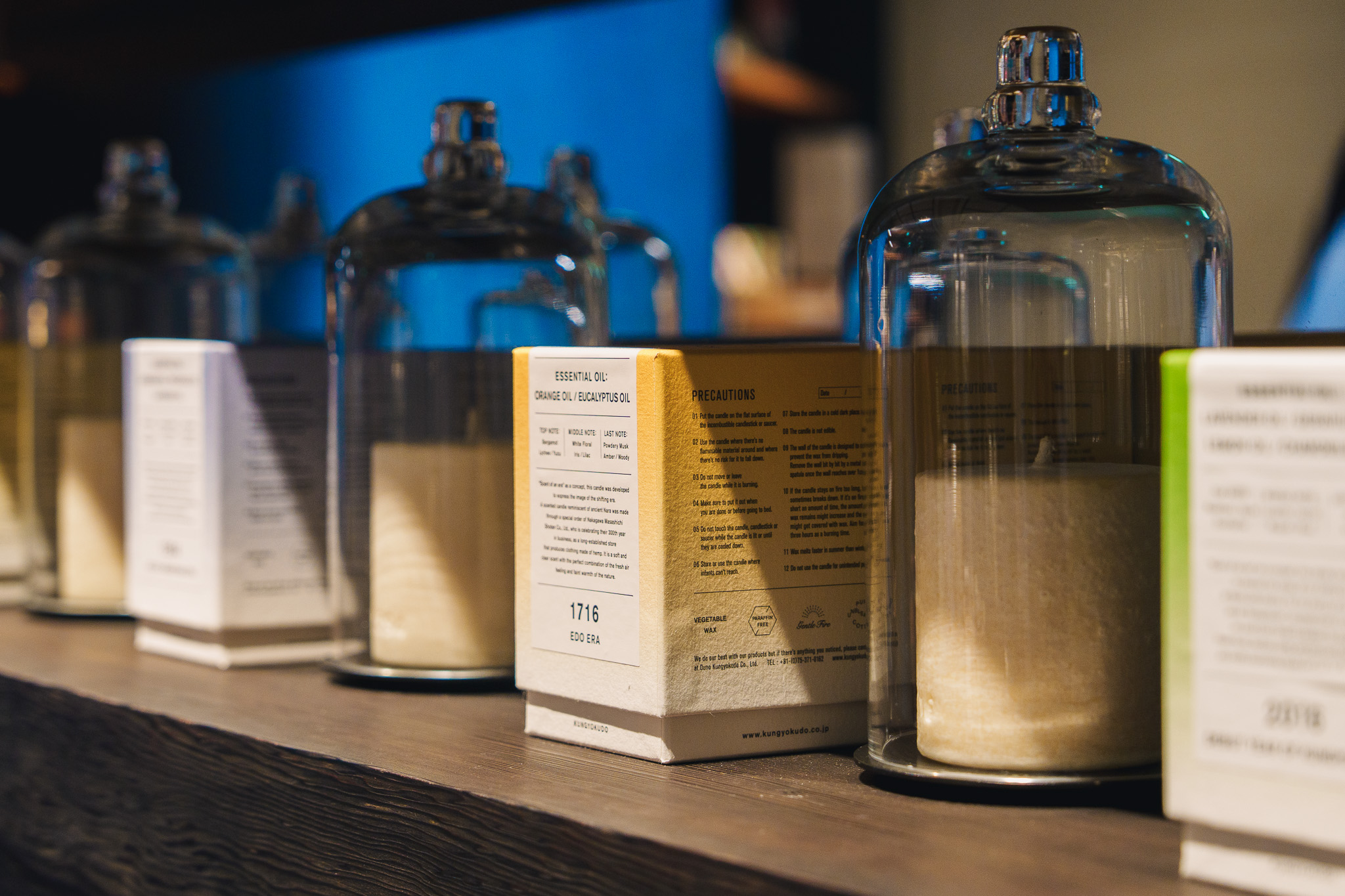
Some souvenirs preserve an image of a place; Kungyokudo lets you take home its scent. Founded in Kyoto in 1594 as a pharmaceutical merchant serving Nishi Honganji Temple, Kungyokudo is considered Japan’s oldest incense-blending house. Its Marunouchi shop carries that centuries-old tradition into a serene contemporary space inside Kitte.
The fragrances draw on inherited blending techniques and natural ingredients, with some collections evoking different periods of Japanese history, from the refined court culture of the Heian era to the turbulent Azuchi-Momoyama period in which Kungyokudo itself was founded.
There are plenty of ways to experience them, too. Alongside traditional incense sticks, the shop offers fragrance oils, scented sachets and other aromatic goods that make especially elegant, packable gifts.


Yamagataya Kamiten: Washi Paper Crafts
In Jimbocho, Yamagataya Kamiten has specialized in washi, traditional Japanese paper, since 1879. The shop is packed with the material in seemingly endless colors, patterns, textures and thicknesses, alongside finished products ranging from postcards and bookmarks to decorative artwork.
Particularly striking are its Mount Fuji cards, which use the texture and layering of washi to turn one of Japan’s most familiar silhouettes into a small piece of paper craft. Those who would rather make something themselves can choose from the shop’s extensive selection of individual sheets.
Washi can vary enormously depending on how you intend to use it, so visitors with a particular project in mind can ask the staff for help finding the right paper.


Chiyoda City Tourist Information Center: Hyper-Local Souvenirs
The Chiyoda City Tourist Information Center offers souvenirs with an unusually local connection, drawing on the plants and landscapes found around some of the ward’s best-known landmarks.
Sakura Bath contains cherry blossom extract from Chidori-ga-fuchi, one of Tokyo’s most celebrated sakura spots, while Kuromatsu Bath is made with black pine extract from the outer gardens of the Imperial Palace. Together, they form part of the Chidori no Megumi Series, which turns familiar elements of Chiyoda’s landscape into bath products you can bring home.
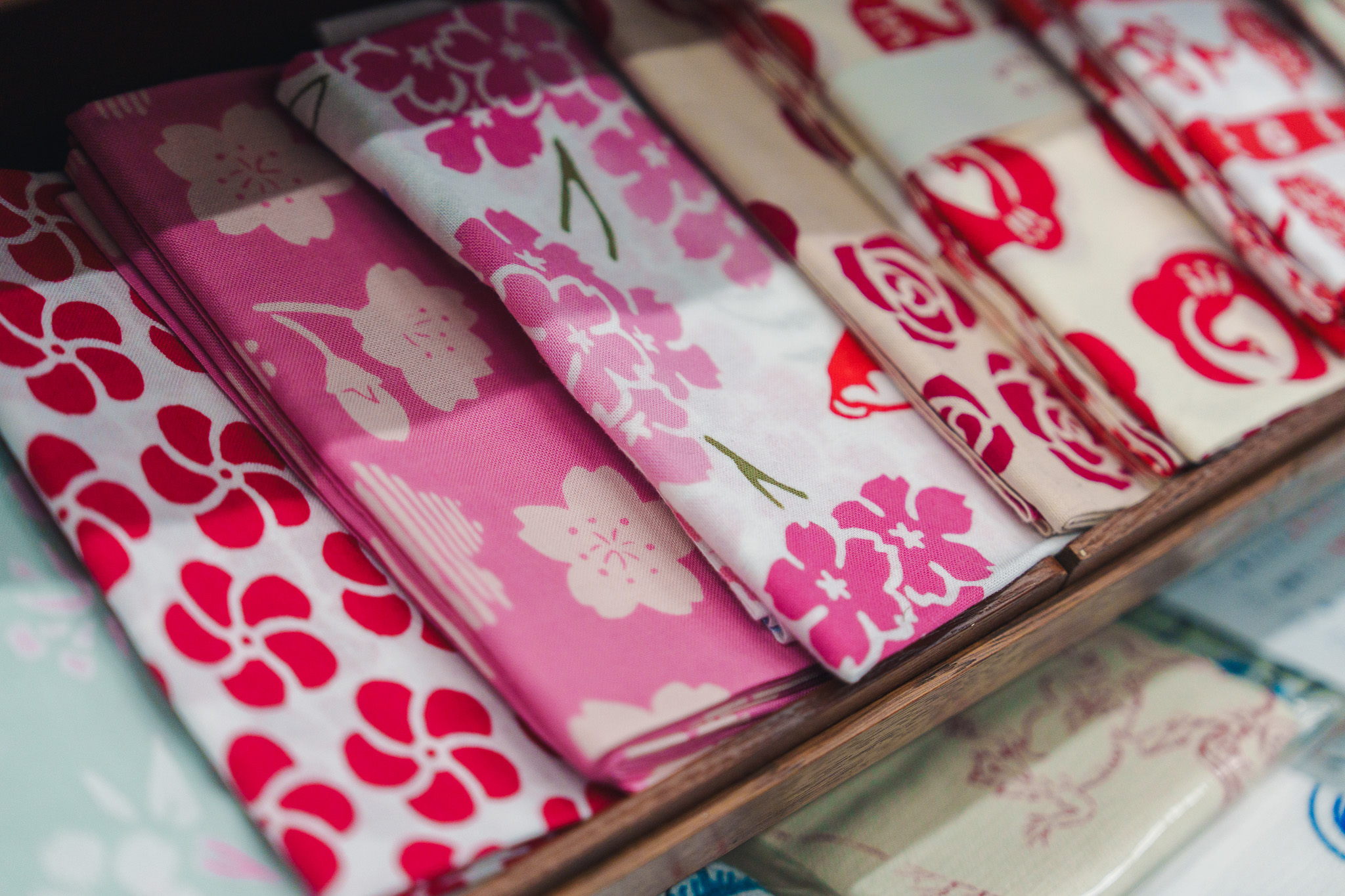
Alongside the bath products, the center sells original tenugui towels year-round. Rather than simply bearing the name of the place they come from, these souvenirs are shaped by Chiyoda itself — its cherry blossoms, pines and the greenery surrounding the Imperial Palace.