

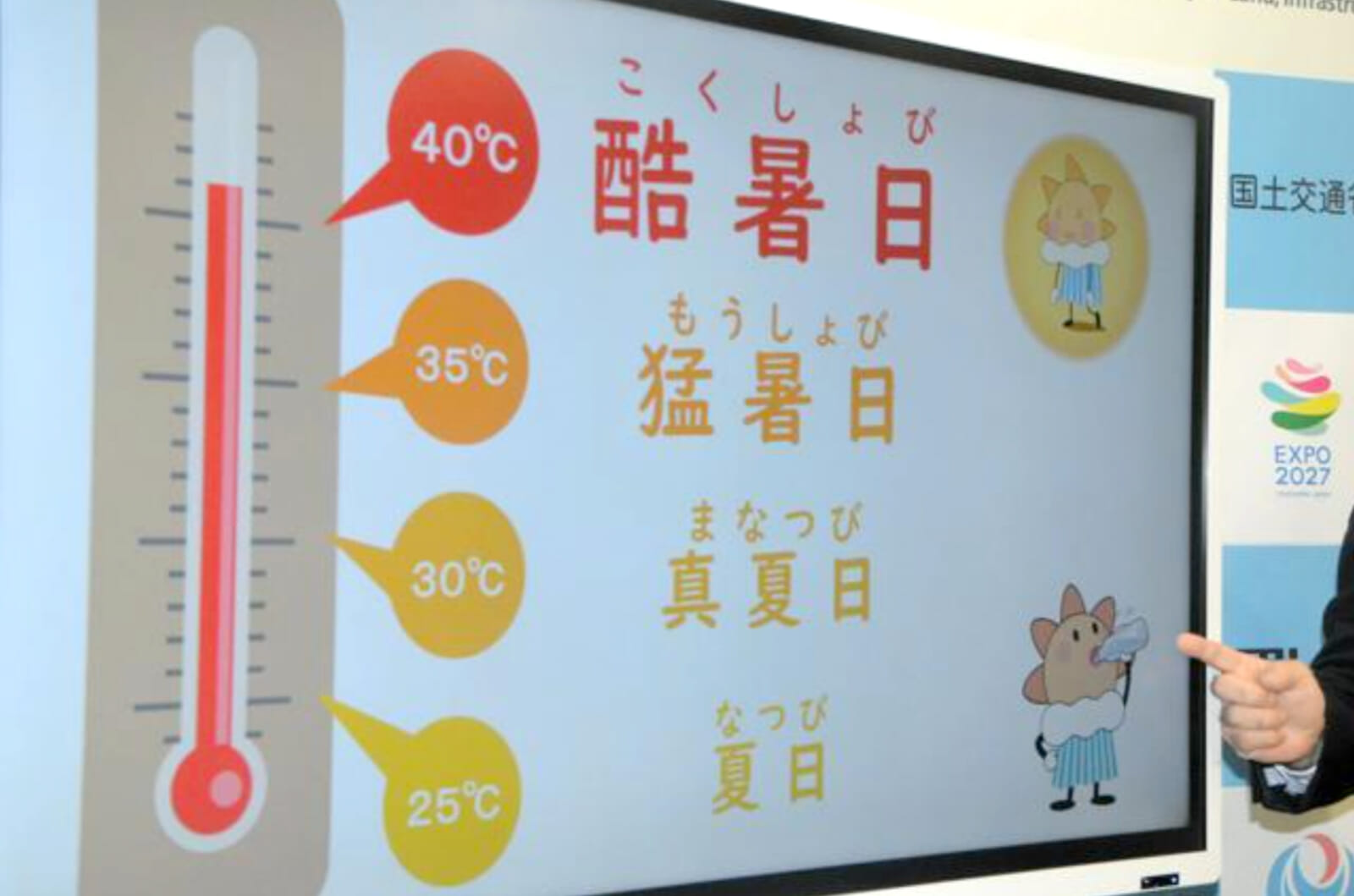
On Friday, the Japan Meteorological Agency (JMA) announced a new official name for days that reach 40 degrees Celsius or above. Following a national survey, the term kokushobi, meaning “brutally hot,” emerged as the most popular. It garnered close to 203,000 votes, more than triple the number for the runner-up, chomoshobi, meaning a “super-extremely hot day.” Around 478,000 people responded to the online survey, which was conducted between late February and late March.
New Term Reflects Growing Concern Over Brutally Hot Days in Recent Years
The push to formalize such a term reflects growing concern over record-breaking heat fueled by climate change in recent years. According to the JMA, since records began in 1872, temperatures have reached at least 40 degrees Celsius on 108 occasions, including 41 recorded between 2023 and 2025. From June to August last year, temperatures exceeded 40 degrees Celsius on nine days. A record high of 41.8 degrees Celsius was recorded in Isesaki city on August 5.
It’s the first time since 2007 that the JMA has introduced a new heat-related term. Moshobi, meaning “extremely hot day,” was the most recent, referring to a day with a maximum temperature of at least 35 degrees Celsius. The JMA’s other heat-related terms are natsubi (“summer day”) and manatsubi (“midsummer day”), referring to days that reach 25 and 30 degrees Celsius, respectively. The new term extends this scale to reflect even more extreme conditions.
Japan To Implement ‘Special Heatstroke Warning Alert’ From Wednesday
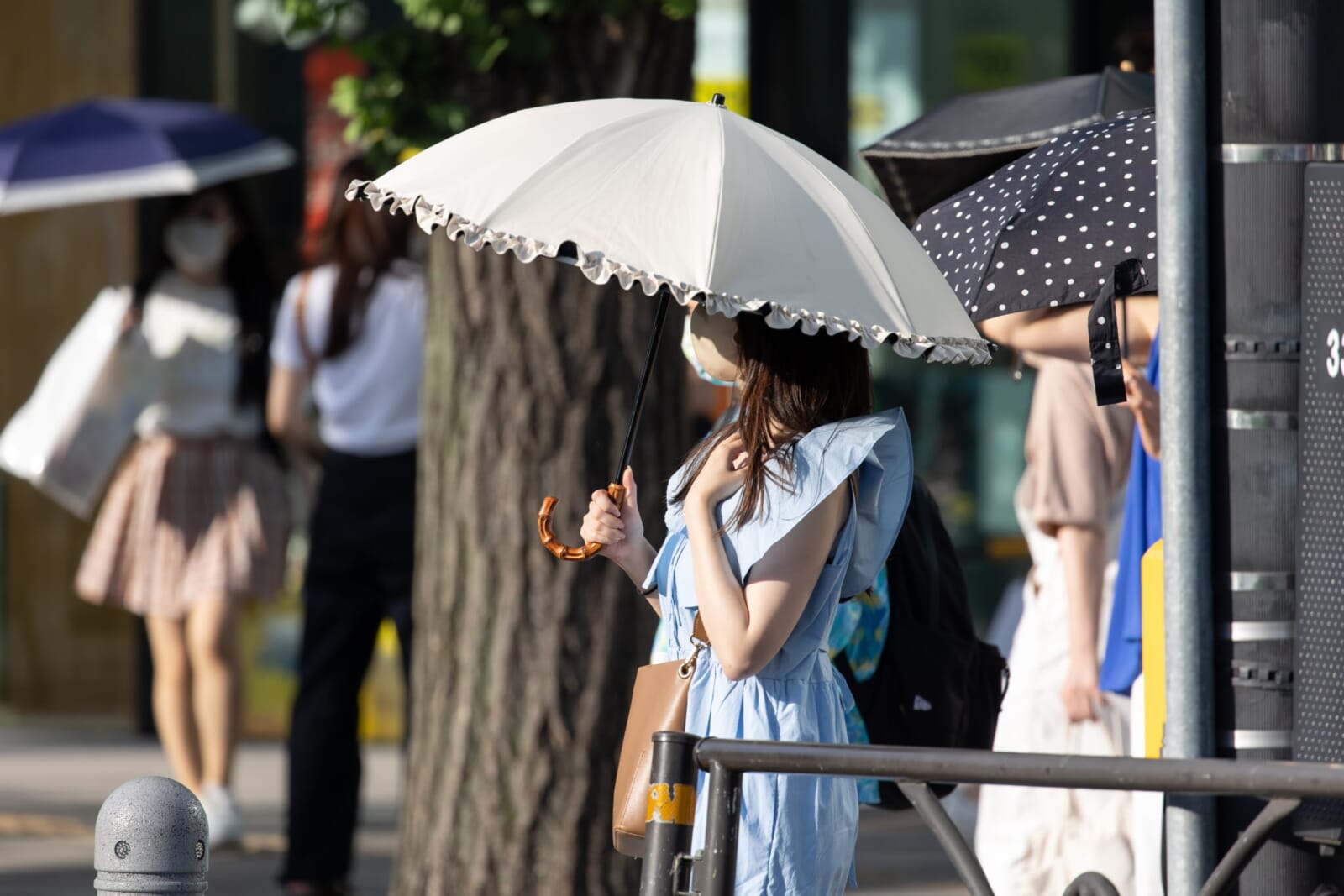
At the same time, Japan is stepping up efforts to mitigate the dangers associated with rising temperatures. From Wednesday through October 21, a “special heatstroke warning alert” will be issued when exceptionally dangerous conditions are forecast for a particular prefecture. The alert sits one level above the existing “heatstroke warning alert” and will be triggered for the following day if the heat index is expected to exceed 35 degrees Celsius at most observation points in the area.