
Choosing a neighborhood in Tokyo often starts with a single question: which train line should you live on? Whether you are a new graduate hoping for a convenient commute to work, a family looking for a suburban home or a study abroad student wanting to maximize adventures in the city, living on the right train line can make or break your daily routine and quality of life.
While there’s no single definition of the “best” line to live on, it’s ideal to choose one that balances logistical efficiency with a desirable lifestyle. That is, you want to consider practical factors like how crowded the train gets and how easily the line connects to major hubs, and qualitative factors like whether the area offers quiet parks and affordable grocery stores.
Here are some recommended lines to live on, according to a recent survey of 491 residents conducted by Fudosan Toshi no Mori, a real estate investment media outlet operated by AlbaLink. The perfect train line for you ultimately depends on your specific needs, but these six lines are solid options to consider.
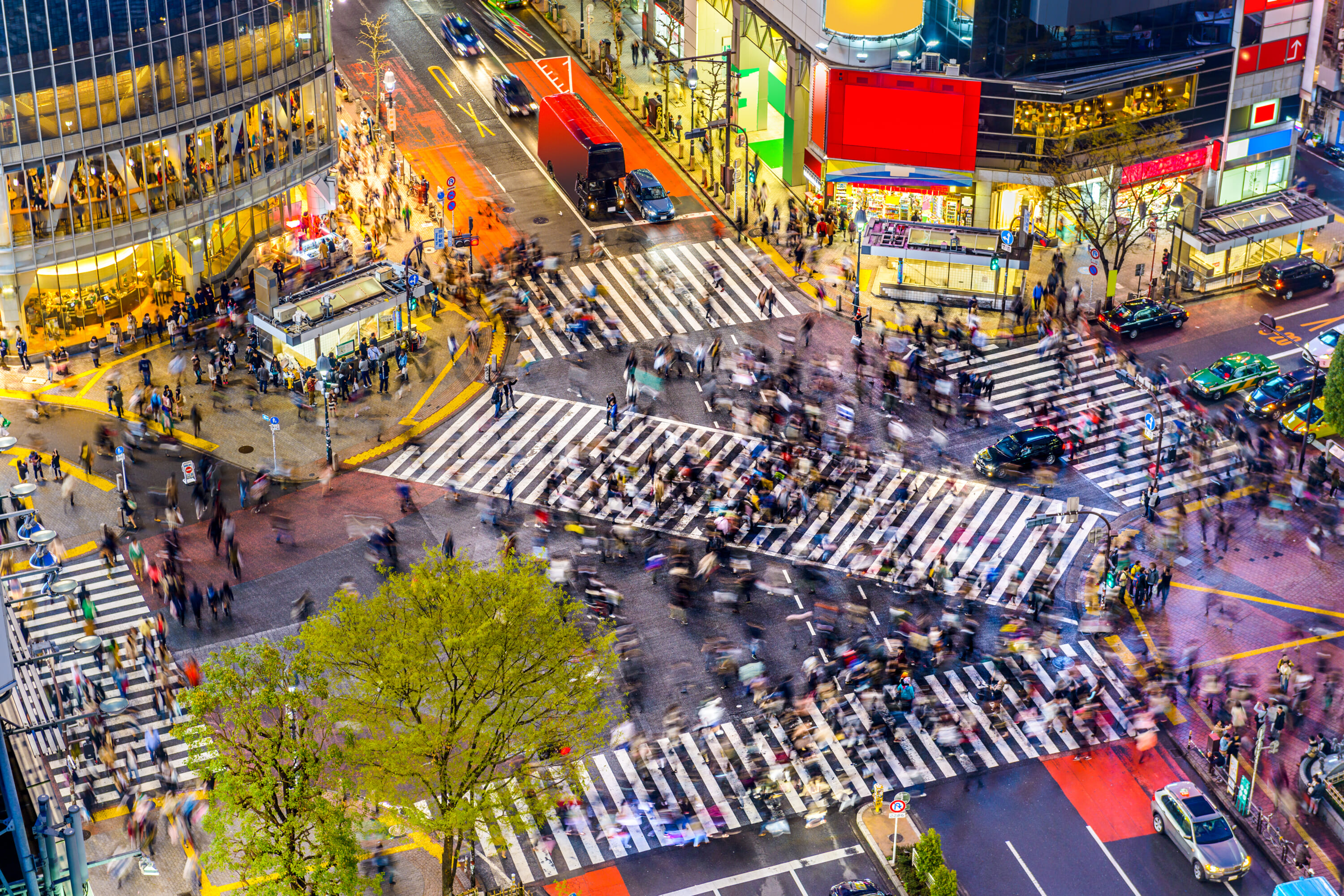
shibuya
JR Yamanote Line
Unsurprisingly, the Yamanote Line sits at the top of the list. As the iconic loop that encircles central Tokyo, it connects major hubs like Shinjuku, Shibuya, Tokyo and Ueno. Living on this line means you are never far from the action, and rarely need to worry about complex transfers. Even if you miss the last train, the central location often makes a taxi ride home a feasible backup plan.
Although it can get extremely crowded at rush hour, residents value the Yamanote Line for its sheer flexibility. Whether you are heading to a business meeting in Marunouchi or a date night in Ebisu, the line offers unmatched connectivity. Properties on the loop can be pricey, but if you’re willing to walk a little more or live in an older building, you may be able to find something that fits your budget.
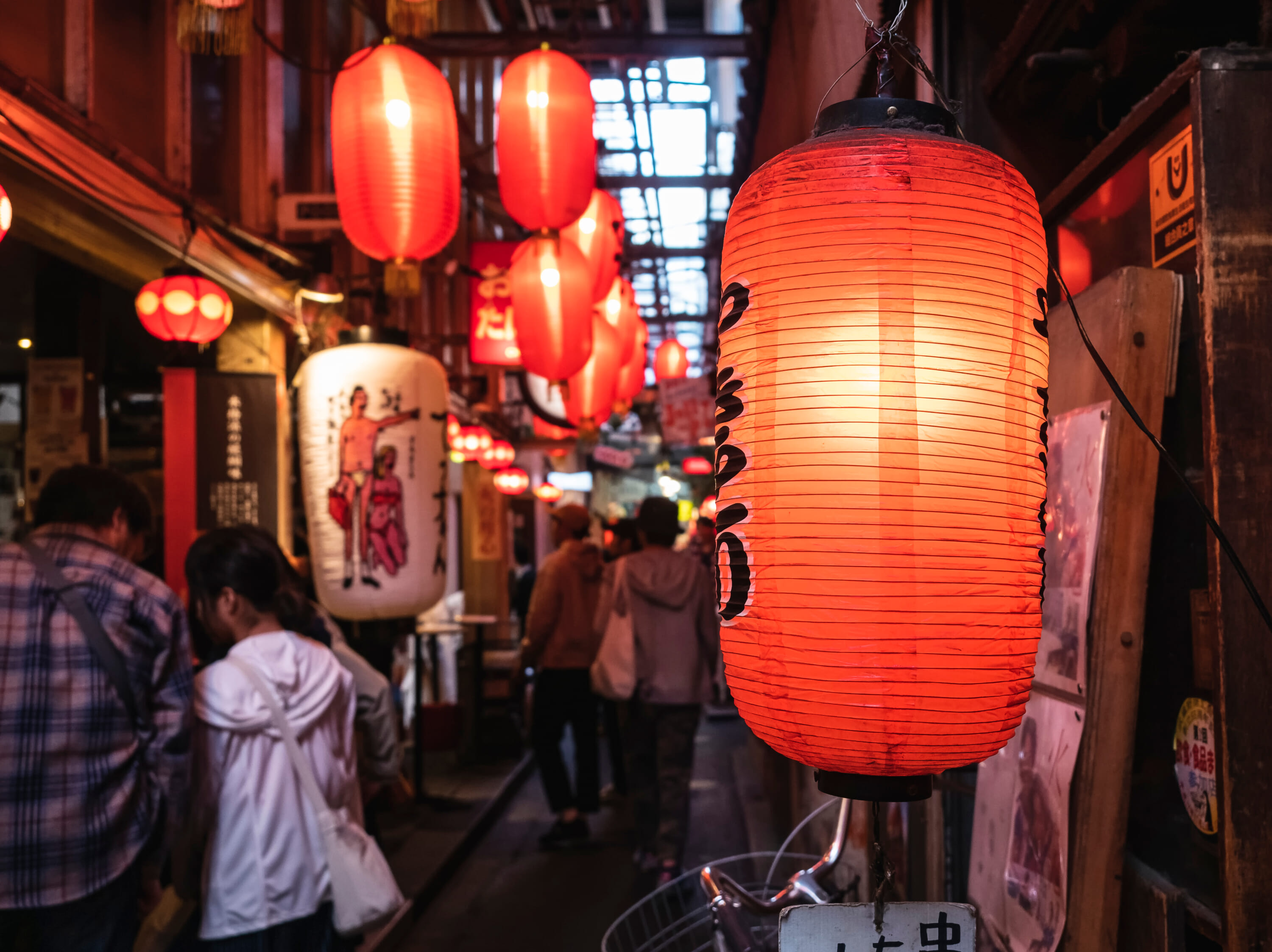
kichijoji
JR Chuo Line
A favorite for those who want a blend of city access and cultural character, the Chuo Line is another popular line to live on. Stretching from Tokyo Station out toward the western suburbs, it passes through highly-coveted neighborhoods like Nakano, Koenji and Kichijoji. These areas are known for their local eateries, vintage shops and a more relaxed atmosphere compared to the city center, making them popular options for younger people.
Commuters appreciate the Chuo Line for its Rapid trains, which can whisk you into Shinjuku or Tokyo Station surprisingly quickly. The line also offers access to plenty of greenery and parks, making it a good choice for families as well. Keep in mind, though, that the Chuo line tends to see frequent delays and congestion, especially during rush hours.

yokohama
Tokyu Toyoko Line
Connecting the trendy Shibuya district to the port city of Yokohama, the Toyoko line is arguably Tokyo’s most fashionable route; it serves sought-after neighborhoods like Daikanyama, Nakameguro and Jiyugaoka. Even if you don’t live in those exact neighborhoods, living on the line means you can have convenient access to boutique cafes, sophisticated architecture and high-end shopping.
The appeal of the Toyoko Line lies in its “just right” distance from the city. It is urban enough to be exciting, but residential enough to feel like a community. Recent redevelopments in areas like Musashi-Kosugi have also added massive shopping malls and modern high-rises, making it an incredibly convenient line for daily chores and weekend leisure.
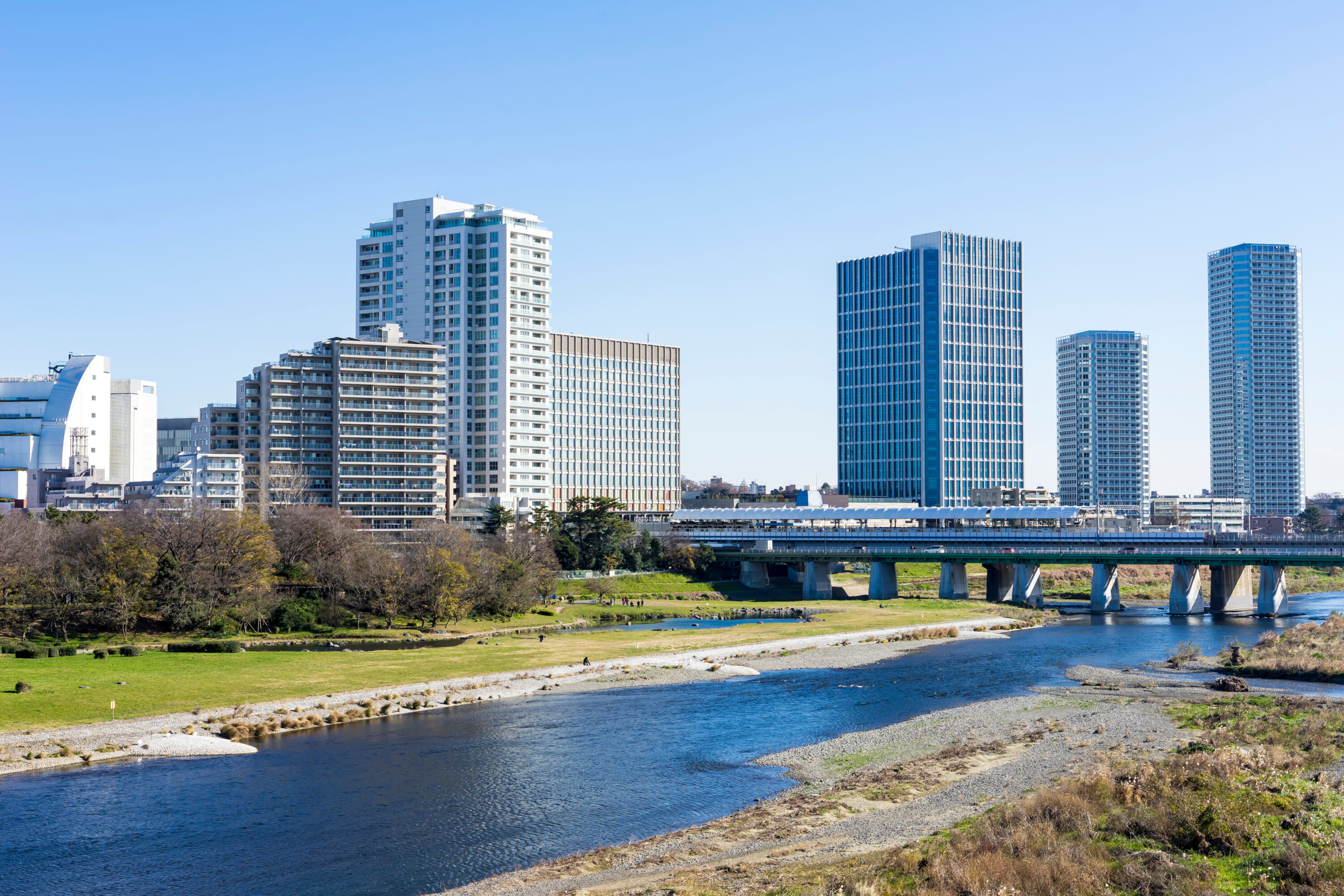
futako-tamagawa
Tokyu Den-en-toshi Line
The Den-en-toshi Line is the gold standard for residential comfort and suburban peace. Starting in Shibuya and heading southwest into Kanagawa, this line was specifically designed to create “garden cities” — neighborhoods like Futako-Tamagawa and Tama-Plaza offer wide streets, abundant greenery and large-scale commercial complexes that cater to every household need.
Stations along the line are highly regarded for their refined, peaceful atmosphere and direct connection to the Tokyo Metro Hanzomon Line, allowing for a seamless commute into the heart of the business districts. For those who prioritize a peaceful environment away from the city’s noise, this line remains a consistent favorite.

ueno
JR Keihin-Tohoku Line
Tying in fifth place with Marunouchi Line, the Keihin-Tohoku Line has a massive reach, running north-to-south from Saitama, through Tokyo, to Yokohama. It is prized for its practicality, connecting multiple major terminals like Ueno, Tokyo and Shinagawa. Because the line is so long, it offers a wide variety of housing options, from bustling city centers to quiet suburban pockets.
Survey respondents noted that because it extends deep into the suburbs, it is possible to find more affordable rent and lower land prices compared to Tokyo’s center. The line is a good choice for those who need to reach major transport hubs for work, but want to keep their living costs low.
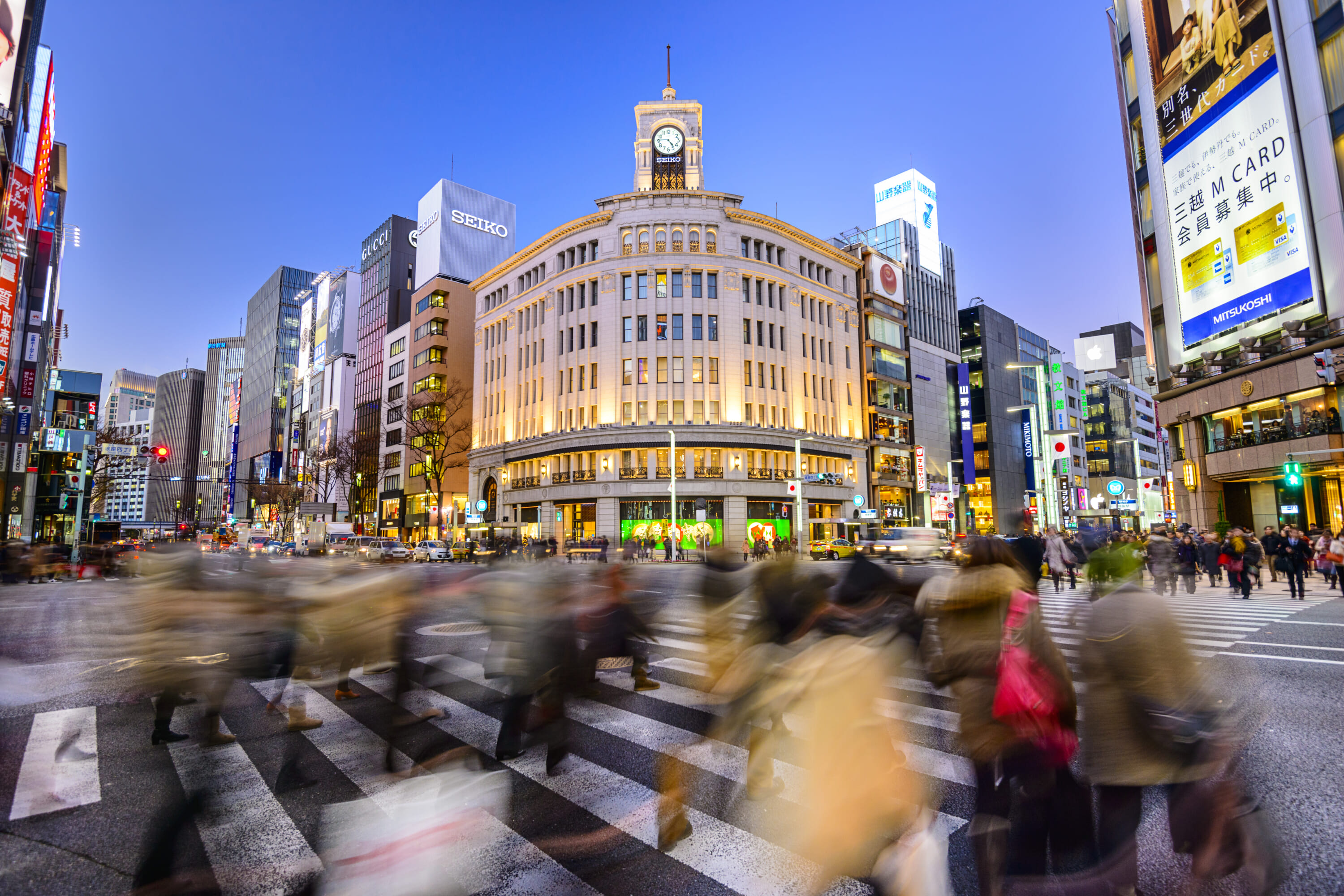
ginza
Tokyo Metro Marunouchi Line
Rounding out the top picks is the Marunouchi Line, which connects Ikebukuro to Ogikubo via major business districts. As it passes through Ginza, Tokyo and Shinjuku, it offers a premium commute for those working in the city’s commercial and political centers.
Residents often choose the Marunouchi Line for its reliability and the status associated with its central route. It is also frequently cited as being slightly more comfortable than the major JR lines, providing a smoother start to the workday while keeping the best of Tokyo’s shopping and dining right within your reach.