
Tenga was founded in 2005 with the admittedly ambitious goal of getting sex toys – or “pleasure items,” as the company refers to them – out of the figurative brown paper bag. Company president Koichi Matsumoto wanted masturbatory aids (initially just for men, but nowadays also for women) to be a product like any other: safe, trusted and widely available.
By all accounts, he succeeded; Tenga products can now be found in everything from konbini to nationwide drugstore chains. To many people, the iconic red suction cup is a sort of funny cultural oddity, perched, as they often are, alongside regular household goods. Many are unaware of the brand’s surprisingly progressive mission — not just to open discussions around sexuality and remove the stigma around pleasure, but to ensure that people are practicing sex safely, too.
To wit, 10 years ago Tenga launched Tenga Healthcare, a health initiative that has since covered everything from fertility assistance to sex ed. Now it is going a step further. In November it opened an anonymous online consultation service, providing men with sexual concern someone to talk to. Here are some of the initiatives that led up to it.
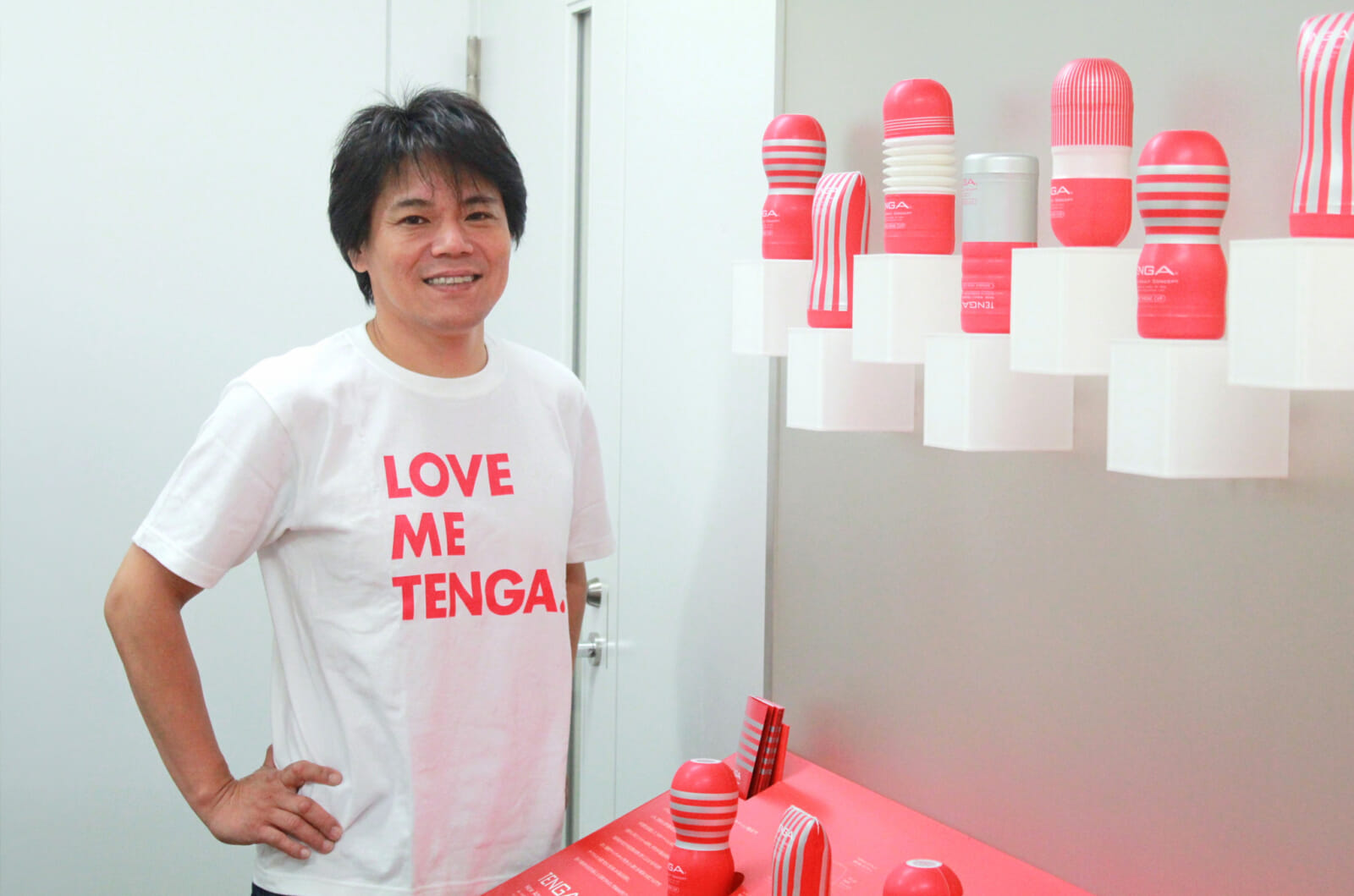
Tenga Founder Koichi Matsumoto | Image: Wikidata
Why a Sex Toy Company Got Into Medicine
For Matsumoto, technology isn’t the enemy of a healthy sex life. He’s always seen it as the answer to a particular problem: “I want people to enjoy life, but I’ve realized that there are many who can’t fully enjoy it because their worries about life get in the way,” he said at a recent anniversary event for Tenga Healthcare.
Tenga Healthcare is meant to address the physical, reproductive or psychological difficulties that prevent people from enjoying sex. It’s not simply meant to sell different kinds of adult toys. Rather, it’s applying the company’s existing expertise in pleasure item development to improve sexual function and intimacy. One of their first forays into this area was the 2016 product Men’s Loupe (a loupe being a small but powerful magnifying glass, typically used by jewelers and watchmakers).
Men’s Loupe is a smartphone-compatible magnifying device that helps men observe their sperm at home. Marketed as “the first step in male fertility support,” its goal is to encourage men to take an active role and interest in conception. The company’s healthcare line grew from that.
Today, that line also includes the Finish Training and Keep Training products, which are meant to help with delayed and premature ejaculation; MoistCare Gel, a lubricant to assist with painful intercourse; YoniFlora, a supplement to help support the vaginal environment; and K-Gel Checker and other products addressing female pelvic-floor health, as well as the Training Tetra home kit for improving pelvis movements and stamina for sexual intercourse.
In short, the company branching out towards healthcare wasn’t a departure from its original business model. It was its logical conclusion.
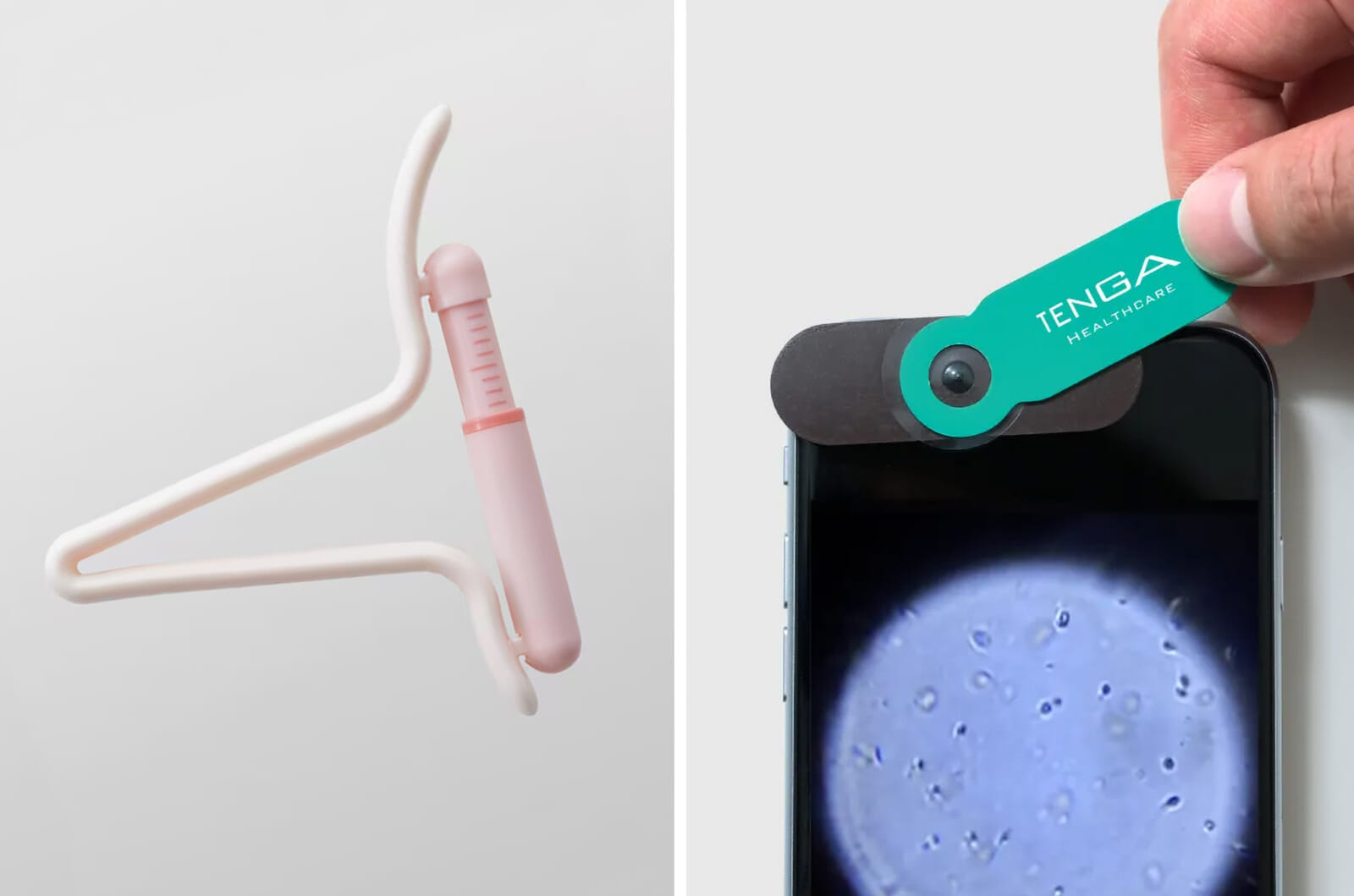
The K-Gel Checker device for women (left) and Loupe system for men (right)
Prevention Through Education
The second stage of Tenga Healthcare’s push towards a sexually healthier society involves education. At the heart of this approach is the belief that people need accurate information, opportunities to ask questions and a safe environment in which sexuality can be discussed without shame.
Matsumoto identifies teenagers as a particularly important demographic. “Answers to questions about sex often tend to include dubious information. This can lead young people down a very dangerous path,” he explained at the Tenga Healthcare event. This is the origin story of Seicil, TENGA Healthcare’s sexual-education platform for teenagers, launched in December 2019, where they can post questions about all things sex-related (including where and how to buy the morning-after pill) and have them answered by experts. Since 2021, Tenga Healthcare has also been trying to reach younger demographics more directly with educational programs devised specifically for schools.
As time went on, the company began to notice that a surprising amount of the Seicil questions were being asked by adults, leading to the launch of Otona Seicil in November 2024, which is aimed squarely at people out of their teens. Both sites provide verified, judgement-free information on everything from premature ejaculation to erectile dysfunction, pelvic-floor health, menopause, sexual discomfort, vaginal health and fertility.
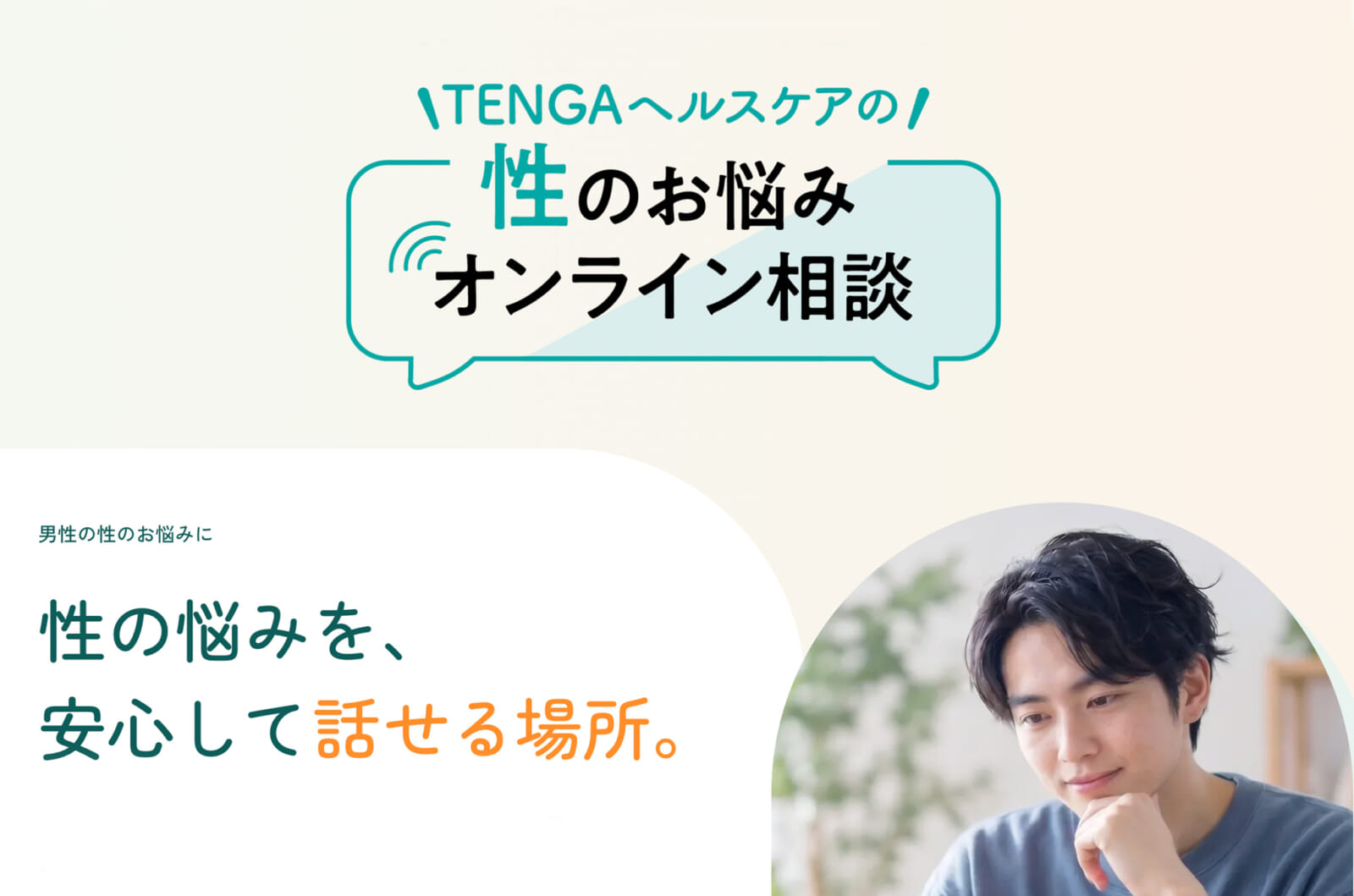
Tenga’s Anonymous Online Consultation Service
On October 29, the company announced the launch of an online consultation service, moving beyond physical products and publishing information to creating a place where people can speak directly with someone about their sexual concerns. This, too, is a natural next step for the company, but it was spurred by some concerning findings.
A Tenga Healthcare survey of 4,000 men revealed that, while many of the respondents have experienced sexual concerns, 90 percent said they had no friend or family member or place to turn to with those problems. This is the exact type of environment that causes people to be exposed to wrong and potentially dangerous information.
Tenga Healthcare’s consultation service tackles this issue on multiple fronts. First, they provide professional, human staff ready to have individualized conversations with people seeking help rather than someone who’ll just direct them to a website or, worse, an AI agent. Secondly, the service is completely anonymous. The participants don’t even need to see the staff’s faces if they don’t want to. Finally, the consultations’ main strength is that they don’t offer medical assistance. The service exists as a place to articulate concerns, help people find the right words for what troubles them and ultimately help guide them towards the appropriate medical provider.
“With this service, we place greater importance on listening to each person as an individual and engaging in dialogue, rather than on providing simple answers,” said Kenta Ushiba, Tenga Healthcare’s Brand Manager and Head of Research and Development. The company’s ultimate goal is to transform concerns about sexuality from something considered too embarrassing to talk about into something that can be properly addressed and cared for. Tenga Healthcare alone probably won’t be able to destigmatize conversations about sex in such a conservative society as Japan, but they at least have taken the necessary first steps towards that objective.
Updated On November 30, 2026