Tokyo is home to several world-class art museums; venture outside the capital and your options expand even further. Many of Japan’s most thought-provoking art spaces are set in more remote locations, where art and architecture blend with breathtaking landscapes.
Here are 10 extraordinary art museums across Japan — ranging from day trips from Tokyo to immersive weekend pilgrimages — that are worth planning a journey around.
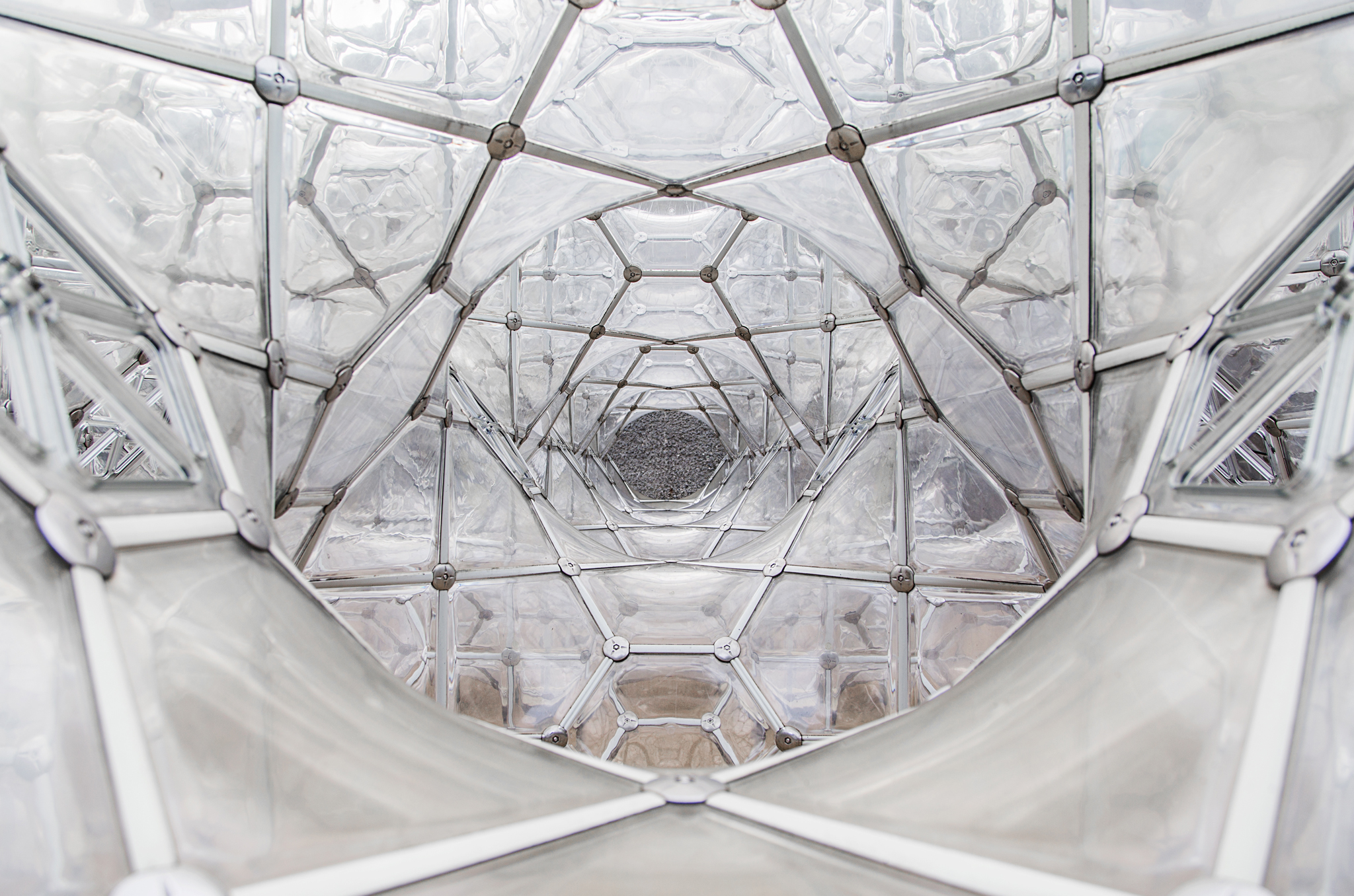
“Curved Space-Diamond Structure” (1978) by Peter Jon Pearce, Hakone Open Air Museum
Mountain and Forest Art Escapes (Day Trips)
Pola Museum of Art: Hakone (around 2–2.5 hours from Tokyo)
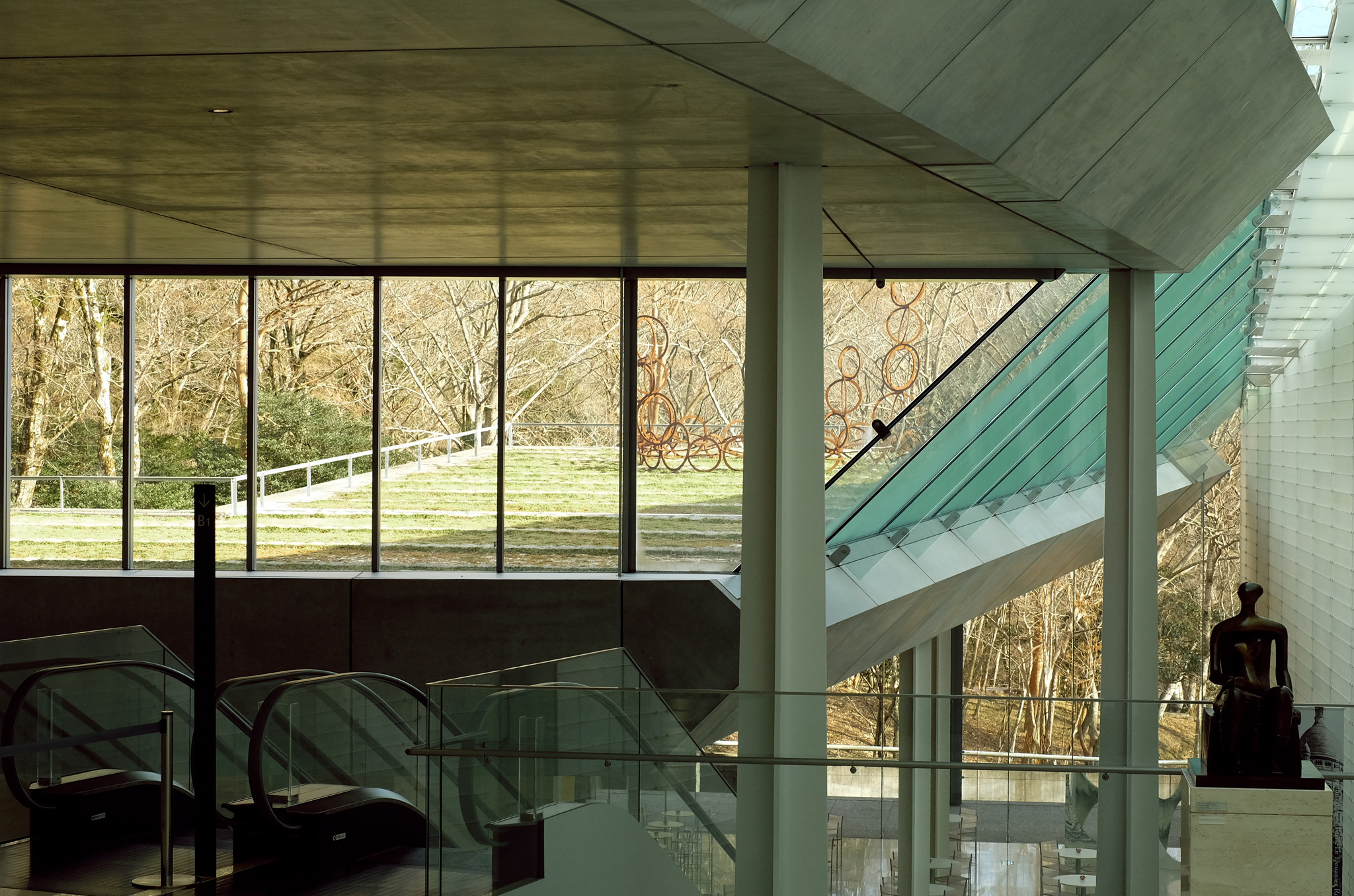
Set inside a lush beech forest in Hakone, the Pola Museum of Art sets the gold standard for architecture that harmonizes with the environment. The structure is almost entirely subterranean, with a massive glass atrium lobby that floods the concrete interior with soft, natural light, beautifully contrasting with the dense forest outside. Inside, works by Monet, Renoir and Cézanne anchor a rich collection spanning Western and Japanese art, with everything from Impressionist masterpieces to Japanese paintings, ceramics and contemporary works; the museum also regularly holds special exhibitions. Don’t miss the 1-kilomer-long nature trail twisting through the surrounding woods, where sculptures are tucked among the trees.
- Location: Hakone, Kanagawa
- Hours: 9:00 AM – 5:00 PM (Last admission 4:30 PM). Open year-round (except during temporary display changes).
- How to Get There: Take the Tokaido Shinkansen or JR Tokaido Line from Tokyo to Odawara Station. From there, take the Hakone Tozan Bus bound for Kojiri/Togendai and get off at the Pola Museum of Art stop (approx. 40 minutes).
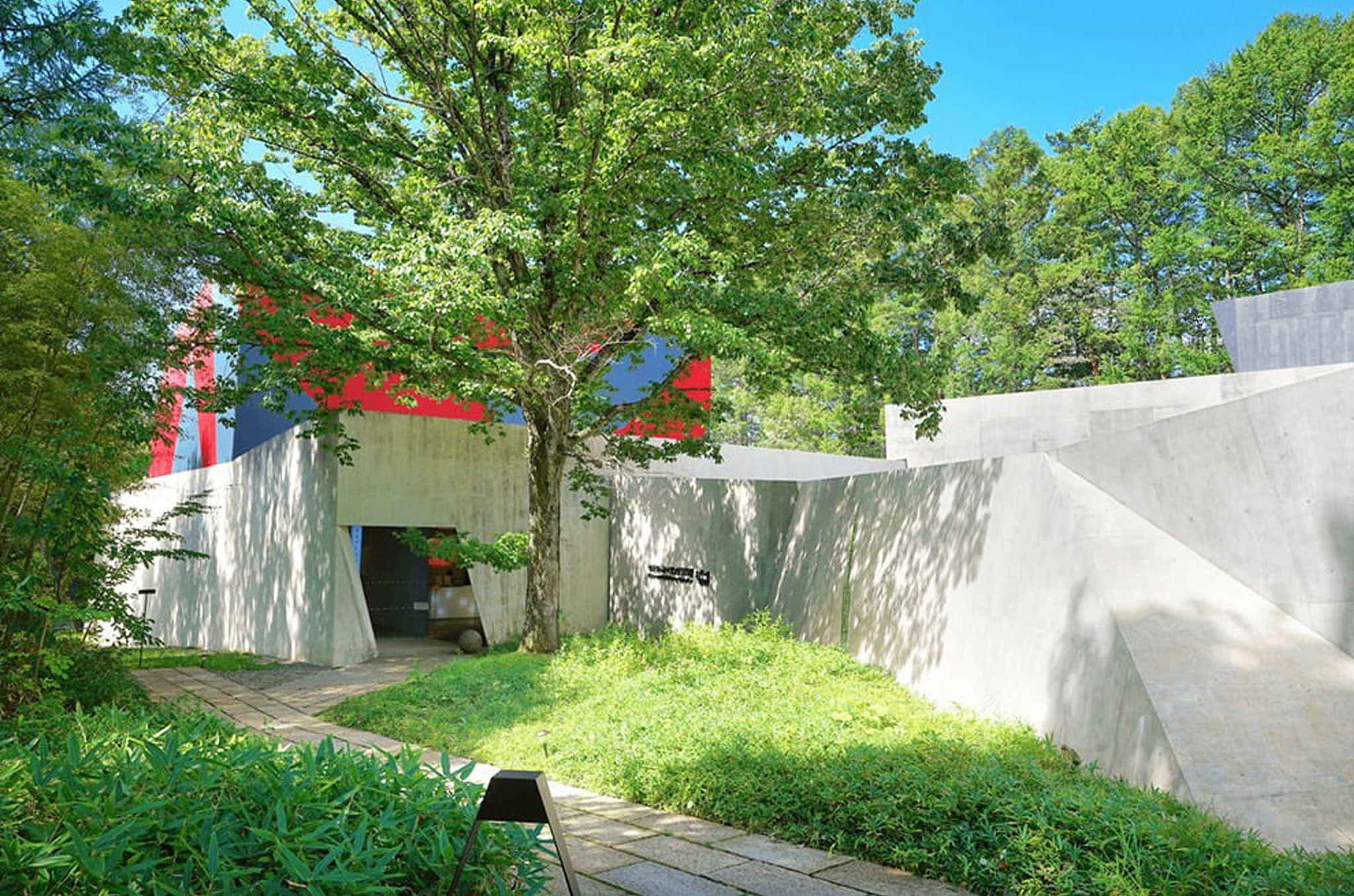
Nakamura Keith Haring Collection: Hokuto (around 2.5 hours from Tokyo)
Situated in the mountainside art hub of Hokuto, in Yamanashi Prefecture, the Nakamura Keith Haring Collection is the world’s only museum dedicated solely to the life and artwork of Keith Haring. Award-winning architect Atsushi Kitagawara designed the building, utilizing sharp angles and bold geometry to echo the chaos and vitality of 1980s New York City street culture.
The collection contains around 300 works spanning Haring’s career, from his early subway chalk drawings to massive sculptures, radiant icons and late-career works addressing the AIDS crisis. The juxtaposition of his loud, pop-graffiti lines against the quiet majesty of Mount Yatsugatake makes for a particularly memorable experience.
- Location: Hokuto, Yamanashi
- Hours: 9:00 AM – 5:00 PM (Last admission 4:30 PM). Closed Wednesdays (except national holidays), Dec 31, and Jan 1.
- How to Get There: Take the JR Chuo Line Limited Express from Shinjuku Station directly to Kobuchizawa Station (approx. 2 hours), or take an express bus from Shinjuku to Kobuchizawa Bus Stop. From the station, it is a 5-to-10-minute taxi ride to the museum.
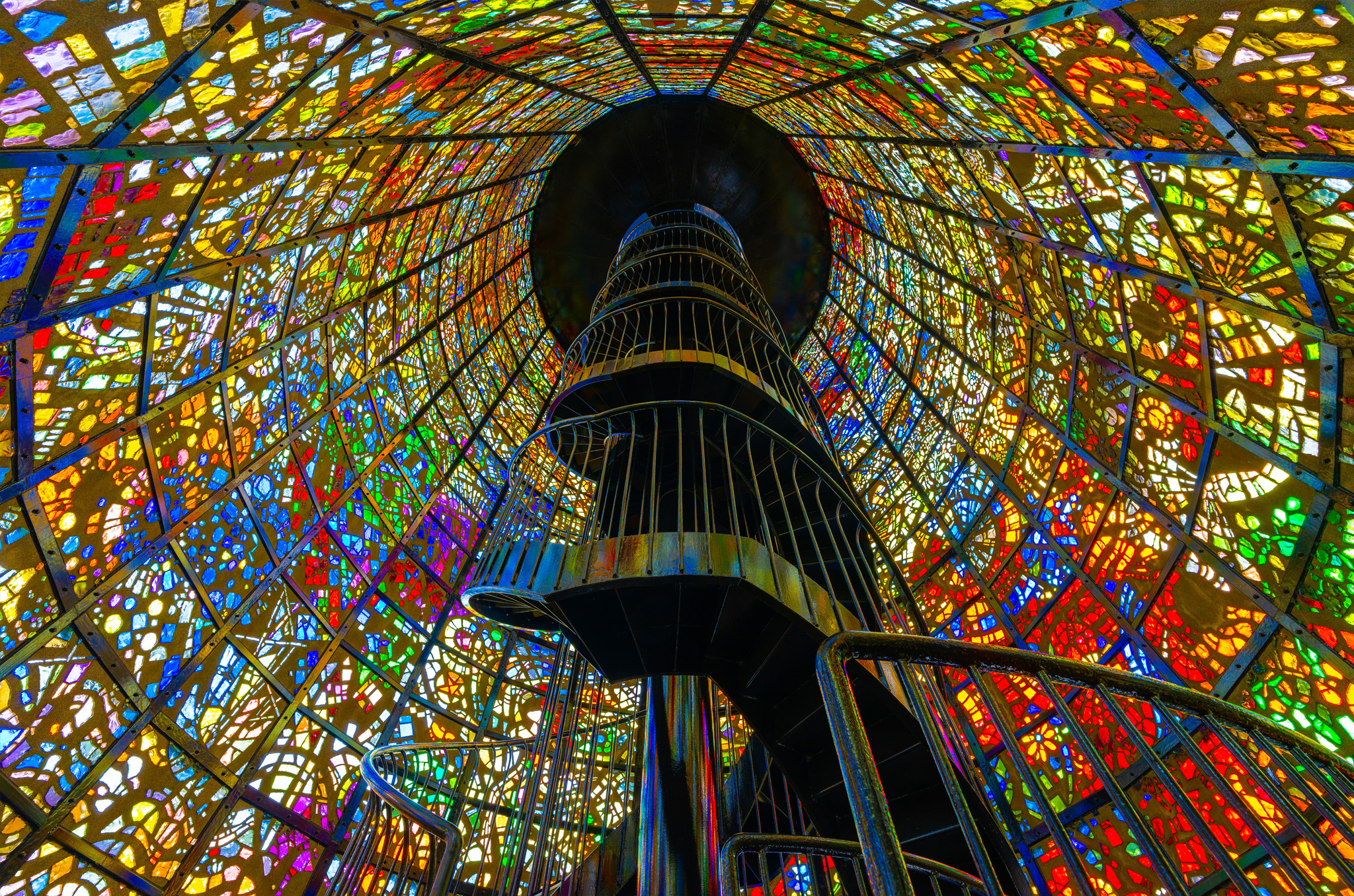
“Symphonic Sculpture” (1975) stained glass cylinder by Gabriel Loire, Hakone Open Air Museum
The Hakone Open-Air Museum: Hakone (around 1.5–2 hours from Tokyo)
Founded in 1969 as Japan’s very first outdoor art museum, the Hakone Open-Air Museum uses the rolling valleys of Hakone as a living gallery wall. Sculptures change character entirely depending on the season and the day’s weather conditions.
Masterpieces by Henry Moore, Joan Miró and Auguste Rodin are scattered across the lawns, but the crowning architectural feature is the Symphonic Sculpture: a towering cylinder made of stained glass with a central spiral staircase leading to a panoramic viewing deck. There’s also a dedicated indoor Picasso Pavilion, showcasing works from the museum’s collection of more than 300 Picasso pieces, and a natural hot-spring footbath where you can soak your feet mid-tour.
- Location: Hakone, Kanagawa
- Hours: 9:00 AM – 5:00 PM (Last admission 4:30 PM). Open year-round.
- How to Get There: From Odawara Station, take the Hakone Tozan Railway to Chokoku-no-Mori Station (approx. 50 minutes). The museum is a 2-minute walk from the station.
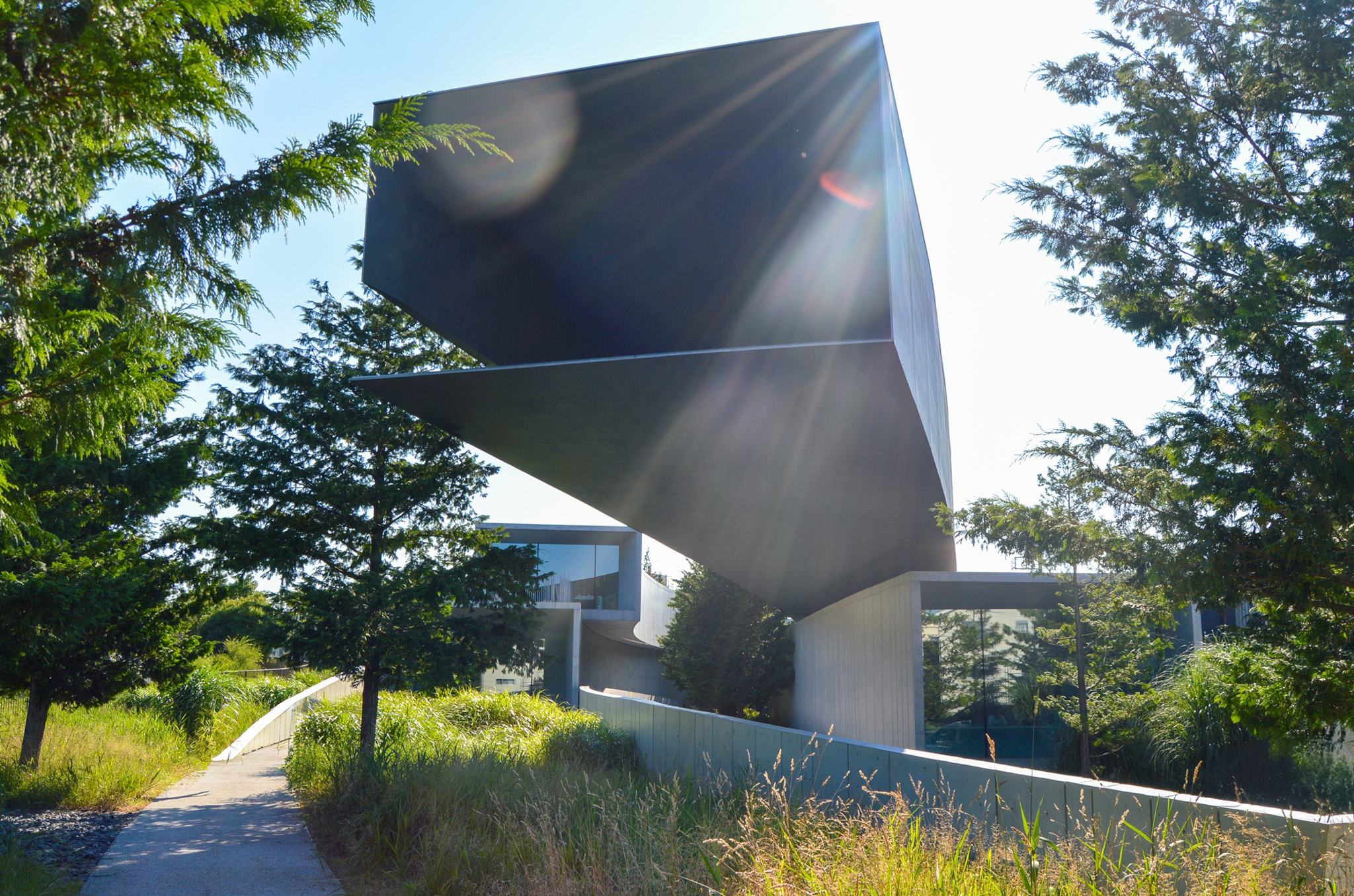
Hoki Museum: Chiba-shi (around 1.5–2 hours from Tokyo)
Right against the edge of a lush park in Chiba, the Hoki Museum is an architectural marvel. Designed by Nikken Sekkei, the building is composed of three levels of long, corridor-like galleries, with sections dramatically suspended above the ground and windows framing the surrounding forest.
This is Japan’s first museum to be dedicated entirely to Realist paintings, and the collection features around 500 works by some 60 artists, spanning breathtakingly detailed portraits, landscapes and still lifes. The seamless, corridor-like galleries offer an incredibly intimate environment to study the hyper-detailed brushwork.
- Location: Chiba-shi, Chiba
- Hours: 10:00 AM – 5:30 PM (Last admission 5:00 PM). Closed Tuesdays.
- How to Get There: Take the JR Sotobo Line (either via a limited express or rapid train from Tokyo Station) to Toke Station (approx. 50 to 60 minutes). From Toke Station’s South Exit, take the Chiba Chuo Bus bound for “Asumigaoka Brand New Mall” and get off at the Hoki Museum stop.
Museums by the Sea (Day Trips)
Enoura Observatory: Odawara (around 1.5–2 hours from Tokyo)
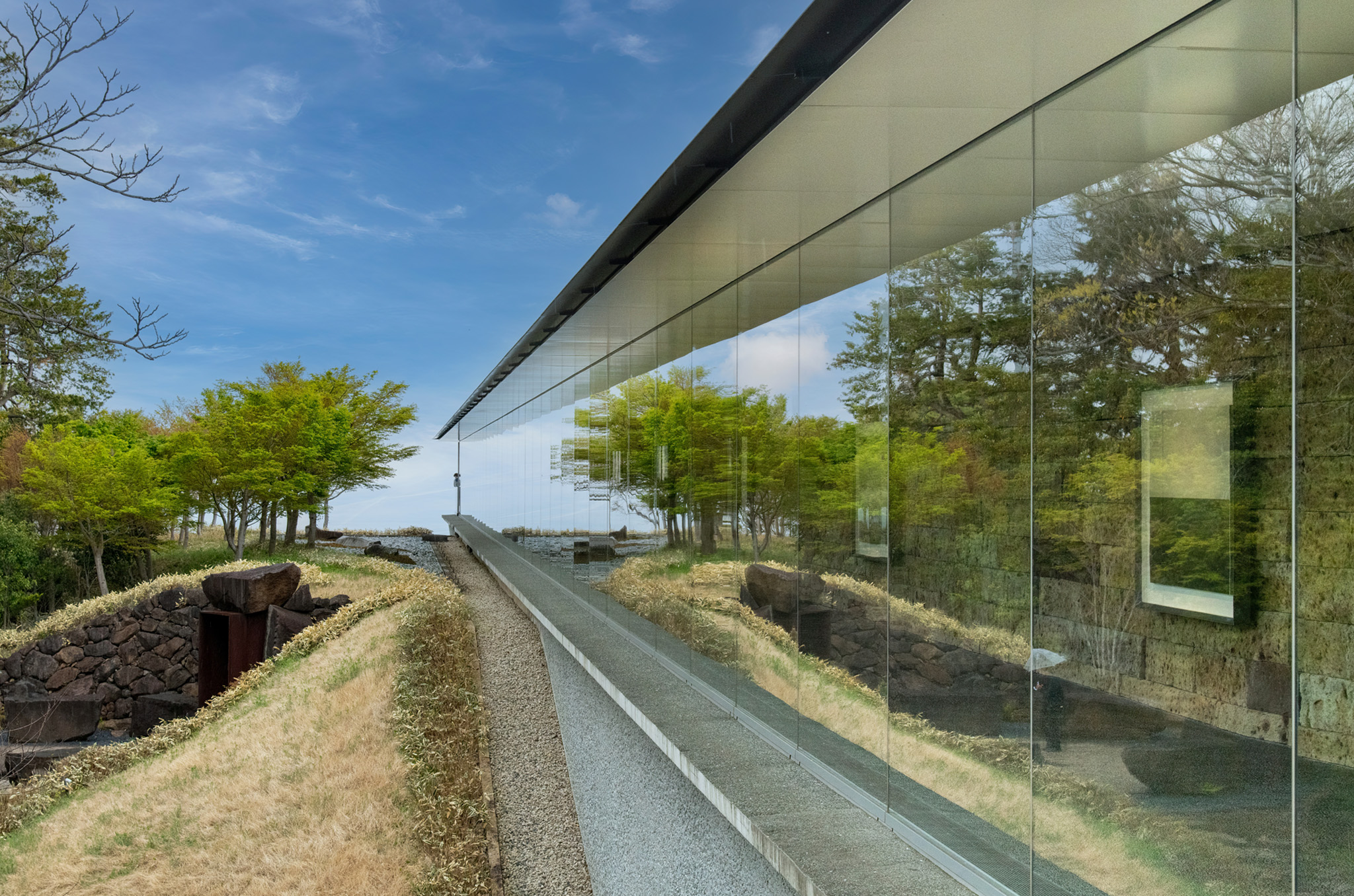
Conceived by the world-renowned contemporary artist and architect Hiroshi Sugimoto, Enoura Observatory is a breathtaking complex built into a hillside overlooking Sagami Bay. The entire site functions as a kind of cosmic instrument. Its architecture marks the movement of the sun and the changing seasons: the solstices and equinoxes are built into the positioning of its galleries, stages and sightlines, turning the landscape itself into a celestial calendar.,
The space was constructed using ancient Japanese building techniques and historic stones salvaged from temples and castles. Its 100-meter-long gallery tunnel is designed to line up perfectly with the path of the rising sun on the summer solstice. Elsewhere, an incredible optical glass stage looks as though it is floating seamlessly on the Pacific Ocean.
- Location: Odawara, Kanagawa
- Hours: Two admission times per day: morning (10:00 AM – 1:00 PM) and afternoon (1:30 PM – 4:30 PM). Closed Tuesdays and Wednesdays. Advanced booking is highly recommended. August hours differ.
- How to Get There: Take the JR Tokaido Line from Tokyo to Nebukawa Station (approx. 1 hour 15 minutes). The museum provides a free, pre-booked shuttle bus from Nebukawa Station directly to the site.
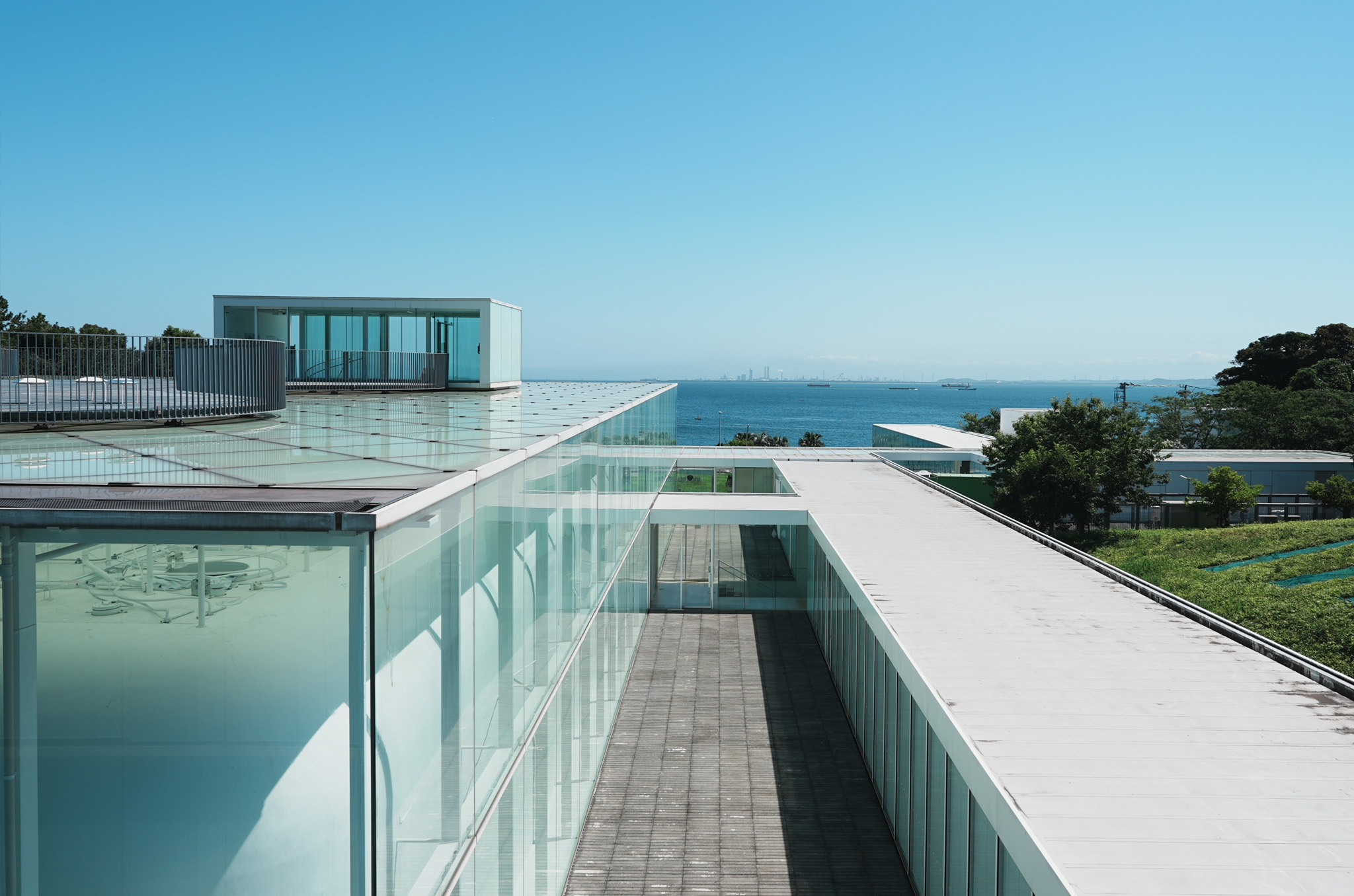
Yokosuka Museum of Art: Yokosuka (about 1.5–2 hours from Tokyo)
Designed by Riken Yamamoto, the Yokosuka Museum of Art is a masterclass in modern, eco-conscious design that blurs the boundary between building and landscape. It sits on the coast of the Miura Peninsula, bordered by a forested state park on three sides and the ocean on the fourth. Its glass-and-steel structure is punctured by circular openings of different sizes, framing glimpses of the forest, sky and passing cargo ships and filling the galleries with an ever-changing sense of the outdoors.
The museum focuses primarily on modern Japanese art, with a collection of more than 6,000 works spanning paintings, prints and sculpture, alongside a dedicated Taniuchi Rokuro Pavilion showcasing the beloved illustrator’s distinctive Shukan Shincho cover art.
- Location: Yokosuka, Kanagawa
- Hours: 9:00 AM – 5:00 PM. Closed the first Monday of every month.
- How to Get There: Take the Keikyu Line from Shinagawa Station to Maborikaigan Station (approx. 45 minutes). From there, take the local Keikyu Bus bound for Kannonzaki and get off at the Yokosuka Museum of Art stop (approx. 10 minutes).
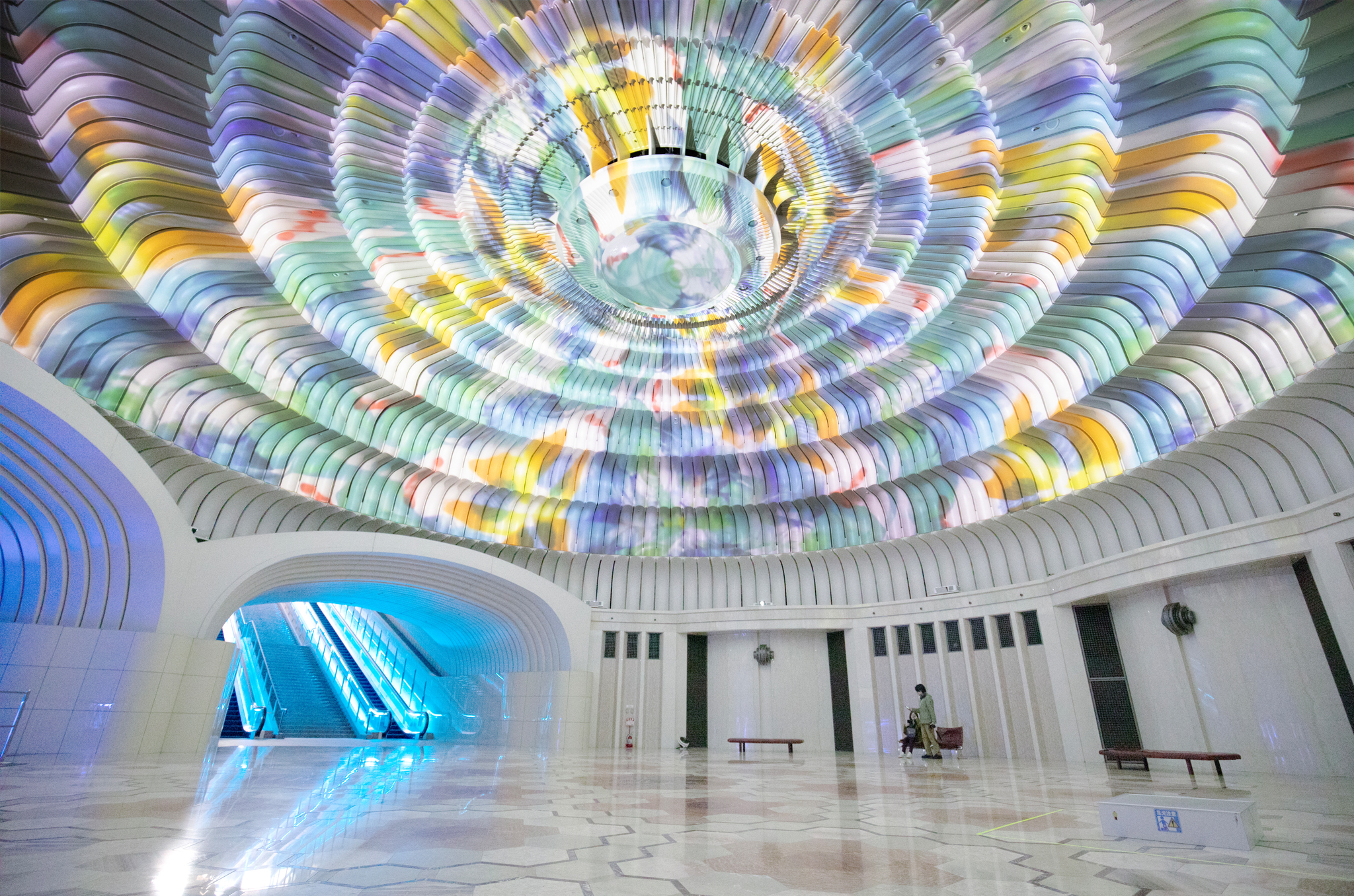
Photograph: Victoria Bennett
MOA Museum of Art: Atami (about 1.5 hours from Tokyo)
Perched 250 meters above sea level in the hot-spring resort town of Atami, the MOA Museum of Art feels grand and highly theatrical. To enter, visitors descend through a series of massive, long escalators through a futuristic, subterranean tunnel illuminated by a giant, shifting kaleidoscopic light projection.
The museum specializes in classical Japanese and East Asian art, with a collection spanning painting, calligraphy, sculpture and craft, including National Treasures such as Ogata Korin’s iconic Red and White Plum Blossoms folding screens. The architecture balances these ancient artifacts with spectacular views; its floor-to-ceiling glass windows look out across Hatsushima Island and the Pacific Ocean.
- Location: Atami, Shizuoka
- Hours: 9:30 AM – 4:30 PM (Last admission 4:00 PM). Closed Thursdays.
- How to Get There: Take the Tokaido Shinkansen from Tokyo Station to Atami Station (approx. 45 minutes). Take the local bus directly to the MOA Museum of Art (approx. 10 minutes).
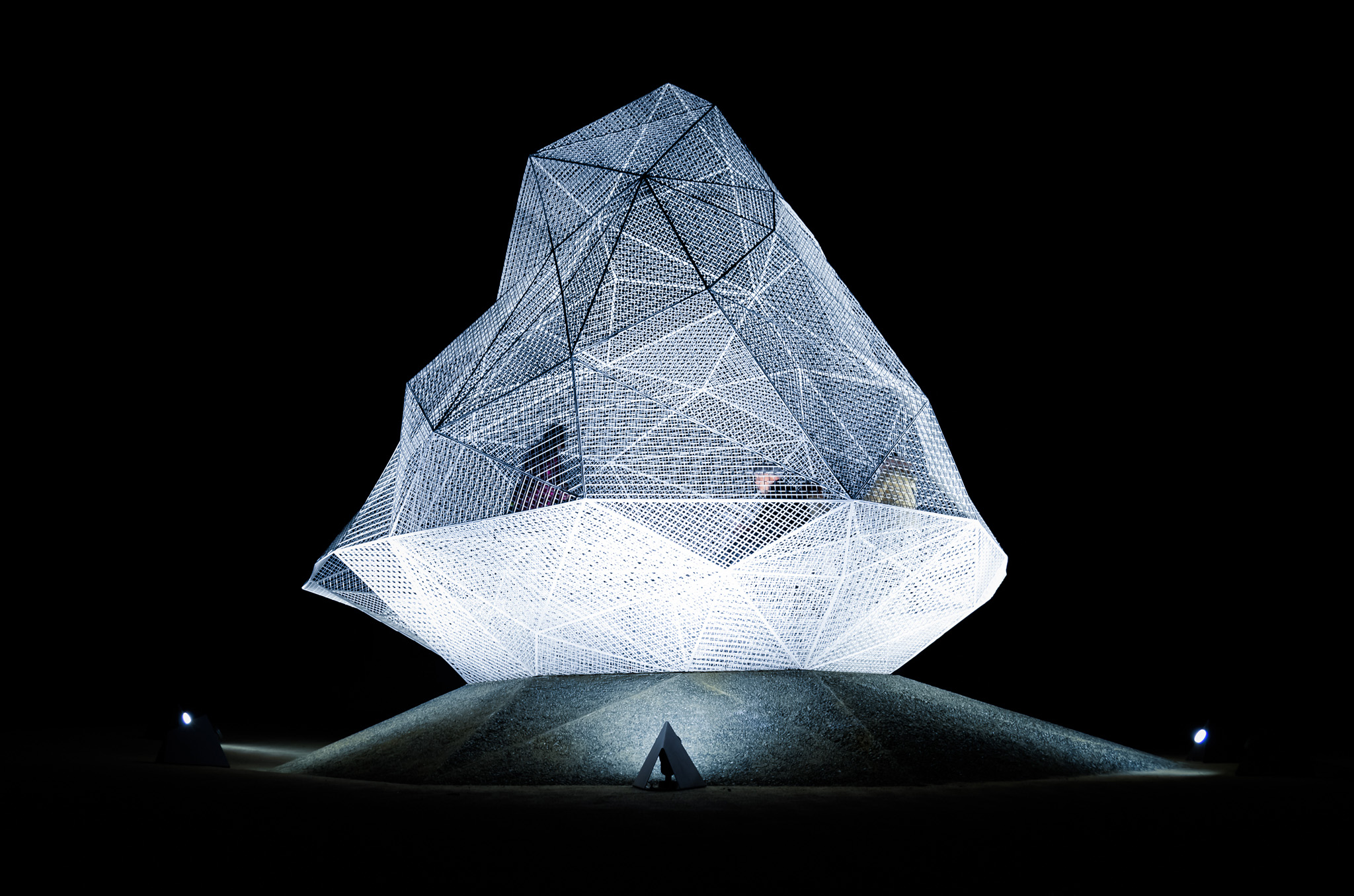
“Naoshima Pavilion” (2015) by Sou Fujimoto, Naoshima Island
The Ultimate Weekend Pilgrimages (Overnight Trips)
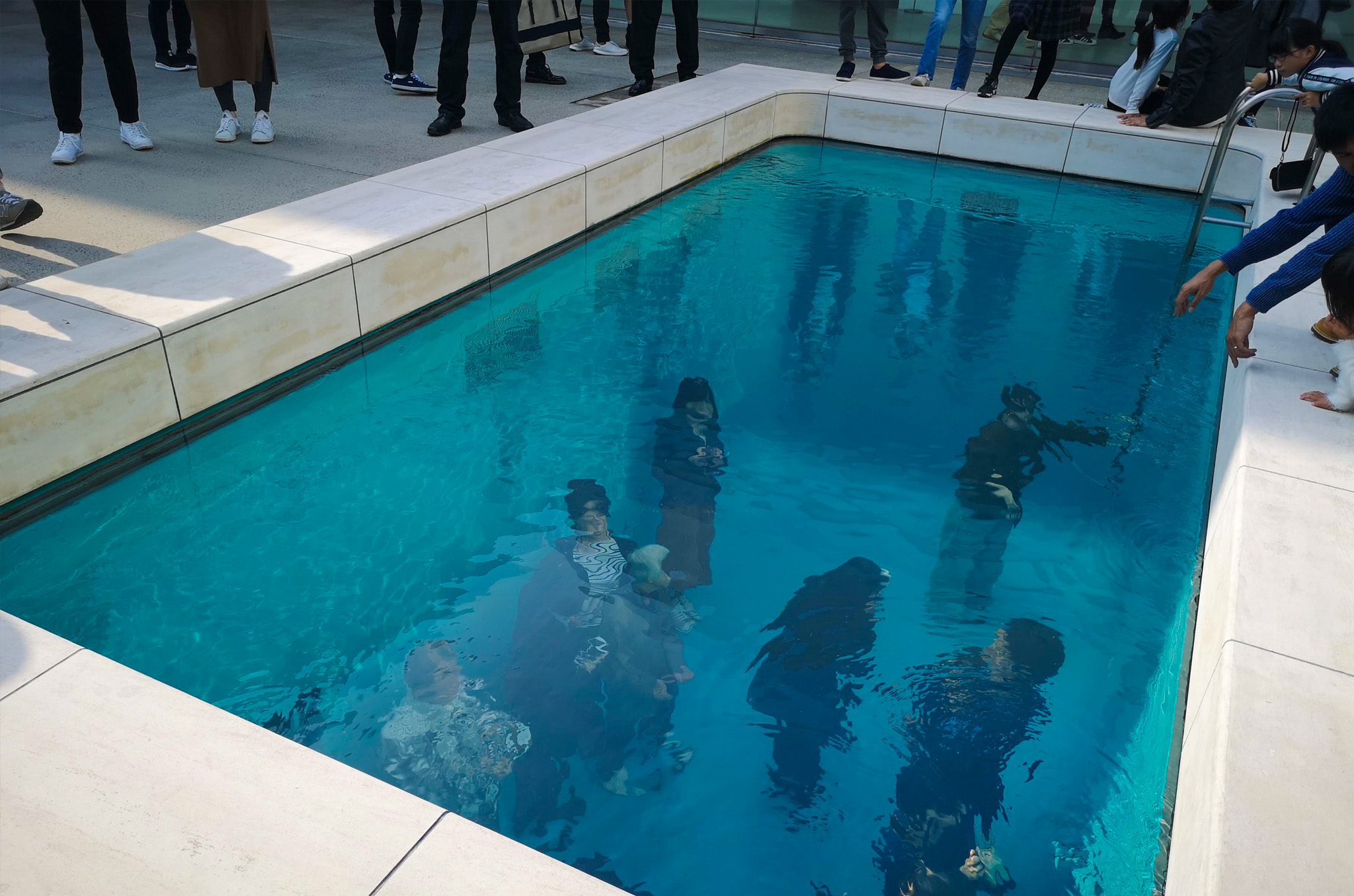
“The Swimming Pool” (2004) by Leandro Erlich, 21st Century Museum of Contemporary Art, Kanazawa
21st Century Museum of Contemporary Art, Kanazawa (about 2.5–3 hours from Tokyo)
Designed by the Pritzker Prize-winning architecture firm SANAA, the 21st Century Museum of Contemporary Art is a massive, low-slung glass circle with no designated main entrance or exit. The layout encourages visitors to drift into galleries from the surrounding public park, dismantling the intimidating barrier often associated with contemporary art.
The museum is home to Leandro Erlich’s world-famous permanent installation, The Swimming Pool, where visitors can peer through a thin layer of water at people apparently submerged below. . The museum is celebrated for showcasing cutting-edge, highly interactive global contemporary art, making it the perfect focal point for a cultural weekend trip.
- Location: Kanazawa, Ishikawa
- Hours: Public Zones: 9:00 AM – 10:00 PM; Exhibition Zones: 10:00 AM – 6:00 PM (Friday and Saturday until 8:00 PM). Closed Mondays.
- How to Get There: Take the Hokuriku Shinkansen from Tokyo Station directly to Kanazawa Station (approx. 2.5 hours). From the Kenrokuen-guchi bus terminal at the station, take the Kanazawa Loop Bus to the Hirosaka/21st Century Museum stop.
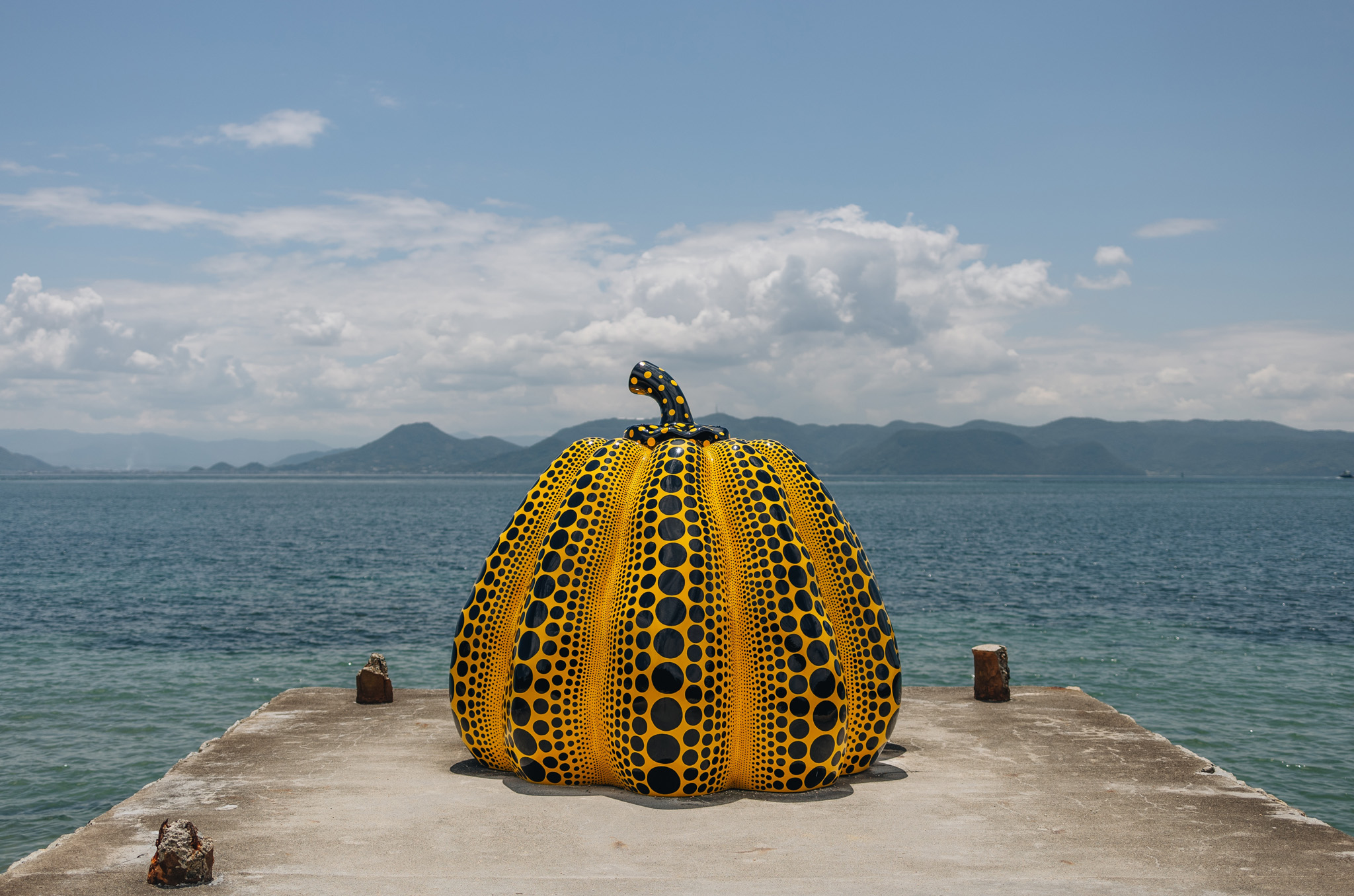
“Pumpkin” (1994) by Yayoi Kusama, Naoshima Island
Chichu Art Museum and Naoshima (about 4–5 hours from Tokyo)
Naoshima is Japan’s premier “art island,” a place where historic neighborhoods and fishing villages sit alongside site-specific installations, open-air galleries and some of the country’s most distinctive contemporary architecture.
The crown jewel is the Chichu Art Museum, built almost entirely underground by Tadao Ando to avoid disrupting the breathtaking natural scenery of the Seto Inland Sea. The space is illuminated almost entirely by natural light streaming down through geometric skylights to illuminate the works on display: a series of late Water Lilies by Claude Monet, alongside immersive installations by James Turrell and Walter De Maria. Combined with the island’s iconic waterfront polka-dot pumpkins by Yayoi Kusama, it makes for a gold-star bucket-list trip.
- Location: Naoshima, Kagawa
- Hours: 10:00 AM – 6:00 PM (Last admission 5:00 PM). Closed Mondays. Advanced timed-entry tickets are required online.
- How to Get There: Take the Tokaido/Sanyo Shinkansen from Tokyo to Okayama Station (approx. 3.5 hours), transfer to the JR Uno Line to Uno Station, and walk to Uno Port. From there, take a 20-minute ferry ride to Naoshima’s Miyanoura Port.
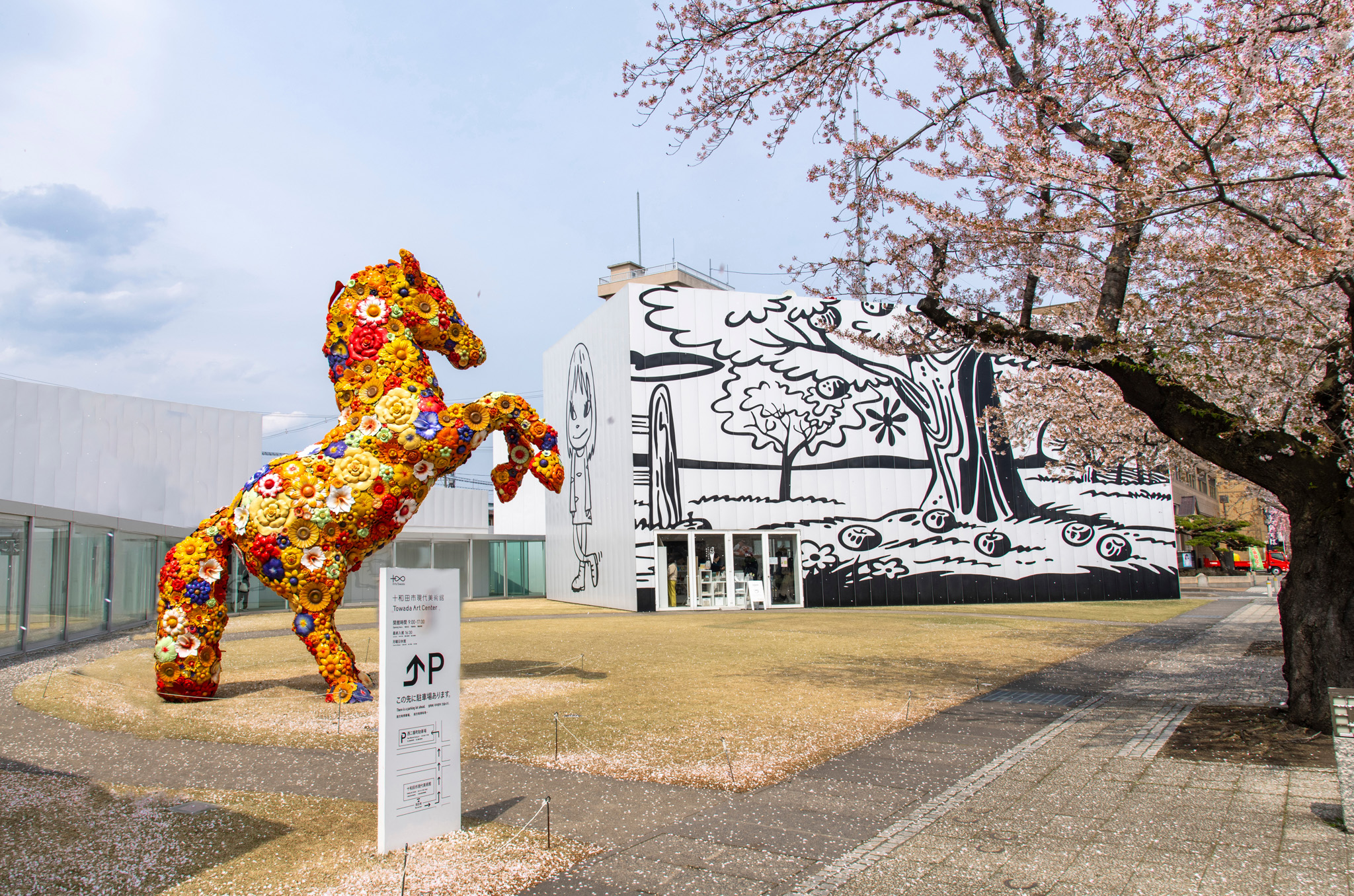
Towada Art Center (about 4–5 hours from Tokyo)
Located far north in Aomori Prefecture, the Towada Art Center was designed by architect Ryue Nishizawa as a cluster of independent white pavilions connected by transparent glass corridors. Conceived as “houses for art,” the rooms were individually designed around the works they contain, and many open directly out onto the city’s main thoroughfare, making the entire street feel like an open-air gallery.
Highlights include Ron Mueck’s startlingly lifelike, four-meter-tall sculpture Standing Woman, Yayoi Kusama’s polka-dot sculptures scattered across a giant outdoor plaza and Choi Jeong Hwa’s vibrant, 5.5-meter-tall Flower Horse guarding the main entrance.
- Location: Towada, Aomori
- Hours: 9:00 AM – 5:00 PM (Last admission 4:30 PM). Closed Mondays.
- How to Get There: Take the Tohoku Shinkansen from Tokyo Station to Shichinohe-Towada Station (approx. 3 hours). From there, take the local Towada Kanko Bus directly to the Towada Art Center stop (approx. 35 minutes).