
A new controversy at NHK has added to a growing list of scandals confronting Japan’s television industry. An external investigation found that the public broadcaster failed to adequately support an employee who reported an alleged sexual assault by a program guest, prompting a public apology from management. Coming after high-profile controversies at Fuji TV and other broadcasters, the case has renewed debate over whether Japan’s media companies have deeper problems with workplace culture, accountability and corporate governance.
According to NHK, the assault took place after a social gathering involving program cast members and production staff. The employee fell ill afterward and took a leave of absence, and was later diagnosed with post-traumatic stress disorder. About a year and a half after the incident, they asked to return to work in a different department. NHK declined. The transfer was not approved until three years after the assault. The person accused of the assault said they could not remember what happened because they had been drinking, adding, “If such an incident did occur, I am sorry.”
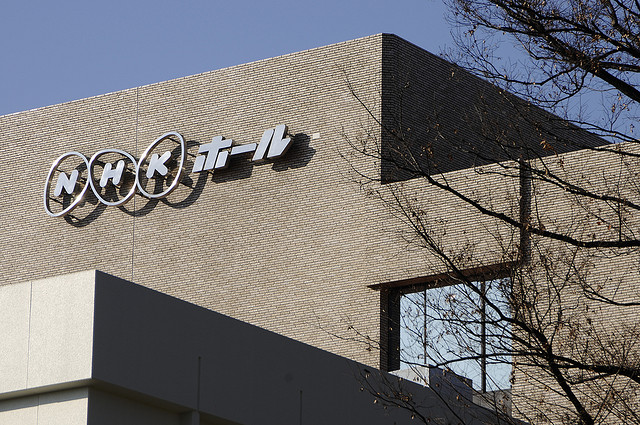
NHK’s Failure To Respond
NHK has not named the individual involved or disclosed their gender, although it said they are no longer appearing on the program. The broadcaster acknowledged it was unaware a serious human rights violation had occurred until the employee reported the incident through a labor union in April 2025. It subsequently established a three-member investigative committee, including an external lawyer. The committee found that “despite the severity of the assault, the response was limited to following established procedures.”
The NHK case comes at a time when Japan’s television industry is facing heightened scrutiny over how broadcasters respond to allegations of misconduct. In late 2024 and into 2025, Fuji TV came under fire over its response to allegations involving former television personality Masahiro Nakai and a woman connected to the entertainment industry. In both instances, attention has focused not only on the alleged conduct itself, but also on how the broadcasters responded and treated those who raised concerns.
Another broadcaster drawn into the Nakai controversy was TBS (Tokyo Broadcasting System), which canceled the actor’s long-running program Kinsuma and launched its own internal human rights investigation. In April 2025, TBS released a report confirming four past cases of sexual harassment and inappropriate behavior by program co-stars and guests toward company announcers dating back roughly 15 to 25 years. The report found that no appropriate action had been taken in any of the cases.
TV Asahi also conducted a survey to examine whether problems existed between program cast members and employees. The compliance department surveyed around 90 employees to assess workplace relationships and potential misconduct, with respondents reporting no inappropriate behavior by cast members. However, President Hiroshi Shinozuka said some respondents reported being told by management that “it is the role of women to liven up the dinner party.”
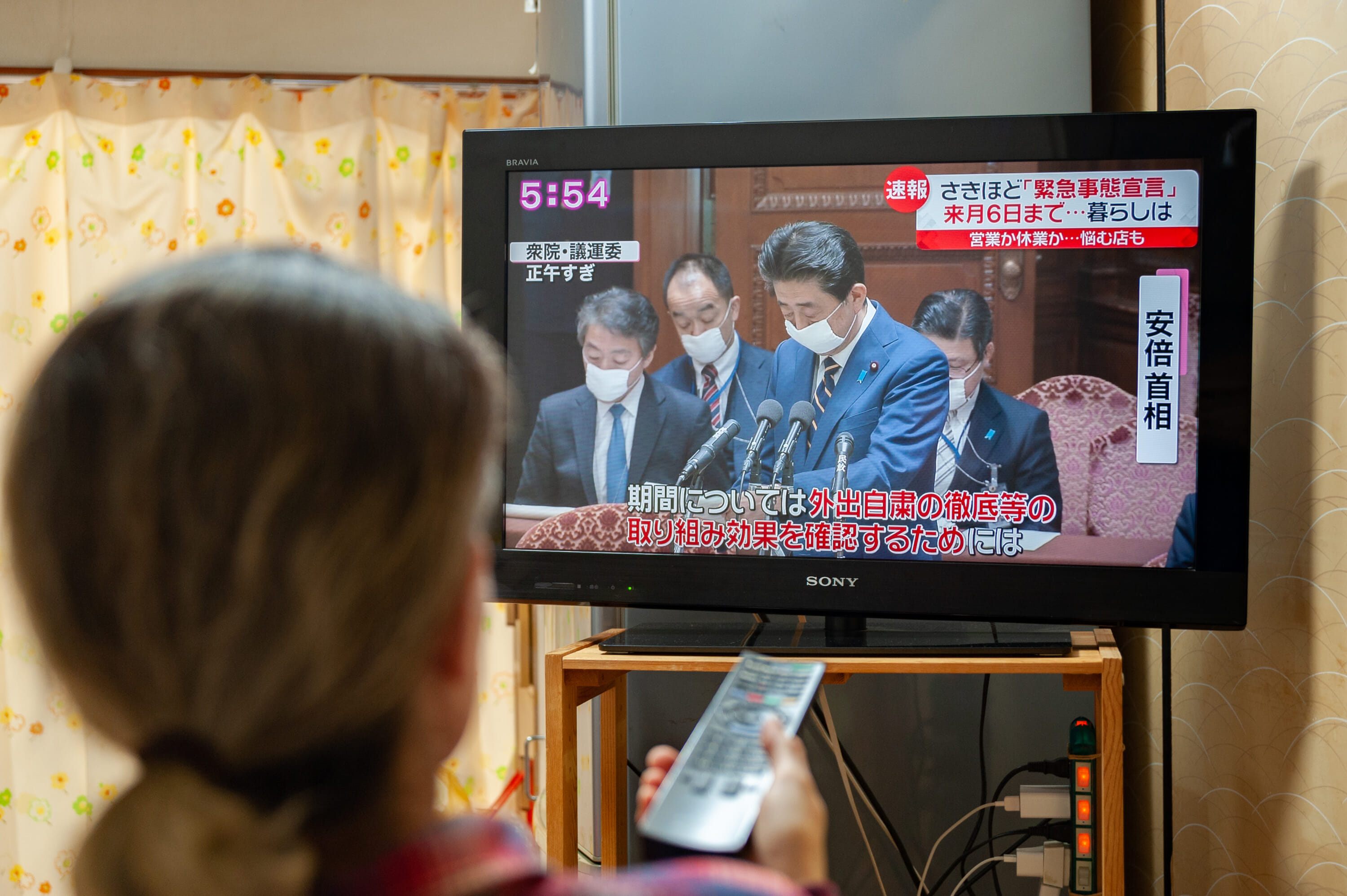
Can the Industry Change?
The findings also brought renewed attention to the role of after-hours socializing in Japan’s entertainment industry. Drinking gatherings have long been viewed as an important part of relationship-building between television personalities, producers and staff, with informal conversations often taking place away from the workplace. However, recent controversies have raised questions about whether these environments can blur professional boundaries, reinforce unequal power dynamics and make it more difficult for employees to challenge inappropriate behavior or report concerns.
The scrutiny surrounding these cases has forced Japan’s broadcasters to examine not only individual incidents, but also workplace practices and industry customs that many feel are allowing problems to go unaddressed. NHK has pledged to review its internal procedures for handling harassment, while Fuji TV overhauled its top leadership, introduced a human rights action plan and announced measures to improve governance. Other broadcasters, meanwhile, have launched surveys, training programs and reviews of their compliance systems.
Despite these efforts, questions remain over whether the changes will be enough to restore trust in Japan’s television industry. While new compliance measures and investigations may improve how broadcasters respond to complaints, critics argue that lasting change requires a deeper shift in workplace culture and attitudes toward power and accountability. For an industry facing growing scrutiny over its culture and practices, the challenge will be proving these reforms are more than a temporary response to the latest scandal.