
If you’ve ever run to the station at midnight, only to find the gates closed, the platforms eerily quiet and station employees packing up for the night — it’s a very humbling experience.
You’re now facing a roughly five-hour gap until the shihatsu (first train) runs. You don’t feel like drinking anymore, especially after that Olympic-level sprint you just pulled, but you need a safe, comfortable place to wait it out. Once you’re done beating yourself up for not checking the time sooner, here is your complete, battle-tested guide on what to do when you’ve missed the last train in Tokyo.
First, Check Whether You’ve Really Missed the Last Train
Before resigning yourself to an all-nighter, double-check your routing options. You might not be completely stranded.
Even if the direct train all the way to your final stop has finished operating, trains heading in your general direction may still be running. Reaching a major transit hub like Shinjuku, Shibuya or Tokyo Station — or even getting a few stops closer — will significantly cut down the cost of a final taxi ride.
Remember that Tokyo’s transit network is operated by multiple distinct railway companies including JR East, Tokyo Metro, Toei Subway and several private lines. Just because a JR line has finished its final run for the night doesn’t mean a parallel subway or private line has stopped. A smart strategy is taking the last available train as far down the line as it will take you, then hailing a taxi for the short remaining distance home.
And if the gates are already down and no route gets you home? Yeah, no, you’ve missed it. Here’s how to make it to the first train.
8 Things To Do Until the First Train

1. Sing It Up at Karaoke
Karaoke is a classic night-owl staple for good reason. Major chains like Big Echo, Karaoke Kan, and Karaoke Manekineko offer overnight “Free Time” packages running from around 11:00 p.m. to 5:00 a.m. for a fixed rate. You can sip fountain Oolong tea, belt out your favorite hits or take a nap on a soft sofa in a private room while your friend sings an off-tune rendition of Evangelion’s “A Cruel Angel’s Thesis.”
2. Catch Some Zzz’s at a Capsule Hotel
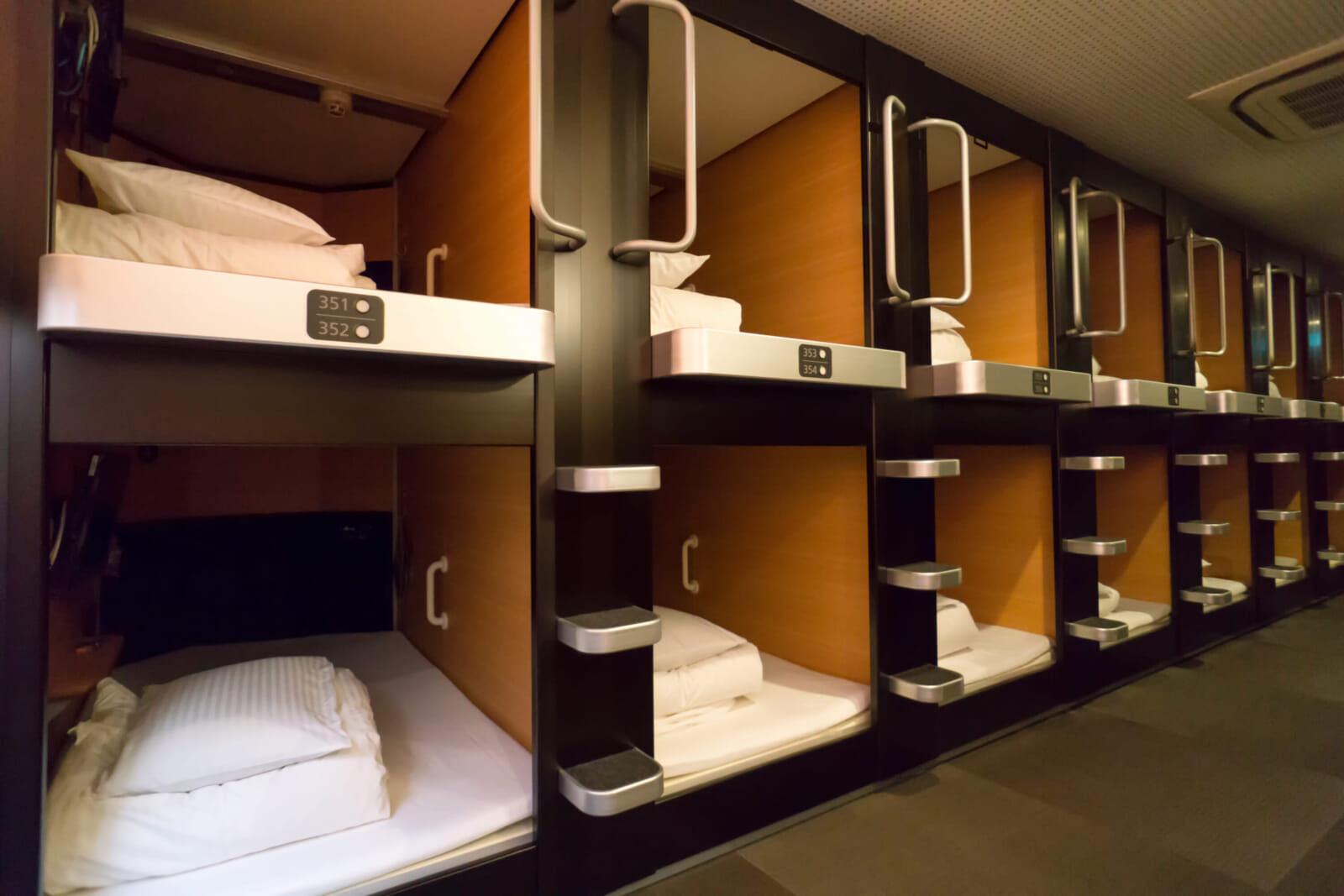
Tokyo has plenty of capsule hotels offering quiet, private sleeping pods. Chains like Nine Hours and First Cabin provide compact, comfortable beds along with shower facilities and amenities. While walk-ins are accepted if rooms remain available, booking online mid-evening guarantees a spot. If you want clean, efficient comfort, check out our full guide to Tokyo’s best capsule hotels.
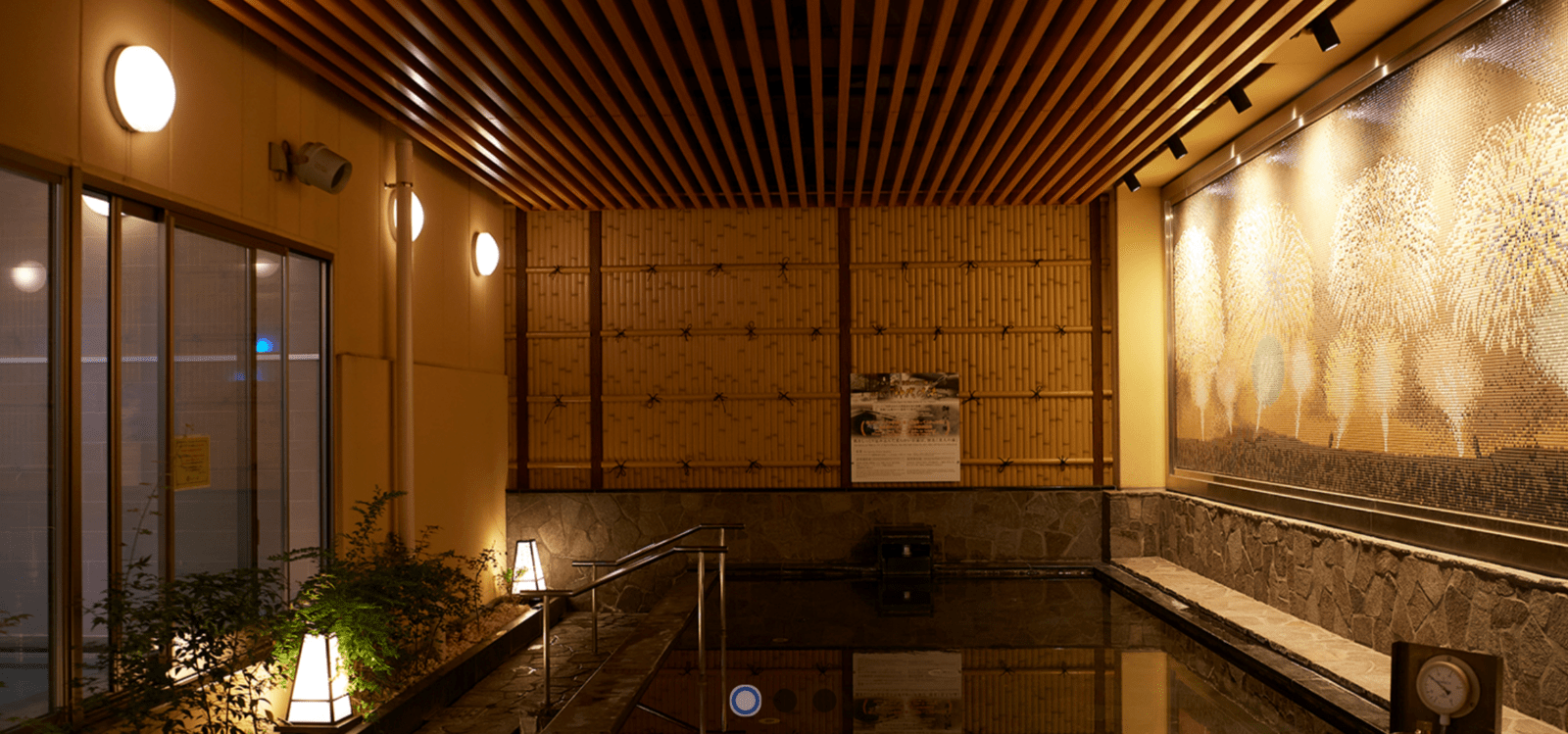
3. Relax at an Onsen
Some of Tokyo’s onsen and super sento, which are larger bathhouses, operate 24/7 or stay open until early morning. These facilities can often have hot springs, saunas and dedicated relaxation lounges equipped with reclining chairs. Notable spots include Thermae-Yu in Shinjuku and Spa LaQua at Tokyo Dome. Check out our roundup of tattoo-friendly sento, and keep in mind that some smaller neighborhood facilities may have strict tattoo policies.
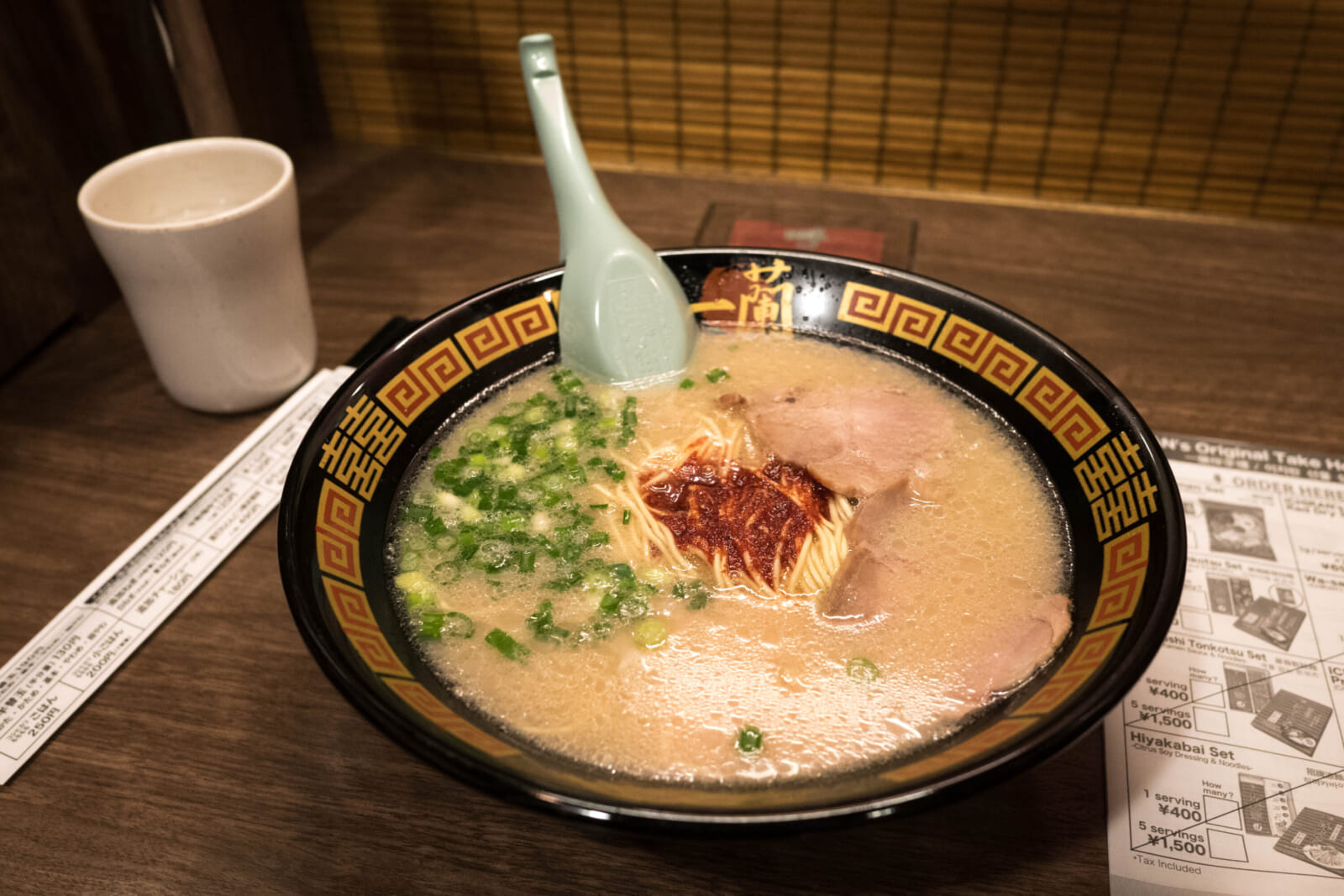
Ichiran | Photo by Bankoo via Shutterstock
4. Fill Up at a Late-Night Restaurant or Café
If you can’t get your energy from sleep, you might as well fuel up with food. Many Ichiran branches, including the one in Shibuya, never close, and the solo-booth setup makes a midnight bowl of tonkotsu ramen feel almost private. Tsurutontan serves its massive bowls of udon until around 8 a.m. at its Roppongi and Shinjuku branches, and they hit differently at 3 a.m. For sushi, Sushi Zanmai’s Tsukiji flagship is open around the clock. Gyudon chains like Matsuya and Sukiya, many open 24 hours near major stations, are a reliable budget fallback.

5. Catch Up on Shows and Manga at an Internet Café
Manga cafés (manga kissa) offer private booths with reclining seats or flat mat floors, free-flowing soft drinks, soft-serve ice cream, high-speed Wi-Fi and extensive manga collections. Chains like Kaikatsu Club and Bagus even offer clean shower facilities. If you’re a first-time visitor, make sure to bring valid photo identification (such as a passport or Residence Card) to register and enter.

6. Play Pool or Darts
Billiard and darts venues across major entertainment districts stay open until 5:00 AM. They range from high-energy bars like Bee to quieter amusement halls like Bagus, where you can focus on honing your game in a calm environment without any pressure to drink heavily.
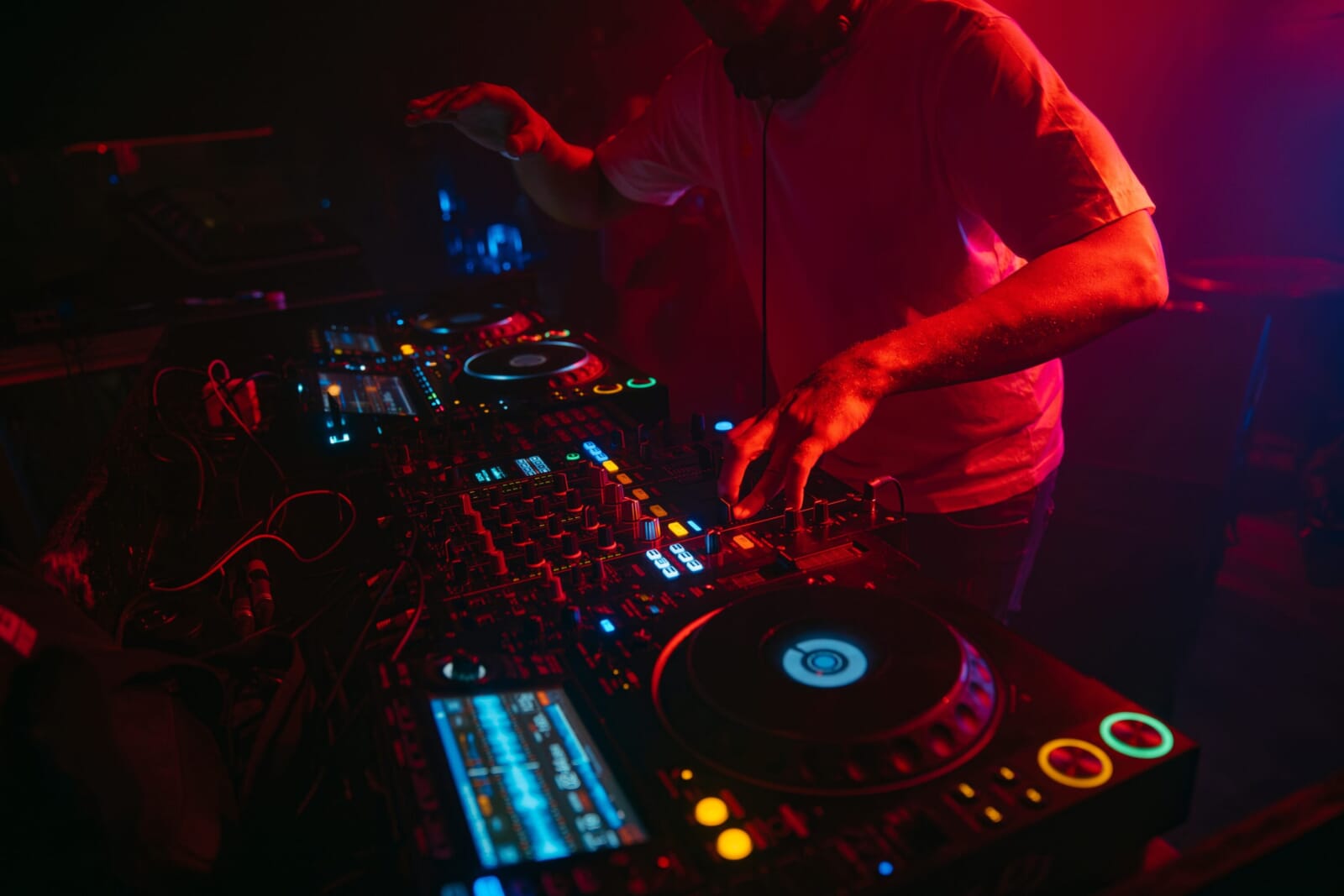
7. Hit the Club
Clubs in Tokyo generally don’t peak until after midnight, so if you’ve missed the train, you can always make a U-turn right back to the dancing crowds. Explore popular nightlife districts like Shibuya, Shinjuku and Roppongi — all filled with energetic venues often catering to international crowds.
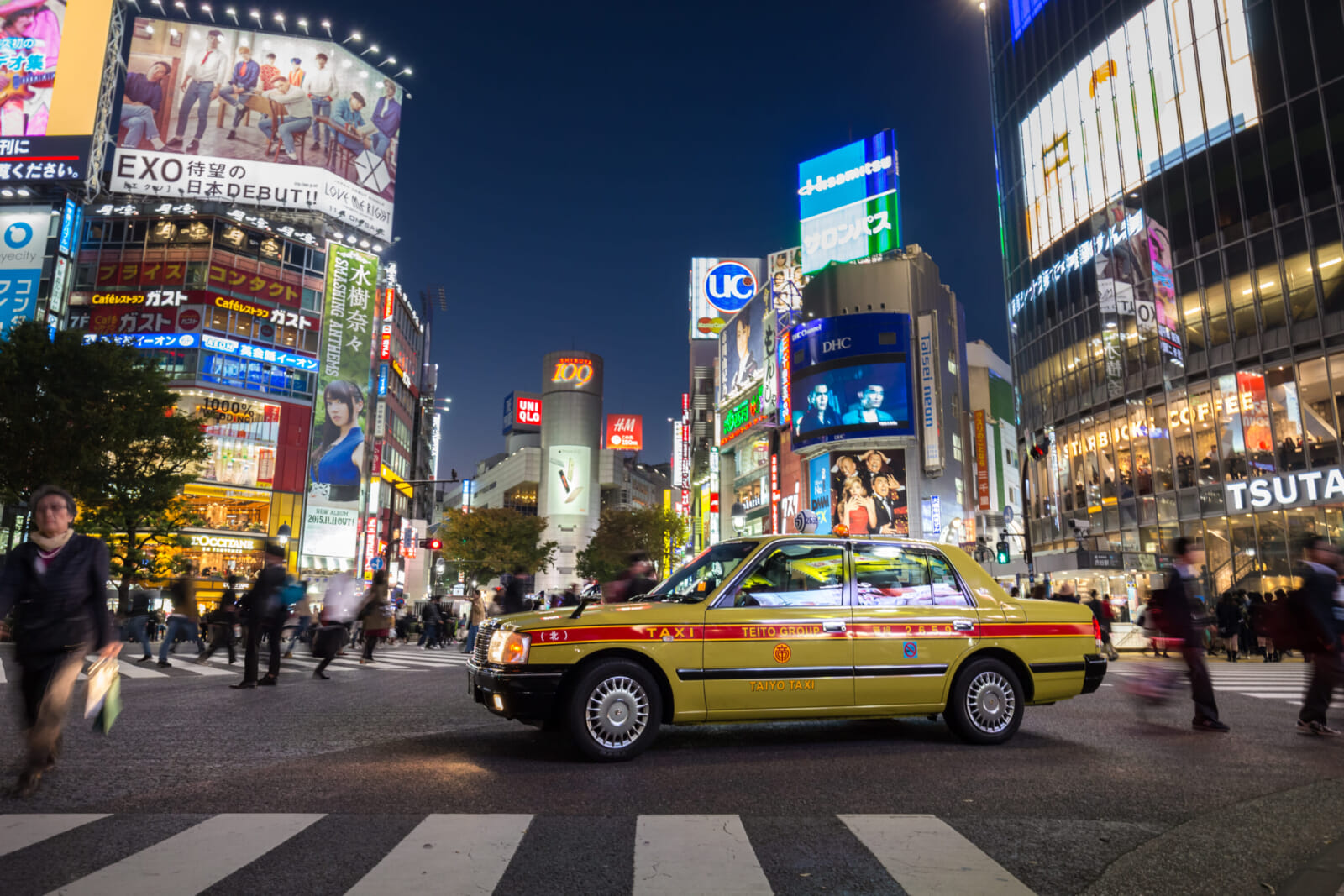
Shibuya | Matej Kastelic via Shutterstock
8. Take a Cab Home
While taking a taxi can be pricey, if you live reasonably close to central Tokyo, the fare may be comparable to booking an overnight room — with the added benefit of sleeping in your own bed. Keep in mind that a standard 20% late-night surcharge applies to street-hailed taxis between 10:00 p.m. and 5:00 a.m. Look for taxis displaying a a red 空車 (kusha, ‘vacant’) sign.
Getting Home Without a Train: Taxis, Apps and Bike Share
If you decide to take a cab home, ride-hailing apps make booking straightforward without requiring Japanese language skills. Go (Japan’s most widely used taxi app) and Uber (which dispatches licensed local taxis in Tokyo) allow you to set drop-off locations directly on a map.
As a reference point, a late-night taxi ride from Shibuya Station to Shinjuku Station (approximately 5 km / 3 miles) typically costs around ¥2,500 to ¥3,300, depending on exact traffic conditions and routing.

Bike Share and E-Scooters
Shared mobility services like Luup (e-bikes and e-scooters) or Docomo Bike Share operate 24/7 across Tokyo, offering a convenient way to cover short distances when trains aren’t running.
Critical Safety Warning: Operating an e-bike or e-scooter under the influence of alcohol is strictly illegal in Japan under the Road Traffic Act. Penalties include heavy fines and potential legal consequences. If you have been drinking, stick to taxis, public transit or walking.
Staying Safe Overnight
Tokyo is extraordinarily safe, but taking a few sensible precautions ensures a trouble-free night. Sleeping outdoors on park benches, street corners or inside station areas is heavily discouraged, as it can make you a target for opportunistic theft or police questioning.
If you are ever lost, feel unsafe or need immediate assistance, head to the nearest koban (police box). Officers stationed there can help direct you to open facilities or assist in contacting transport. Female travelers seeking extra privacy can look for women-only floors at capsule hotels (such as Nine Hours Woman or Akihabara Bay Hotel) or designated female-only booths at major manga cafés.
How To Avoid Missing the Last Train Next Time
To ensure you don’t get caught out again, set transit reminders using apps like Japan Travel by Navitime, Google Maps or Jorudan, which allow you to track the last train departures of the evening. As a general rule of thumb, most urban train lines in central Tokyo depart for their final runs around 12 a.m.
Frequently Asked Questions (FAQ)
What time is the last train in Tokyo?
Most JR and subway lines run their final trains between midnight and 12:45 a.m. Exact times vary depending on the line and destination, so always check a transit app beforehand.
What time does the first train run?
First trains (shihatsu) generally start running between 4:30 a.m. and 5 a.m. across central Tokyo.
Can you sleep in a train station?
No. Tokyo train stations close their shutter gates shortly after the final train departs and reopen shortly before the first train arrives. Station staff will ask anyone remaining to leave the premises.
Are there night buses in Tokyo?
Overnight city buses within central Tokyo are rare and generally do not operate continuously through the 1–5 a.m. window. Do not rely on local city buses as a primary late-night backup.
Is Uber cheaper than a taxi at night in Tokyo?
No. In Tokyo, Uber operates primarily by dispatching standard licensed taxis rather than private drivers. Fares are aligned with regulated taxi rates, including the 20% late-night surcharge.
Related Posts
Updated On November 5, 2026