Few European cakes have acquired a second home as successfully as baumkuchen. Found everywhere from department store food halls to hikidemono (wedding favors), the ring-shaped confection is one of Japan’s most recognizable sweets.
Part of baumkuchen’s appeal lies in its form, which has taken on deep symbolic meaning. When sliced, the cake reveals concentric layers that resemble the growth rings of a tree, making it a natural metaphor for longevity, prosperity and the passage of time. These themes resonate strongly in Japanese culture, helping transform a German confection into a staple of Japan’s dessert landscape. Plus, they’re delicious.
But how exactly did this European cake become so popular in Japan? To find out, we need to take a trip into the past.
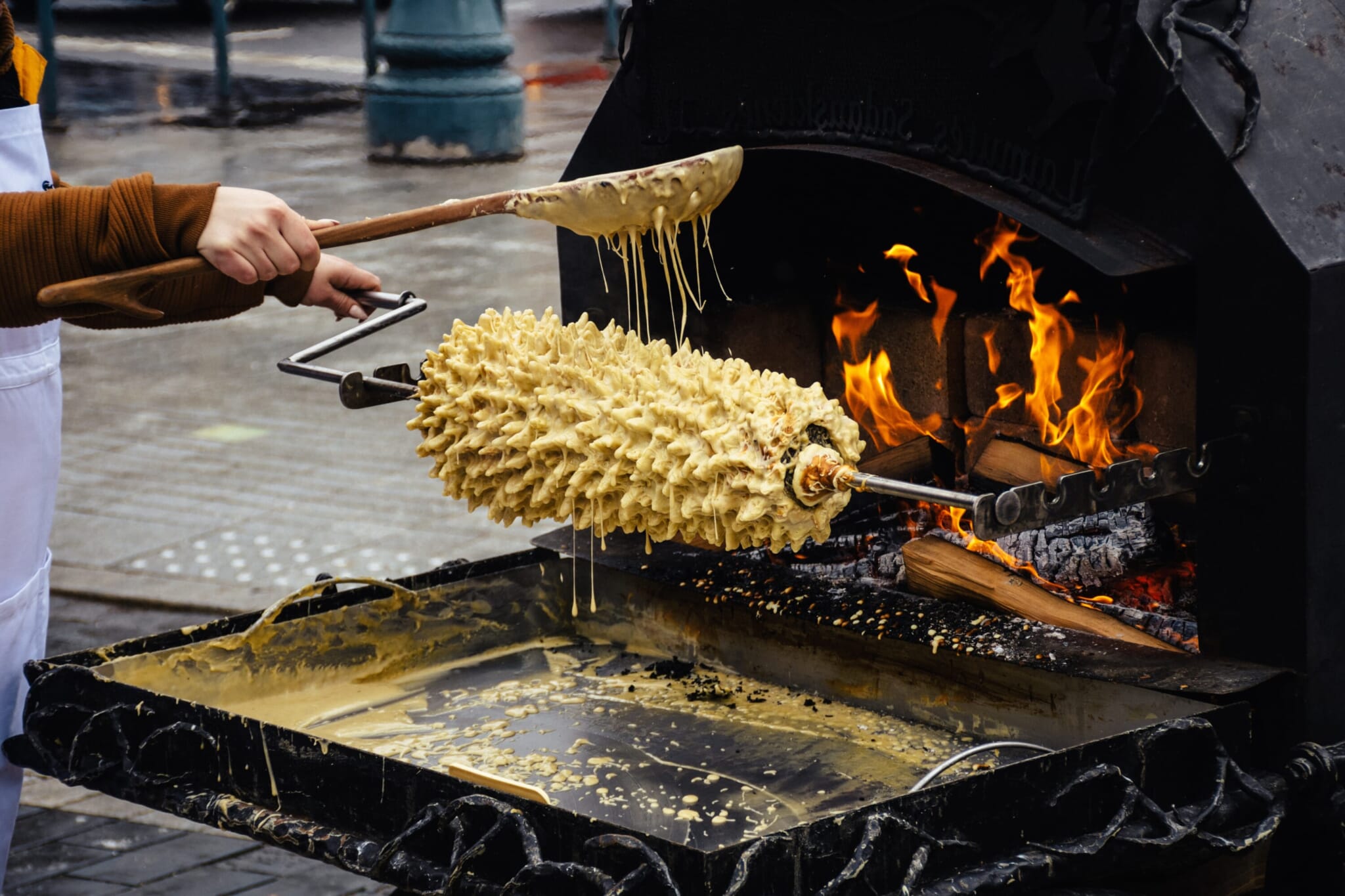
Lithuanian Baumkuchen
Baumkuchen’s Birth in Central Europe
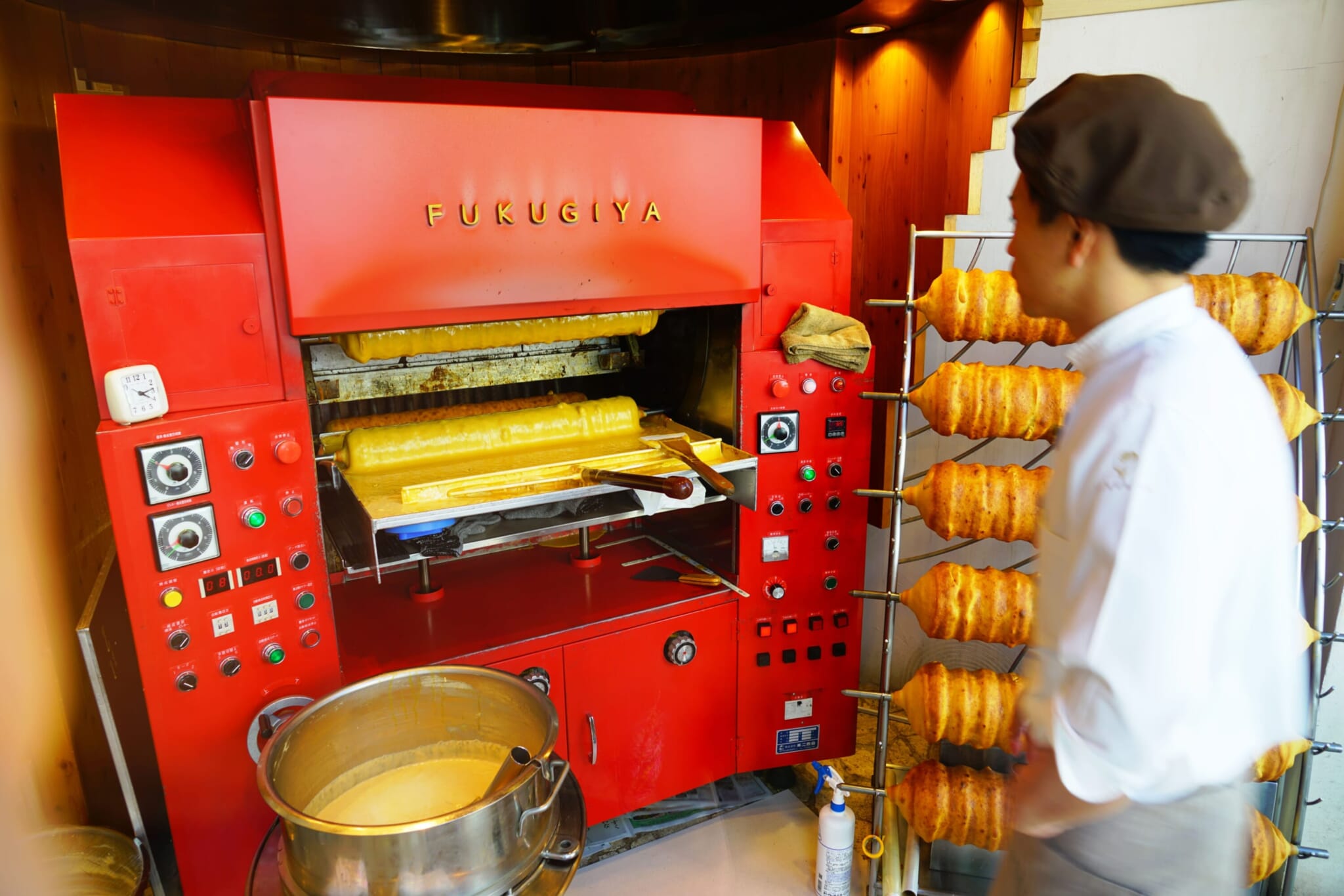
Translating literally to “tree cake,” baumkuchen traces its roots back centuries to Central Europe, where several cities claim historical ties to its origins, including Germany’s Salzwedel, Cottbus and Dresden. The cake’s defining feature is its ringed pattern, traditionally created through a unique baking technique that sees its simple ingredients — which include eggs, butter, sugar and flour — brushed in thin layers onto a rotating spit and cooked over heat. Each is baked before the next is added, with sometimes dozens of layers accumulating over the cooking process to produce the cake’s distinctive rings resembling the cross section of a tree trunk.
This meticulous method — still followed by traditional bakeries in Salzwedel, Cottbus and Dresden — requires patience and skill, which helps explain why baumkuchen is historically associated with special occasions and festive celebrations rather than everyday desserts. Making it even more celebratory is the coating of icing often added for extra shine and sweetness.
Baumkuchen’s Arrival in Japan
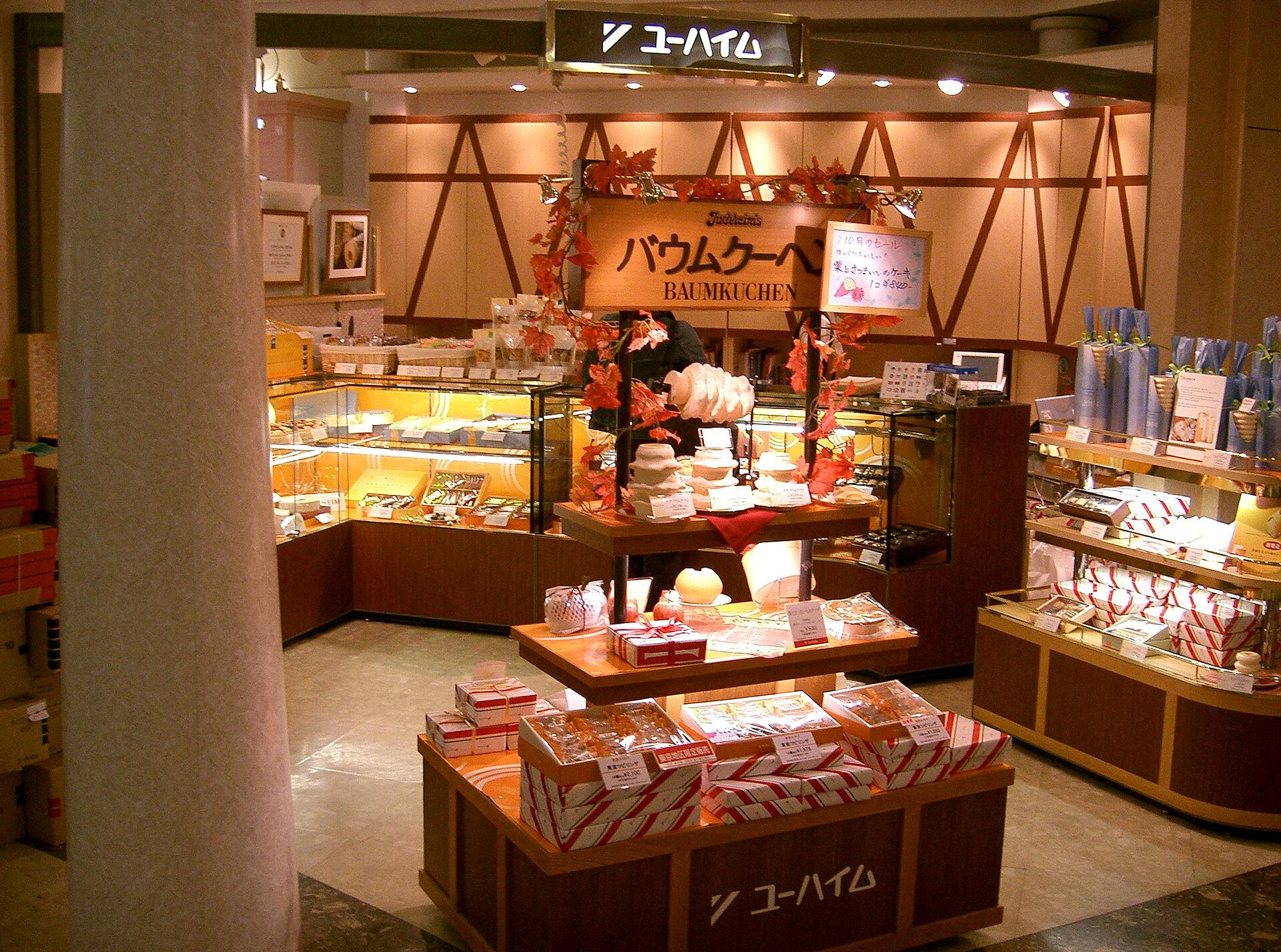
Baumkuchen’s debut in Japan came in 1919, thanks to German pastry chef — and prisoner of war — Karl Juchheim. Captured in the German protectorate of Qingdao, China, in 1915, Juchheim was then interned in Japan, eventually ending up at a camp on Ninoshima Island, Hiroshima. Logistics and the chaos of the war’s end kept Juchheim and his compatriots in the camp until 1920, but they were far from isolated, having the opportunity to take part in a range of cultural exchange activities — including an exhibition of German specialty products. Held at the Hiroshima Commercial Exhibition Hall (now recognized worldwide as the Atomic Bomb Dome), the exhibition showcased items made by local POWs, with Juchheim contributing baumkuchen baked using traditional German methods. Its unusual layered appearance, delicate flavor and moist texture immediately captivated Japanese attendees, who had never eaten a cake quite like it.
After his release, Juchheim chose to remain in Japan, establishing a confectionery business with his wife, Elise, that would later become Juchheim, a well-known brand still popular today. Through his bakeries — including the first, in Yokohama, destroyed in the 1923 Great Kanto Earthquake, and the second, in Kobe, destroyed during a World War II firebombing — baumkuchen began its steady march across the country.
Over time, Japanese pastry chefs embraced the cake and adapted it to local tastes. They refined its texture to be lighter, softer and moister than many European versions, creating the style of baumkuchen most familiar in Japan today.
Baumkuchen in Modern Japan
Today, baumkuchen is deeply embedded in Japanese food culture and is particularly popular as a gift. As mentioned above, symbolism — centered on the cake’s tree ring-like layers — plays a big role. Connotations of longevity and the accumulation of happy years make baumkuchen well suited to celebrations; in fact, it’s one of the most common wedding hikidemono. The cake’s reputation for being labor-intensive only adds to its cachet; even when store-bought, the patience required for those many layers imbues baumkuchen with a sentiment of thoughtfulness that makes it the perfect gift.
Another factor is the cake’s versatility. Japanese bakeries now produce baumkuchen in a wide variety of styles and flavors, from classic butter to matcha, chocolate and seasonal fruit variations. Premium artisanal versions are also popular, especially those baked slowly on traditional rotating spits.
How To Best Enjoy Baumkuchen
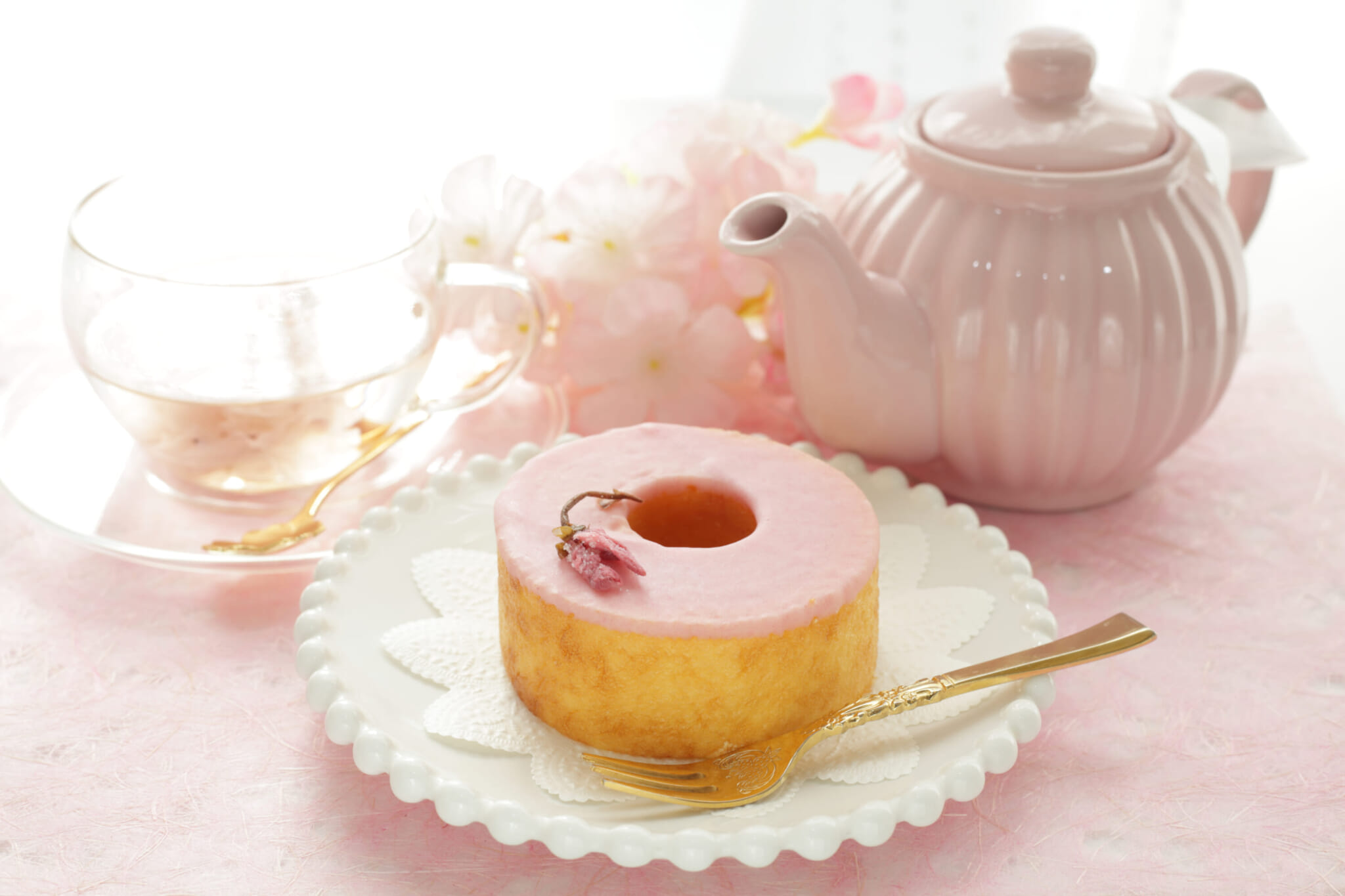
Part of baumkuchen’s charm is its simplicity. The cake pairs beautifully with coffee or tea, making it a staple of afternoon tea breaks and casual desserts.
Many people enjoy baumkuchen as-is, but there are also ways to elevate it. Consider giving one of these favorite methods a try:
- Warm it up: Heat a slice in the microwave — just a little — to soften the layers and enhance the buttery aroma.
- Add embellishments: Try toppings like whipped cream, fruit or ice cream for a more indulgent dessert.
- Go beyond the basics: Explore different flavors, such as matcha or chocolate, for a deliciously modern take on the traditional cake.
Whether enjoyed as a humble snack or a refined gift, baumkuchen represents a unique blend of European tradition and Japanese craftsmanship. More than a century after its arrival, this German “tree cake” has firmly planted its roots in Japan, and continues to grow in popularity with every passing year.