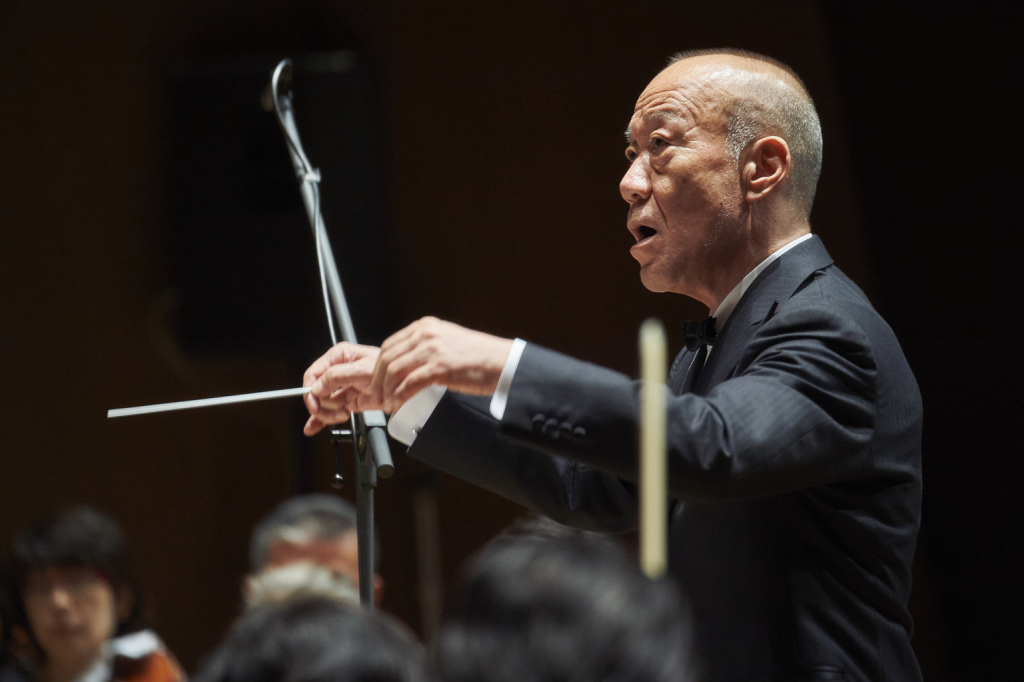
As composer Joe Hisaishi took his final bow at Radio City Music Hall on Monday, the roaring standing ovation marked the end of a weeklong residency and the peak of a record-setting summer.
Over seven consecutive nights in Manhattan, the 75-year-old Japanese conductor brought his film scores to sold-out crowds. It was a historic string of arena performances that cemented his place as one of classical music’s biggest global phenomenon.
Hisaishi was officially recognized by Guinness World Records this month with three separate honors — a footprint rarely seen for a classical composer. Following the opening night of his run at Radio City, an adjudicator presented him backstage with certificates for two prior milestones.
The first record he broke was the highest-selling single run for classical music at the Hollywood Bowl in Los Angeles, and the second was for the most tickets sold by a classical composer during a run at Tokyo Dome.
The final night of his Radio City residency completed the trifecta, earning him the title for the longest consecutive run of performances by a classical composer at the legendary venue.
“I’ve just been taking things one step at a time. At first, I was doing this in Japan, and then when I started doing it around the world, people all over the world accepted it,” Hisaishi commented. “Before I knew it, people were coming to my concerts in numbers that even classical musicians and orchestral performers here probably couldn’t draw.”
The attendance figures for Hisaishi’s recent performances reads more like those of a pop icon than a contemporary orchestral composer; his three-day stint in July at the Hollywood Bowl drew 45,538 attendees, while his Studio Ghibli Film Concert Tour Final at Tokyo Dome amassed 133,453 ticket sales.
At Radio City, Hisaishi conducted the Orchestra of St. Luke’s and the MasterVoices choir across 6,000-seat nightly crowds, framed by enchanting visual projections from Hayao Miyazaki classics like Princess Mononoke, My Neighbor Totoro and Nausicaä of the Valley of the Wind.
A highlight of the residency was, of course, “One Summer’s Day” from the Oscar-winning Spirited Away, where Hisaishi played piano alongside a vocal performance by his daughter, Mai Fujisawa.
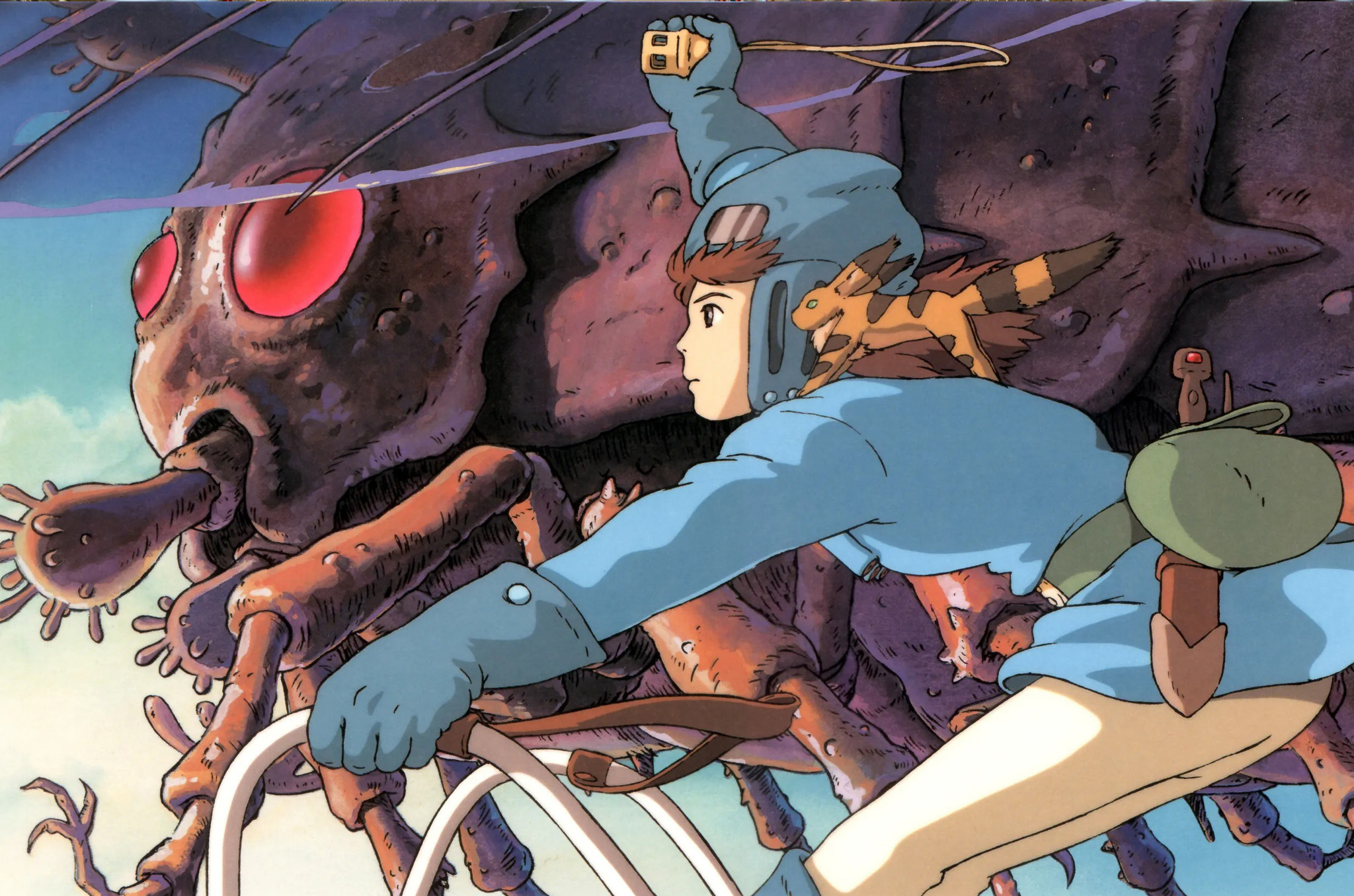
© 1984 Studio Ghibli / Tokuma Shoten
From Minimalist Roots to Arena Symphonies
Filling Tokyo Dome with 133,000 adoring fans is almost unheard of for an orchestral composer. To understand how Joe Hisaishi pulled off this feat, you have to look back at how his music has shifted over the years, moving from experimental synth compositions to huge, emotional stadium shows.
Born Mamoru Fujisawa, the composer adopted his stage name as a phonetic tribute to American jazz titan Quincy Jones: the kanji characters for “Hisaishi” can be pronounced Kuishi, a near-exact phenetic match for “Quincy”; while “Joe” comes directly from “Jones.”
Before he was writing huge orchestral themes, Hisaishi was immersed in the minimalist and New Age scenes of the ‘70s and ‘80s — listening to artists like Steve Reich, Philip Glass and Yellow Magic Orchestra. His first solo albums in the early ‘80s were full of glittering synthesizers, electric drum patterns and strange hypnotic rhythms.
In 1983, director Hayao Miyazaki heard some of Hisaishi’s early synth tracks and brought him on to score Nausicaä of the Valley of the Wind. This project changed everything. Blending his minimalist style with a full orchestra, Hisaishi kept synth-style patterns as a base to build steady tension, layering his now-signature sweeping melodies on top.
This singular combination — structured yet mellifluous, intimate yet expansive — formed the iconic, heart-wrenching soundscapes for movies like My Neighbor Totoro and Princess Mononoke.
Over the years, Hisaishi kept expanding his range, scoring gritty live-action movies for director Takeshi Kitano and conducting major symphonies around the world. But perhaps his biggest move by far was taking his beloved movie scores and rearranging them into sprawling orchestral suites.
Paired with full visual projects and choirs at venues like Radio City and Tokyo Dome, he turned movie score nostalgia into a legitimate stadium experience for his fanbase of millions.
Related Posts
- Ghibli Park Is Getting a New Nausicaä of the Valley of the Wind Area
- How To Visit Ryuichi Sakamoto’s Secret Tokyo Library
- Real-Life Locations that Inspired Hayao Miyazaki Films
- How To Get Ghibli Park Tickets: Everything You Need To Know
Updated On August 19, 2026