After a nearly three-year wait, the live-action One Piece series returned to Netflix on March 10. The first season got rave reviews for staying refreshingly close to the story and look of Eiichiro Oda’s manga, but that wasn’t the only reason why this follow-up was so hotly anticipated. Fans who pretty much gave up on the idea of live-action anime adaptations (especially after Dragonball Evolution) needed to know that One Piece wasn’t a fluke. So, with the benefit of time and more episodes to go on, how do the live-action Straw Hat Pirates hold up against the manga? Let’s find out.
The Strengths of a Non-Animated Medium
Season 2 of One Piece covers the Straw Hats’ entrance into the Grand Line, their encounters with Nico Robin, Tony Tony Chopper and Princess Vivi, and fighting off Baroque Works’ colorful assassins. These scenes proved perfect opportunities — much more than anything seen in Season 1 — to showcase the size and scale of the world of One Piece.
Loguetown, Reverse Mountain, Laboon the giant whale: all of these have never looked bigger, grander and more majestic than in the live-action Netflix series. Eiichiro Oda is a talented artist, but in a pocket-sized manga, there’s only so much you can do to ignite readers’ imagination with the scope of your locations and characters.
Communicating immense size in an animated medium is equally tricky. It’s why some directors like Hayao Miyazaki or Katsuhiro Otomo have been singled out as being really good at that particular thing. The animated One Piece series did all it could but didn’t have the time and budget to really go all out with it. With the live-action Netflix show, though, getting things to look epic proved easier, and the result is a much more immersive look into the world that Eiichiro Oda envisioned in his mind.
Season 2 of One Piece also added an extra layer of menace to Nico Robin, whose superpower of manifesting her body parts like arms on other surfaces/humans looks absolutely disturbing, bordering on horror, in live-action. That does unfortunately clash a little bit with most characters looking like the cosplay section of an anime convention.
What Only Really Works on Paper
Perhaps because we were all so eager for One Piece to be good, and because so much effort went into it, the wardrobe in Season 1 got a lot of leeway. But with Season 2, it’s gotten harder to ignore an uncomfortable truth: One Piece characters look… out of place in a live-action setting.
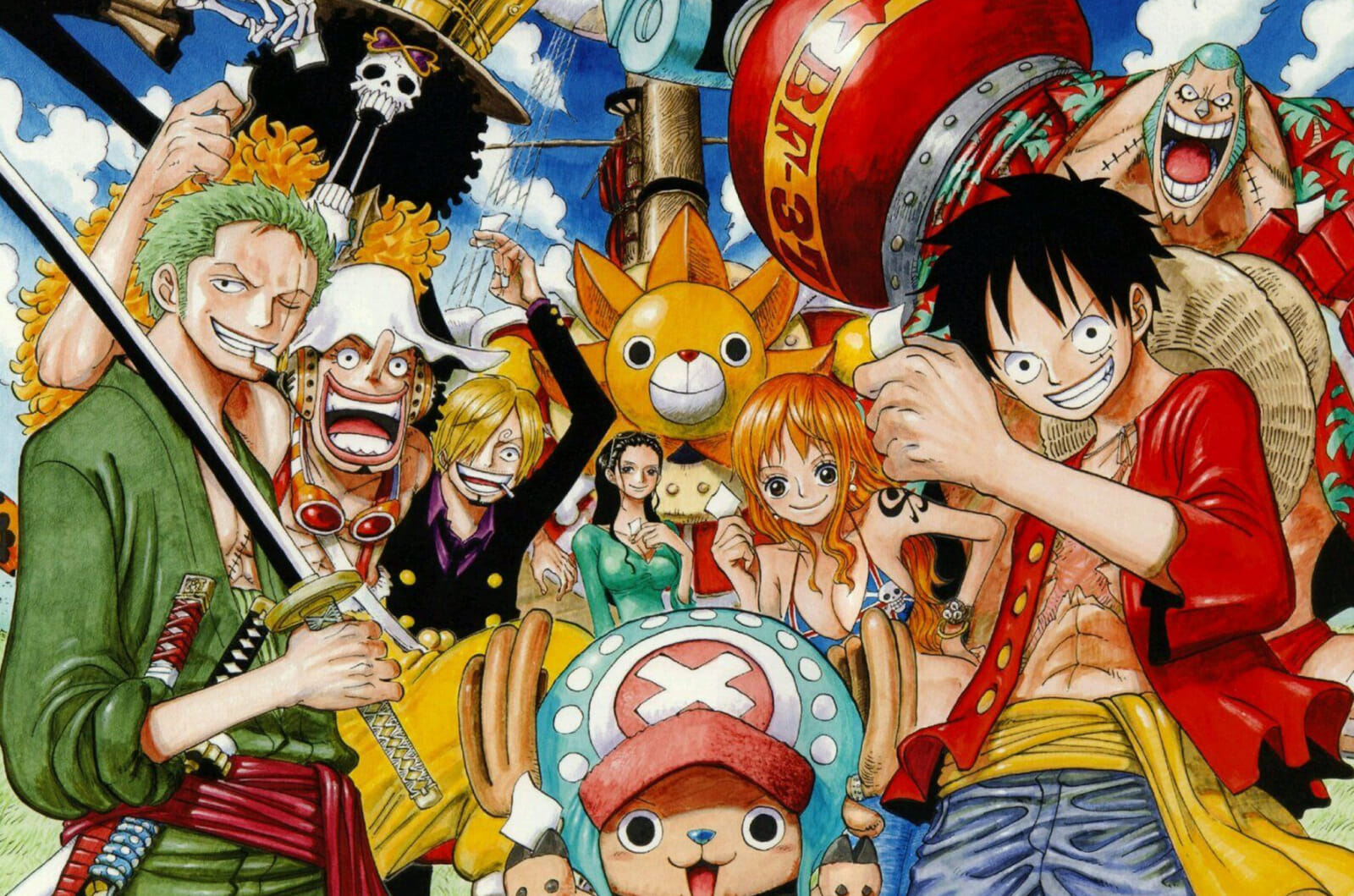
It’s not fair to call them “silly” because the world of Eiichiro Oda was always silly (with a dark undertone to it) but it was all a sort of uniform silliness. The surroundings and the characters matched, style-wise. This effect appears to have been lost during the translation to live-action, and it’s more jarring in 2026 than in 2023, perhaps because of the appearances of more colorful heroes and villains. This is most evident when Luffy’s crew enters Drum Kingdom and encounters Tony Tony Chopper, a humanoid reindeer, King Wapol, a metal-jawed circle masquerading as a human, and his henchman that looks like a Punch and Judy puppet come to life.
In the manga, they were distinct but still made sense. In the Netflix show, they just look weird against the backdrop of a mostly realistic-looking world. Watching Season 2 of One Piece, you also start to notice just how many little things had to be cut for the adaptation because they only work in manga or anime. But those little things can amount to a lot, like the exaggerated comic expressions distinct to every character, identifying them as either the goober, the hothead or the lovable bastard.
It’s the kind of stuff that lives in the peripheries of non-live-action One Piece but which is crucial to figuring out the emerging crew dynamic of the Straw Hat Pirates, a major part of the plot in the particular story arc that the Netflix show is covering. Or, sadly, not covering. And speaking of crew dynamics…
When the West Adapts Japan
Pirate fiction is a pretty rare thing in Japan (despite some fascinating real history there), but One Piece is undeniably a very Japanese story full of nods to the country’s past and mythology. More than that, though, the tone, pacing and structure of One Piece are deeply rooted in Japanese culture and Eiichiro Oda’s idiosyncratic style. It’s a bit hard to define but it does become apparent when it’s gone, which is the feeling you get from Season 2 of One Piece.
The episode names are your first big clue, like “Deer and Loathing in Drum Kingdom.” It’s a cute pun and perhaps not something totally out of place in a story with references to The Rocky Horror Picture Show. But it’s fundamentally a different kind of humor than fans of One Piece have gotten used to. There was some of that in Season 1, but Season 2 doubles down on a kind of westernized take on One Piece with more cursing, allusions to sex, admittedly better jokes for Buggy and a very Western-type family dynamic that’s developed between the live-action Straw Hats pirates.
Live-action Nami is basically the crew’s mother, Sanji is a soft-spoken and level-headed older brother type and Zoro has a kind of aloof Zen-type samurai thing going on for him. That’s not who these characters were at this point in the manga, and it all seems to serve a more West-informed style of storytelling. There is an argument to be made here that these changes make One Piece different enough from the manga and anime to get veteran fans excited about the live-action show. But then again, others might think that, at one point, the westernized story has lost the essence of One Piece. Whether they’ll end up in the majority or the minority remains to be seen.
Related Posts
- Fans Begin the Search for the One Piece Sunken Treasure
- The Secret of One Piece Has Finally Been Written… But Remains Hidden at Sea
- Meet the Handsome Anime Idols of Tokyo’s Yamanote Line: Station Idol Latch
Updated On March 16, 2026