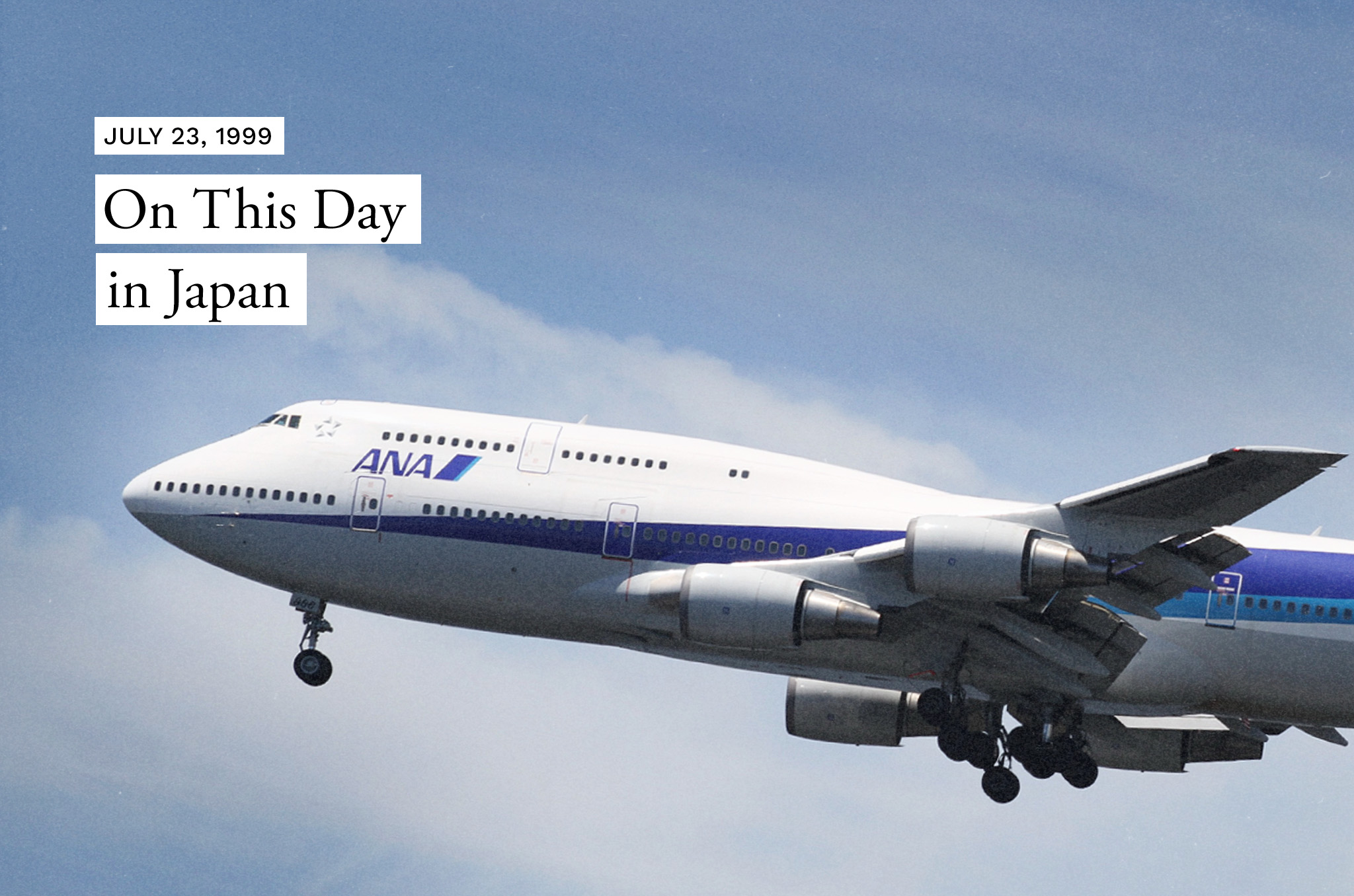
On this day in 1999, more than 500 passengers and 14 cabin crew boarded ANA Flight 61 from Tokyo to New Chitose Airport near Sapporo, unaware of the horror they were about to witness. Not long after takeoff, Yuji Nishizawa, an avid fan of flight-simulator video games, got up from seat 75H and pulled out a 20-centimeter kitchen knife from his hand luggage. He walked down the aisle, grabbed a flight attendant and held the knife to her neck, demanding access to the cockpit.
Nishizawa then physically ejected 34-year-old First Officer Kazuyuki Koga from the cockpit before attacking 51-year-old Captain Naoyuki Nagashima, who was forced to change course to Yokota, a US military airbase in western Tokyo. Nagashima managed to notify Air Traffic Control about the hijacking, but was eventually stabbed in the neck and shoulder before Nishizawa took control of the aircraft. He switched off the autopilot, which caused a rapid loss of altitude to 300 meters. Passenger Yasuhiro Fukuda told reporters that he had “never seen the ground so close before.”
A second struggle ensued, with crew members and Koga managing to subdue Nishizawa. He was subsequently bound using ties and belts provided by passengers. An off-duty pilot, Junji Yamauchi, was aboard the flight and took control of the airplane, while First Officer Koga got back into the cockpit and told the air traffic controllers to prepare an ambulance for Nagashima. At approximately 12:14 p.m., roughly an hour after takeoff, the aircraft made an emergency landing at Haneda Airport. Sadly, Nagashima died of multiple stab wounds. It marked the first-ever fatality of a passenger or crew member in Japan’s hijacking history.
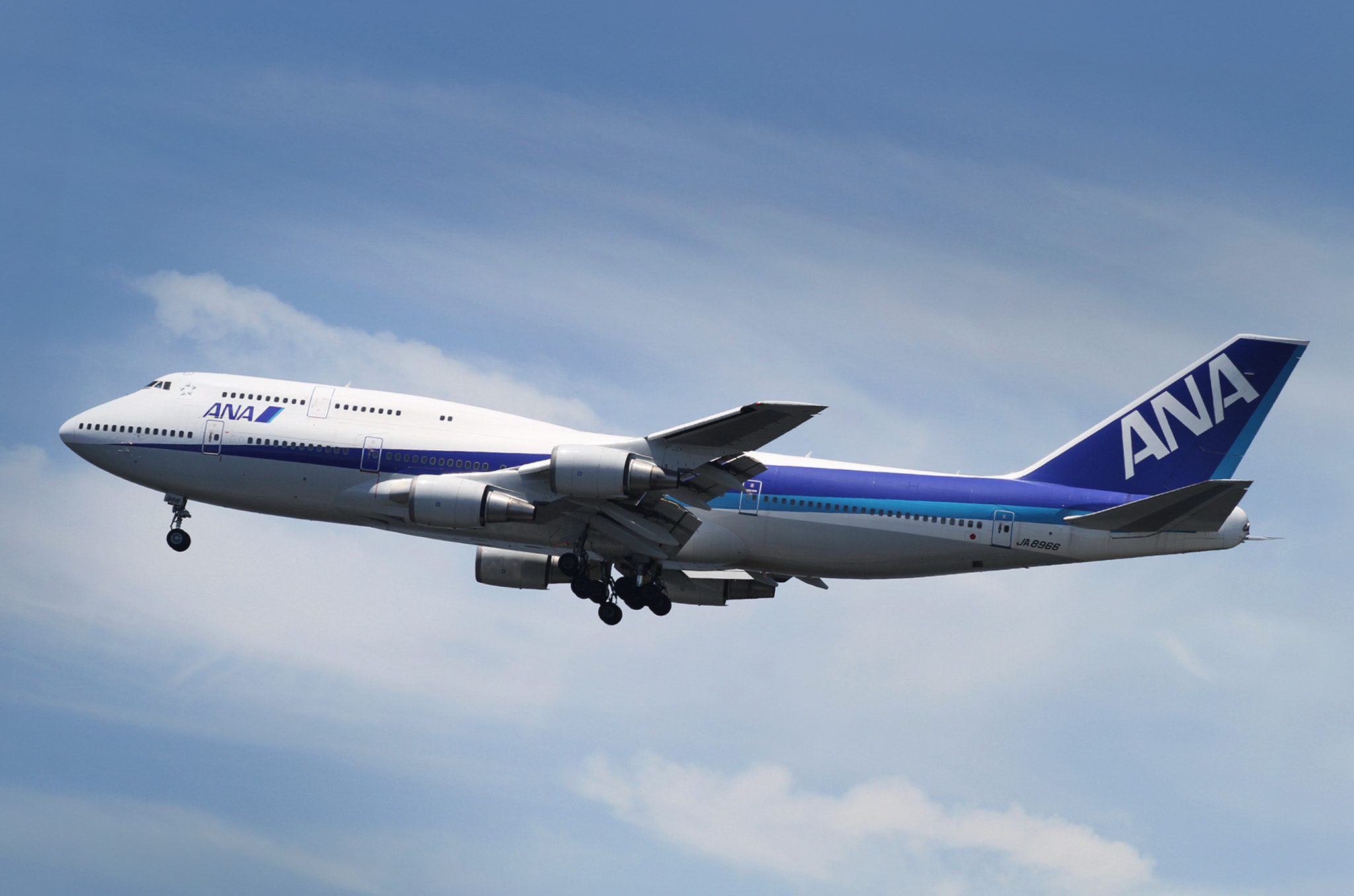
JA8966, the aircraft in the hijacking attempt, pictured in 2010 | Wikimedia
Yuji Nishizawa’s Warnings Ahead of the ANA Flight 61 Hijacking
In the month prior to the hijacking, Nishizawa sent several letters to Haneda Airport, the Ministry of Transport, ANA and various media outlets warning of flaws in aviation security systems, notably that it was possible to access the boarding gates from the baggage claim area without passing through security checks. He offered his services as a security guard at the airport, but only received a phone call in response and no corrective measures were taken. When Nishizawa realized the warnings were being ignored, he decided to prove the vulnerability himself.
Nishizawa had planned to carry out the attack a day earlier, but delayed his plans after his parents found a bag containing multiple airline tickets and a knife. He also purchased multiple tickets for the day of the hijacking, and began his journey with a flight from Osaka to Tokyo with a kitchen knife packed in his checked luggage. After retrieving the bag at Haneda, he walked directly to the departure gates for ANA Flight 61 to New Chitose Airport without passing through security screening, a loophole he later said was one of the reasons behind the hijacking.
Prosecutors claimed Nishizawa’s actions were also fueled by an obsession with flight simulators, which were extremely popular in the late 1990s. Mimicking what he practiced at home, the flight-simulator enthusiast wanted to take the controls of a real jet and perform aerobatic maneuvers in a Boeing 747, attempting to fly under Tokyo’s Rainbow Bridge, which has a water clearance of just 52 meters. It was a plan detached from reality that would have likely led to the aircraft stalling or crashing into Tokyo Bay. Fortunately, he was subdued before that could happen.
The Aftermath
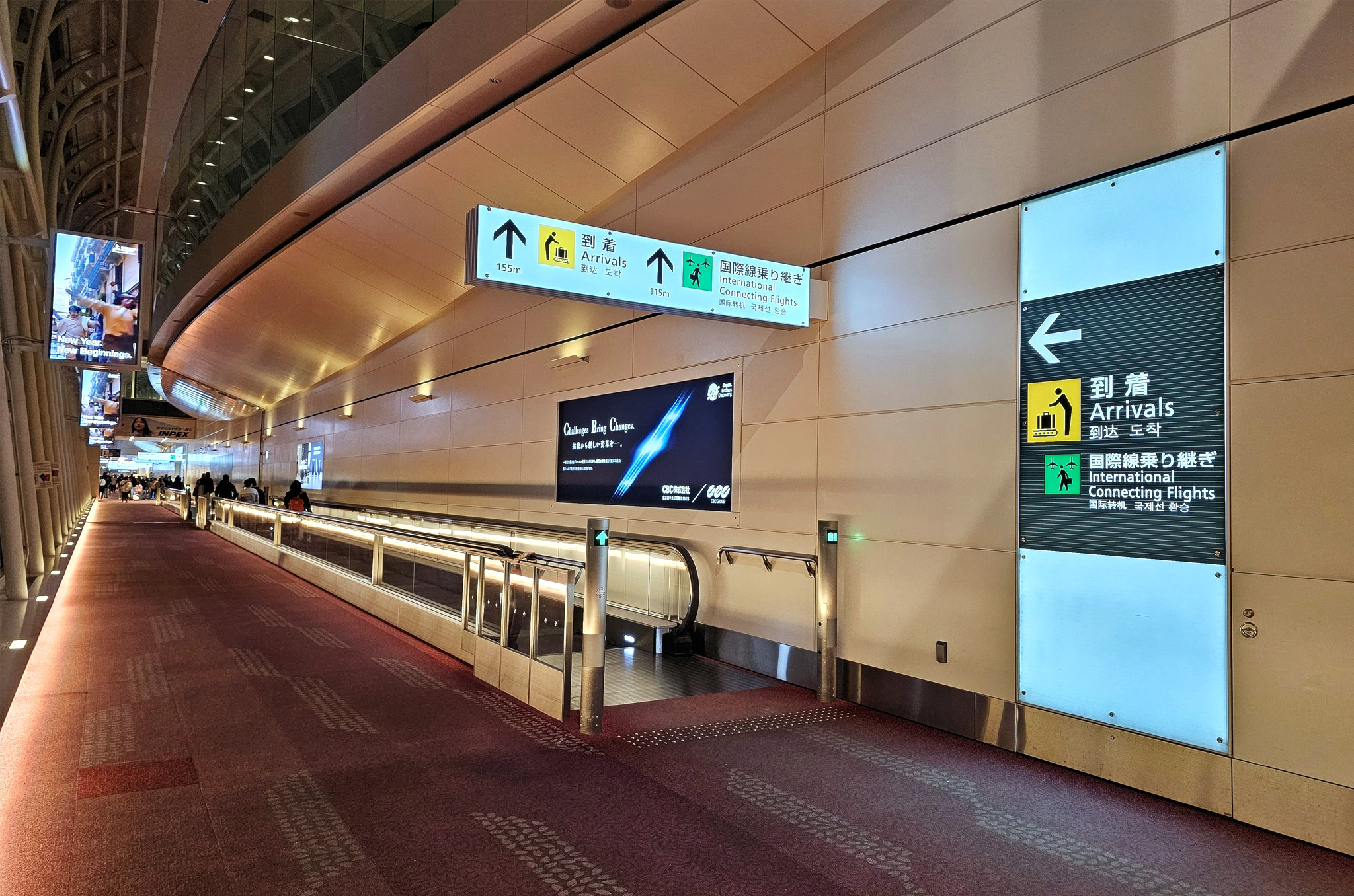
Following the incident, the Ministry of Transport (now the Ministry of Land, Infrastructure, Transport and Tourism) implemented strict directives regarding physical and X-ray checks of all hand-carried baggage. It also mandated airports to increase the number of active security personnel on duty at check-in areas, screening lines and boarding gates. The hijacking marked a turning point for aviation security in Japan, exposing critical weaknesses in airport screening procedures and prompting reforms that significantly strengthened security nationwide. Many of the measures introduced in its aftermath remain a cornerstone of Japanese airport security today.
In 2005, Nishizawa was sentenced to life imprisonment. Although prosecutors sought the death penalty, the court concluded that his mental state at the time of the hijacking, influenced by prescribed antidepressant medication, warranted a lesser sentence. “The defendant killed the captain and endangered the lives of over 500 passengers and residents. Those who commit such a crime should be punished with death. However, he was in a state of quasi-insanity because he was under the influence of an anti-depression drug,” presiding judge Hisaharu Yasui said as he handed down the ruling.
During the trial, Hideo Hosaki, a professor emeritus at Keio University, testified that Nishizawa suffered from depression, panicked easily under pressure and had significantly impaired judgment at the time of the hijacking. While he concluded that the defendant’s ability to distinguish right from wrong had been “weakened significantly at the time of the crime,” he added that he “could not say he lost it completely.”
In 2007, two years after the verdict, Nagashima’s family reached a settlement with ANA, the Japanese government and Nishizawa’s family over the captain’s death. The terms of the agreement were not disclosed.