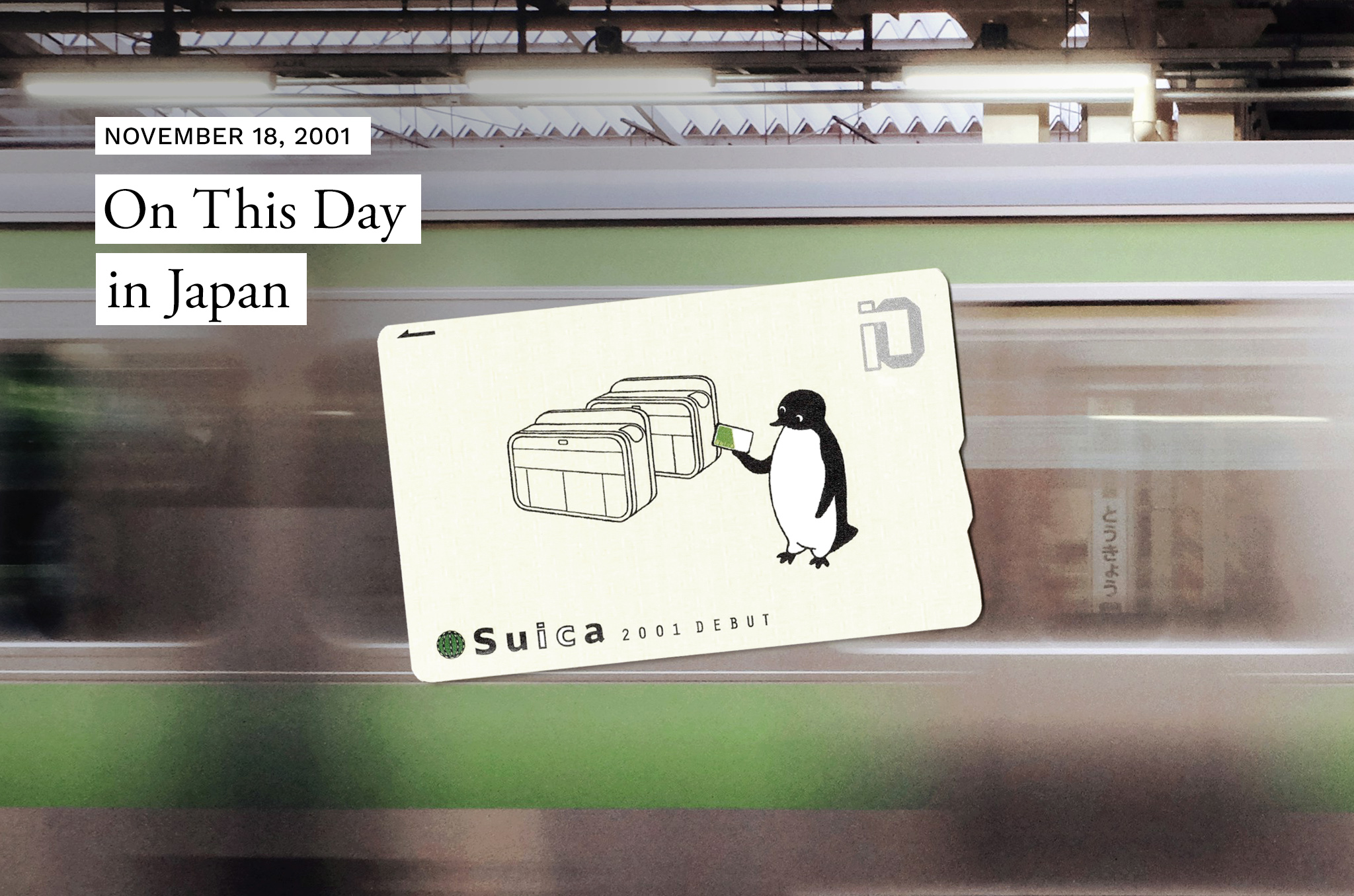
On this day 25 years ago, the East Japan Railway Company (JR East) launched Suica. It was Japan’s first rechargeable, contactless integrated circuit (IC) transit card for general public use. Initially designed primarily for paying fares on trains, subways and buses, Suica — the name is a backronym for “Super Urban Intelligent Card” — expanded its functionality in 2004 when JR East introduced electronic money (e-money) capabilities, allowing users to make purchases at station kiosks, convenience stores and vending machines.
The road to Suica’s seamless tap-and-go convenience began more than a decade earlier. Following the privatization of Japanese National Railways in 1987, JR East took charge of railway services in the Tokyo metropolitan area. Many stations at the time still relied on staff manually punching holes in paper tickets. Meanwhile, private railway operators in the Kansai region had already adopted magnetic ticket gates. Seeking to modernize its stations, ease rush-hour congestion and reduce maintenance costs associated with conventional ticket machines, JR East began exploring new ticketing technologies.
Among the proposals it received was an ambitious idea from Sony. The multinational conglomerate and technology company initially pitched its contactless IC technology — now known as FeliCa — to JR East as a potential solution for modernizing railway ticketing, but the operator rejected the proposal, citing concerns about its speed, reliability and high implementation costs. JR East instead adopted conventional magnetic ticket gates in the early 1990s, delaying the introduction of contactless ticketing across its railway network.
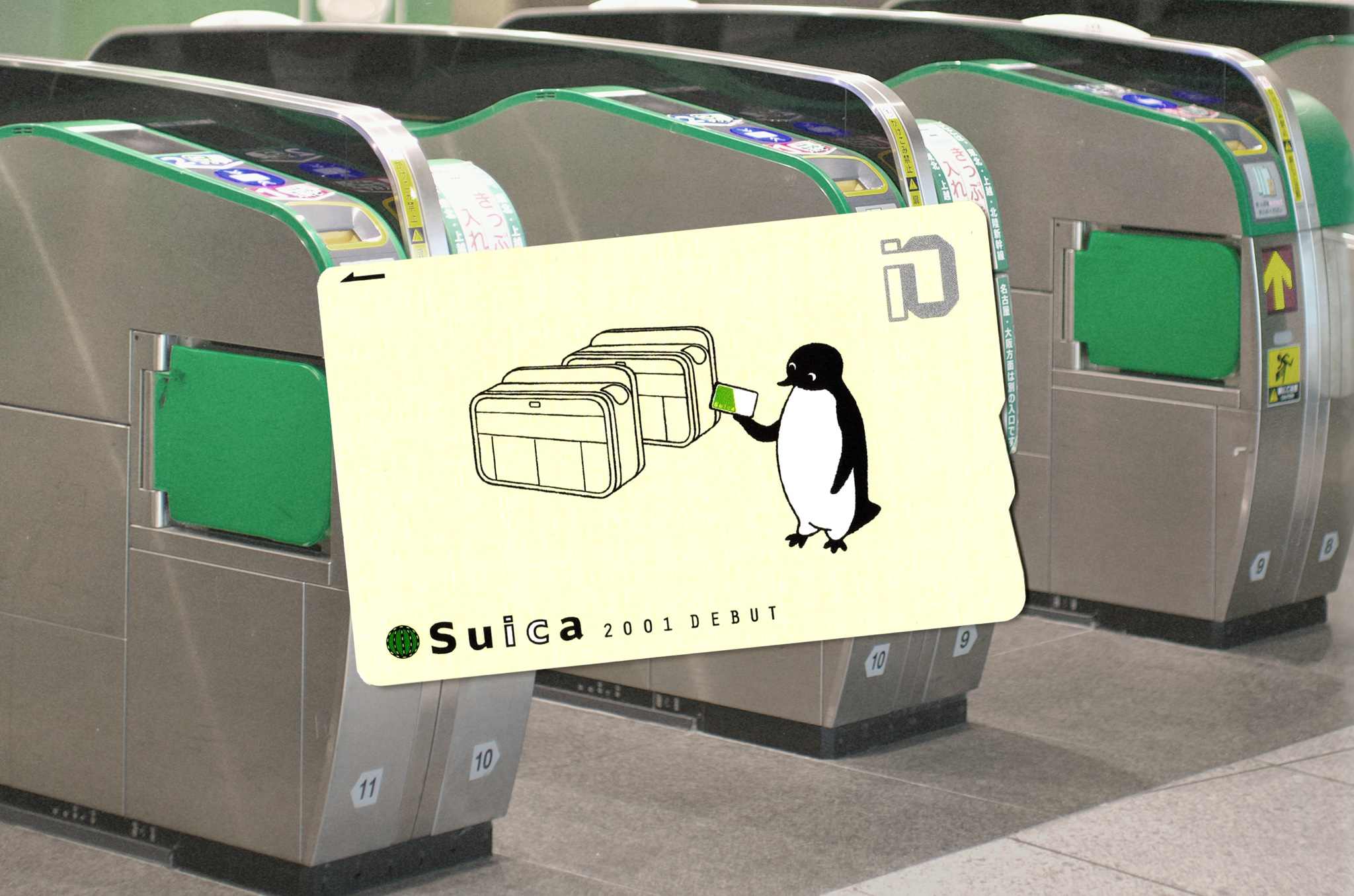
Original Suica commemorative card design released 18 November 2001, and the tilted card readers used by JR East
A Second Chance for FeliCa
The company began to reconsider its position in the late 1990s after Sony secured a major breakthrough in Hong Kong, where its FeliCa technology was selected for the Octopus transit card, launched in 1997. The system proved an enormous success, with 3 million cards issued within its first three months of operation, demonstrating the technology’s reliability and potential for large-scale deployment. This helped persuade JR East that contactless IC technology could offer a viable alternative to conventional magnetic ticketing.
Sony also extended the reader’s communication range to 85 millimeters, roughly twice that of competing contactless systems at the time. This allowed the gate to detect a card earlier and begin processing the transaction before it was brought directly against the reader. Although seemingly a small improvement, it made a significant difference in practice, allowing passengers to walk through ticket gates without stopping or carefully aligning their cards with the reader.
Despite the engineering breakthroughs, the project nearly fell apart during prototype testing. The initial readers had an alarmingly high failure rate, with many passengers struggling to use them correctly. Industrial designer Shunji Yamanaka and his team eventually discovered that tilting the reader by just 13.5 degrees made the interaction more intuitive, encouraging users to hold their cards in place long enough for the transaction to complete. The redesign reduced the error rate to below 1%.
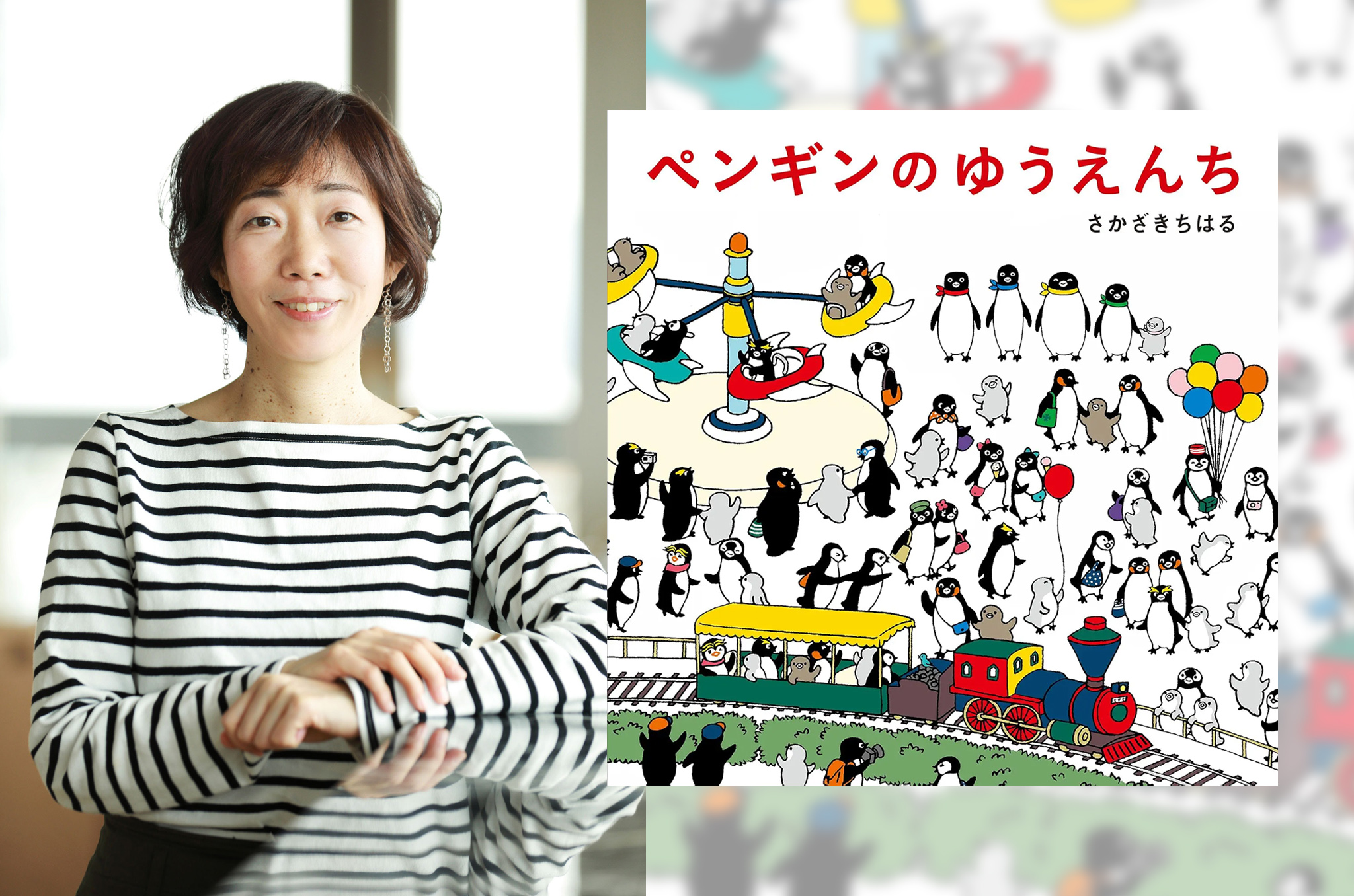
Suica penguin illustrator Chiharu Sakazaki and her picture book “Penguin Amusement Park” (2014)
The Story Behind the Name and Mascot
The name Suica was selected through a naming competition. In addition to its backronym status, Suica is a play on the Japanese word suika, meaning watermelon. The “sui” sound also evokes sui-sui, a Japanese expression describing smooth, effortless movement, such as a penguin gliding through water. The card’s iconic penguin mascot was created by picture book illustrator Chiharu Sakazaki and adopted to give the unfamiliar technology a friendly, approachable identity.
When the card launched on November 18, 2001, 3,200 ticket gates across 424 stations went live simultaneously. The response was extraordinary. Within just 19 days, 1 million Suica cards had been issued. That figure doubled to 2 million just two months later, reaching 5 million by October 2002. What had begun as a major railway modernization project was already turning into a nationwide phenomenon and a fixture of everyday life.
Initially, Suica was strictly a transit card, but JR East soon began expanding its capabilities. In 2002, it became compatible with the Tokyo Monorail and Rinkai lines, extending its reach beyond JR East’s own network. The real turning point came in 2004, when JR East introduced e-money functionality, allowing passengers to use their cards for everyday purchases at station kiosks, convenience stores, restaurants and vending machines, opening up an entirely new role for the card.
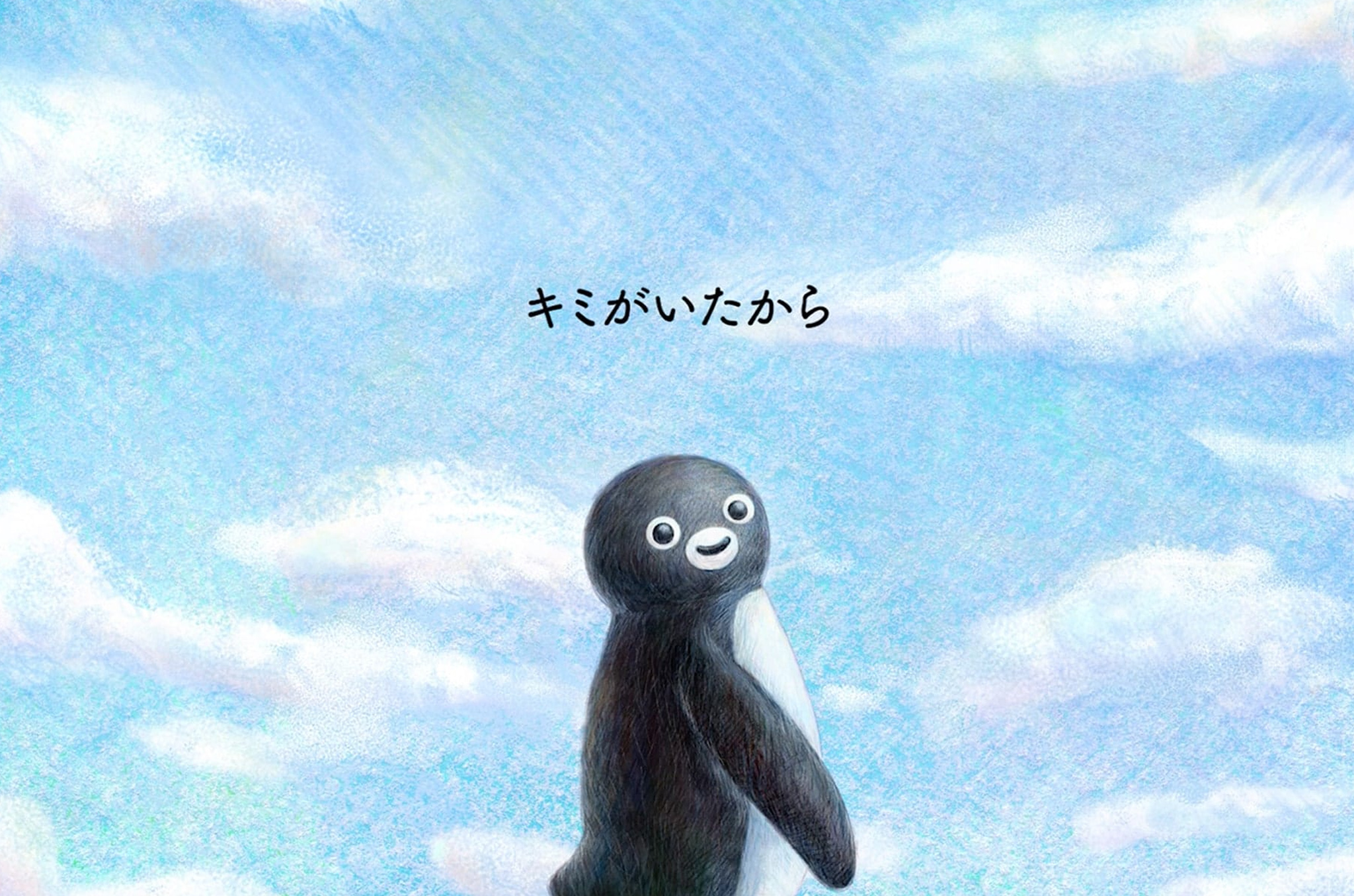
JR East’s current “Penguin Years” campaign pays tribute to the retiring penguin, who is set to be replaced in March 2027 | Image © JR East/Chiharu Sakazaki
The End of an Era for the Suica Penguin
Perhaps the biggest change to Suica’s familiar identity begins next year. After serving as the card’s mascot for 25 years, the beloved Suica Penguin is set to retire on March 31, 2027, making way for an entirely new character. JR East has organized a public vote to select its successor, with the winner being announced as the purple rabbit. It’s the end of an era for one of Japan’s most recognizable mascots.
More From This Series
- Japan’s Titanic: The Sinking of the Toya Maru
- The May 15th Incident
- Roman Porno Actor Mitsuyasu Maeno’s Kamikaze Attack on Yoshio Kodama
Updated On November 18, 2026