As Japan’s most famous ski hubs grow busier every winter, you may be looking for a quieter, less touristy winter destination — and the city of Minamiuonuma in southern Niigata Prefecture is the perfect choice. Easily accessible from Tokyo, it can be reached by Joetsu Shinkansen in roughly 90 minutes via Urasa Station or 75 minutes via neighboring Echigo-Yuzawa Station.
This snowy region effortlessly pairs pristine ski slopes with an intimate look into traditional mountain life — from centuries-old Zen temples to picturesque historic streets. At its core, Minamiuonuma is a thoughtfully preserved snow-country community anchored by a deep agricultural heritage. As one of Japan’s top rice-producing regions, it offers a truly singular travel experience, where snow sports naturally merge with local life — connecting days spent on the slopes with regional cuisine, world-class sake and relaxing hot springs.
Quiet Mornings in the Mountains
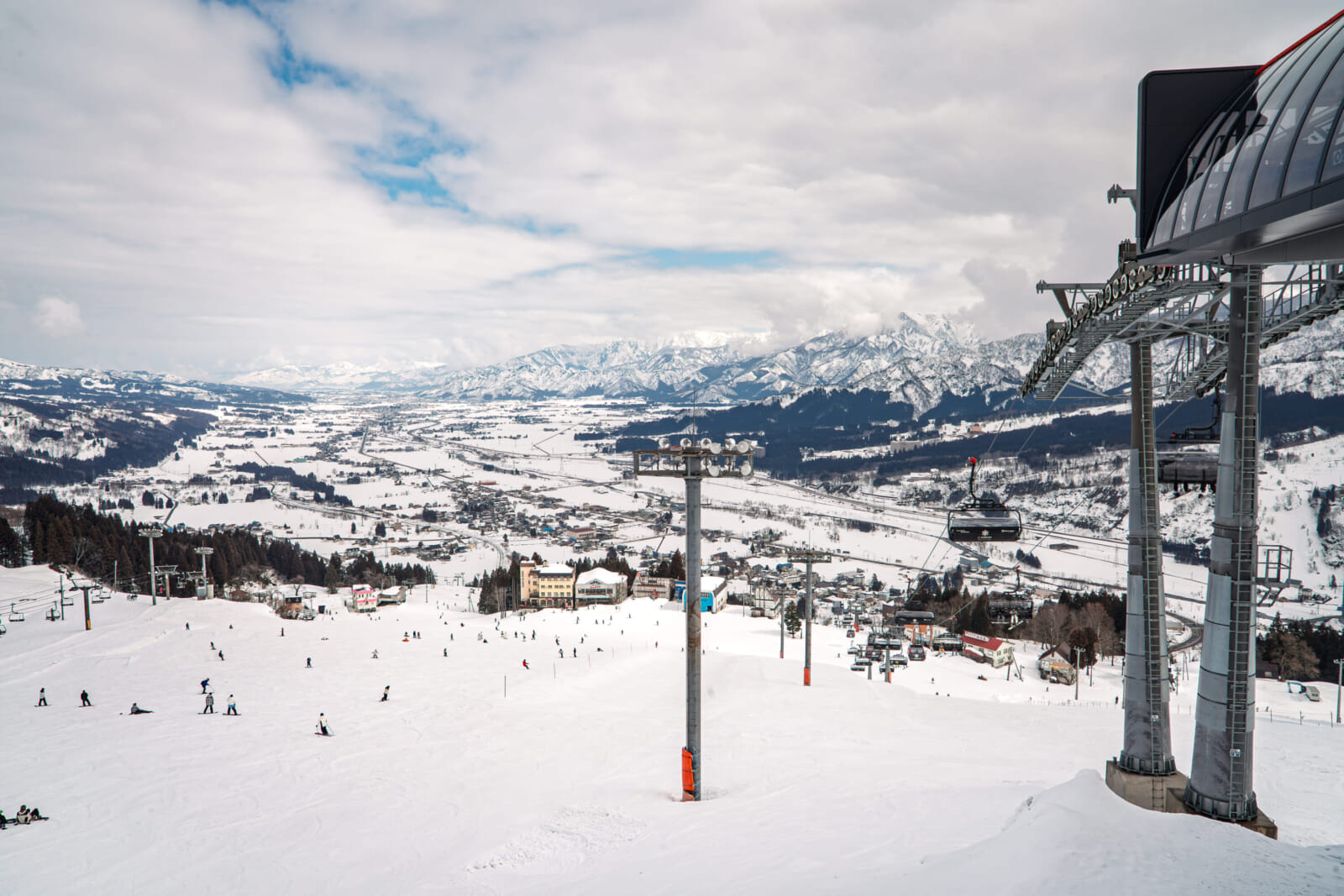
Mornings in the Uonuma Basin are peaceful and comforting — exactly what you’d want from a winter getaway. At Ishiuchi Maruyama, an iconic resort operating since 1949, the day begins without the long lift lines typical of busier ski hubs. Skiers and snowboarders can glide down wide, gentle runs or venture onto steeper powder routes.
For non-skiers, the Sunrise Express combination lift carries guests up to The Veranda Ishiuchi Maruyama, where clear dome tents sit on a wide snow terrace, offering a warm spot to relax with a hot drink and watch the clouds drift over the white valley floor. Families looking for an even gentler pace can check out Maiko Snow Resort — its facilities are child-friendly and include a kids’ park perfect for playing in the snow and taking pictures.
A list of area ski resorts can be found here.
A Walk Through History
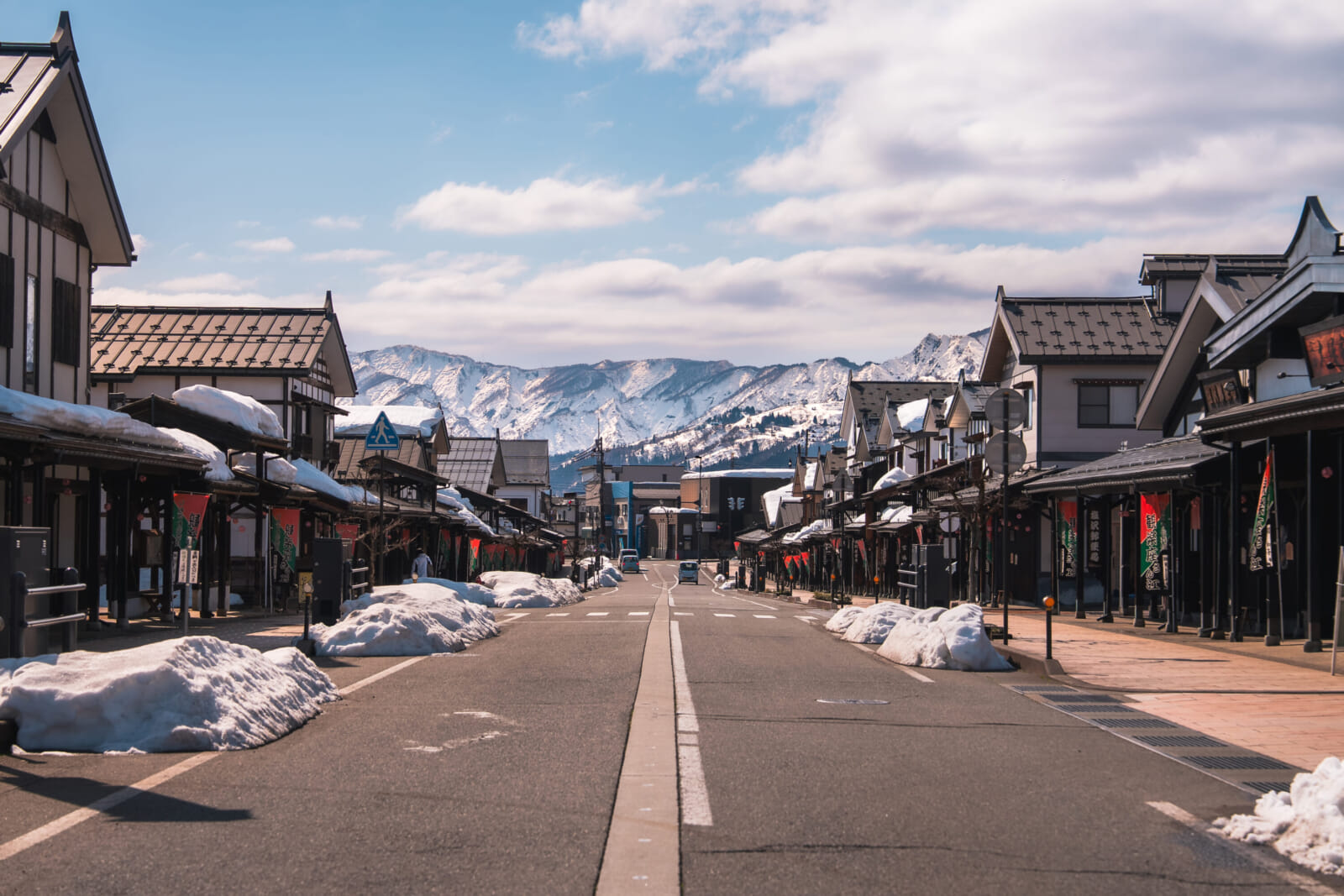
Off the mountains, the relationship between Minamiuonuma and its heavy winters is tangible in the city’s architecture. A walk along Bokushi-dori Street in the Shiozawa-juku neighborhood feels like stepping back into the Edo period. A post town on the historic Mikuni Kaido Highway — once a major walking route across the mountains — Shiozawa-juku was a place where travelers and merchants stopped to rest.
Here, the shopfronts are connected by gangi — traditional covered walkways built to keep the sidewalks clear and patrons sheltered during heavy snowfall. Dotted with local craft shops and small businesses, the quaint Bokushi-dori is the perfect spot to shop for souvenirs.
In mid-February, the snow-draped neighborhood is illuminated after dark by lanterns for the Shiozawa Seppu Festival. The event honors literary figure Suzuki Bokushi, who penned Hokuetsu Seppu — a 19th-century text detailing how the region managed daily life during harsh Niigata winters.
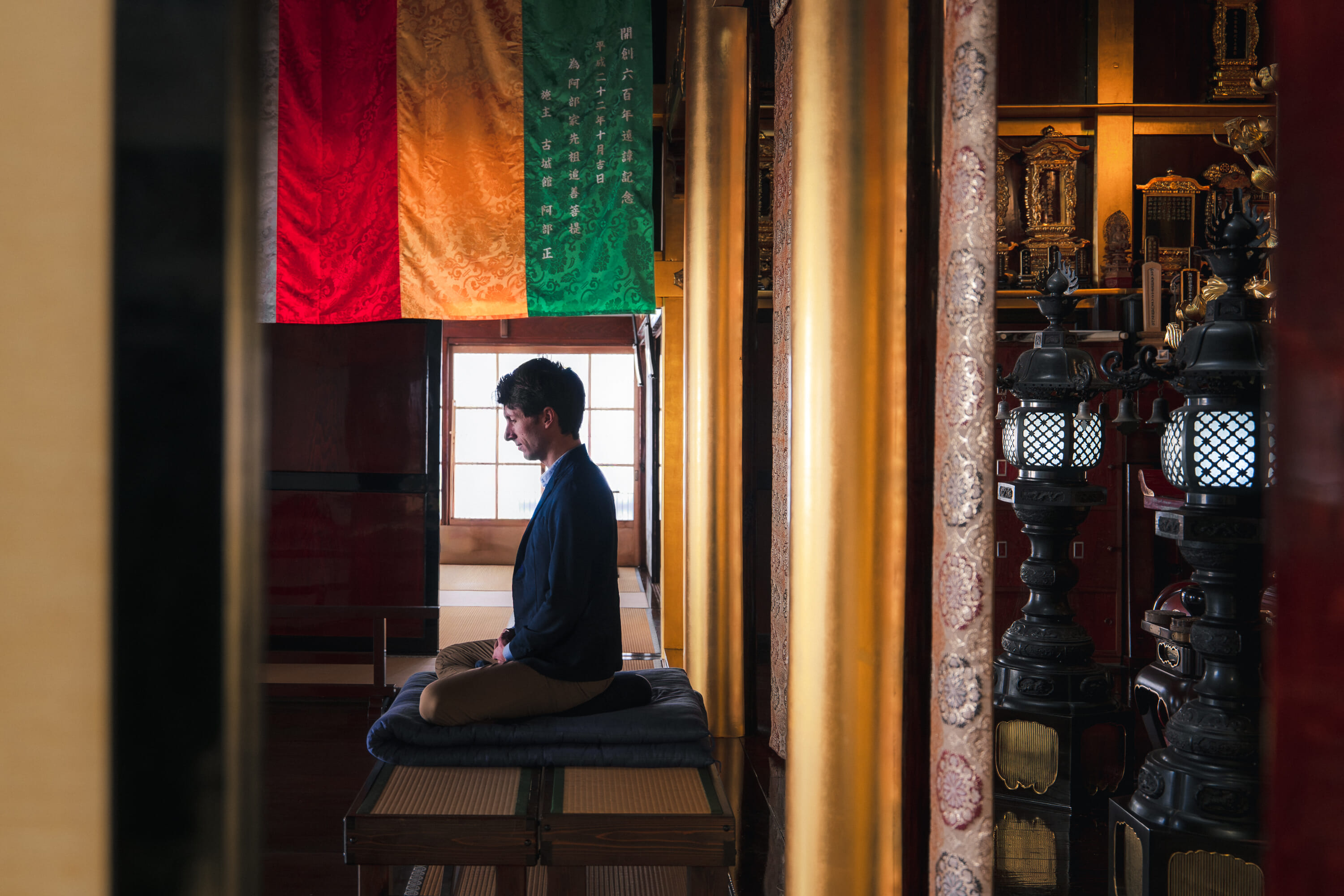
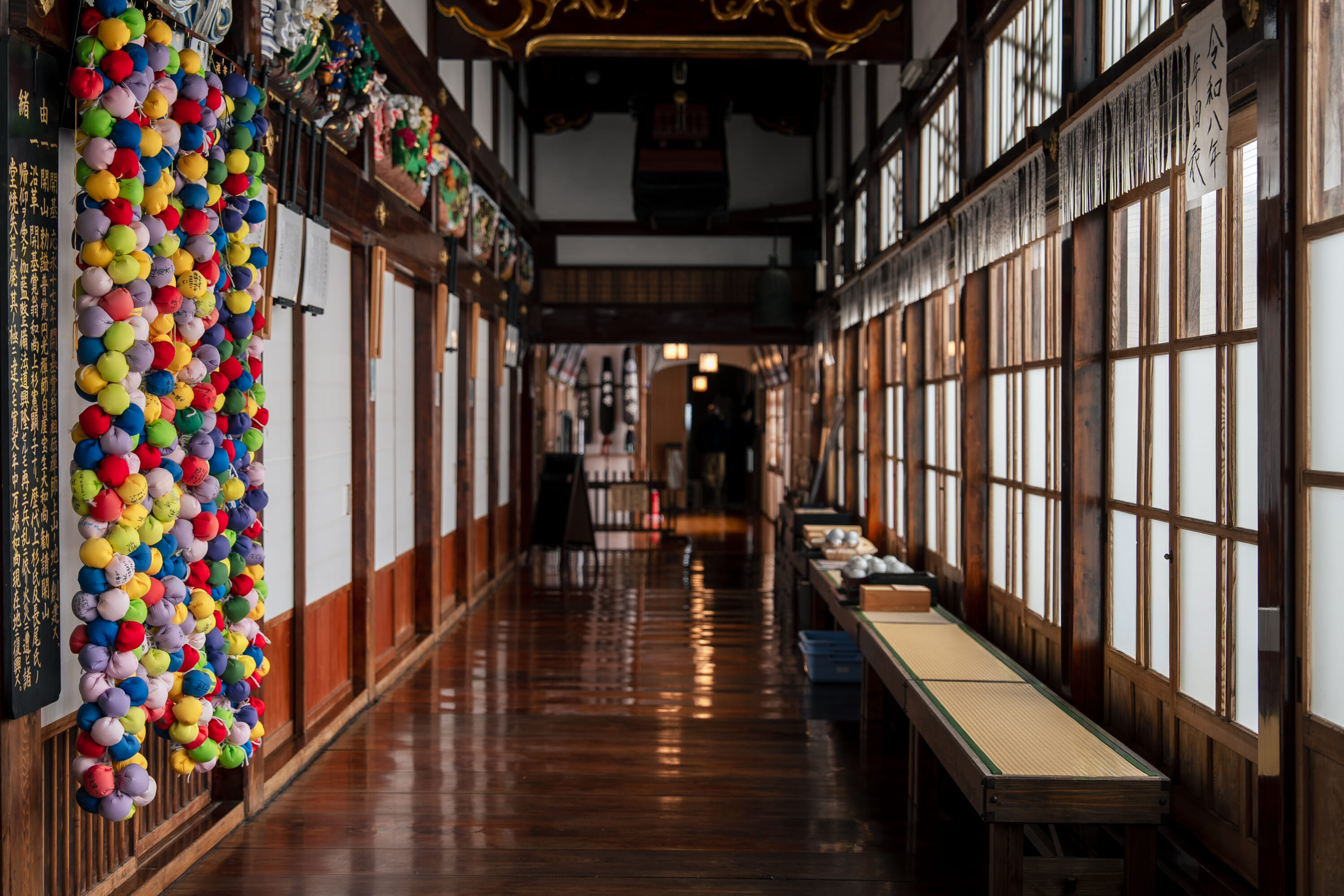
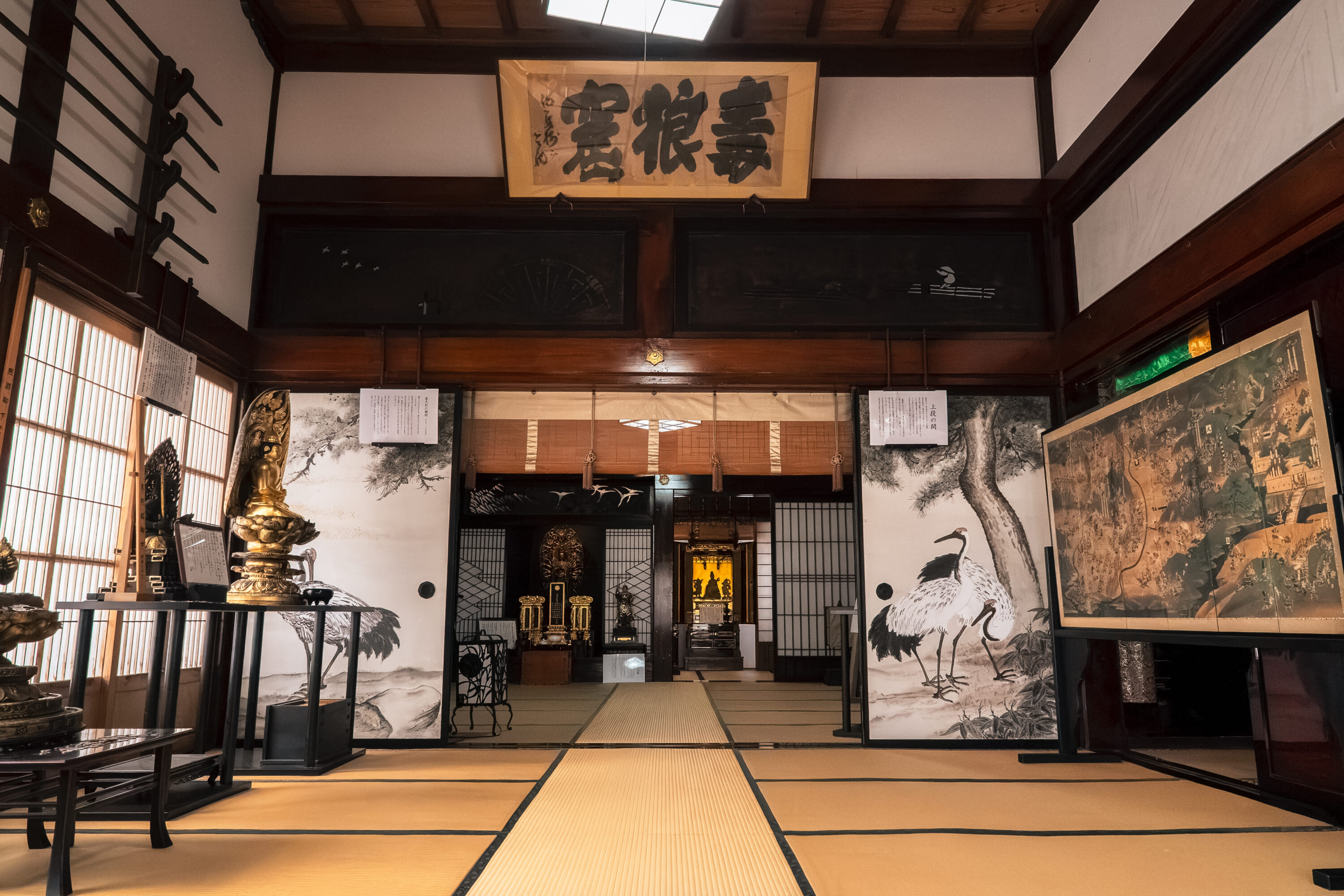
Located a short distance away is Kankoji, a Rinzai Zen temple founded in 1410. Legend says that the temple’s sacred Buddhist scriptures were once placed deep inside barrels of miso to protect them from a fire, leading people to visit the temple to ask for a portion of the fermented bean paste that had saved the sacred texts. This practice, it’s said, led to a rather specific query becoming common: “Miso nametaka?” or “Have you tasted the miso?”
However, an alternate theory suggests that the similar phrase “Kanko no miso nametaka?” — “Have you tasted Kanko’s miso?” — originates in the temple’s status as a major training center for Zen. Miso was a diet staple for apprentice monks undergoing rigorous training, and asking if someone had tasted Kankoji’s miso was a way of discerning whether other trainees had spent time at the prestigious temple.
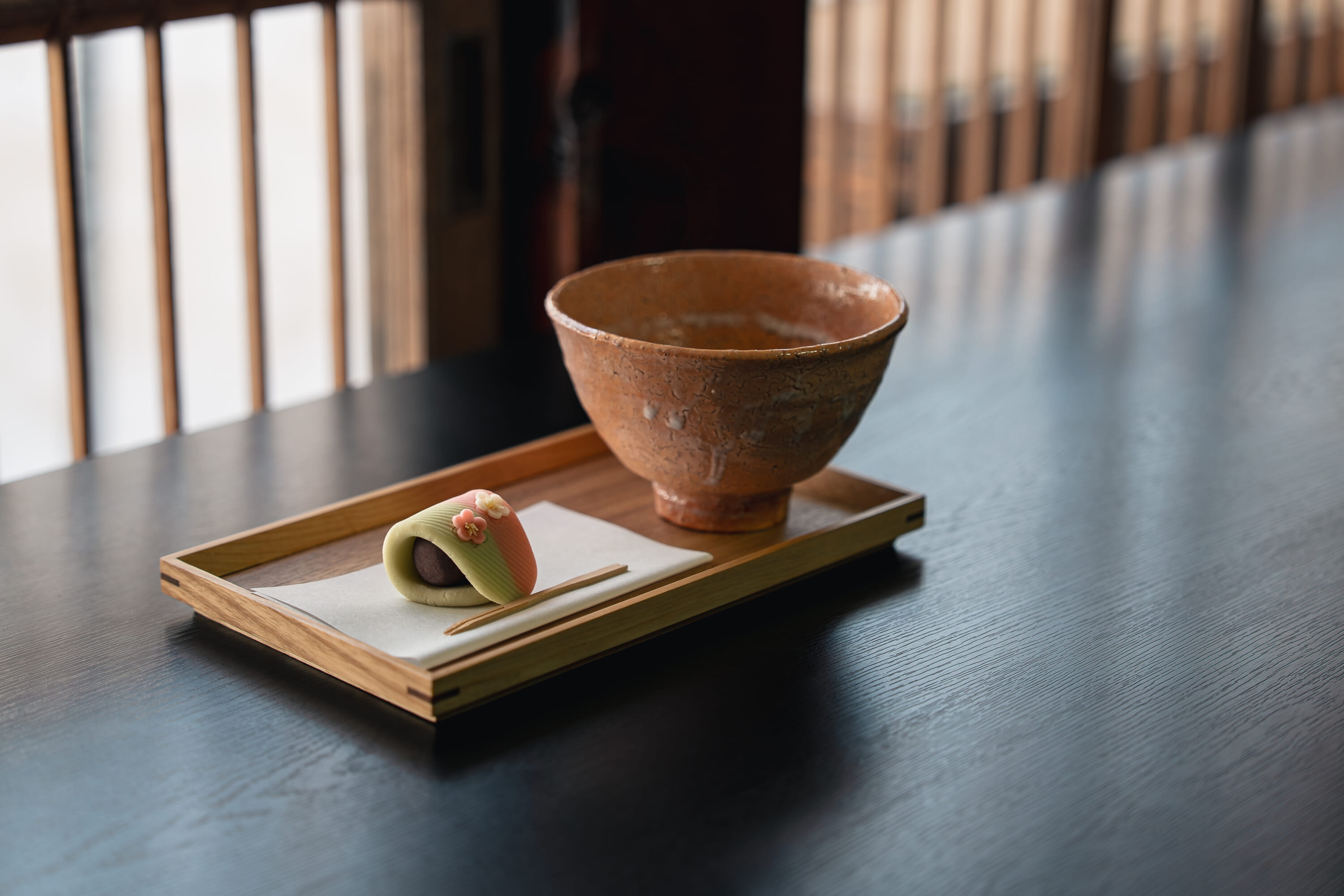
Today, miso is still on the menu, sold both in its traditional form and as gelato, which you can enjoy on-site. In addition to sampling the temple’s famous fermented paste, travelers can arrange a guided zazen and sutra copying session, followed by a serving of matcha.
For more activities to enjoy in Minamiuonuma, click here.
From Snow to Table
In Minamiuonuma, winter snowfall is an essential part of the local food culture. Every spring, meltwater nourishes the fields, helping to produce the area’s premier Uonuma Koshihikari variety of rice and supporting a long tradition of food and drink preservation.
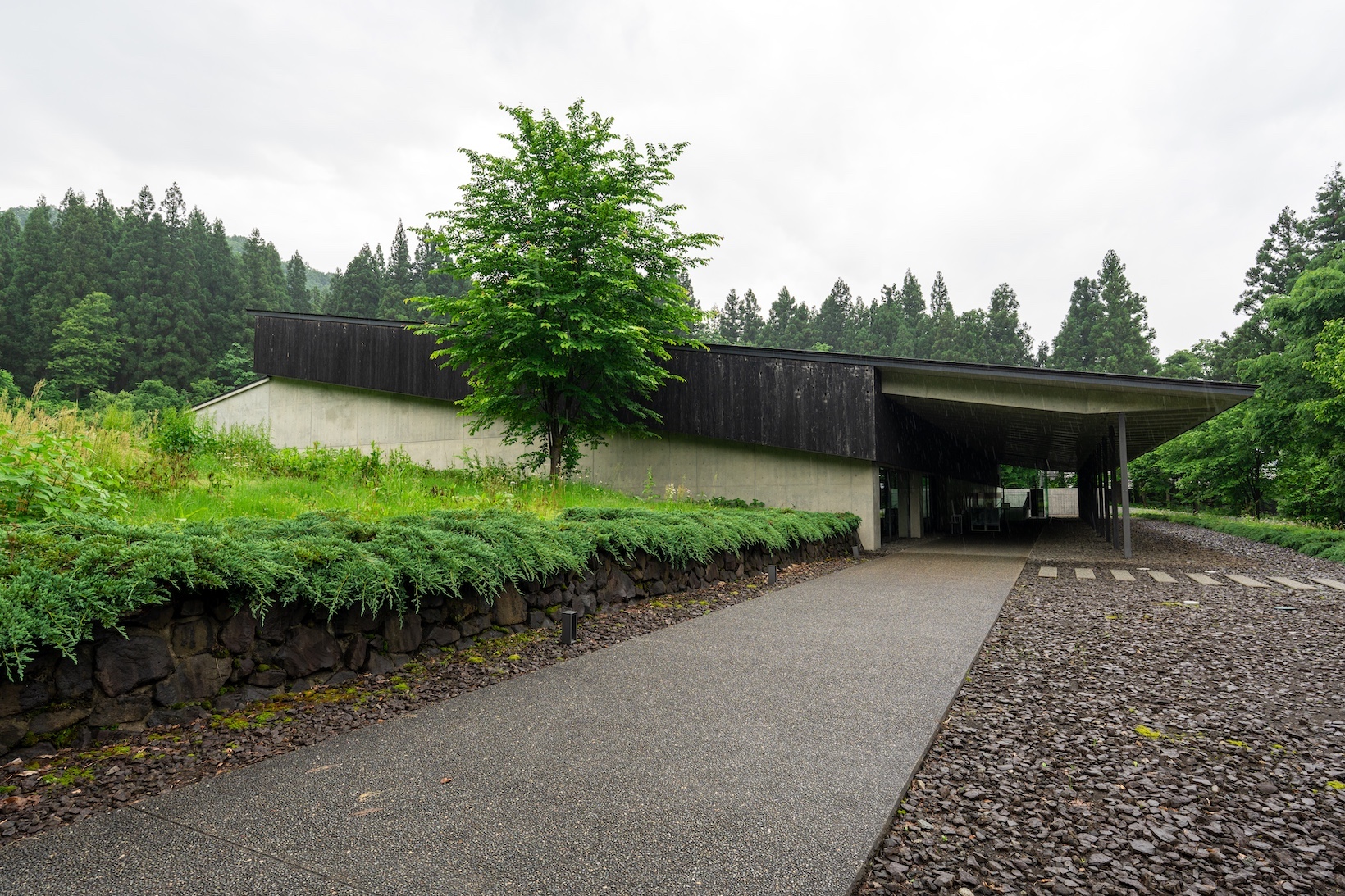
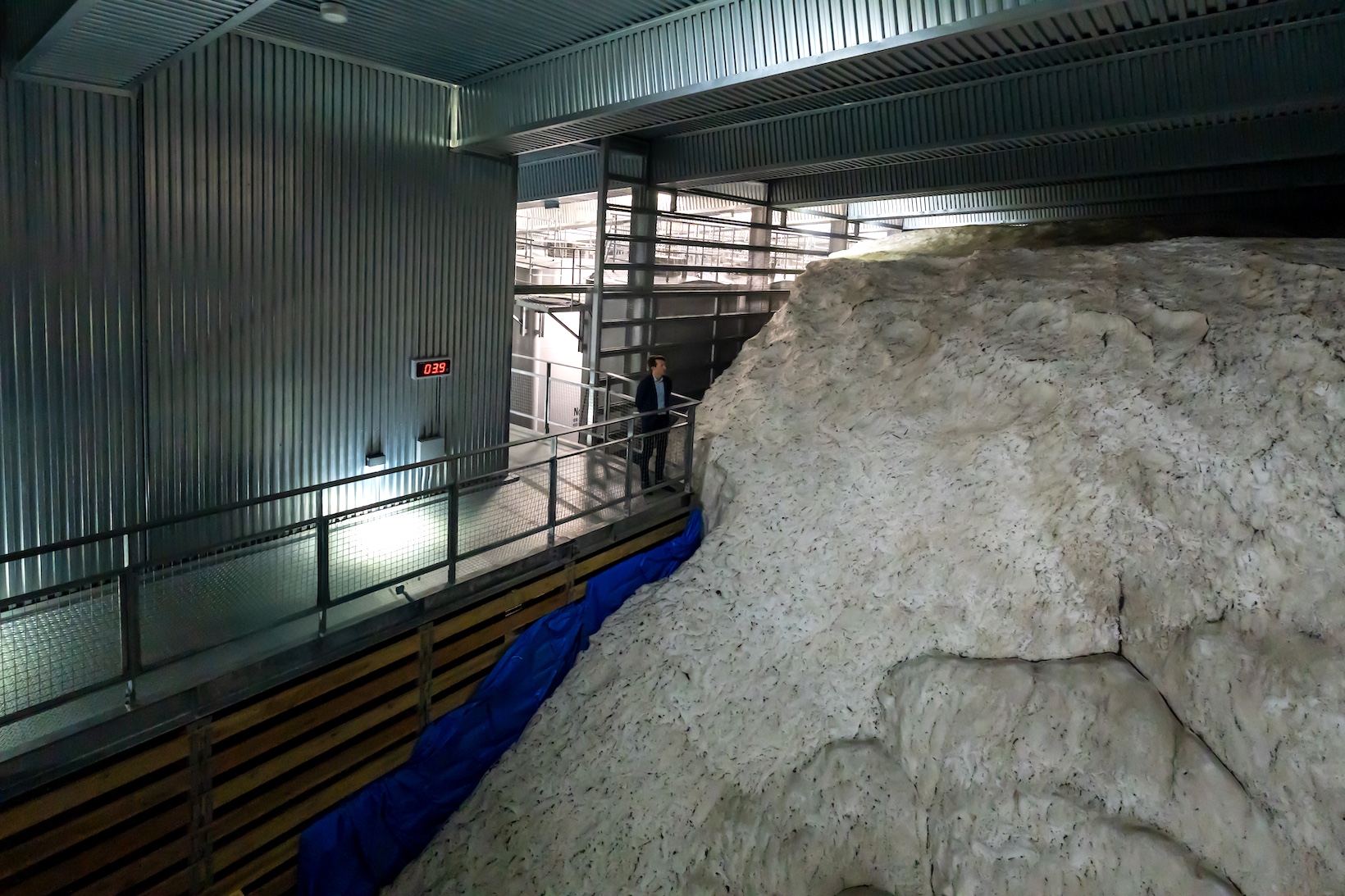
Snow has also played an important role in its frozen form. At Hakkaisan Yukimuro, for instance, a mountain of packed snow is stored inside a massive cellar to act as a year-round refrigerator. Kept at a steady 4 degrees Celsius without electricity, this eco-friendly storehouse ages local sake and root vegetables, gradually refining their flavors.
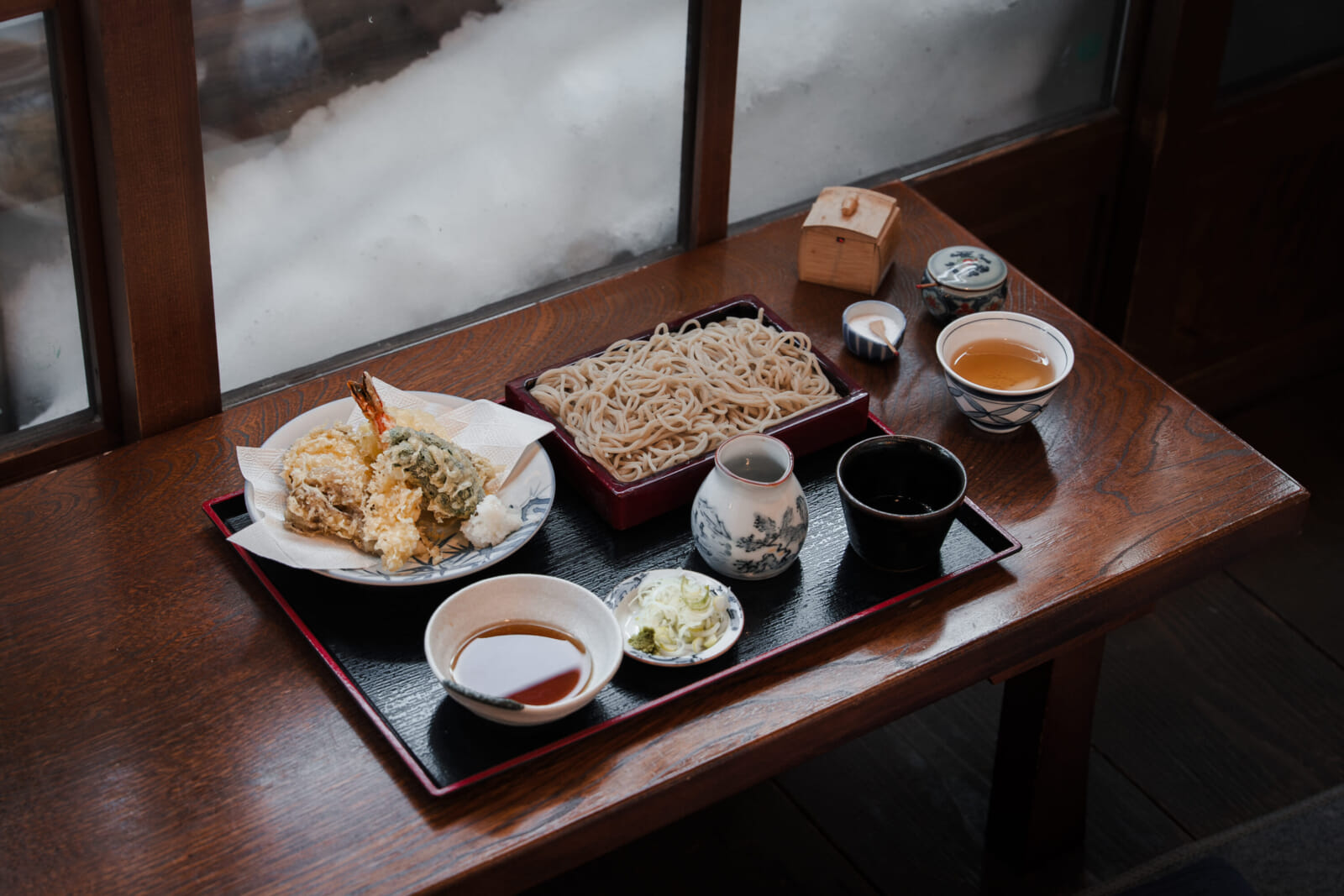
There’s no shortage of places to sample local cuisine. At Sobaya Nagamori, housed in a building constructed in the kominka (folk house) style, handmade soba is served alongside other local delicacies like mountain vegetable tempura. For a hot meal after a day spent outside, spots like Ippachi Shoten serve bowls of Nagaoka ginger-soy sauce ramen. A must-try for ramen lovers, the dish features fresh ginger, giving the rich broth a spicy, warming kick.
Find more food recommendations here.
Dusk at the Ryokan
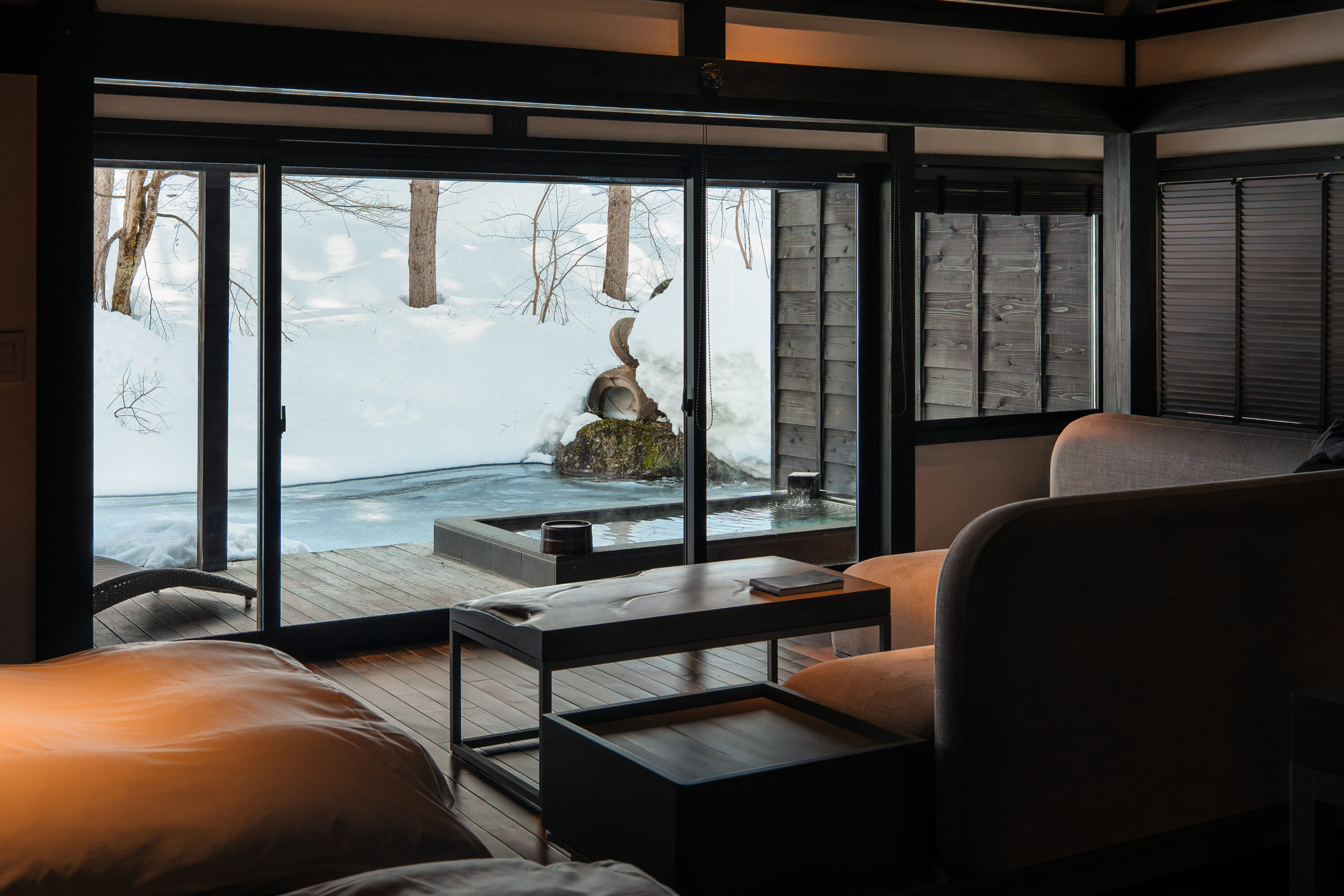
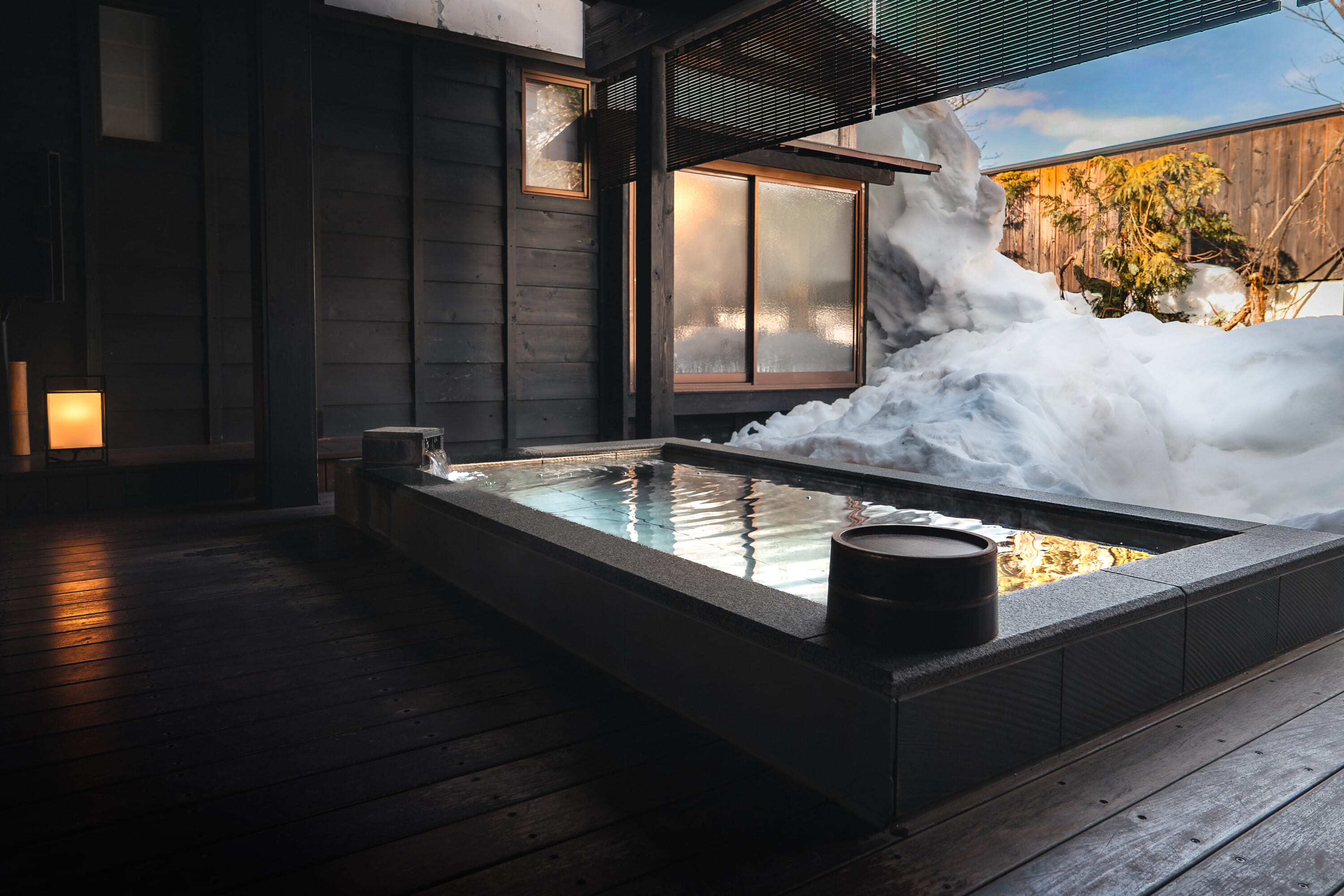
As daylight fades and the mountains take on shades of pink and gold, enjoy a soothing end-of-day soak in a natural hot spring.
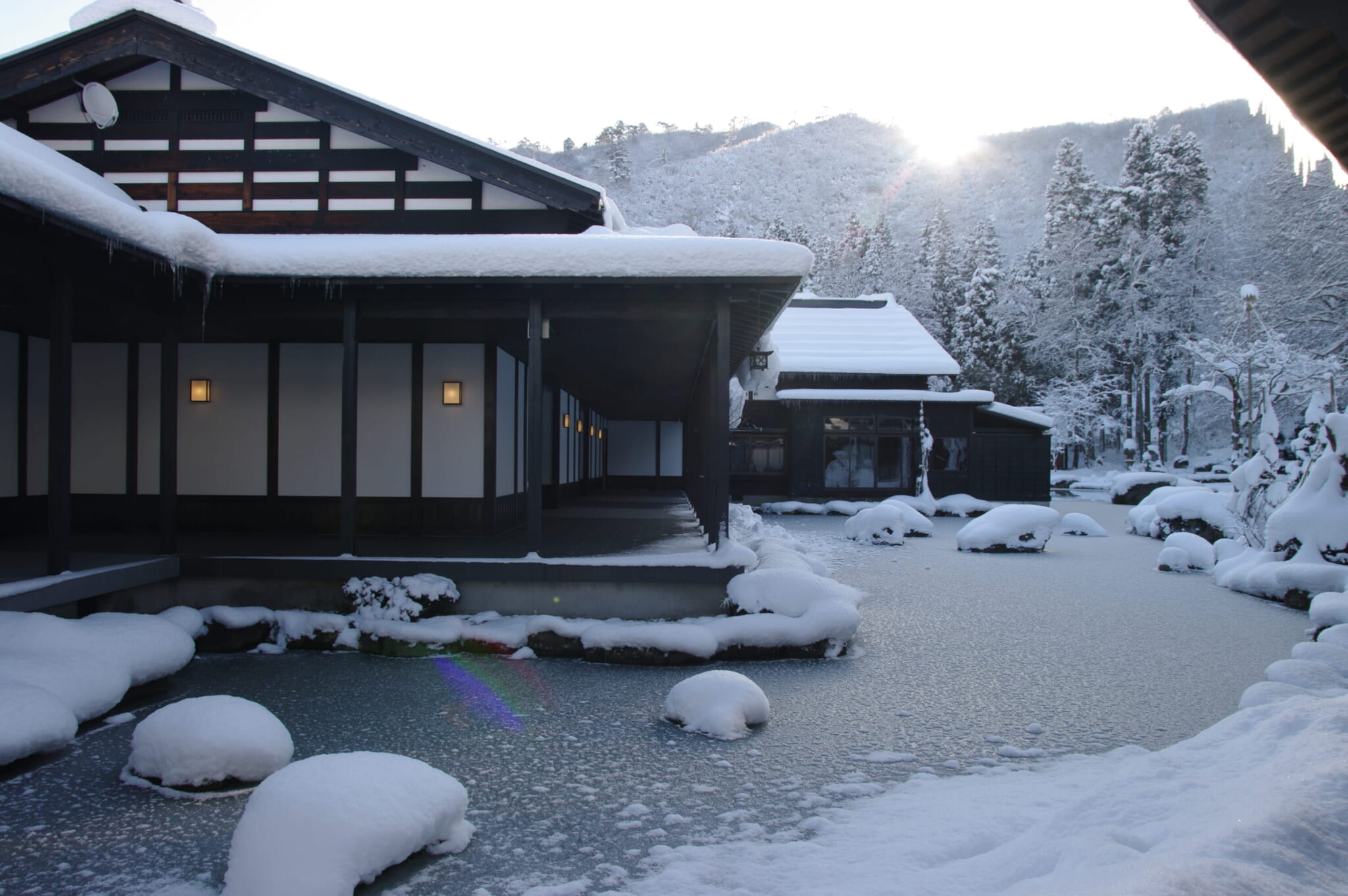
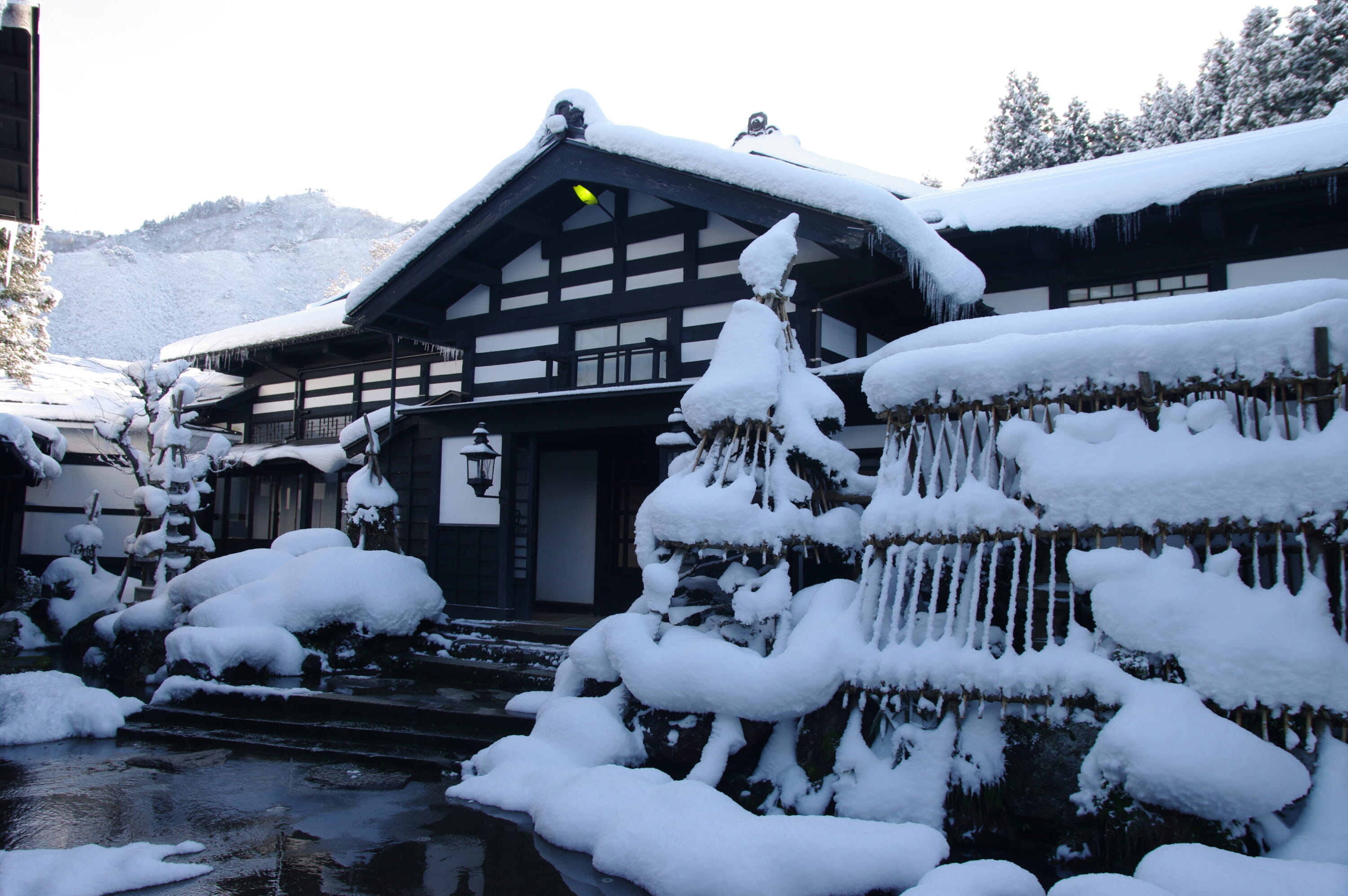
A stay at a traditional ryokan like Ryugon — sitting at the foot of Mount Sakado just a 10-minute drive from Ishiuchi Maruyama — ties the whole trip together. Originally built using relocated farmhouses and manors, some 200 years old, from across Niigata, the property was redesigned in 2019 to highlight its snow-country heritage, earning it a national Good Design Award.
The buildings feature thick timber beams designed to hold the weight of heavy snow and open outer corridors that let guests step into the crisp winter air on their way to the outdoor baths. In the evening, the inn serves multicourse dinners highlighting Uonuma Koshihikari rice, regional produce and snow-aged sake.
View more accommodation options here.
More Info
To learn more about Minamiuonuma, from its attractions and events to its cuisine and climate, visit the official tourism website.
Updated On October 29, 2026