
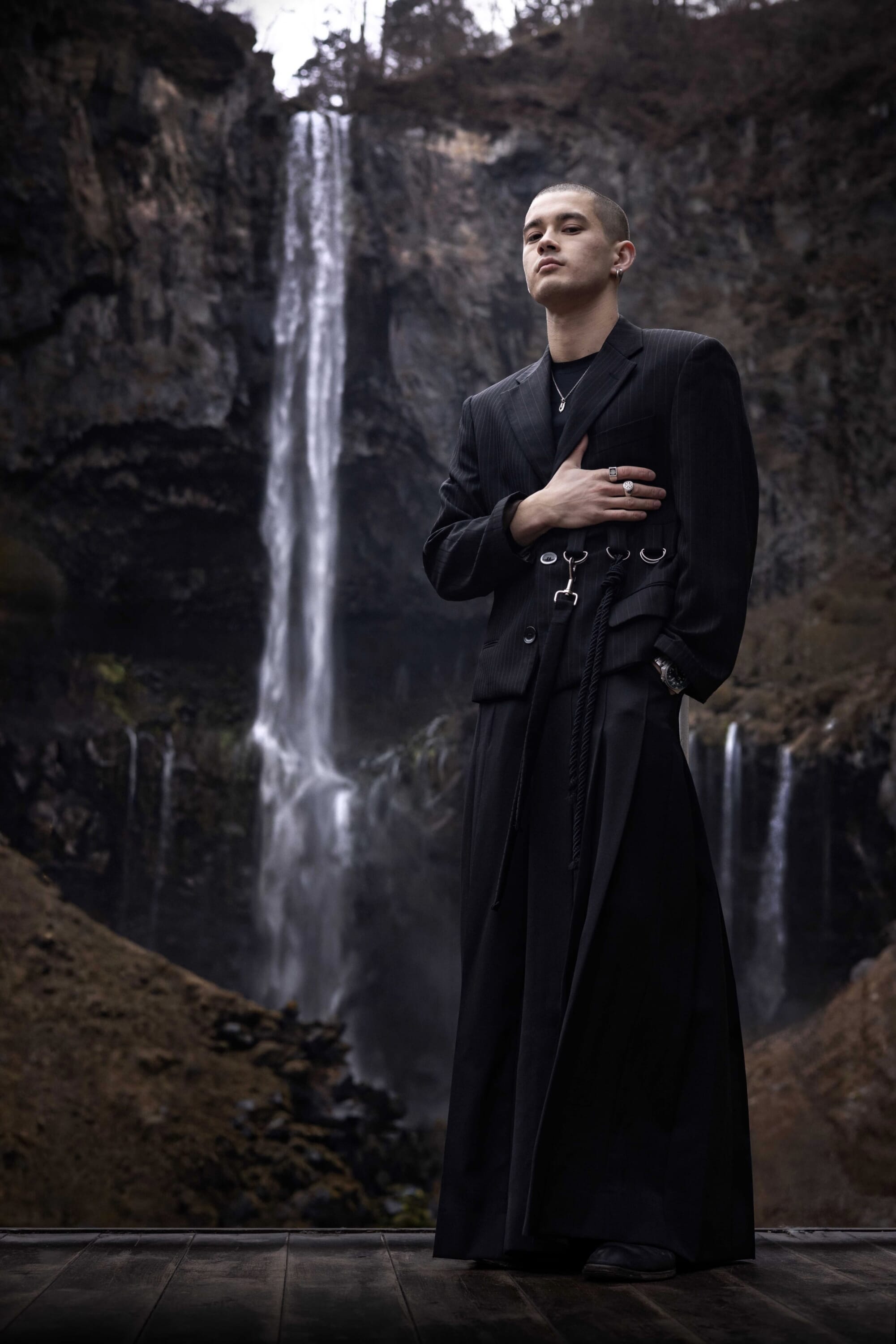
Born in Hyogo Prefecture and raised in Canberra, Australia, Kai McKenzie first learned how to make clothes through a high school fashion design class, before putting fashion on the back burner to start an electrical apprenticeship. Three years in, he found himself drawn back to the sewing machine. He started posting about his projects and inspirations on Instagram, building the foundation for what would eventually become Minami Studios in 2024.
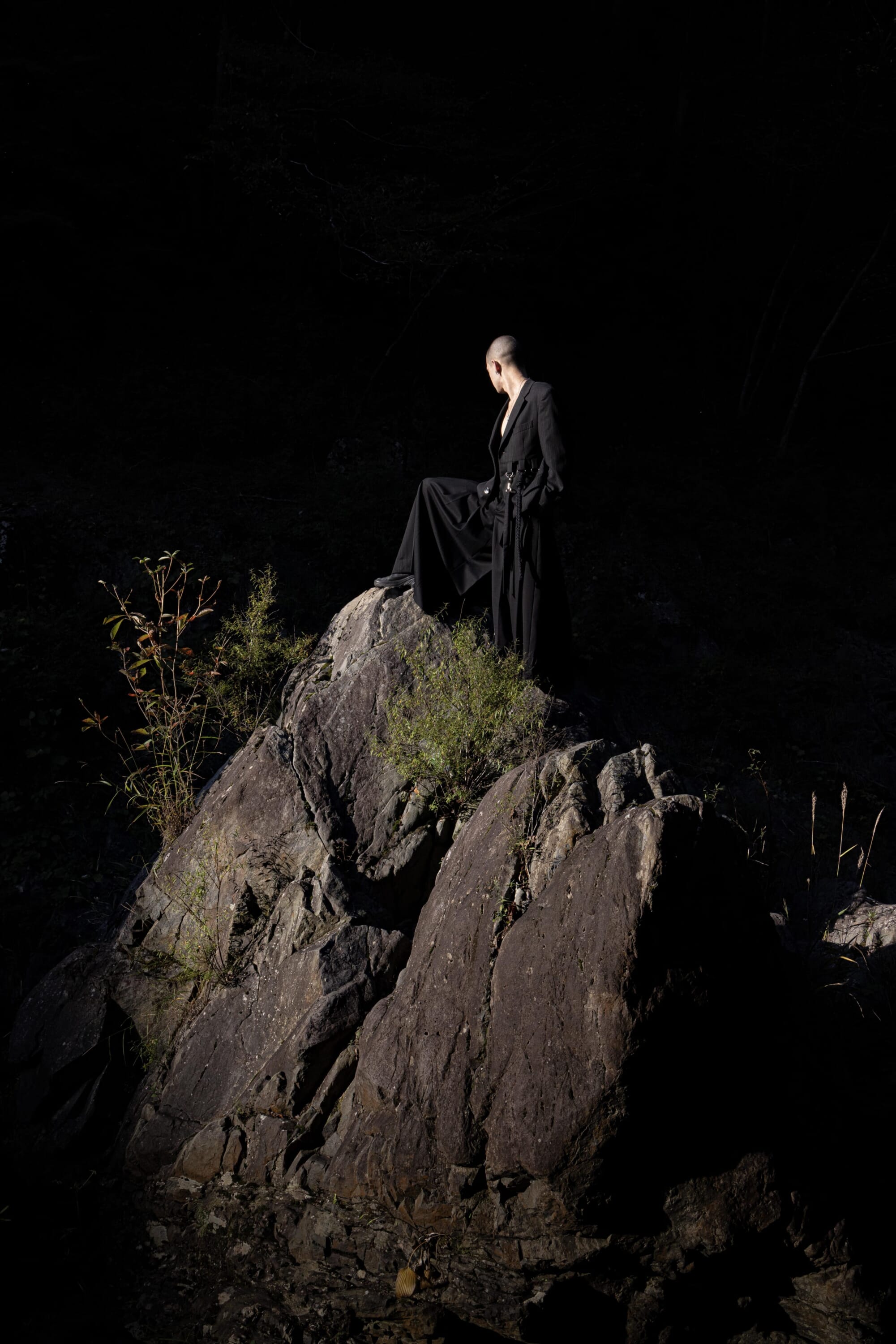
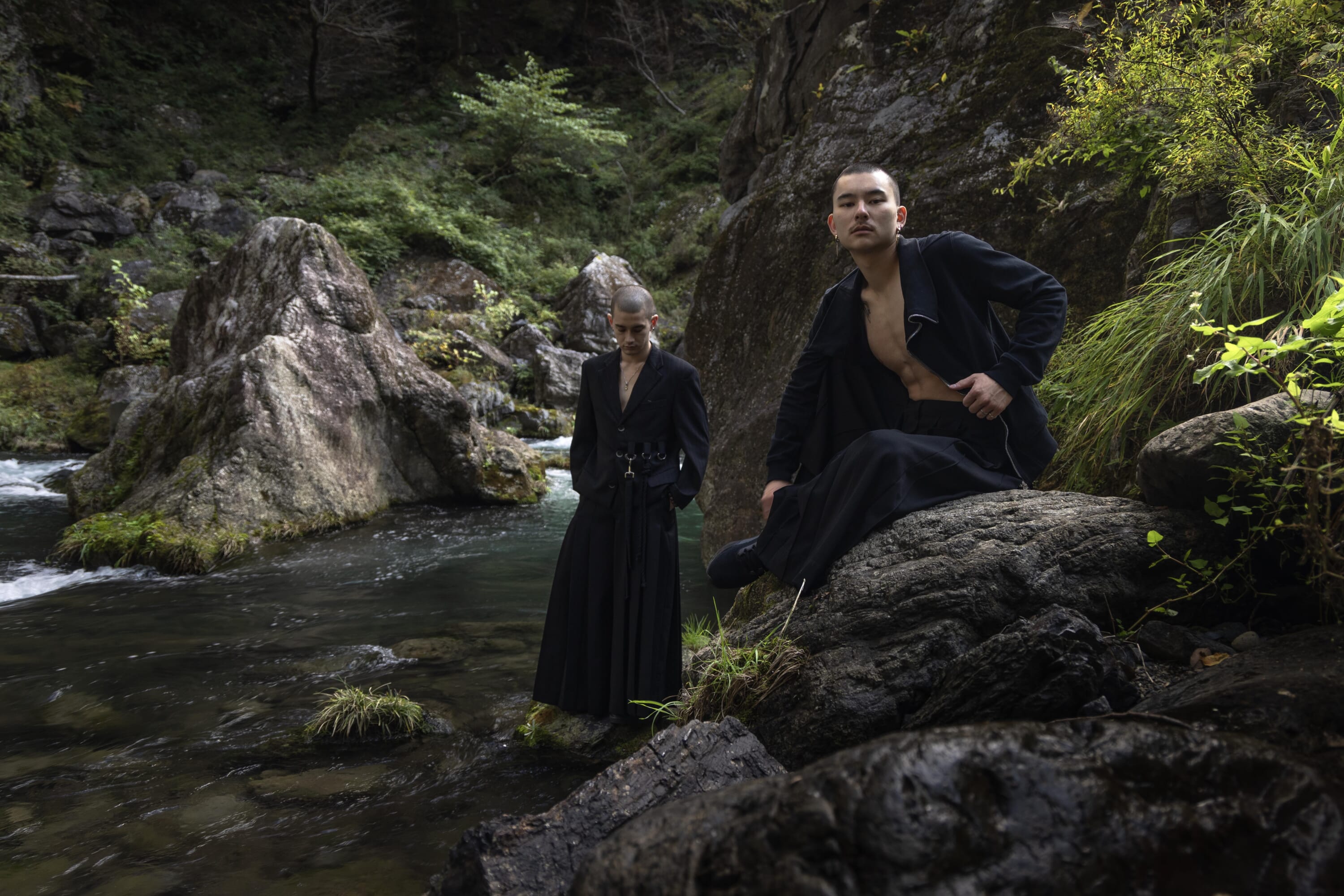
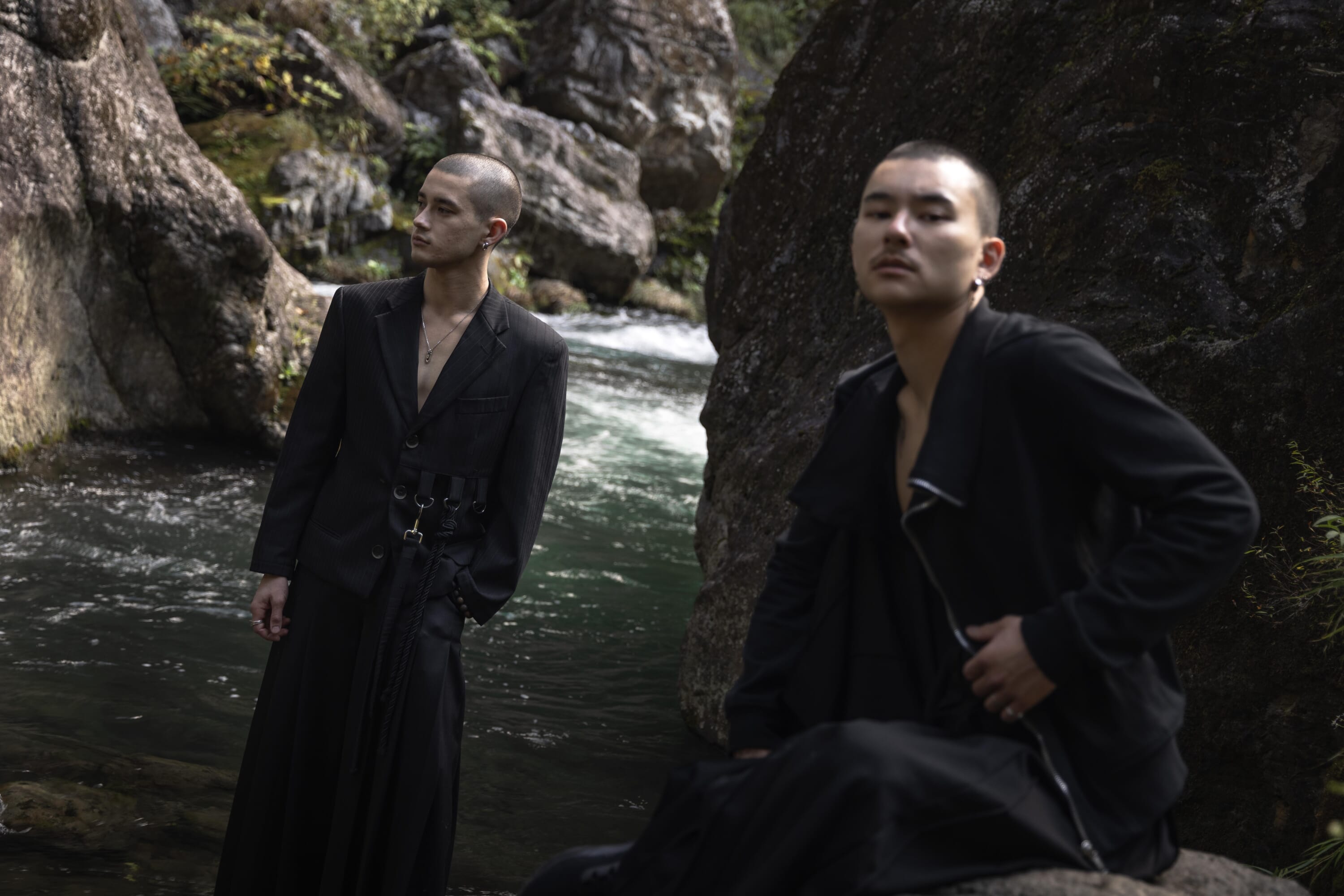
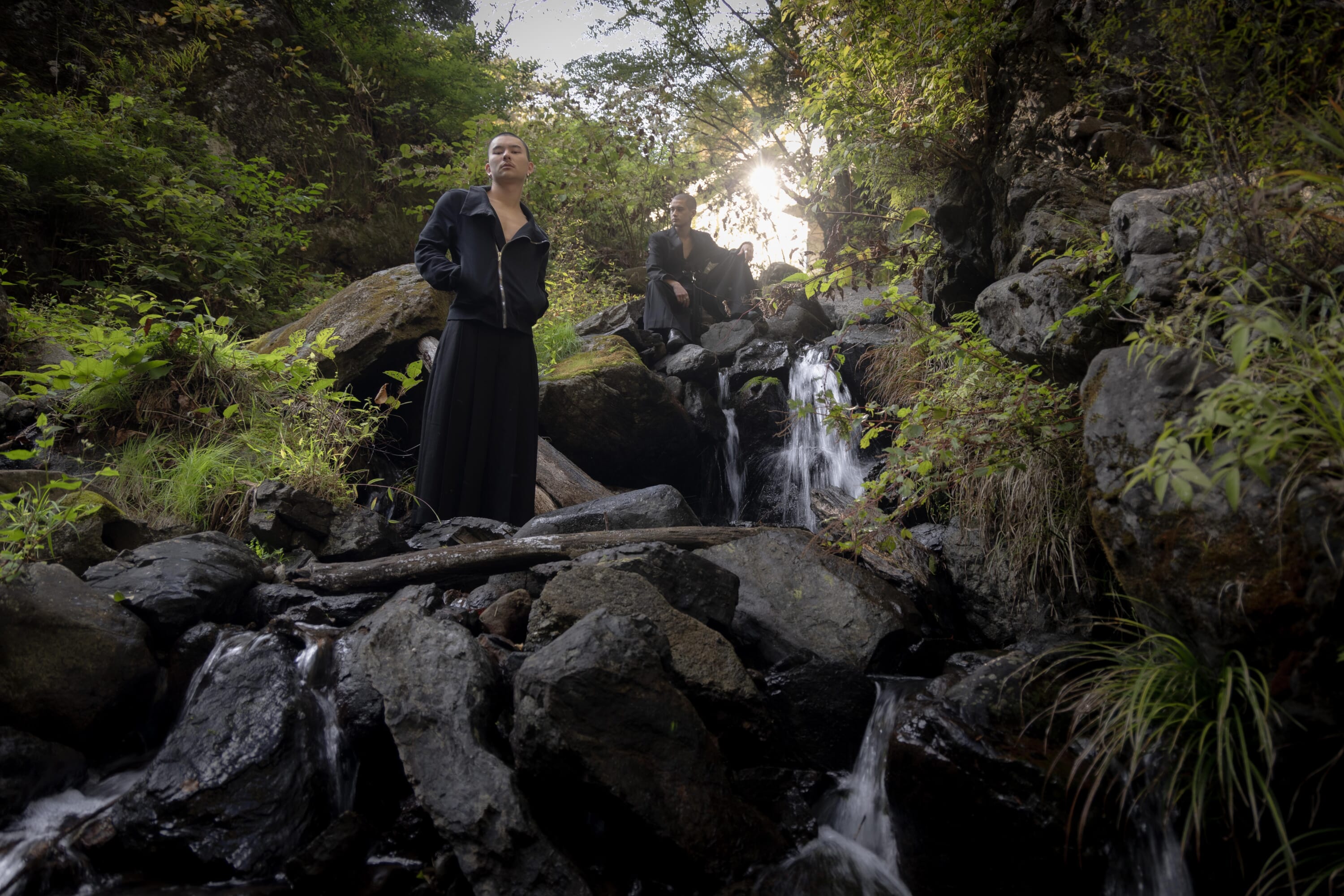
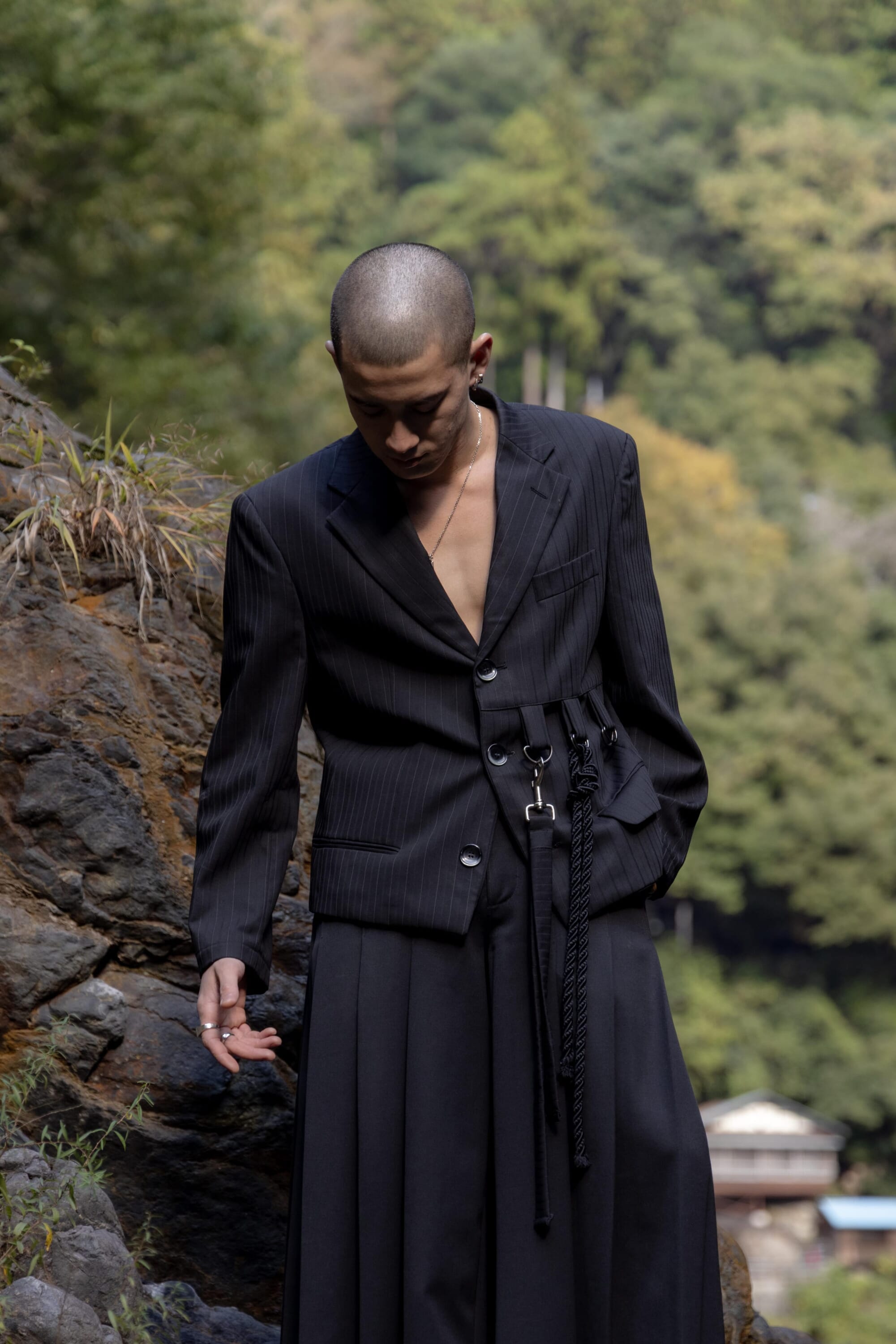
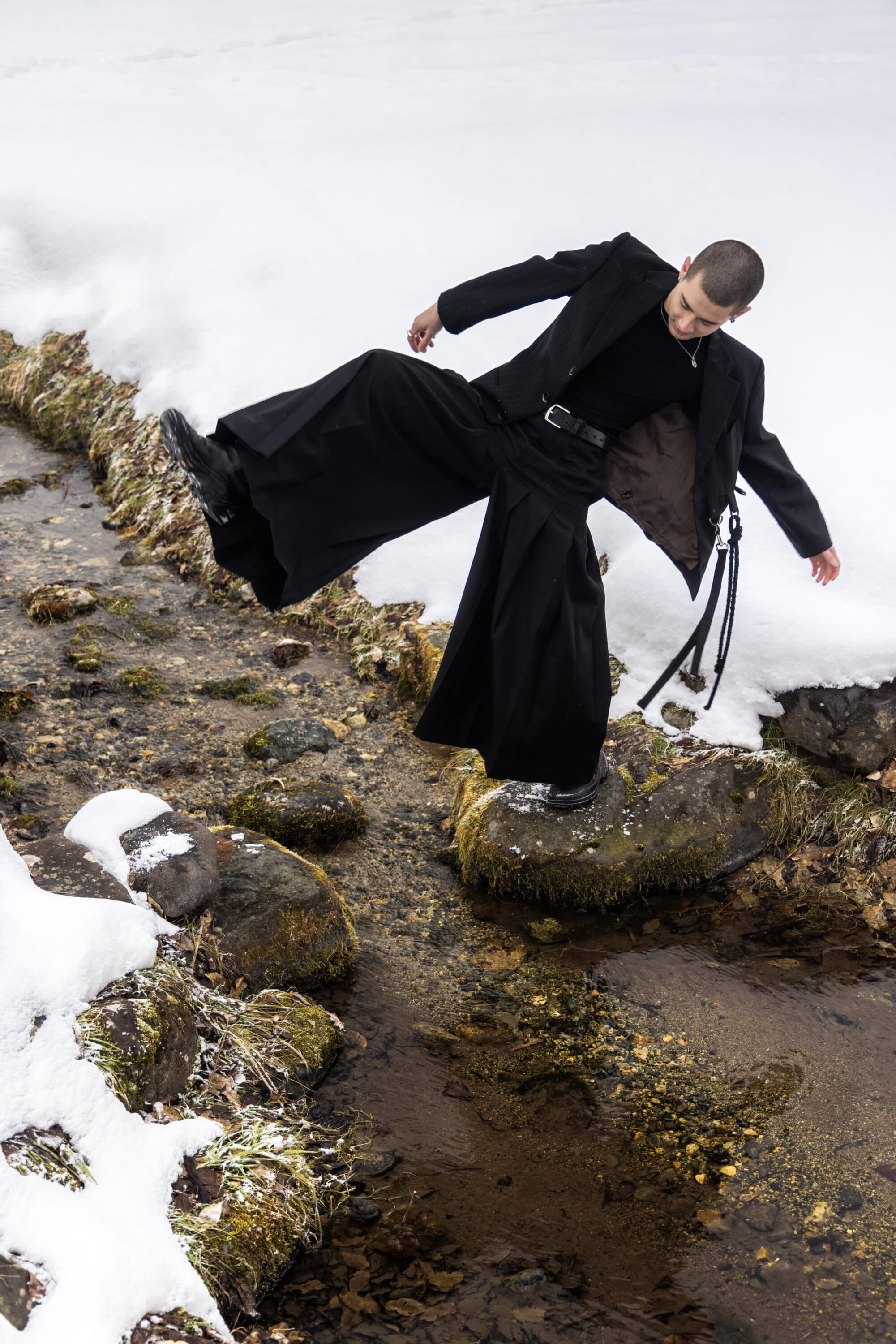
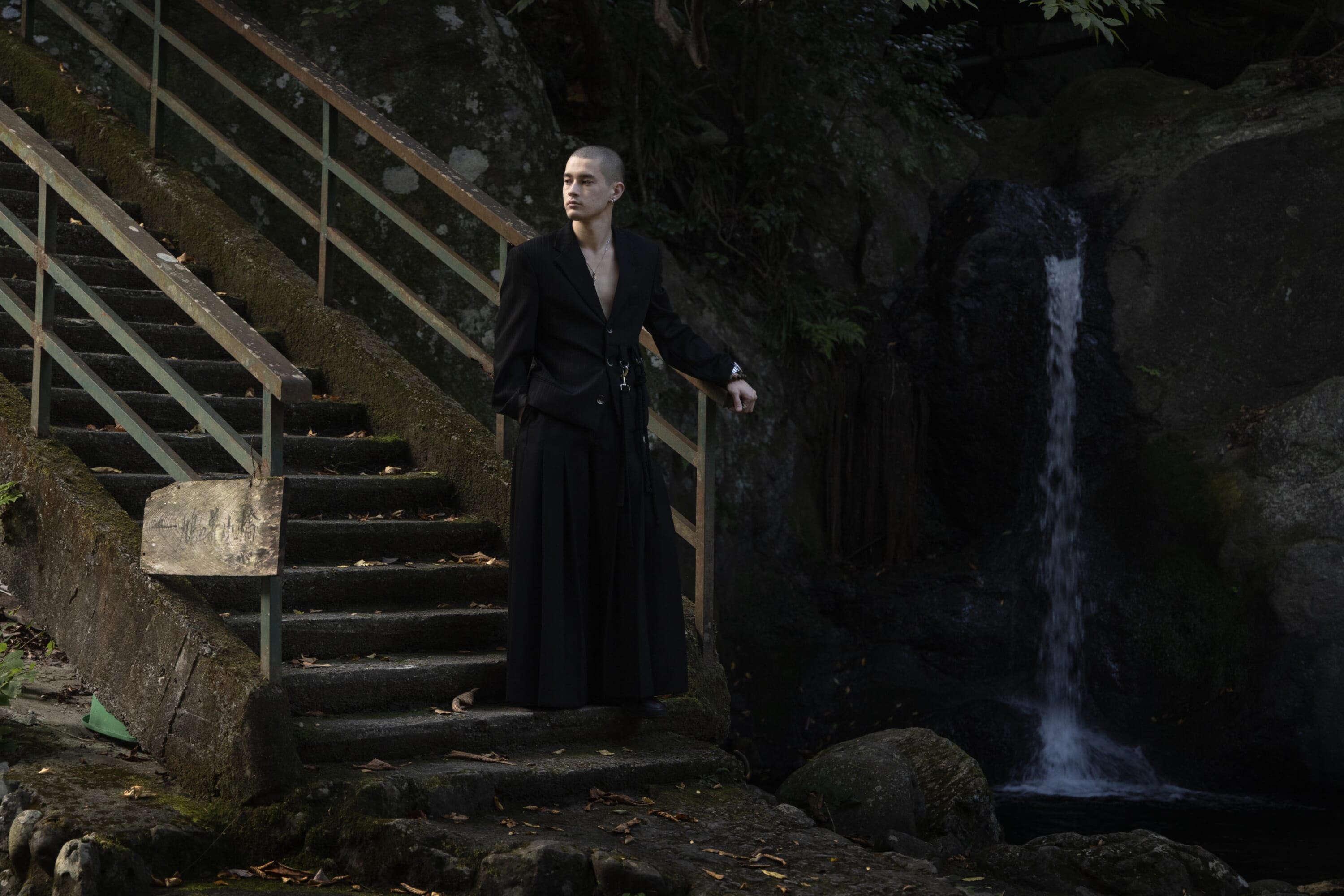
Chances are you’ve already come across one of McKenzie’s designs online. His pieces are refined yet striking — wide-legged trousers with deep, architectural pleats; thoughtful silhouettes that nod to historical garments without feeling like costume.
Each garment reworks a specific reference from Japanese history or craftsmanship into something modern and wearable. The brand’s sought-after Haka pants, for instance, riff on the silhouette of the traditional hakama — a wide-legged, pleated trouser historically worn by samurai over a kimono — and carry seven pleats nodding to the seven virtues of bushido.
“The aim is to share the depth behind these influences and encourage people to engage with culture in a more thoughtful way,” McKenzie says.
Speaking with the designer, what stands out is how unassuming he seems. He’s soft-spoken and a little reserved, even though much of the brand’s reach has come from him showcasing his work — and himself — to millions of people online. He readily admits social media played a meaningful role in getting his business off the ground, but there’s none of the self-mythologizing that typically comes with the territory, just someone genuinely invested in his craft.
Kai McKenzie Interview
TW: Where does the name “Minami Studios” come from?
Mckenzie: Minami is my mother’s maiden name. I chose it because I wanted the brand to represent my connection to Japanese culture in a personal way. My Japanese grandparents had two daughters and one son. My mum and aunt both took new last names after marriage, and my uncle has two daughters, so the Minami name ends with our generation. I liked the idea of continuing it in a different form as the name of my brand.
How did your interest in Japanese history and craftsmanship develop?
I never really liked history growing up, so it’s interesting that I ended up here. At the start, I was doing a lot of denim upcycling — making things that were more practical than conceptual. It wasn’t that satisfying, so I tried to find something I was genuinely passionate about, and that ended up being my roots.
Growing up in Australia, I missed out on a lot of Japanese history, culture and experiences. That led me down a rabbit hole of learning, and I figured if I could turn what I was learning into pieces of clothing, the process itself would be fun. It really came down to a question of identity.
Do you think your Australian upbringing shows up in the work, too?
Maybe in my light-heartedness. I’m pretty detached from my designs — I’m not too prideful about them, so if someone insults or doesn’t understand a piece, it doesn’t really affect me. I feel like Japanese craftsmen and artists tend to be a bit more diehard about their work.
You spent three years living in Tokyo. How was that transition?
The town I grew up in has about a hundredth of Tokyo’s population, so the busy lifestyle was a huge shock. I’m not sure I ever fully adjusted — I was cursing the trains and the crowds almost daily. The first eight months were hard because I struggled to find a social circle … but once I found my people, everything else faded into the background.
Did Tokyo’s fashion scene surprise you in any way?
Honestly, fewer people dressed expressively than I expected — but that takes the pressure off. And if you do want to wear something bolder, you don’t feel as much in the spotlight. People might look, but it never felt humiliating. [Where I’m from] in Australia, it can feel intimidating to step out in something bold.
When someone buys their first piece from you, how do you hope it makes them feel?
Ultimately, I want people to feel comfortable and confident in what they’re wearing. If something I design helps someone express themselves more clearly through fashion, that means a lot to me. If I had to ask for one thing, it would be for people to take a moment to look at the depth behind each piece. Every garment comes with an information card explaining the concept, and if someone takes the time to read it and connect with the idea, I’d be really happy.
More Info
Discover McKenzie’s designs on Instagram at @minami.studios and @kai.mckenzie_.
Related Posts
- Inside Proleta Re Art, Tokyo’s Most Elusive Fashion Label
- Sashiko Gals: The Touching Story Behind Japan’s Most Unexpected Fashion Icons
- Tradman’s Bonsai and the Future of Japanese Cool
Updated On June 1, 2026