On paper, Kazuo Ishiguro writes some of the least adaptable books imaginable. The Nobel Prize-winning English novelist frequently employs characters who cannot quite say what they feel. His prose, restrained and minimalist, crafts stories built on memory, evasion and truths buried deep in individual and collective psyches. And yet filmmakers are continuously drawn to the strange magnetism of these narratives and to the questions they pose about modern existence.
James Ivory’s The Remains of the Day (1993) earned eight Academy Award nominations, including for Best Picture, and endures as a landmark of British period drama. Mark Romanek’s Never Let Me Go (2010) drew praise for its tender portrayal of a dystopic coming-of-age tale, even though it didn’t achieve wide commercial success. Kei Ishikawa’s A Pale View of Hills premiered in Un Certain Regard at the 2025 Cannes Film Festival.
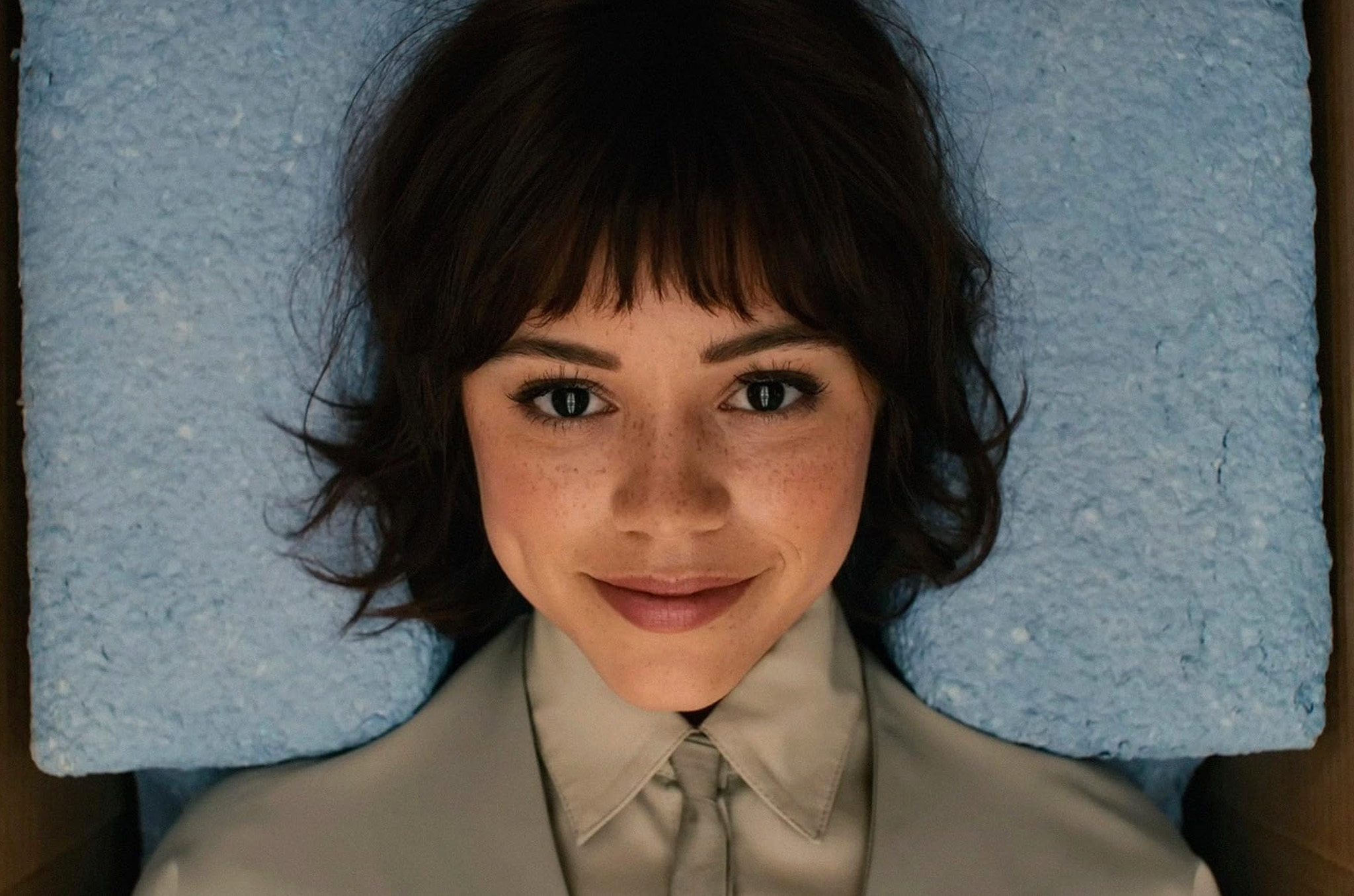
The latest filmmaker to attempt an adaptation is Taika Waititi. Sony just released the first trailer for Klara and the Sun, based on Ishiguro’s novel of the same name. It stars Jenna Ortega as a solar-powered “Artificial Friend,” and is set for release on October 23. The picture will be the fourth of Ishiguro’s novels to reach the big screen.
That writing this resistant to adaptation should yield such rich films goes beyond just great direction or screenplays. Ishiguro reflects on themes of memory, mortality and complicity while portraying anxieties specific to the present, from the haunting bioethics of Never Let Me Go to the emotional frontiers of artificial intelligence in Klara and the Sun. At once urgently contemporary and universally resonant, the acclaimed novelists continue to shine on screen.
Let’s take a look back at the pillars of Ishiguro’s cinematic universe, and the mark they’ve left.
The Remains of the Day (1993)
The first and most decorated adaptation came from Merchant Ivory, the production powerhouse known for its nuanced literary adaptations, such as A Room with a View (1985) and Howard’s End (1992) based on E. M. Forster’s texts.
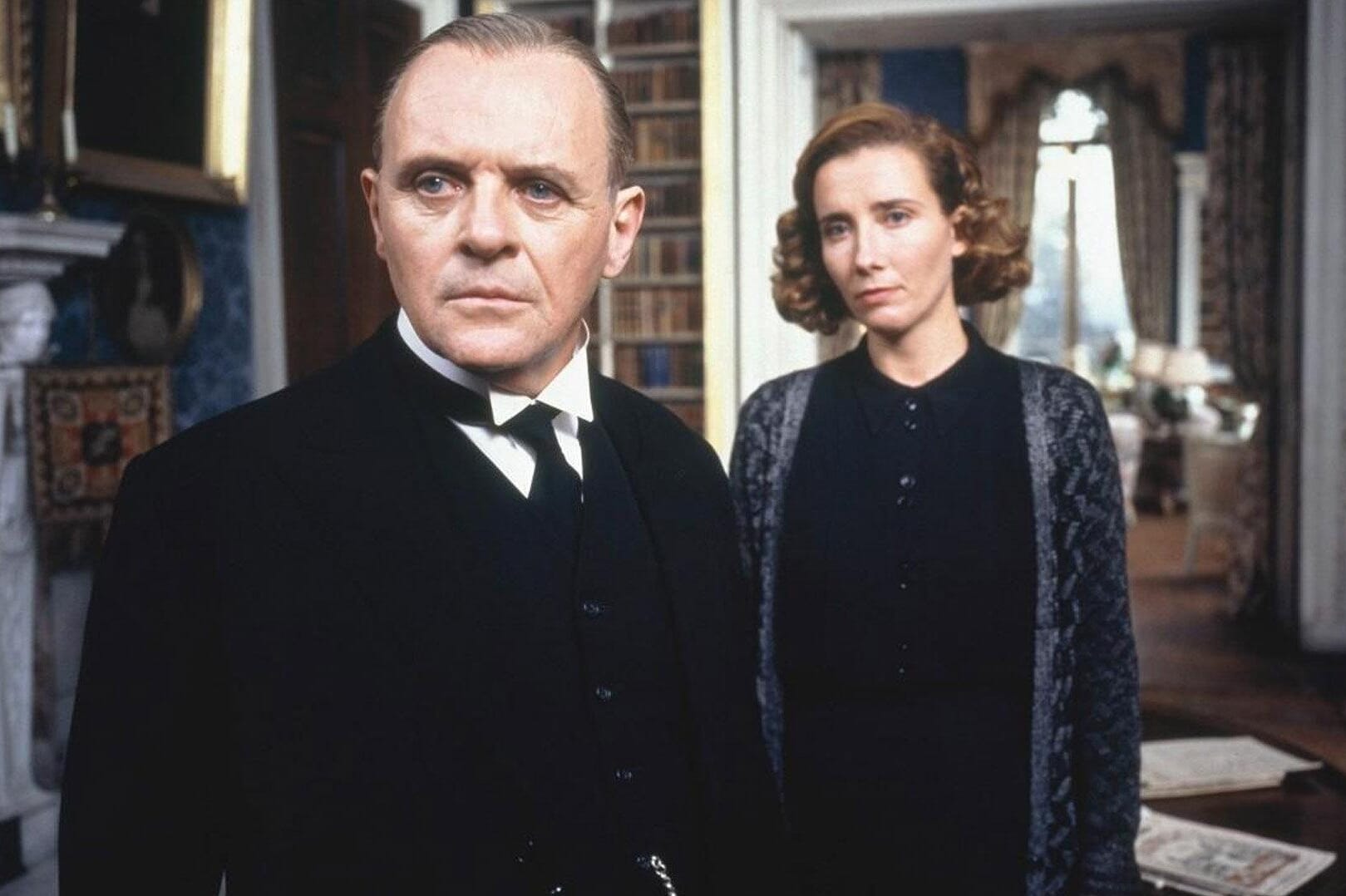
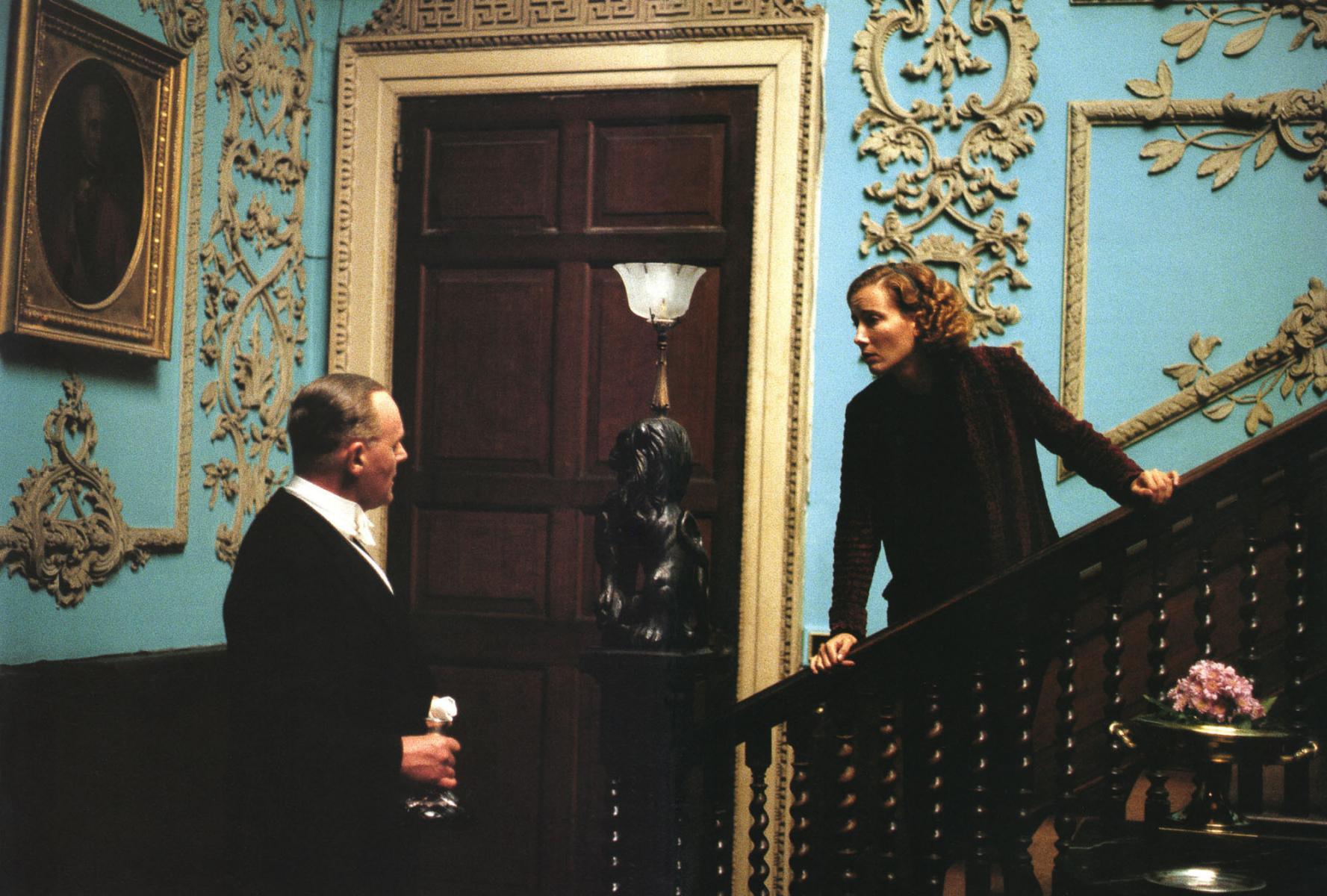
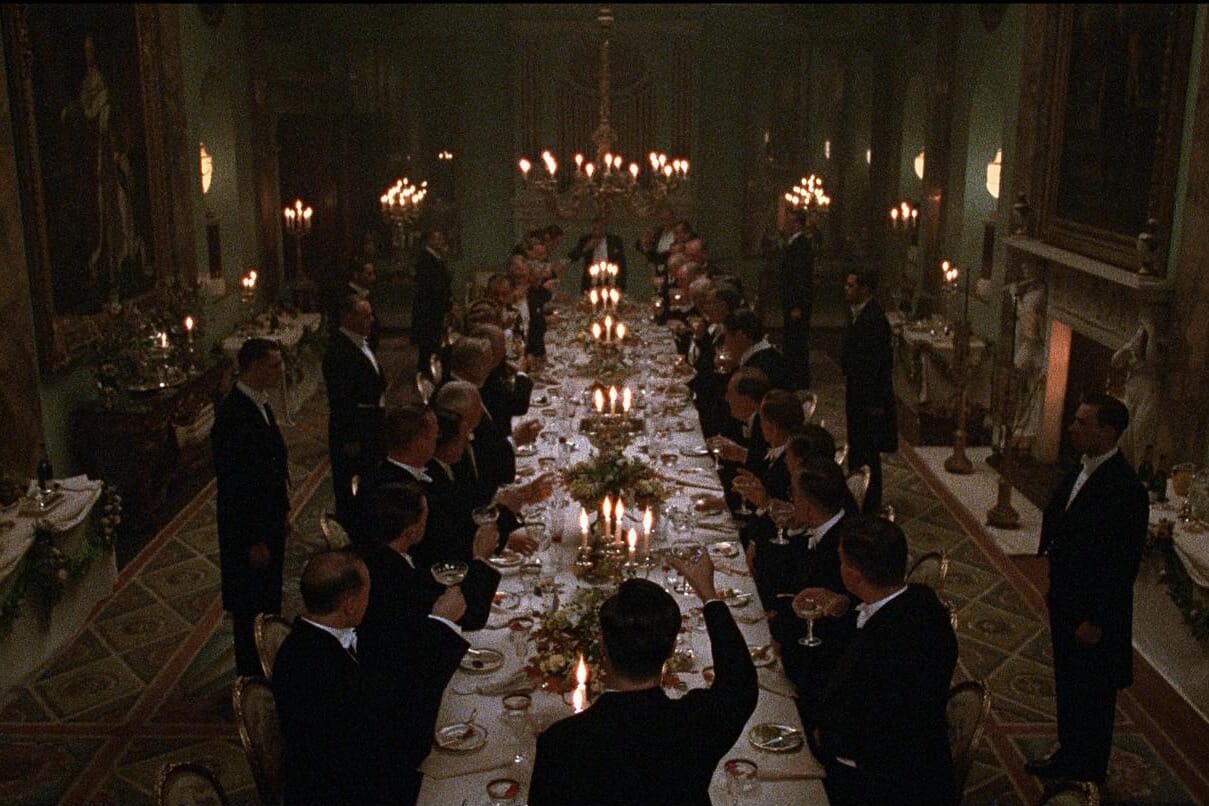
Directed by Ivory and scripted by Ruth Prawer Jhabvala, The Remains of the Day (1993) stars Anthony Hopkins as Stevens, a butler whose rigid devotion to duty costs him both personal love and moral clarity. Emma Thompson plays Miss Kenton, the sharp-witted, compassionate housekeeper who challenges his worldview.
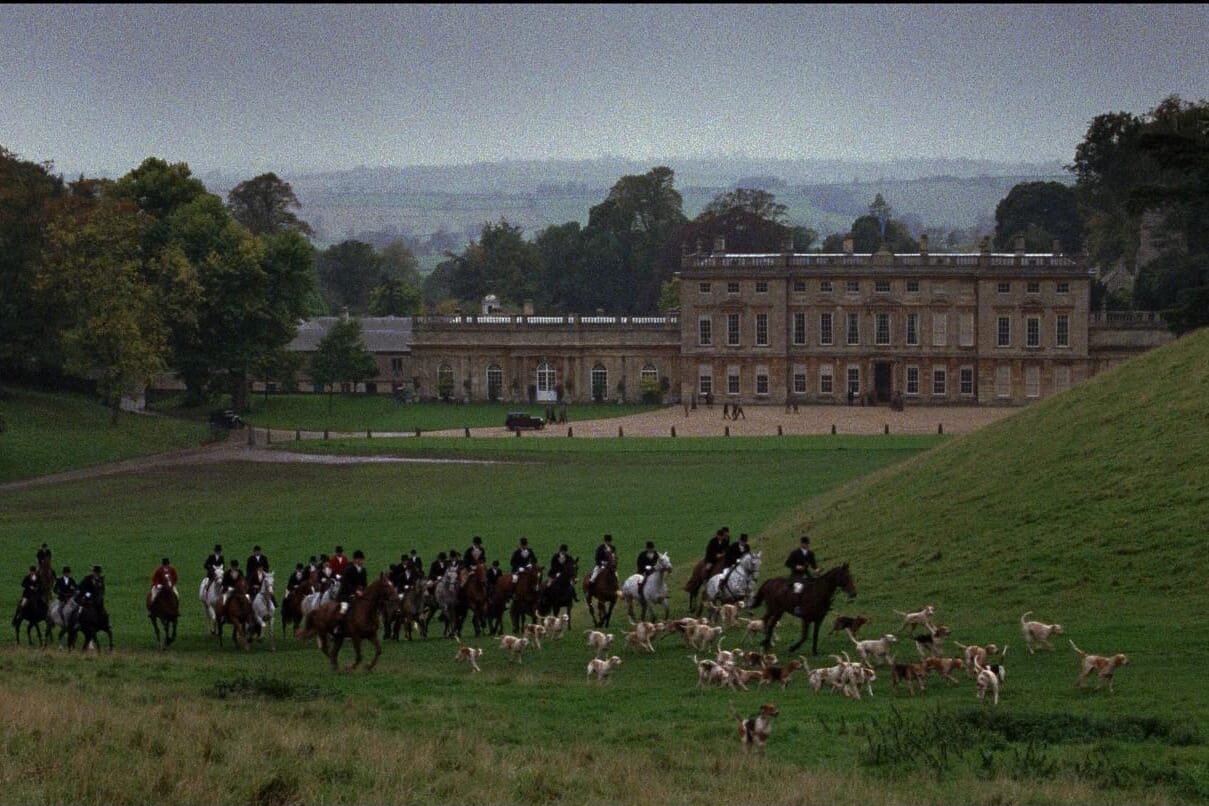
Rather than flattening Ishiguro’s internal monologue into a standard period melodrama, the film masterfully externalizes Stevens’ repression through stifling framing and agonizingly polite silences.
A major critical and commercial success, the adaptation drew eight Academy Award nominations — including Best Picture, Best Director, Best Actor, Best Actress and Best Adapted Screenplay — though it famously won none. Today, it remains one of the era’s benchmark literary adaptations and sits at number 64 on the British Film Institute’s list of the top 100 British films.
Never Let Me Go (2010)
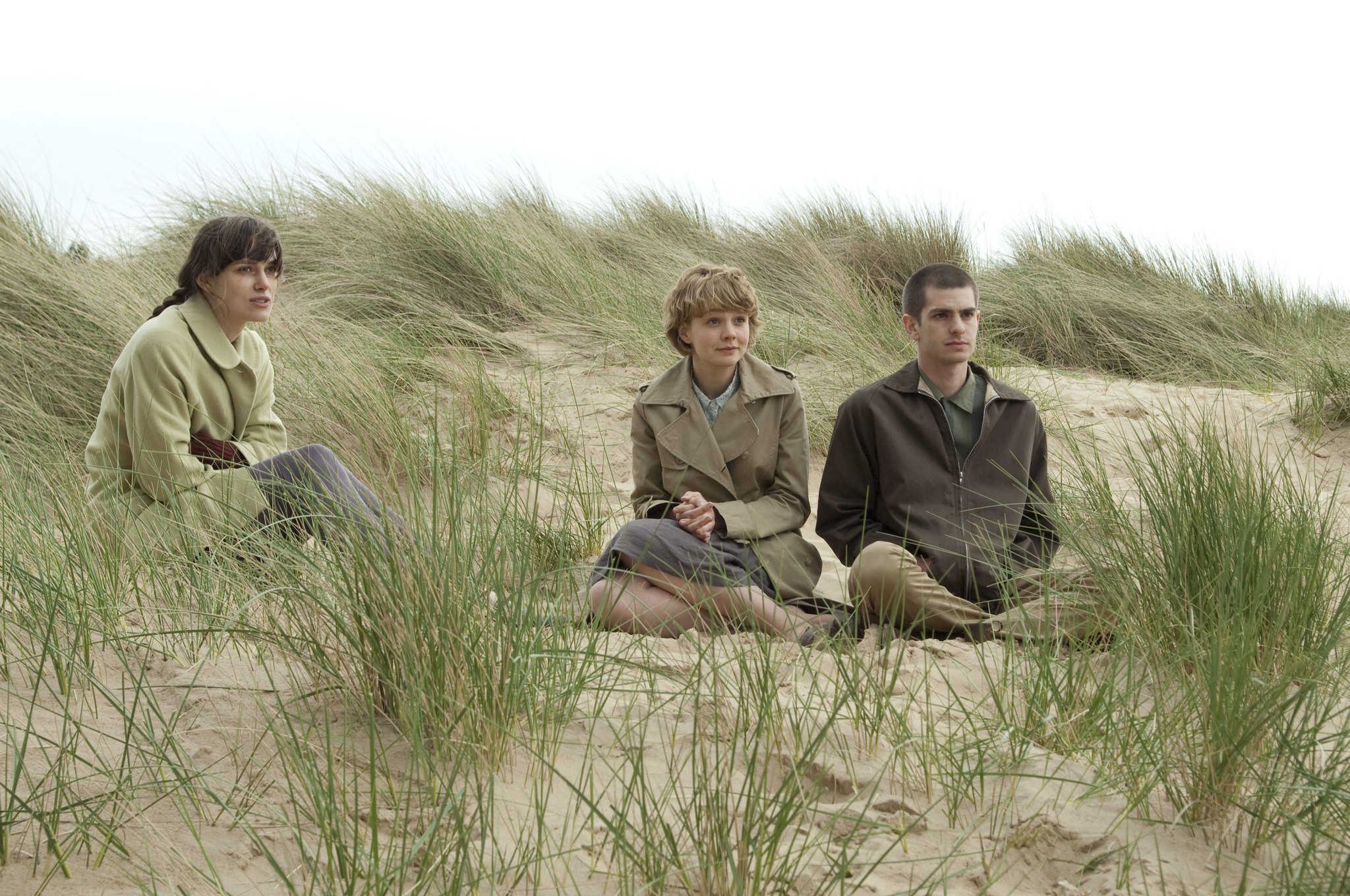
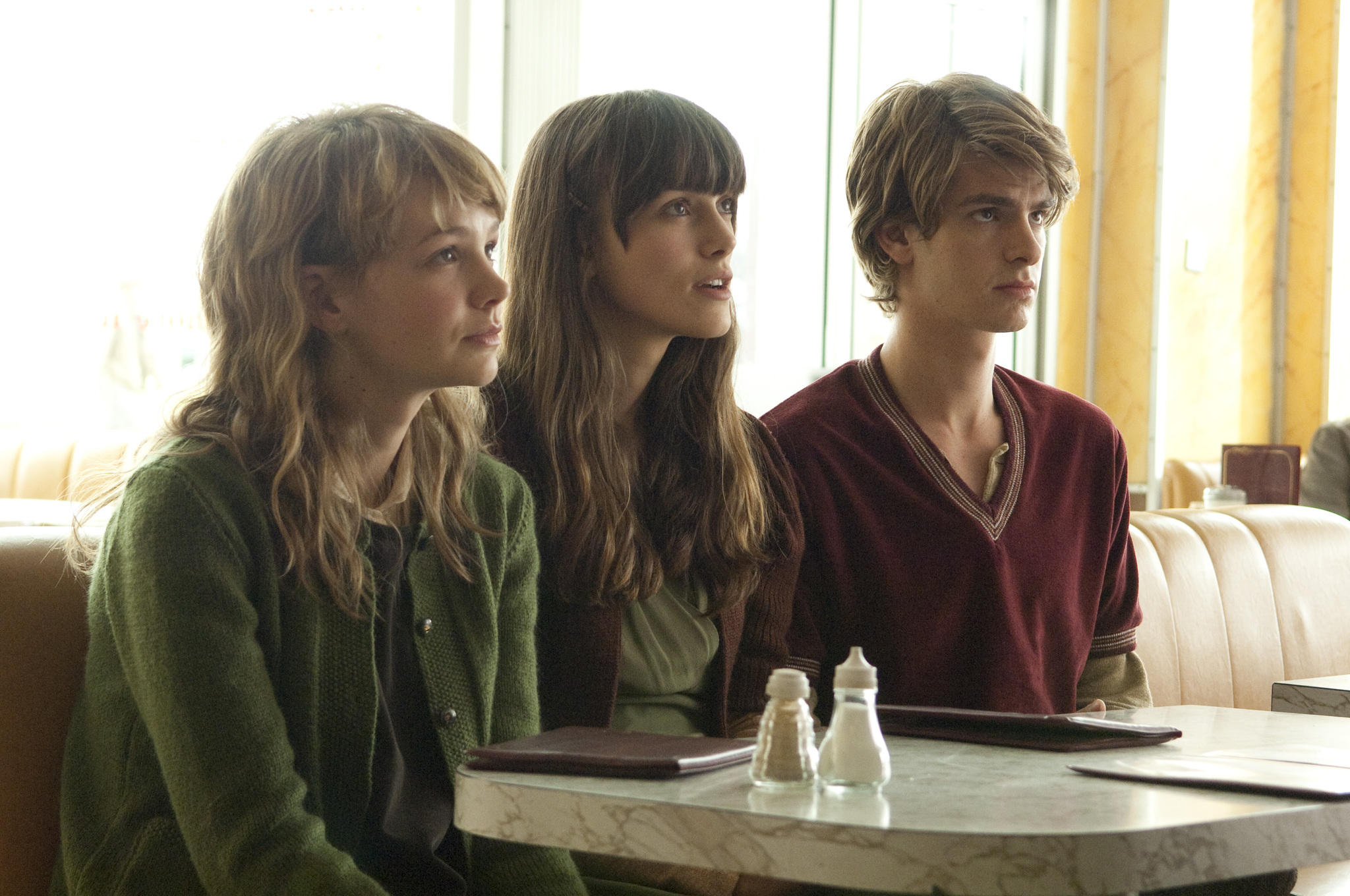
Seventeen years later, Mark Romanek directed a version of Never Let Me Go from a screenplay by Alex Garland (28 Days Later). The dystopian story follows three friends — Kathy, Ruth and Tommy, played by Carey Mulligan, Keira Knightley and Andrew Garfield — raised at a boarding school for a purpose the film slowly and devastatingly reveals.
Ishiguro was more closely involved this time and praised Garland’s script, which changed little from first draft to finished film. Reactions to the film were divided: many admired its mood, its restraint and acting, particularly Mulligan’s performance, while others found its muted register illegible or boring.
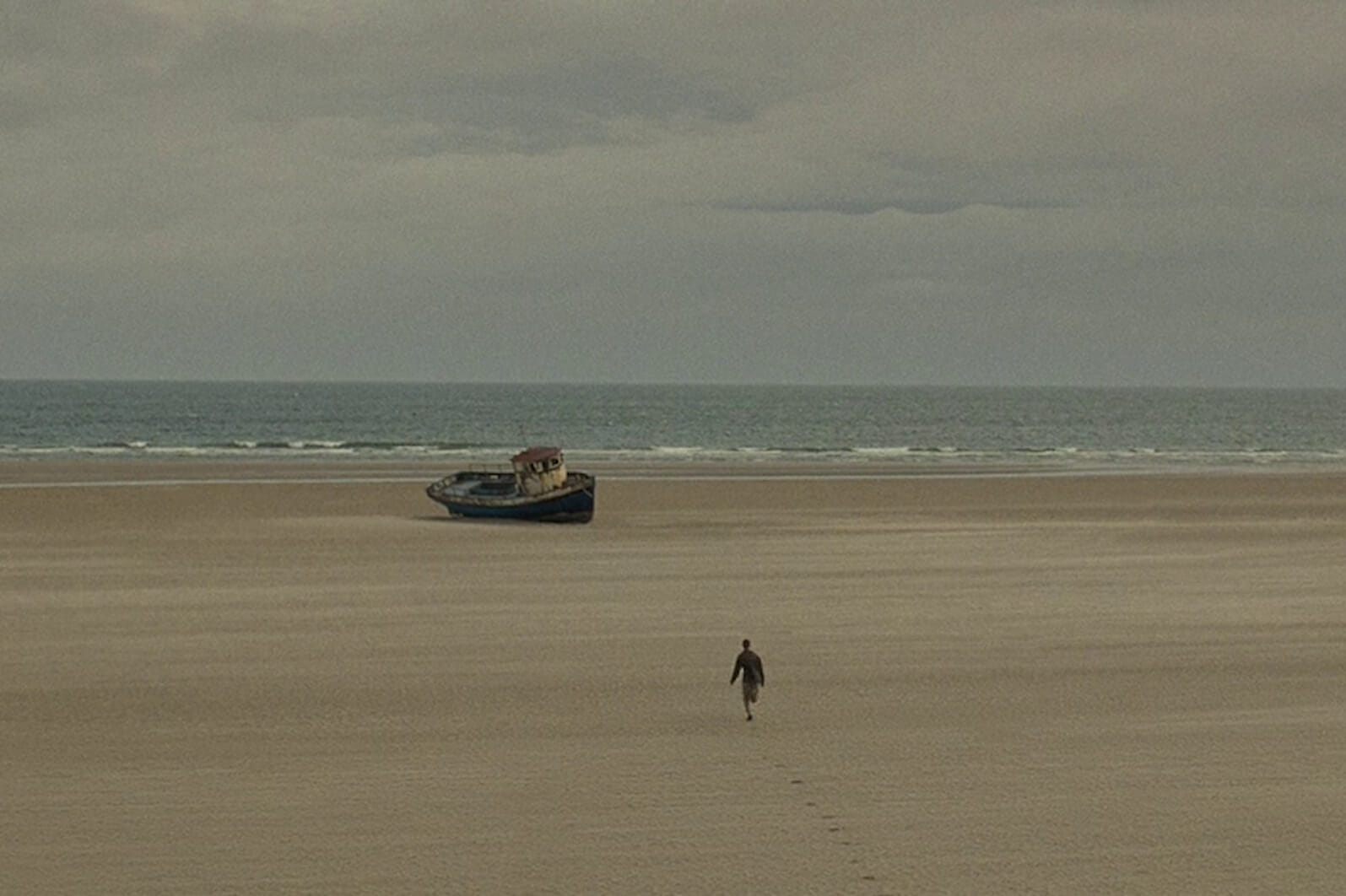
In the years that have followed, however, the film has gained a devoted following for its nuanced portrayal of heartbreak and coming-of-age — universal themes that don’t always fuse well with works of science fiction. Rather than focusing on spectacle, Romanek and Garland deliver a haunting meditation on mortality, dignity and the brevity of time.


A Pale View of Hills (2025)
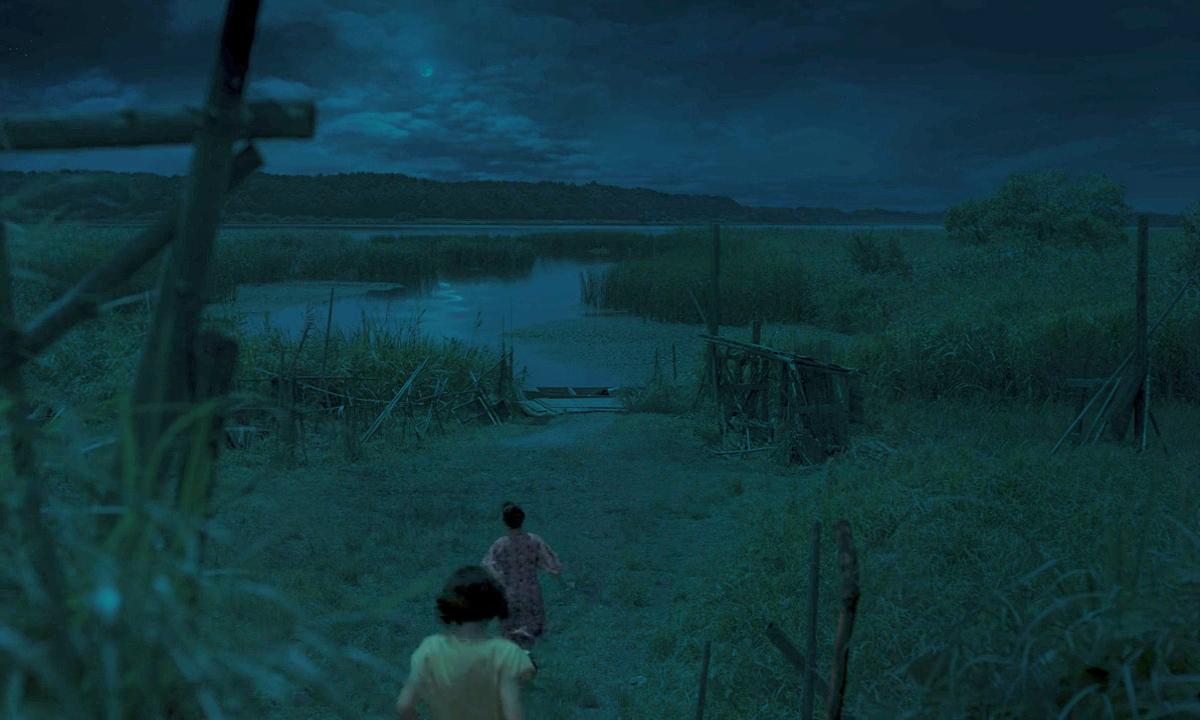
The most recent film adaptation before Klara reached back to the very start of Ishiguro’s career. Written and directed by the Japanese filmmaker Kei Ishikawa, A Pale View of Hills draws on Ishiguro’s 1982 debut novel, moving between two timelines.
In 1980s England, the widowed Etsuko (Yo Yoshida) is visited by her British-born younger daughter and, with the recent suicide of her elder daughter hanging over them. Their conversations draw Etsuko back to post-war Nagasaki, where her younger self (Suzu Hirose) fell into an uneasy friendship with Sachiko, a restless single mother chasing a new life in America, and her withdrawn daughter Mariko.
A Japan-UK co-production from Number 9 Films, the company behind Living (2022), it premiered at the 2025 Cannes Film Festival in Un Certain Regard. Ishiguro was deeply involved, helping develop the screenplay. Critics praised the film’s painterly imagery and its adherence to Ishiguro’s characteristic narrative ambiguity, drawing comparisons to Yasujiro Ozu’s work.

Klara and the Sun (2026)
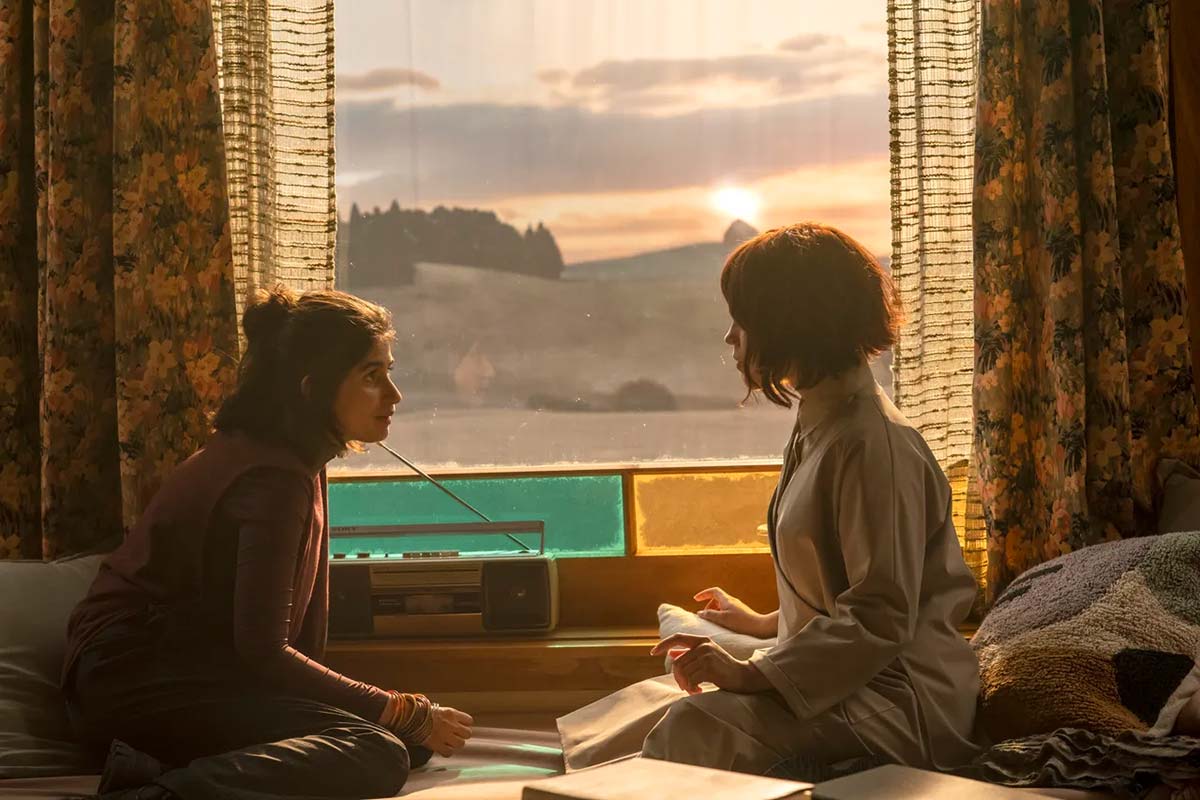
The newest Ishiguro adaptation is perhaps the biggest tonal departure from the rest. Taika Waititi — who won an Oscar for Best Adapted Screenplay with Jojo Rabbit — directs from a script he co-wrote with Dahvi Waller (Mad Men, Mrs. America), with Ishiguro on board as executive producer.
The story is set in a near-future America where a genetic enhancement process called “lifting” has sorted children into a favored elite and everyone else. Into that world comes Klara (Jenna Ortega), a solar-powered “Artificial Friend” who watches the street from a store window until she’s bought to keep Josie (Mia Tharia) company — a bright teenager with a mysterious illness. Amy Adams, Aran Murphy, Steve Buscemi and Natasha Lyonne round out the cast.
Whether Waititi’s playful style suits Ishiguro’s melancholy remains to be seen. The first trailer, scored by his regular collaborator Michael Giacchino, plays up the source material’s whimsy, humor and warmth, only hinting at its themes of loss, grief and technological hubris.
The book’s central questions seem to shine through here: whether a machine can possess a soul; whether Klara’s programmed loyalty can become authentic; the role of faith in the age of artificial intelligence. If the film resonates the way its predecessors did, Ishiguro’s screen legacy — already unusual for a living novelist — will only deepen.
About Kazuo Ishiguro
Born in Nagasaki, Japan, in 1954 and raised in England from the age of five, Kazuo Ishiguro is one of the most celebrated and genre-defying voices in contemporary literature. Originally an aspiring singer-songwriter, he channelled his lyrical sensibilities into fiction, breaking onto the literary scene with his 1982 debut, A Pale View of Hills.
Over a career spanning more than four decades, Ishiguro has mastered a distinct brand of quiet, devastating prose that gently unmasks the frailty of human memory and the plight of self-delusion. His singular ability to blend the restraint of a classical comedy of manners with the existential dread of Kafka earned him the Booker Prize in 1989 for The Remains of the Day and the Nobel Prize in Literature in 2017.
Related Posts
- Japan’s Golden Legacy at the Cannes Film Festival
- Koto Kawaguchi: The Real-Life Table Tennis Champion in Marty Supreme
- How ‘Kokuho’ Became the Biggest Film in Japan
Updated On July 8, 2026