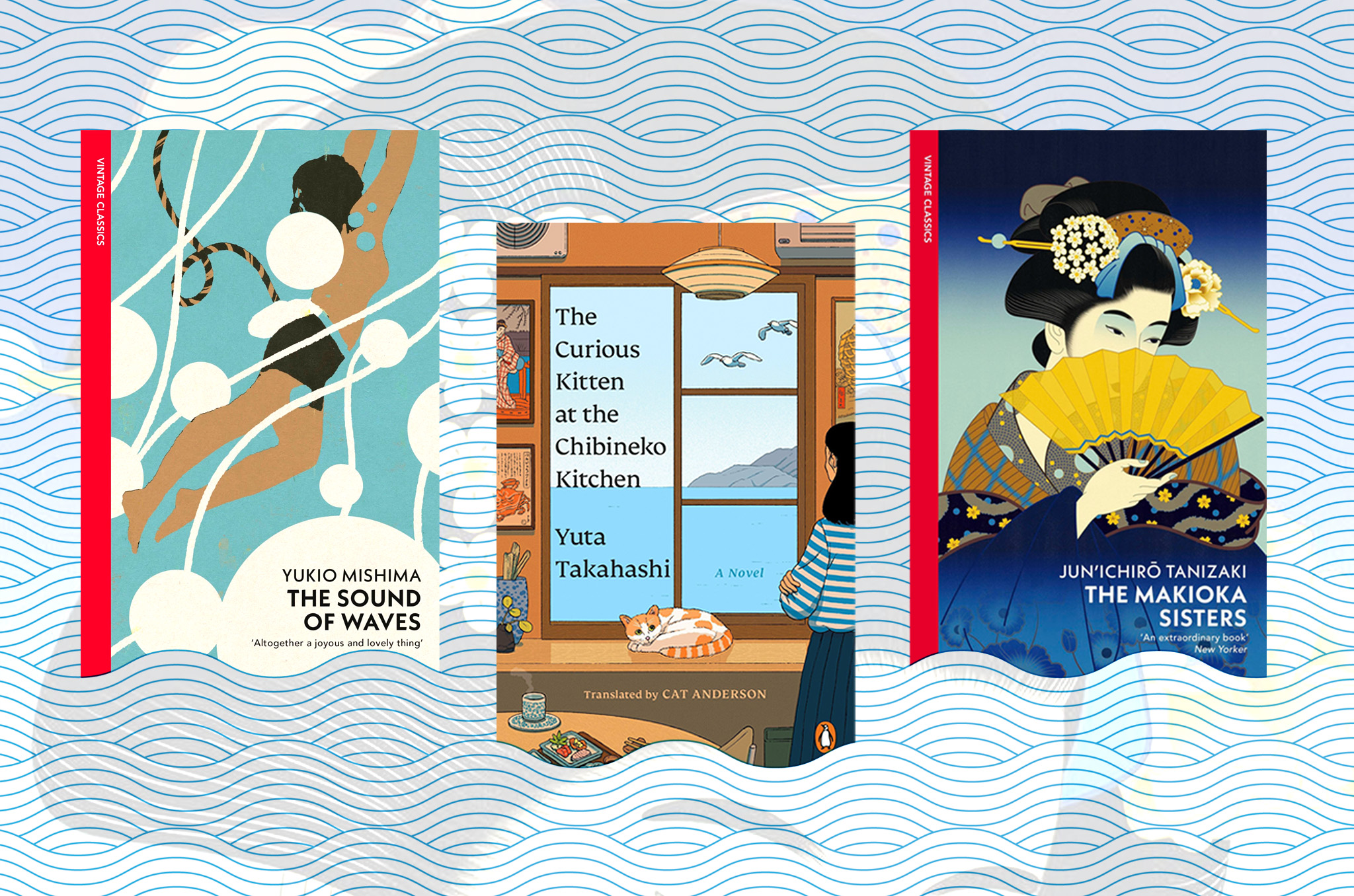
As the days stretch long in Tokyo, hazy and thick with humidity, it may be time to (finally) tackle your New Year’s resolution — reading more and scrolling less. Whether you’re lounging on the beach in Enoshima, on a picnic blanket at Shiba Park or in the air-conditioned comfort of your own room, here are a few works of translated Japanese literature that make for excellent summer reads.

The Convenience Store by the Sea
Sonoko Machida
(translated by Bruno Navasky)
An international bestseller and one of summer’s coziest crowd-pleasers, this novel is set in the seaside town of Mojiko in Kitakyushu, where a 24-hour convenience store called Tenderness anchors a community. Its secret weapon is the enigmatic manager, Mitsuhiko Shiba, whose indefinable charm has earned him a devoted fan club among the neighborhood’s older women. Each chapter shifts to a different regular or staffer — a clerk who moonlights drawing manga about her boss, a couple struggling with retirement, a cram school tutor chasing a different life — and shows how the always-open shop becomes a place of unexpected connection.
Sonoko Machida won the 2021 Japan Booksellers’ Award for The Woman, the Boy and the Whale and has a soft spot for lonely outsiders and the makeshift families they find. The book sits on a crowded shelf of “healing” Japanese fiction and occasionally verges on the saccharine, but it’s held together by a heartfelt, increasingly relevant idea — that the ordinary places we pass through, even a 24-hour konbini, can become a kind of necessary community.

The Sound of Waves
Yukio Mishima
(translated by Meredith Weatherby)
On the small, idyllic fishing island of Uta-jima (“Song Island”), an 18-year-old fisherman named Shinji — the breadwinner for his widowed mother and younger brother — falls for pearl diver Hatsue, the daughter of the island’s wealthiest shipowner. Their courtship is tender and almost entirely innocent, but it runs up against village gossip, a jealous rival and the disapproval of Hatsue’s father. A storm at sea finally gives Shinji the chance to prove his worth.
Yukio Mishima wrote his third novel after a trip to Greece, modeling it on the ancient pastoral romance of Daphnis and Chloe. The coming-of-age tale won the inaugural Shinchosha Literary Award in 1954 and inspired five film adaptations. It’s one of his gentler works, without the darkness and provocation of his later novels. Replete with beautiful imagery of the sea and sensuous, rhythmic prose, it’s a great one to dive into during the summer months.
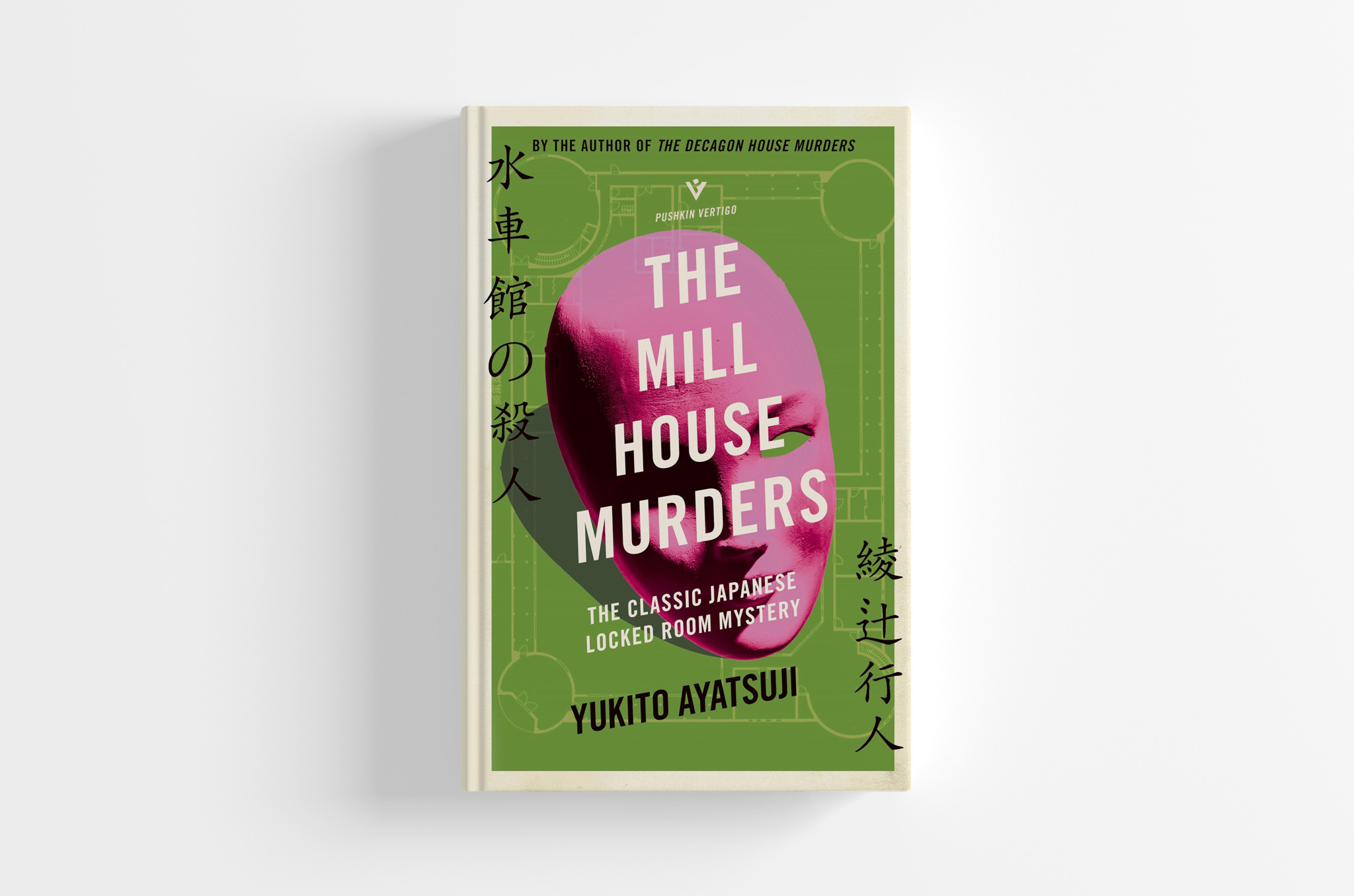
The Mill House Murders
Yukito Ayatsuji
(translated by Ho-Ling Wong)
Every year, a small group of art lovers makes the trip to the remote, castle-like Mill House to view the paintings of a late visionary artist. Their host is his reclusive son, Fujinuma Kiichi, who has hidden behind a mask ever since a disfiguring car accident. This year, the gathering goes catastrophically wrong: A guest is murdered, another vanishes under seemingly impossible circumstances and a priceless painting disappears. As the brilliant detective Shimada pieces together the night — which eerily echoes a visit one year earlier — mysterious murders ensue.
First published in 1988 and translated into English only in 2023, this is the second of Ayatsuji’s House mysteries, each set in a bizarre building dreamed up by the same eccentric architect. Ayatsuji is often credited as one of the authors who revived the classic “fair play” puzzle mystery — in which the reader gets every clue the detective does and could, in theory, solve it first. You’ll spot elements like intricate floor plans, Agatha Christie-esque precisely timed sequences and a locked-room plot in the tradition of John Dickson Carr.
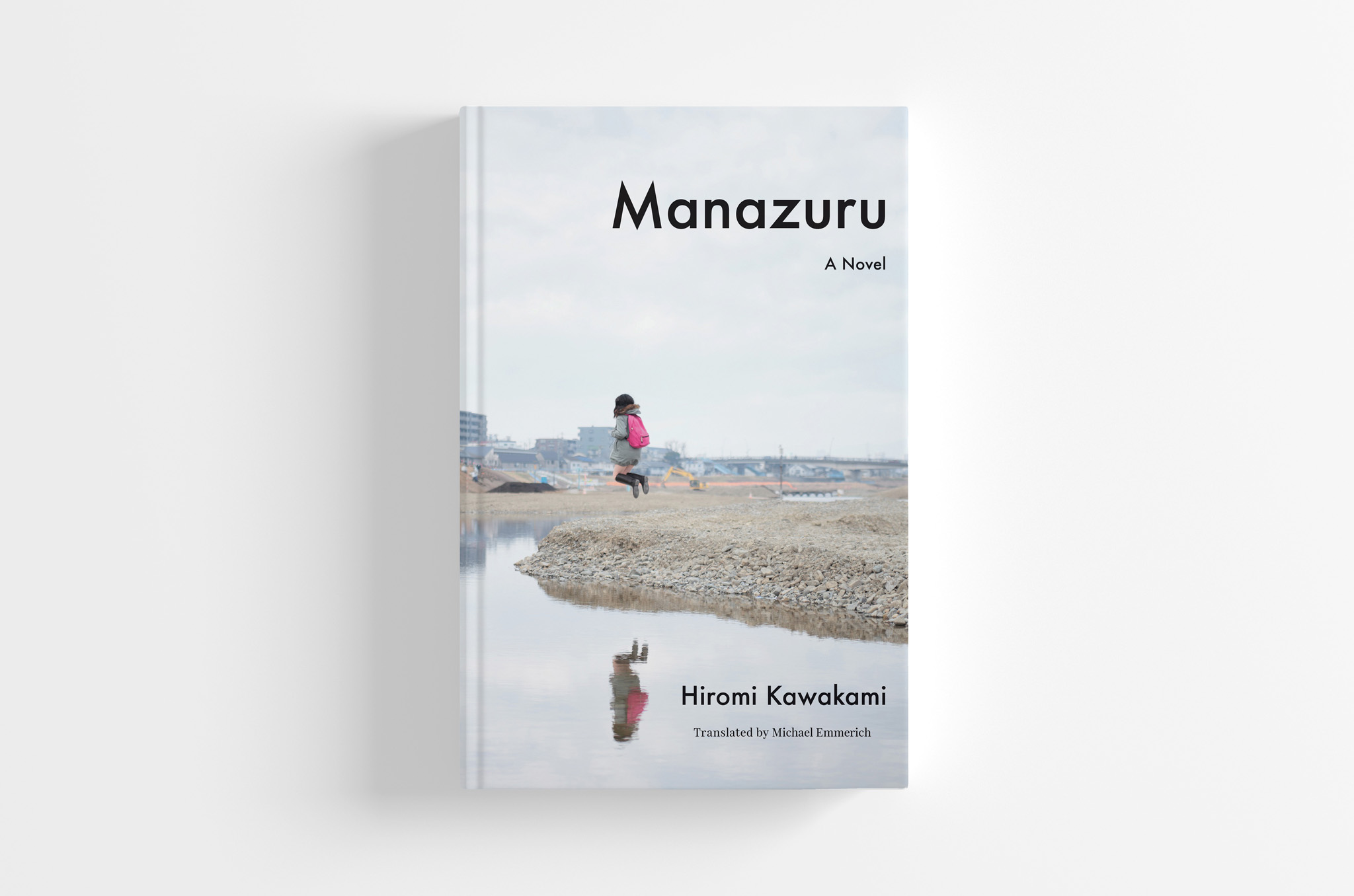
Manazuru
Hiromi Kawakami
(translated by Michael Emmerich)
Perfect for a cloudy beach day, Manazuru is a darker, dreamier turn from the author of the beloved novel Strange Weather in Tokyo. Twelve years after her husband, Rei, vanished without explanation, Kei lives in Tokyo with her mother and her adolescent daughter, Momo, drifting through a stalled affair with a married man. On impulse, she begins taking trips to the seaside town of Manazuru, a name she found in Rei’s old diary. With each visit, the line between memory and imagination blurs, and Kei is trailed by a ghostly woman who seems to know something about a past she cannot quite reach.
One of Japan’s most celebrated living writers, Hiromi Kawakami moves easily between the cozy and the uncanny, and Manazuru, her first novel to appear in English, sits firmly at the stranger end. Her distinct style — spiky, hypnotic and haunting, and thoughtfully captured by Michael Emmerich — in itself makes the novel worth a read.
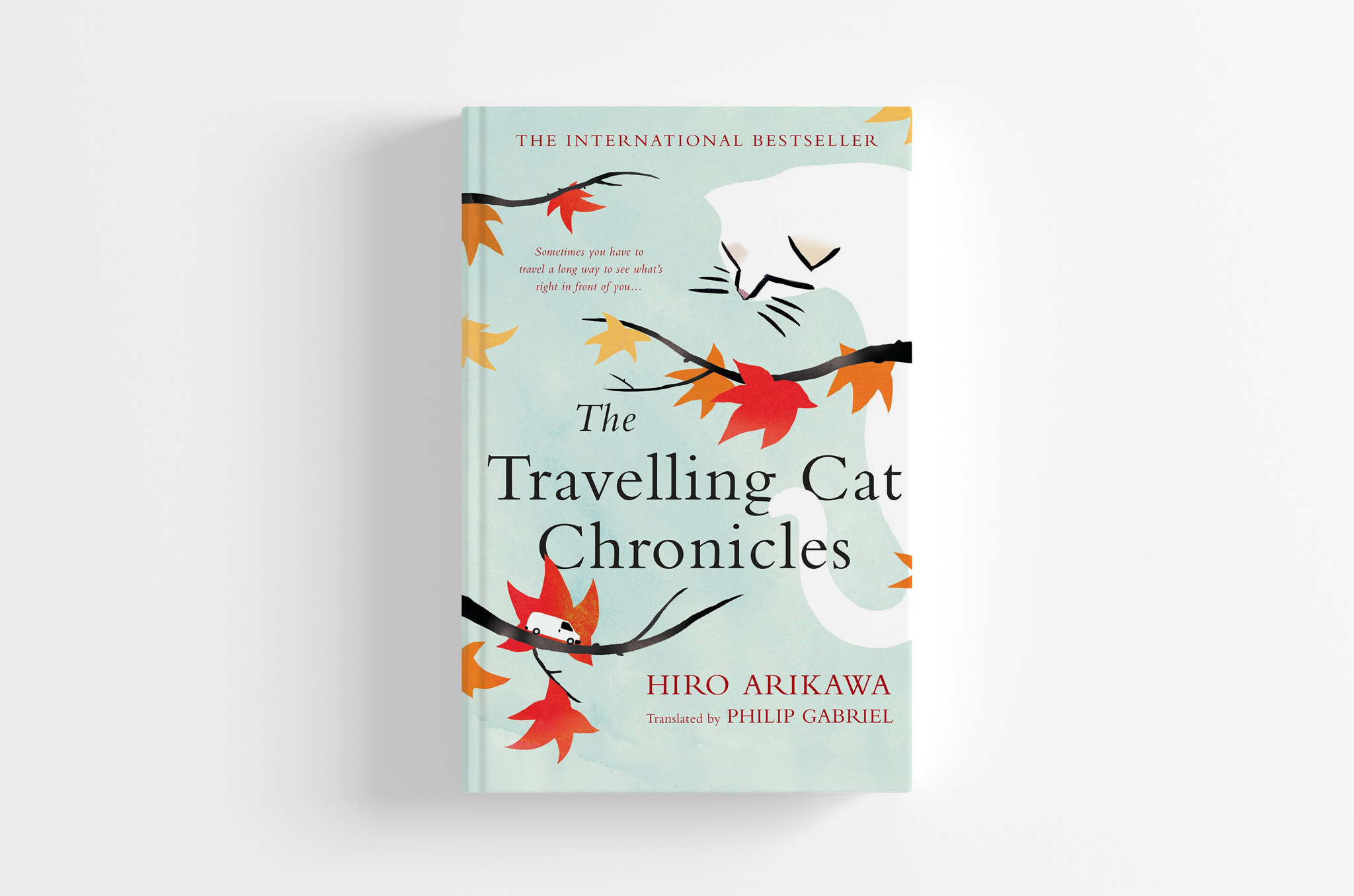
The Travelling Cat Chronicles
Hiro Arikawa
(translated by Philip Gabriel)
A tearjerker beloved by cat people and skeptics alike, this novel is narrated largely by Nana, a wry and proud stray taken in by a gentle young man named Satoru. The pair set off across Japan in a silver van, and while the trip is presented as a search for someone willing to adopt Nana, the deeper reason behind it reveals itself only slowly. Stop by stop, Satoru reconnects with old friends — a childhood pal, a no-nonsense farmer, a couple running a pet-friendly inn — as the changing scenery and seasons frame a story about loyalty and goodbyes.
That tenderness might surprise readers who know Arikawa for her Library Wars series and her novels about Japan’s Self-Defense Forces, which makes this gentle animal story something of a departure. What keeps the novel from being too sentimental is its point of view — Nana’s dry, slightly condescending narration and deadpan commentary on the strange habits of humans.
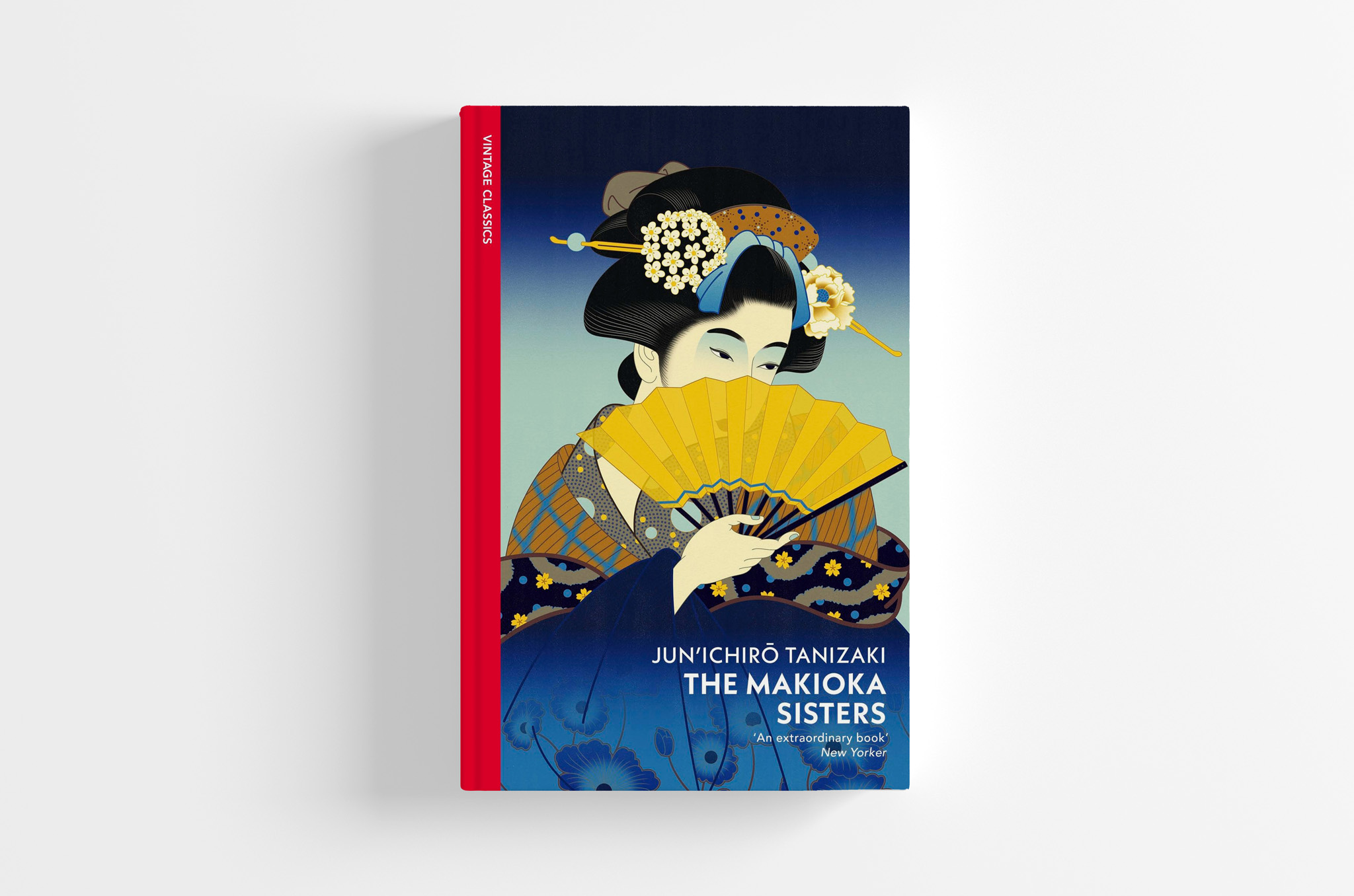
The Makioka Sisters
Junichiro Tanizaki
(translated by Edward G. Seidensticker)
This classic is a great choice for those wanting to tackle a heftier read over the summer. Set between 1936 and 1941, the novel revolves around the four Makioka sisters, who belong to a once-grand merchant family from Osaka. Sachiko, the practical second sister, is bent on marrying off Yukiko, the shy and stubborn third sister. The youngest, Taeko, refuses to wait her turn: She takes lovers, runs a doll-making business, dreams of studying in France and lurches from one scandal to the next.
Serialized during the war, when censors objected to its nostalgic portrait of bourgeois life, and published in full in 1948, the novel is often called the finest Japanese work of the 20th century. It’s also likened to a Jane Austen novel of manners; very little “happens,” but its lush vignettes of the passing seasons and the nuances captured in each encounter form an absorbing portrait of a vanishing world. Fittingly, the Japanese title of the novel is Sasameyuki, meaning “snow flurries” and evocative of early spring cherry blossoms — the ultimate symbol of a fleeting, disappearing beauty.
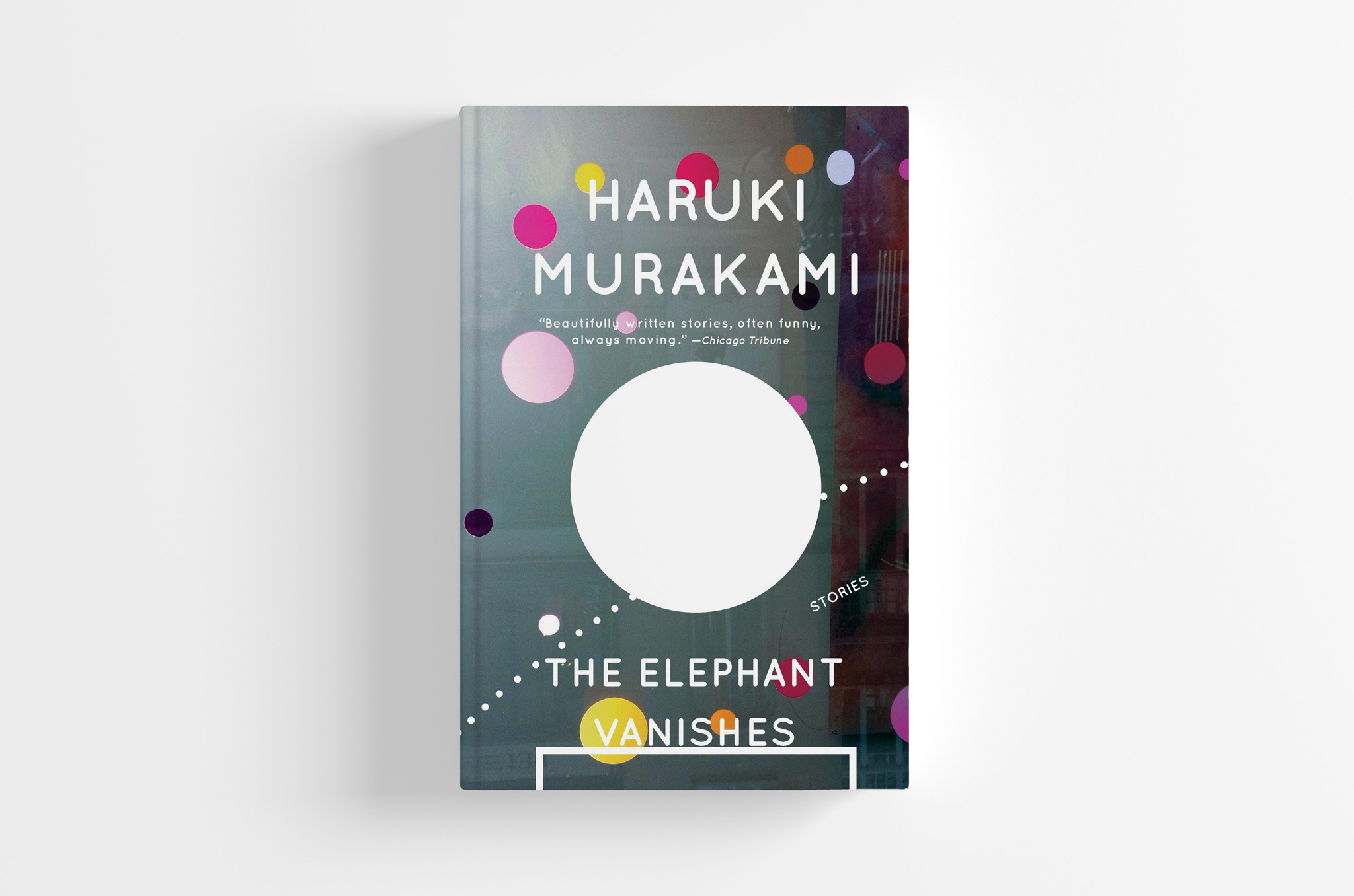
The Elephant Vanishes
Haruki Murakami
(translated by Alfred Birnbaum and Jay Rubin)
If you’re trying to ease back into reading this summer, short stories are the way to go. First published in English in 1993, this collection gathers work written across the 1980s, several pieces of which first ran in The New Yorker. A man becomes obsessed with the disappearance of an elderly elephant and its keeper from a suburban enclosure; a sleepless newlywed couple stage a midnight raid on a McDonald’s to quiet a strange hunger; a woman drifts through insomniac nights that feel borrowed from another life.
For all his acclaimed novels, some readers argue (and I agree) that Murakami may be at his best in short form — where his signature surrealistic ruptures in ordinary life can make their impact without overstaying. A personal favorite is the titular “The Elephant Vanishes,” a simple but profound allegory about the loss of selfhood and empathy in modern life. Fun fact — another story, “Barn Burning,” later became the basis for Lee Chang-dong’s 2018 film Burning.
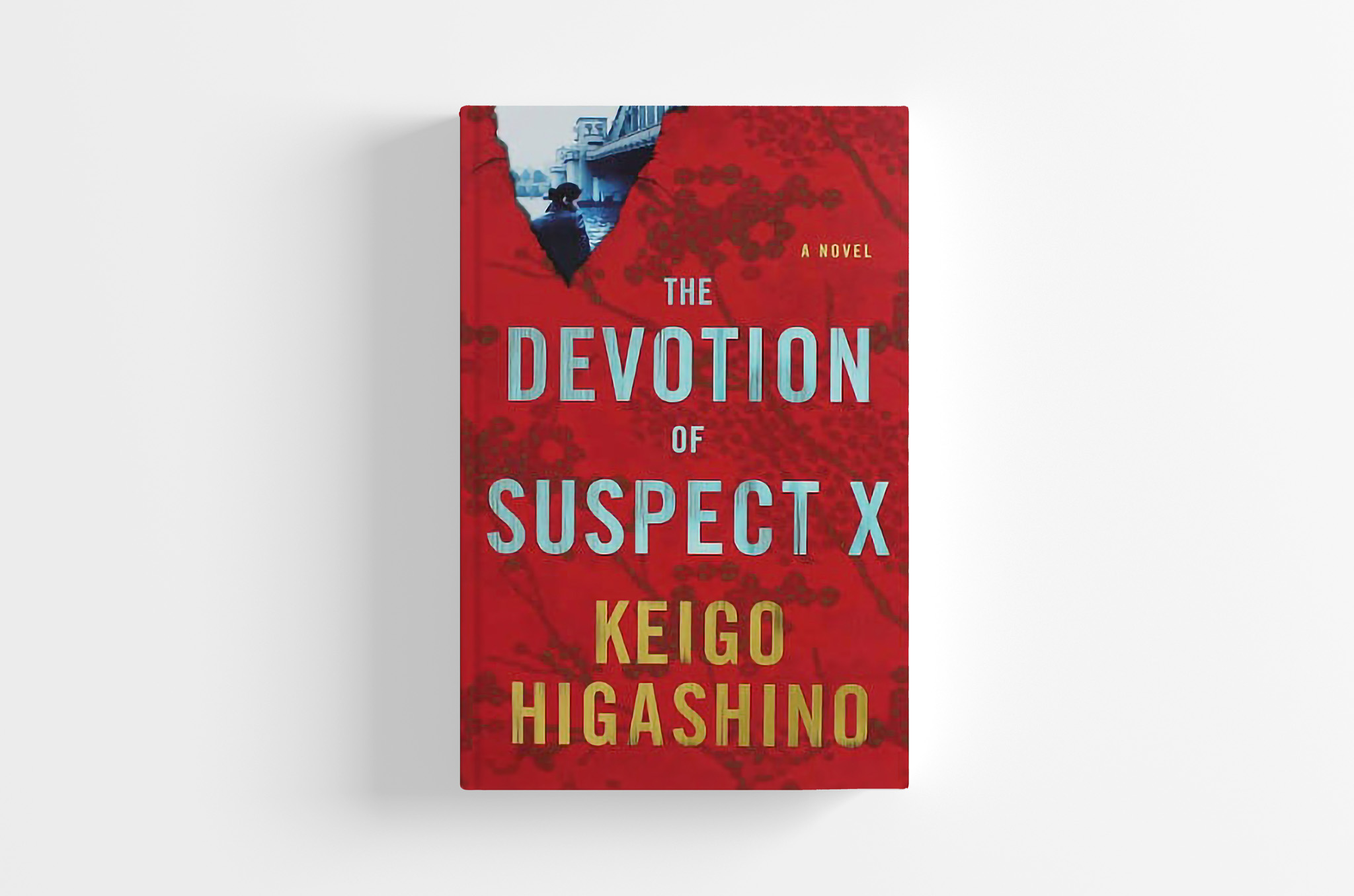
The Devotion of Suspect X
Keigo Higashino
(translated by Alexander O. Smith)
When her abusive ex-husband forces his way back into her life and threatens her, single mother Yasuko and her daughter, Misato, kill him in a moment of panic. Their next-door neighbor Ishigami — a brilliant, solitary high school math teacher who is in love with Yasuko — steps in to construct a flawless alibi that will protect the duo. The detective on the case soon calls in an old university acquaintance, the physicist Manabu Yukawa, and the investigation becomes a chess match between two extraordinary minds.
As one of Japan’s most widely read crime writers, Keigo Higashino has sold more than 100 million books, but this was his international breakthrough and remains his most admired. It won the Naoki Prize and the Honkaku Mystery Award at home, and was a finalist for the Edgar and Barry awards in translation. The book’s genius is in its unusual “howcatchem” structure: You know the killer from the first chapter, and the suspense lies entirely in whether the cover-up will hold.
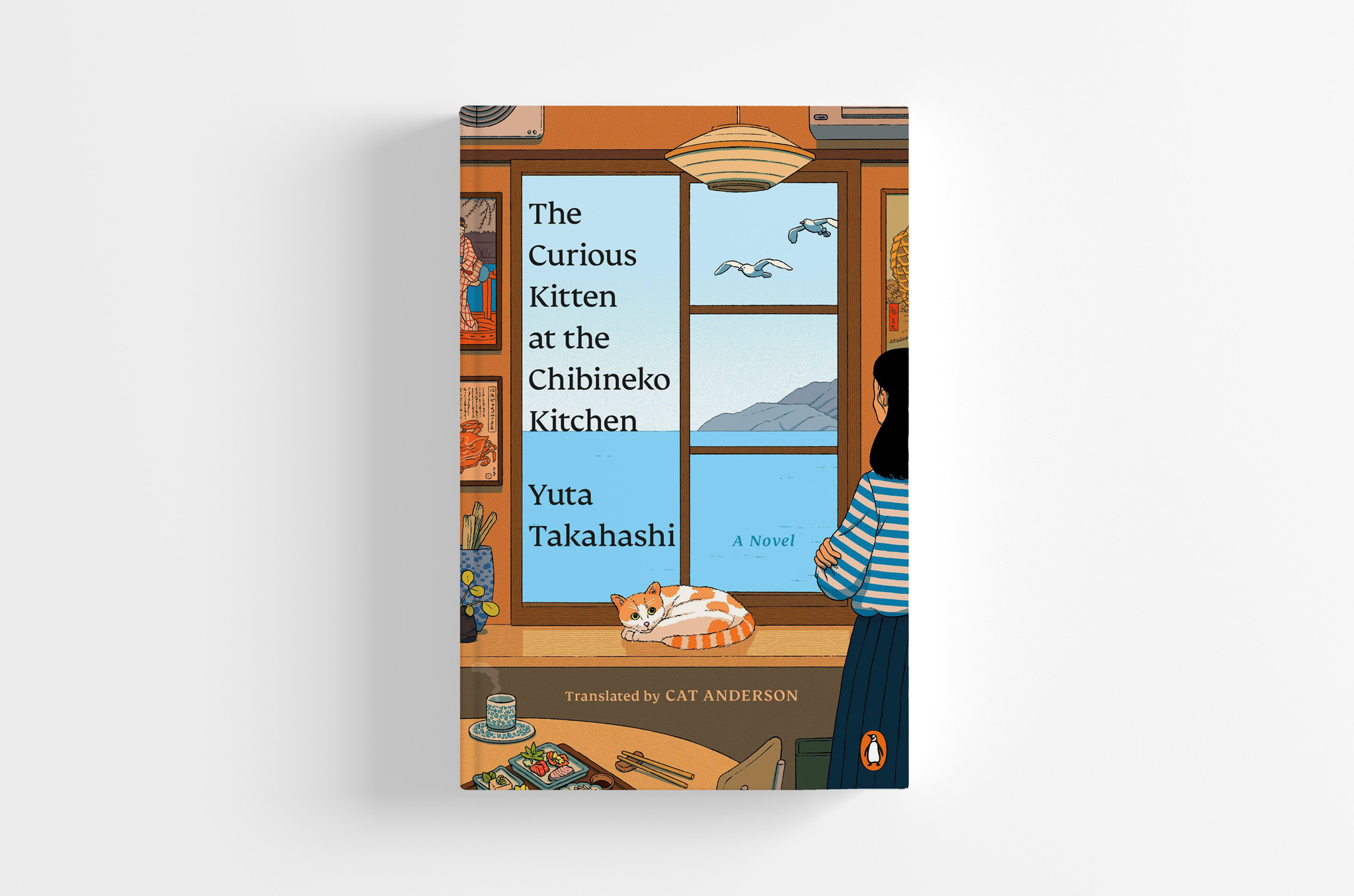
The Curious Kitten at the Chibineko Kitchen
Yuta Takahashi
(translated by Cat Anderson)
A gentle entry into Japan’s booming “healing fiction” movement, this novel unfolds in a remote seaside town outside Tokyo. A grieving young woman named Kotoko follows a seashell path to a tiny restaurant called the Chibineko Kitchen, drawn by rumors of its kagezen, or remembrance meals, said to reunite diners with the departed. The chef, Kai, and a small resident kitten named Chibi serve dishes that briefly summon a lost loved one back to the table — for as long as the food stays warm.
Born in Chiba Prefecture in 1972, Takahashi sets his Chibineko series in the coastal landscape he has known since childhood, publishing two entries a year since 2020. It’s easy to see why the formula struck a chord with post-pandemic readers: the comfort of warm food and the company of a cat, set against an unflinching honesty about death and grief. These stories share the bittersweet, second-chance conceit of Toshikazu Kawaguchi’s Before the Coffee Gets Cold, though they maintain their own distinct charm and emotional resonance.
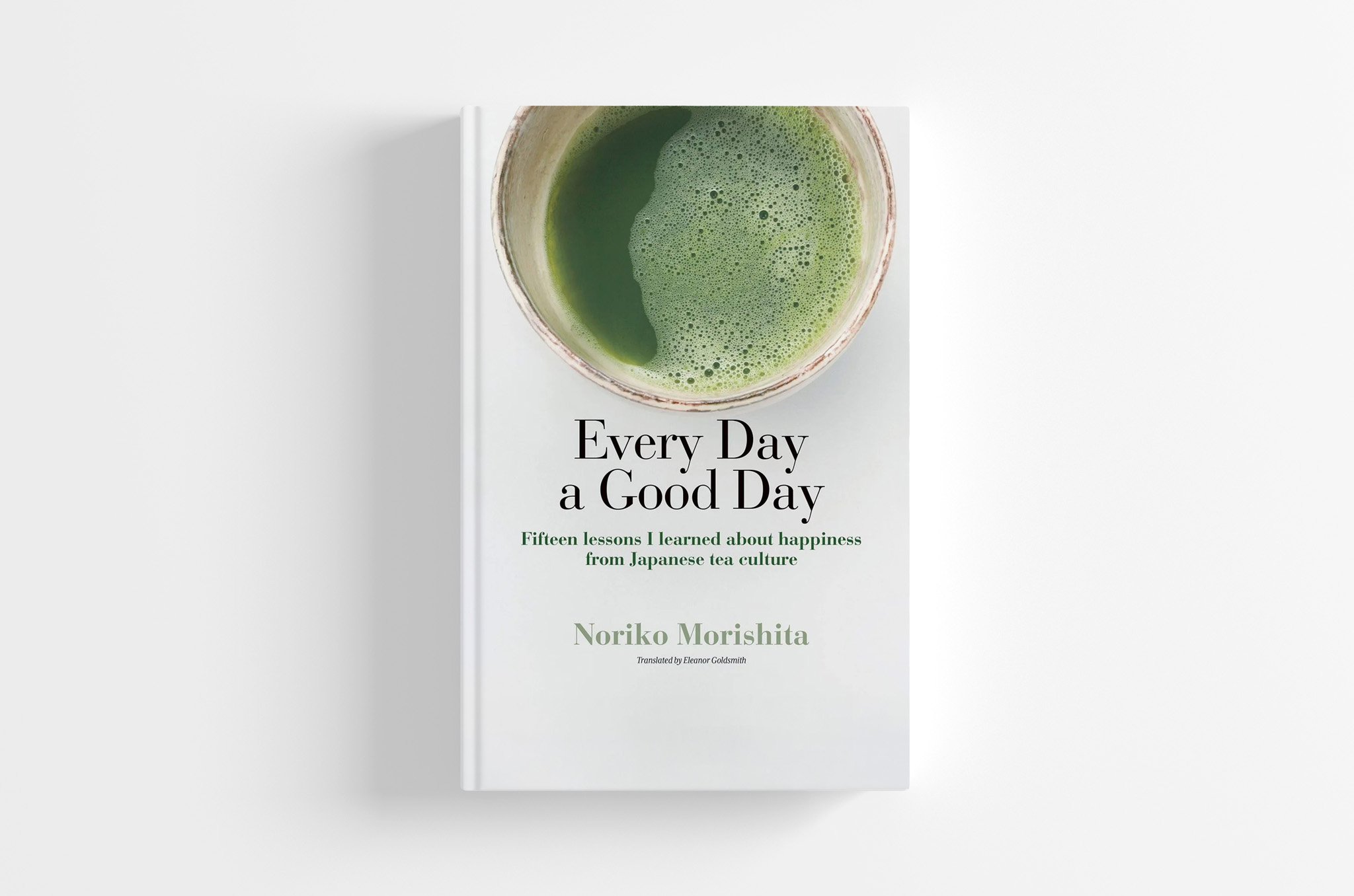
Every Day a Good Day
Noriko Morishita
(translated by Eleanor Goldsmith)
Not a novel but a luminous memoir, this is a perfect companion for slow summer afternoons. Subtitled “Fifteen Lessons I Learned About Happiness From Japanese Tea Culture,” the book traces the 25 years Morishita spent studying the way of tea, beginning as a reluctant college student nudged into lessons by her mother. In short, essayistic chapters, she moves from a fumbling beginner who cannot remember which hand to use to someone who finds freedom inside the very rituals that once frustrated her.
Morishita, a longtime reporter and essayist born in Yokohama in 1956, is less interested in teaching the tea ceremony than in tracing what years of practice taught her — about patience, attention and accepting that true understanding can take time. In 2018, the book was adapted into a film featuring Kirin Kiki, in one of her final on-screen roles.
Related Posts
- The Best Translated Japanese Fiction Books of 2025
- Haruki Murakami To Feature First Female Protagonist in Upcoming Novel
- Where To Find English Books in Tokyo: Bookstore Recommendations
- Japan’s Best Crime and Mystery Writers | List of 7
Updated On July 1, 2026