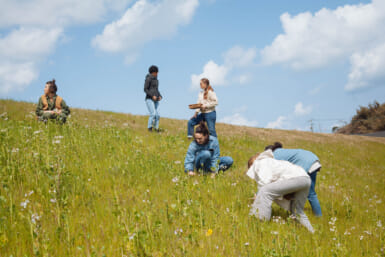
On Chiba’s Pacific coast, Isumi is known for beaches and surf, but the region has another major draw: its food. The waters off the coast produce some of Chiba’s most prized seafood, while the fertile countryside around the Isumi region is home to farms growing vegetables, herbs and other seasonal produce. At the local level, there’s a strong emphasis on knowing where ingredients come from — whether that means buying fish directly from the port or vegetables from the farmer who grew them.
That makes the Isumi region an unusually good place to eat seasonally. Seafood changes with the catch, vegetables appear and disappear with the harvest, and chefs build their menus around what is available rather than working from a fixed list of ingredients. At the simplest end, that might mean a bowl of octopus rice made with the local catch; at the more elaborate end, it means carefully composed kaiseki served at a seven-seat counter.
From the fishing port at Ohara to the forests of the Yoro Valley, these are some of the places to experience Isumi through its food.
Isabaya: A Taste of the Sea’s Bounty
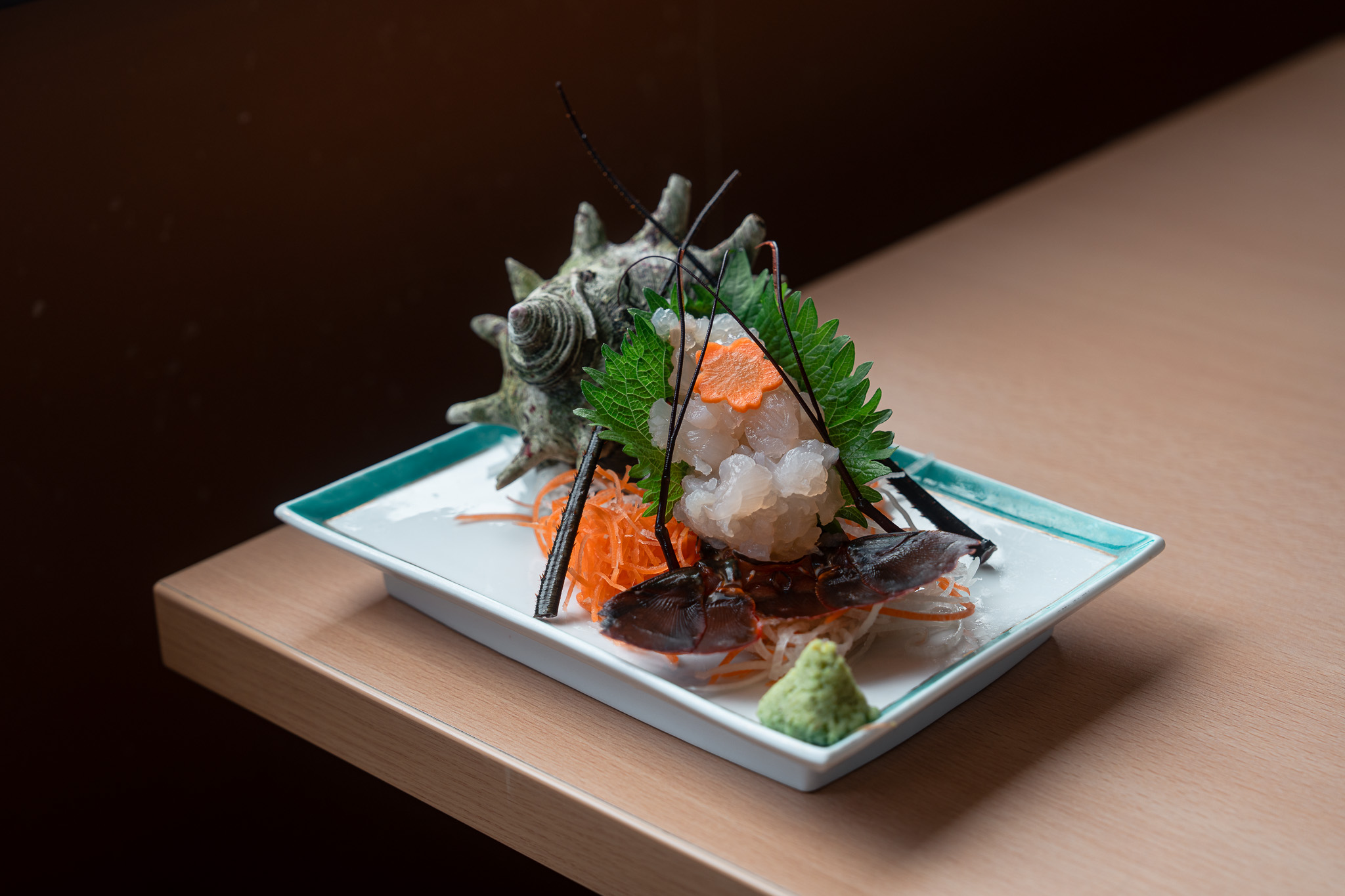
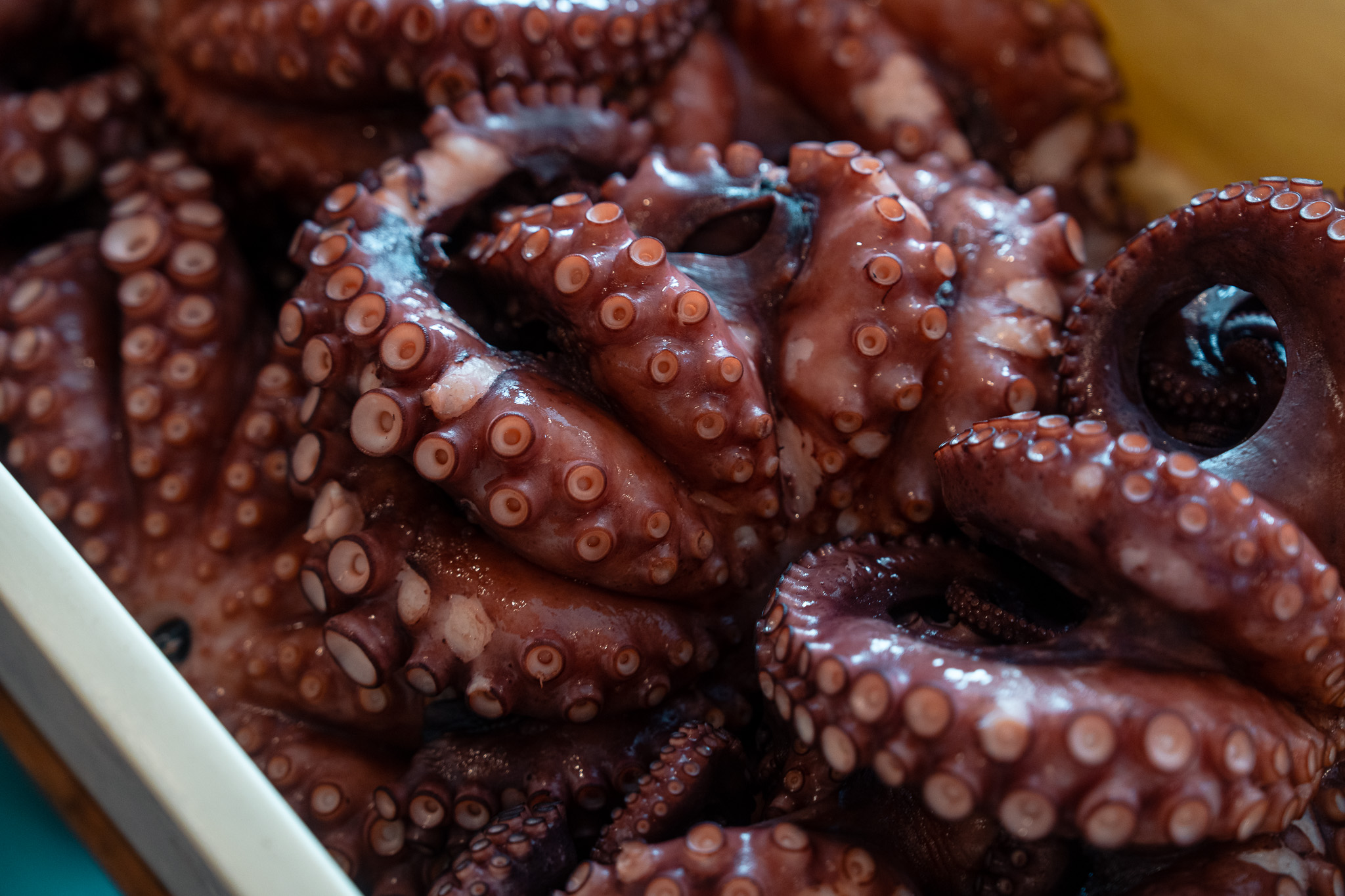
The waters off the Isumi region are home to some of Chiba’s most prized seafood, thanks in large part to a unique underwater landscape known as Kikaine Reef. This vast rocky fishing ground provides an ideal habitat for marine life, from Japanese spiny lobster and abalone to octopus and turban shells.
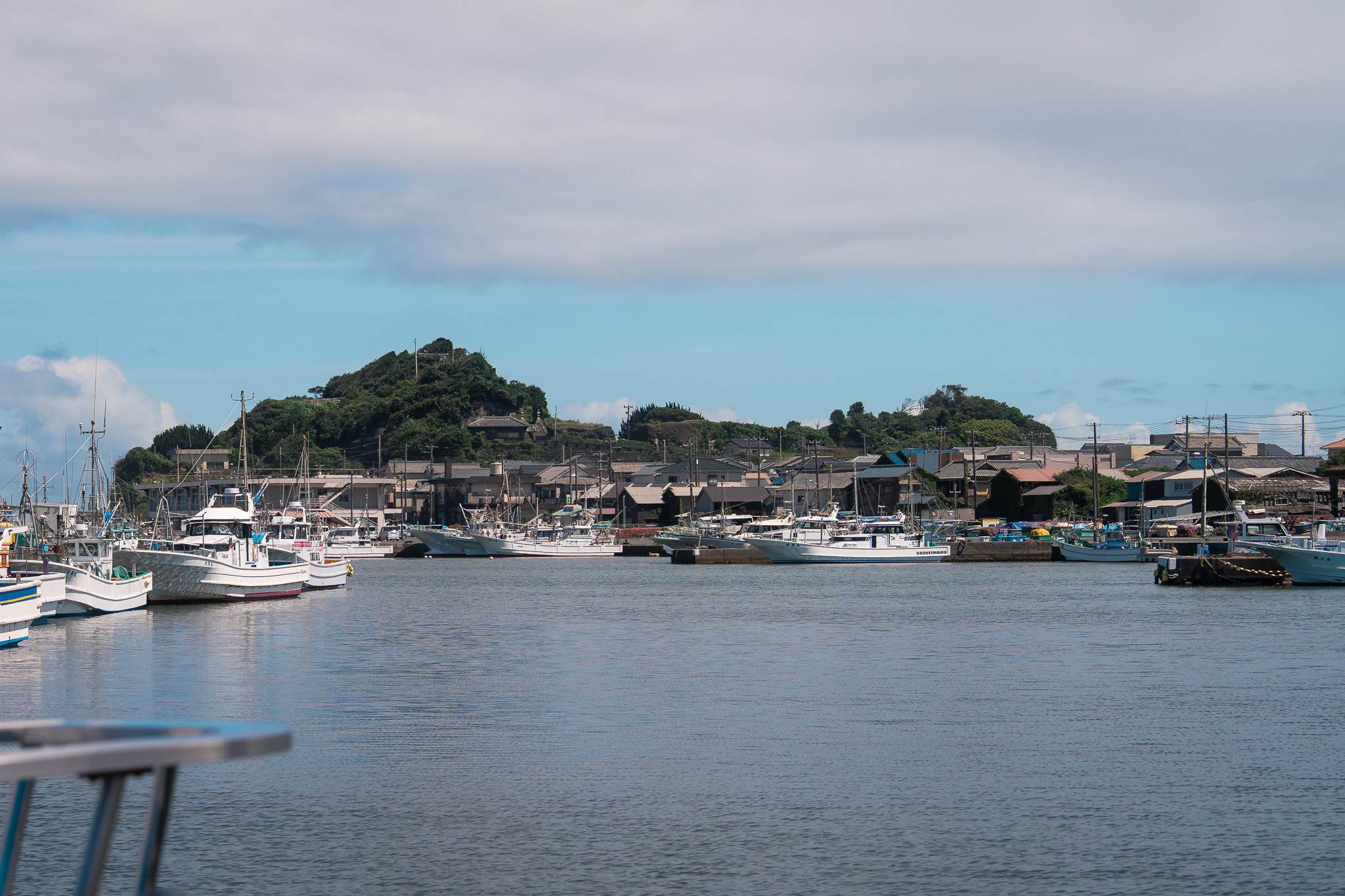
One of the best places to try these local specialties is Isabaya, an unassuming single-story building tucked directly beside Ohara Fishing Port. It offers one of the freshest seafood experiences in the area — it’s directly operated by the Isumi Eastern Fisheries Cooperative, so it specializes in seafood landed at the city’s fishing ports, with the menu changing throughout the year to showcase the best of each season.
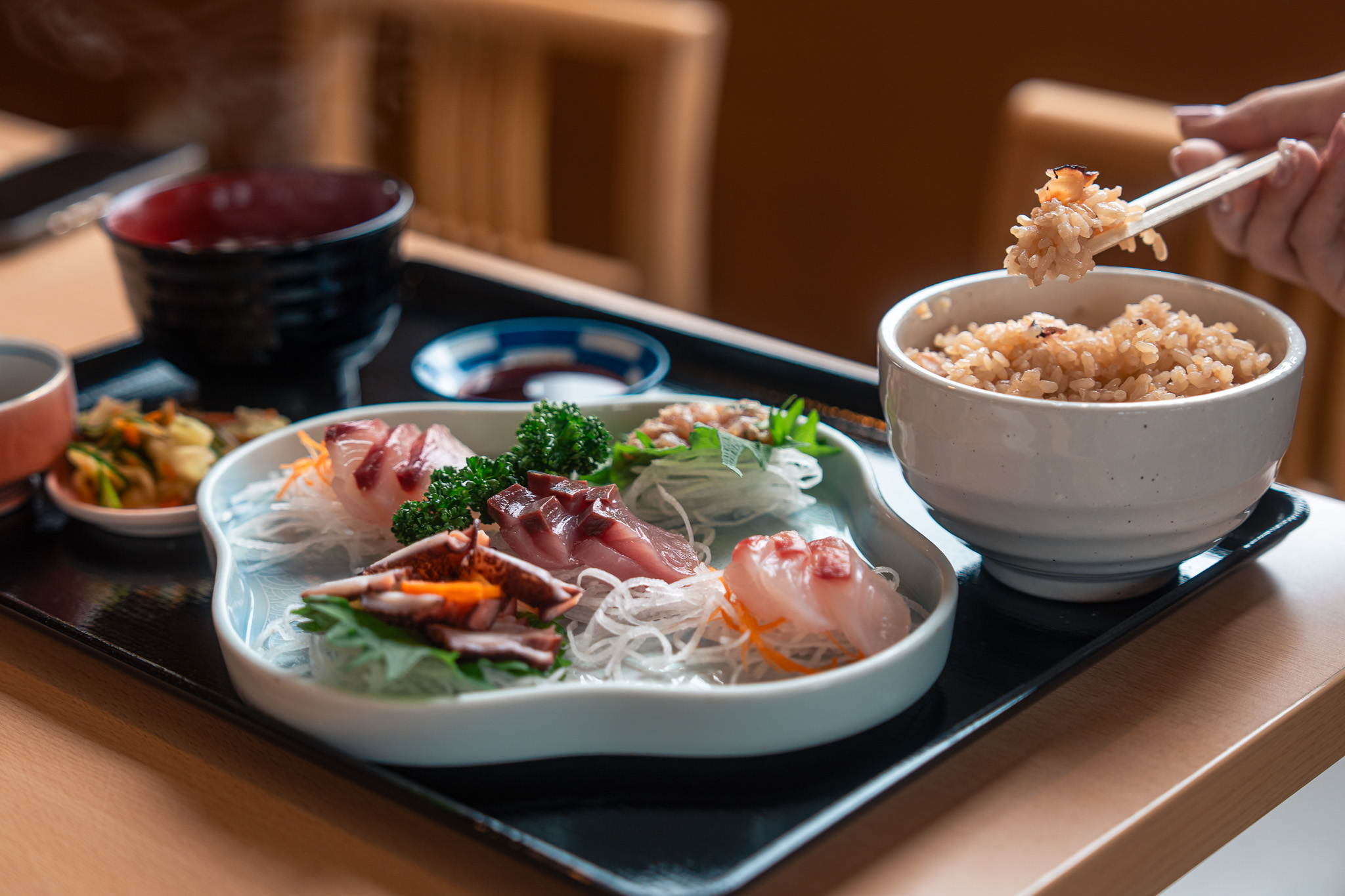
Entering, you’ll see a menu taped to the wall, alongside a row of tanks with the day’s catch glittering softly in the sunlight. These can either be purchased for home use or eaten in-store; diners can choose from everything from sashimi platters and simmered fish to rice bowls, prepared in an open kitchen alongside the unpretentious restaurant area.
Though everything is delicious, two local specialties stand out. One is ise-ebi (Japanese spiny lobster), served grilled, in miso soup or as sashimi. The other is tako-meshi, a rice dish made with locally caught octopus. According to local lore, the octopus develops an especially rich flavor after feeding on the area’s spiny lobster during the winter months, lending the dish a subtle sweetness that keeps visitors coming back for more.
Oryori Tokutake: Local Kaiseki
Oryori Tokutake — an elegant kaiseki restaurant housed in a renovated 50-year-old barn — offers a truly refined take on Isumi cuisine. It’s run by Shinichi Tokutake, who operated a casual Japanese restaurant in Tokyo’s Kayabacho neighborhood for 21 years before deciding to move to the countryside. He and his wife came to Isumi on a trial residency program and immediately fell in love with the area. “Everyone was so welcoming, and we quickly made friends,” Tokutake recalls. “Before long, we felt like we couldn’t leave.”
For Tokutake, cooking with local ingredients isn’t just inspiring on a culinary level — it also makes him feel more connected to the local community. “Everything is incredibly fresh,” he says. “The fish is fresh, the vegetables are fresh, and you know exactly who grew or caught them. You can buy directly from the producers, and because you know who they are, there’s a real sense of trust.”
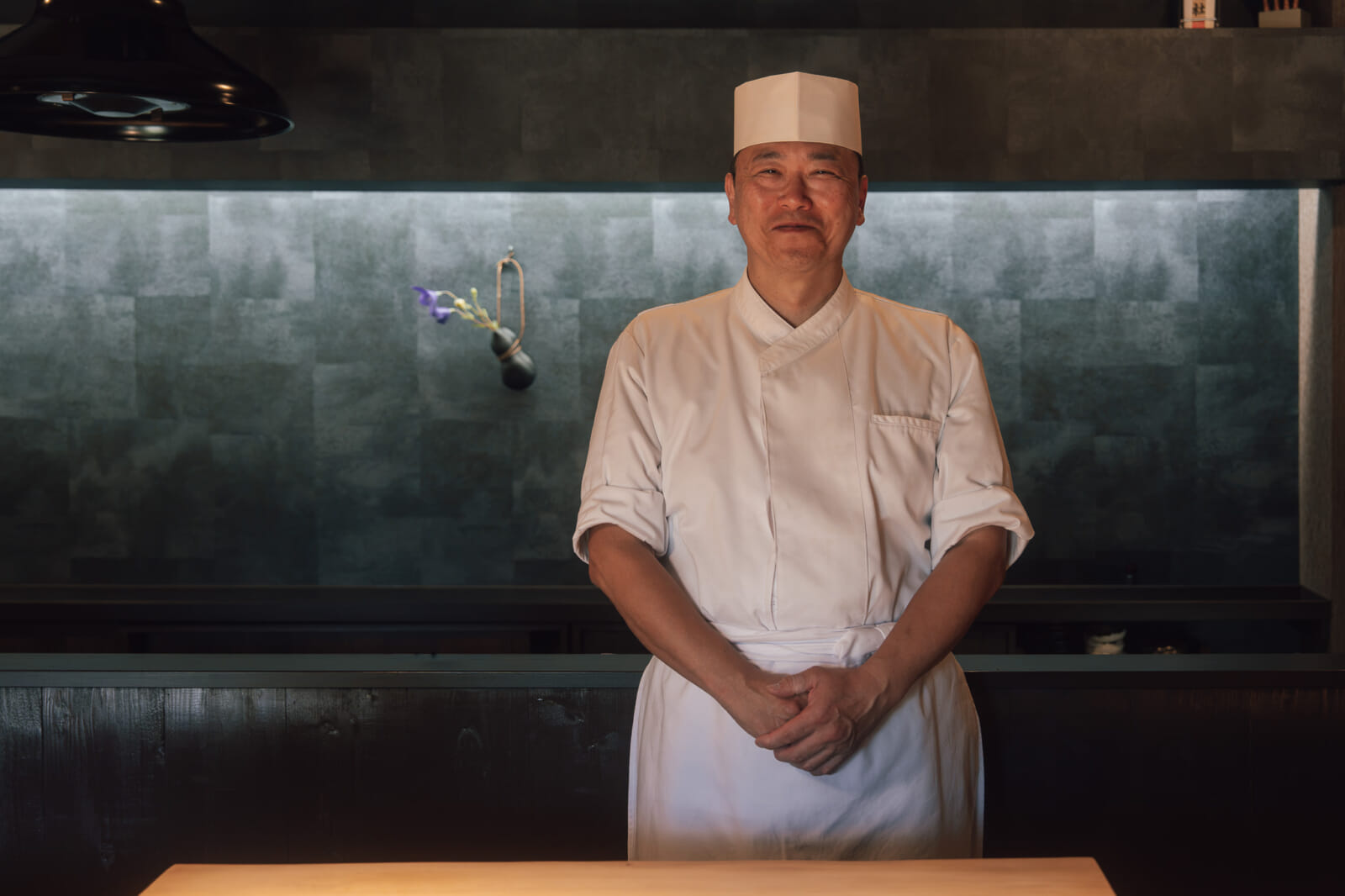
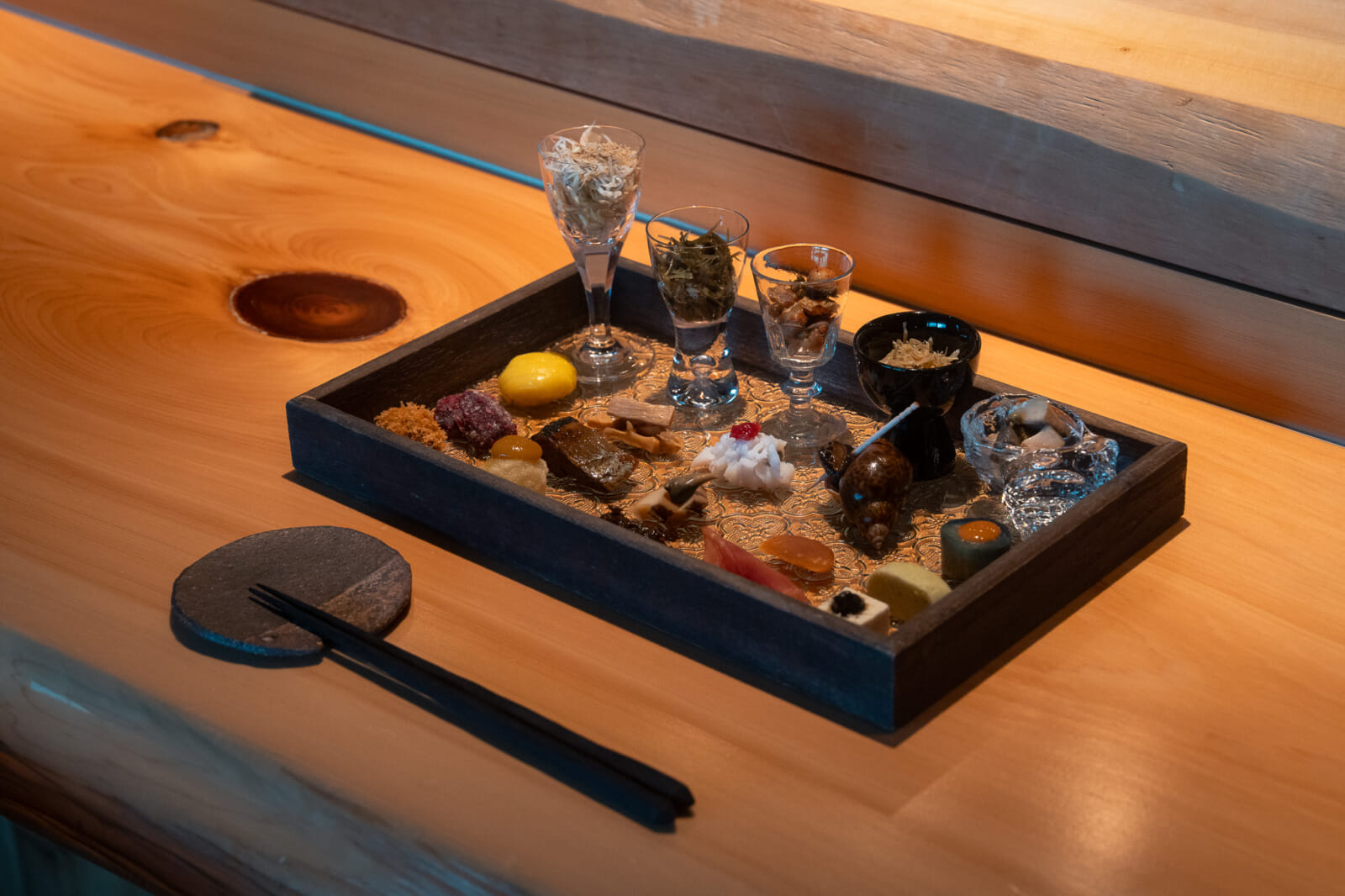
There are just seven counter seats at Oryori Tokutake, lined up along a stately hinoki counter. At dinner, guests are served an array of around 30 seasonal dishes, presented with remarkable delicacy and care. Since relocating to Isumi, Tokutake says, he’s become much more aware of seasonal rhythms: “We change our menu every month, but even then, there are times when an ingredient doesn’t last the whole month,” he explains. “That’s just the nature of seasonal cooking, and I think that’s part of its appeal.”
On a visit in July, the menu contained an array of beautifully prepared local specialties, ranging from abalone to lightly fried potatoes. “In Tokyo, I was used to a world where, if you had the money, you could get the ingredients you wanted — often with an emphasis on brands and prestige,” says Tokutake. “But here, there are things money simply can’t buy. The weather determines what vegetables grow and what seafood is available. It’s taught me that food isn’t about controlling nature; it’s about living alongside it and becoming part of its rhythm.”
Eating Local in the Yoro Valley
A short drive inland from the Isumi region’s coast, the Yoro Valley winds through forested hills and hot springs, making it one of the region’s most scenic places to explore — and, increasingly, to eat. The surrounding countryside supplies a wealth of fresh seasonal ingredients, which turn up everywhere from inventive gelato to elaborate kaiseki.
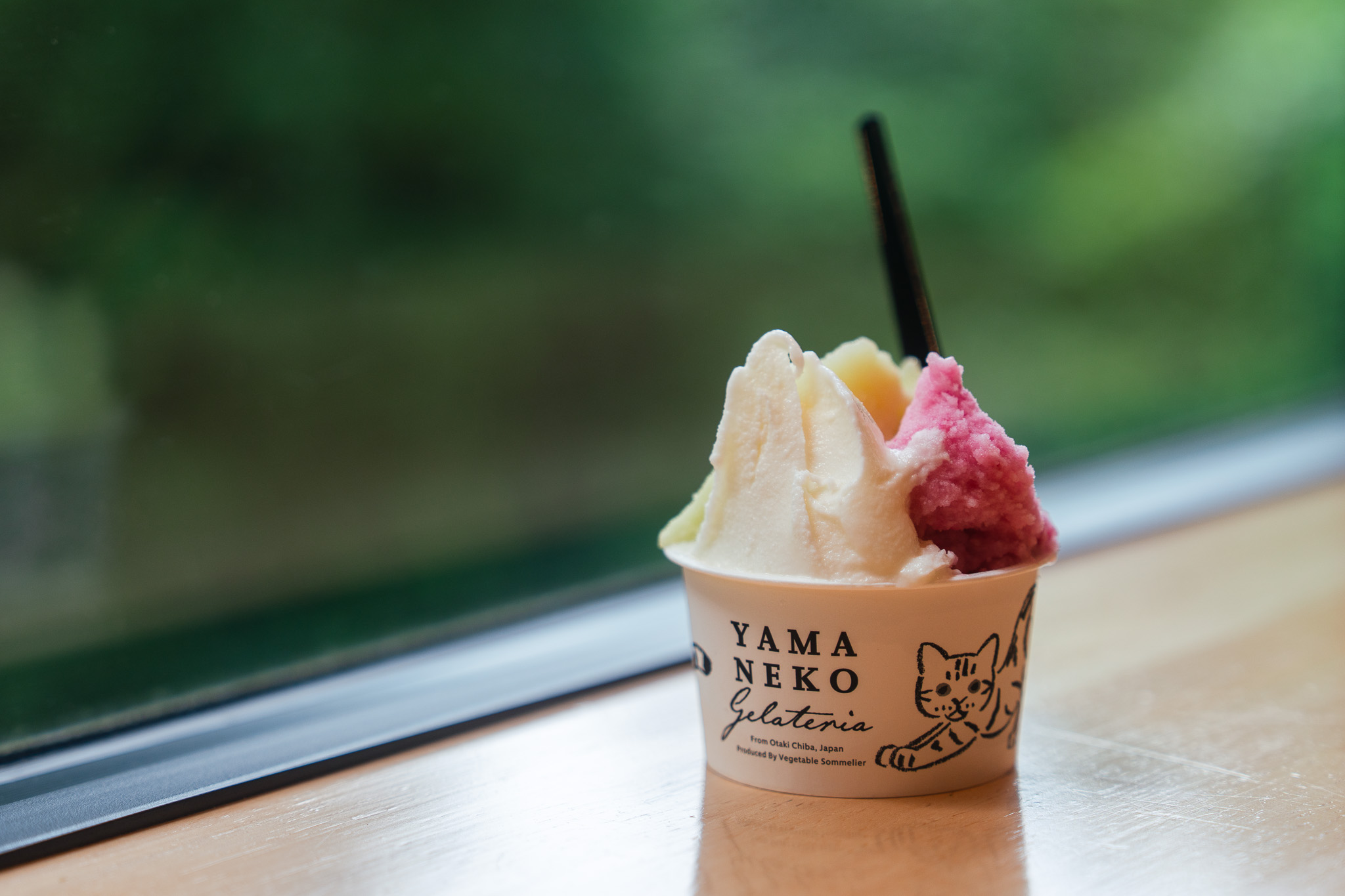
For a sweet stop while exploring the valley, head to Gelateria Yamaneko, steps from Awamata Falls, one of the most scenic spots in the valley. Perched above the river with a beautiful view of the surrounding greenery, this shop specializes in gelato made with carefully selected local ingredients. Its flavors change with the seasons, ranging from fruit-based sorbets to more unusual combinations such as rose and apple roselle, a flavor that placed in the top 10 at Italy’s 2026 SIGEP World competition.
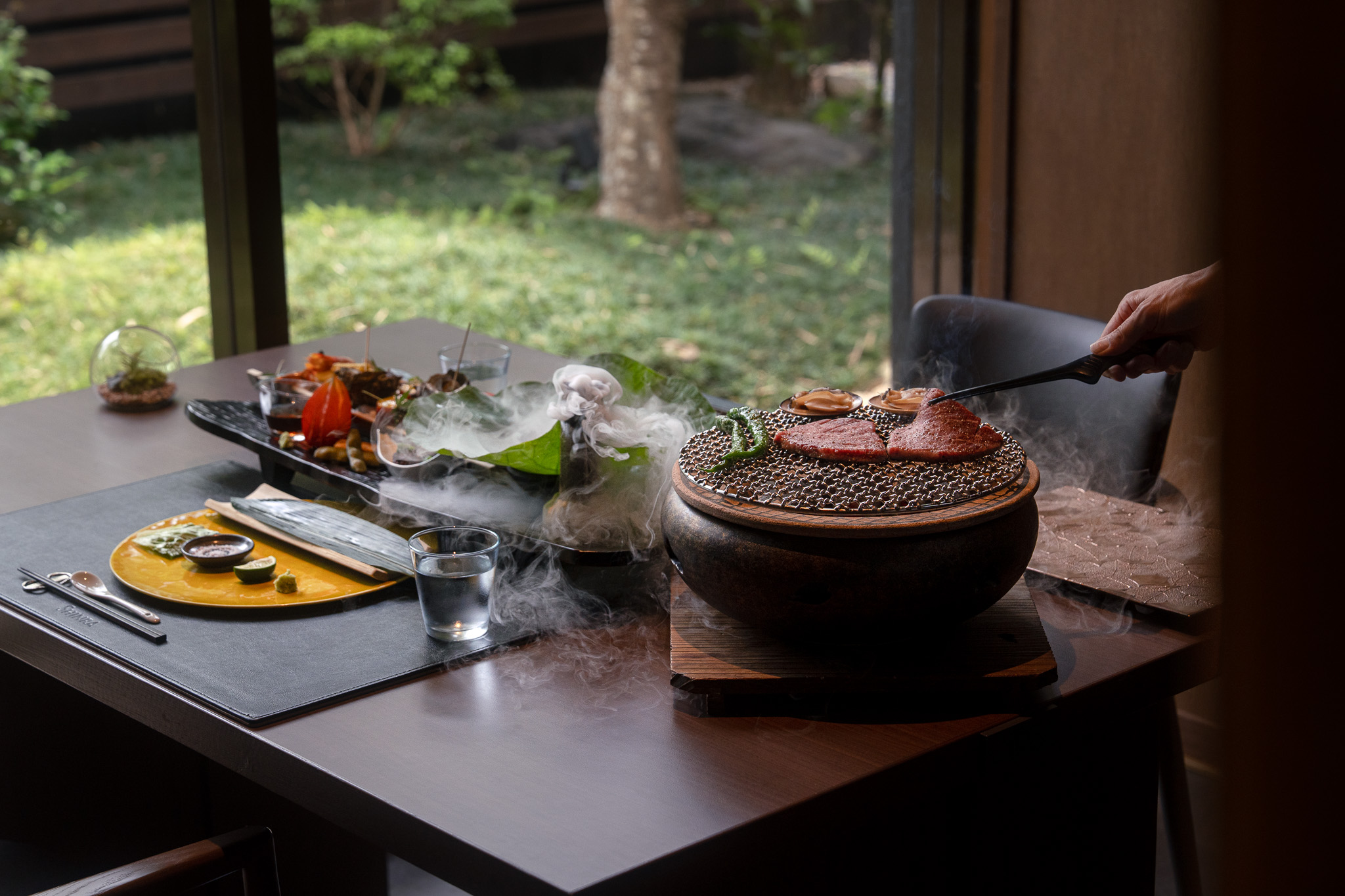
For something more substantial — and an excuse to stay overnight — book a room at the Shinra Yoro Valley. The cliffside retreat overlooking the Yoro River serves dinner at Dining Fukusui, where a monthly changing kaiseki menu showcases ingredients from both the surrounding countryside and the sea, including Isumi specialties such as spiny lobster, octopus and wagyu. Dinner is served in a private room, with a traditional Japanese breakfast following the next morning — or, for guests staying in the riverside villas, delivered in a breakfast basket to enjoy in the room.
Due to the impact of the 2026 typhoons, access restrictions are in place for some roads and walking trails around Yoro Valley. Before visiting, please check the latest information provided by local municipalities, nearby facilities, and official websites.