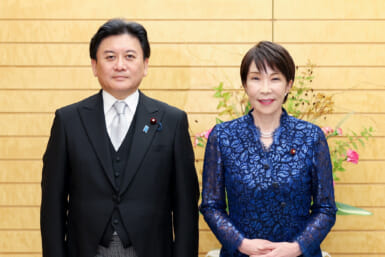
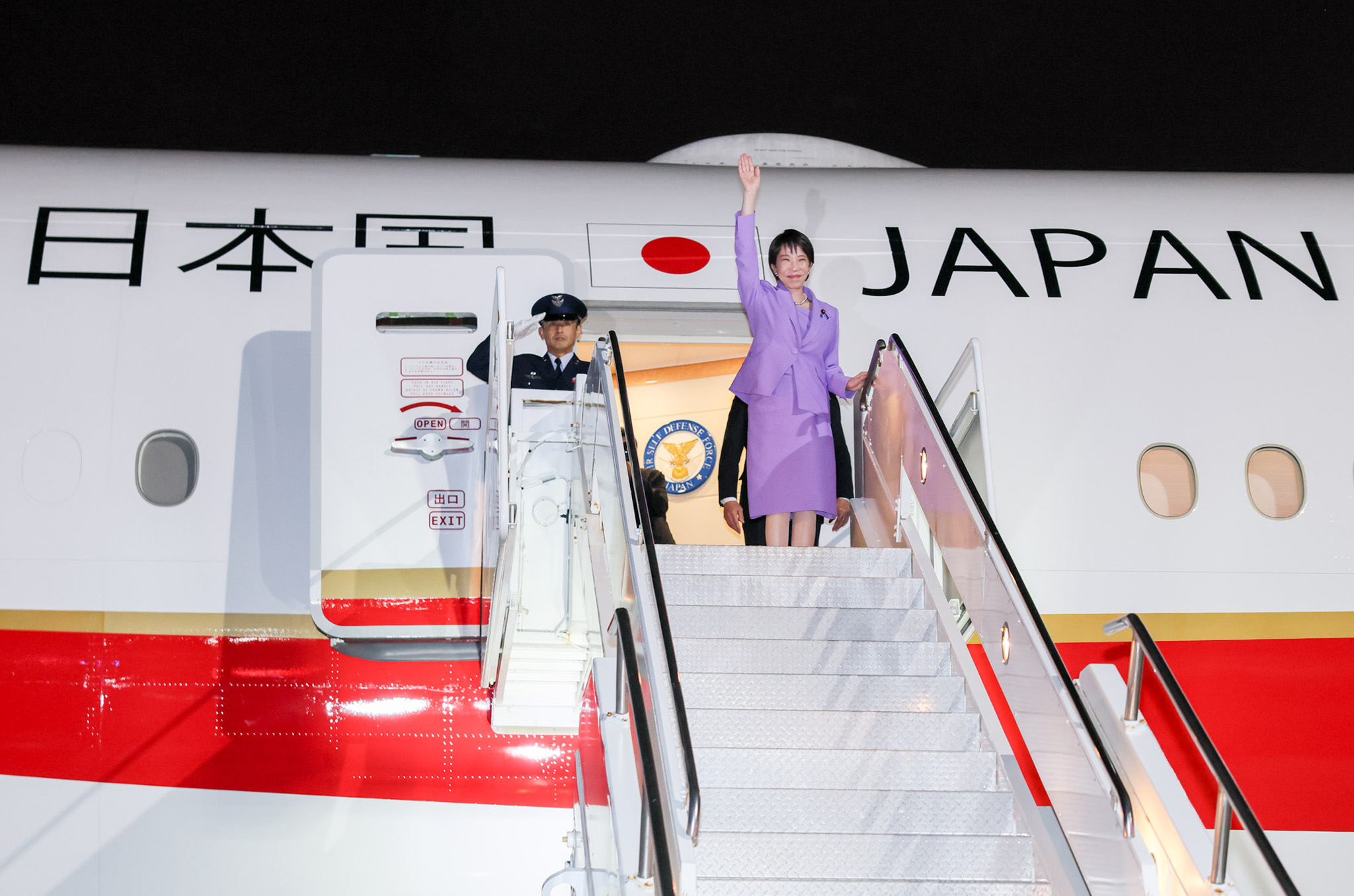
Today marks one year since Sanae Takaichi made history as Japan’s first female prime minister. Her premiership has included a decisive election victory, renewed tensions with China over Taiwan and a series of economic pledges aimed at easing pressure on households. Yet as she enters her second year in office, a cabinet scandal, questions over how to fund promised tax cuts and a dip in public approval have put her leadership under renewed scrutiny.
The most immediate challenge is the resignation of agriculture minister Kazuo Yana on October 14, following controversy over remarks about cutting road funding to municipalities whose leaders had not supported him politically. Takaichi’s handling of the affair has drawn criticism, while recent opinion polls show her cabinet’s approval rating slipping. Meanwhile, her pledge to cut the consumption tax on food has raised questions about how the measure would be funded, with the possibility of government borrowing being discussed.
Tensions With China Over Taiwan
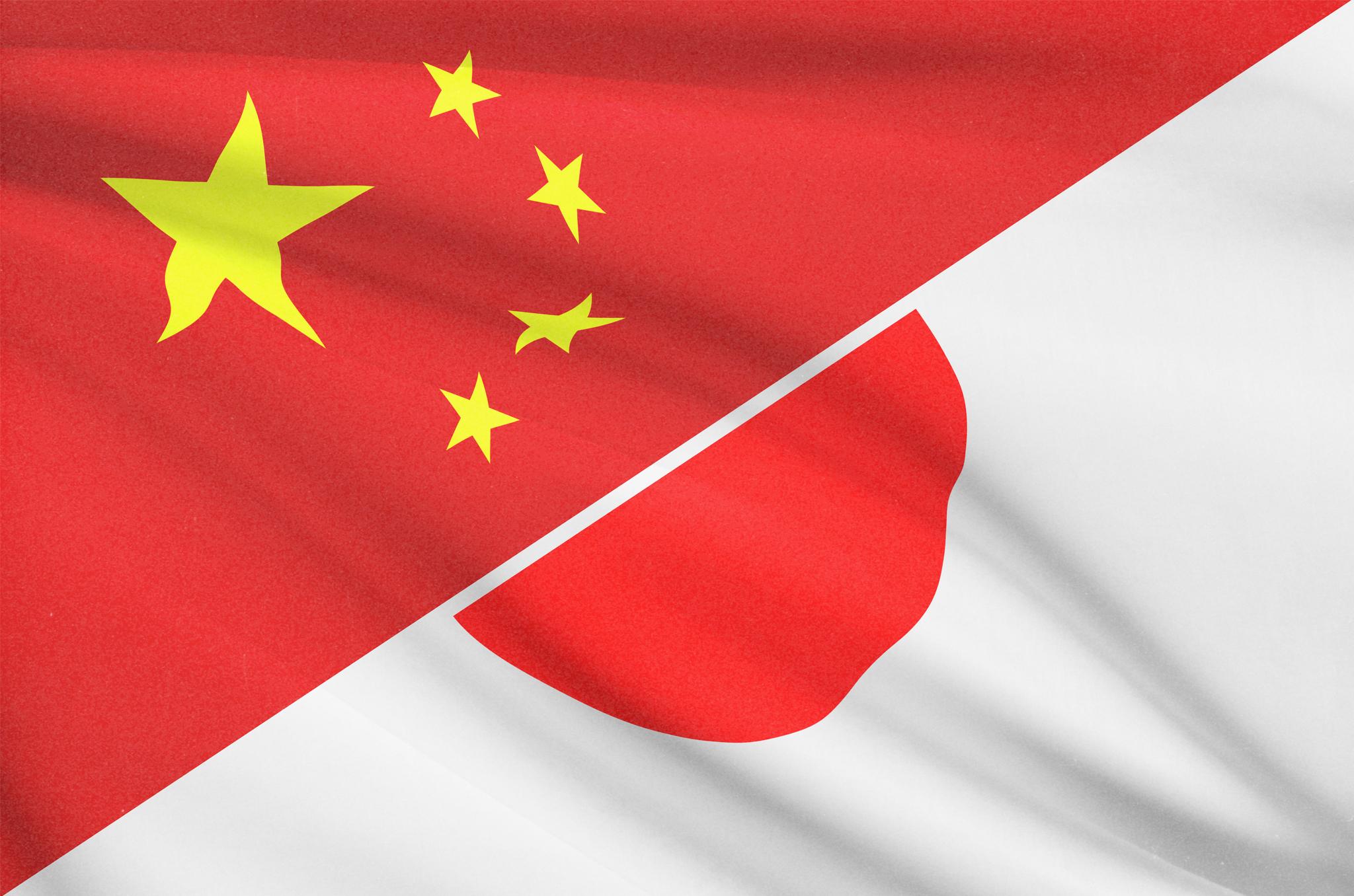
The latest challenges come against the backdrop of a first year in office marked by diplomatic tensions and a series of major political developments. Her first major diplomatic challenge came just weeks after she took office. On November 7, during a parliamentary debate, she said a Chinese military attack on Taiwan could constitute a “survival-threatening situation” for Japan, potentially allowing the country to exercise its right to collective self-defense. The remarks drew a sharp response from Beijing.
China’s government accused Takaichi of interfering in its internal affairs and demanded that she retract her remarks, arguing that they undermined the political foundations of bilateral relations. The dispute escalated further when China’s consul general in Osaka, Xue Jian, posted a comment on social media threatening to “cut off” the head of anyone who interfered, in an apparent reference to Takaichi. The post was later deleted, prompting further protests from Tokyo.
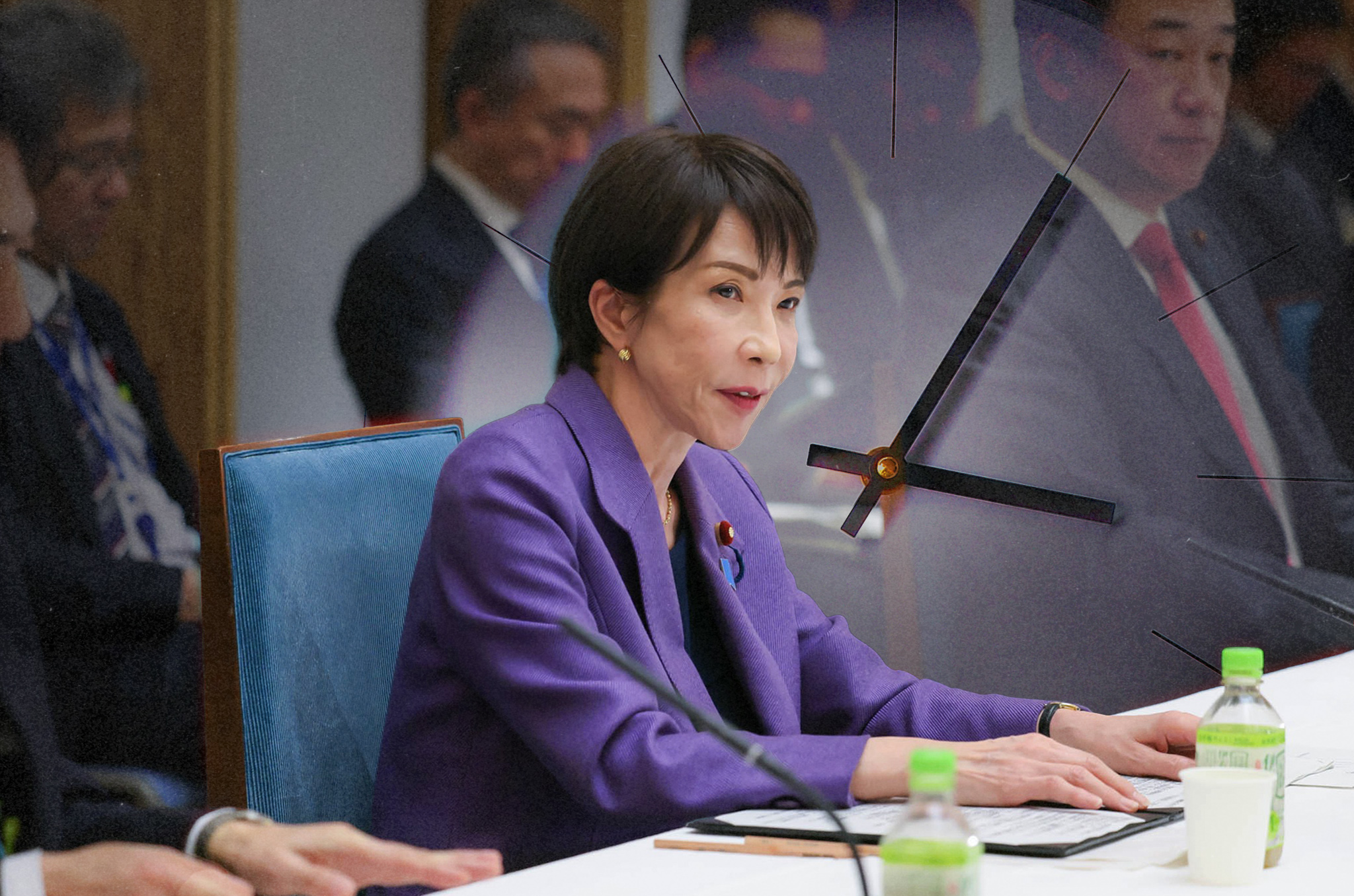
Composite by Victoria Bennett | Wikimedia, Shutterstock
A Punishing Work Schedule
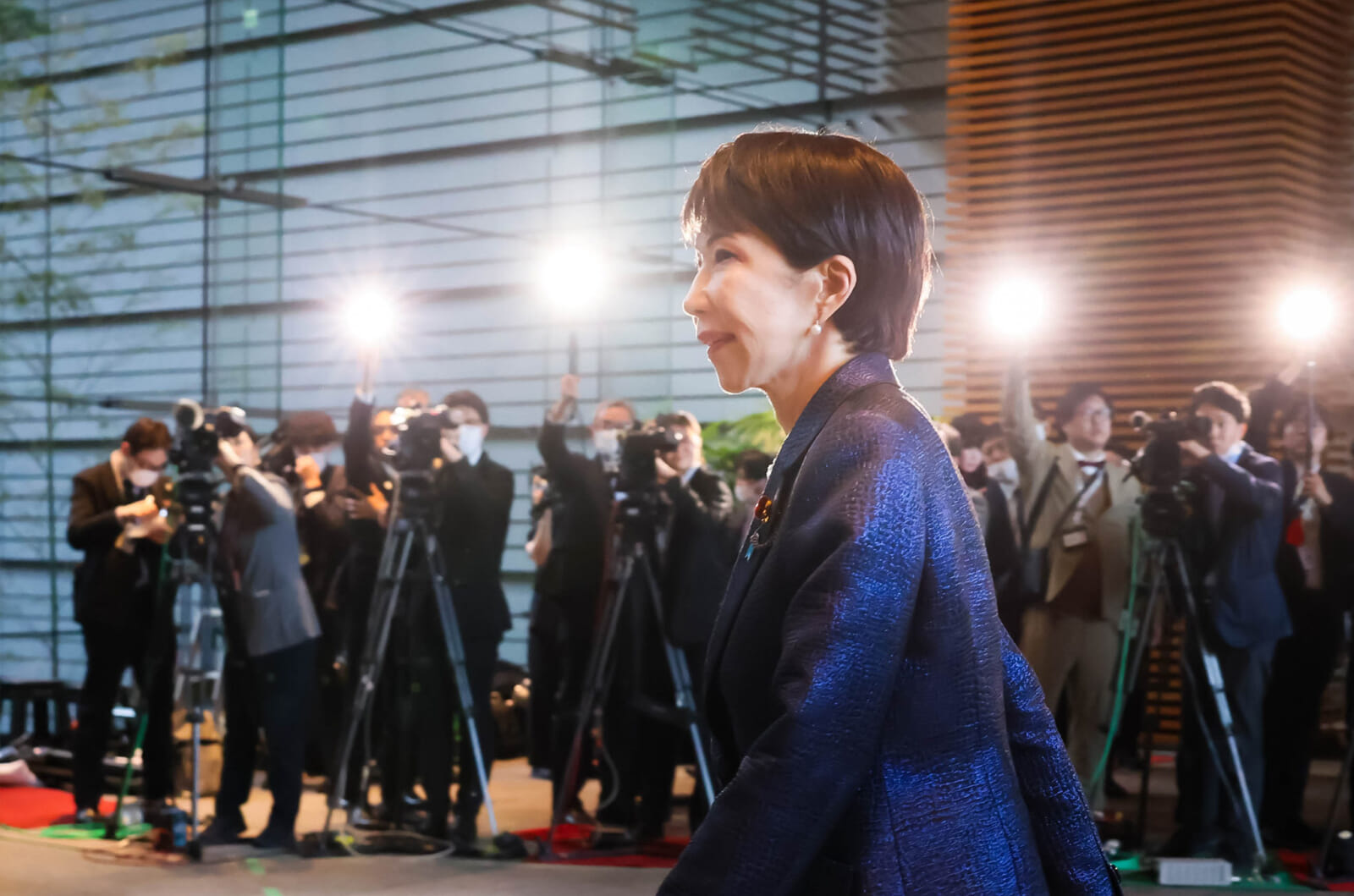
Away from the diplomatic spotlight, Takaichi also drew attention for her punishing schedule. Following her victory in the Liberal Democratic Party (LDP) leadership election, she declared, “I will abandon the concept of work-life balance. I will work, work, work, work and work.” She later revealed that she sometimes slept for just two to four hours a night. Her remarks drew praise from supporters but criticism from labor advocates and lawyers involved in karoshi (death from overwork) cases.
Concerns also extended to the well-being of those working around her. Takaichi recounted arriving at the prime minister’s official residence at 3 a.m. to review prepared answers for a parliamentary session, acknowledging the strain her schedule may have placed on the secretaries helping to refine her responses, as well as security guards and drivers. Her remarks prompted calls for her to ease her pace for the good of her own health and out of consideration for those around her.
A Landslide Election Victory
Despite the concerns over her demanding approach to the job, Takaichi secured a decisive political victory in February, when she called a snap general election to seek a stronger mandate. The gamble paid off, with the LDP winning 315 of the 465 seats in the House of Representatives, securing a two-thirds majority on its own for the first time in the postwar era. The result gave her greater room to pursue her policy agenda.
Following the victory, Takaichi renewed her push for constitutional revision, a long-standing goal of conservatives in Japan. “The constitution expresses the ideal form of the nation,” she said at a press conference, adding that she was “determined to create an environment in which a national referendum on revising the constitution can be held as soon as possible.” Any revision, though, would require approval by two-thirds of lawmakers in both houses of parliament before being put to a national referendum.
The World’s Most Powerful Woman?
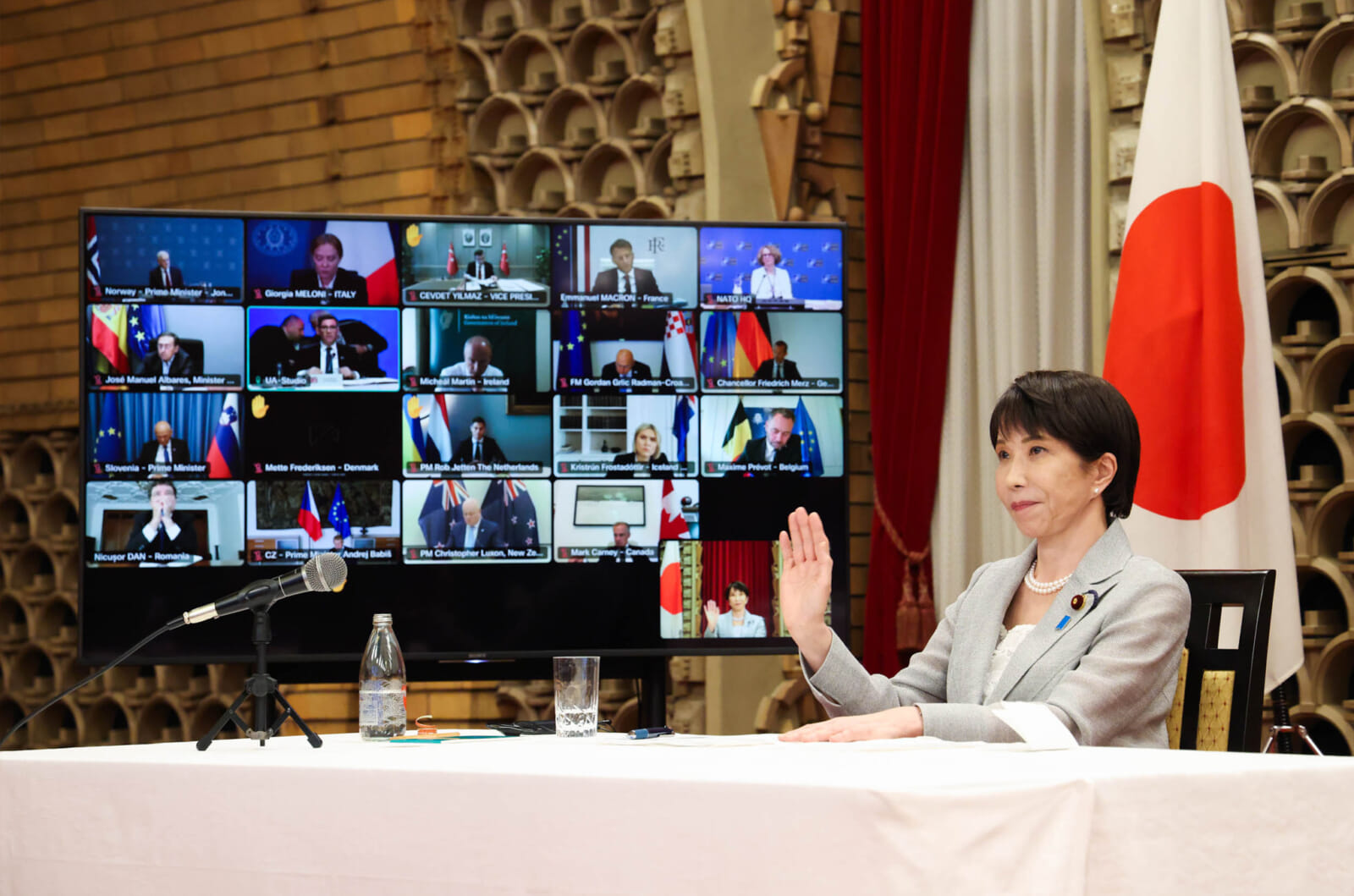
The scale of the election victory also raised a broader question about how Takaichi would use her newfound political clout. The British magazine The Economist described her as “The World’s Most Powerful Woman,” arguing that the result gave Japan’s first female prime minister a “historic chance” to reshape the country. But the magazine cautioned that turning that opportunity into lasting change would require her to look beyond her conservative base and lead for all of Japan.
The title of “world’s most powerful woman” is, of course, subjective. One of the most widely cited benchmarks is Forbes’ annual ranking of the world’s most powerful women, which considers factors including visibility and economic impact. In its 2025 list, Takaichi ranked third, behind European Commission President Ursula von der Leyen, who topped the ranking, and European Central Bank President Christine Lagarde, who came second, reflecting her growing international profile.
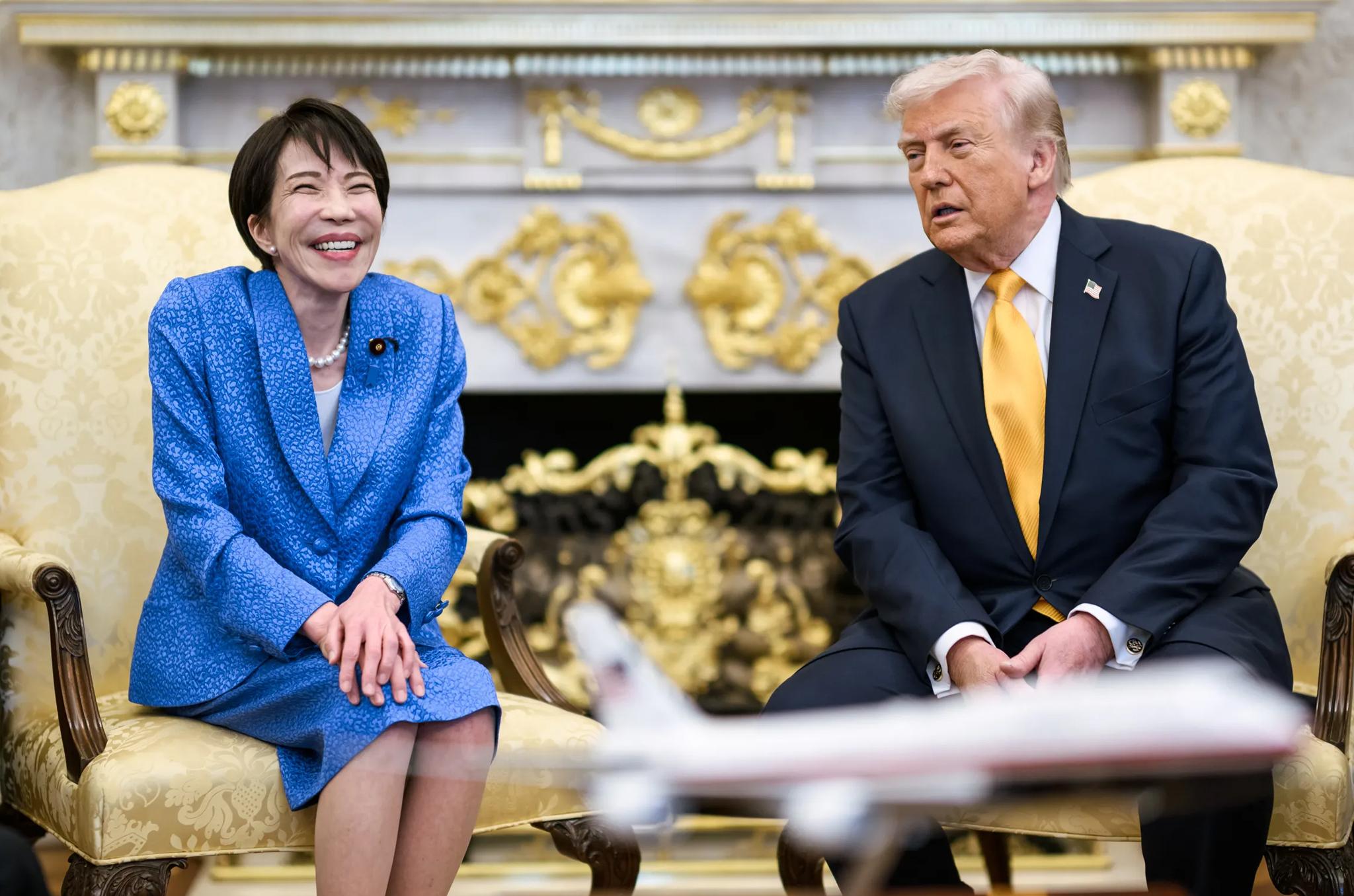
Image: The White House
Courting Trump in Washington
Takaichi’s growing prominence was also on display during her March visit to Washington, where her efforts to cultivate a close relationship with Donald Trump drew attention for both their warmth and their more awkward moments. During their meeting, the US president invoked Japan’s 1941 attack on Pearl Harbor to justify keeping allies in the dark before launching strikes on Iran. Takaichi appeared visibly startled but offered no direct rebuttal, despite the historical sensitivity of the comparison for Japan.
Takaichi lavished Trump with praise, declaring that he alone could “achieve peace across the world.” The effusive language drew attention to her apparent eagerness to win his favor, raising questions about the balance between personal diplomacy and Japan’s national interests. Some praised her handling of Trump while others criticized what they saw as overly deferential behavior. The visit has also sparked a wave of online memes, including clips of her dancing at the White House.
Composite by Victoria Bennett | Images: Shutterstock / Wikimedia
The Debate Over Imperial Succession
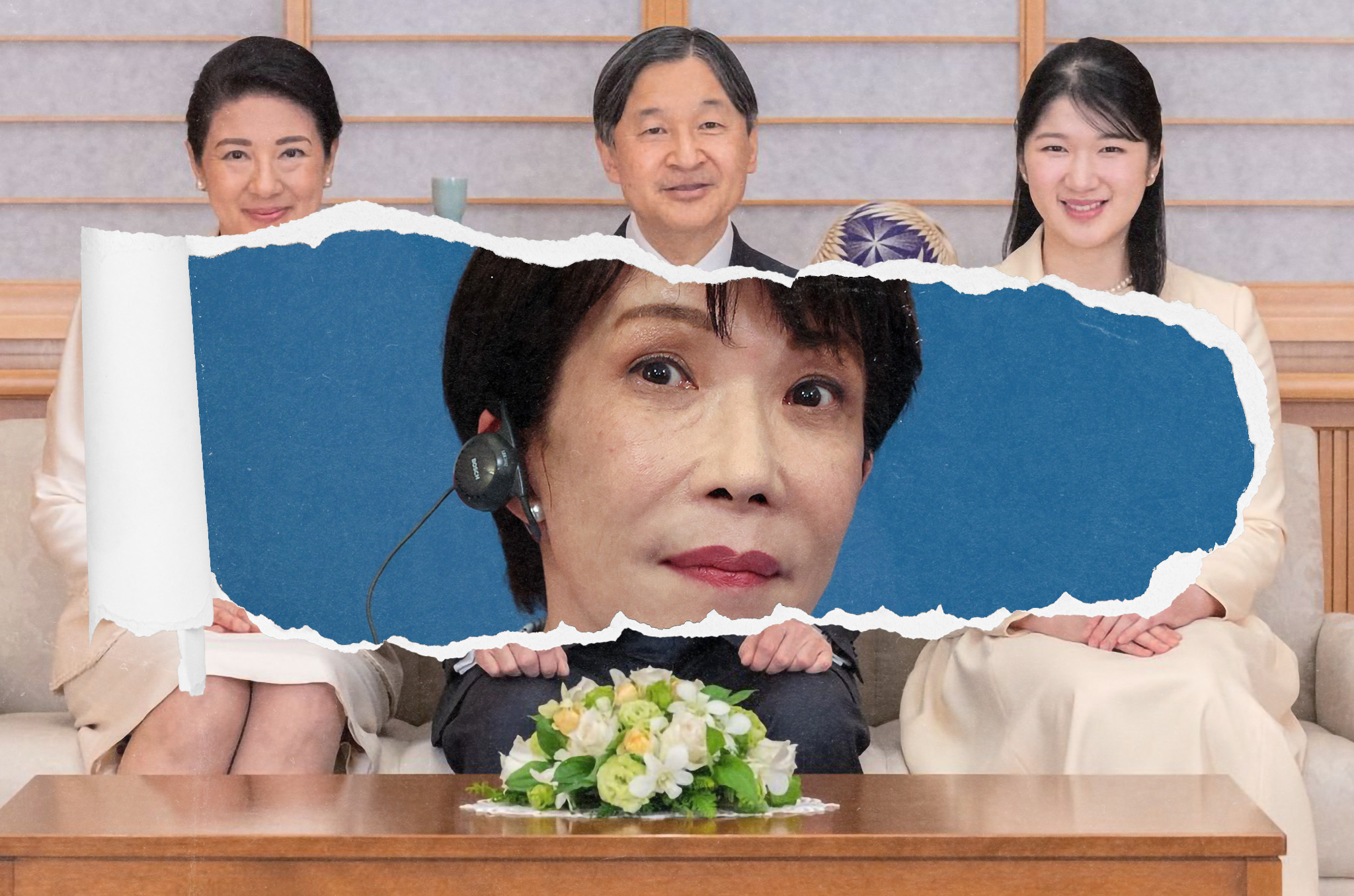
Takaichi’s premiership has also drawn scrutiny over the contrast between her own historic rise and her views on women’s place in Japanese society. Despite becoming the country’s first female prime minister, she remains a staunch defender of male-only imperial succession, opposing calls to allow women to inherit the Chrysanthemum Throne. Her position has drawn scrutiny amid growing public support for female succession, with Emperor Naruhito’s daughter, Princess Aiko, at the center of the debate.
The issue came into focus in July, when the government adopted a bill to revise the Imperial House Law in response to the shrinking size of the imperial family. The changes would allow female members to retain their imperial status after marriage and permit the adoption of male descendants from former imperial branches stripped of their status after World War II. However, the proposals leave the male-only succession rules unchanged, preserving a system that excludes women from inheriting the throne.
A Tax Cut Under Scrutiny
While the imperial succession debate highlighted the limits of Takaichi’s appetite for change, the cost of living presents a more immediate concern for many households. With rising prices continuing to squeeze family budgets, she pledged to cut the consumption tax on food from 8% to 1% as part of efforts to ease the financial burden. However, questions remain over how the reduction would be funded and whether it would provide lasting relief to struggling families.
The planned two-year measure, due to begin next April, would mark the first reduction in the consumption tax since its introduction in 1989 and would be accompanied by planned cash handouts for low- and middle-income households. However, Takaichi said this week that the government would not extend the cut beyond the planned two years, citing economic concerns. Critics warn that food prices could “spike significantly” when the tax rate returns to 8% in 2029.
A Tougher Line on Foreign Residents
Takaichi has also pursued a tougher approach towards foreign residents, with her government tightening permanent residency requirements and preparing a broader policy on immigration. Supporters argue that clearer rules are necessary, while critics question whether stricter measures risk deepening hostility towards foreigners at a time when Japan faces labor shortages and a shrinking population. Her stance reflects the conservative priorities that have defined much of her premiership, even as the country’s demographic challenges demand difficult choices.
Whether these priorities will translate into lasting improvements in people’s lives remains an open question. One year on, Takaichi has made history and secured an extraordinary electoral mandate, but many of her most prominent pledges have yet to produce tangible results for ordinary Japanese households. With approval ratings falling in some polls, her second year will test whether her political dominance can bring meaningful change beyond the symbolism of her historic rise.