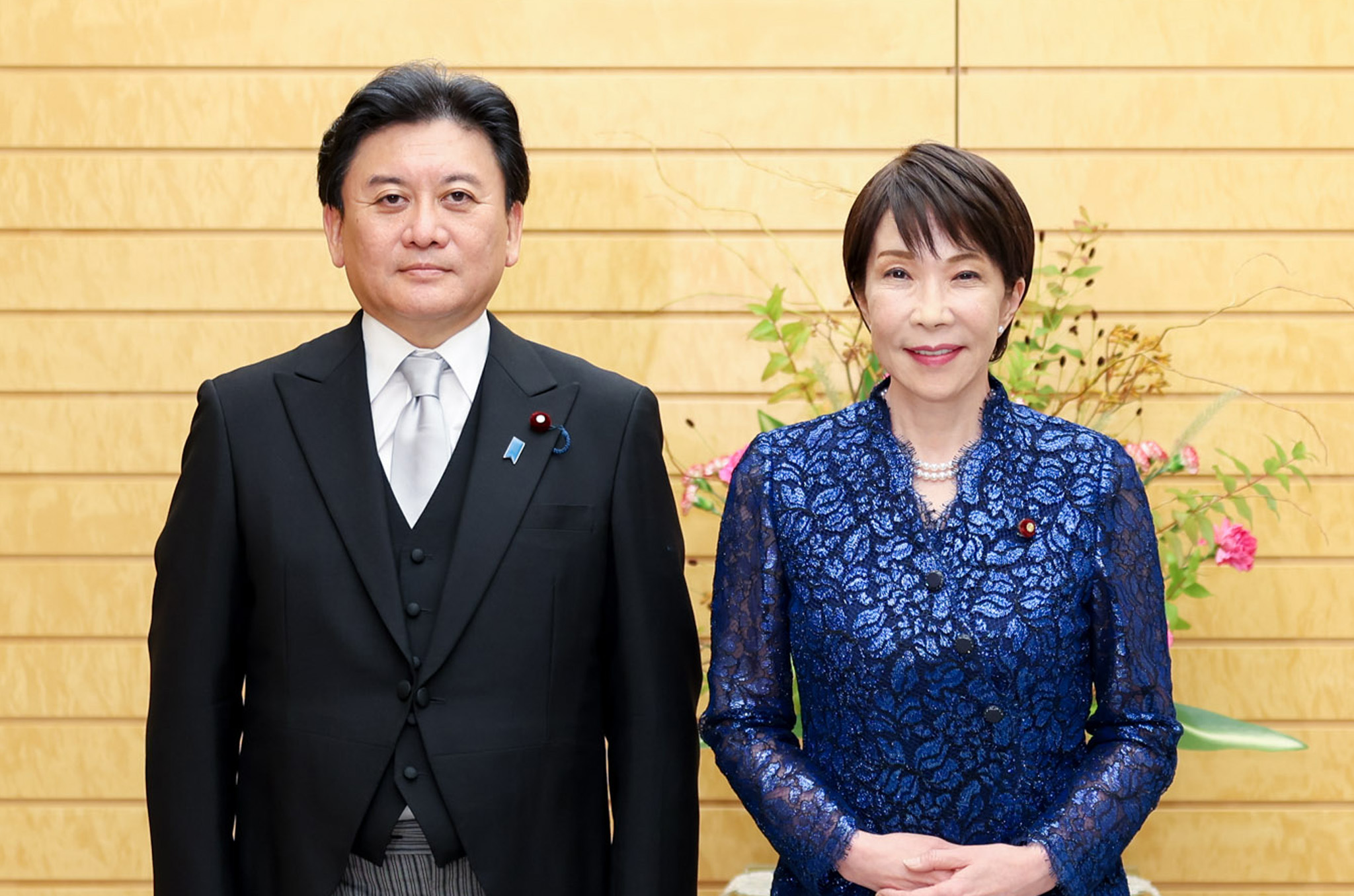
Arata Takebe was appointed as the new Japanese agriculture minister on October 15 after Kazuo Yana resigned. Yana became the first member of Prime Minister Sanae Takaichi’s Cabinet to step down following criticism over remarks suggesting he would cut road funding for municipalities that did not support him. Appointed in a September Cabinet reshuffle, he said he was resigning to avoid further disruption to parliamentary proceedings. Takaichi acknowledged her role in the controversy, telling reporters, “I am the one who made the appointment.”
In May 2026, Yana told supporters in his home district of Tochigi that he slashed fiscal 2026 road budgets for two municipalities whose mayors did not back him in the February House of Representatives election. He later retracted the remarks and apologized, saying they were factually inaccurate, but questions remained over whether he improperly influenced the budget allocations. Yana also faced allegations that he provided free shuttle bus services to supporters during previous lower house election campaigns, potentially violating the Public Offices Election Act.
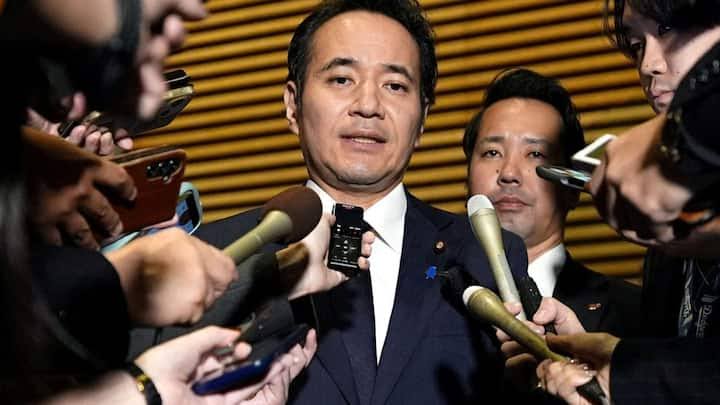
Kazuo Yana Resigns
Up until his sudden exit on October 14, Yana strongly resisted calls for his resignation, insisting that he wanted to remain in his post to fulfill his ministerial duties. However, with scandals mounting and Takaichi’s support wavering, he eventually capitulated. “I submitted my resignation because I can’t continue to create more trouble with parliamentary deliberations. I also felt that I needed to avoid a situation where I’d no longer be able to concentrate on (my ministerial duties) for agricultural, forestry and fisheries administration,” Yana said.
His resignation has revived questions over whether the agriculture minister’s post is jinxed, given its long history of scandals and political turmoil. Over the past two decades, the ministry has seen a series of high-profile controversies involving its leaders, ranging from political funding scandals to remarks that sparked public outrage. Yana’s brief tenure adds another chapter to the troubled history of a Cabinet portfolio that has repeatedly become a source of embarrassment for successive Japanese governments, raising questions about why the post has proved so difficult to hold.
Previous Agriculture Ministers and Their Controversies
首相官邸
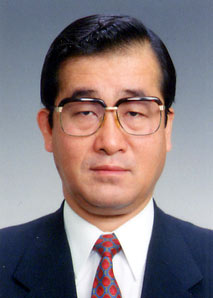
Toshikatsu Matsuoka
On May 28, 2007, Agriculture Minister Toshikatsu Matsuoka, 62, was due to appear before a parliamentary committee to answer questions about allegations that his political funds organization had claimed approximately ¥28.8 million in utility expenses over five years for a parliamentary office where utilities were provided free of charge. He also faced allegations over political contributions. Matsuoka, though, never appeared at the inquiry. Earlier in the day, the minister was found unconscious inside his Tokyo apartment. He died later in hospital. An autopsy showed he had hanged himself.
Speaking after visiting the hospital where Matsuoka died, Shinzo Abe said, “The effects on the Cabinet will be great. I feel deeply conscious of my responsibility as prime minister, and as the one who appointed him.” Matsuoka reportedly left suicide notes apologizing for the trouble he had caused, including a message addressed to Abe. His death marked the first suicide by a sitting Japanese Cabinet minister in the postwar era, sending shockwaves through the political establishment and casting a long shadow over Abe’s government.
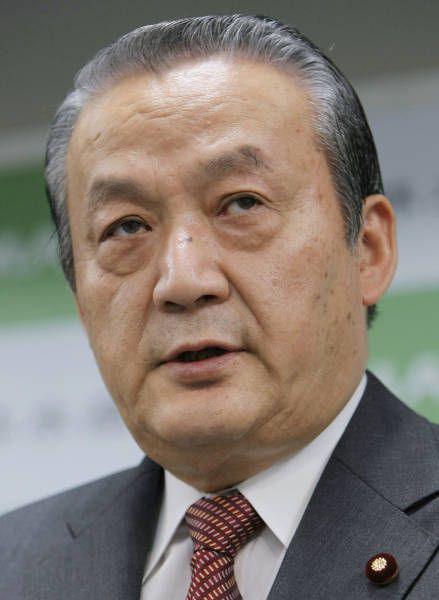
Seiichi Ota
On September 19, 2008, Seiichi Ota resigned as Japan’s agriculture minister amid a major scandal involving tainted rice. Imported from China, Vietnam and the United States, the grain was contaminated with mold or high levels of pesticides. The Agricultural Ministry subsequently sold the rice to processing firms under legally binding conditions stipulating that it could only be used for non-edible industrial purposes, such as the manufacture of industrial starch or glue. However, Osaka-based company Mikasa Foods illegally resold the rice for human consumption.
The Agricultural Ministry was first tipped off about Mikasa Foods’ distribution of the inedible tainted rice in January 2007 but said it had been unable to uncover any wrongdoing. Ota, known for his outspoken remarks and verbal gaffes, later drew criticism after saying on a television program that he was “confident that the tainted rice has no influence on the human body” and that he was “not making too much of a fuss” over the issue. His remarks intensified criticism of his handling of the scandal, contributing to his resignation.
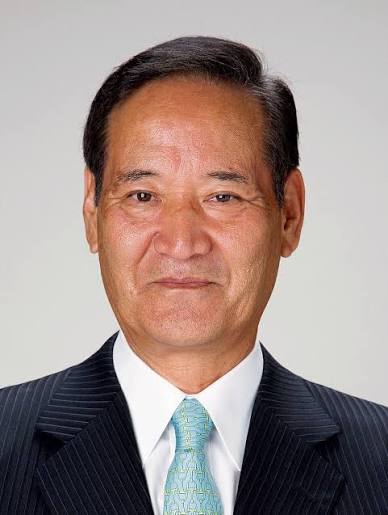
Koya Nishikawa
On February 23, 2015, Koya Nishikawa stepped down as agriculture minister amid controversy over political funding contributions, becoming the latest member of Abe’s Cabinet to resign over a scandal. The case centered on an alleged ¥1 million donation to a ruling Liberal Democratic Party (LDP) chapter led by Nishikawa from a building-management company headed by the president of the Japan Sugar Refiners’ Association, which had received government subsidies. The donation raised concerns over the links between political contributions and organizations benefiting from public funds, putting Nishikawa under pressure to explain the circumstances.
“No matter how much I explain the situation, if people don’t understand they don’t understand,” Nishikawa told reporters. “There is absolutely no conflict with the law, but people can still use this to tarnish my image.” He maintained that he had broken no laws. Prime Minister Abe said he had initially rejected Nishikawa’s resignation but eventually relented. “He was determined to quit, and I have to respect his wishes. I think it’s really regrettable,” Abe said. Nishikawa’s departure added to the political difficulties facing the administration.
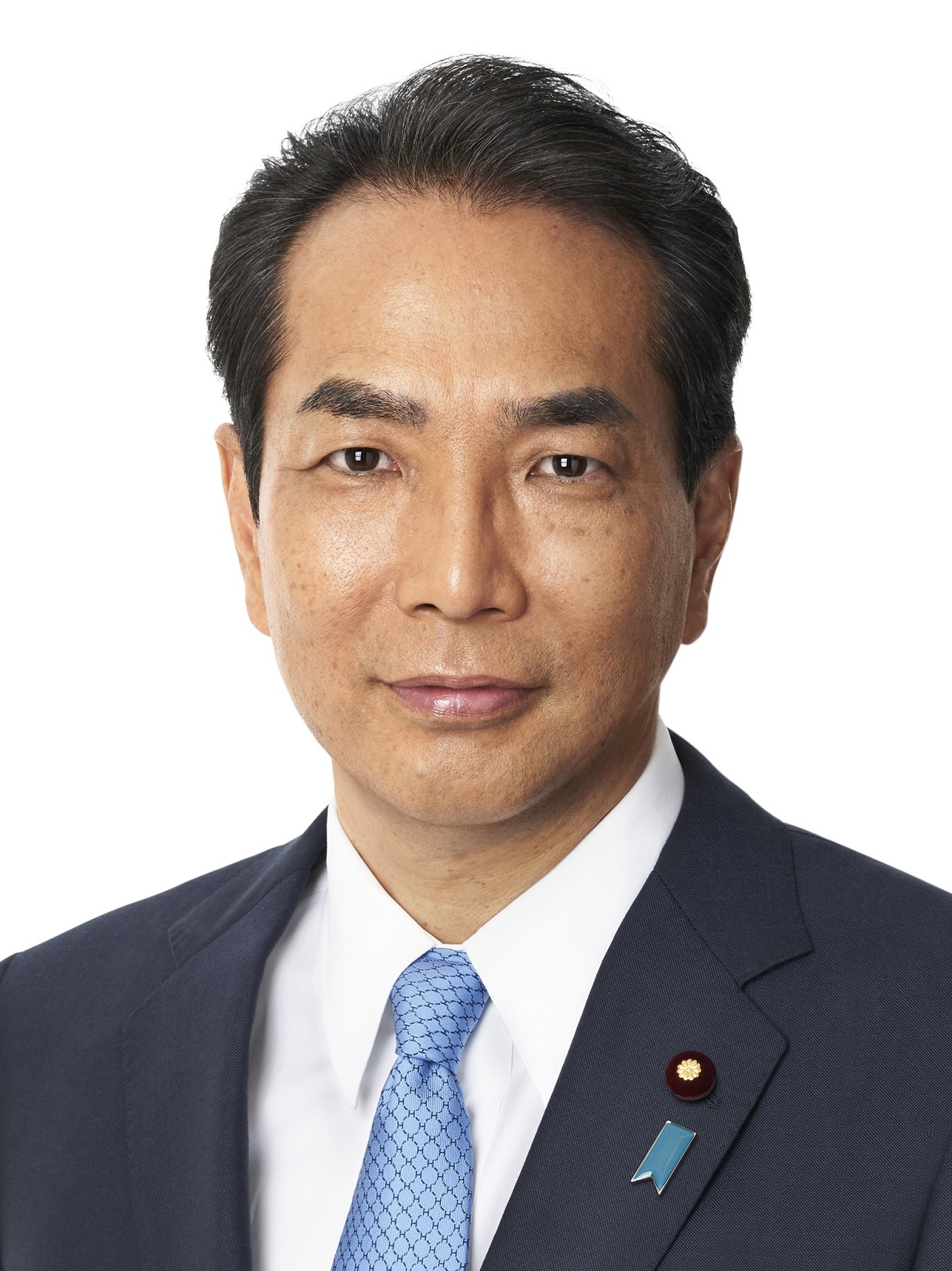
Taku Eto
Taku Eto became the first minister to resign from Shigeru Ishiba’s Cabinet on May 21, 2025. His position became untenable after he said that he “had never had to buy rice” as he got it free from supporters. Speaking at a political fundraising party, he added that he “received so much of it that he had enough to sell.” The comments angered consumers who were having to deal with skyrocketing prices for the country’s staple grain. Eto later apologized, stating that he exaggerated the point.
The damage, however, had already been done. When asked by reporters why he was resigning, Eto replied, “We must lower the price of rice from now on at any cost. To do so, the trust of the public is essential. If I have undermined that trust, I have decided that it is in the best interest of the people that I step down.” His departure marked another setback for Ishiba, whose Cabinet was already under pressure over its handling of the rising cost of living.
Related Posts
- Who Will Be Japan’s Next Prime Minister?
- Introducing the Nine Candidates Vying To Become Japan’s Next Prime Minister
- Fumio Kishida To Resign As Japan’s Prime Minister
Updated On October 19, 2026