

A historic Japanese grooming enterprise recently filed for bankruptcy, marking the end of a 144-year legacy with ties to the Japanese imperial family.
Founded in 1882, “Ohba” was far more than a high-end Tokyo salon; it was best known for its connection to gorihatsu-gakari — the official imperial barber. For three generations, the Ohba family served in this rare role, wielding scissors and razors and crossing a historical boundary to become the first commoners tasked with grooming the Imperial Household.
Hideyoshi Ohba, the second-generation head of the business, was entrusted with grooming the future Emperor Hirohito while he was still crown prince.
What Exactly Is an Imperial Barber?
The gorihatsu-gakari is the traditional title for a barber entrusted with grooming Japan’s emperor. The role involves the careful cutting and styling of hair and, where required, shaving. During the Taisho era, Hideyoshi became the first civilian barber appointed to groom Crown Prince Hirohito, establishing a remarkable connection between the Ohba family and Japan’s Imperial Household.
Historically, the emperor was considered a “living god.” Wielding a sharp blade near the sovereign’s neck came with an intensely high-stakes duty; it couldn’t just be any common barber.
The Ohba family would ritually purify themselves by pouring freezing water over their bodies before entering the Imperial Palace, even in the middle of winter. For generations, they approached this duty with the solemn resolve to commit seppuku should they make a mistake or accidentally injure the emperor.
The First Commoner To Serve the Emperor
Prior to the 20th century, grooming the emperor was an insular task handled largely within the Imperial Household. Direct physical contact with the emperor was tightly restricted, reflecting his sacred status. However, the modernization of Japan during the Meiji and Taisho eras shifted royal traditions.
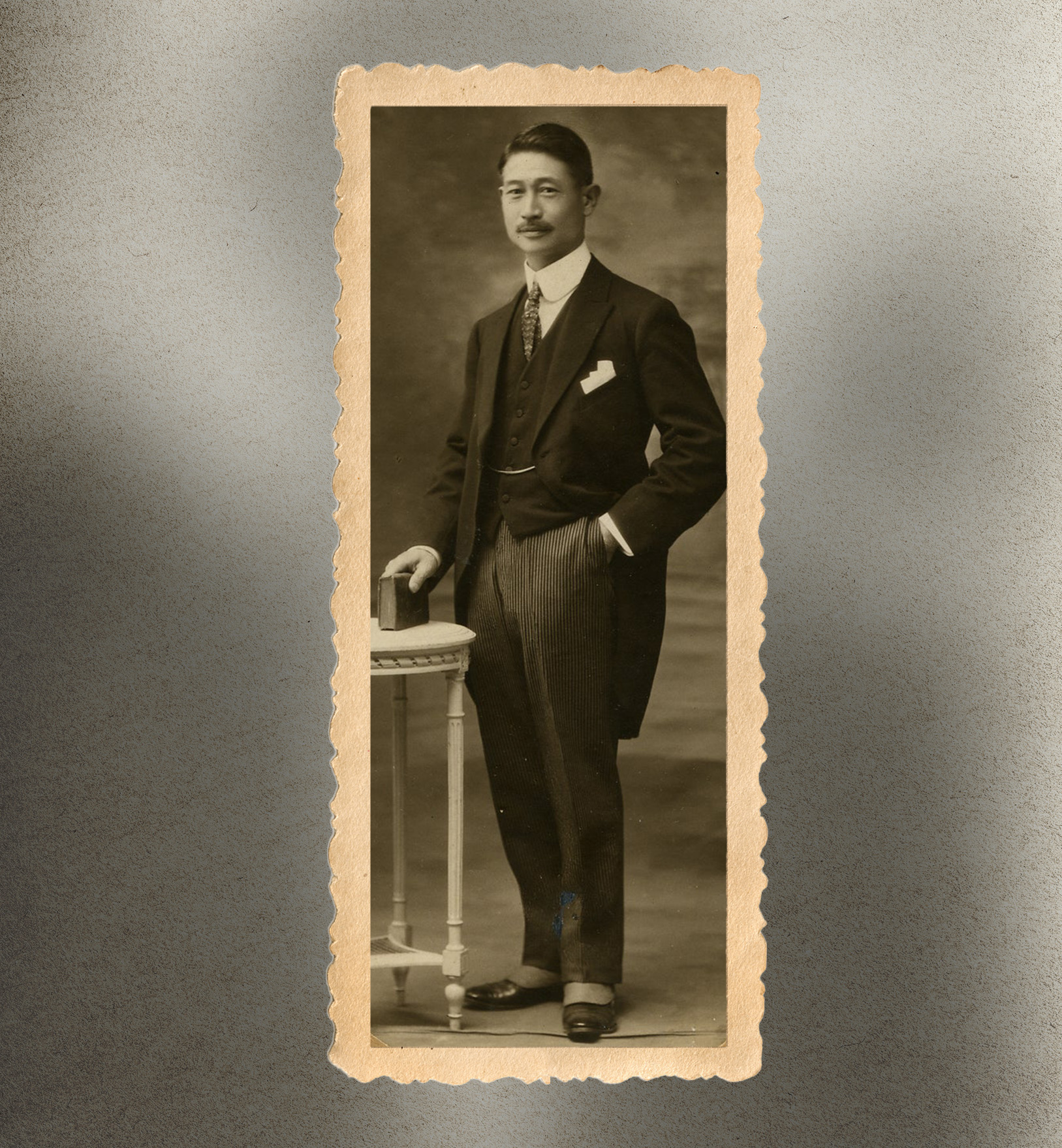
Hideyoshi was a pioneer of Western-style hairdressing. While Japan was still transitioning from traditional topknots (chonmage) maintained at local hair-tying stalls, he traveled to Shanghai to master Western techniques like scissor cutting and shaving.
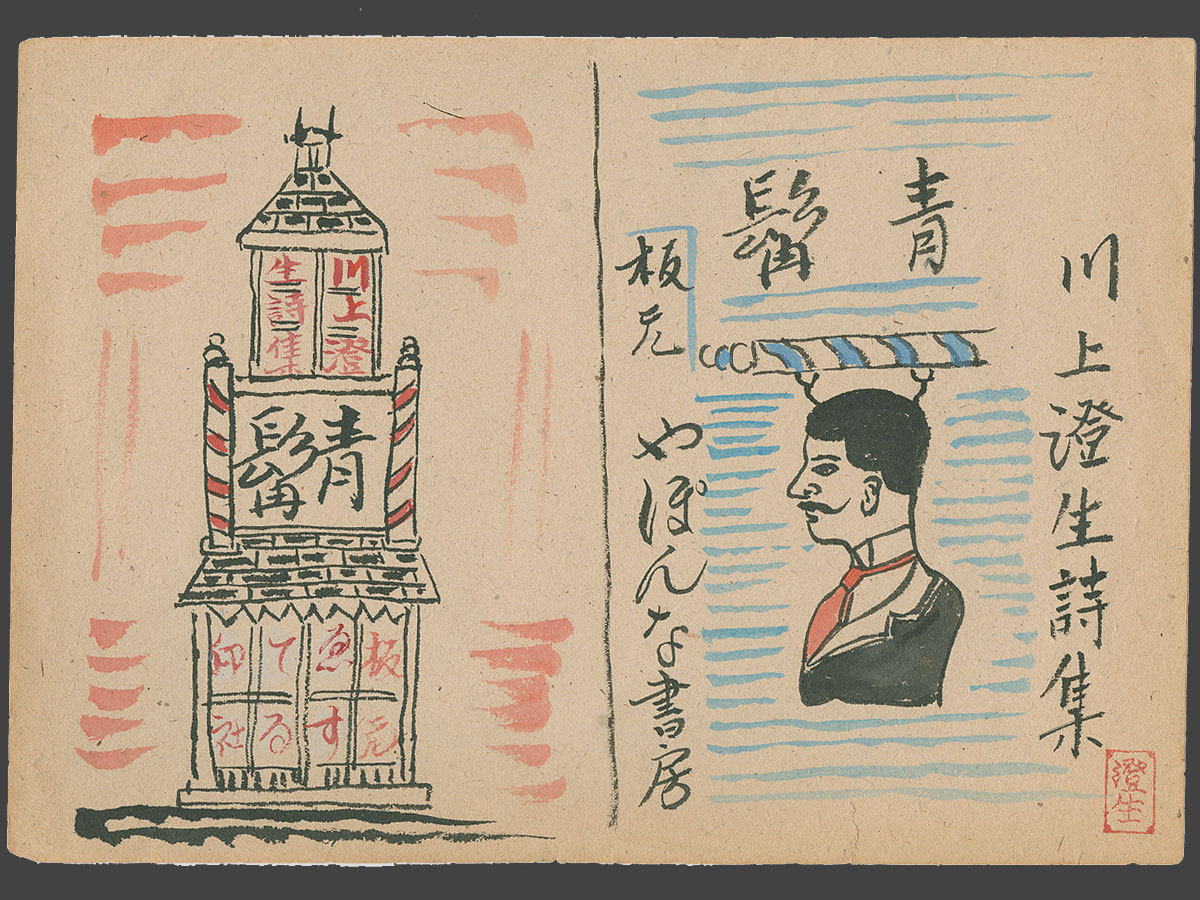
“Drawing – European Barber” by Kawakami Sumio
He returned to Japan and went independent, opening a Western-style salon in Yokohama, and later managing other barbershops in what is now the Toranomon district of Tokyo. When the parlor opened, aristocrats would come by carriage just to experience the novel Western-style haircuts and shaves. Word spread and the salon quickly became known as a glamorous place where the elites gathered to socialize.
Due to the salon’s proximity to government districts, many Imperial Household members and staff frequented his shop. Hideyoshi started supplying haircare and skincare products for the palace.
In 1921, his growing reputation earned him an unprecedented appointment: gorihatsu-gakari, or official barber, to Crown Prince Hirohito aboard the battleship Katori on a diplomatic voyage to Europe. It was the first time a civilian had been officially appointed to groom a member of the Imperial family.
Three Generations of Imperial Hairdressers
The Ohba family’s tradition of imperial barbering spanned three generations, from Hideyoshi to Eiichi and Ryukichi.
Hideyoshi’s son, Eiichi, served as Emperor Hirohito’s barber from 1941 to 1943. Ryukichi served as the third-generation imperial barber from 2007 to 2017, styling the hair of both Emperor Emeritus Akihito and then Crown Prince Naruhito.
Ryukichi’s era was characterized by a warmer, more modern relationship with the imperial family. Unlike his predecessors, Ryukichi often enjoyed relaxed conversations with members of the imperial family during their haircuts.
Ryukichi fondly remembered the chats with them. Emperor Emeritus Akihito often looked through documents and books while getting his hair cut. “Whenever the haircut was finished, the emperor would always straighten his back, stand upright and smile, saying, ‘Thank you very much,’” recalled Ryukichi in an interview with the Sankei Shimbun.
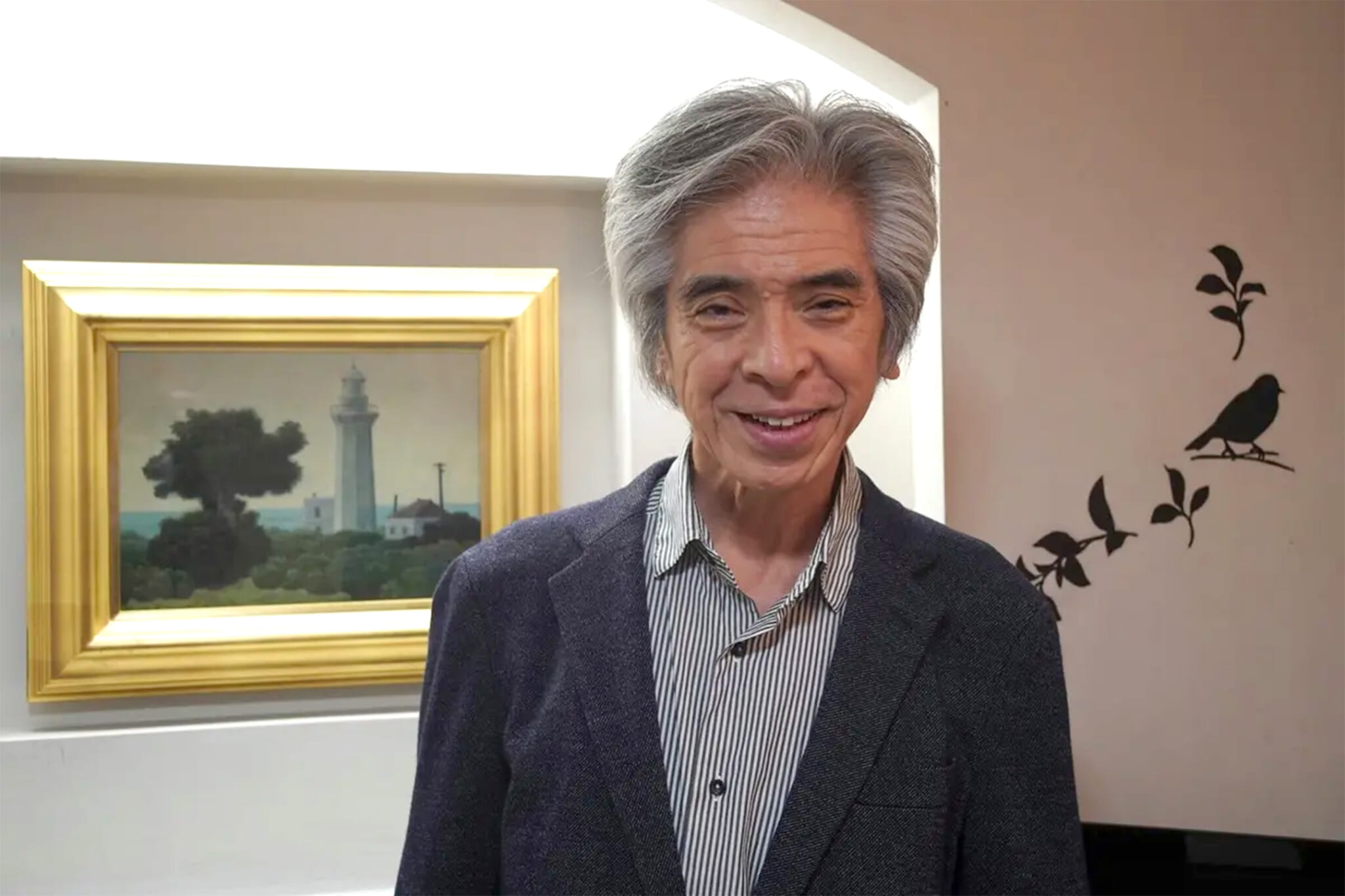
Ryukichi Ohba passed away at age 74 | Image courtesy of Imperial Household Agency
The End of an Era
In its modern iteration, the Ohba salon evolved under Ryukichi’s leadership from a traditional barbershop into a specialized scalp care clinic in Akasaka and Aoyama.
However, the company’s reputation was inextricably linked to Ryukichi’s status as the emperor’s personal barber. He passed away in February at the age of 74, and the company lost its guiding force.
Facing mounting financial difficulties and the irreplaceable loss of its leader, the Ohba company received a bankruptcy commencement order earlier this year and closed all of its salons. While the business has closed its doors, the Ohba family’s achievement of modernizing Imperial grooming and bridging the gap between commoners and the throne remains a unique chapter in Japanese history, one written one haircut at a time.